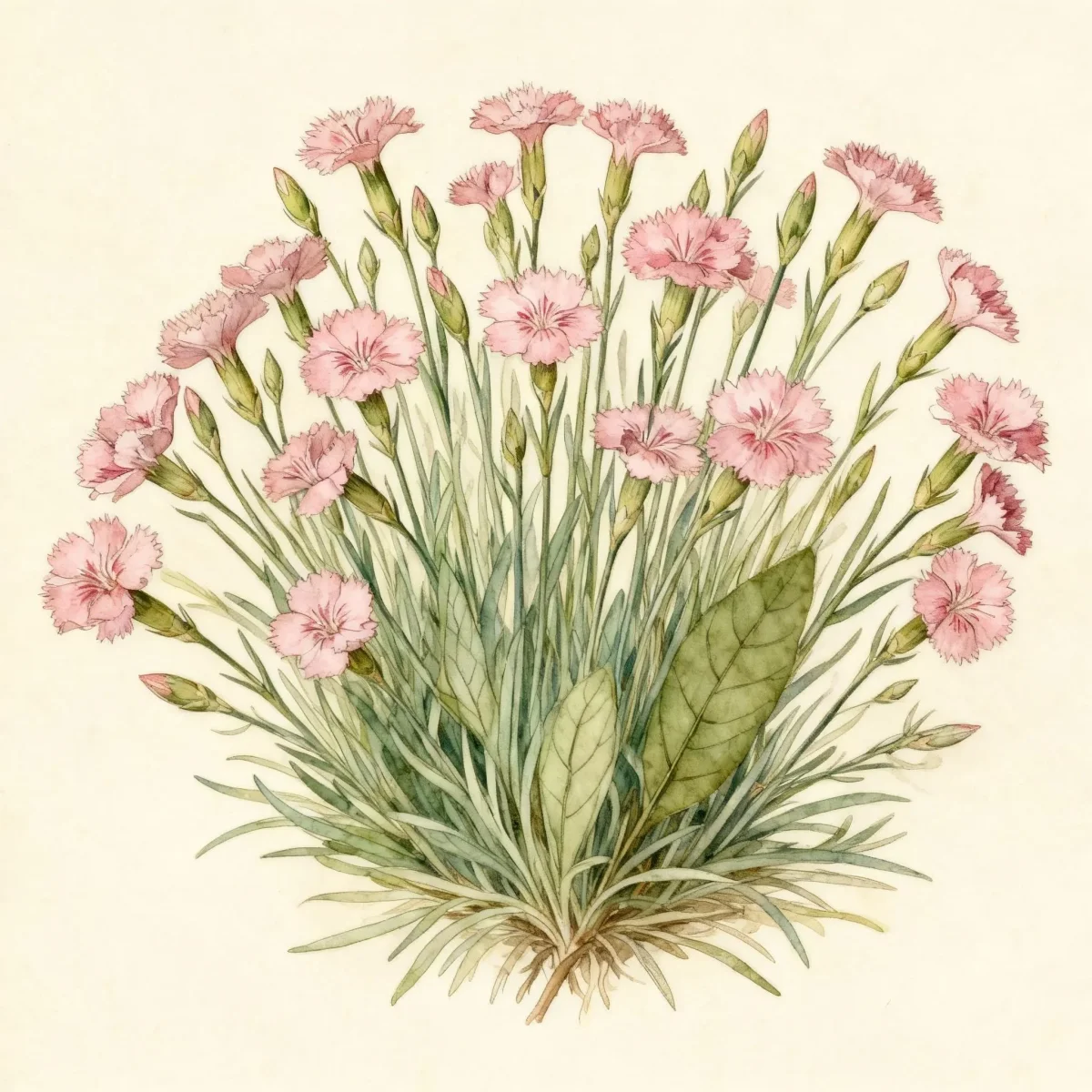
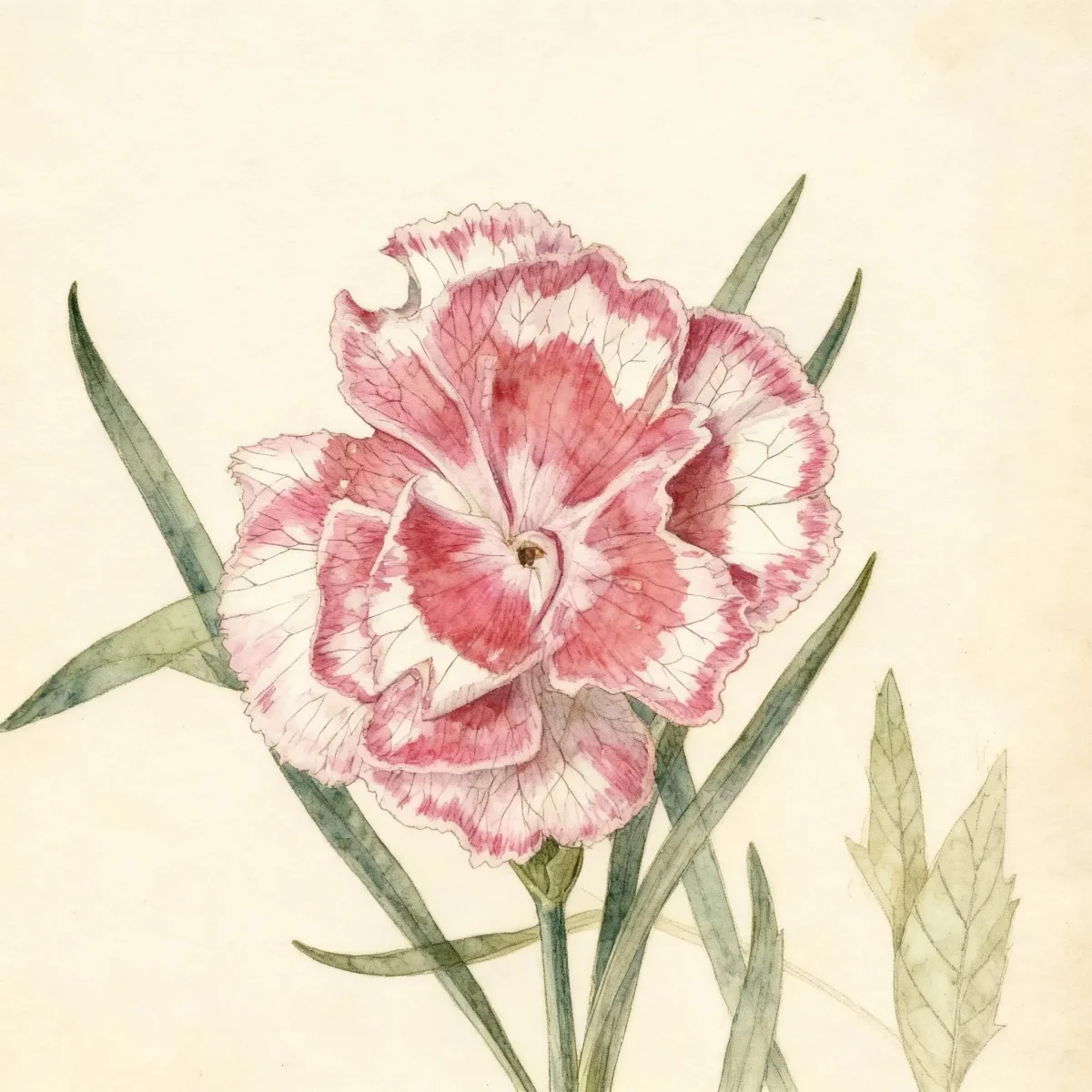
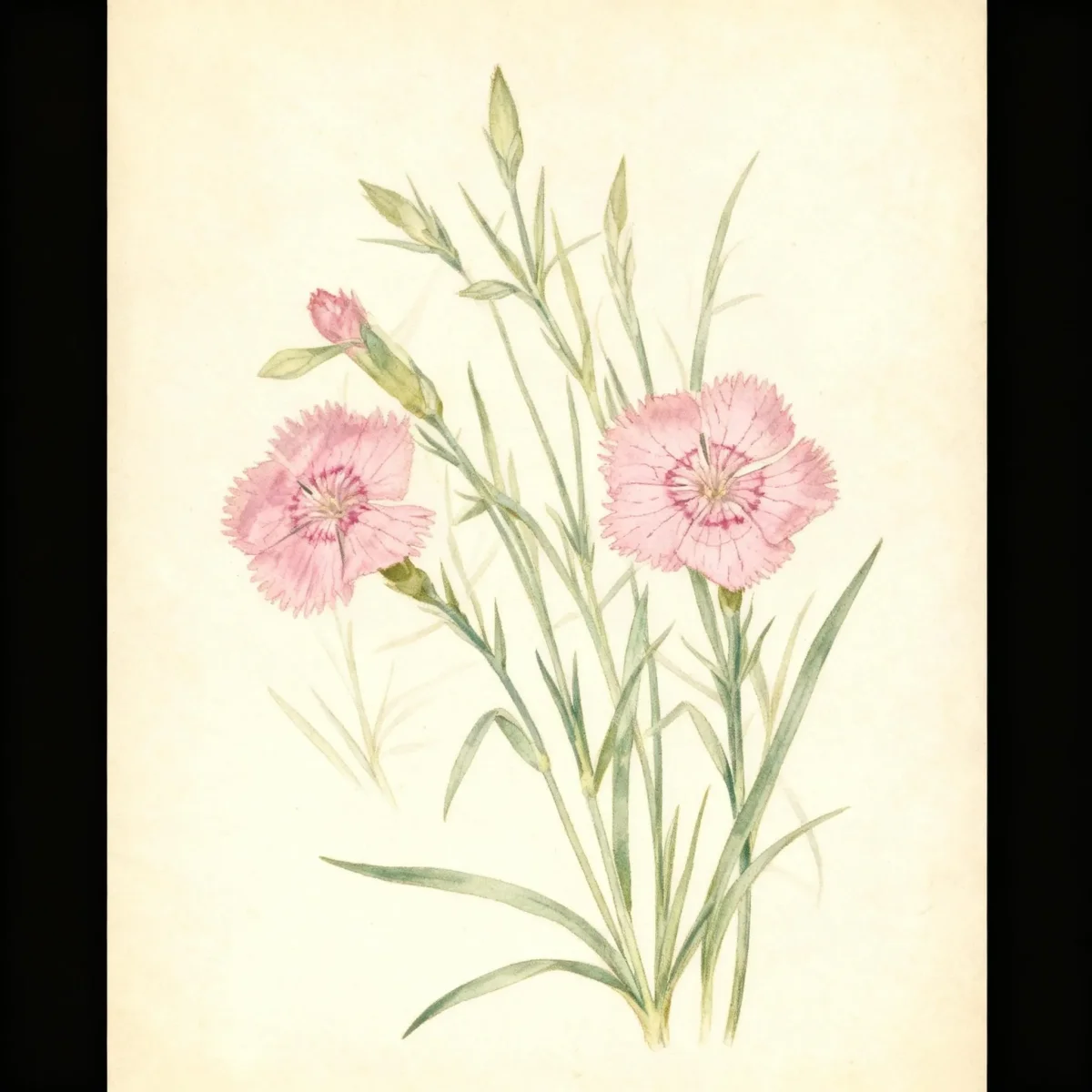
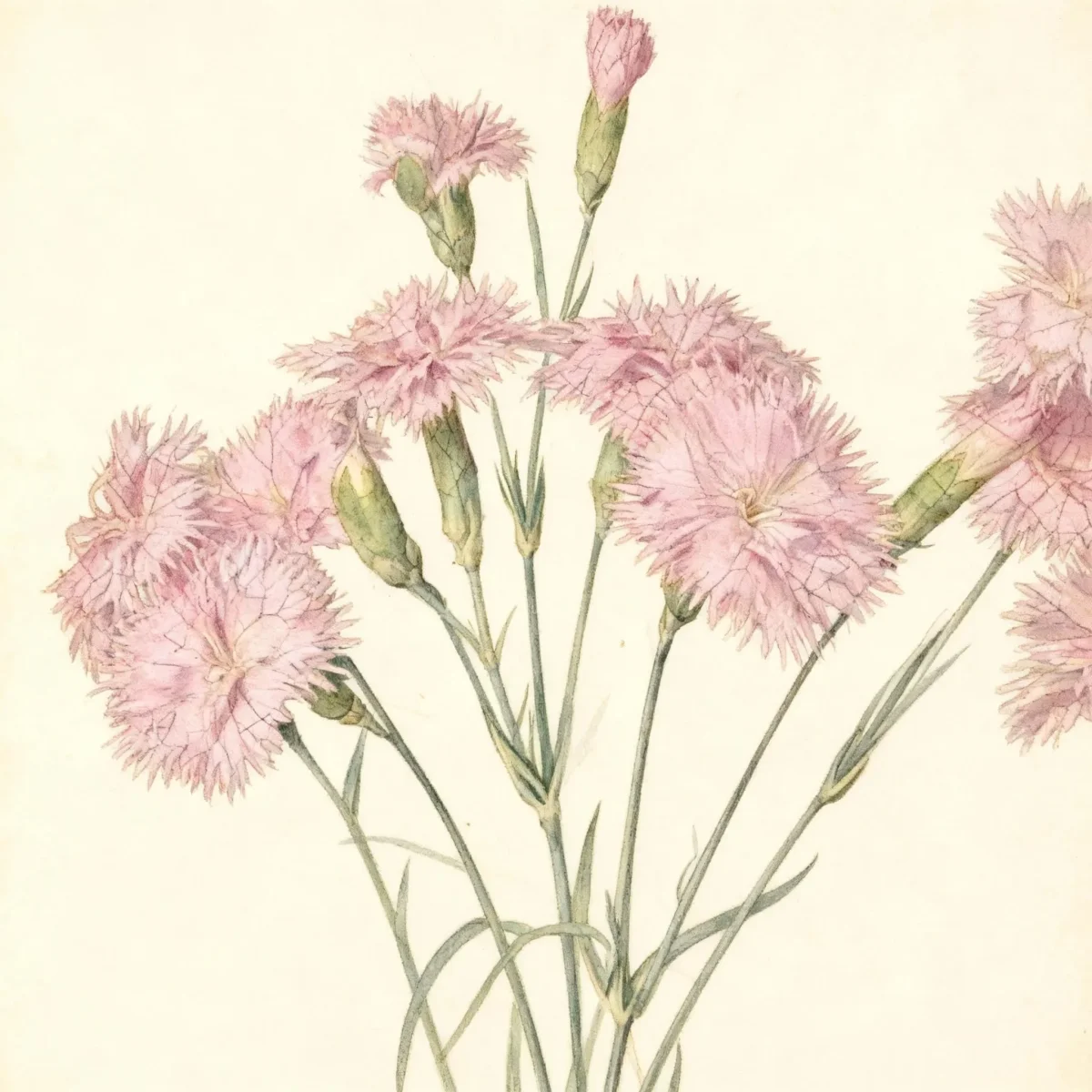
Catchfly (Lychnis fulgens)
Brilliant red flowers define Lychnis fulgens, a low-maintenance Catchfly perennial ideal for borders in USDA Zones 4-8.
Scroll down to discover growing tips, care requirements, companion plants, and more
Complete Plant Information
Overview
The Brilliant lychnis, commonly known as Catchfly, is a vibrant herbaceous perennial prized for its intensely colored summer blooms. This species, Lychnis fulgens, brings remarkable scarlet hues to the mid-summer garden, standing tall on slender, tufted stems. Gardeners appreciate its relatively low maintenance needs once established, provided drainage is adequate.
Native to regions spanning Eastern Russia, China, Korea, and Japan, this Catchfly is well-adapted to temperate climates suitable for USDA Zones 4 through 8. Its clustered bright red flowers, reaching up to 2 1/2 inches across, provide excellent vertical interest. Lychnis fulgens offers reliable performance, making it a dependable choice for adding bold color near structure or along borders.
As a sparsely hairy, clumping perennial, the foliage of Lychnis fulgens forms an attractive mound below the flowers. With proper siting—requiring excellent drainage and medium moisture—this plant provides a stunning visual focal point in early to mid-summer landscapes.
Fast Facts
- Plant Family: Caryophyllaceae
- Plant Type: Herbaceous perennial
- Native Range: Eastern Russia, China, Korea, Japan
- Hardiness Zones: USDA Zones 4-8
- Size at Maturity:
- Height: 1-2 ft
- Spread: 1-2 ft
- Bloom Time: June to July
- Bloom Description: Red
- Sun Exposure: Full sun
- Water Needs: Medium
- Maintenance Level: Low
How to Grow
Lychnis fulgens thrives when planted in spring or fall in locations receiving full sun to light shade. The most crucial cultural requirement is soil quality; choose sites that offer moderately fertile, well-drained soil. While it tolerates poorer soils and some dryness once established, excellent drainage must be maintained year-round to prevent root issues.
Watering needs are best described as medium. Ensure consistent and even moisture, especially during establishment and dry spells, though the plant exhibits some drought tolerance later in the season. Fertilization is rarely necessary if the soil is moderately fertile, aligning with its generally low-maintenance profile.
Minimal pruning is required for this species. Deadheading spent blooms is optional; however, plants may self-seed in the garden in optimum growing conditions, which gardeners looking to naturalize the display might welcome. Prepare for winter by leaving spent foliage until spring cleanup, which helps insulate the crown.
Landscape Uses
The striking red flowers of Lychnis fulgens make it an outstanding choice for the front of perennial borders where its height (1 to 2 feet) will not obscure shorter companions. It also performs beautifully in rock gardens, where the sharp drainage typical of these settings complements its needs perfectly. Consider mass plantings of this Catchfly to maximize the visual impact of its fiery blooms during its June to July peak.
Due to its defined clumping habit and relatively neat appearance, Lychnis fulgens works well when paired with plants that offer contrasting colors or textures. Consider weaving it among silver-leaved foliage plants or soft blue or lavender bloomers to enhance the intensity of the red petals. For border fronts, pair this Lychnis fulgens with low-growing Sedums or creeping Campanulas.
Standout Features
Flower Qualities
- Showy
Noteworthy Characteristics
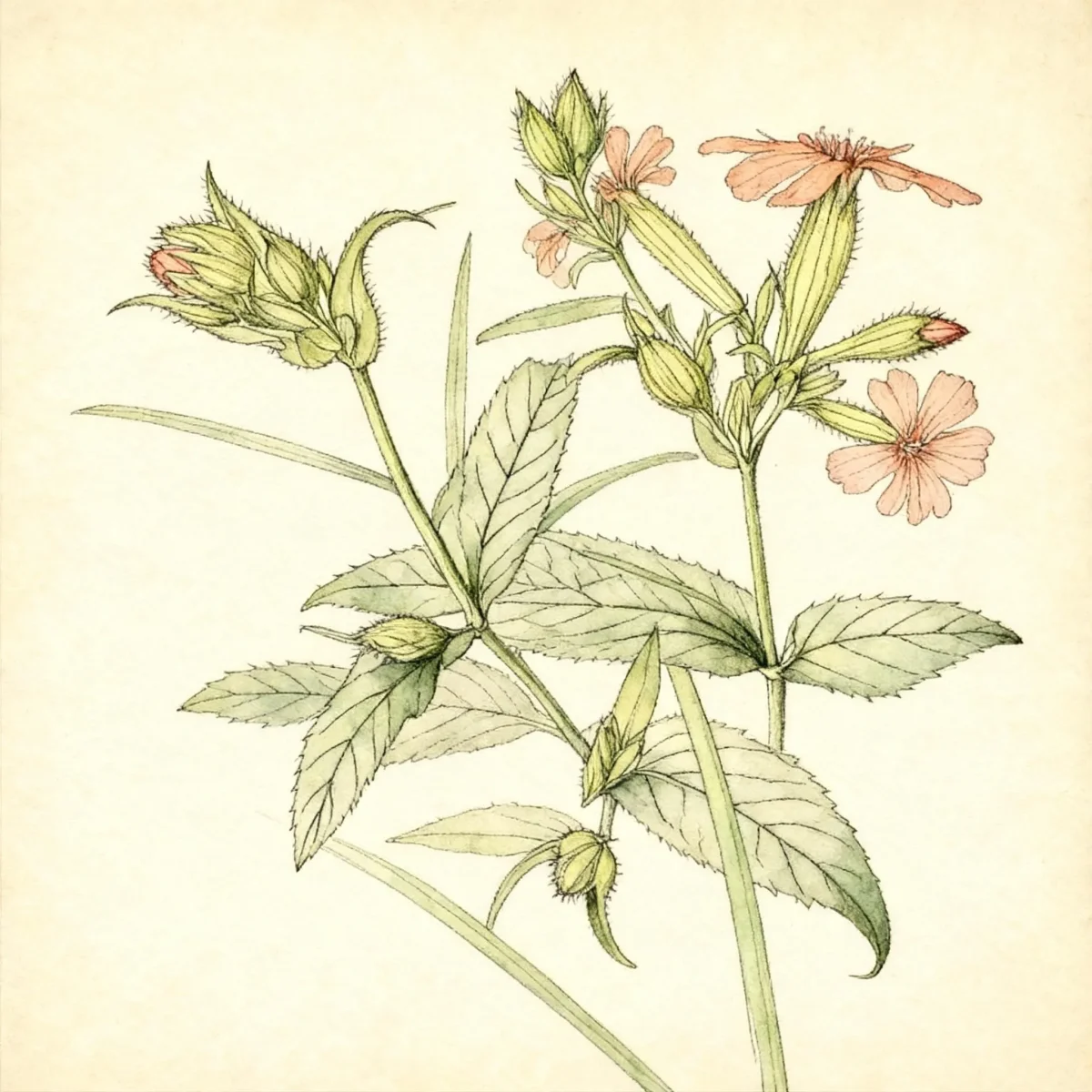
Lychnis fulgens is a red-flowered catchfly that is native to Siberia, Manchuria, Korea and Japan. It is a sparsely white-hairy, tufted perennial that typically grows in a clump to 12-24” tall on stems clad with sessile, ovate-lanceolate, medium to dark green leaves (to 3” long). Bright red flowers (to 2 1/2” diameter) with two-lobed petals bloom in few-flowered cymes in early to mid-summer. The genus name Lychnis is derived from the Greek word lychnos meaning a small, portable lamp. May refer to the ancient use of leaves of woolly species for wicks. Specific epithet means shining or glistening.
Tolerances
- Deer
Potential Problems
This Catchfly generally exhibits strong health, suffering from no serious insect or disease problems under appropriate growing conditions. Gardeners should remain vigilant, however, particularly regarding ground-level pests such as slugs and snails. These mollusks are attracted to the succulent foliage, especially in damp conditions. Management involves hand-picking pests in the early morning or evening or setting out shallow baits where necessary.
Ensure that the primary cause of foliage distress—poor drainage—is avoided. Waterlogged soil is the most common threat to Lychnis fulgens, leading to crown rot far more often than pest outbreaks. Excellent soil aeration is your best preventative measure.
Frequently Asked Questions
What hardiness zones is Catchfly suitable for?
Lychnis fulgens is generally suitable for USDA Zones 4 through 8.
How large does Lychnis fulgens grow?
This perennial typically reaches a height between 1 and 2 feet, spreading to a similar width of 1 to 2 feet at maturity.
What sun exposure does Catchfly need?
Lychnis fulgens prefers full sun exposure, though it can tolerate light afternoon shade, particularly in very hot climates.
When does Lychnis fulgens bloom?
The brilliant red flowers of this perennial are present from June to July.
Conclusion
The Lychnis fulgens offers gardeners a burst of intense, pure red color during the early summer months, demanding low maintenance in return. Its reliable clump-forming habit and striking blooms confirm the value of this specific Catchfly variety in perennial borders. Before planting, ensure your garden site provides the excellent drainage essential for the longevity of your Lychnis fulgens.
Companion Planting
When selecting companions for your Lychnis fulgens, consider plants that peak slightly earlier or later to ensure continuous interest in the border. Because this plant enjoys medium moisture and full sun, pair it with other sun-loving perennials that share similar needs. Good partners include silver Mound Artemisia, which offers textural contrast, or Nepeta (Catmint), whose blue-lavender blooms create a striking complementary backdrop to the red flowers.
Avoid planting Catchfly too closely with aggressive spreaders, as they may compete for sunlight and crowd the base of the Lychnis fulgens. Focus on mid-height options that complement its 1 to 2-foot stature without completely obscuring the visible stems. This careful placement ensures the unique upright structure of the Lychnis remains a visible feature.
Propagation Tips
While Lychnis fulgens may occasionally self-seed under ideal conditions, the most reliable method for increasing your stock of this perennial is through division. This should typically be performed in early spring, just as new growth begins to emerge, or possibly in the fall after the flowering period has ended. Dig up the clump carefully, separating it into several sections, ensuring each new division has a robust root system attached.
When dividing, aim for sections that are about 4 to 6 inches across. Replant these divisions immediately at the same depth they were previously growing, watering them well to help settle the soil around the newly separated roots. This technique revitalizes older clumps and allows you to place new plants of Lychnis fulgens exactly where you need them in the landscape.