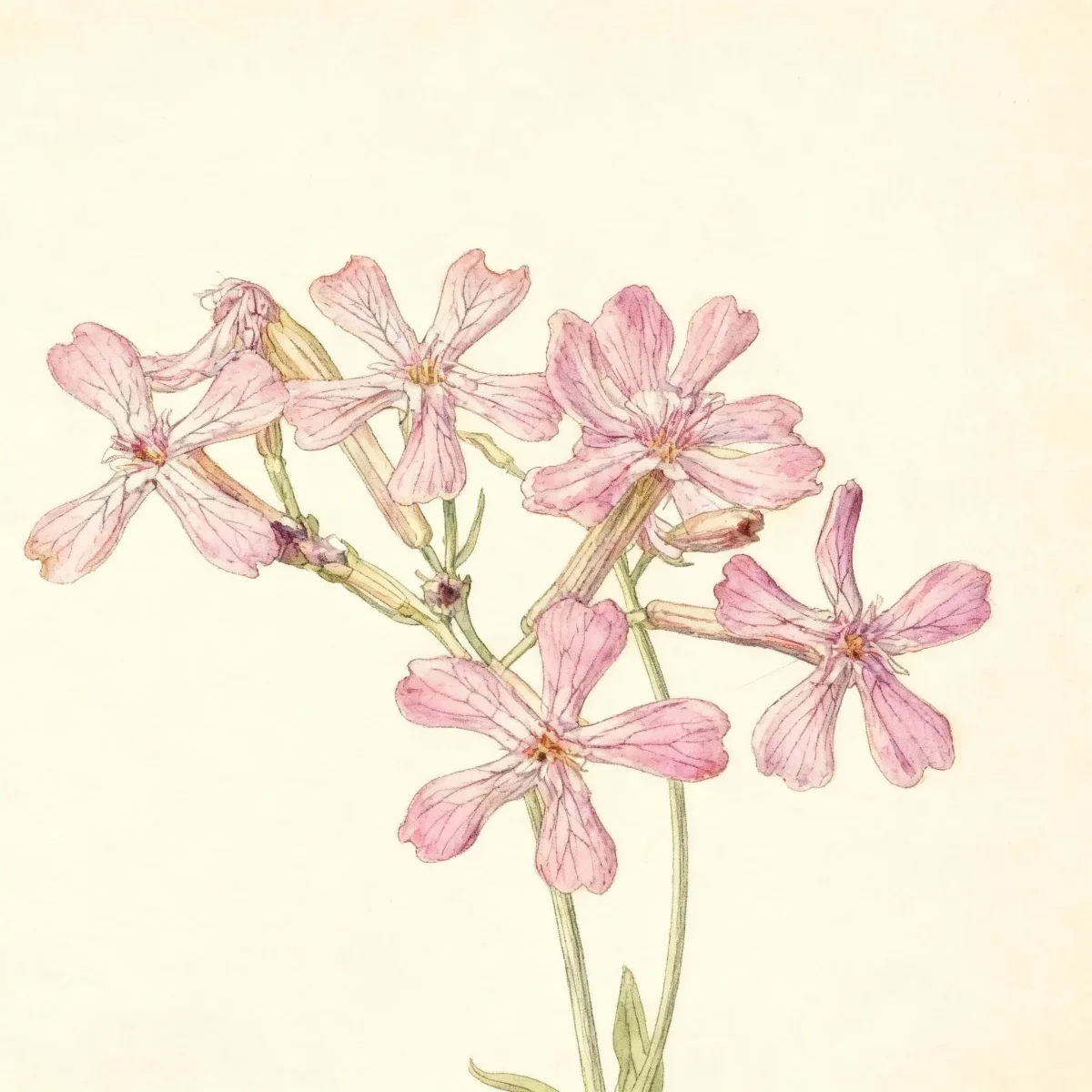
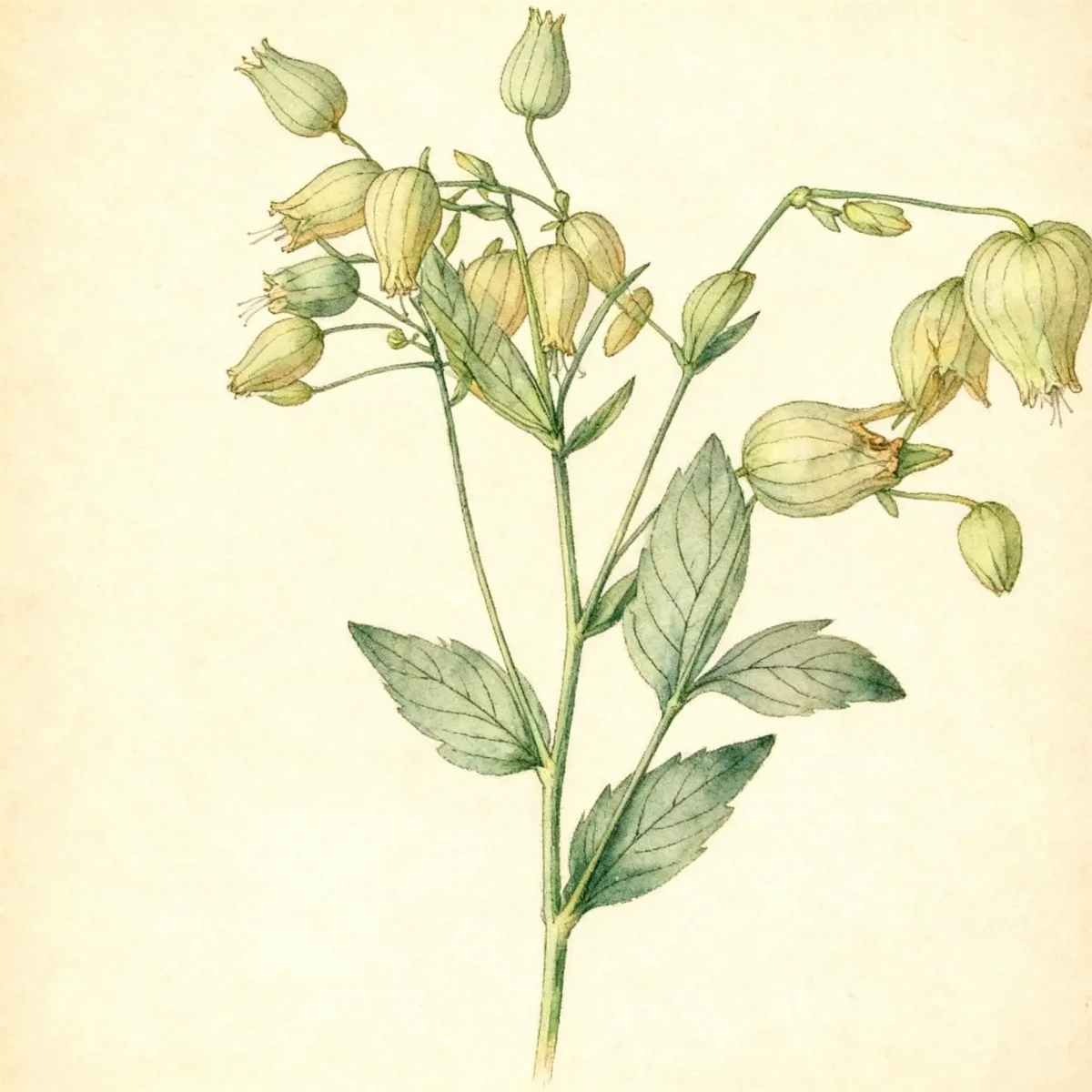
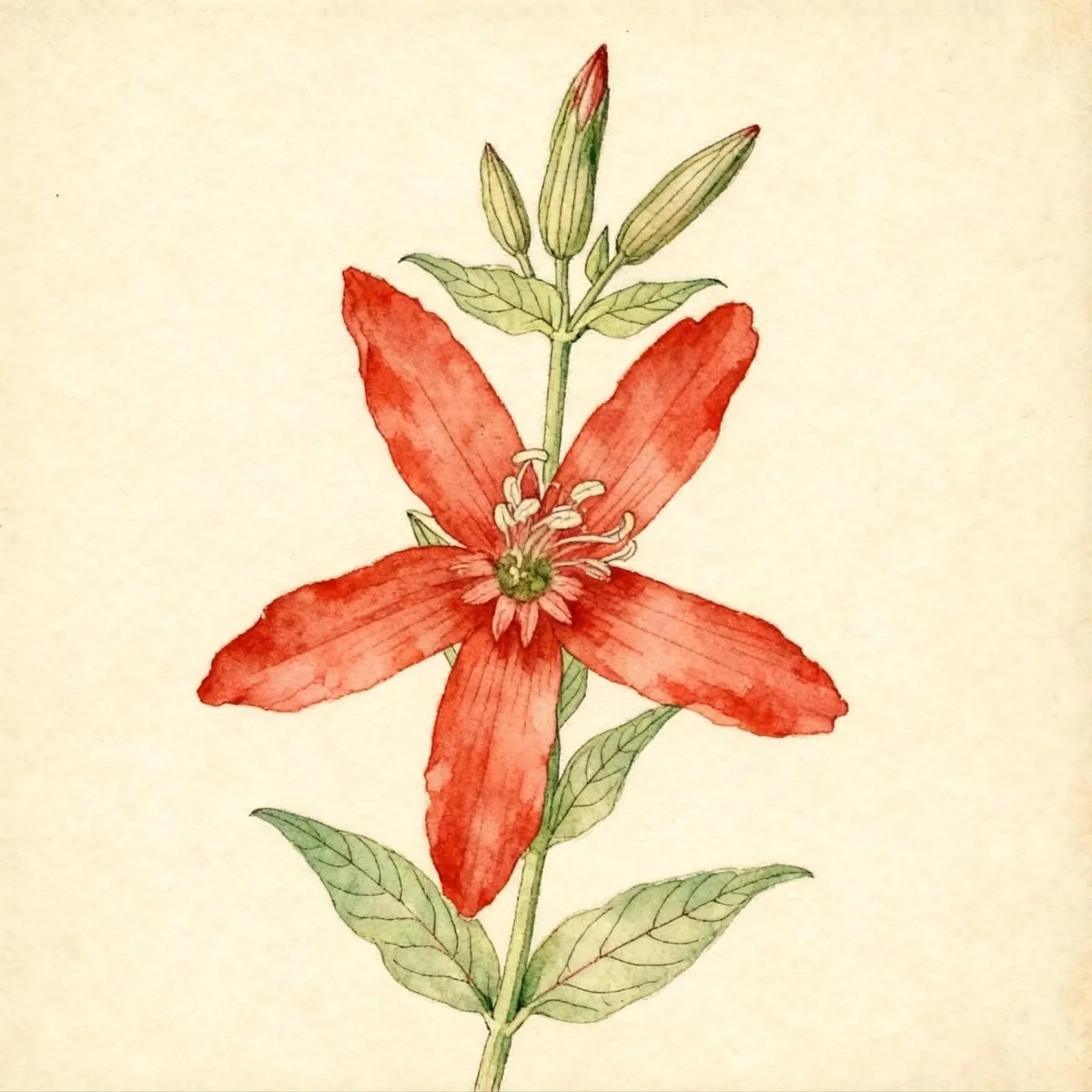
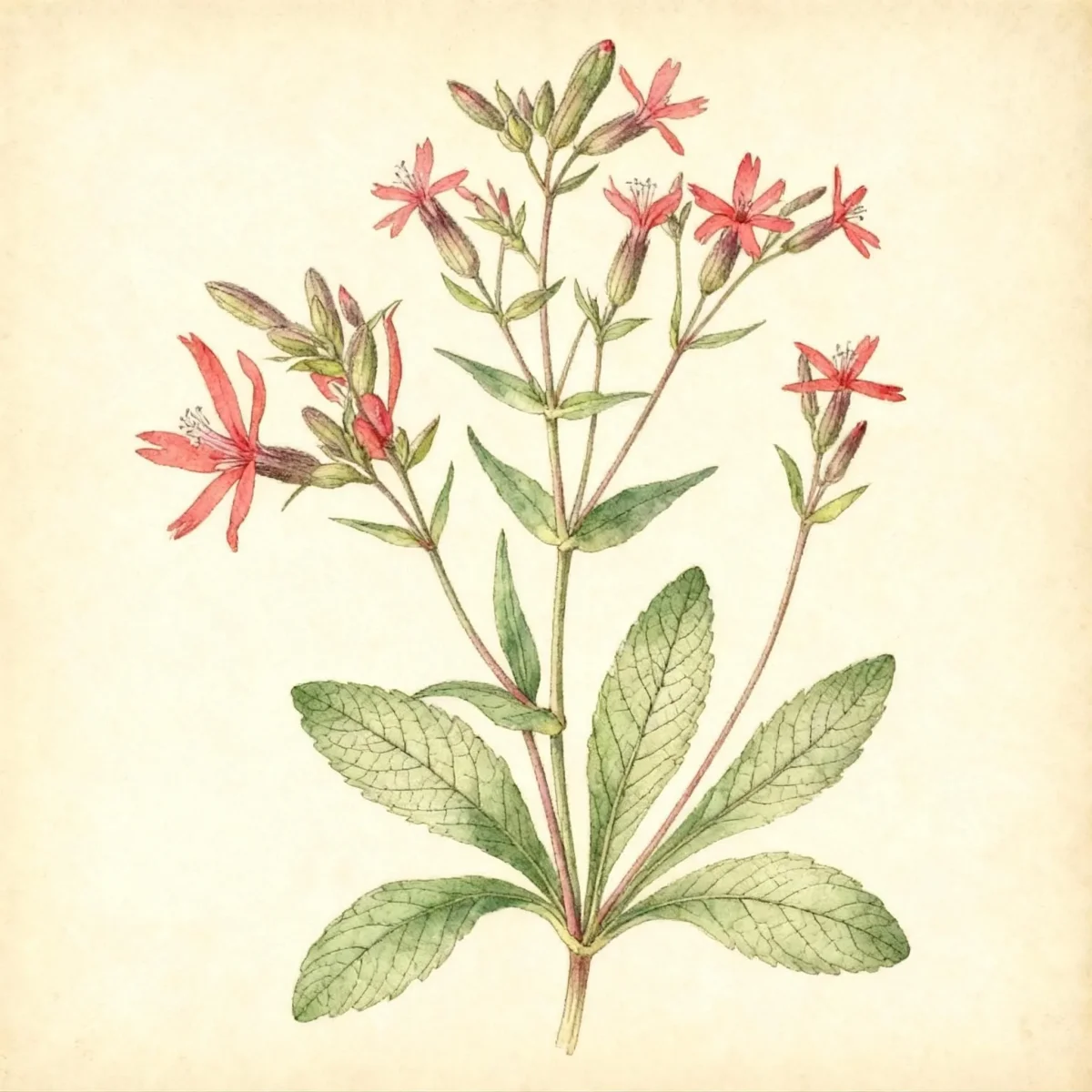
Starry campion (Silene stellata)
Discover Starry campion (Silene stellata), a clump-forming native perennial with fringed white summer flowers, ideal for dry, well-drained sites.
Scroll down to discover growing tips, care requirements, companion plants, and more
Complete Plant Information
Overview
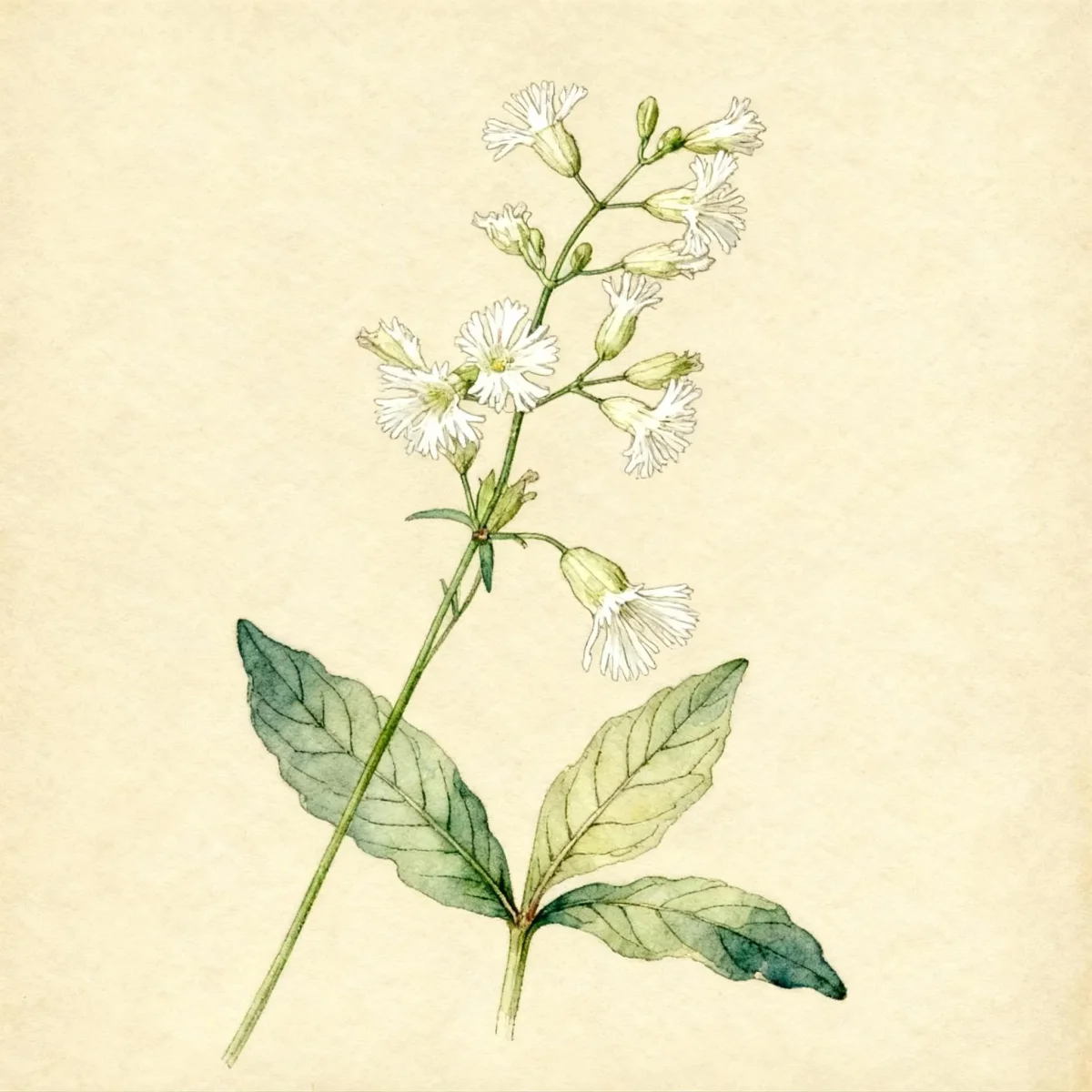
Silene stellata, widely known as Starry campion, brings delicate beauty to native and woodland settings. This clump-forming perennial is valued for its distinctive white blooms featuring five delicate, fringed petals that give it a star-like appearance in early summer. The genus name, Silene, often refers to catchfly or campion, while stellata denotes its starry quality.
This Missouri native wildflower thrives in conditions mimicking its natural preference: dry open woods, clearings, and slopes. It integrates well into drier garden areas where many perennials struggle, offering reliable structure between two and three feet tall. Its aesthetic appeal, combined with its adaptability to tough soils, makes Starry campion a superb choice for landscape designers seeking low-maintenance native interest.
The beauty of Silene stellata is further enhanced by having lance-shaped leaves arranged in whorls of four along the stem. While it requires medium maintenance due to potential height support needs, the reward is a flurry of unique white blossoms perfect for naturalized plantings. Consider incorporating Starry campion where subtle texture and native heritage are desired.
Fast Facts
- Plant Family: Caryophyllaceae
- Plant Type: Herbaceous perennial
- Native Range: Central and eastern United States
- Hardiness Zones: USDA Zones 5-8
- Size at Maturity:
- Height: 2-3 ft
- Spread: 1.5-2 ft
- Bloom Time: June to July
- Bloom Description: White
- Sun Exposure: Full sun to part shade
- Water Needs: Dry to medium
- Maintenance Level: Medium
How to Grow
Planting Starry campion is best achieved in spring or early fall when the soil is workable. Success hinges on achieving excellent drainage; Silene stellata strongly prefers dryish, sandy, or clay soils, provided they drain well. Site these plants in full sun if you can ensure dry conditions, or utilize dappled light in part shade areas.
Once established, this perennial exhibits remarkable drought tolerance. Watering should be infrequent—allow soil to dry moderately between waterings; aim for a dry to medium moisture level overall. Fertilization is usually unnecessary for Silene stellata, as excessive richness can encourage floppy growth.
Taller specimens of Silene stellata may benefit from early season staking, especially if grown in richer or wetter soils than they prefer. This preventative support will keep the flower spikes upright during summer storms. Minimal cleanup is required; remove old foliage in late winter or early spring before new growth emerges.
Landscape Uses
Starry campion shines brightest when allowed to naturalize within its preferred environment. It is best deployed in semi-shady sections of wildflower gardens, lending a vertical element among lower-growing native groundcovers. Its stature also makes it suitable for the middle or back rows of cottage gardens, intermingling well with other dry-tolerant natives.
For a truly evocative look, integrate Silene stellata into woodland edges or informal borders where the white, star-like flowers can catch the softening light of late afternoon. Consider companion planting with plants that share similar drought tolerance and soil preferences, such as certain coneflowers or asters, ensuring the area maintains the excellent drainage essential for this plant.
Standout Features
Flower Qualities
- Showy
Noteworthy Characteristics
Silene stellata, commonly called starry campion, is a Missouri native wildflower which occurs in dry open woods, clearings and slopes throughout the State. A clump-forming perennial which grows 2-3’ tall, white flowers with 5 fringed petals and bell-shaped calyxes appear in loose terminal spikes in early summer. Lance-shaped leaves (to 3” long) appear in whorls of 4, and the genus name means catchfly or campion while the specific epithet means starry or star-like.
Tolerances
- Drought
- Clay Soil
- Dry Soil
Potential Problems
One of the primary management concerns for Silene stellata relates to its height; taller plants may need some support to prevent flopping, particularly if cultural conditions are too rich or wet. Fortunately, this species suffers from no serious insect or disease problems, bolstering its reputation as a reliable native perennial for challenging sites. Ensure proper spacing and drainage to maintain plant vigor and prevent moisture-related issues.
Frequently Asked Questions
What hardiness zones is Starry campion suitable for?
Silene stellata thrives in USDA Hardiness Zones 5 through 8.
How large does Starry campion grow?
This perennial typically reaches a height of 2 to 3 feet, with a spread between 1.5 and 2 feet wide.
When does Starry campion bloom?
Starry campion produces its distinctive white flowers from June through July.
What sun exposure does Silene stellata need?
This plant prefers a location receiving full sun to part shade.
Conclusion
The Starry campion (Silene stellata) is an invaluable addition to any garden focused on native ecology and resilience. Its tolerance for dry, clay soils and its beautiful, unique white flowers provide high aesthetic return for moderate maintenance effort. Before planting, confirm your local climate matches USDA Zones 5-8 and plan for excellent drainage to ensure many seasons of enjoyment from this distinguished native.
Companion Planting Suggestions
When selecting neighbors for Starry campion, focus on species that also prefer average to dry conditions and well-drained ground. Native plants like Baptisia (False Indigo) or drier varieties of Asclepias (Milkweed) offer complementary structure without requiring excessive moisture that could harm the Silene. Grouping it with plants that bloom slightly earlier or later also extends the seasonal interest in your planting bed.
Consider using low-growing, spreading plants around the base of Silene stellata, such as native creeping thyme or sedges. This technique helps shade the soil surface, reducing moisture evaporation while suppressing weeds around the clump-forming perennial. This layered approach works particularly well in naturalized borders or woodland edge plantings.
Native Plant Benefits
As a plant native to the central and eastern United States, Starry campion offers essential support to local insect populations. The open, accessible structure of the white flowers makes the nectar and pollen readily available to early-season pollinators like native bees and small butterflies. Integrating this wildflower helps build a localized food web, connecting your garden to the regional ecosystem.
Utilizing native flora like Silene stellata reduces the need for chemical inputs, making your garden inherently healthier. Its preference for dry, poor soils means it rarely requires supplemental feeding or heavy amending, embodying a sustainable approach to garden design.