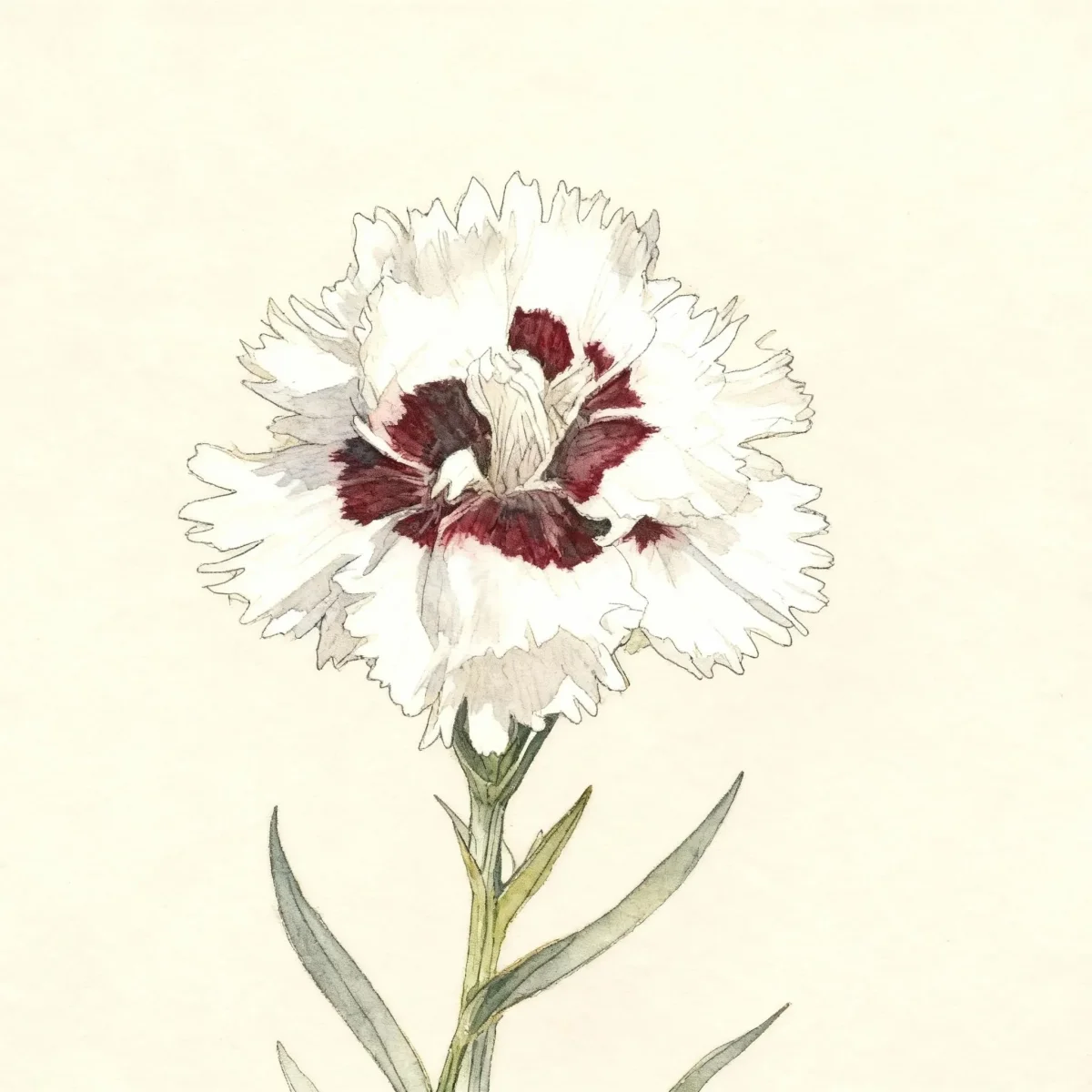
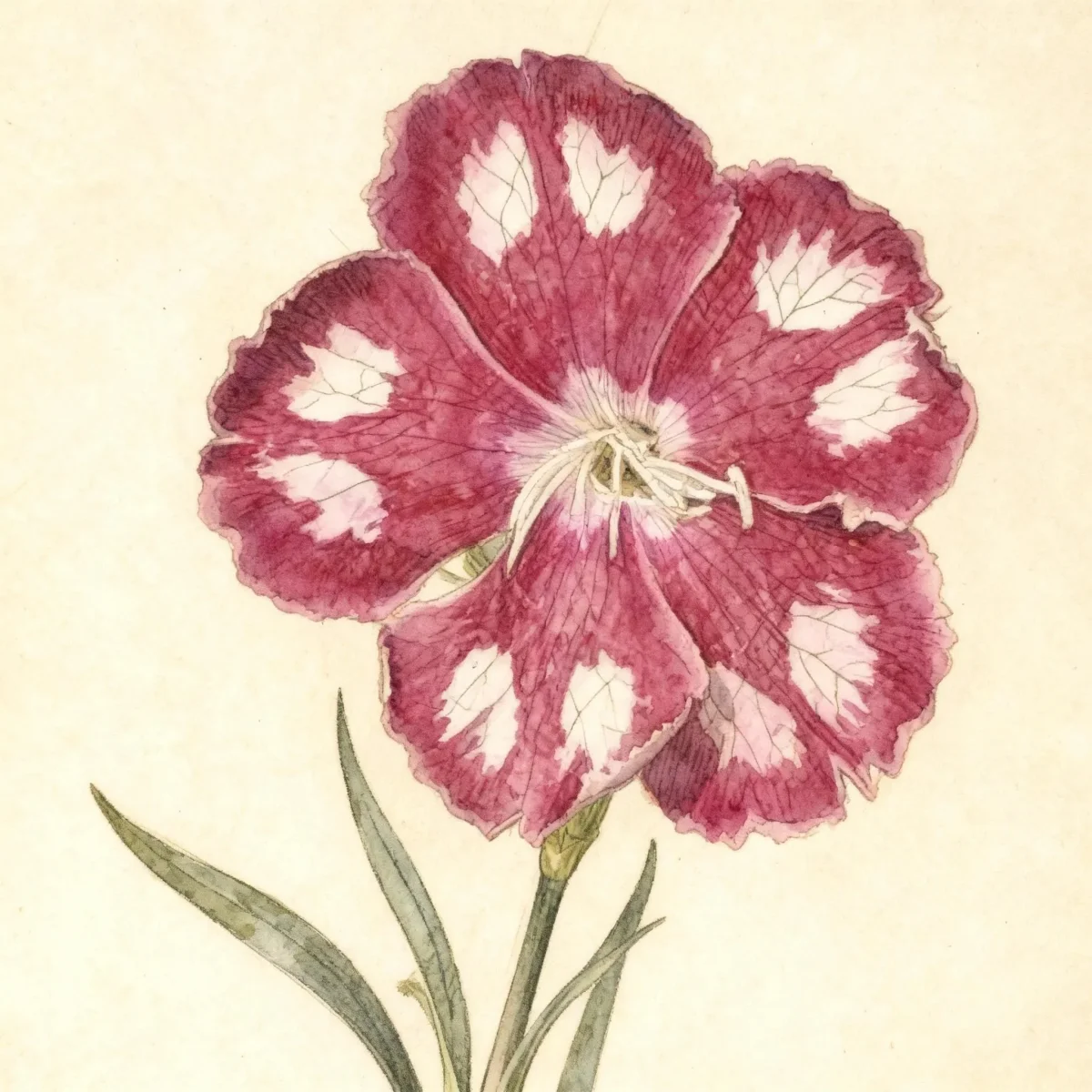
Maiden pink (Dianthus deltoides)
Dianthus deltoides, or Maiden pink, is a low-maintenance evergreen perennial ideal for ground cover, blooming showy pink flowers.
Scroll down to discover growing tips, care requirements, companion plants, and more
Complete Plant Information
Overview
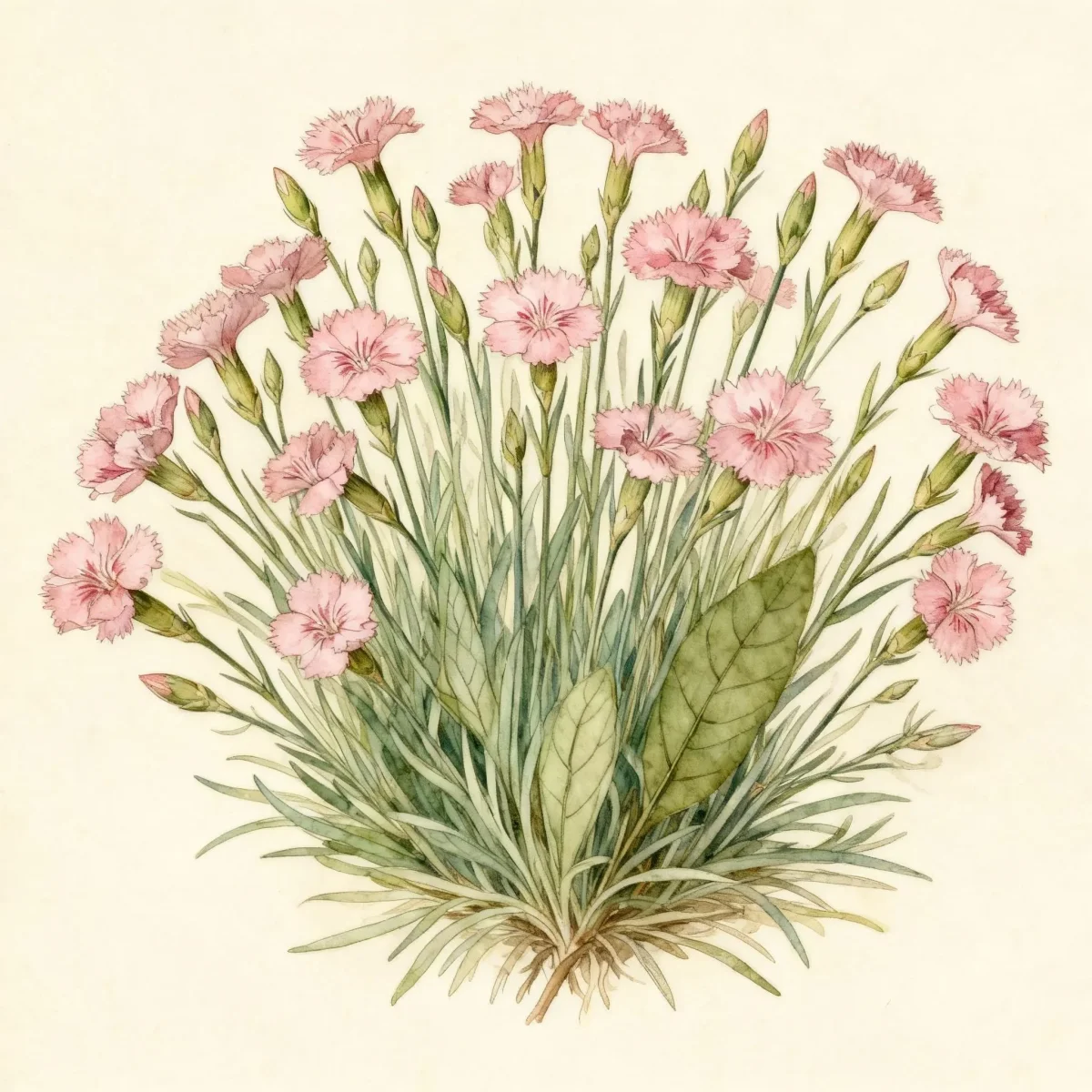
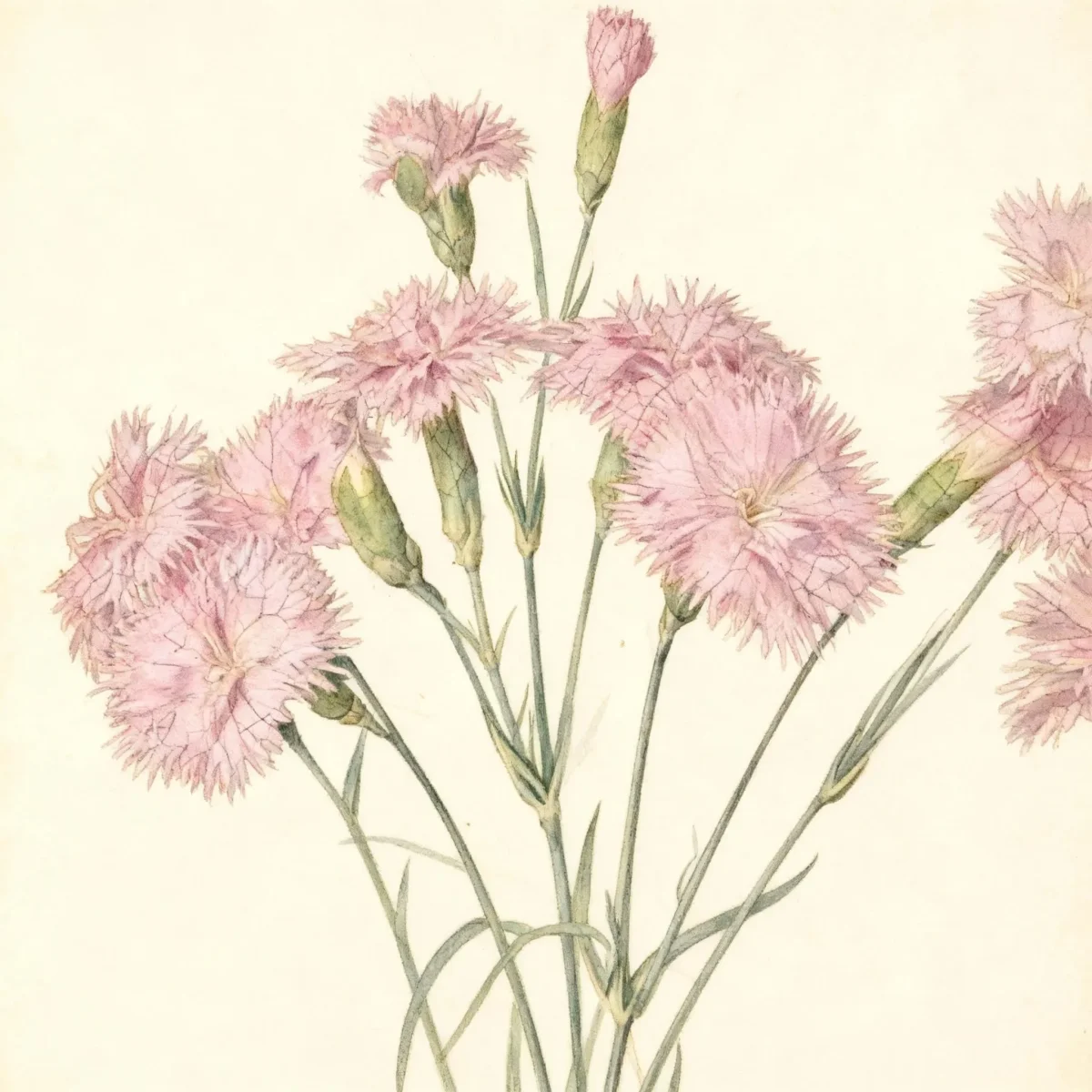
Dianthus deltoides, widely known as maiden pink, offers exceptional value as a low-growing, spreading ground cover. This dense, evergreen perennial forms attractive mats of fine foliage that remain vibrant year-round, providing excellent texture in the garden landscape. Its primary ornamental appeal peaks in late spring when branched stems rise above the basal mound, displaying masses of small, heavily fringed pink flowers.
The species name Dianthus deltoides is noted for its easy cultivation, thriving in average, well-drained soils under full sun conditions. While it is generally considered a low-maintenance perennial, superior drainage is crucial to prevent crown rot issues common in wet spots. Gardeners appreciate Dianthus deltoides for its reliability and ability to suppress minor weed growth once established.
Commonly called maiden pink, this plant establishes quickly, making it excellent for softening hardscape edges or filling in sunny, dry slopes. The divine flowers referenced in its genus name bring fragrance and showy color across the late spring and early summer months, establishing it as a reliable staple in perennial borders and rockeries.
Fast Facts
- Plant Family: Caryophyllaceae
- Plant Type: Herbaceous perennial
- Native Range: Central and western Asia, Europe
- Hardiness Zones: USDA Zones 3-8
- Size at Maturity:
- Height: 0.5-1 ft
- Spread: 0.5-2 ft
- Bloom Time: May to July
- Bloom Description: Pink
- Sun Exposure: Full sun
- Water Needs: Medium
- Maintenance Level: Low
How to Grow
Planting maiden pink thrives when established in average, medium soils that offer good drainage. While it adapts to average conditions, Dianthus deltoides prefers fertile, alkaline, or somewhat gritty loams that remain consistently moist but never waterlogged. Locate plants where they receive full sun exposure; however, they can tolerate some light part afternoon shade, which may be beneficial in extremely hot summer climates.
Water needs are medium; ensure consistent moisture during active growing seasons, especially for new plantings. Fertilizing is usually unnecessary if the underlying soil is reasonably fertile. The main care consideration involves managing longevity, as plants can decline in the center if drainage is poor. Division or reseeding might be necessary every few years to maintain density.
Maintenance is generally low, but the bloom period can be extended slightly by promptly removing spent flowers, although this is labor-intensive. A more practical approach for larger areas is shearing the plants immediately after the main bloom finishes, but before seed sets. This action neatly trims the foliage, prevents unwanted self-seeding, and may encourage a sparse fall rebloom.
Landscape Uses
The compact yet spreading habit of Dianthus deltoides makes it highly versatile in sunny garden designs. It functions exceptionally well as a year-round evergreen ground cover, effectively blanketing areas where grass struggles or where traditional turf is undesirable. Its low profile ensures it never obscures the view of taller border companions.
Its textural qualities make maiden pink perfect for softening the harsh lines of hardscaping, such as retaining walls or the front edge of a walkway. It is a classic choice for rock gardens due to its preference for gritty, well-drained conditions. Additionally, plant clumps of Dianthus deltoides in containers or window boxes where they can cascade slightly over the edges.
When planning companions, choose other sun-loving, moderately drought-tolerant perennials that share similar soil alkalinity preferences, such as Sedums, Thyme, or low-growing varieties of Achillea. The small pink blooms of this dianthus provide a lovely textural contrast against broader-leaved foliage plants.
Standout Features
Flower Qualities
- Showy
- Fragrant
Noteworthy Characteristics
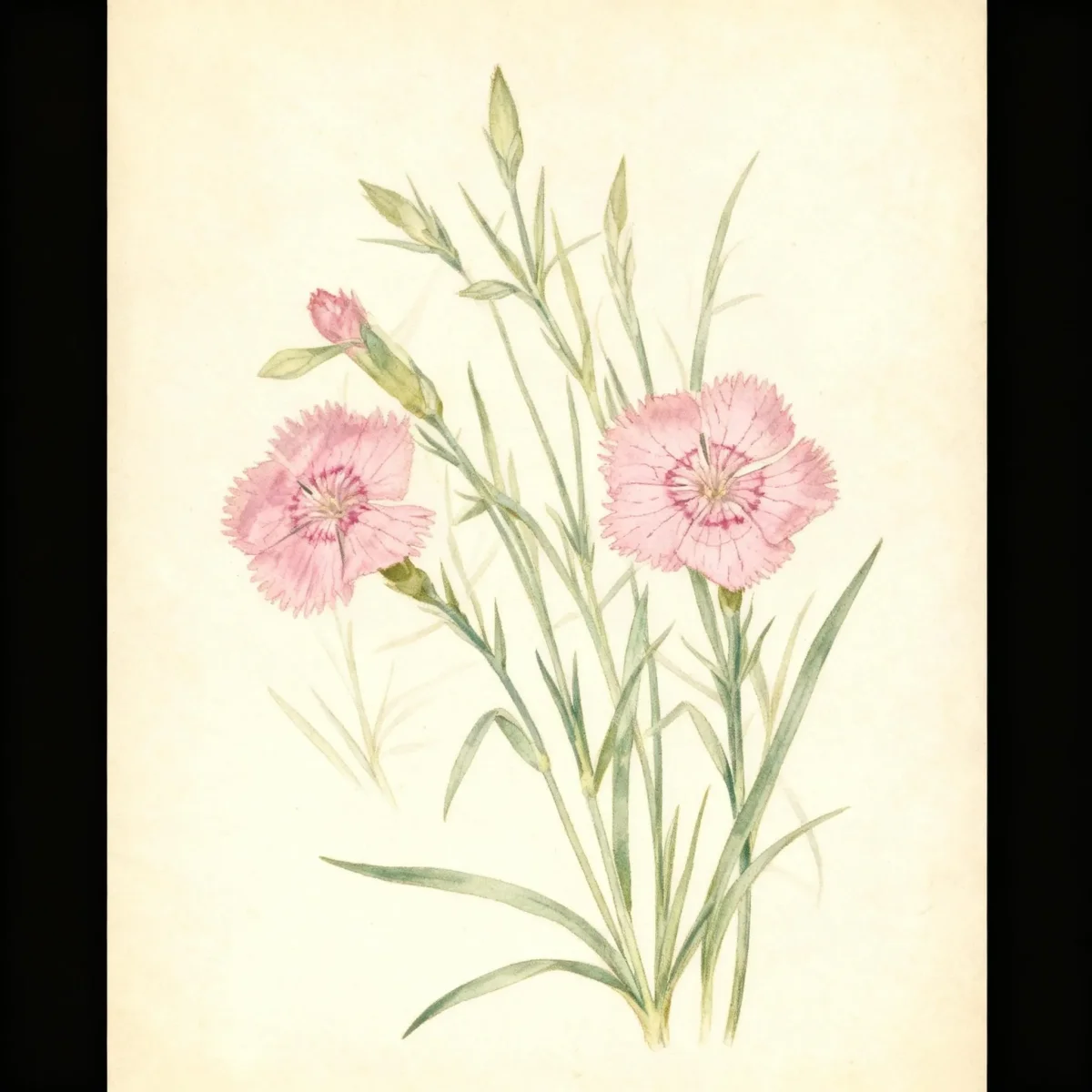
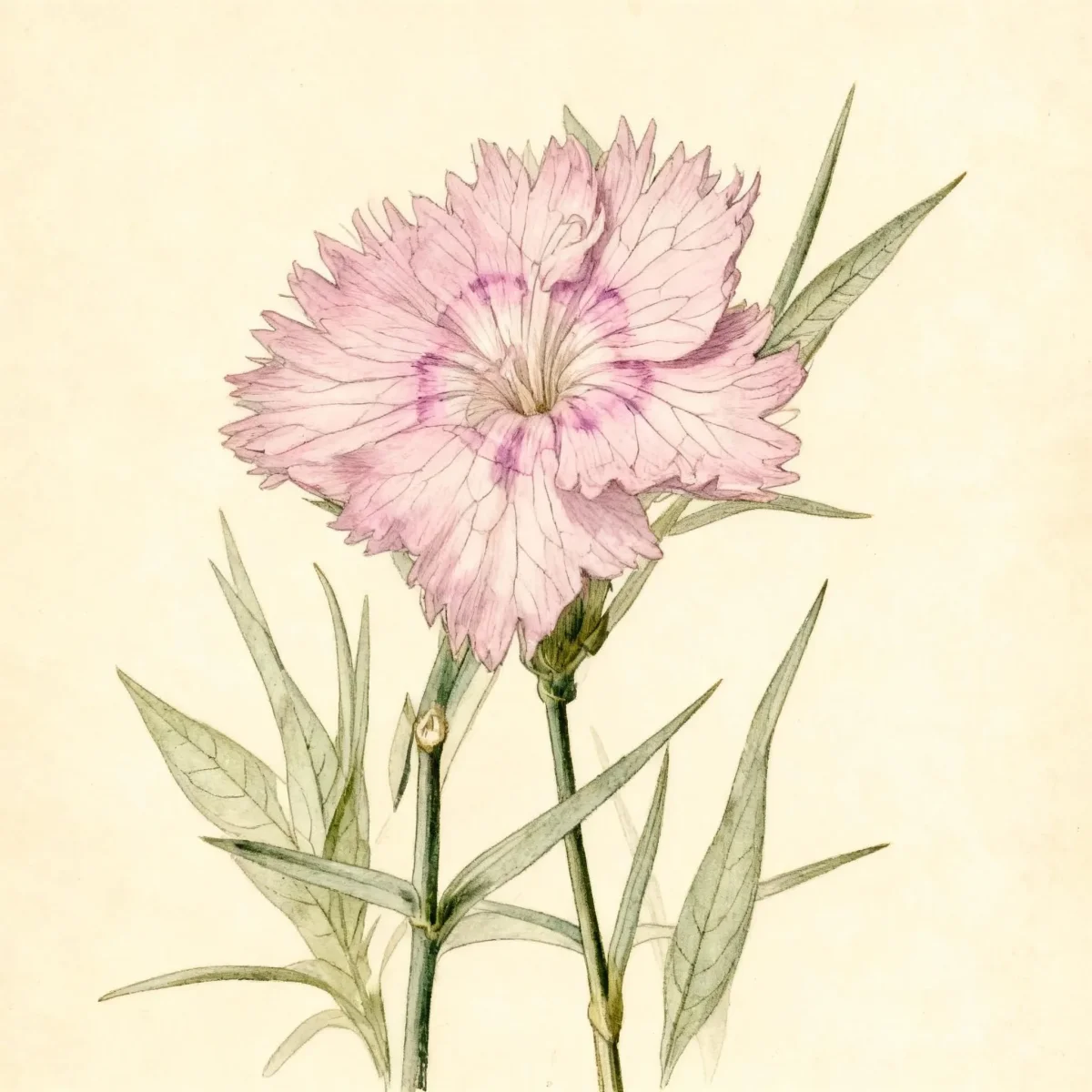
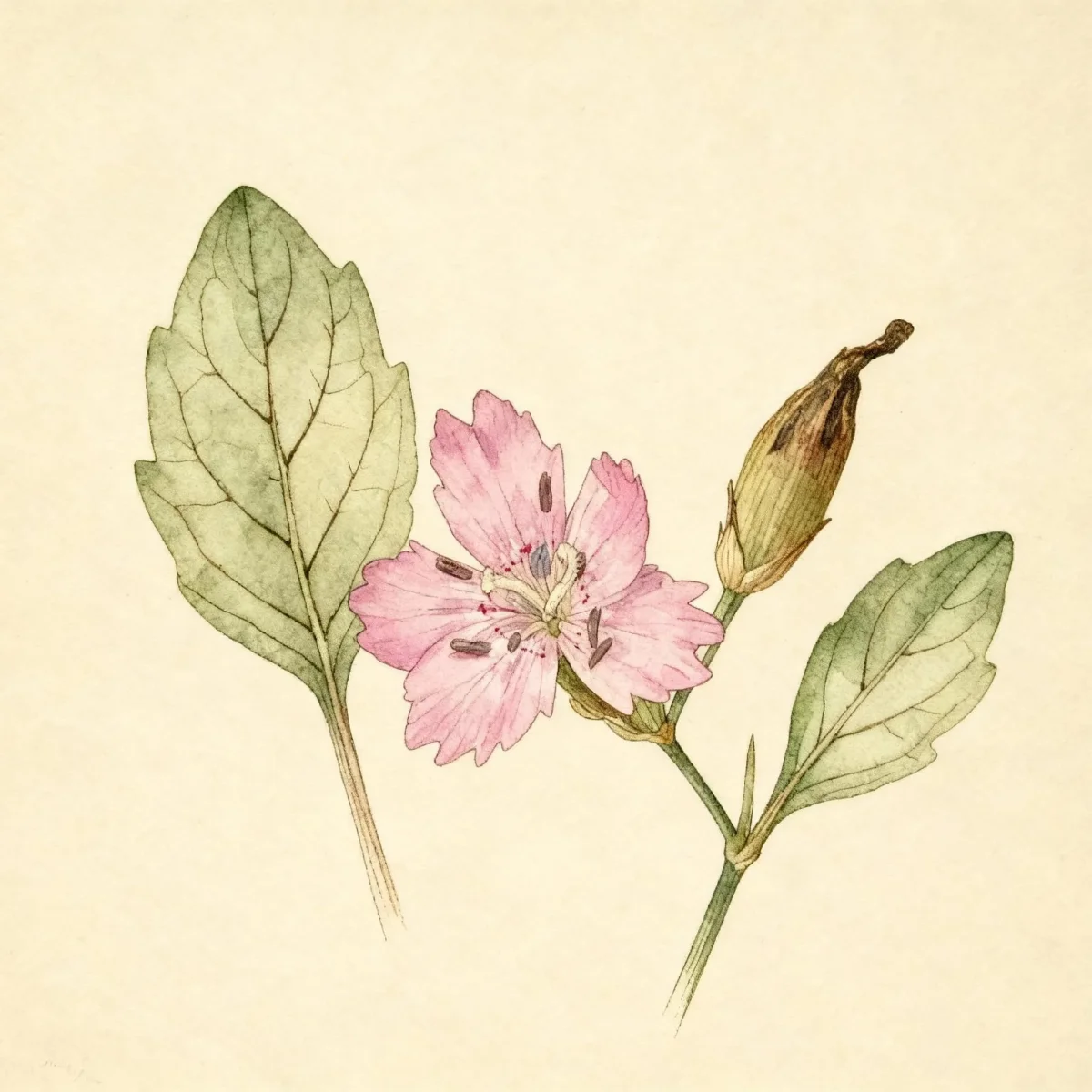
Dianthus deltoides, commonly called maiden pink, is an evergreen perennial that typically forms loose spreading mats of foliage to 4-6” tall and to 24” wide. Narrow, linear to lance-shaped leaves support heavily fringed, slightly fragrant, single flowers (to 3/4” diameter) appearing on branched flowering stems (8-12” tall) in late spring. Species flowers are usually deep pink with a dark, pale spotted band at the base of the petals. The evergreen foliage remains attractive year-round, provided soils receive consistent moisture during the growing season.
Tolerances
- Deer
Potential Problems
Dianthus deltoides generally experiences few serious insect or disease issues when sited correctly. The most pressing threat relates to fungal issues exacerbated by poor air circulation or overly moist soil. Leaf spot can become troublesome during humid summers, especially if the plants are overcrowded, limiting airflow around the foliage base.
Root and crown rot remain the primary concern, affecting plants grown in wet, poorly drained locations. Always amend heavy soils for superior drainage to prevent this fatal issue. Good siting and proper culture are the best preventative measures against most potential problems.
Frequently Asked Questions
What hardiness zones is Maiden pink suitable for?
Dianthus deltoides is reliably hardy in USDA Zones 3 through 8, offering excellent cold tolerance for much of the northern and central United States.
How large does Maiden pink grow?
This plant typically reaches a low height of 0.5 to 1 foot, spreading outwards to cover an area between 0.5 and 2 feet wide, forming a dense mat.
When does Maiden pink bloom?
Maiden pink produces its showy pink flowers primarily from May into July, often rewarding diligent deadheading with a lighter repeat bloom later in the season.
What sun exposure does Dianthus deltoides need?
Dianthus deltoides requires full sun to maintain its dense habit and produce the best floral display.
Conclusion
The maiden pink (Dianthus deltoides) is an indispensable, low-maintenance plant prized for its attractive evergreen mat of foliage and cheerful summer bloom. Its tolerance for sun and dry conditions, combined with its deer resistance, makes it a practical solution for difficult sunny spots. Ensure superb drainage when establishing new groupings of Dianthus deltoides this spring to enjoy years of reliable edging and ground cover performance.
Propagation Tips
Since Dianthus deltoides is easily grown from seed, allowing the plant to self-seed in optimal locations is a natural propagation method. Be mindful that this can lead to somewhat random placement over time. If you wish to control placement or rejuvenate older clumps, division is the preferred asexual method. Dig up established mats in early spring or fall and carefully separate the rooted sections.
For established clumps showing signs of decline in the center, division becomes necessary every two to three years regardless of propagation goals. Ensure that the root divisions have sufficient moisture immediately following separation and replanting. This rejuvenation process helps maintain the dense, weed-suppressing coverage for which maiden pink is so valued.
Companion Planting
Pairing Dianthus deltoides with other low-growing, sun-loving drought-tolerant species enhances textural contrast in the sunny perennial border. Consider using creeping Thymes or low-growing varieties of Sedum as ground cover companions, as they share similar demands for sharp drainage. These choices create a tapestry of contrasting leaf shapes that look intentional throughout the season.
For vertical interest above or behind the maiden pink, plants like Artemisia ‘Silver Mound’ or low Ornamental Grasses offer contrasting foliage color and texture without overwhelming the 6-inch mound of Dianthus deltoides. Since this plant establishes well in slightly alkaline soils, avoid pairing it with heavy acid-loving plants like Azaleas or Blueberries which would necessitate conflicting soil amendments.