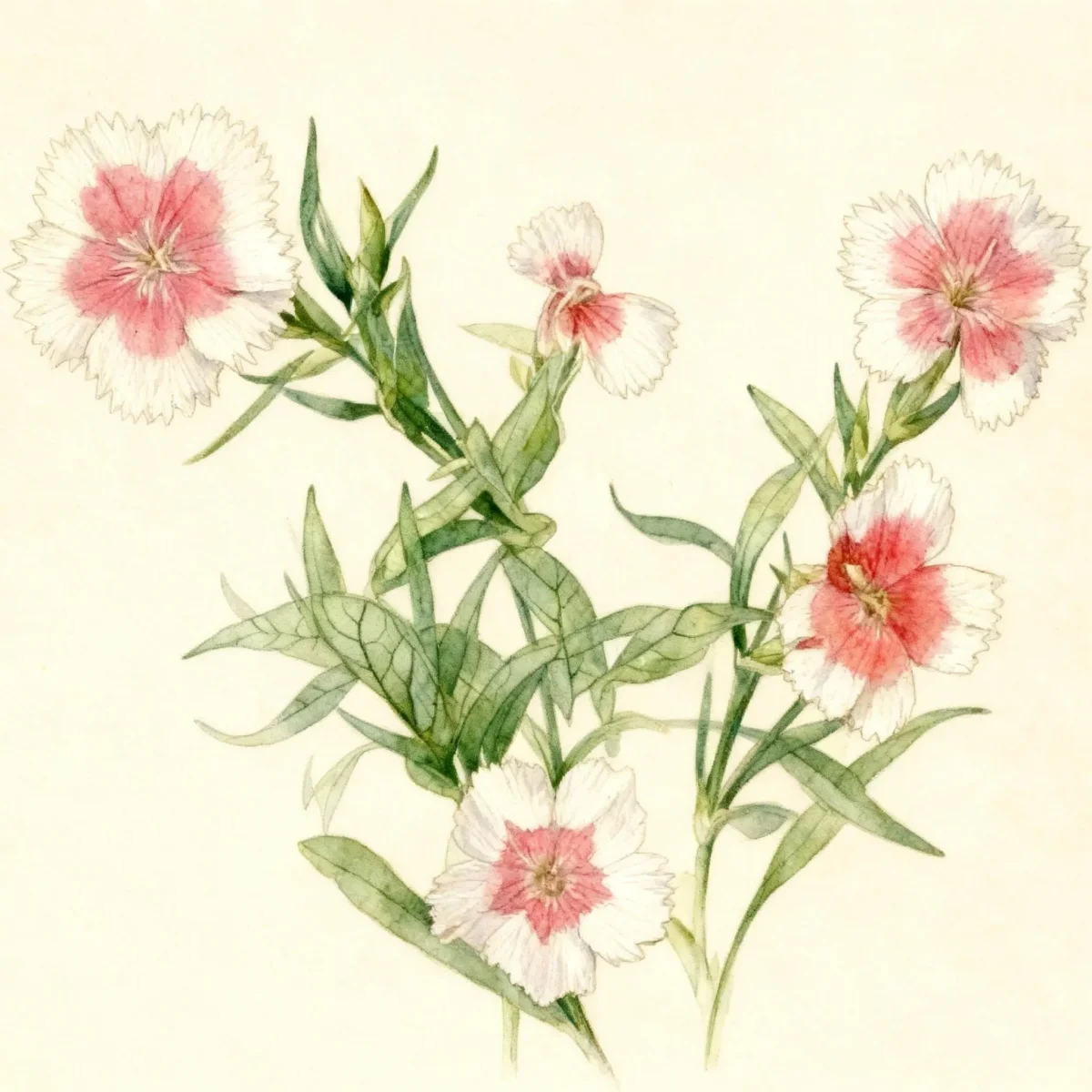
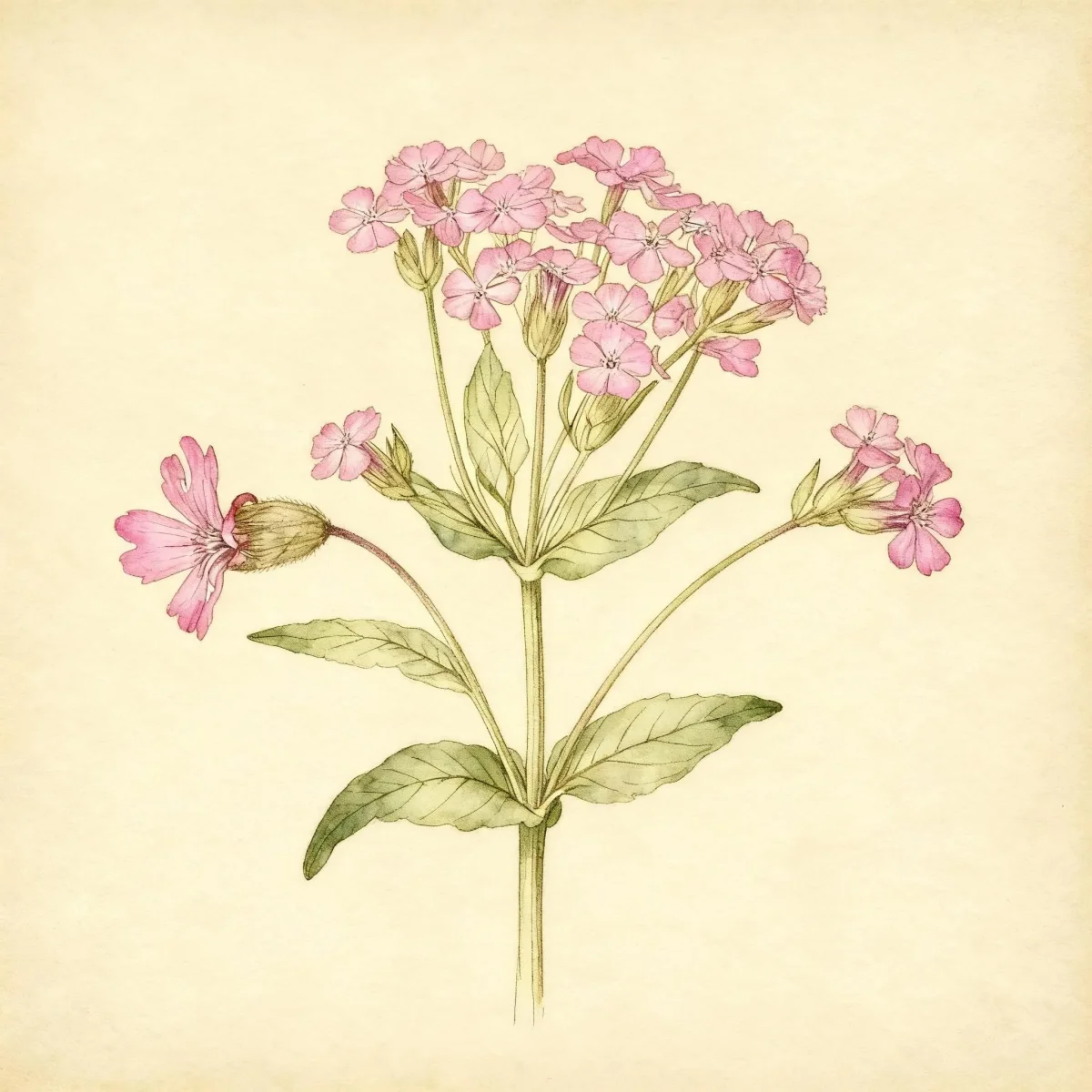
Royal catchfly (Silene regia)
Royal catchfly (Silene regia) delivers showy scarlet summer blooms, thriving in dry, well-drained soils—ideal for native gardens.
Scroll down to discover growing tips, care requirements, companion plants, and more
Complete Plant Information
Overview
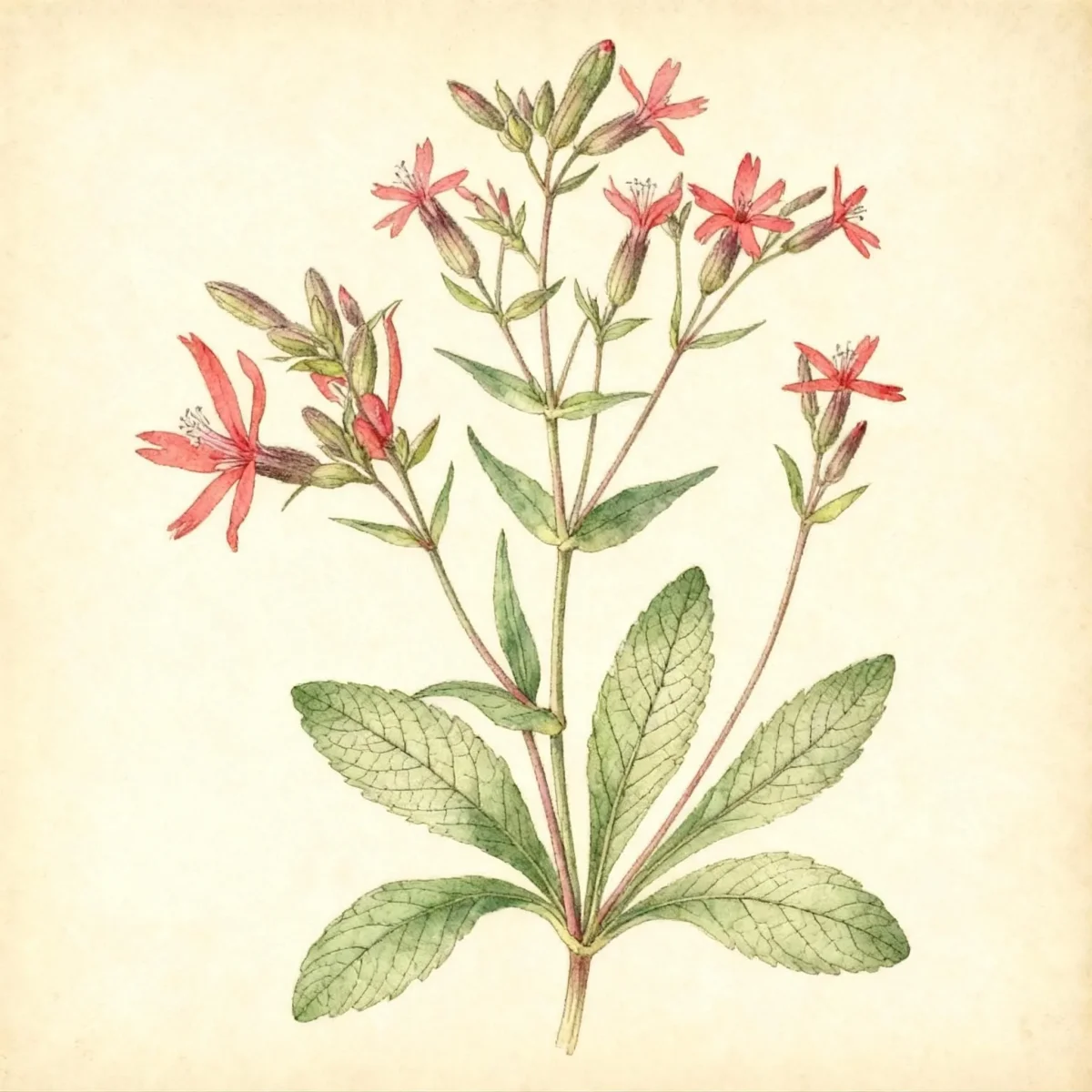
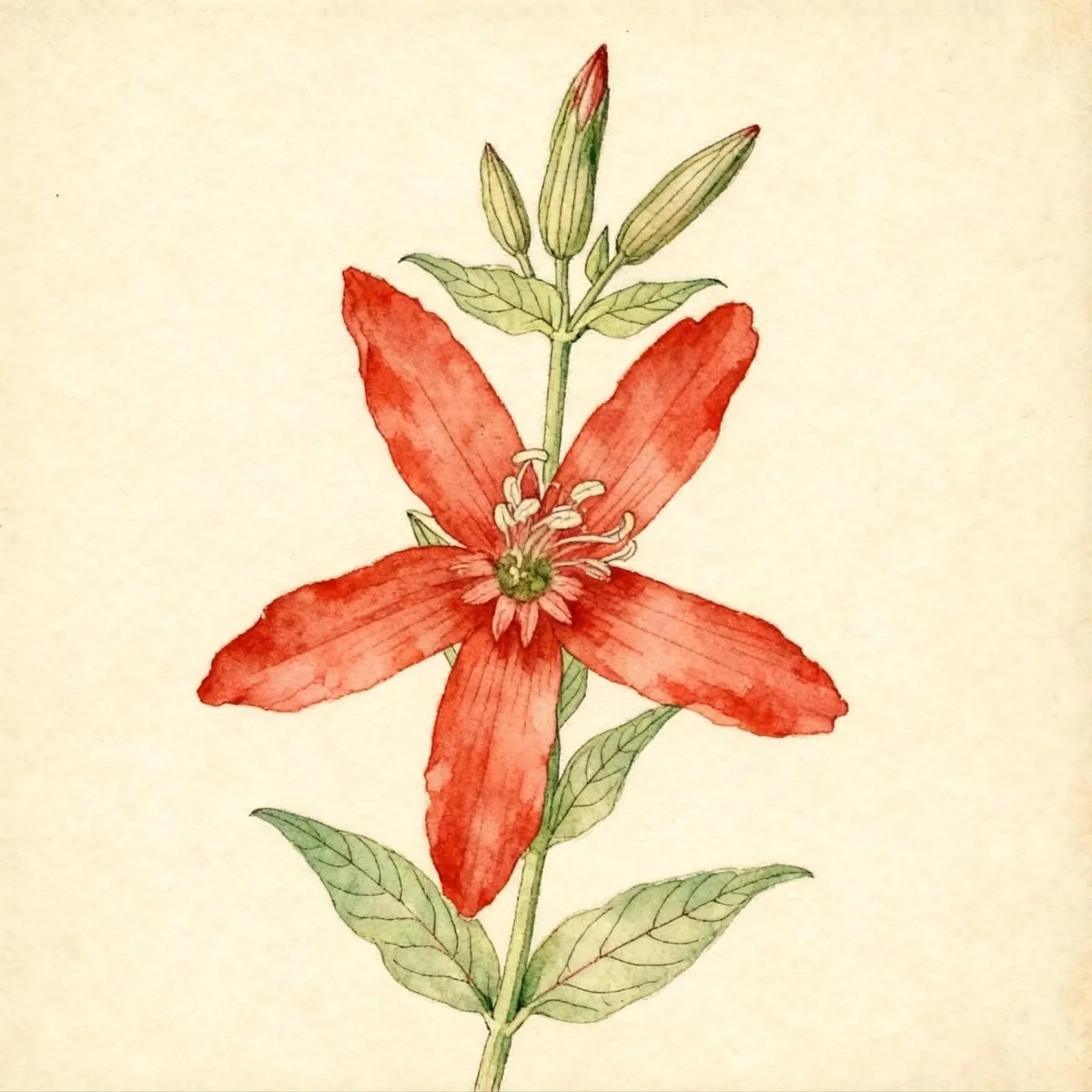
The Royal catchfly, Silene regia, is a striking native perennial prized for its brilliant, long-lasting summer color. Its distinctive scarlet flowers stand tall, providing a vital beacon for hummingbirds during the mid-summer months. This species is relatively undemanding once established, making it a reliable choice for specialized garden settings.
As a clump-forming perennial reaching heights of 3 to 4 feet, this plant adds excellent vertical interest without excessive spread. A unique characteristic of Silene regia is the sticky calyx surrounding the flowers, which gives rise to its common name, catchfly, as small insects can become trapped.
For gardeners seeking resilient natives that thrive where others might struggle, Royal catchfly excels in drier conditions. Incorporating Silene regia into a landscape provides necessary structure and vibrant color when many other spring bloomers have faded.
Fast Facts
- Plant Family: Caryophyllaceae
- Plant Type: Herbaceous perennial
- Native Range: Central and southern United States
- Hardiness Zones: USDA Zones 5-8
- Size at Maturity:
- Height: 3-4 ft
- Spread: 1.5-2 ft
- Bloom Time: July to August
- Bloom Description: Scarlet
- Sun Exposure: Full sun to part shade
- Water Needs: Dry to medium
- Maintenance Level: Medium
How to Grow
Planting Royal catchfly is best accomplished in the spring or autumn, ensuring its roots establish before the peak heat of summer arrives. Location selection is crucial: this plant requires well-drained soil, ideally sandy or gravelly, as excellent drainage is essential for success. While it tolerates full sun, providing some afternoon shade might be beneficial in the hottest zones.
Maintenance for Silene regia is generally moderate. Water regularly until the plant is established, but once mature, it handles dry spells commendably due to its drought tolerance. Avoid rich, heavily organic soils, as they can lead to rot or overly lush, flopping growth. Fertilization is usually unnecessary; the plant is adapted to less fertile conditions.
Taller stems of Silene regia may occasionally benefit from staking, particularly if grown in rich soil that encourages leggy growth or in areas prone to strong winds. In the late fall or early spring, cut back the dead foliage to maintain a neat appearance, though it is not strictly required.
Landscape Uses
The vibrant scarlet color of Royal catchfly makes it an ideal specimen for filling gaps in borders where consistent moisture cannot be guaranteed. It blends beautifully into cottage gardens, offering a vertical punch of hot color midway through summer.
This species is strongly recommended for native plant gardens or wildflower meadows where its preference for low-fertility, dry, or rocky soils is easily satisfied. Consider pairing it with other dry-tolerant summer bloomers like certain coneflowers or milkweeds that share similar cultural needs. It also integrates well into woodland garden margins, provided it receives adequate sun exposure.
Standout Features
Flower Qualities
- Showy
Noteworthy Characteristics
Silene regia, commonly called royal catchfly, is a Missouri native wildflower which occurs in dry, rocky soils in open woods, wood margins and prairies primarily in the Ozark region of the State. A clump-forming perennial which grows 3-4’ tall. Small clusters of 5-petaled, scarlet red flowers (2” across) appear in summer. Sticky calyx can trap or “catch” small insects, hence the common name.
Tolerances
- Drought
- Dry Soil
- Shallow-Rocky Soil
Potential Problems
Generally, Silene regia is very resilient, suffering from no serious insect or disease problems when sited correctly. The main cultural concern involves root rot if the soil remains consistently soggy or poorly draining; always amend heavy clay soil heavily with grit or sand. Taller plants may need some support to keep the flowering stems upright, especially when growing in conditions richer than their preferred dry habitat.
Frequently Asked Questions
What hardiness zones is Royal catchfly suitable for?
The royal catchfly (Silene regia) is best suited for USDA Hardiness Zones 5 through 8.
How large does Silene regia grow?
This perennial typically reaches a height between 3 and 4 feet, with a spread ranging from 1.5 to 2 feet wide.
What sun exposure does Royal catchfly need?
Silene regia prefers a range from full sun to partial shade, though excellent drainage is more critical than precise light levels.
When does Royal catchfly bloom?
You can expect the scarlet flowers of the royal catchfly to appear from July through August.
Conclusion
For a robust, native perennial that delivers unmistakable scarlet color in midsummer, Silene regia is an outstanding choice, especially for challenging dry or rocky sites. Its unique sticky calyx adds botanical interest, reinforcing why gardeners seek out this specific Royal catchfly. Before planting, confirm that your site offers the excellent drainage this species demands to ensure years of reliable performance.
Companion Planting Principles
Given its preference for dry, well-drained, possibly sandy or gravelly soil, Silene regia pairs well with other drought-tolerant prairie and woodland edge species. Look for companions that appreciate lean soil and do not require heavy watering throughout the summer season. Good companions include plants native to similar Ozark conditions, such as various species of St. John’s Wort (Hypericum) or drought-tolerant native woodland Phlox that can handle the transition zone between woods and prairie.
Wildlife Benefits
The bright scarlet hue of the Royal catchfly flowers signals strongly to hummingbirds, making this plant highly valuable for supporting summer nectar feeders. While the sticky calyx may deter some larger insects, numerous small moths and other nectar-seeking visitors may still utilize the blooms. Planting Silene regia within a native habitat restoration or pollinator garden contributes significantly to the structural diversity of that ecosystem.