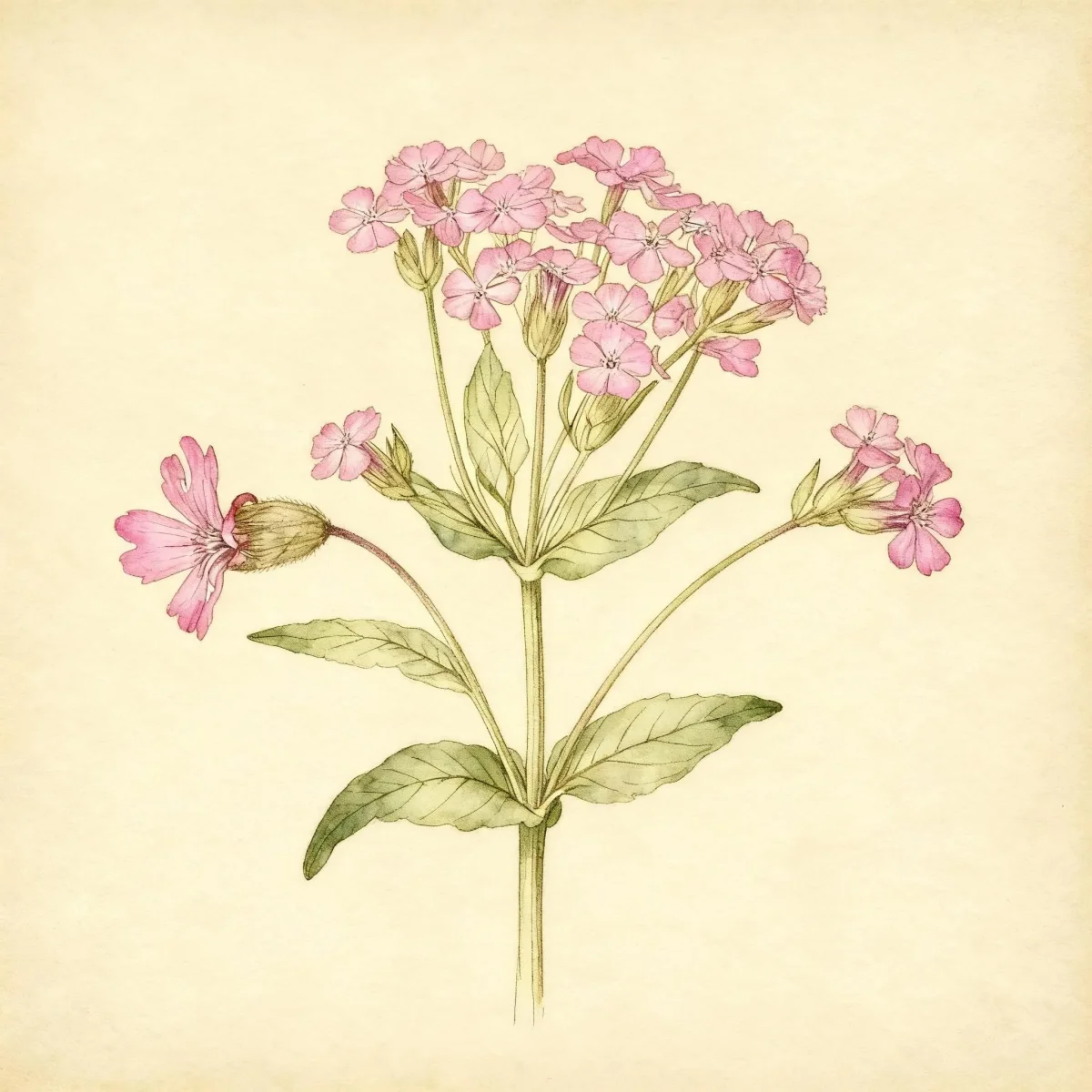
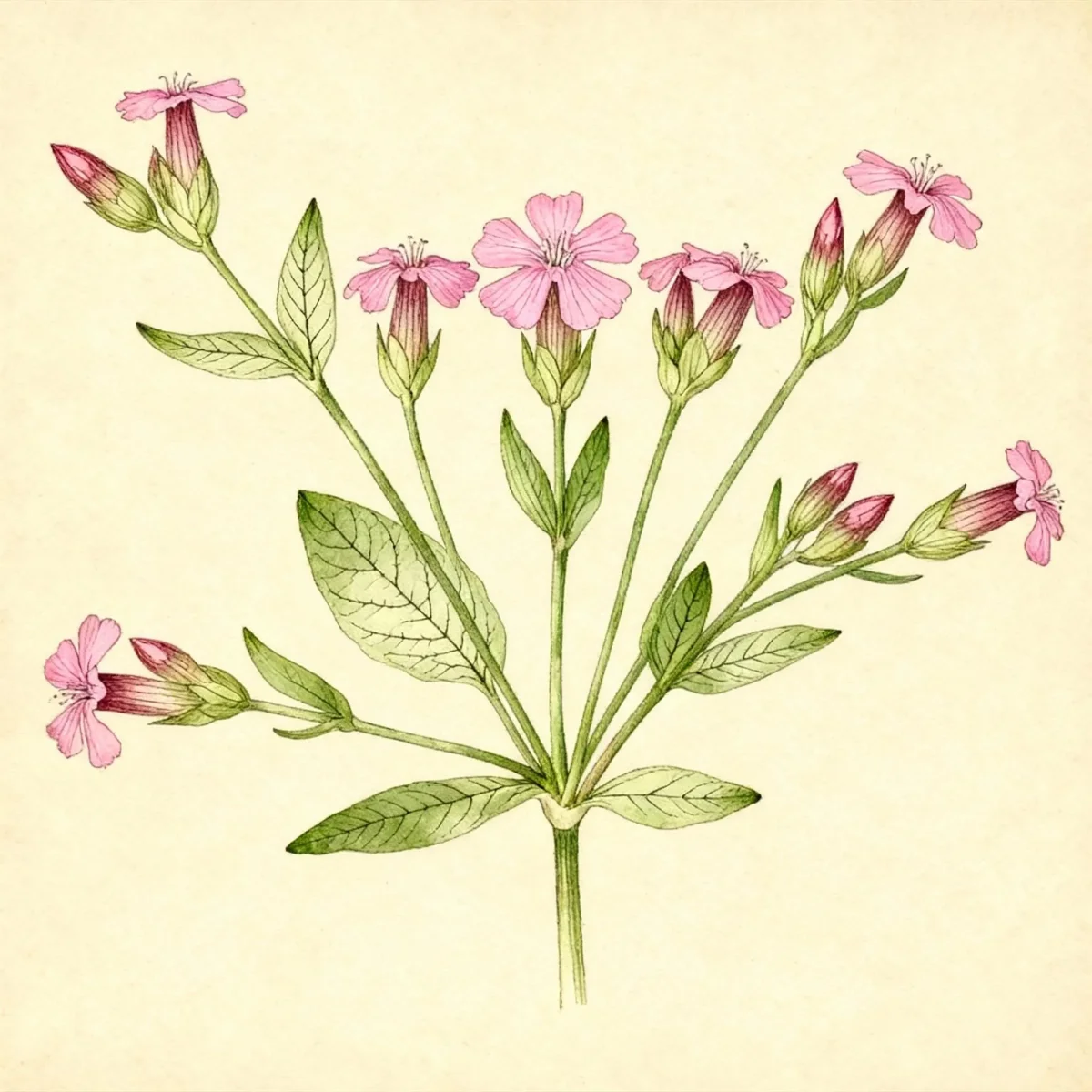
Fire pink (Silene virginica)
Discover Fire pink (Silene virginica), a stunning perennial featuring brilliant scarlet red blooms in spring across Eastern North America.
Scroll down to discover growing tips, care requirements, companion plants, and more
Complete Plant Information
Overview
The Fire pink, scientifically known as Silene virginica, is a captivating native perennial prized for its exceptionally brilliant, scarlet red flowers. These intense blossoms make a striking display against woodland backdrops or in sunny wildflower meadows. As an herbaceous perennial, it offers reliable seasonal color, making Silene virginica a vital component in naturalized settings throughout Eastern North America.
This species thrives best when provided conditions mirroring its native rocky wooded slopes: excellent drainage is paramount. While it offers medium maintenance, its stunning aesthetic return—particularly the five-petaled, vibrant red blooms—justifies the care required. Gardeners value Fire pink for its ability to introduce intense color where many other reds might fade or falter.
Though sometimes short-lived, Silene virginica often compensates by freely self-seeding in ideal, undisturbed wildflower patches. Incorporating this plant ensures a dynamic texture and brilliant, unmistakable color early in the growing season.
Fast Facts
- Plant Family: Caryophyllaceae
- Plant Type: Herbaceous perennial
- Native Range: Eastern North America
- Hardiness Zones: USDA Zones 4-8
- Size at Maturity:
- Height: 1-1.5 ft
- Spread: 0.75-1.5 ft
- Bloom Time: April to June
- Bloom Description: Red
- Sun Exposure: Full sun to part shade
- Water Needs: Dry to medium
- Maintenance Level: Medium
How to Grow
Planting Fire pink is best achieved in spring or early fall, prioritizing locations that offer well-drained soil. This species demands sharp drainage; it performs exceptionally well in sandy or gravelly soils, or light loams. While it tolerates moving into full sun, plants often appreciate some part afternoon shade, especially in hotter climates.
Care for Silene virginica is generally straightforward once established. Water requirements are dry to medium, meaning supplemental irrigation is rarely needed outside of prolonged dry spells, particularly once the plant is established in its preferred habitat. Avoid heavy fertilization, as rich soils can shorten the lifespan of this typically rocky-habitat dweller.
Maintenance is medium, often focusing on managing its potentially short-lived nature. Allowing the plants to freely self-seed in a dedicated wildflower area is the best strategy for long-term presence. Deadheading is generally not essential, though promptly removing spent flower stalks can help maintain a tidier appearance in formal borders.
Gardeners should note that Silene virginica performs best when treated somewhat like a wildflower, thriving on rocky ledges or in undisturbed areas where drainage is consistently superb. Avoid overly moist environments which can encourage rot.
Landscape Uses
Fire pink excels in settings where natural groupings are desired. It is highly recommended for meadows, open woodland areas, or deeply naturalized sections of the garden where its vibrant scarlet tones can truly pop against green foliage. While it thrives in wilder contexts, Silene virginica can also grace the fronts of mixed borders or be tucked into rock gardens, provided site drainage remains impeccable.
Companion planting is key to success. Pair this perennial with other dry-tolerant natives that bloom slightly later or prefer similar dappled light conditions, such as native columbines or certain sedums. This juxtaposition allows the fiery color of the Fire pink to provide early seasonality before later bloomers catch up.
Its clump-forming habit makes it excellent for providing vertical accents, though groupings of three or five will be far more impactful than single specimens. Use Fire pink where you need a reliable, native color punch in spring.
Standout Features
Flower Qualities
- Showy
Noteworthy Characteristics
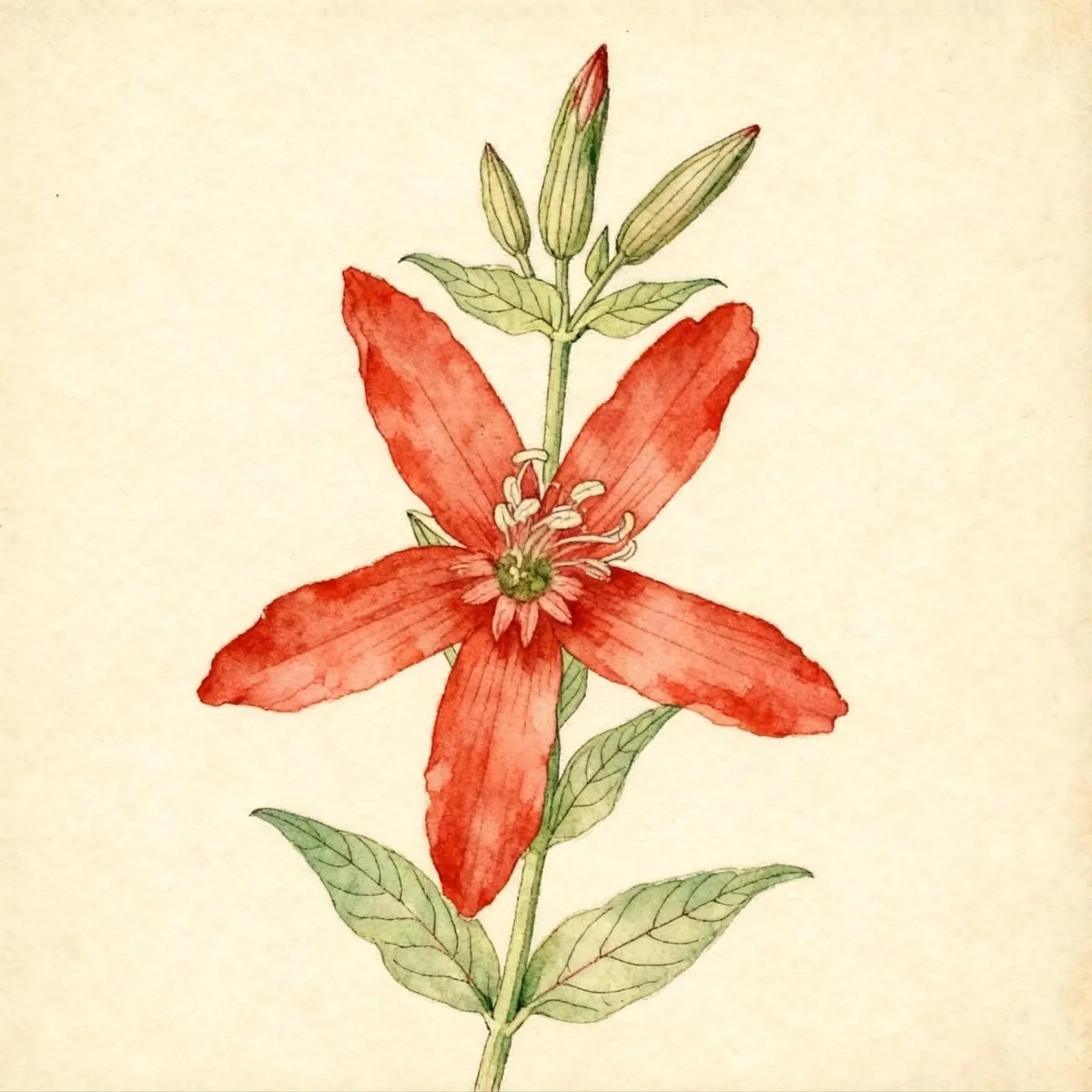
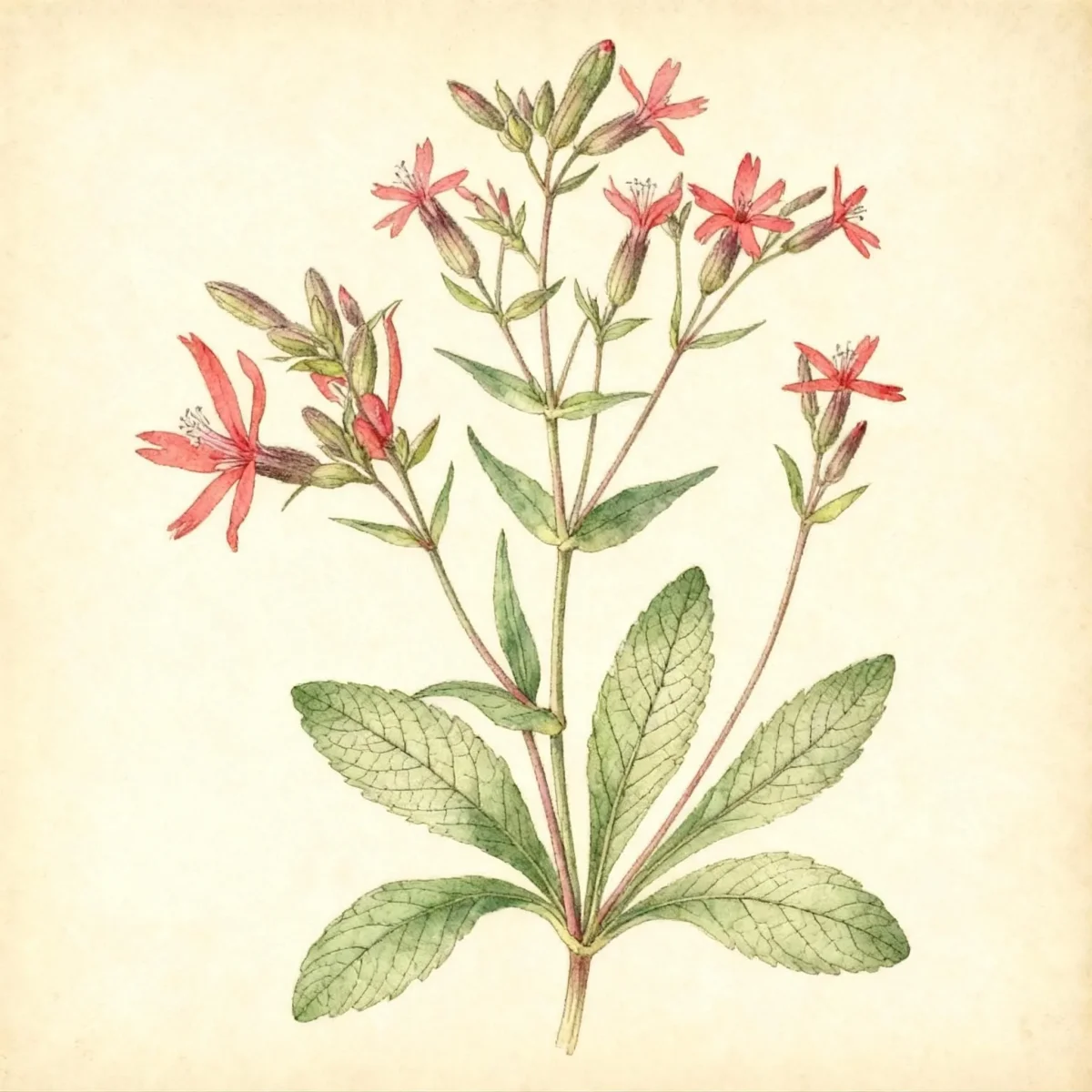
Silene virginica, commonly called fire pink, is an herbaceous clump-forming perennial wildflower with downy and sticky stems that typically grows to 12-20” tall. It is native to rocky wooded slopes, open woods and thickets from western New York to Minnesota south to Georgia and Oklahoma. This plant features brilliant, scarlet red flowers (2” across), each with five spreading, notched-at-the-tip petals plus sepals which are united into a long sticky tube.
Tolerances
- Drought
- Clay Soil
- Dry Soil
- Shallow-Rocky Soil
Potential Problems
This species generally faces no serious insect or disease problems when grown in appropriate, well-drained conditions. The primary management issue is cultural: ensuring the soil does not retain too much moisture, which is the quickest way to lose established plants. Confirm excellent soil depth and drainage upon planting to prevent fungal issues common to overly wet environments.
Frequently Asked Questions
What hardiness zones is Fire pink suitable for?
The Fire pink (Silene virginica) is reliably hardy in USDA Zones 4 through 8, making it a versatile choice for many temperate gardens.
How large does Silene virginica grow?
This herbaceous perennial typically reaches a height between 1 and 1.5 feet, with a spread ranging from 0.75 to 1.5 feet at maturity.
What sun exposure does Fire pink need?
Silene virginica performs well across a range, preferring full sun but benefiting from part shade, especially when situated in drier, well-drained soil sites.
When does Fire pink bloom?
The striking bloom time for this species is generally from April through June, showcasing brilliant red flowers.
Conclusion
The dazzling scarlet of Fire pink makes Silene virginica an indispensable element for native plant enthusiasts seeking intense, early-season color. Its adaptability to dry, rocky, and even clay soils, combined with its striking appearance, easily overcomes its medium maintenance requirements. Check your USDA hardiness zone (4-8) and plan for spring planting to ensure brilliant floral displays next year.
Companion Planting
For long-term success and aesthetic continuity, pair Fire pink with other drought-tolerant natives that share its preference for sharp drainage. Consider native plants like Baptisia species (False Indigo) or certain varieties of Coreopsis (Tickseed). These companions can fill in the space left behind once the Silene virginica bloom period concludes, maintaining visual interest through summer.
Wildlife Benefits
The brilliant, deep red flowers of Fire pink are specifically adapted for pollination by hummingbirds, who are powerfully attracted to this high-nectar display. By incorporating Silene virginica into your landscape, you actively support local avian pollinators during the critical spring months. Even though the genus name means catchfly, its value to specialized wildlife is high.