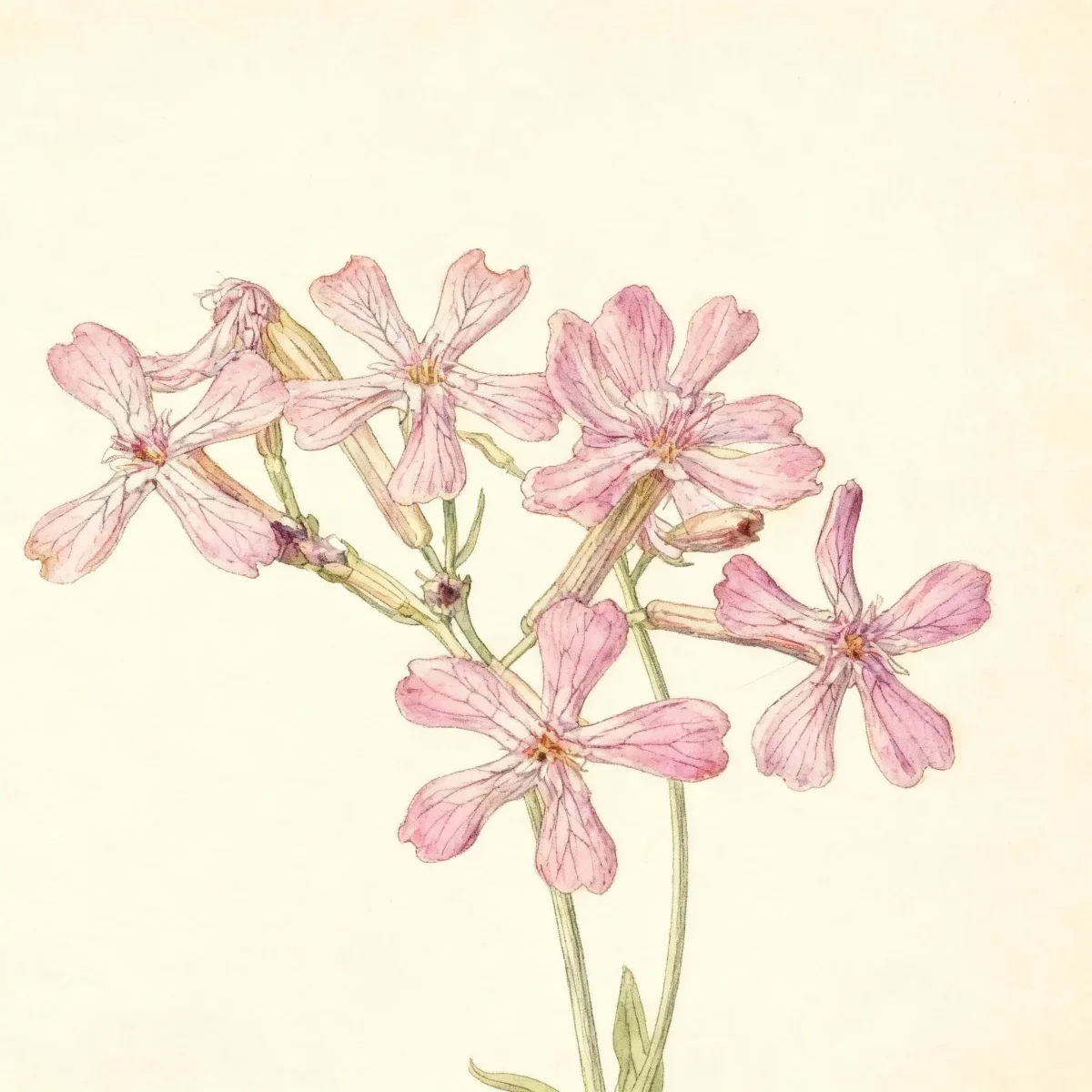
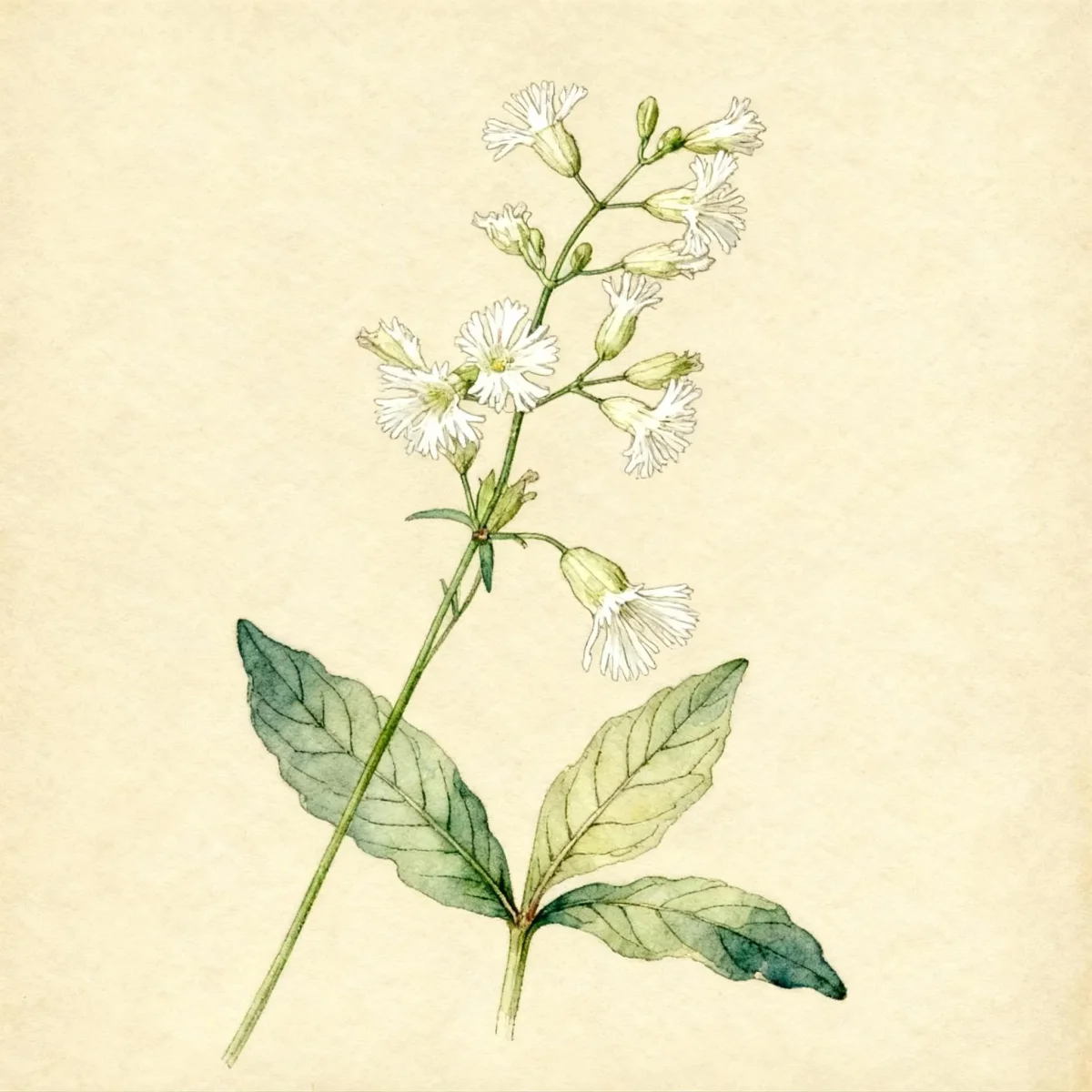
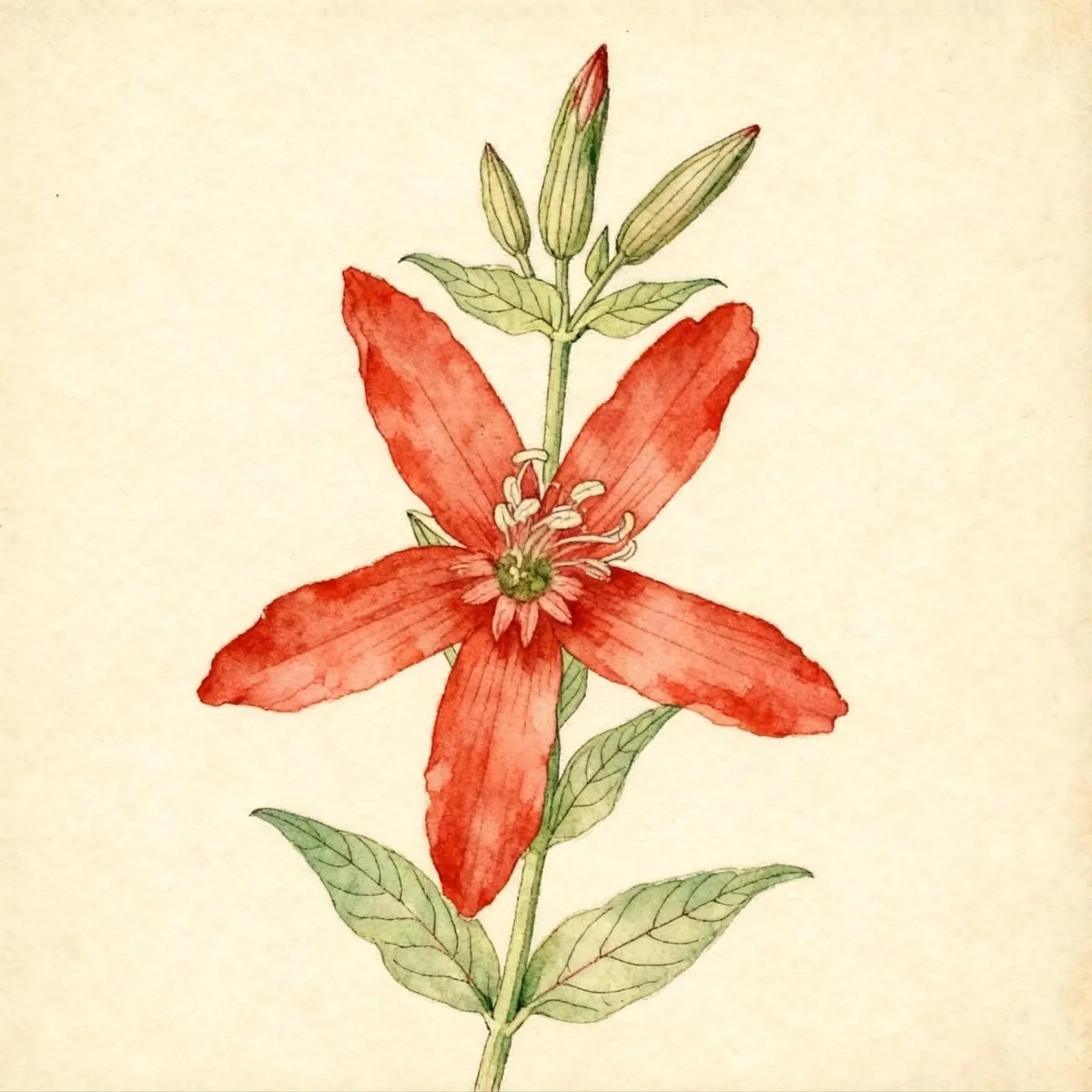
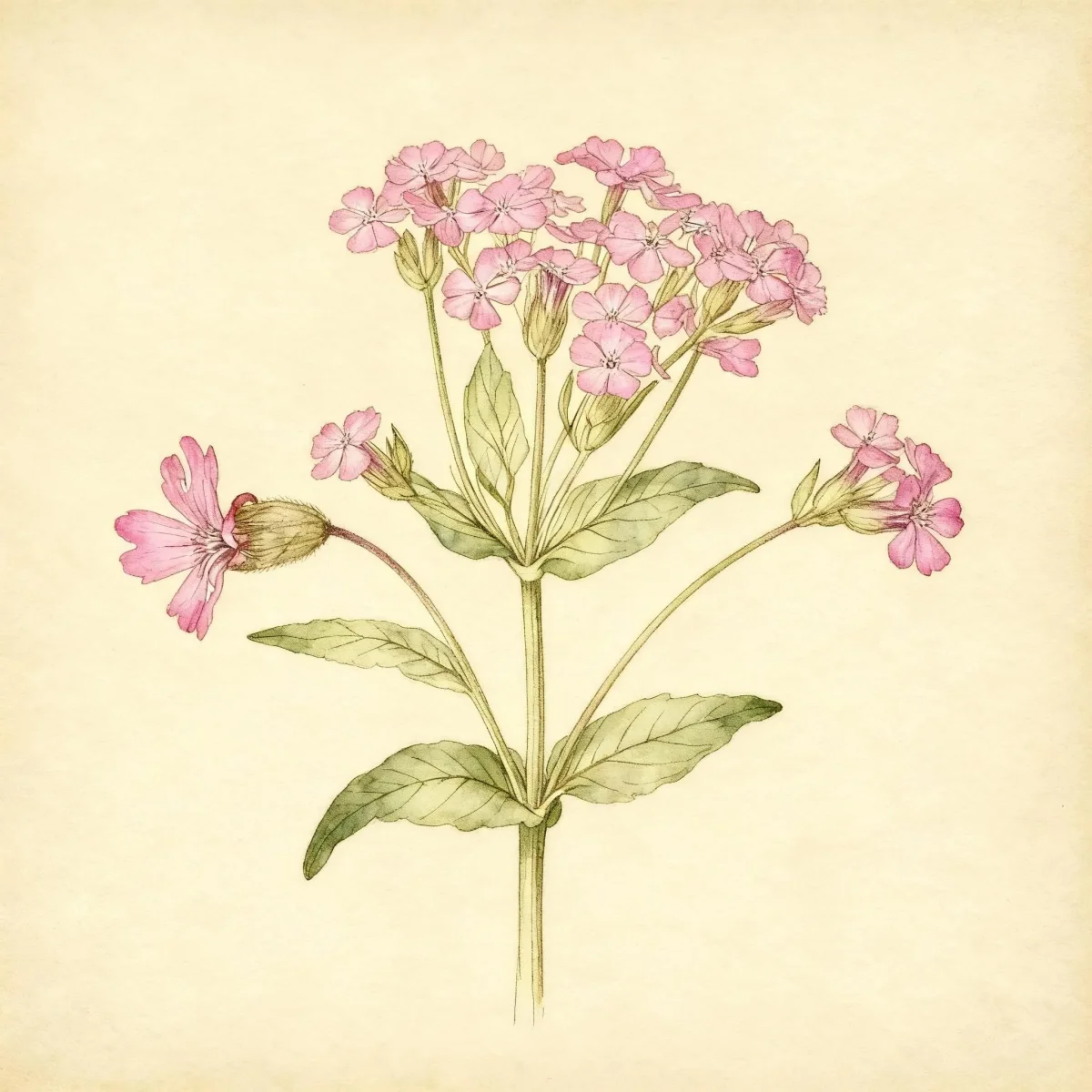
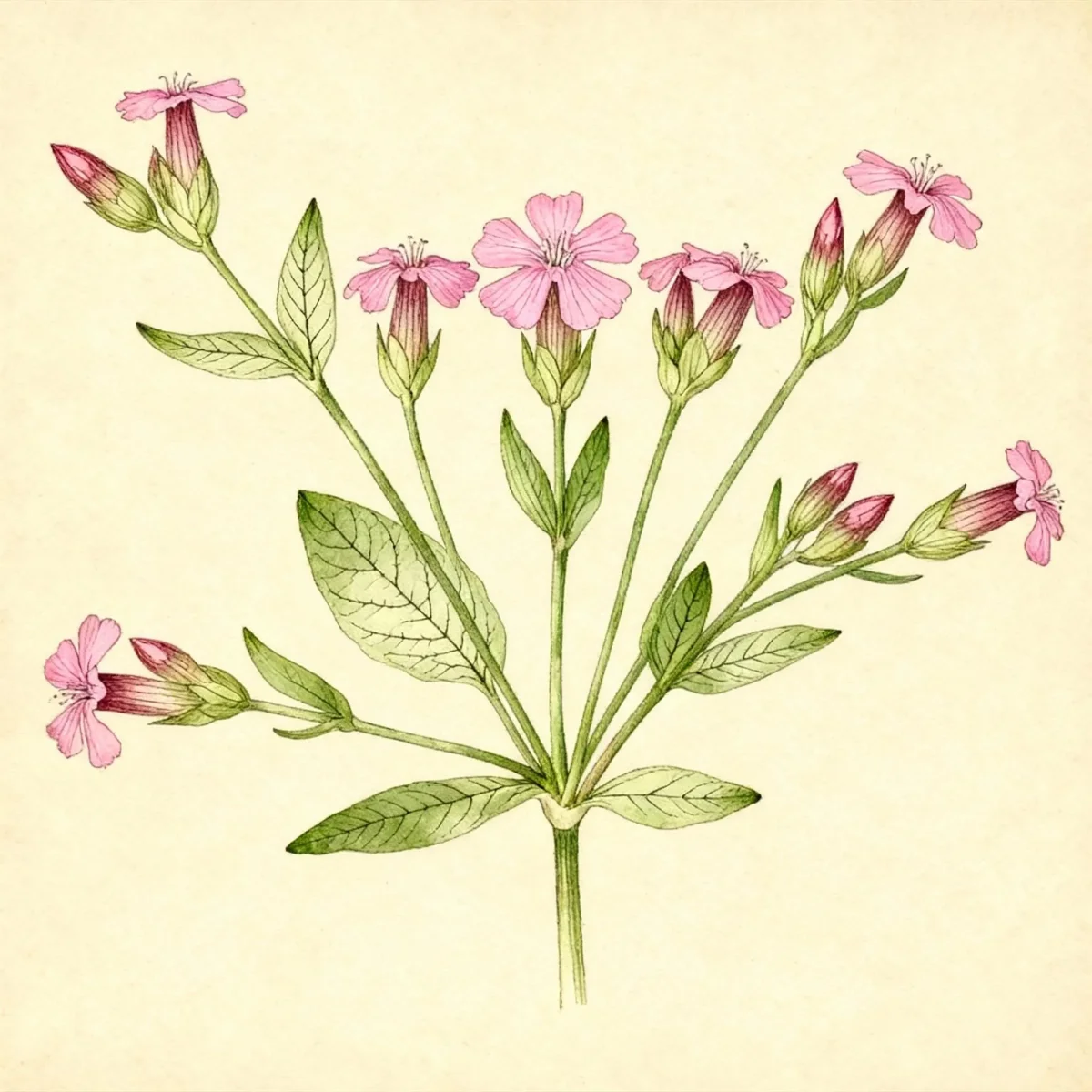
Pink (Dianthus chinensis)
Dianthus chinensis, the vibrant Pink, offers abundant summer color in zones 6-9. Ideal for borders, this species thrives in full sun.
Scroll down to discover growing tips, care requirements, companion plants, and more
Complete Plant Information
Overview
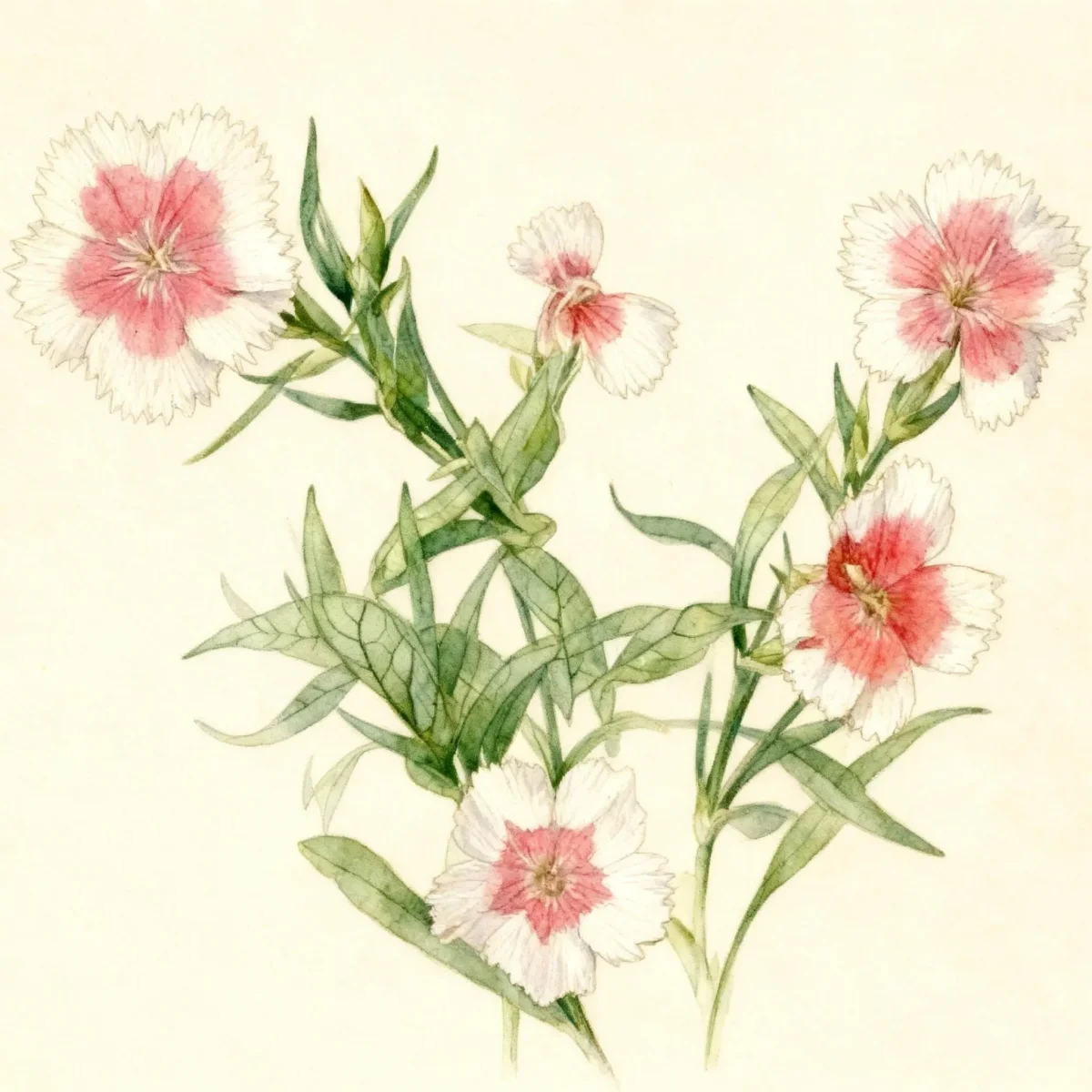
Dianthus chinensis, commonly known as Pink, provides outstanding color, especially desirable as gardeners seek resilient blooms for borders and edges. Its fringed petals, often featuring a contrasting eye, make it a standout element in the landscape during its primary flowering window. Although botanically a perennial, this species frequently performs best when grown as an annual in many climates, appreciating cooler summer conditions.
These flowers originate in China and offer a range of colors including white, pink, and various reds, often appearing bicolored. Dianthus chinensis brings reliable, mounding texture to settings where well-drained soil is present. Gardeners prize this plant for its reliable performance when matched to the right microclimate.
Cultivars of this species often form neat clumps reaching about one foot tall, making them fantastic for adding mid-level interest without overwhelming smaller plantings. Ensure appropriate afternoon shade in the hottest regions to optimize the longevity of your Pink display throughout the season.
Fast Facts
- Plant Family: Caryophyllaceae
- Plant Type: Herbaceous perennial
- Native Range: China
- Hardiness Zones: USDA Zones 6-9
- Size at Maturity:
- Height: 0.5-1 ft
- Spread: 0.5-1 ft
- Bloom Time: April to June
- Bloom Description: White, pink, red and bicolor
- Sun Exposure: Full sun to part shade
- Water Needs: Dry to medium
- Maintenance Level: Medium
How to Grow
For successful establishment, start seed indoors 6 to 8 weeks before your last expected frost date. Seedlings, or purchased plants, should be transplanted outdoors one to two weeks prior to that final frost date. Dianthus chinensis prefers average soils that are dry to medium in moisture and exceptionally well-drained.
These plants thrive best in full sun but benefit significantly from some afternoon shade when summer temperatures become intense. In climates prone to hot, humid summers, such as the St. Louis region, be mindful that plantings may struggle or melt out if drainage is inadequate. Watering should be kept consistently dry to medium; avoid soggy conditions which quickly invite crown rot.
Maintenance is considered medium for this popular Pink. Deadheading spent flowers diligently is crucial to encourage the plant to produce subsequent flushes of blooms. If flowering significantly wanes later in the season, gardeners can shear the plants back moderately to promote fresh basal growth and renewed flowering vigor.
Landscape Uses
Dianthus chinensis excels where low-growing, densely blooming plants are required for edging or mass planting effects. Its compact habit—often forming mounds 6 to 12 inches high—makes it perfect for bordering walkways or definition near doors where its color can be easily appreciated up close. It is explicitly recommended when the gardener needs annuals for bright, continuous color.
When designing with this species, consider its cultural needs: dry feet and good drainage are paramount. Pair Dianthus chinensis with other sun-loving, drought-tolerant perennials that share similar height profiles, such as creeping thyme or sedums, to create textured drifts. They also perform excellently when used as filler plants within mixed containers, spilling slightly over the edges.
For group or massed plantings, aim for drifts of color, ensuring plants are spaced appropriately to allow air circulation, which helps mitigate potential moisture-related issues later in their growing season.
Standout Features
Flower Qualities
- Showy
Noteworthy Characteristics
Dianthus chinensis, commonly called China pinks, grows to as much as 30” tall and features pink to lilac flowers with fringed petals and a purple eye. Most cultivars available in commerce today are bushy compact plants that typically grow in mounds or clumps to 6-12” tall and as wide and feature a longer flowering period and a much greater range of flower colors, including many different shades of white, pink and red with interesting bicolor combinations thereof. The genus name reflects the Greek words for divine flower, honoring its beauty.
Tolerances
- Deer
- Drought
- Clay Soil
- Dry Soil
Potential Problems
The primary concern with growing Dianthus chinensis relates to moisture management. These plants are susceptible to crown rot and rust, especially when situated in poorly-drained soils or subjected to overhead watering that keeps the foliage wet. Monitor for common garden pests like snails and slugs, which can chew ragged holes in the foliage and blooms. Because success often relies on consistent deadheading and shearing, view these China Pinks as high maintenance plants that require active garden management to maximize their performance throughout the season.
Frequently Asked Questions
What hardiness zones is Dianthus chinensis suitable for?
Dianthus chinensis is suitable for USDA Zones 6 through 9.
How large does Pink grow?
This plant typically reaches a height between 0.5 and 1 foot, with a similar spread of 0.5 to 1 foot at maturity.
When does Pink bloom?
The primary bloom time for this species is from April to June, producing flowers described as white, pink, red, and bicolor.
What sun exposure does Dianthus chinensis need?
Dianthus chinensis performs best in full sun but readily accepts partial shade, particularly appreciating afternoon shade in very hot summer climates.
Conclusion
The low-mounding structure and wide array of bicolored blooms make the Pink (Dianthus chinensis) an indispensable choice for adding delicate texture and summer color to nearly any garden space. While categorized as high maintenance due to its need for good drainage and dedicated deadheading, the reward is significant floral density. Check your local hardiness status and ensure excellent drainage before planning your planting time this spring.
Companion Planting
When selecting companions for Dianthus chinensis, prioritize plants that share its preference for dry to medium moisture levels and appreciate full sun exposure. This prevents cultural mismatch, where thirstier neighbors might inadvertently lead to overwatering the Pink. Excellent companions include low-growing, Mediterranean herbs like Lavender (Lavandula spp.) or various Sedums, which offer contrasting textures while demanding similar lean soil conditions.
Consider using low-growing Alyssum or creeping Thyme (Thymus serpyllum) to soften the edges around a clump of Dianthus chinensis. These combinations create layered effects where the Dianthus provides the vertical color punctuation, and the companions provide groundcover stability and textural contrast throughout the warm season.
Design Ideas
The compact nature of modern Dianthus chinensis cultivars lends them perfectly to formal edging applications along pathways, creating a neat, defined border between lawn or hardscape and planting beds. For a more cottage garden feel, mass them in the middle layer of a border, backed by taller spire-like flowers such as Salvia or Veronica.
Because the foliage of the Pink is linear and somewhat grassy, integrating it near broad-leafed neighbours, like certain low-growing Hostas or Heuchera (used in shadier spots), enhances visual interest by contrasting leaf shape and flower texture. They are also excellent candidates for filling empty spaces in rock gardens or tucked among flagstones where drainage is naturally superior.