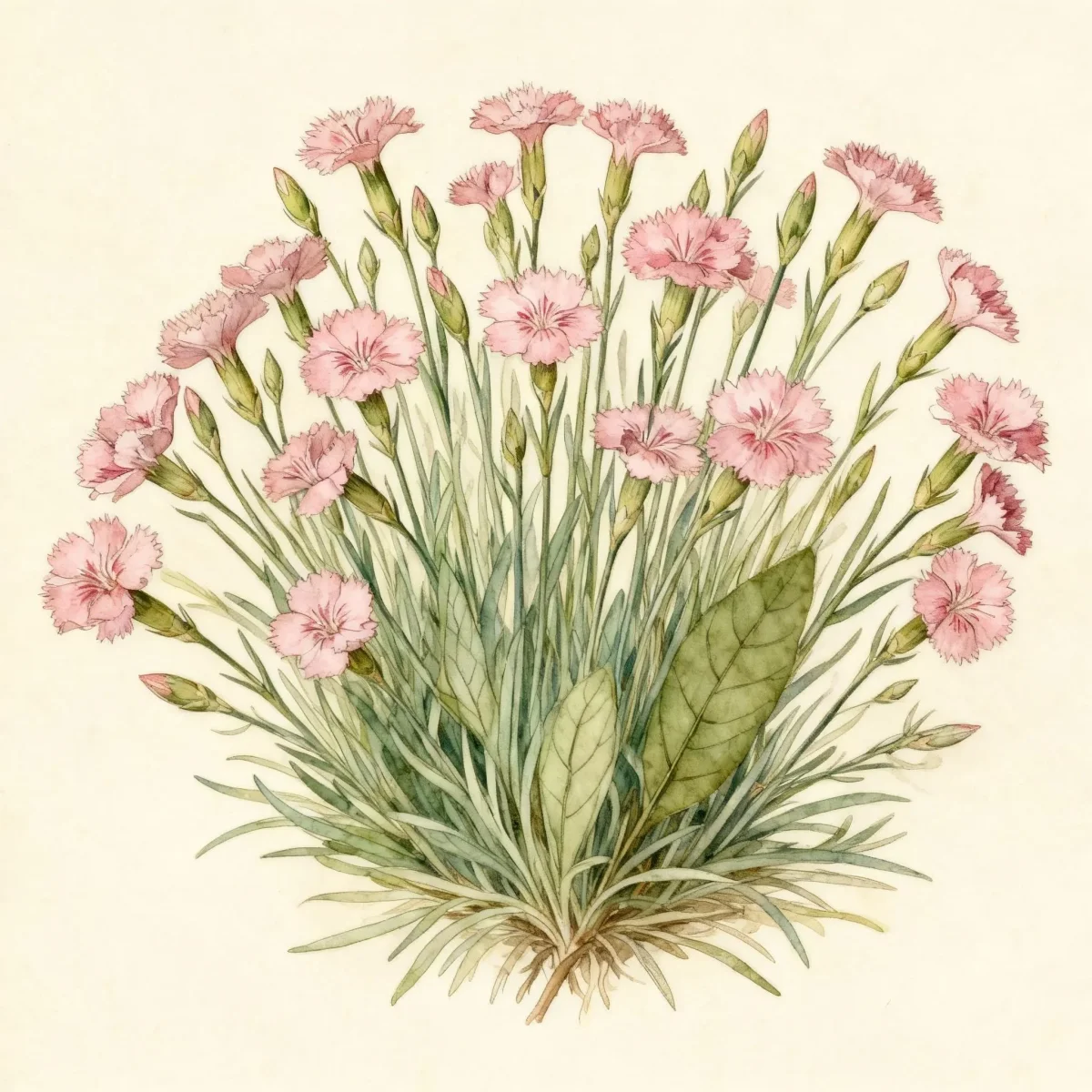
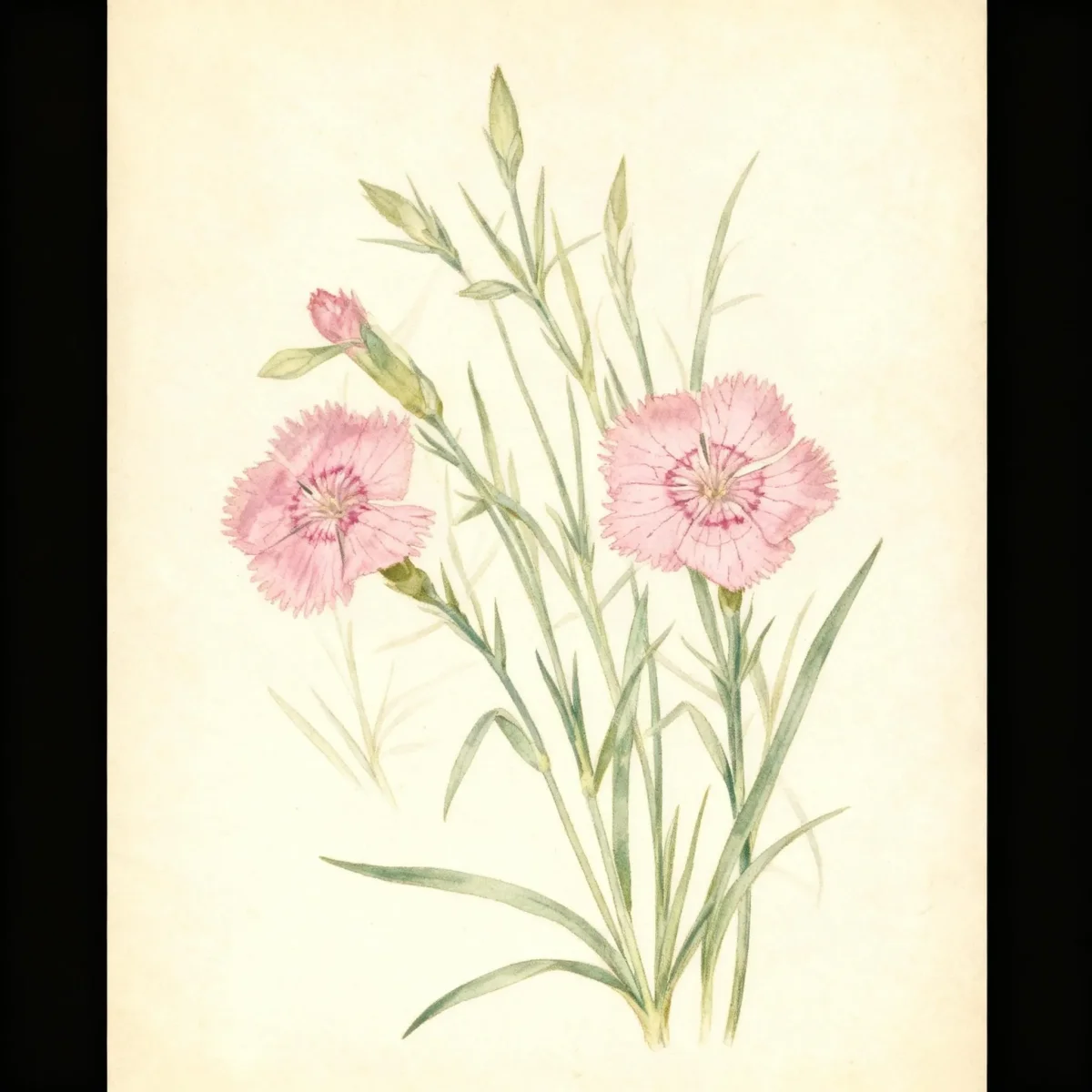
Carnation (Dianthus superbus)
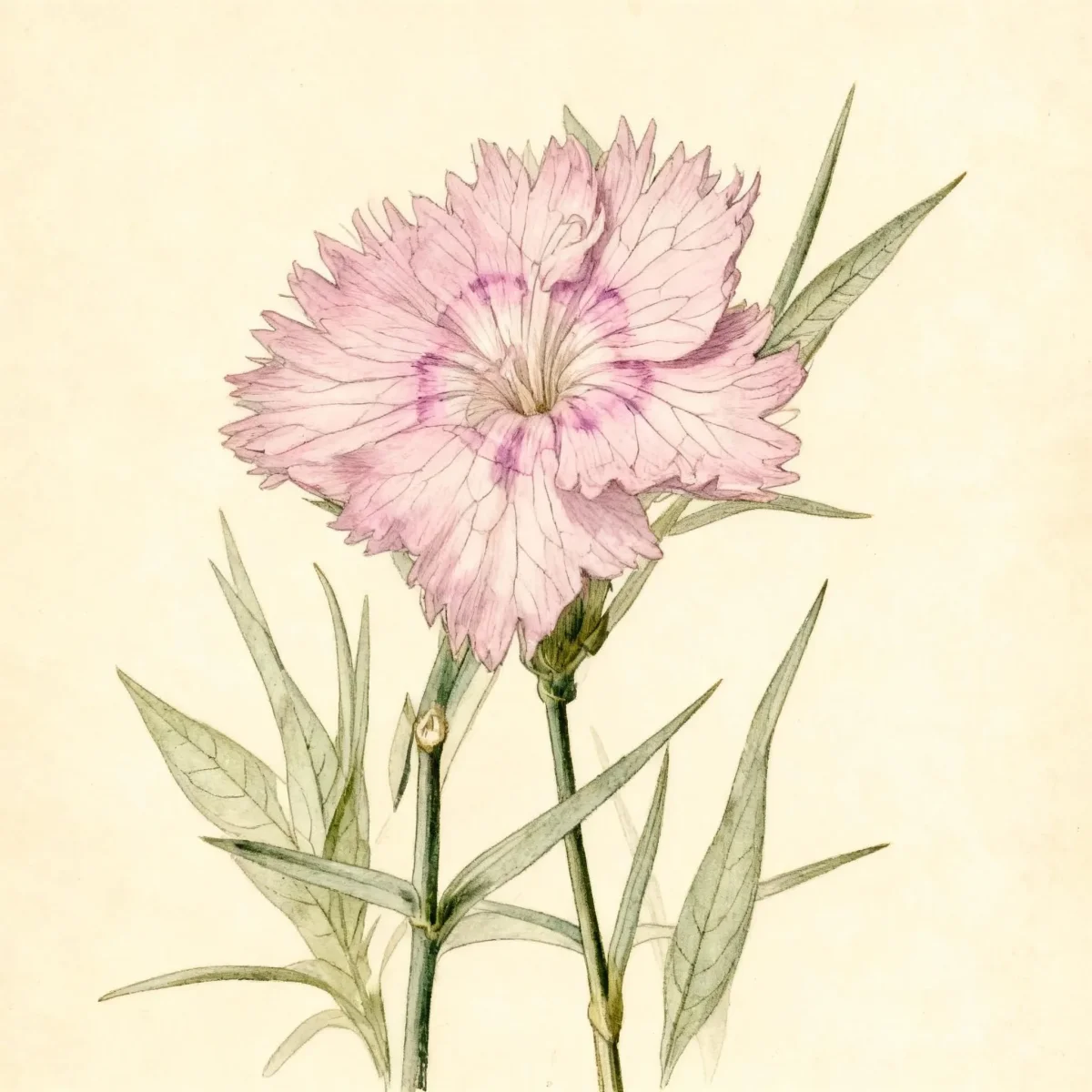
Fragrant pink Dianthus superbus boasts shaggy, fringed lilac flowers; a low-maintenance perennial for full sun gardens.
Scroll down to discover growing tips, care requirements, companion plants, and more
Complete Plant Information
Overview
The Fragrant pink, scientifically known as Dianthus superbus, offers exceptional value to gardeners looking for summer color combined with a delightful scent. This loosely tufted herbaceous perennial is celebrated for its distinctive, shaggy, deeply-fringed flowers that open to a pale lilac hue. Its value lies in its enduring performance in sunny sites, providing continuous mid-summer interest.
Dianthus superbus thrives when provided with the right basic conditions, requiring full sun exposure and medium moisture levels for best results. Although classified as a perennial native to Europe and Asia, gardeners should note that species plants often have a short lifespan and may be best treated as biennials, requiring reseeding or replacement plants for continuous display.
This charming Carnation variety excels aesthetically, making it a superb addition to smaller garden spaces or containers. Its low maintenance profile, combined with its delightful fragrance, ensures the Dianthus superbus remains a rewarding choice for cottage gardens and rockeries alike.
Fast Facts
- Plant Family: Caryophyllaceae
- Plant Type: Herbaceous perennial
- Native Range: Asia, Europe
- Hardiness Zones: USDA Zones 3-8
- Size at Maturity:
- Height: 0.75-1.5 ft
- Spread: 0.75-1.5 ft
- Bloom Time: June to July
- Bloom Description: Pale lilac
- Sun Exposure: Full sun
- Water Needs: Medium
- Maintenance Level: Low
How to Grow
Starting Dianthus superbus is straightforward, as it is easily grown from seed, though species plants can be short-lived. Plant in average, medium, well-drained soils. For optimal performance, this Carnation prefers fertile, slightly alkaline, somewhat gritty loams where drainage is ensured, preventing root issues common in overly wet sites.
Watering should be maintained at a medium level; ensure the soil remains consistently moist but never waterlogged, especially during dry spells in the summer when this plant is in full bloom. While low maintenance overall, deadheading spent flowers can prolong the bloom period. Be warned, however, that prompt removal can be labor-intensive for large drifts; in such cases, shearing off spent flowers after the main flush subsides is more practical.
This plant exhibits resilience in its care requirements. Being tolerant of deer, it can be safely placed where browsing pressure exists. Ensure harsh winter conditions do not coincide with overly wet soil, as moisture retention can lead to crown rot. Prepare sites early, focusing on soil structure to guarantee the excellent drainage necessary for the long-term success of your Dianthus superbus.
Landscape Uses
The compact yet airy stature of the Carnation makes it highly versatile in ornamental settings. It is perfectly suited for the front of borders, where its mid-height profile won’t obscure plants behind it, or nestled into the structured settings of rock gardens. Its traditional appeal also shines in cottage garden designs, often paired with low-growing thymes or silvery lamb’s ears.
For dedicated display, containers are another excellent recommendation for Dianthus superbus. When planted in pots, ensure the growing medium mimics its preferred gritty loam to maintain sharp drainage. This allows the fragrant pink to be positioned near seating areas where its scent can be fully appreciated during the June and July blooming window.
Consider using this fringed pink as an edging plant to define pathways or patio spaces. Its linear-lanceolate leaves provide consistent texture even when the plant is not flowering, offering year-round reliability in the landscape design.
Standout Features
Flower Qualities
- Showy
- Fragrant
Noteworthy Characteristics
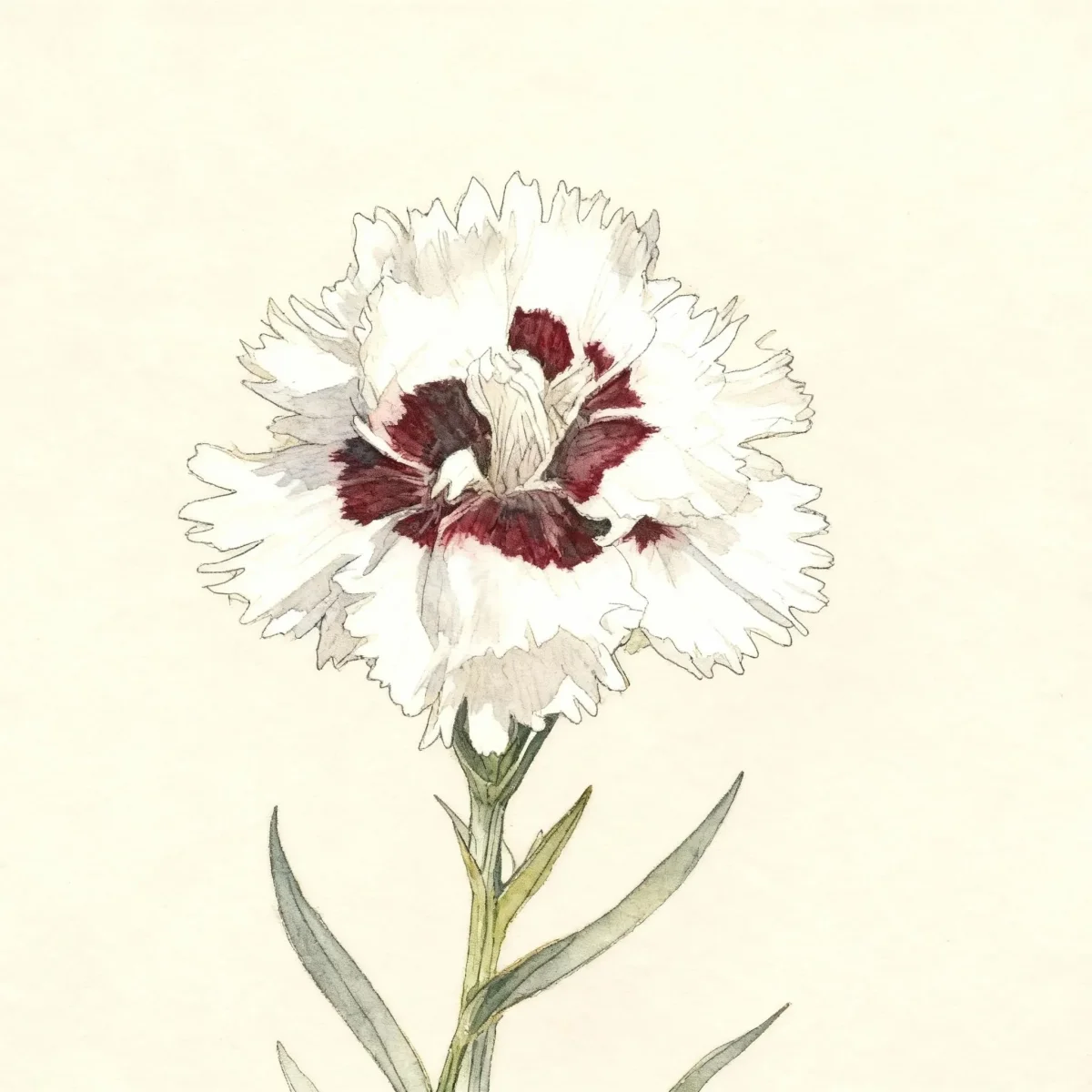
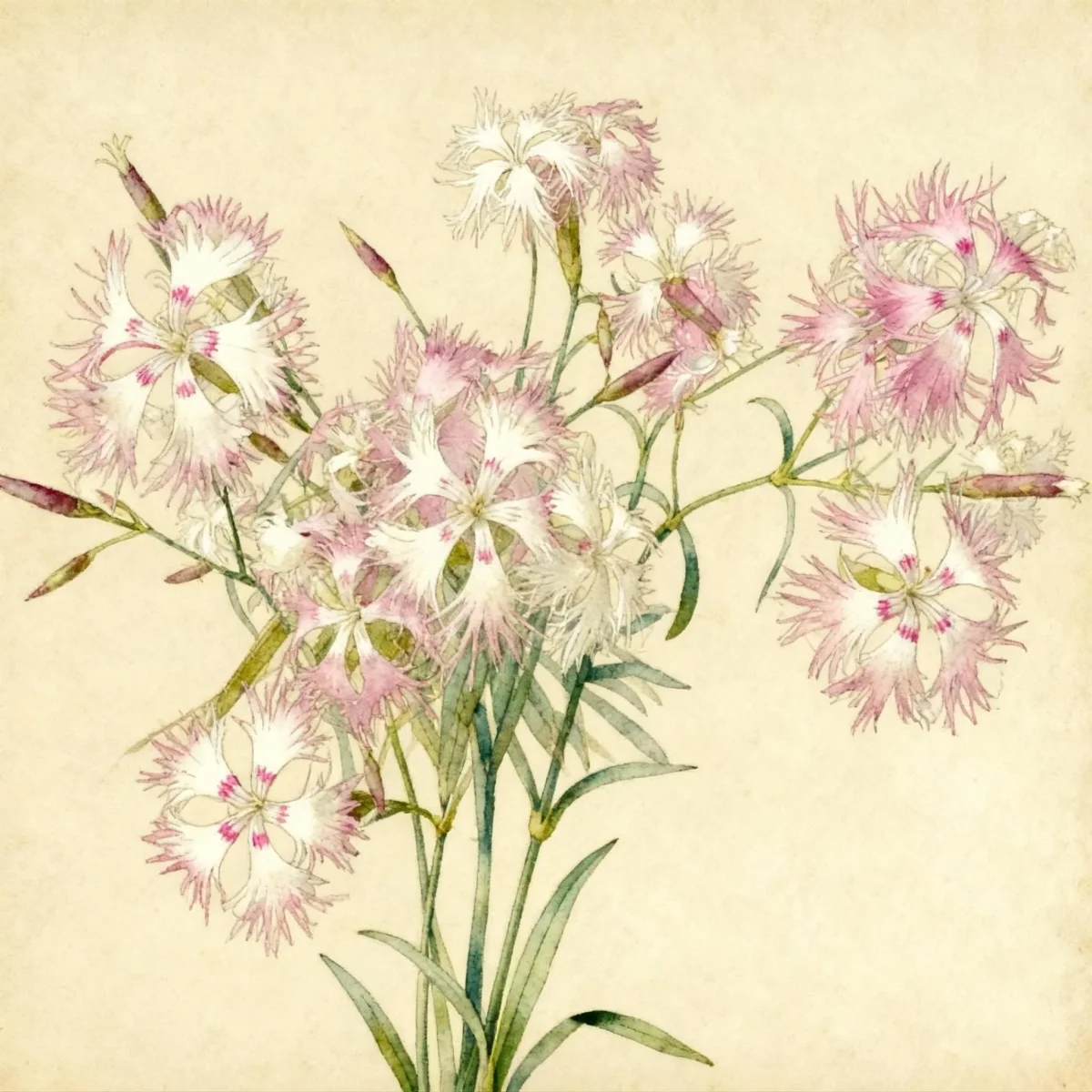
Dianthus superbus is a European/Asian loosely tufted species that typically grows to 8-12” (less frequently to 24”) tall with decumbent stems below and branched upright stems above. Shaggy, deeply-fringed, pale lilac flowers (to 2” across) appear singly or in pairs at the stem ends in summer, and these flowers are notably scented. The basal foliage consists of medium green, linear-lanceolate leaves up to 3” long, providing a neat base for the upright blooms.
Tolerances
- Deer
Potential Problems
This plant generally encounters no serious insect or disease problems when grown under appropriate conditions. The primary threat comes from poor cultural management, specifically related to moisture levels. Crown rot is a significant risk and may attack plants grown in moist to wet, poorly drained soils. To manage this, always amend soil heavily with grit or sand to maximize drainage, particularly if you garden in heavy clay areas.
Avoid planting Dianthus superbus in areas where water pools or remains soggy even briefly after a rainfall. If moisture stress is unavoidable, consider siting the plants on slight slopes or raised beds to encourage runoff away from the root crown.
Frequently Asked Questions
What hardiness zones is Carnation suitable for?
The Dianthus superbus is generally suited for USDA Hardiness Zones 3 through 8.
How large does Dianthus superbus grow?
This species typically reaches a height between 0.75 and 1.5 feet tall, with a similar spread, maturing into a loosely tufted mound.
When does Carnation bloom?
This fragrant pink typically blooms from June into July, producing striking pale lilac flowers.
What sun exposure does Dianthus superbus need?
For the best results, ensure you place your Dianthus superbus where it receives full sun exposure throughout the day.
Conclusion
The lightly scented, fringed blooms of Dianthus superbus make it an essential, low-maintenance inclusion in sunny garden borders and rockeries. Its hardiness across USDA Zones 3-8 ensures widespread applicability for gardeners seeking this classic Carnation touch. Before planting, verify your soil drains exceptionally well, and plan to sow seeds or purchase new plants yearly if you wish to maintain continuous, superb flowering performance.
Companion Planting
Dianthus superbus performs best when paired with other sun-loving, low-to-medium-growing perennials that also prefer sharp drainage. Companions that share similar cultural needs, such as moderate watering and preference for slightly alkaline soil, include various Sedums (Stonecrop), Thymes, and low-growing ornamental Grasses. Combining the lacy texture of the Carnation with the architectural structure of small native grasses or the tight mounds of Creeping Phlox creates excellent textural contrast in rock gardens. Avoid pairing this pink with moisture-loving plants like Hostas or Astilbes, as these groupings will inevitably lead to drainage issues for the Dianthus superbus.
Propagation Tips
While Dianthus superbus is often started from seed—a practical consideration given the short lifespan of species plants—division is sometimes possible, though less frequently recommended for this specific species compared to some hybrid Dianthus. If attempting division, do so carefully in early spring before new growth accelerates. Gently lift the clump and separate the smaller offsets, ensuring each division retains a healthy root system. Ensure the newly potted or replanted sections are kept slightly moist while they reestablish their roots, paying close attention to avoiding overwatering, which can trigger crown rot.