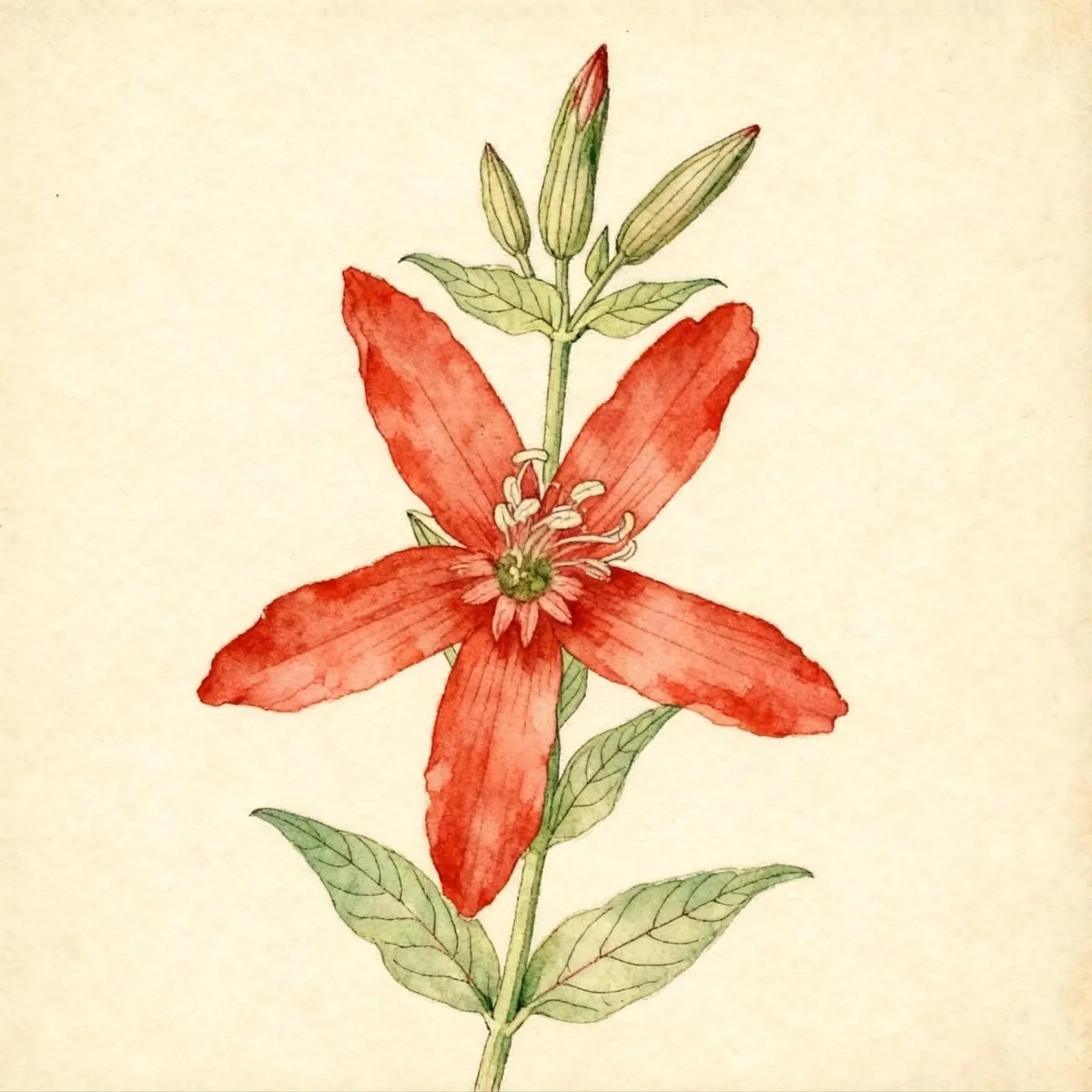
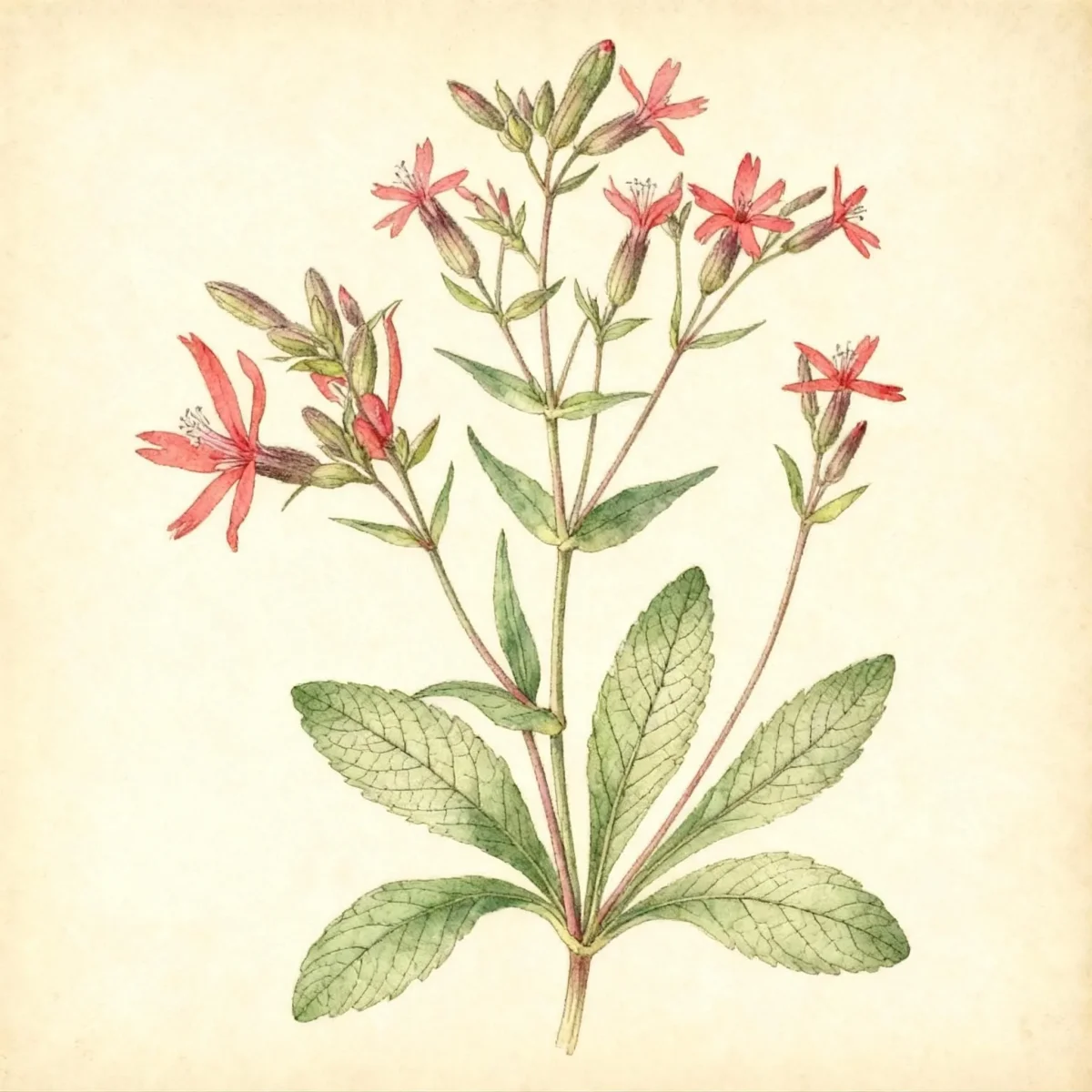
Wild pink (Silene caroliniana)
Silene caroliniana, the Wild pink, offers showy mid-spring pink flowers and thrives in dry, well-drained soils across Zones 5-8.
Scroll down to discover growing tips, care requirements, companion plants, and more
Complete Plant Information
Overview
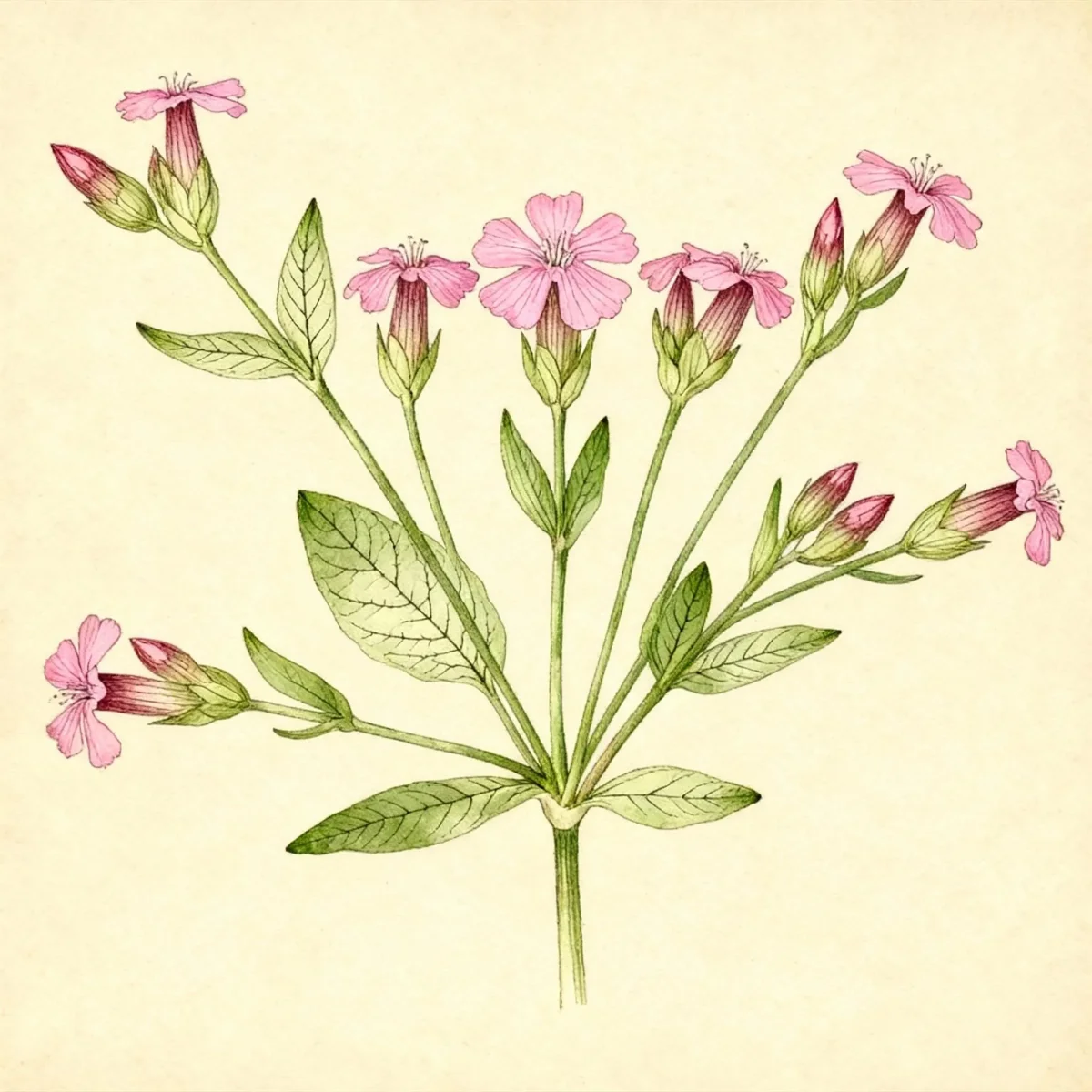
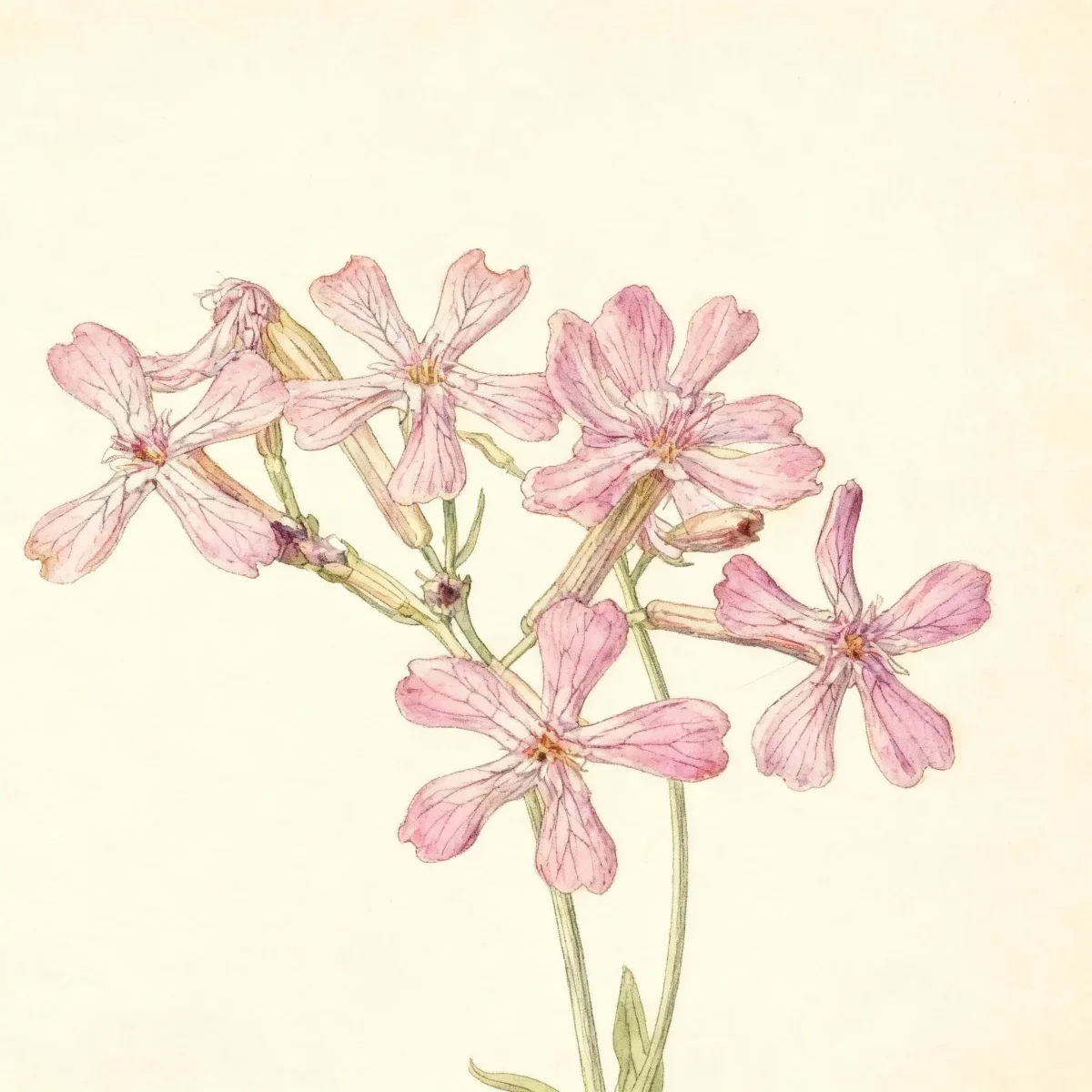
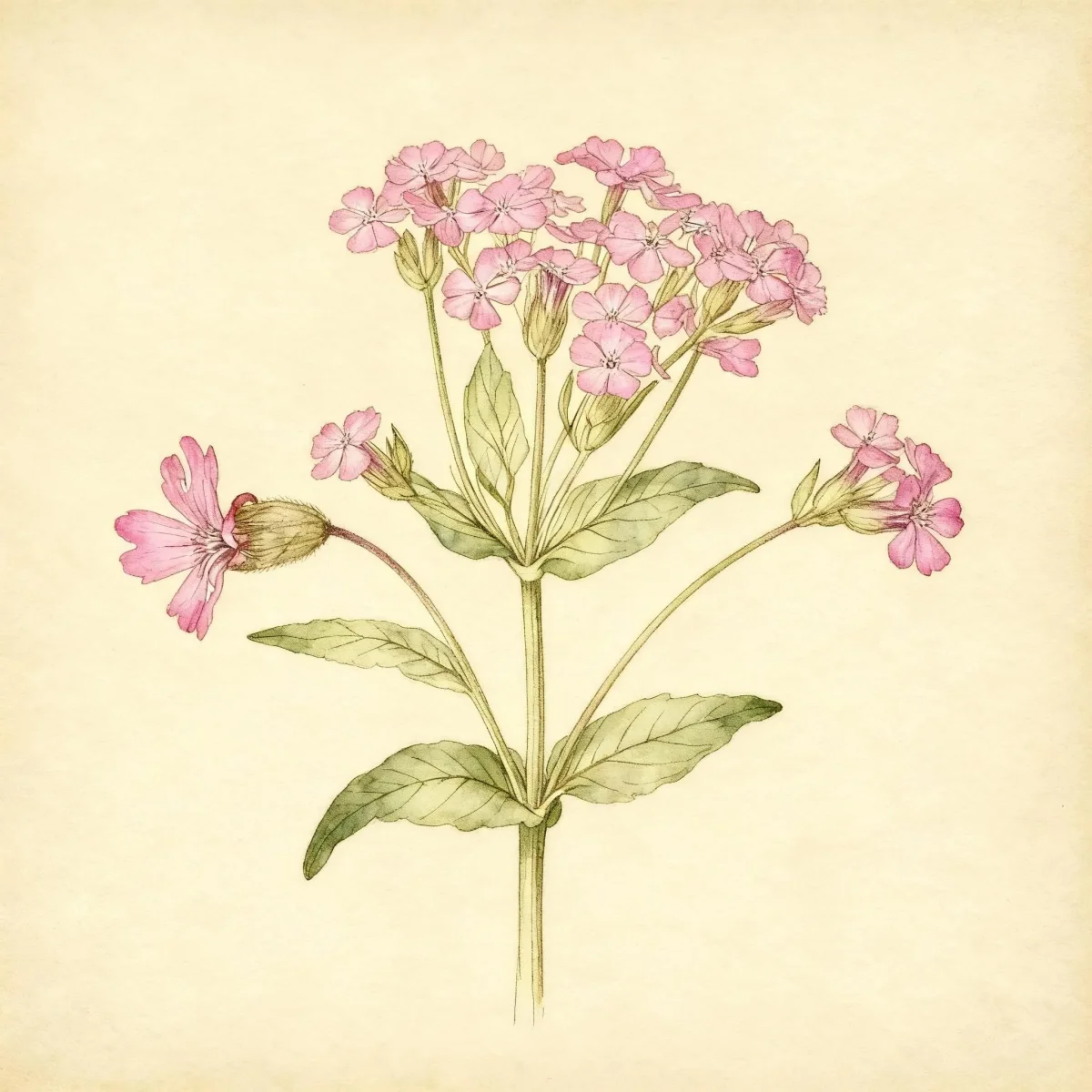
Silene caroliniana, widely known as Wild pink, is a low-mounded native perennial treasured for its vibrant color in the spring landscape. This plant introduces loose clusters of lovely rose-pink flowers atop stems that rise around 10 inches tall, often resembling woodland phlox in habit. Its upright, sticky flowering stems are a key identification feature for this charming wildflower.
Culturally, Silene caroliniana excels in challenging environments where other perennials might struggle. It exhibits excellent adaptability, particularly demanding well-drained conditions and tolerating dry soils once established. This resilience makes Wild pink a valuable addition to challenging garden locations.
Beyond aesthetics, Silene caroliniana serves an important ecological function as an early nectar source for butterflies and various insect pollinators emerging in mid to late spring. Incorporating this native species supports local ecosystems while providing consistent, attractive blooms.
Fast Facts
- Plant Family: Caryophyllaceae
- Plant Type: Herbaceous perennial
- Native Range: North America
- Hardiness Zones: USDA Zones 5-8
- Size at Maturity:
- Height: 0.75-1 ft
- Spread: 0.75-1 ft
- Bloom Time: April to May
- Bloom Description: Pink
- Sun Exposure: Full sun to part shade
- Water Needs: Dry to medium
- Maintenance Level: Medium
How to Grow
For successful establishment, plant Silene caroliniana in the spring or fall when conditions are cooler. The fundamental requirement for this species is excellent drainage; incorporate gravel or sand into heavy clay soils. Wild pink prefers sunny sites but will happily grow with some part afternoon shade, especially in hotter climates.
Ongoing care for established plants is minimal, reflecting its medium maintenance level. Watering should be restricted once the plant is established, as it is quite tolerant of drought and prefers dry to medium moisture levels. Avoid consistently wet conditions, as these quickly lead to root rot issues in Silene caroliniana. No significant fertilizing is typically necessary, as rich soils can encourage floppier, less dense growth.
A crucial cultural note is that this plant prefers to be left undisturbed. Once the plants have settled into the right spot—ideally a dryish, gravelly soil—they establish deep root systems. Resist the urge to move or divide them frequently, as disturbance can negatively impact their long-term health.
Landscape Uses
The compact structure and early spring color of Wild pink make it perfectly suited for the front of borders where its blooms can be easily appreciated. It integrates wonderfully into native plant gardens, providing texture adjacent to later-blooming species. Its preference for dryness also qualifies it as an exceptional choice for rock gardens or dry slopes where moisture retention is low.
Consider planting Silene caroliniana alongside other dry-tolerant natives such as certain Sedums, shorter native Salvias, or various spring ephemeral companions that can fill in as the Wild pink finishes blooming. Its upright, mounding habit contrasts nicely with creeping groundcovers. Ensure planting locations provide the sharp drainage necessary for this species to thrive long-term.
Standout Features
Flower Qualities
- Showy
Noteworthy Characteristics
Silene caroliniana, commonly called wild pink, Carolina campion, or catchfly, is a low, mounded wildflower which is native to eastern and central North America. It somewhat resembles woodland phlox. Loose clusters of rose-pink flowers with five spreading wedge-shaped petals appear in mid to late spring atop sticky flowering stems rising to 10” tall. Tufts of narrow, lance-shaped basal leaves (to 4” long) with smaller paired stem leaves.
Tolerances
- Drought
- Dry Soil
- Shallow-Rocky Soil
Potential Problems
Silene caroliniana is generally free from serious insect or disease issues, making it a robust choice for native gardening. The primary threat to the longevity of this plant is poor soil aeration. Root rot is a significant possibility if the plant is situated in overly wet conditions or heavy clay soil that retains too much moisture after rain.
To prevent root rot, focus entirely on site selection by amending heavy soils with grit, sand, or compost to ensure rapid water percolation away from the crown. Once established in its preferred drainage, maintenance concerning pests and disease becomes almost nonexistent, allowing the gardener to enjoy the resilient nature of this native perennial.
Frequently Asked Questions
What hardiness zones is Silene caroliniana suitable for?
The Wild pink, Silene caroliniana, is suitable for USDA Hardiness Zones 5 through 8.
How large does Wild pink grow?
This herbaceous perennial typically reaches a mature height between 0.75 and 1 foot tall, with a spread of roughly 0.75 to 1 foot wide.
When does Silene caroliniana bloom?
This plant displays its handsome pink flowers, often described as showy, during the peak spring months of April to May.
What sun exposure does Wild pink need?
For optimal flowering and habit, Silene caroliniana prefers full sun conditions but will tolerate partial shade, particularly in the heat of the afternoon.
Conclusion
The Wild pink (Silene caroliniana) offers dependable early-season color and superior drought tolerance, making it a valuable asset for gardeners focused on low-input, high-impact native plantings. Its elegant pink flowers and adaptation to dry, rocky soils secure its place in many landscape designs. Before planting, confirm your location falls within USDA Zones 5-8 and ensure soil drainage is excellent.
Companion Planting
When selecting neighbors for Wild pink, prioritize plants that share its love for dry, well-drained sites and moderate sun exposure. Good companions include various species of Opuntia (prickly pear) in applicable climates, or other dry-slope natives such as certain Penstemon varieties. These combinations create integrated drifts that look naturalistic while sharing similar cultural requirements, thereby minimizing specialized care.
Avoid planting Silene caroliniana too closely with moisture-loving ferns or hostas, as competition for dry soil conditions will stress them both. Look toward spring-blooming wildflowers that occupy a similar ecological niche, ensuring that the entire border thrives in lean, sharp-draining soil throughout the growing season.
Wildlife Benefits
The flowering period of Wild pink is critically timed to offer essential early sustenance when many other nectar sources have not yet begun to flourish. The clusters of pink, trumpet-shaped blossoms are highly attractive targets for early-emerging butterflies and various solitary bees rebuilding their colonies. Planting Silene caroliniana directly supports crucial spring insect populations.
Furthermore, the structure of the Wild pink foliage offers low but consistent ground cover that helps stabilize the dry soils it prefers. While not famed for supporting birds directly through berries, its role as a foundational flower ensures a healthy insect base, which indirectly supports nesting and feeding birds in your immediate environment.