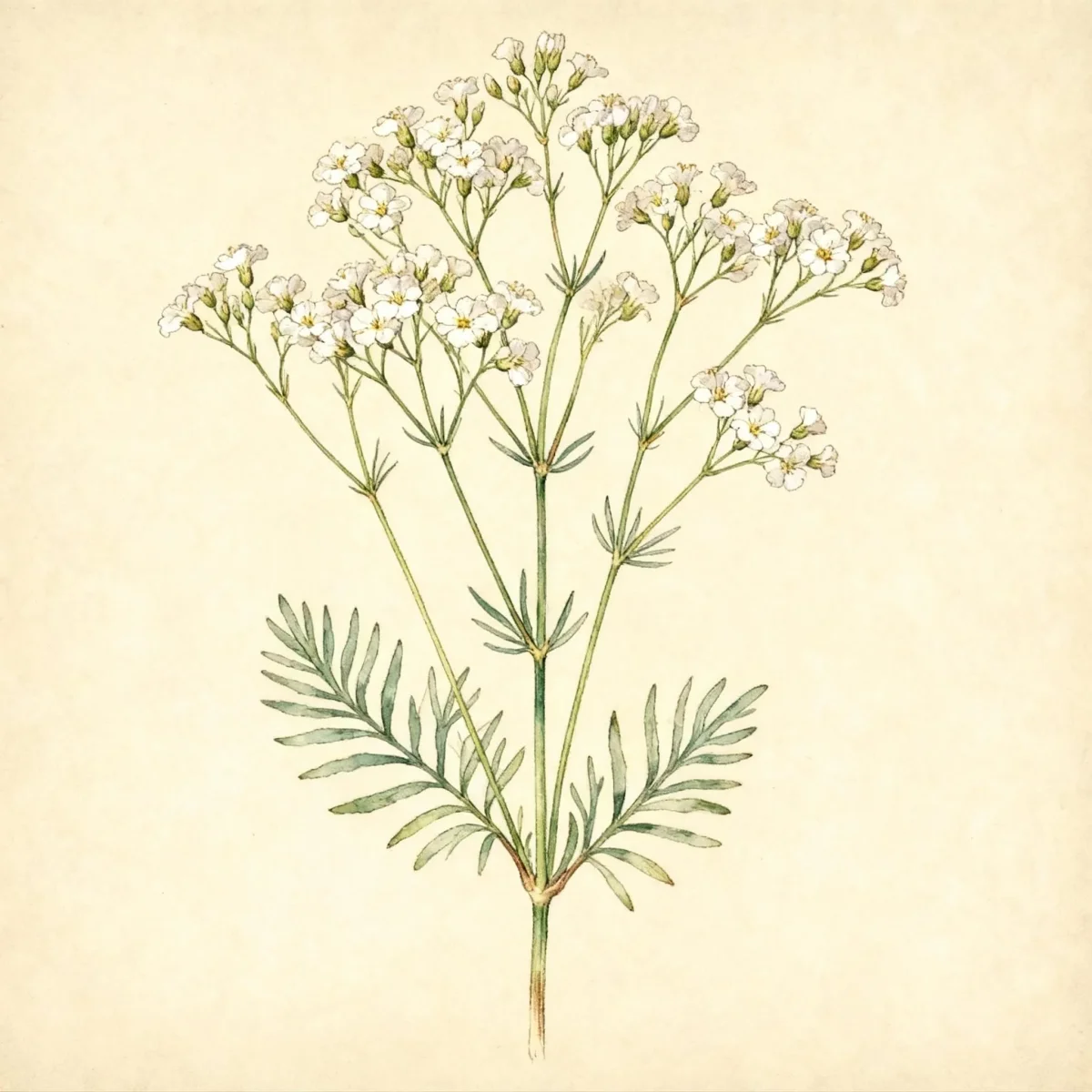
Baby's breath (Gypsophila aretioides)
Gypsophila aretioides forms dense, low mats perfect for rock gardens. This drought-tolerant Baby's breath offers white blooms from June-July.
Scroll down to discover growing tips, care requirements, companion plants, and more
Complete Plant Information
Overview
Gypsophila aretioides, often called alpine baby’s breath, is a fascinating, extremely low-growing evergreen perennial highly valued for its dense, cushion-forming habit. Unlike the large, airy shrubs often associated with the common name Baby’s breath, this species forms a tight, spreading mat of small, gray-green foliage, ideal for rock gardens and specialized alpine plantings. It thrives when tucked into dry, gritty locations where many other perennials struggle to establish stable root systems.
Native to regions like Iran and Armenia, this small plant offers minimal bloom but serves as a consistent, textural ground cover throughout the growing season. Its cultural requirement for excellent drainage aligns perfectly with its native, often calcareous, habitats, making successful cultivation dependent on soil porosity rather than excessive moisture.
Gardeners seeking diminutive, hardy specimens that hold their form will find Gypsophila aretioides invaluable for softening hardscaping or filling narrow crevices. While its overall profile is understated, its near-perfect mat-forming structure ensures it remains an excellent architectural accent in miniature garden settings.
Fast Facts
- Plant Family: Caryophyllaceae
- Plant Type: Herbaceous perennial
- Native Range: Armenia, Iran, Turkmenistan
- Hardiness Zones: USDA Zones 5-9
- Size at Maturity:
- Height: 0-0.25 ft
- Spread: 1-3 ft
- Bloom Time: June to July
- Bloom Description: White
- Sun Exposure: Full sun
- Water Needs: Dry to medium
- Maintenance Level: Medium
How to Grow
Establish Gypsophila aretioides in the late spring or early fall when conditions are favorable for rooting. The most critical requirement for this alpine Baby’s breath is soil structure: plant it in sandy, gritty, well-drained soil amended with grit or gravel. While it prefers slightly alkaline conditions (pH 7.3-7.5), incorporating lime into acidic soils will help achieve the desired pH range of 7.0 to 8.0.
Water sparingly once established, allowing the soil to dry thoroughly between irrigation sessions, aligning with its dry to medium water needs. Overwatering, especially heading into winter, is the quickest way to cause plant death due to poor drainage. Fertilization is generally unnecessary; excessive feeding can lead to looser habit and reduced flowering performance from this delicate Gypsophila.
Once established, this perennial likes to be left completely undisturbed. Avoid cultivating or stepping heavily on the dense foliage mat. In cool, wet climates, ensure that winter moisture runoff is directed away from the crowns, as wet, poorly drained soils lead to failure during the dormant season.
Landscape Uses
The diminutive size and mat-forming growth of Gypsophila aretioides make it perfectly suited for specialized landscape applications where low profile and excellent drainage are essential. It functions superbly as a front-of-border plant, softening the hard edge between a path and taller perennials along a perennial border front.
Its ability to tolerate sun and dry conditions makes it a prime candidate for rock gardens and established stone walls. Use it to cascade gently over retaining wall edges or nestle between flagstones where its silvery-green foliage provides year-round texture. This dwarf Baby’s breath is not suited for general filler but excels in tight, structural designs.
Standout Features
Flower Qualities
- Showy
Noteworthy Characteristics
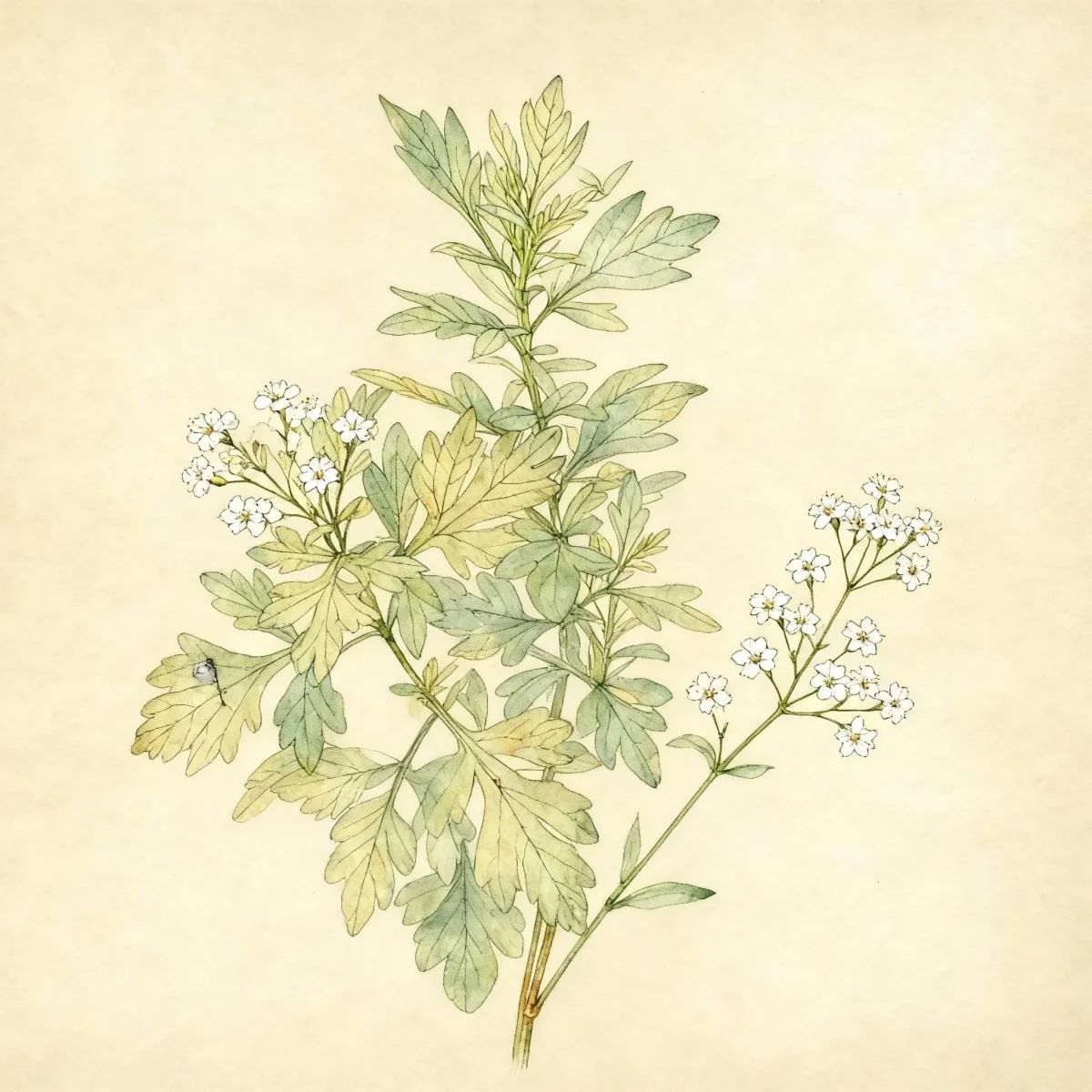
Gypsophila aretioides, commonly known as alpine baby’s breath, is a low-growing, cushion-forming, evergreen perennial that is native to the Caucasus Mountains in northern Iran. Tiny, fleshy, oblong, gray-green leaves (to 1/4” long) form a dense foliage mat that only rises to 2-3” tall. Small, star-shaped, 5-petaled, white flowers bloom infrequently in June-July.
Tolerances
- Drought
- Dry Soil
Potential Problems
This species generally exhibits excellent resistance to serious insect or disease issues, which is a significant benefit for low-maintenance gardeners. However, under conditions of high humidity or excessive moisture, it can show susceptibility to fungal diseases. Pay attention to signs of botrytis (gray mold) or stem rot, particularly during damp springs or if planted in beds lacking adequate air circulation. Aster yellows is also a reported, though infrequent, issue affecting growth quality.
Prevention involves strict adherence to cultural needs: guarantee sharp drainage and avoid overhead watering whenever possible. If botrytis is identified, promptly remove affected stems and improve airflow around the plant mass.
Frequently Asked Questions
What hardiness zones is Gypsophila aretioides suitable for?
This Baby’s breath variety is hardy across USDA Zones 5 through 9, offering flexibility in many temperate climates.
How large does Gypsophila aretioides grow?
It is exceptionally small, typically reaching only 0 to 0.25 feet in height, though it can spread outward to cover 1 to 3 feet of ground area.
When does Baby’s breath bloom?
The flowering period for Gypsophila aretioides is generally from June into July, displaying small, white, star-shaped flowers.
What sun exposure does Gypsophila aretioides need?
This ground cover requires full sun exposure to thrive, compact its growth, and achieve the best flowering display.
Conclusion
Gypsophila aretioides is a specialized, high-impact ground cover for gardeners prioritizing rock gardens or xeriscaping due to its drought tolerance and preference for lean, gritty soils. Ensure your site receives full sun and offers unimpeachable drainage to keep this alpine Baby’s breath happy throughout its long life. Always confirm USDA zone compatibility before planning your placement.
Companion Planting
When selecting companions for Gypsophila aretioides, focus on other rock garden denizens that share its Mediterranean or alpine heritage and love sharp drainage. Plants like various low-growing Sedums, Thymes (especially creeping varieties), and Sempervivums provide excellent textural contrast without competing aggressively for shallow moisture, as they all thrive in dry, sunny conditions. Avoid plants that require consistently moist soil, as the resulting wet winter conditions will quickly compromise the health of the Gypsophila aretioides mat.
Seasonal Care Calendar
Spring care revolves around a light clean-up; gently remove any debris trapped in the dense foliage mat left over from winter. Avoid heavy soil disturbance near the established roots. Summer care is minimal; only water during extended, severe dry spells, remembering that Baby’s breath prefers dryness. In the fall, cut back spent flower stalks, though this plant is largely evergreen and maintenance-free once settled. Winter preparation chiefly involves ensuring water drains away from the base of the clump rather than pooling.