American bittersweet (Celastrus scandens)
Discover Celastrus scandens, the native American bittersweet vine, prized for showy red berries and low maintenance in zones 3-8.
Scroll down to discover growing tips, care requirements, companion plants, and more
Complete Plant Information
Overview
Celastrus scandens, commonly known as American bittersweet, is a vigorous, deciduous woody vine celebrated for its dramatic late-season fruit display. This native North American species provides essential visual interest when many other plants fade, with bright scarlet seeds encased in orange-yellow fruits. Growers value this plant for its rapid growth and adaptability across a wide range of challenging environments.
This twining vine seeks structure, making it ideal for covering arbors, fences, or trellises, though care must be taken not to let Celastrus scandens girdle host trees. It thrives in full sun, ensuring robust flowering and the best possible fruiting potential. Gardeners should note that this plant is primarily dioecious, meaning separate male and female specimens are often required for fruit production.
The appeal of American bittersweet extends beyond its aesthetics; its resilience and the traditional use of its berry-adorned branches for winter decorations make it a functional and treasured landscape feature. Plant Celastrus scandens where its climbing habit can be safely managed and its fall color can truly shine.
Fast Facts
- Plant Family: Celastraceae
- Plant Type: Vine
- Native Range: North America
- Hardiness Zones: USDA Zones 3-8
- Size at Maturity:
- Height: 15-20 ft
- Spread: 3-6 ft
- Bloom Time: May to June
- Bloom Description: Greenish-white to yellow
- Sun Exposure: Full sun
- Water Needs: Medium
- Maintenance Level: Low
How to Grow
Planting American bittersweet is easiest in the spring or fall, ensuring the vine establishes roots before temperature extremes hit. It is highly adaptable, growing reliably in most soils, though lean to average soils are preferred; enriched or heavy, wet soils should be avoided. For optimal flowering and fruit set, plant Celastrus scandens in a location receiving full sun.
Once established, watering needs are medium; supplementary water during extended dry spells is beneficial, particularly when the plant is young. Maintenance is generally low. Lean soils help naturally restrain its aggressive growth tendency. Pruning, if necessary, should be performed in late winter or early spring while dormant. Mature vines usually only require removal of deadwood or overcrowded branches.
Crucially, be aware that Celastrus scandens requires pollination. Female plants must have fertile male plants nearby to produce the desirable fruit. Avoid allowing the vines to climb small or young trees, as their rapid, encircling growth habit can girdle and kill branches or the main trunk over time.
Landscape Uses
The recommended uses for American bittersweet center around structure coverage and naturalization. This vine provides fast cover suitable for rapidly screening fences, posts, walls, or robust arbors, creating an instant green backdrop. For a more informal approach, allow the vine to ramble along the ground to camouflage rock piles or hide old tree stumps in woodland settings.
In naturalized areas of the garden, Celastrus scandens can weave through native shrubs, creating dense thickets, which is its preferred habit in the wild. When pairing with other plants, select companions that appreciate comparable moisture and sun levels, such as native asters or goldenrods that provide lower-level structure beneath the vine’s canopy.
When planning for year-round interest, remember that the deciduous nature means branches are bare in winter, allowing the structure of the vine itself to become a focal point, supplemented by the persistent, colorful fruit capsules.
Standout Features
Flower Qualities
- Showy
Fruit Qualities
- Showy
Noteworthy Characteristics
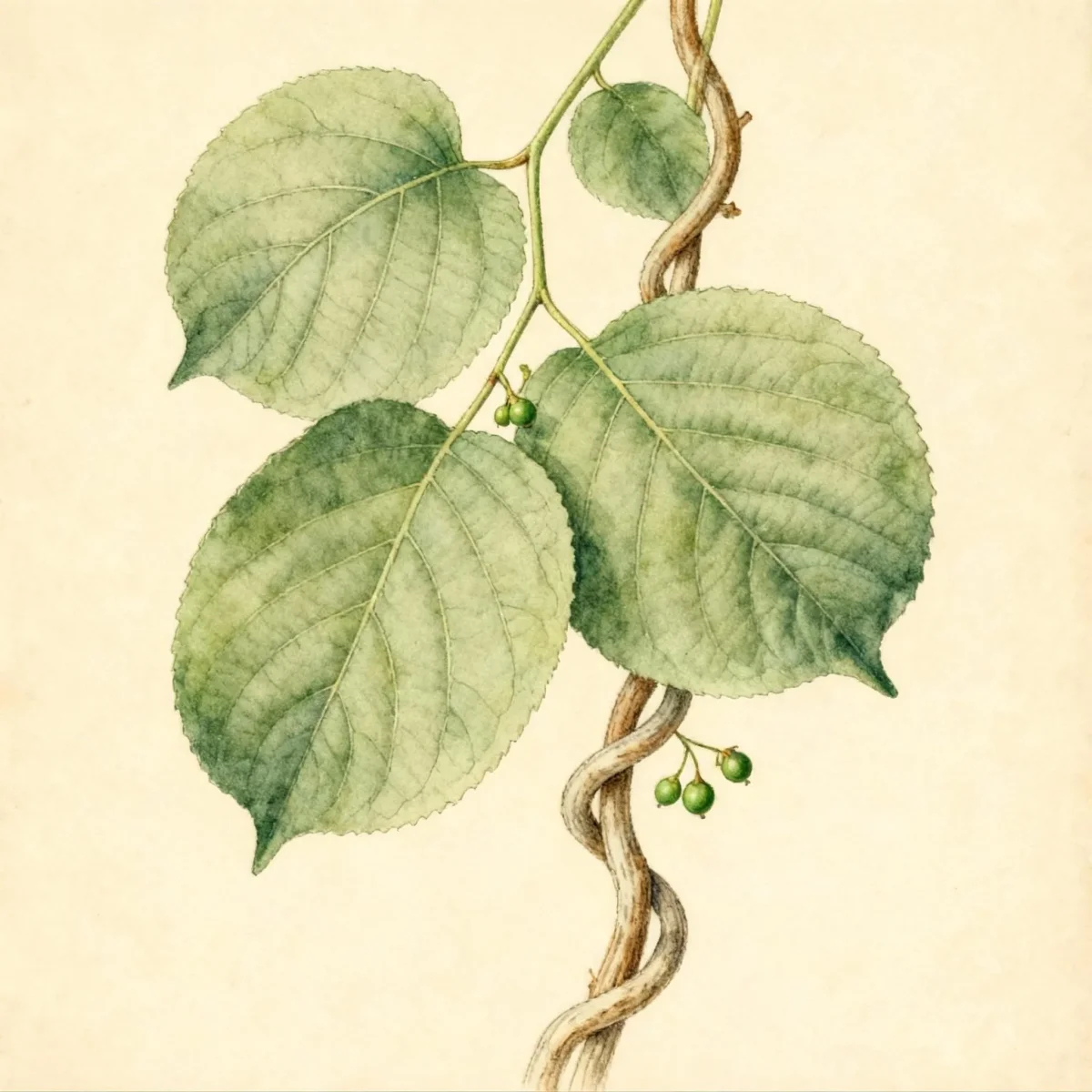
Celastrus scandens, commonly called American bittersweet, is a deciduous twining woody vine that is best known for its showy red berries that brighten up fall and winter landscapes. This species is native to central and eastern North America including Missouri. In Missouri, bittersweet is typically found in woodland areas, thickets, rocky slopes, bluffs, glade peripheries and along fence rows throughout the State (Steyermark). Fruits split open in fall to reveal scarlet fleshy berry-like seeds (arils), though these fruits are poisonous if ingested by humans. The accepted common name, American bittersweet, helps distinguish this native from its aggressive Asiatic relative, C. Orbiculatus.
Tolerances
- Deer
- Drought
Potential Problems
This species generally remains free of serious insect or disease problems, contributing to its status as a low-maintenance choice. However, in certain regions, gardeners should monitor for potential cosmetic damage from pests like Euonymus scale or two-marked treehoppers. If infestation occurs, standard horticultural oils or appropriate dormant sprays applied timely can manage scale insects.
Avoid planting near valuable shade trees, as the vine’s vigorous climbing nature presents a mechanical hazard. The primary management of Celastrus scandens stems from controlling its spread, especially where suckering at the roots could lead it to colonize unwanted areas of the landscape.
Frequently Asked Questions
What hardiness zones is American bittersweet suitable for?
American bittersweet (Celastrus scandens) is reliable across a broad range, suitable for USDA Zones 3 through 8.
How large does American bittersweet grow?
This vine is quite vigorous, typically reaching a height between 15 and 20 feet, with a relatively narrow spread usually spanning 3 to 6 feet.
When does American bittersweet bloom?
The flowers of Celastrus scandens appear between May and June, characterized by a greenish-white to yellow coloration.
What sun exposure does American bittersweet need?
For the best flowering and the resulting brilliant fruit display, Celastrus scandens requires full sun exposure.
Conclusion
The native American bittersweet, Celastrus scandens, offers unparalleled winter interest with its striking red berries and remains a resilient, easy-to-grow addition to the landscape. Its suitability for large structures and its low maintenance profile make it indispensable for naturalized plantings. Before installing, confirm you have the necessary male and female plants for pollination, and choose a site where its climbing habit can be fully supported without causing harm to surrounding vegetation.
Wildlife Benefits
The fruits of Celastrus scandens are an important late-season and winter food source for numerous bird species, although they are toxic to humans and pets if ingested. Gardeners creating habitats for local wildlife will find this vine especially valuable as other food sources become scarce. The dense, twining structure also provides excellent protective cover and nesting opportunities for small animals and birds.
Propagation Tips
While Celastrus scandens can self-seed, vegetative propagation is the most reliable method for predictable results, especially when ensuring you have female fruiting plants. Female plants may be successfully propagated asexually, often through softwood or semi-hardwood cuttings taken during the summer months. Ensure cuttings are taken from healthy parent stock and placed in a suitable rooting medium under controlled humidity to maximize success rates.