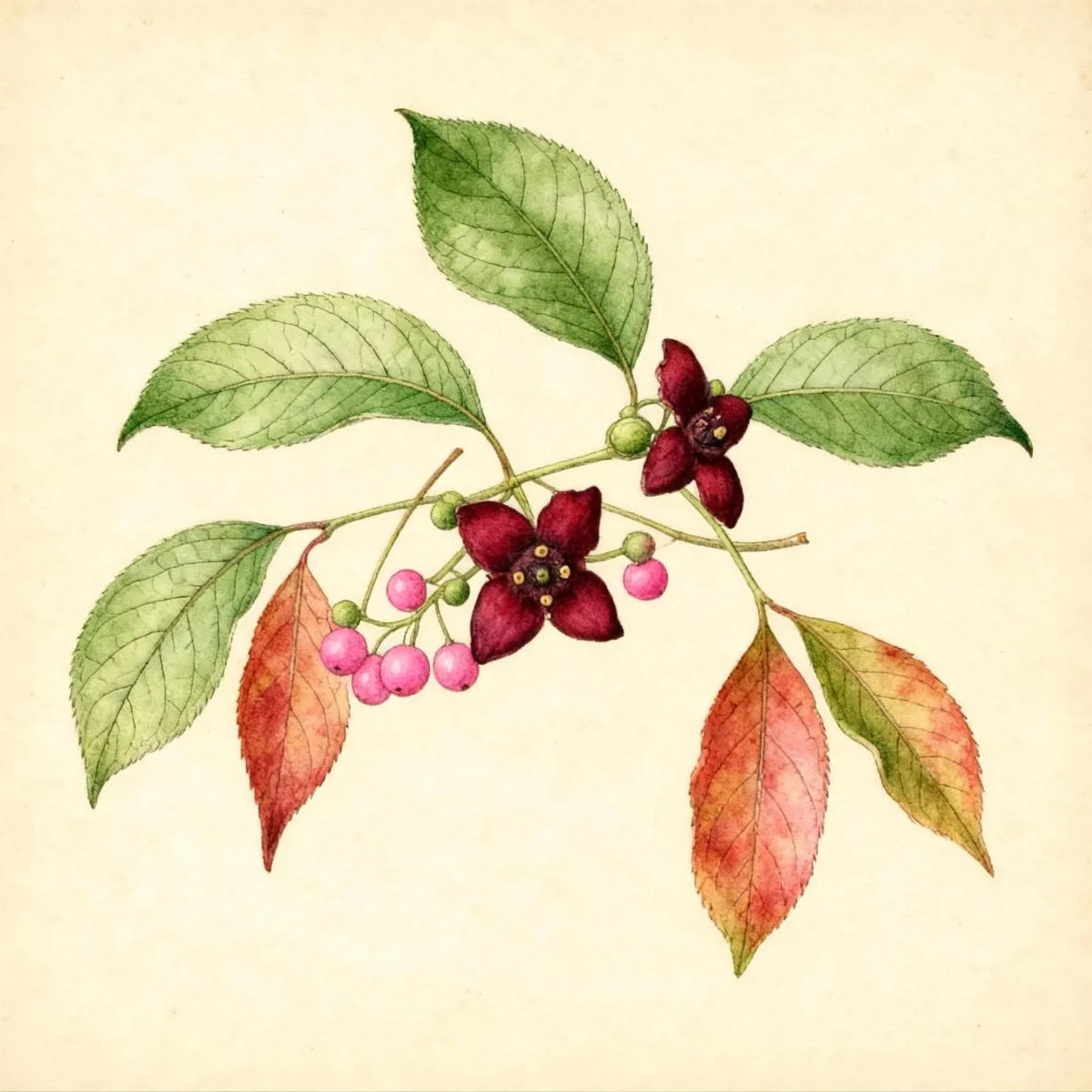
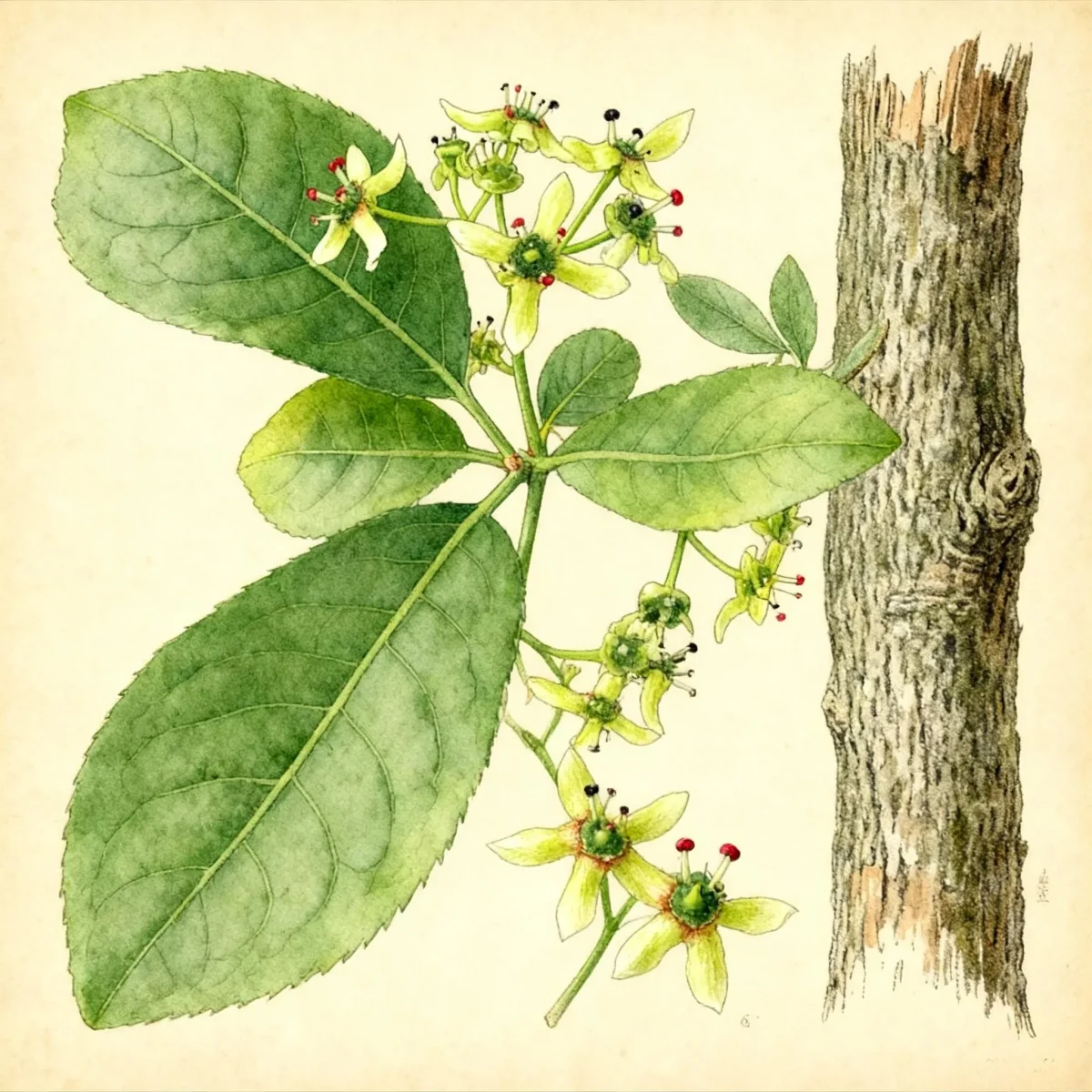
European spindletree (Euonymus europaeus)
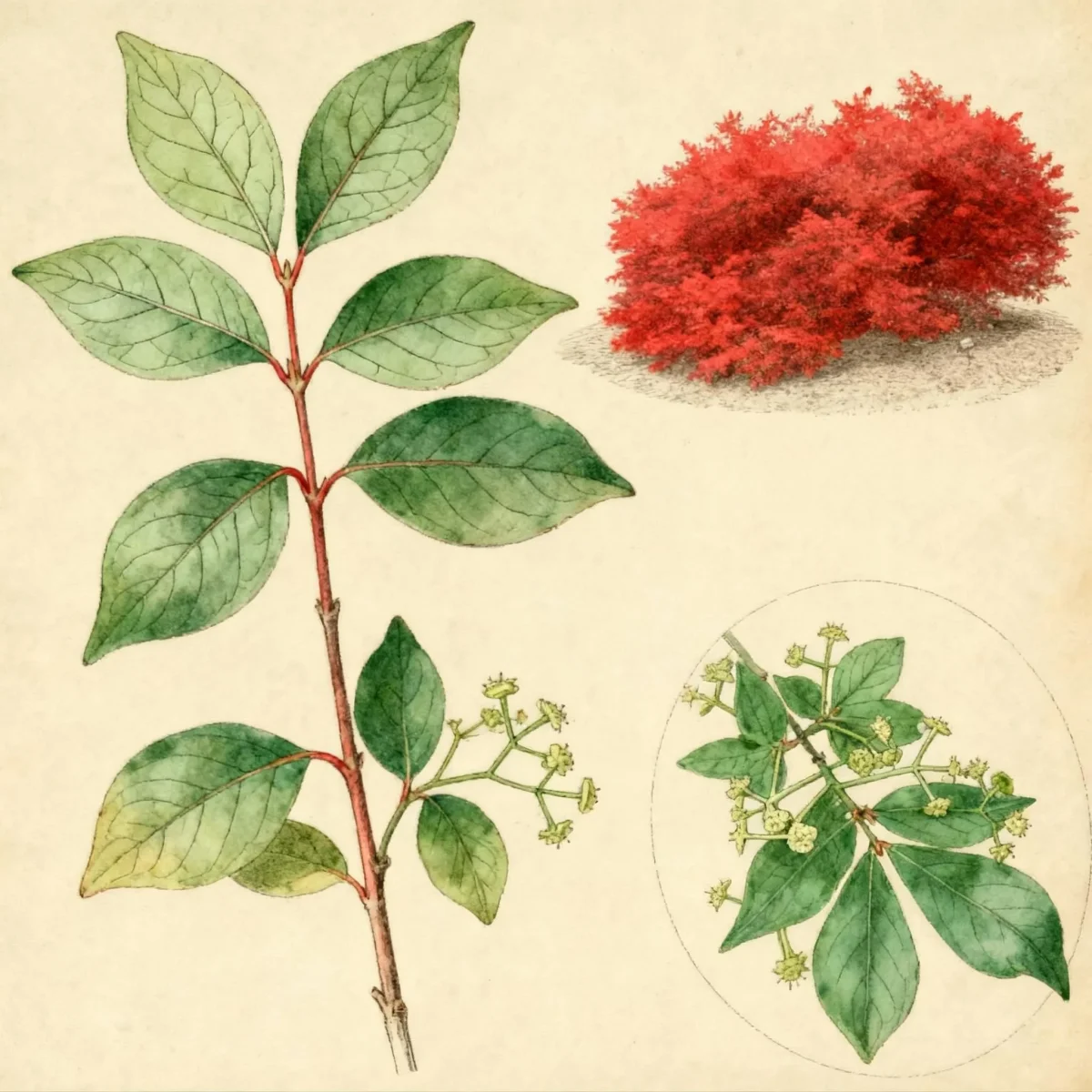
Euonymus europaeus, the European spindletree, offers superb fall color and showy pink fruit in USDA Zones 4-7.
Scroll down to discover growing tips, care requirements, companion plants, and more
Complete Plant Information
Overview
The European spindletree (Euonymus europaeus) is an adaptable deciduous shrub or small tree native to Europe and western Asia, prized primarily for its spectacular autumn display. While its small flowers are modest, the subsequent fruit display provides exceptional ornamental interest late into the year. This plant offers a fast-growing structure suitable for various landscape functions, ranging from screens to naturalized areas.
Euonymus europaeus matures into a rounded form, often reaching heights between 12 and 20 feet, making it a versatile textural element in the garden design. It readily adapts to sun or partial shade, though optimal fall foliage color depends on adequate light exposure. Gardeners should appreciate this species for its robust constitution and its ability to provide wildlife interest following the fruit dispersal.
It is important to note that Euonymus europaeus has shown invasive tendencies in parts of the northeastern United States due to successful self-seeding. While highly valued for its aesthetic contribution, site selection should consider local ecological impacts when planting this European spindletree.
Fast Facts
- Plant Family: Celastraceae
- Plant Type: Deciduous shrub
- Native Range: Europe to western Asia
- Hardiness Zones: USDA Zones 4-7
- Size at Maturity:
- Height: 12-20 ft
- Spread: 10-16 ft
- Bloom Time: April to June
- Bloom Description: Yellowish-green
- Sun Exposure: Full sun to part shade
- Water Needs: Medium
- Maintenance Level: Medium
How to Grow
The European spindletree thrives when planted in average, well-drained soil that maintains medium moisture levels. Although adaptable, it prefers full sun to partial shade; plants placed in deep shade may suffer reduced fall color quality. This adaptable shrub tolerates a wide range of soil types, excluding those that remain persistently wet or poorly drained, and has a preference for alkaline conditions.
Establishment requires consistent moisture, especially if grown in full sun. Avoid letting the soil dry out completely, particularly during the first couple of seasons while the root system is developing. Fertilization is usually unnecessary for established plants planted in typical garden settings. Pruning, if required, should primarily focus on removing dead, damaged, or crossing branches to maintain an attractive, open structure, necessary for this naturally spindly shrub.
Be aware that while Euonymus europaeus generally handles temperature fluctuations well across its hardy zones, plants may struggle in the hotter, more humid conditions found south of USDA Zone 7. Pay attention to established moisture requirements; consistent watering is key to horticultural success with this species.
Landscape Uses
The robust growth habit and moderate spread make Euonymus europaeus an excellent candidate for creating dense structural elements in the landscape. It performs admirably when utilized as a screen or robust hedge, providing year-round screening interest enhanced by its vibrant autumn and fruit display. For larger properties, incorporating the European spindletree into shrub borders adds depth and seasonal transition.
This species also works well in less formal settings, such as when planted to naturalize an area, provided its aggressive self-seeding potential is managed or acceptable for the site. Younger specimens can serve effectively as foundations plantings or accent specimens due to their developing irregular crown structure. Pair the brilliant fall color of this European spindletree with later-coloring deciduous trees or evergreen structure for maximum contrast.
Standout Features
Flower Qualities
- Insignificant
Fruit Qualities
- Showy
Noteworthy Characteristics
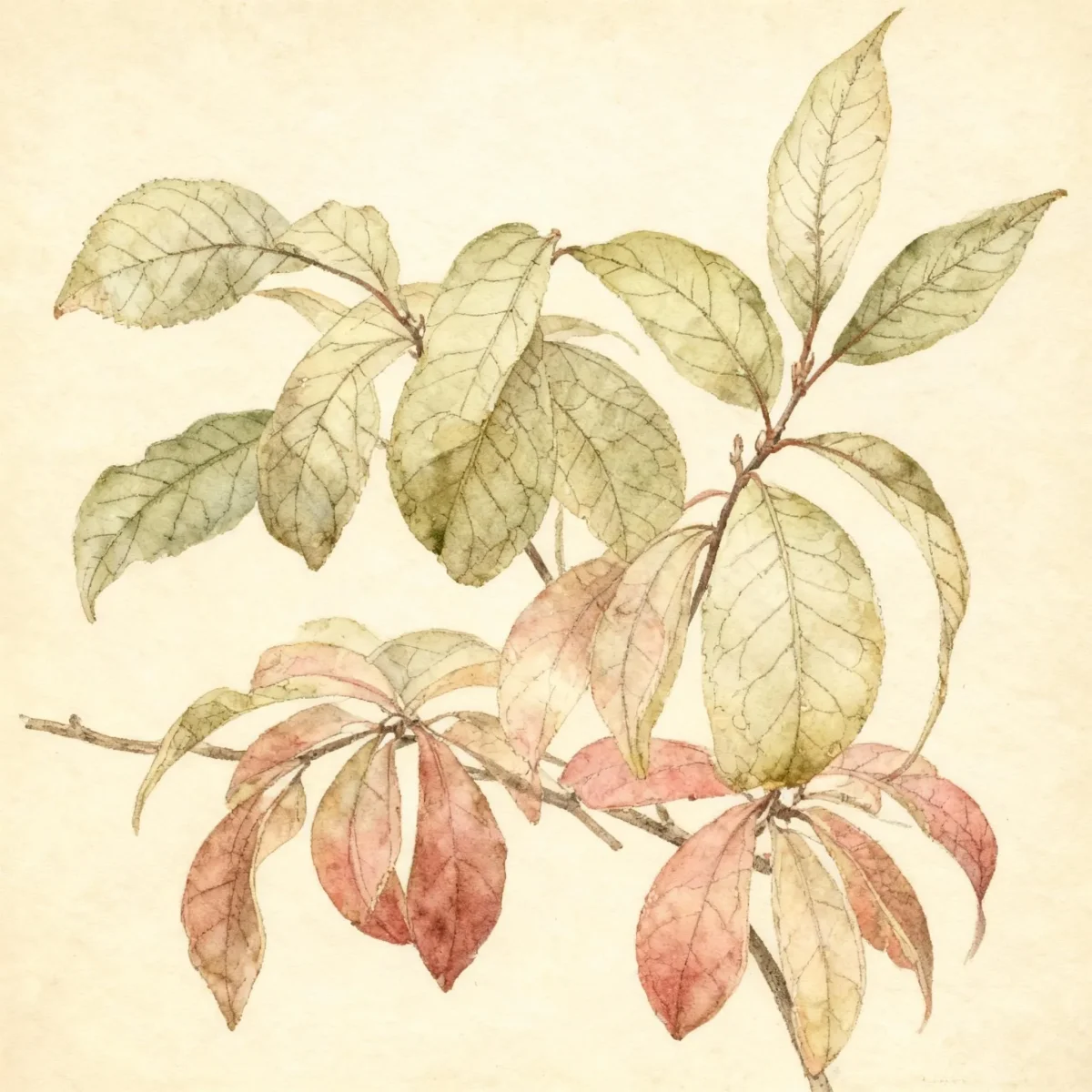
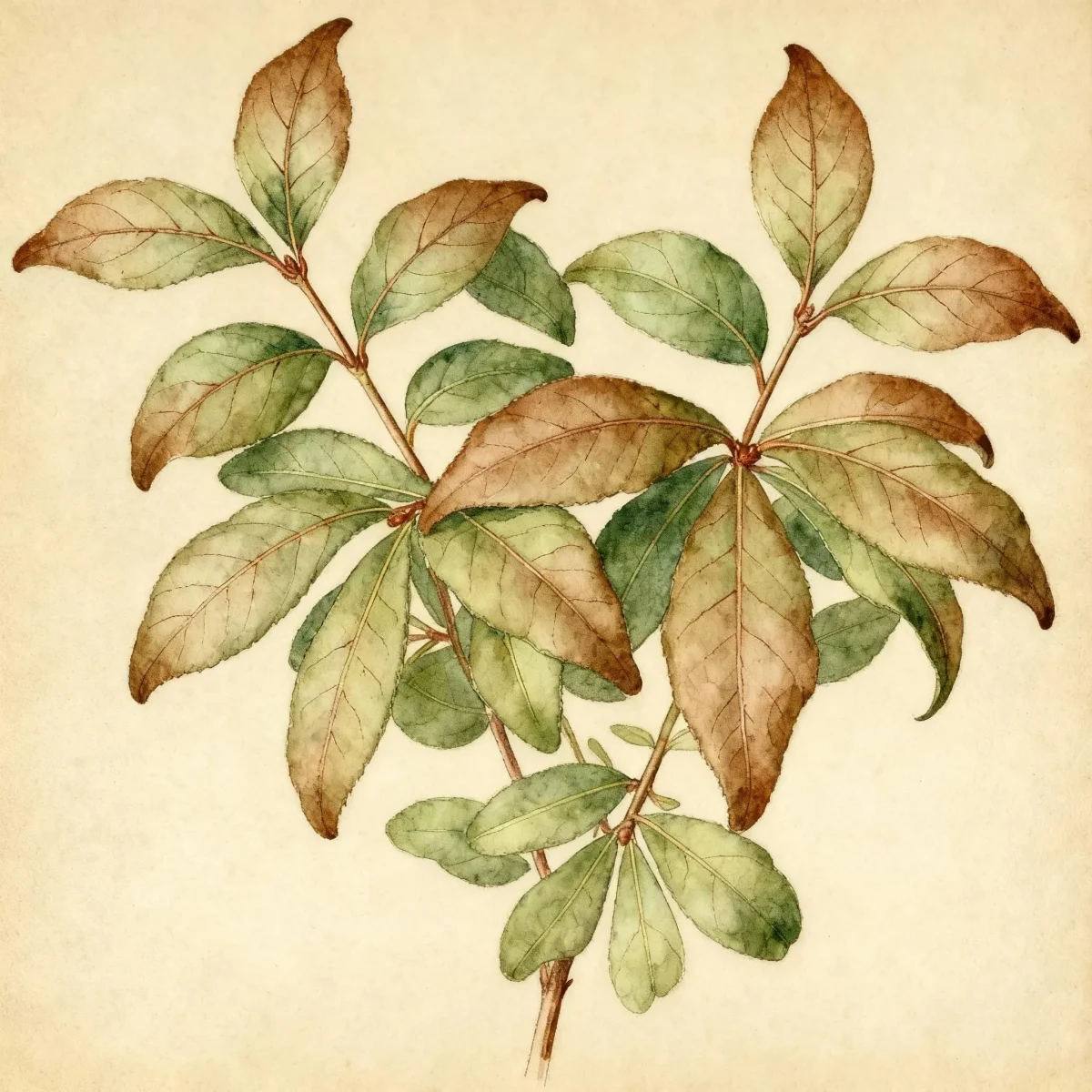
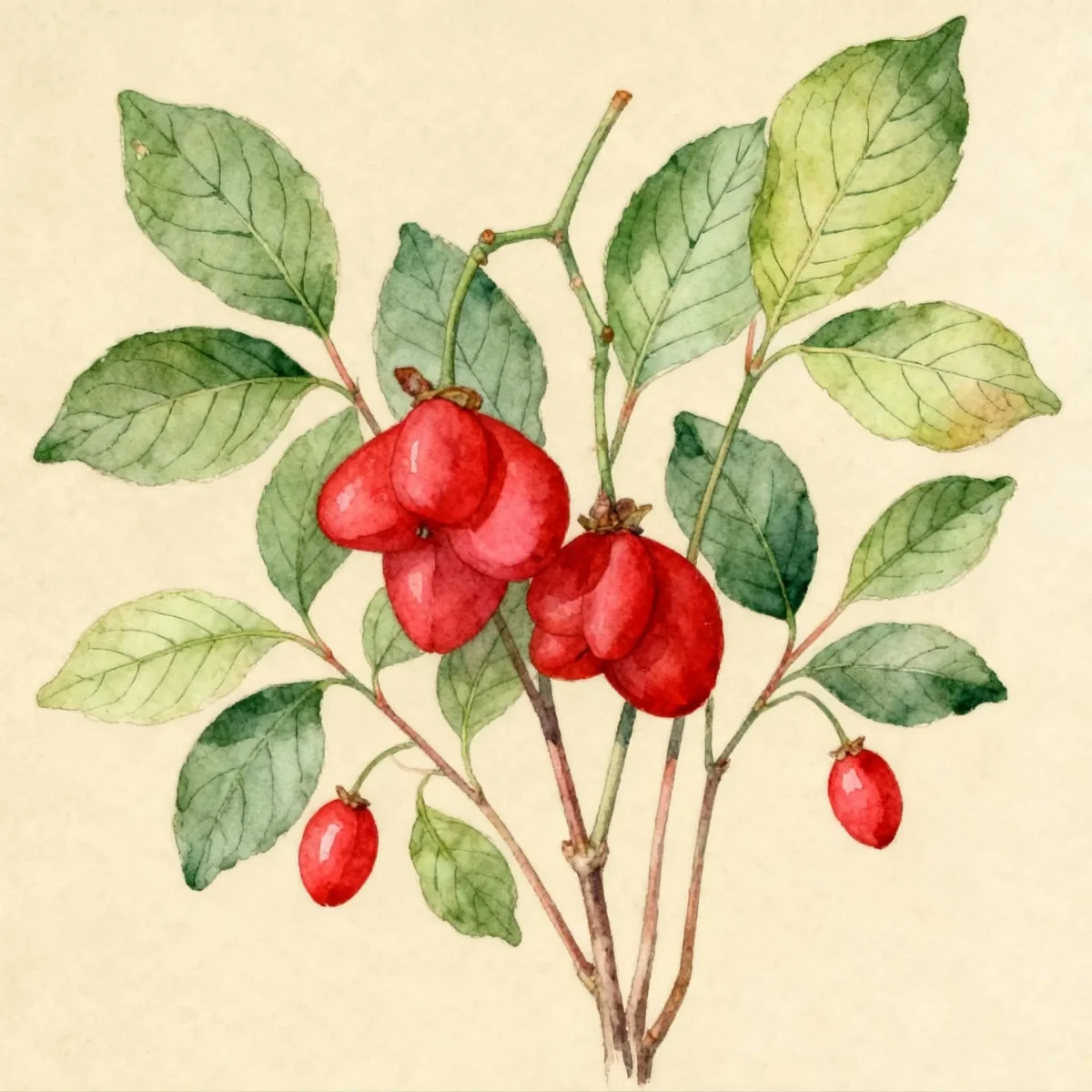
Euonymus europaeus, commonly called European spindletree, is a deciduous shrub or small tree that is native from Europe to western Asia. In the U. S., it has escaped cultivation and spread (sometimes invasively) by self-seeding, particularly in some areas of the Northeast. The best ornamental features are its showy fall fruit, which emerges as pinkish-red dehiscent capsules revealing seeds encased in orange arils, and its sometimes superb variable fall leaf color. The genus name honors the ancient Greek name for plants of this genus, while the specific epithet notes its European origin.
Tolerances
Potential Problems
Fortunately, Euonymus europaeus generally avoids serious, widespread insect or disease issues. However, gardeners must remain vigilant regarding Euonymus scale, as this pest can become a significant problem if left untreated and may require targeted intervention. Additionally, watch for occasional aphid infestations on new growth. Possible minor disease concerns include anthracnose, leaf spot, mildew, twig blight, and crown gall, often exacerbated by overly wet conditions or poor air circulation.
Frequently Asked Questions
What hardiness zones is European spindletree suitable for?
The European spindletree (Euonymus europaeus) is reliably hardy in USDA Zones 4 through 7.
How large does European spindletree grow?
This deciduous shrub typically achieves a mature height between 12 and 20 feet, with a spread ranging from 10 to 16 feet.
What sun exposure does European spindletree need?
Euonymus europaeus performs best in full sun to partial shade conditions, though reduced sunlight will negatively impact the quality of its notable fall color.
When does European spindletree bloom?
The flowers of the European spindletree appear from April to June and are characterized by a yellowish-green hue.
Conclusion
For gardeners seeking reliable structural interest and a spectacular late-season fruit display, the Euonymus europaeus offers excellent value. This robust European spindletree provides adaptable structure, superb fall foliage, and striking seed pods attractive to birds. Before planting, confirm your location is within USDA Zones 4-7, paying special attention to soil drainage to ensure long-term health.
Wildlife Benefits
The fruits produced by this European spindletree offer substantial late-season food value for local wildlife. The seed capsules split open in the fall to reveal bright orange arils surrounding the seeds, which are highly desirable to certain bird species. The presence of these berries provides vital sustenance as birds prepare for migration or overwintering.
While the flowers themselves are listed as insignificant, they do emerge in spring (April to June) and offer an initial resource for emerging insects before the major summer bloom period begins. Managing Euonymus europaeus near woodland edges or naturalized areas can effectively boost local wildlife support during transitional seasons.
Propagation Tips
The primary method for reproducing Euonymus europaeus revolves around the conspicuous fall fruit. Gardeners can harvest the pink capsules when they begin to split open to reveal the orange-covered seeds (arils). These seeds require a period of cold stratification to break dormancy; they should be sown outdoors in the fall or processed using standard cold stratification techniques before spring planting. Softwood or semi-hardwood cuttings taken during the summer months can also establish new plants, though success rates can vary depending on the cutting source and aftercare.