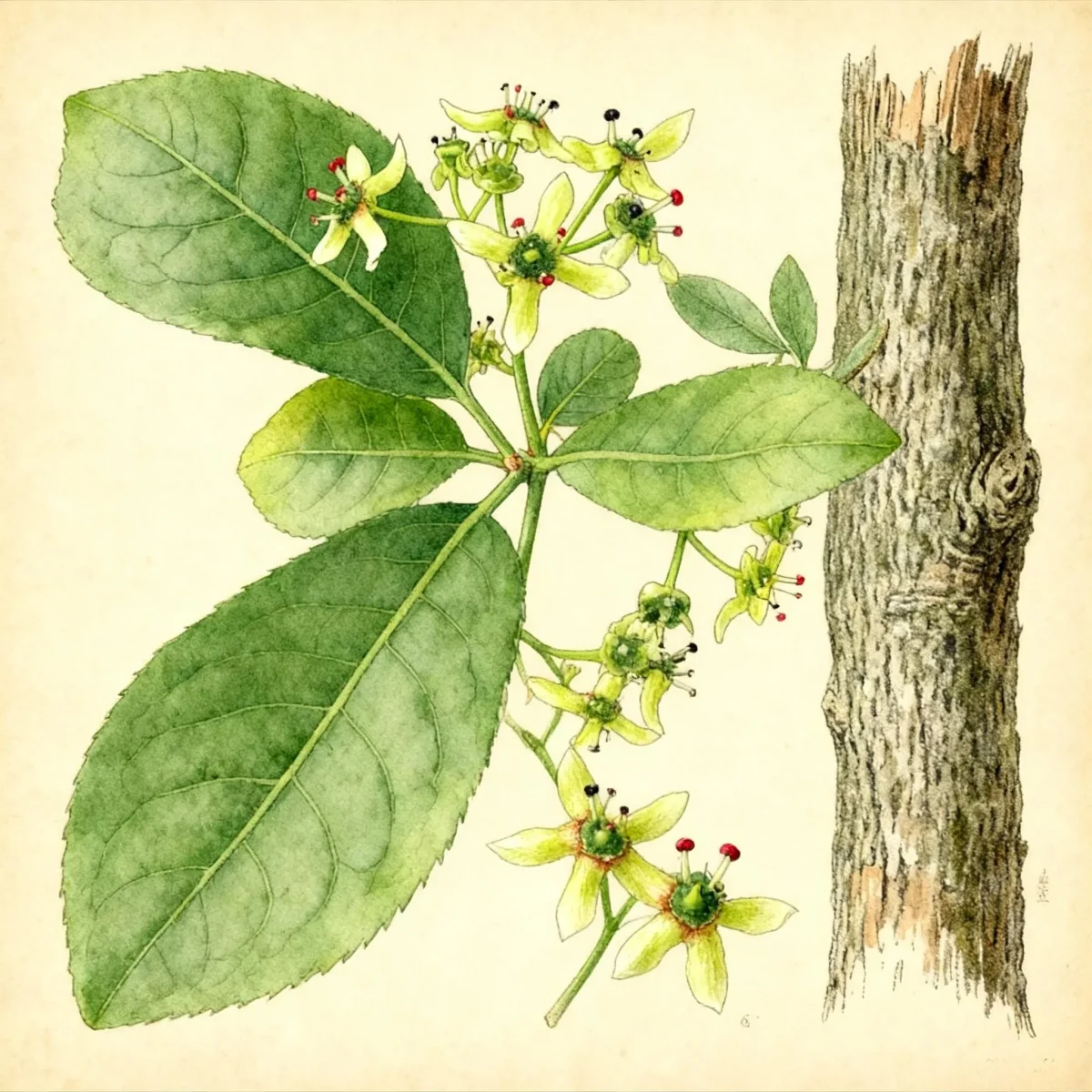
Winged spindle tree (Euonymus alatus)
The Winged spindle tree (Euonymus alatus) offers spectacular, fiery red fall color and distinctive corky stems. A low-maintenance shrub for zones 4-8.
Scroll down to discover growing tips, care requirements, companion plants, and more
Complete Plant Information
Overview
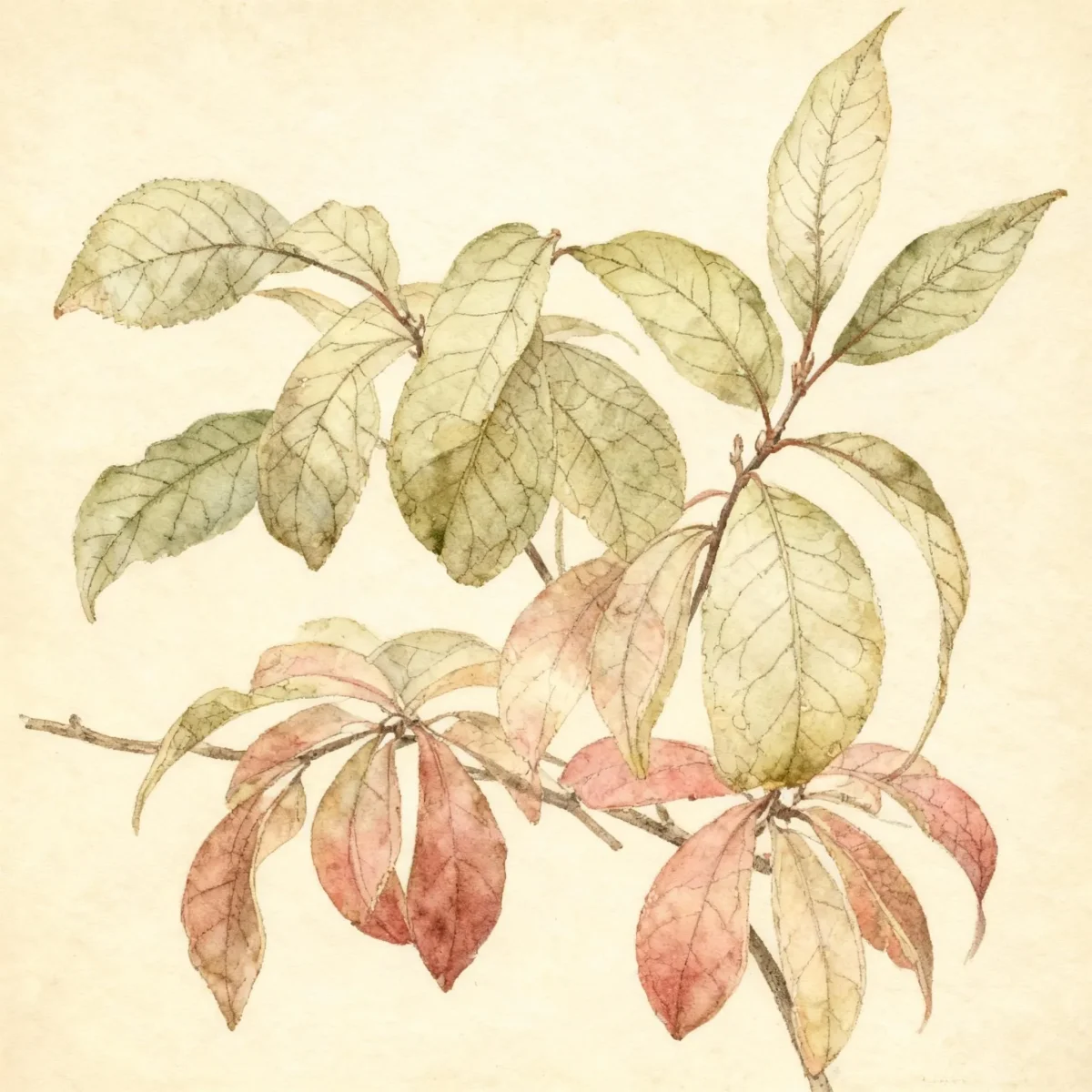
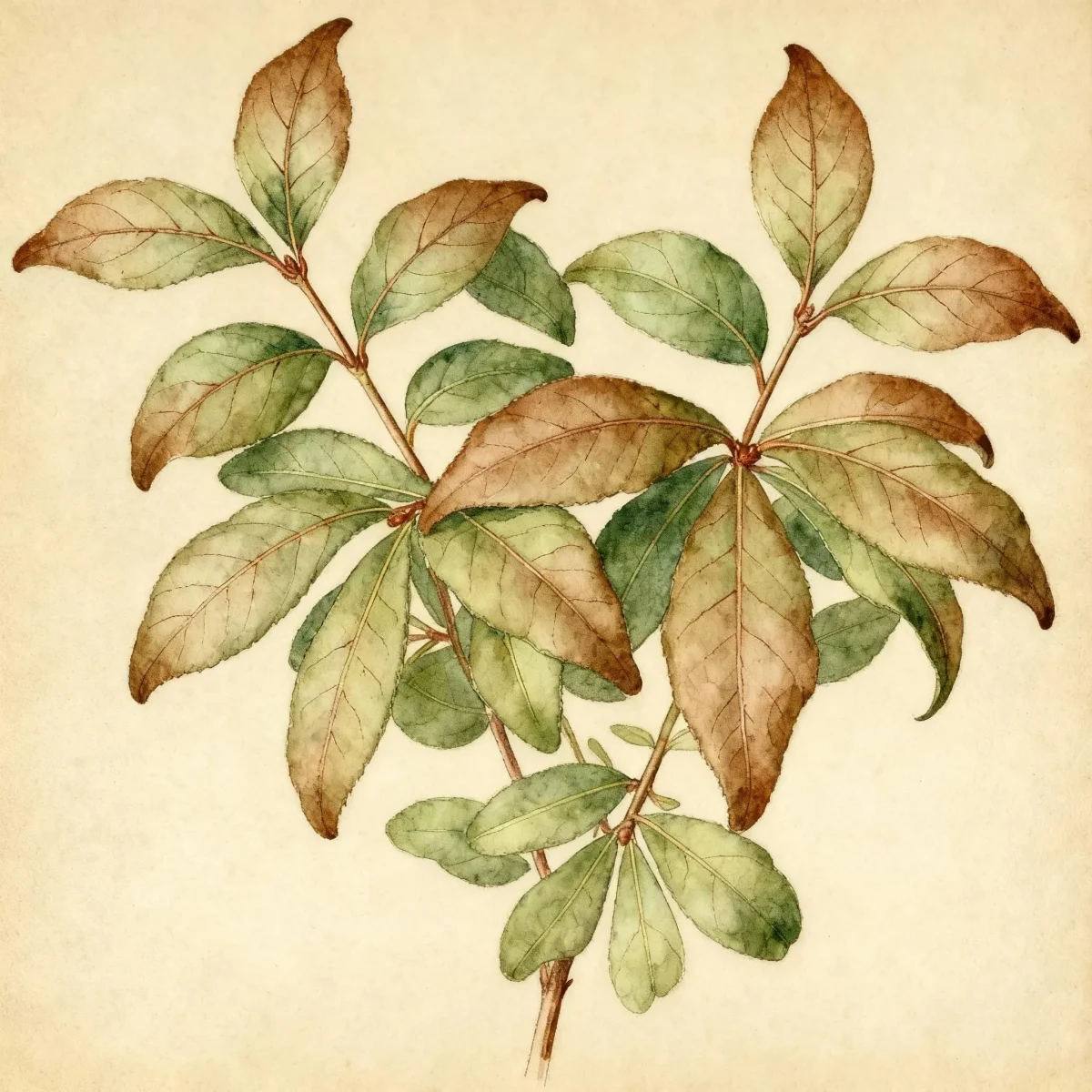
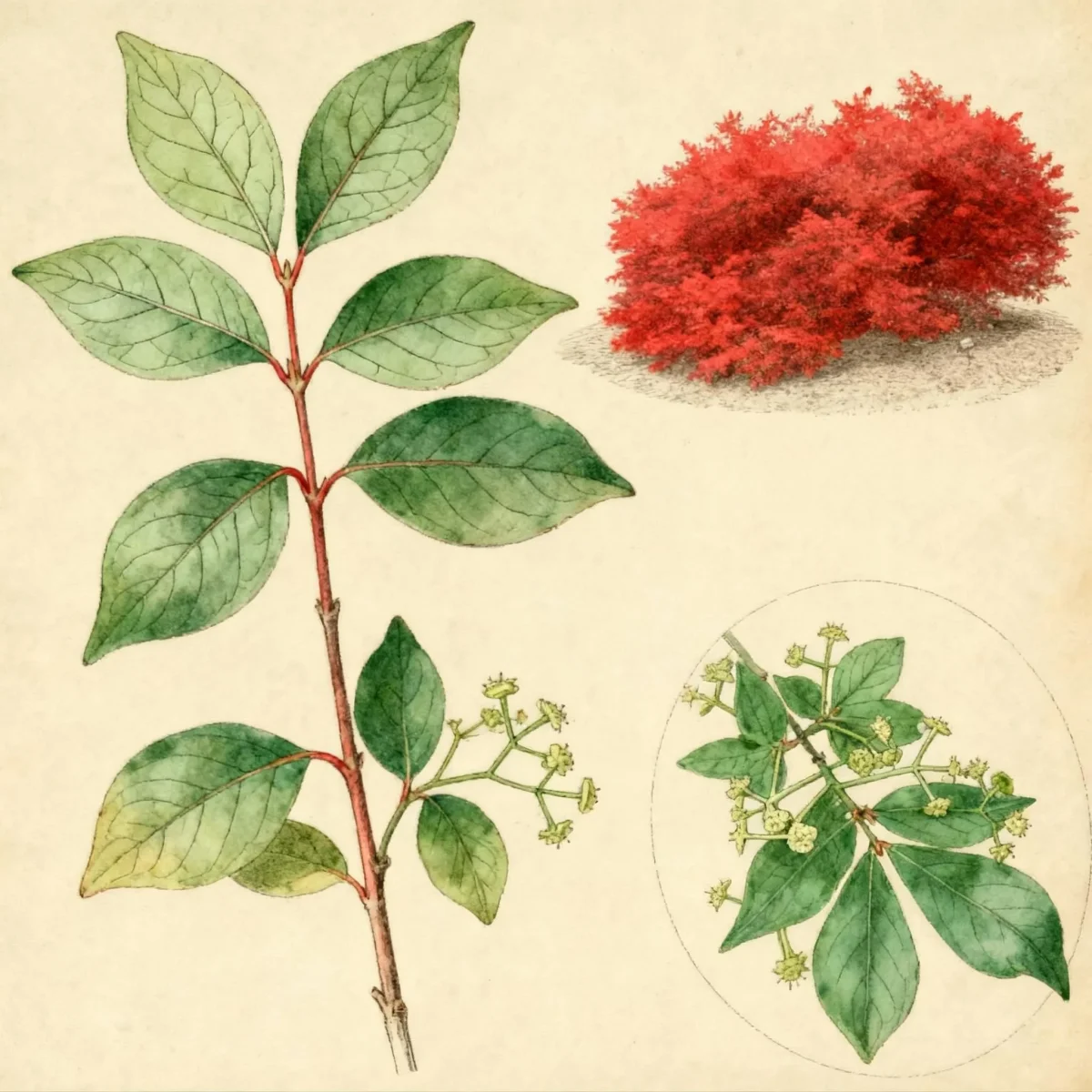
The Winged spindle tree, scientifically known as Euonymus alatus, is prized above all else for its breathtaking, fiery red autumn foliage, making it an essential deciduous shrub for seasonal interest in the landscape. Beyond its famous fall display, this dense, spreading shrub is known for its unique greenish-brown stems featuring corky, four-winged ridges that become highly visible after leaf drop in winter. Euonymus alatus is notably adaptable and offers low maintenance requirements, fitting well into various garden settings.
Native to northeastern Asia, this plant was introduced to the US around 1860 and quickly became a staple ornamental known commonly as the burning bush. While it can reach impressive heights of 15 to 20 feet, standard specimens are often successfully pruned to manage their mounded, flat-topped shape. Gardeners appreciate the Winged spindle tree for its reliable performance and ability to provide structure and vibrant color throughout three seasons.
Fast Facts
- Plant Family: Celastraceae
- Plant Type: Deciduous shrub
- Native Range: Northeastern Asia to Middle China
- Hardiness Zones: USDA Zones 4-8
- Size at Maturity:
- Height: 15-20 ft
- Spread: 8-12 ft
- Bloom Time: May
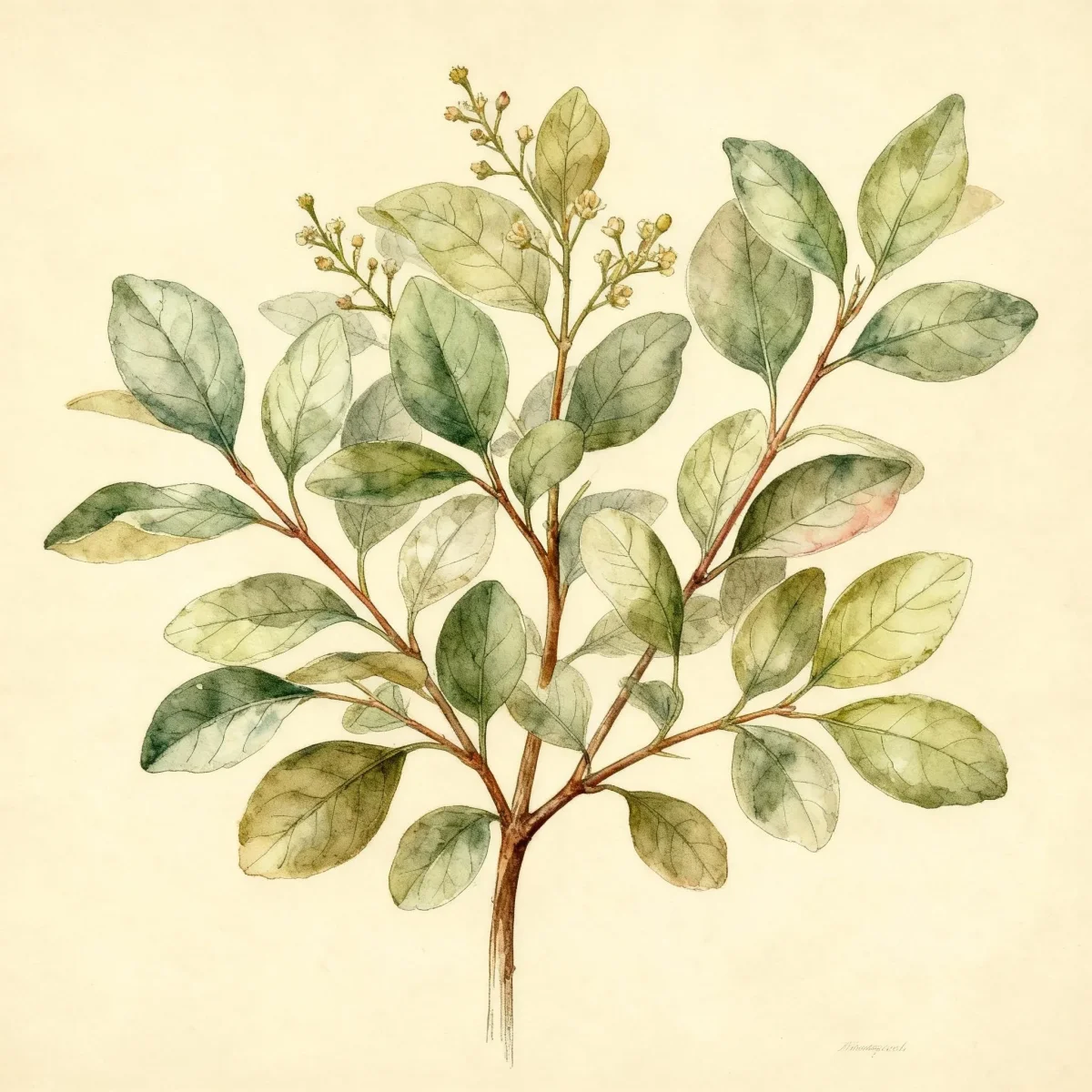
- Bloom Description: Yellow-green
- Sun Exposure: Full sun to part shade
- Water Needs: Medium
- Maintenance Level: Low
How to Grow
The best time to establish your Euonymus alatus is during the dormant seasons—early spring before new growth begins or fall after the foliage has dropped. This adaptable shrub thrives in average, medium moisture, well-drained soil. While it performs best in full sun, which maximizes its brilliant fall color, it tolerates part shade well, though color intensity may decrease.
Once established, the Winged spindle tree demands low maintenance. Ensure planting locations do not suffer from poor drainage, as wet soils can exacerbate potential problems like twig blight. Plants appreciate consistent moisture, especially when situated in full sun locations, so water deeply during dry spells. Little supplemental feeding is usually necessary unless the soil is extremely poor.
Pruning is generally required only to maintain specific size requirements or shape, as the natural habit of Euonymus alatus is dense and mounded. Prune lightly in late winter or early spring before bud break. Older, overgrown specimens can be rejuvenated by cutting back by one-third of their height over three successive years.
Landscape Uses
The Euonymus alatus excels in applications where long-term screening or bold seasonal impact is desired. Its mature size makes it an excellent choice for hedging or creating substantial privacy screens along property lines. For a specimen planting, allow it space to develop its naturally mounded, flat-topped habit, ensuring its unique winter structure is visible.
Because the Winged spindle tree offers such spectacular fall color, group plantings or mass plantings create dramatic drifts of color that guide the eye through the landscape design. Foundation plantings can utilize shorter cultivars, like ‘Compactus,’ to provide year-round structure near buildings. It also works well integrated into mixed shrub borders where its brilliant foliage contrasts nicely with nearby green evergreens.
Standout Features
Flower Qualities
- Insignificant
Fruit Qualities
- Showy
Noteworthy Characteristics
Euonymus alatus, commonly called winged euonymus, burning bush, winged burning bush or winged spindle tree, is a dense, mounded, spreading, flat-topped, multi-stemmed shrub that is particularly noted for its fiery red fall foliage color. Its standout feature, aside from autumn, is the greenish-brown stems that develop distinctive corky ridges, known as “wings,” which provide striking textural interest throughout winter. More compact forms are available for smaller spaces, though the standard variety matures to an impressive size.
Tolerances
The Winged spindle tree demonstrates good adaptability, tolerating challenging conditions common in many landscapes:
- Clay Soil
- Black Walnut
Potential Problems
This species generally avoids serious insect or disease issues, contributing to its low-maintenance reputation. The primary concern that may arise is twig blight, which is most likely to develop when the shrub is situated in wet, poorly-drained soil conditions. Spider mites can occasionally become a nuisance, especially during hot, dry weather. Promote good air circulation through routine pruning and proper spacing to minimize disease pressure.
Frequently Asked Questions
What hardiness zones is Winged spindle tree suitable for?
The Euonymus alatus is reliably hardy in USDA Zones 4 through 8.
How large does Winged spindle tree grow?
Standard varieties of this deciduous shrub typically reach mature heights between 15 and 20 feet, with spreads ranging from 8 to 12 feet wide.
What sun exposure does Euonymus alatus need?
For the best performance and most brilliant fall color, Euonymus alatus should be planted in full sun, but it will tolerate partial shade conditions.
When does Winged spindle tree bloom?
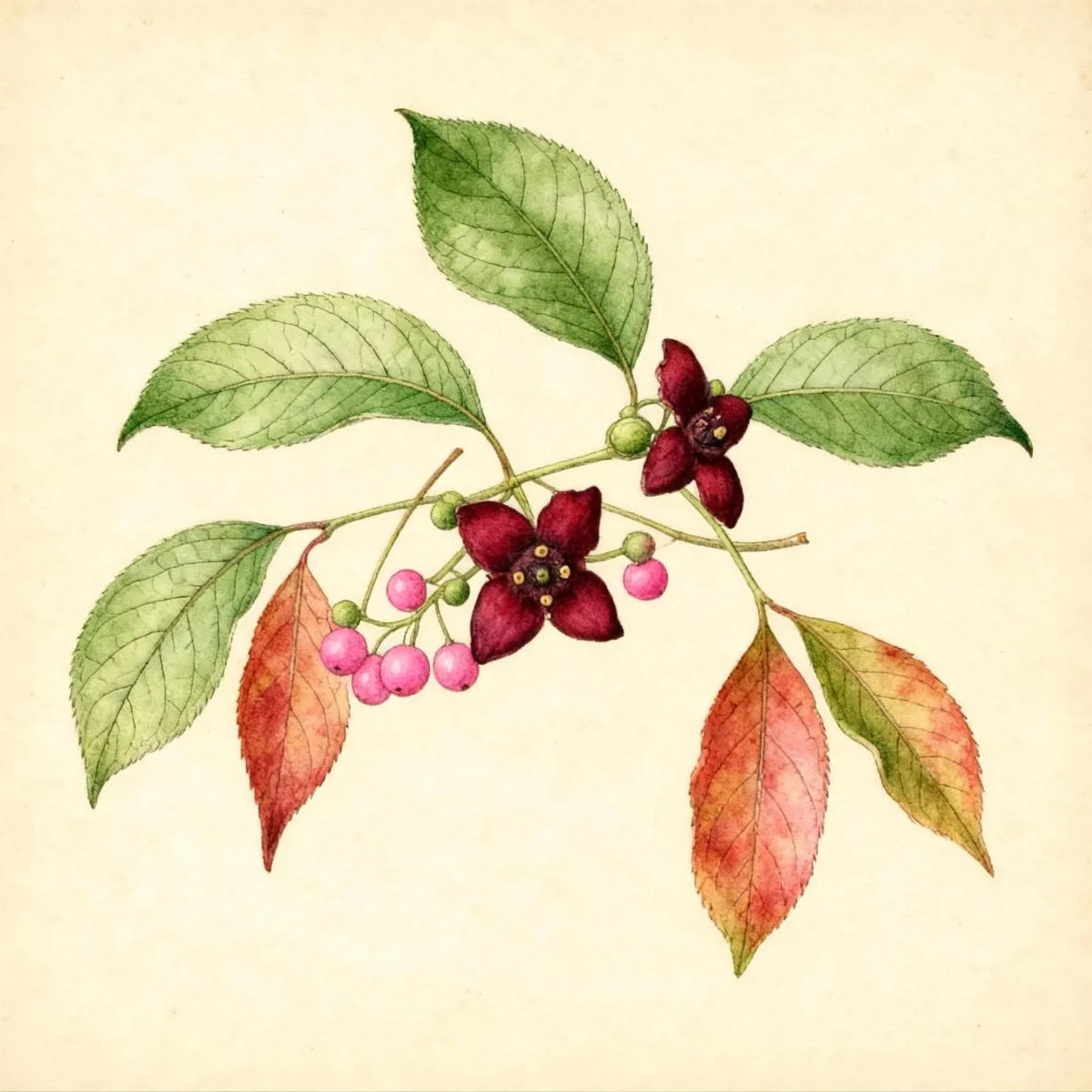
This shrub produces small, yellowish-green flowers during the month of May.
Conclusion
The Euonymus alatus, or Winged spindle tree, remains a landscape powerhouse due to its reliable, fiery fall color and unique, textured winter branches, all delivered with impressively low maintenance needs. If you are seeking bold seasonal drama, this adaptable shrub deserves consideration. Always confirm your USDA hardiness zone matches the 4-8 range before planting your new Euonymus alatus.
Companion Planting
When using the Winged spindle tree in a border or as a foundation screen, consider planting species that offer contrasting textures or colors during the summer months to balance the shrub’s dense green foliage before fall. Plants that prefer similar soil drainage but offer late-season interest work well, such as certain cultivars of Sedum or late-blooming Asters. Since Euonymus alatus tolerates clay and Black Walnut, look to other resilient shrubs, like hardy Hydrangeas or Viburnums, for cohesive planting schemes in semi-shady areas.
Wildlife Benefits
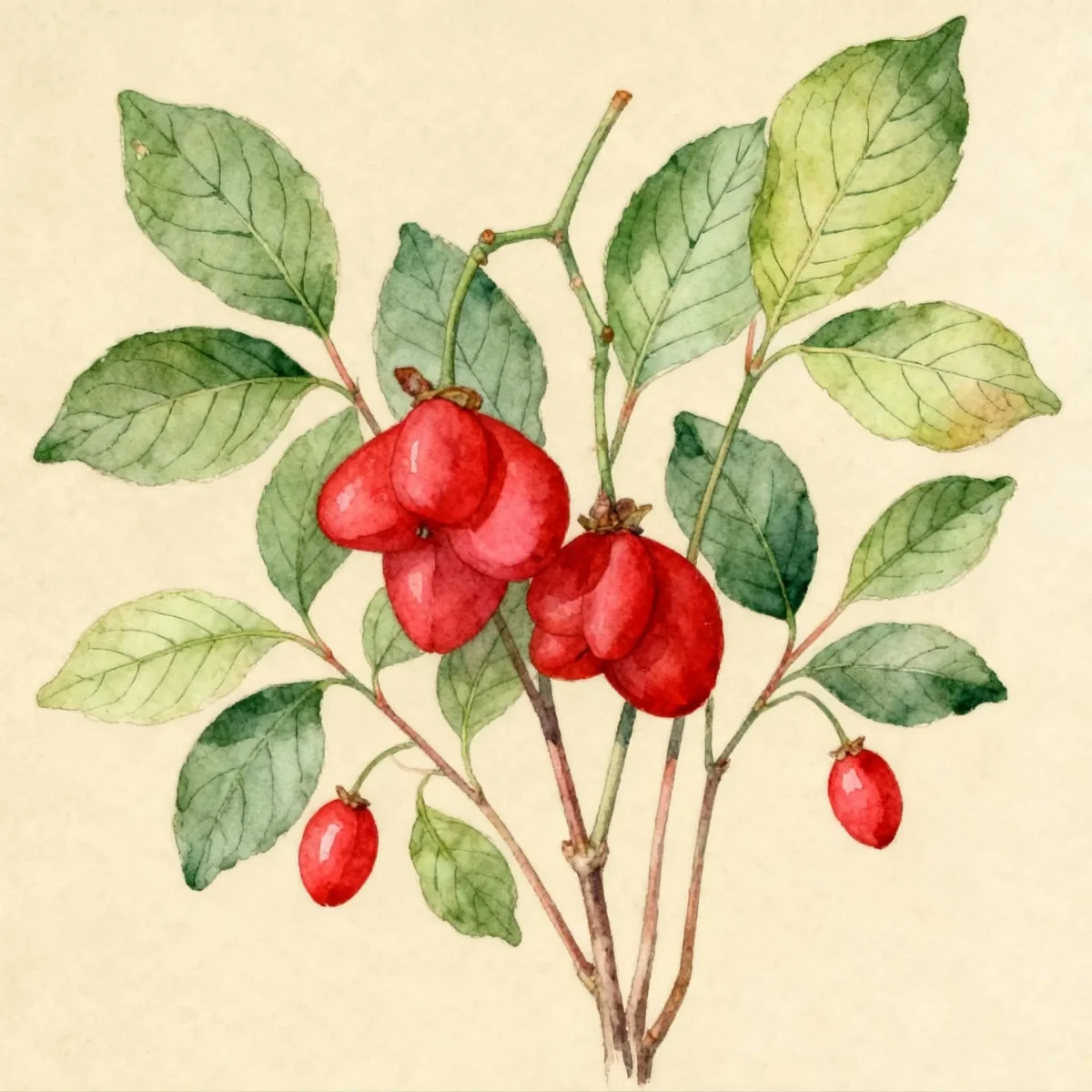
While the initial flowers are not showy, the small fruits produced by the Winged spindle tree are attractive to specific bird populations. The reddish capsules ripen in the fall and split open to reveal orange-red, fleshy arils housing the seeds—a valuable late-season food source. Birds consume these seeds, aiding in the natural dispersal of the Euonymus alatus. Be aware, however, that this plant has naturalized quite aggressively in some regions, so responsible placement is encouraged.