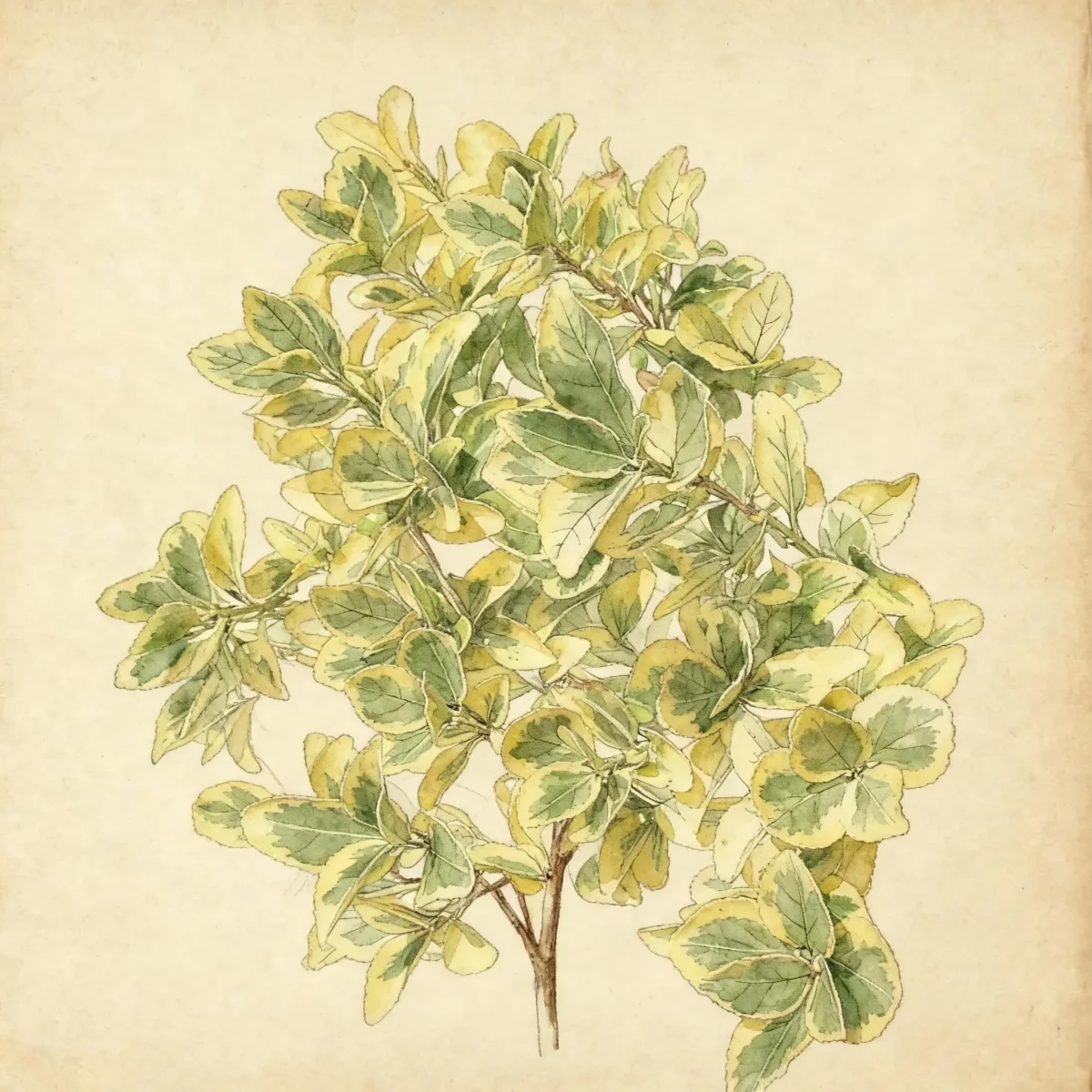
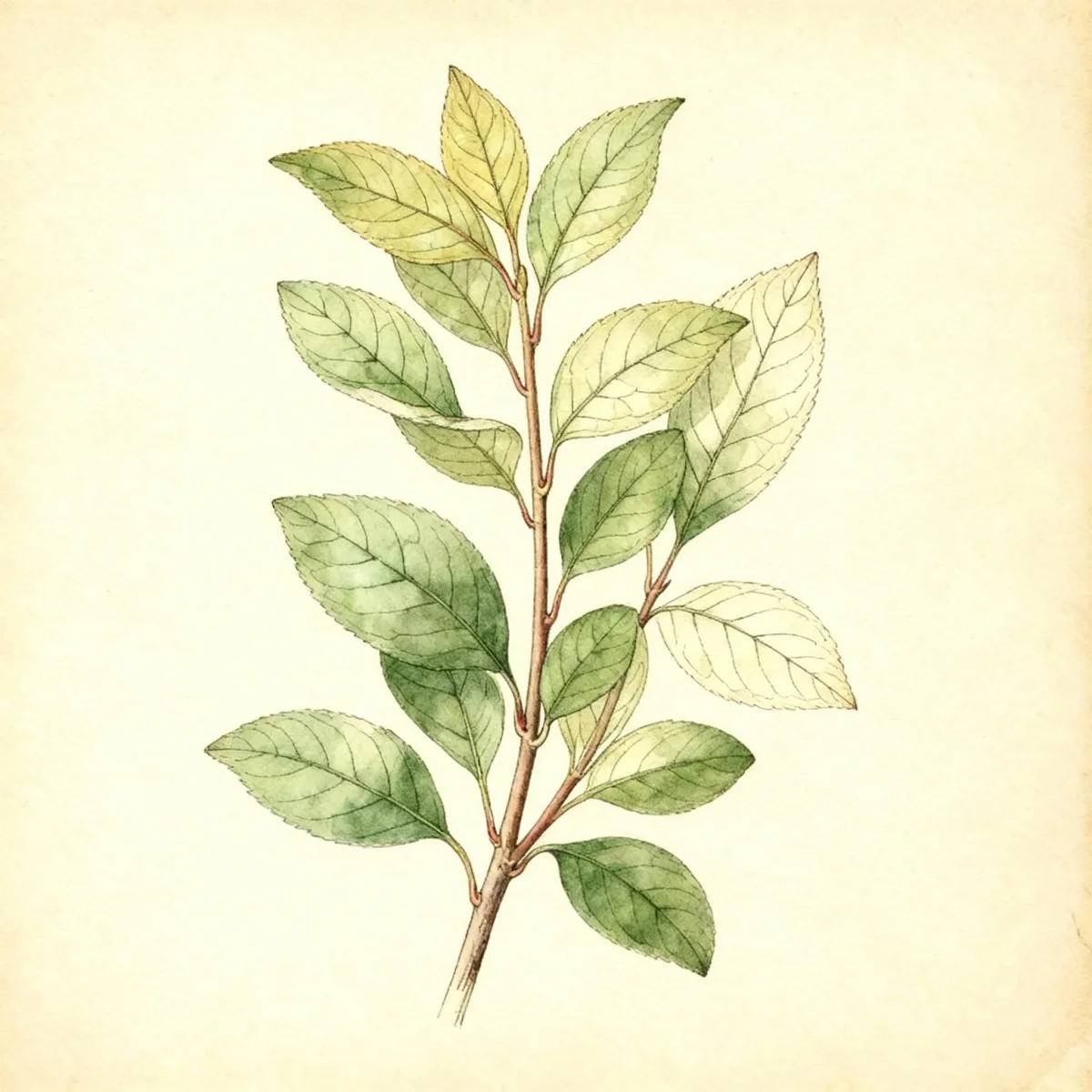
Strawberry bush (Euonymus americanus)
Euonymus americanus, the Strawberry bush, is a low-maintenance deciduous shrub prized for its showy red fall fruit and native appeal in Eastern US gardens.
Scroll down to discover growing tips, care requirements, companion plants, and more
Complete Plant Information
Overview
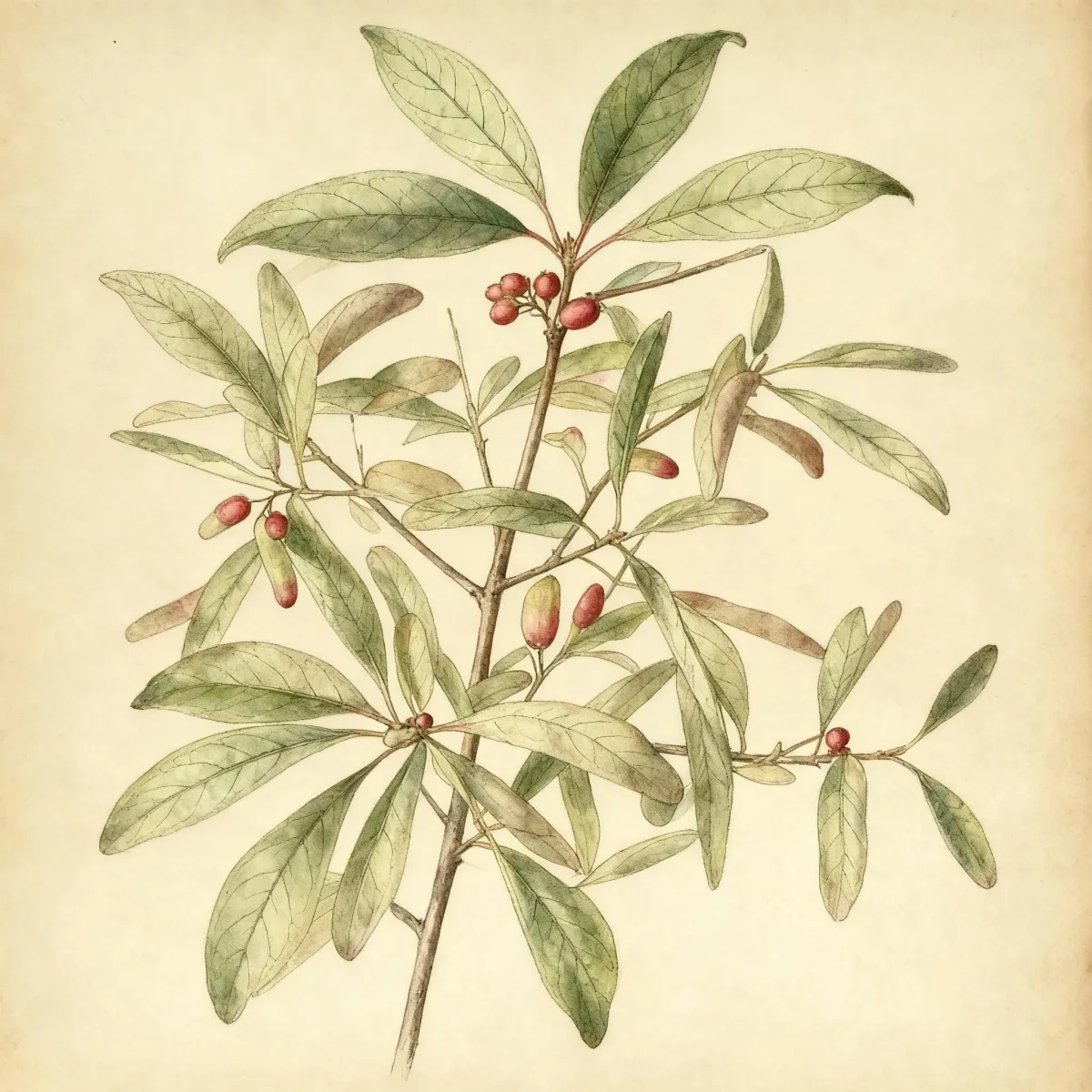
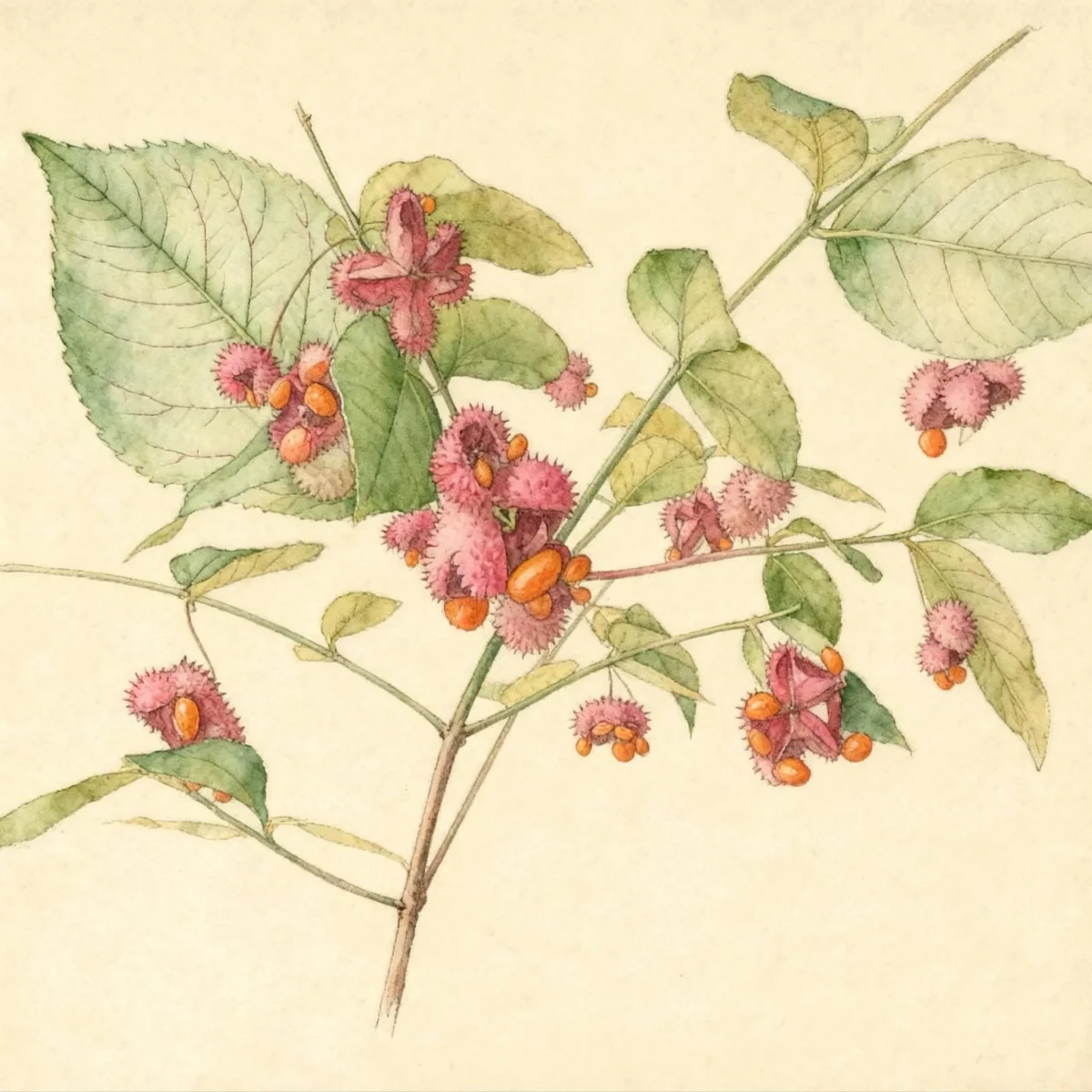
Euonymus americanus, widely known as the strawberry bush, is a valuable native deciduous shrub offering interest throughout the year in the Eastern United States. While its spring flowers are inconspicuous, the striking, warty crimson fruit that follows is highly ornamental, earning it its common name. This multi-stemmed shrub naturally forms dense thickets, spreading by rhizomes, making it excellent for filling space in naturalized settings.
This species thrives best in woodland environments, preferring moist, rich, humusy soils. Gardeners will appreciate the relatively low maintenance required once established, as Euonymus americanus readily establishes in dappled light conditions. Its adaptation to various soil types, including clay, further enhances its utility as a reliable woodland edge planting.
For gardeners seeking native structure and late-season color, the strawberry bush is an excellent choice. It offers texture through its medium green leaves, which transition to dark orange-red in autumn, preceding the emergence of its famous fruit. Planting Euonymus americanus supports local ecosystems while providing dependable year-round appeal.
Fast Facts
- Plant Family: Celastraceae
- Plant Type: Deciduous shrub
- Native Range: Eastern United States
- Hardiness Zones: USDA Zones 6-9
- Size at Maturity:
- Height: 4-6 ft
- Spread: 4-6 ft
- Bloom Time: May to June
- Bloom Description: Green to greenish-yellow with purple stamens
- Sun Exposure: Part shade
- Water Needs: Medium
- Maintenance Level: Low
How to Grow
Planting Euonymus americanus performs best when placed in the spring or fall, allowing the roots time to establish before seasonal extremes. Locate plants where they receive part shade; while they tolerate sun-dappled conditions, afternoon shade is beneficial, especially in hotter regions. The ideal medium is moist, rich, and humusy, ensuring excellent drainage is maintained, even though this shrub tolerates clay soil.
Water needs are best met by keeping the soil consistently medium in moisture, mimicking its native streambank habitat. Fertilizing is rarely necessary if the soil is rich. Pruning is generally minimal, focusing only on removing damaged or dead wood to maintain shape. Because stems root readily where they touch the ground, you can encourage spread or intentionally propagate new plants by layering.
Euonymus americanus is generally unfussy once established. In late winter or very early spring, inspect for any overwintering damage, though this low-maintenance shrub rarely requires heavy intervention. Its presence in naturalized areas helps stabilize slopes and requires little input from the gardener year after year.
Landscape Uses
The versatility of the strawberry bush lends itself well to numerous landscape applications within its native range. It excels when incorporated into native woodland plantings or along woodland margins where it can mimic its natural understory habitat. This species is robust enough for use as a subtle hedge or screen, providing seasonal interest where formal structure is not required.
Beyond mass plantings, Euonymus americanus serves well as an accent specimen where its unique branching structure and brilliant fall fruit can be appreciated up close. It naturalizes effectively, spreading slowly via suckers to create informal groupings or groundcover on slopes. For an integrated design, pair it with other shade-tolerant natives that share similar moisture requirements, such as ferns or native azaleas.
When used near foundations, ensure adequate space is reserved, as this shrub will reach 6 feet in both height and spread. Its ability to tolerate Black Walnut roots makes it a useful strategic filler in challenging understory locations where many ornamental shrubs might struggle.
Standout Features
Flower Qualities
- Insignificant
Fruit Qualities
- Showy
Noteworthy Characteristics
Euonymus americanus, commonly known as strawberry bush, is a multi-stemmed, suckering, deciduous shrub that typically grows to 4-6’ tall. It is native to wooded slopes, moist understory forest areas, low sandy woods, ravines and streambanks from New York south to Florida and west through Pennsylvania to Illinois, Missouri, Oklahoma and eastern Texas. This shrub features thin spreading branches clad with medium green leaves that turn dark orange-red in the fall, culminating in extremely showy, warty, crimson red fruits that resemble strawberries.
Tolerances
- Clay Soil
- Black Walnut
Potential Problems
Gardeners should remain vigilant against common pests such as euonymus scale, which can weaken the structure of the shrub. Watch for potential issues like mites, aphids, leaf miners, and mealybugs, which can often be managed through horticultural oils or cultural control. Fungal issues like powdery mildew and leaf spots may occur, especially in overly humid or crowded conditions; ensure good air circulation when planting. A significant non-pest issue is that deer are known to find the foliage of the strawberry bush quite palatable, so protection may be necessary in deer-heavy areas.
Frequently Asked Questions
What hardiness zones is Strawberry bush suitable for?
Euonymus americanus thrives in USDA Zones 6 through 9.
How large does Strawberry bush grow?
This deciduous shrub typically reaches a mature height between 4 and 6 feet, with a similar spread of 4 to 6 feet wide.
What sun exposure does Strawberry bush need?
The ideal light condition for Euonymus americanus is part shade, benefiting greatly from protection during the hottest part of the afternoon.
When does Strawberry bush bloom?
The bloom time for the strawberry bush is generally from May into June, producing small, greenish-yellow flowers with purple stamens.
Conclusion
The Euonymus americanus offers significant aesthetic value through its dependable structure and spectacular fall fruit display, making the strawberry bush a worthy addition to native and woodland gardens. With its low maintenance requirements and tolerance for tricky spots like clay soil, it is an easy keeper. Verify your garden falls within USDA Zones 6–9 and plan your planting for spring to ensure this beautiful native shrub establishes successfully.
Propagation Tips
Propagation of Euonymus americanus is surprisingly straightforward, largely due to its rhizomatous nature and rooting stems. The easiest method for increasing your stock is through division, separating the suckers that naturally develop around the base of the established plant, usually done in early spring before significant leaf-out. Alternatively, stem cuttings taken from semi-hardwood growth in mid-summer can be rooted. Simply take cuttings, remove lower leaves, apply rooting hormone if desired, and place them in a moist, well-drained medium in partial shade.
For a natural approach, Euonymus americanus can also be propagated via layering, which leverages its habit of rooting where branches touch the soil. Gently bend long, flexible stems down until they contact the damp ground, securing them with a bent wire or a small stone. Keep the contact point moist throughout the season; by the following year, the rooted section can be severed from the mother plant and transplanted as a new, independent strawberry bush specimen.
Wildlife Benefits
While the flowers of Euonymus americanus are insignificant to the casual observer, they are still visited by small pollinators early in the season, providing necessary nectar when few other woodland shrubs are active. The main wildlife benefit, however, stems directly from the bright, showy fruit enjoyed by various bird species in the fall and early winter. These crimson, strawberry-like capsules provide a crucial late-season food source for migrating and overwintering birds.
Planting the strawberry bush helps create layered cover within a landscape, offering secure cover for ground-dwelling birds and small mammals utilizing the dense understory. Its native status ensures that it integrates seamlessly into local ecosystems, supporting insect life that serves as a base for the broader avian food web. Integrating this shrub is an excellent step toward creating a functional, biodiverse native habitat.