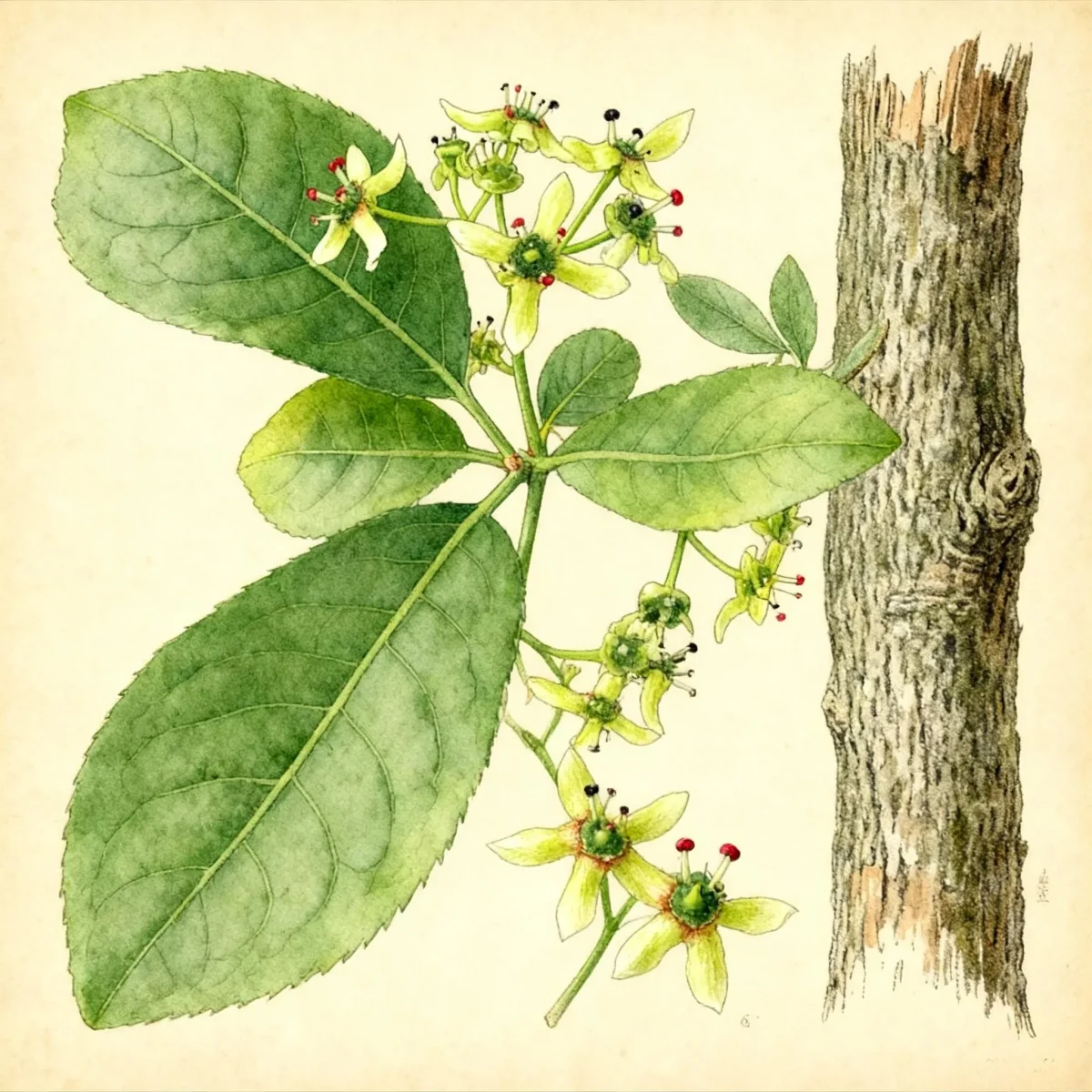
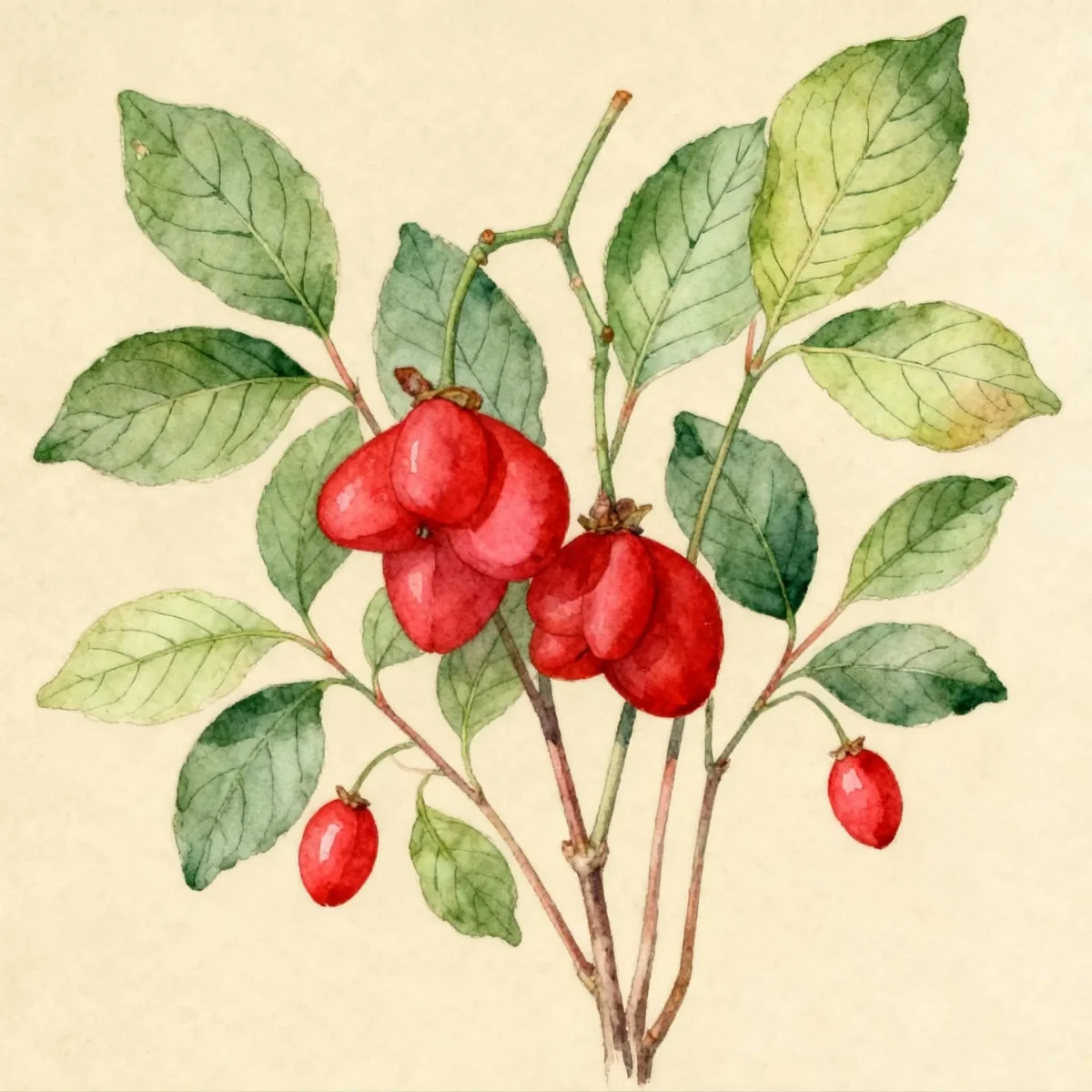
Eastern wahoo (Euonymus atropurpureus)
Euonymus atropurpureus (Eastern wahoo) is a low-maintenance, native deciduous shrub prized for its showy scarlet fruits and moderate size.
Scroll down to discover growing tips, care requirements, companion plants, and more
Complete Plant Information
Overview
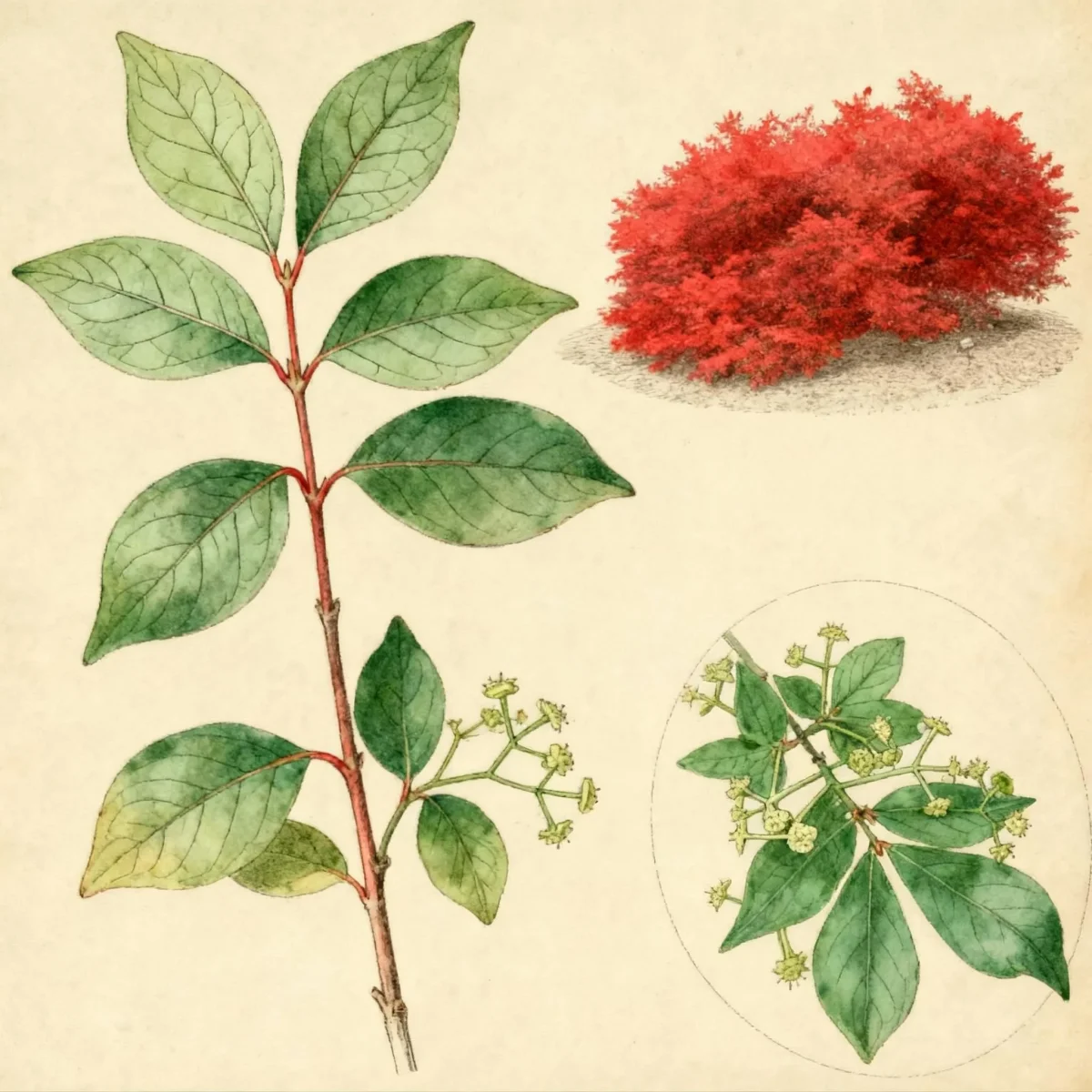
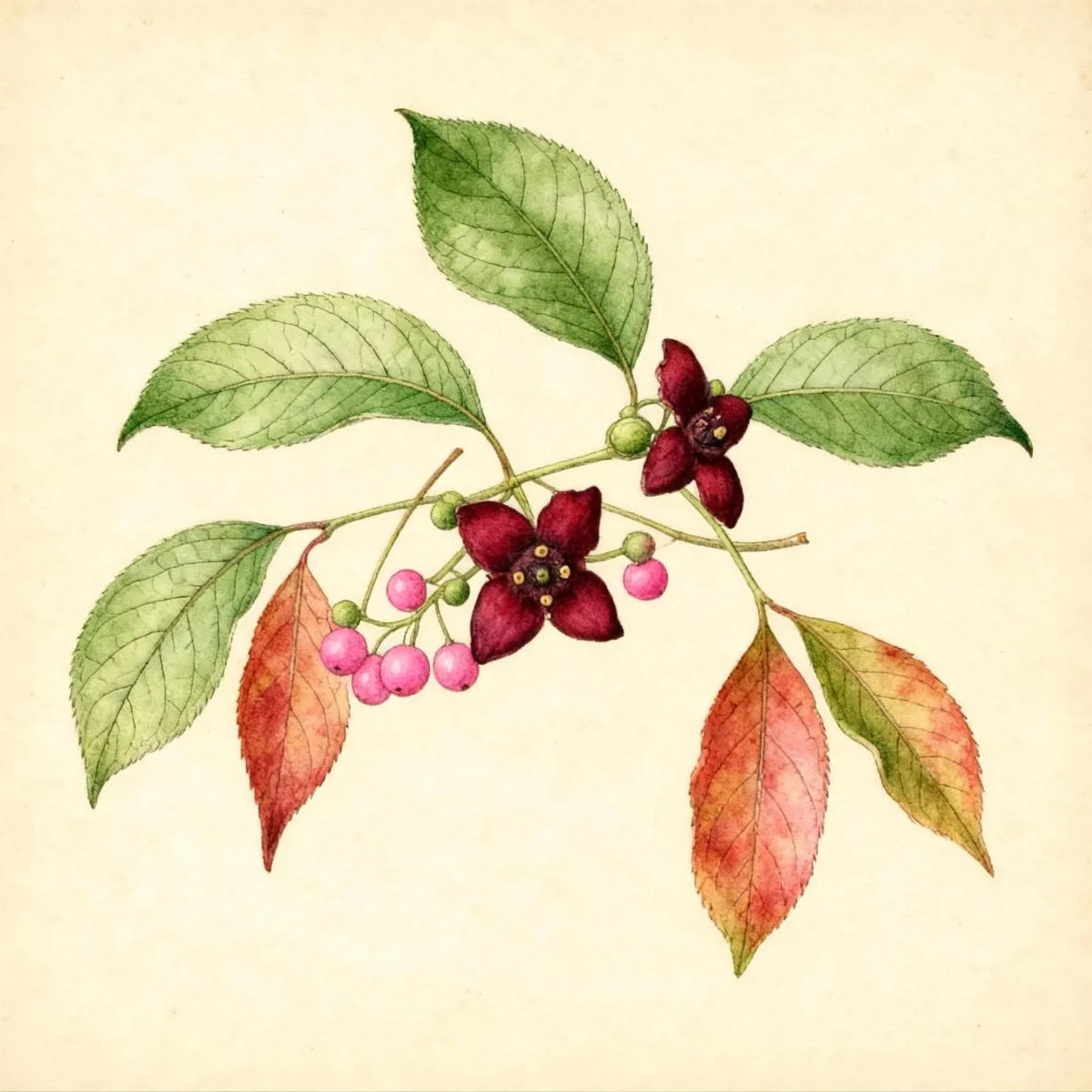
The Eastern wahoo, scientifically known as Euonymus atropurpureus, is a highly valued native plant of Eastern North America, offering interest throughout the year. While its small, dark purple flowers in June are subtle, the shrub redeems itself spectacularly in autumn with its vibrant, scarlet-red fruits that greatly appeal to local wildlife. This adaptable shrub or small tree typically features an irregular, spreading crown, making it an excellent choice for gardeners seeking natural forms.
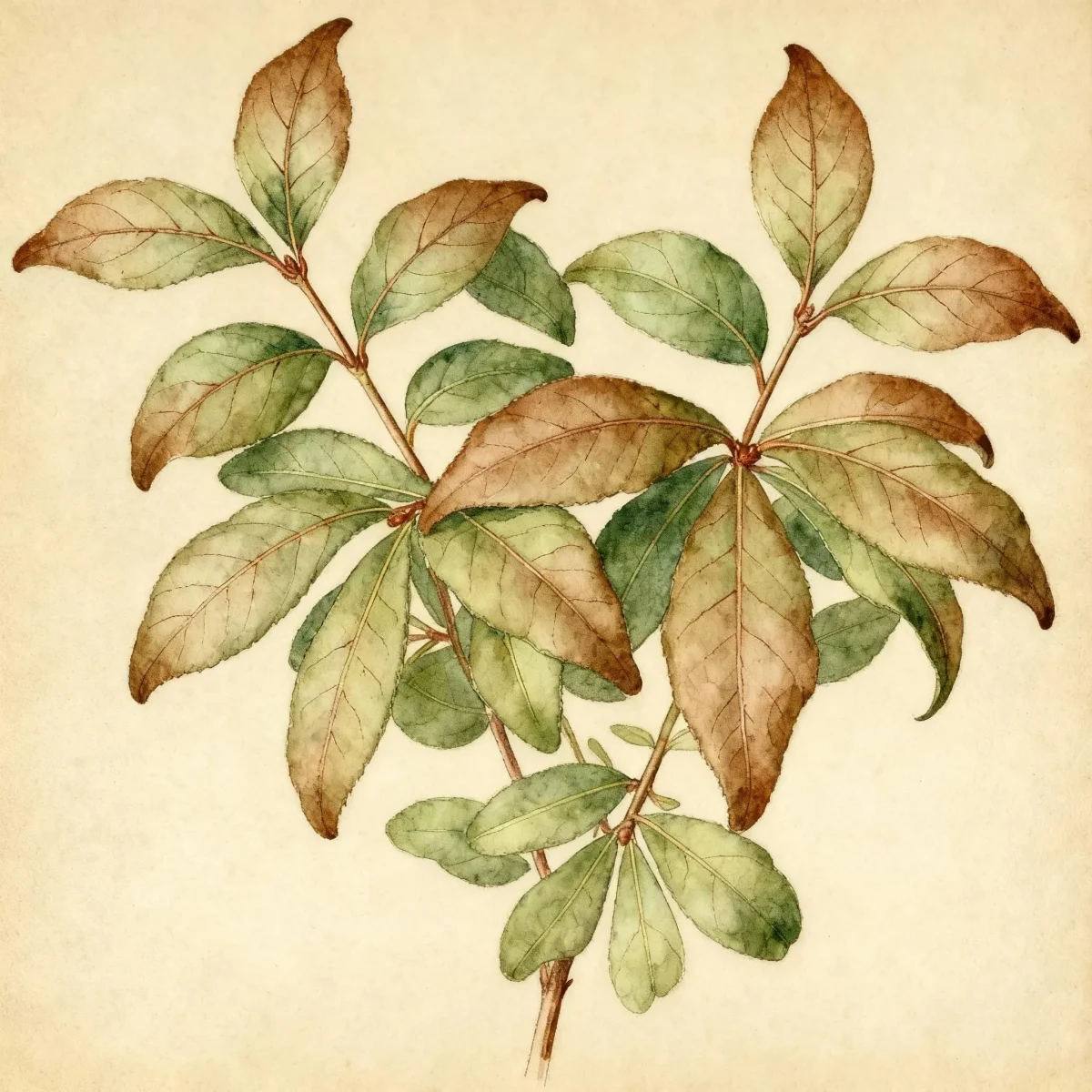
Euonymus atropurpureus is prized for its low maintenance needs and ability to thrive in various conditions across USDA Zones 3 through 7. It naturally occurs in woodlands and thickets, preferring medium moisture, though it is quite adaptable once established. The plant provides essential structure, transforming from dark green foliage in summer to muted reds in the fall.
For the ecological landscape, planting Eastern wahoo supports biodiversity while providing structure for informal hedges or screens. Its native status ensures it integrates seamlessly into woodland or native plant groupings, offering a robust solution for medium to large spaces needing reliable, low-fuss screening with a significant seasonal reward from its colorful seed capsules.
Fast Facts
- Plant Family: Celastraceae
- Plant Type: Deciduous shrub
- Native Range: Eastern North America
- Hardiness Zones: USDA Zones 3-7
- Size at Maturity:
- Height: 12-20 ft
- Spread: 15-25 ft
- Bloom Time: June
- Bloom Description: Dk. Purple
- Sun Exposure: Full sun to part shade
- Water Needs: Medium
- Maintenance Level: Low
How to Grow
For successful establishment, plant Euonymus atropurpureus during the spring or fall when temperatures are moderate. Choose a location receiving full sun to accommodate 6-8 hours of light, though the adaptable shrub easily tolerates part shade. The growing medium should ideally be average and medium in moisture retention, provided it is well-drained.
Watering requirements for Eastern wahoo are medium. After establishment, supplemental watering during prolonged dry spells will be necessary, especially in full sun environments. Fertilization is generally not required; this is a robust native that thrives without heavy amendments. Pruning should be minimal, perhaps only to shape the plant or remove dead wood, as this species naturally develops an attractive, irregular crown structure.
A critical note for cultivation is moisture management: while Euonymus atropurpureus demands medium water, it absolutely will not tolerate wet, poorly-drained soil conditions. Ensure your planting site allows for adequate drainage to prevent root issues. Deer typically do not heavily browse this species, contributing to its low maintenance profile.
Landscape Uses
Euonymus atropurpureus is an interesting native plant that lends itself beautifully to naturalistic designs. Its substantial size—growing up to 20 feet tall and wide—makes it highly effective when utilized near the back of borders or as an informal hedge or screen where significant sight blockage is desired. Because it is native to woodland edges, it integrates flawlessly into woodland gardens.
Consider planting Eastern wahoo in native plant gardens where its seasonal transition of foliage and striking fruit display can be fully appreciated. It is also a beneficial addition to bird gardens, as its autumn fruits provide a valuable food source for migrating and wintering avian species. While it thrives in woodland settings, its tolerance for sun makes it versatile across various landscape applications.
As a large, spreading shrub, group several Eastern wahoo together to create a dense, natural screen, or allow a specimen plant to anchor a corner of the yard where its irregular, open habit can be admired in winter.
Standout Features
Fruit Qualities
- Showy
Noteworthy Characteristics
Euonymus atropurpureus, commonly called Eastern wahoo, is a deciduous, Missouri native shrub or small tree which is most often grown for its attractive red berries and fall color. It typically appears as an upright, spreading, deciduous shrub with an irregular crown growing to 10-15’ tall. Small, purple flowers appear in the leaf axils in late spring, but the scarlet red fruits in autumn are considered the best ornamental feature of the shrub.
Tolerances
- Black Walnut
Potential Problems
Like most members of the Euonymus genus, Eastern wahoo is susceptible to scale insects. These small, immobile pests attach themselves to the stems and branches, sucking sap and potentially weakening the plant over time, particularly if infestations are severe.
Management focuses on prevention and early detection. If scale is observed, horticultural oil applied during the dormant season (late winter before bud break) can smother overwintering insects. For minor infestations, aggressive pruning of the affected branches may be sufficient to control the population of Euonymus atropurpureus.
Frequently Asked Questions
What hardiness zones is Eastern wahoo suitable for?
The Eastern wahoo is quite cold-hardy, suitable for planting in USDA Zones 3 through 7.
How large does Euonymus atropurpureus grow?
At maturity, this deciduous shrub generally reaches heights between 12 and 20 feet, with a spread ranging from 15 to 25 feet wide.
When does Eastern wahoo bloom?
The small, dark purple flowers of Euonymus atropurpureus appear during the month of June.
What sun exposure does Euonymus atropurpureus need?
It performs best when sited in full sun, though it shows significant adaptability and tolerates part shade environments well.
Conclusion
The Eastern wahoo (Euonymus atropurpureus) offers exceptional value to the native landscape through its low maintenance requirements and stunning fall fruit display, making it a staple for wildlife habitats and screening. Ensure you provide well-drained soil, as this plant strongly rejects overly wet feet. Before planting, confirm that your garden lies within USDA Zones 3 to 7 to guarantee robust growth for this impressive native shrub.
Wildlife Benefits
The fruit of the Eastern wahoo is a major draw for local fauna, particularly birds. The bright scarlet capsules, which mature in the fall, are frequently consumed by various bird species, providing caloric sustenance as they prepare for migration or overwintering. This fruit production solidifies the role of Euonymus atropurpureus in supporting local ecosystems.
This shrub readily integrates into bird gardens specifically designed to attract feathered visitors. Even when the leaves drop, the persistent, showy fruit capsules remain visible, offering color and food well into the colder months when other dietary sources are scarce for wildlife relying on this dependable native species.
Companion Planting
Due to its preference for medium moisture and tolerance for part shade, Eastern wahoo pairs excellently with other understory natives requiring similar conditions. Consider planting it alongside shade-tolerant ferns or other woodland edge plants that appreciate well-drained soil. Native flowering perennials that enjoy dappled light, such as wild columbine or various astilbes, create a soft foreground for the larger structure of Euonymus atropurpureus.
When designing a rain garden—one of the suggested uses for this plant—pair it with species that handle fluctuating moisture levels, such as certain sedges or cardinal flower, as the Eastern wahoo establishes a strong root system that helps manage runoff. Avoid pairing it directly with plants that require consistently dry, lean soil, given its preference for medium water availability.