Canby's mountain lover (Paxistima canbyi)
Discover Paxistima canbyi, the tough Canby's mountain lover, a dwarf evergreen excellent for ground cover in USDA zones 3-7.
Scroll down to discover growing tips, care requirements, companion plants, and more
Complete Plant Information
Overview
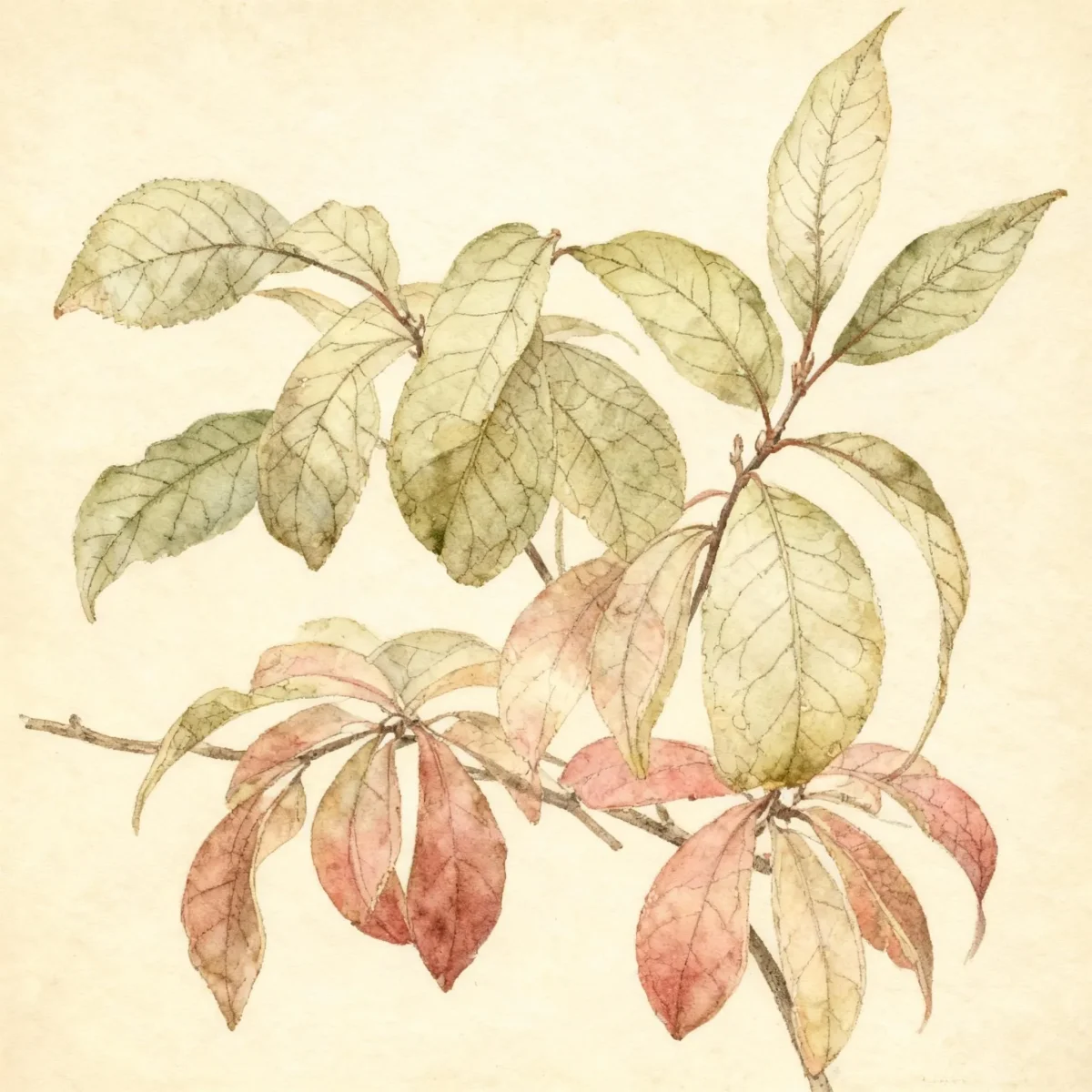
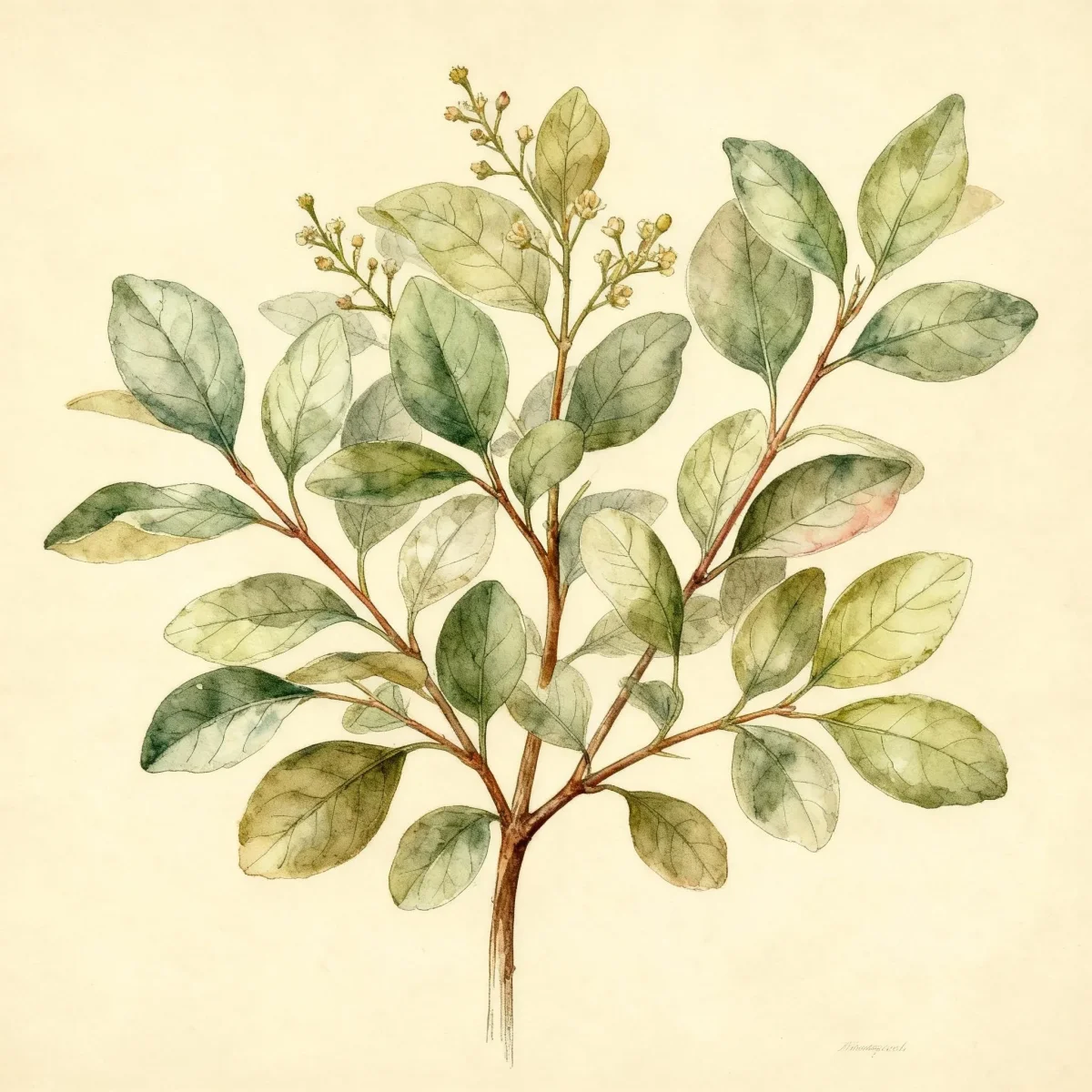
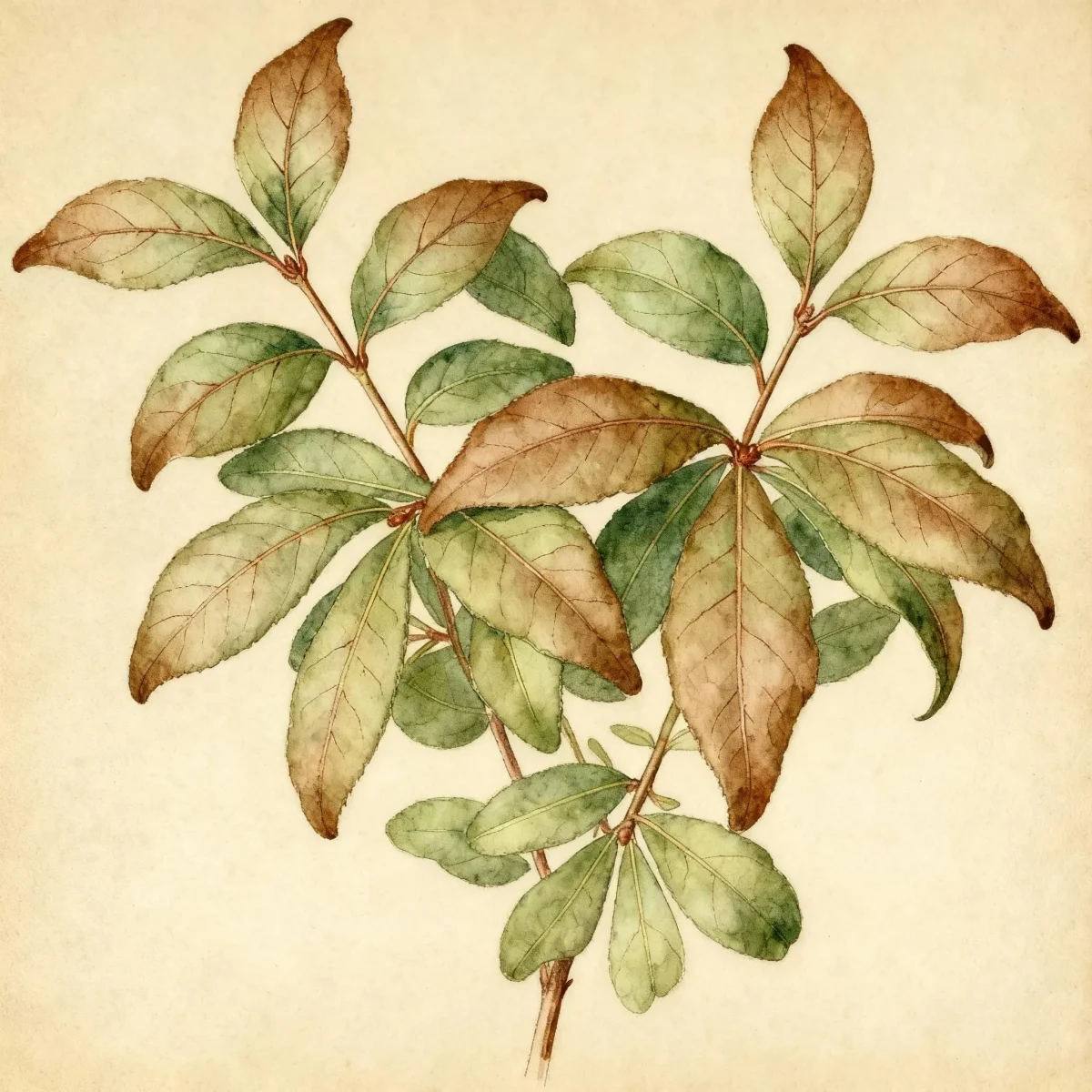
Paxistima canbyi, widely recognized as Canby’s mountain lover, is a highly valuable broadleaf evergreen shrub prized for its dense, low-growing habit and evergreen foliage. This eastern US native forms spreading colonies, making it an exceptional choice for stabilizing slopes and filling difficult, low-maintenance areas in the landscape. Its lustrous, dark green leaves typically acquire attractive bronze tones during the winter, providing year-round visual interest.
Culturally, Paxistima canbyi is recognized for its adaptability, thriving in well-drained, sometimes rocky soils where other ground covers struggle. Despite its environmental sensitivity in the wild (where it is often threatened or endangered), the cultivated variety offers low maintenance and resistance to common pests. Gardeners appreciate Canby’s mountain lover for its dense matting habit and subtle spring blooms.
This dwarf shrub, reaching only about a foot high but spreading several feet wide, fills functional roles perfectly, serving as an effective low hedge or expansive ground cover. Ensuring proper drainage is key to long-term success when establishing your colony of Paxistima canbyi.
Fast Facts
- Plant Family: Celastraceae
- Plant Type: Broadleaf evergreen
- Native Range: Eastern United States
- Hardiness Zones: USDA Zones 3-7
- Size at Maturity:
- Height: 0.5-1 ft
- Spread: 3-4 ft
- Bloom Time: May
- Bloom Description: Green
- Sun Exposure: Full sun to part shade
- Water Needs: Medium
- Maintenance Level: Low
How to Grow
For optimal establishment, plant Paxistima canbyi during the spring or fall when temperatures are mild. Select a location that provides organically rich, highly well-drained soil. Although it prefers part shade, this plant easily tolerates full sun exposures if the soil moisture level is consistent. This species thrives notably well in drier, sandy-rocky soil profiles.
Water usage is moderate; establish a consistent watering schedule during the first growing season until the root system is fully developed. Once established, established Canby’s mountain lover requires only medium supplemental water during prolonged dry spells. Fertilization is rarely necessary; excessive feeding can lead to weak, leggy growth rather than the desired low, dense habit of Paxistima canbyi.
Maintenance for this low-care shrub is minimal. Pruning is seldom required unless shaping is needed for a formal low hedge. In early spring, inspect the foliage for any winter damage or signs of fungal issues, ensuring good air circulation around the dense growth to deter potential problems.
Landscape Uses
The spreading, naturally low form of Paxistima canbyi makes it an outstanding choice for ground cover applications, effectively suppressing weeds while maintaining a neat appearance. It is particularly effective cascading over rock garden borders or softening the transition between lawn areas and woodland plantings. Its ability to form dense colonies also lends itself well to creating permanent, short hedges along walkways or property lines where low height is essential.
For woodland gardens, Canby’s mountain lover provides necessary evergreen structure beneath taller deciduous trees. When utilizing this plant on slopes, its fibrous, rooting branches help significantly with erosion control, showcasing its practical value beyond mere aesthetics. Consider pairing it with plants that appreciate similar sharp drainage, such as low Junipers or certain sedums, to maintain a cohesive planting scheme.
Standout Features
Flower Qualities
- Showy
Noteworthy Characteristics
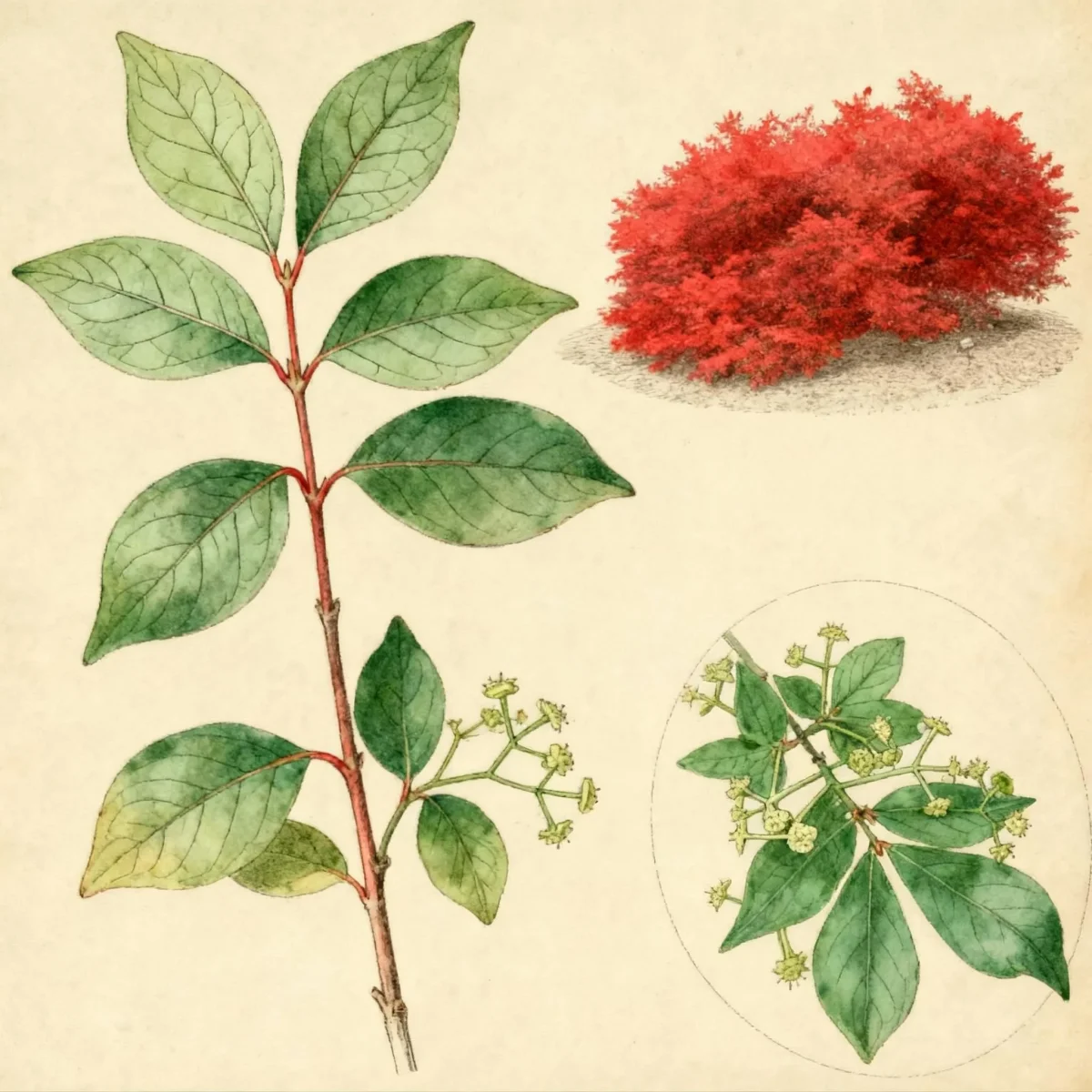
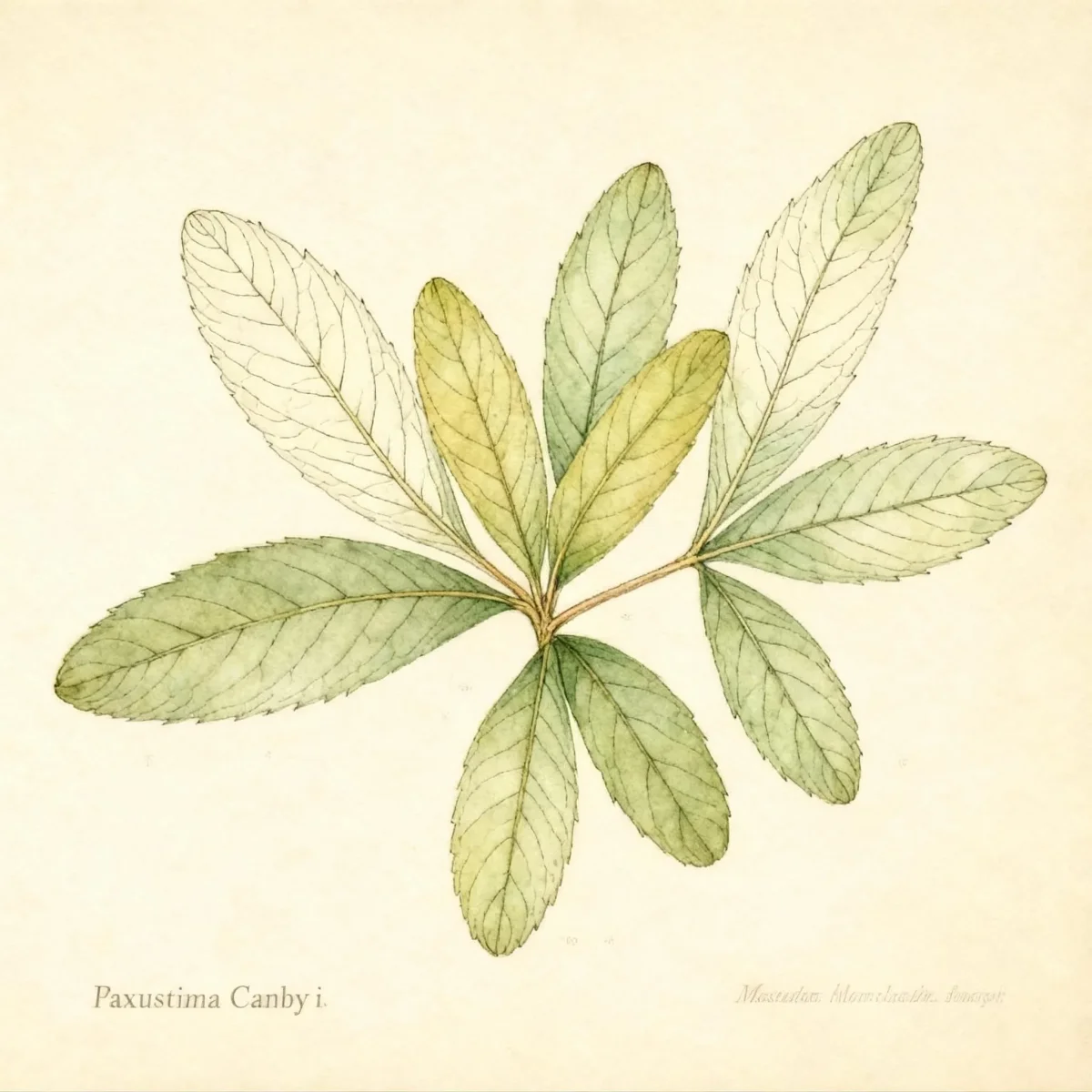
Paxistima canbyi, commonly known as Canby’s mountain lover or cliff green, is a dense, dwarf, broadleaf evergreen shrub of the staff-tree family that grows to only 8-12” tall but spreads outward by decumbent branches which root where they touch the ground eventually forming sizeable colonies to 3-4’ wide (sometimes wider). It is native to upland open woods, wooded slopes, limestone bluffs and cliffs in a few scattered locations in the central Appalachian Mountains from southern Pennsylvania and southern Ohio south to Tennessee and North Carolina. It is rarely found in its native range, being currently listed as a threatened species in Kentucky and as an endangered species in the States of Pennsylvania, Ohio, Maryland and Tennessee. Simple, opposite, short-petioled, leathery, linear-oblong or narrow-oblong, lustrous, dark green leaves (each 1/2 to 1” long) are evergreen, but usually acquire some copper-green to bronze tones in cold winters. Small green flowers (1/4” across) in few-flowered cymes bloom from the upper leaf axils in May. Each flower has 4 petals and 4 sepals. Flowers give way to non-ornamental, 2-valved seed capsules.Genus name comes from the Greek words pachys meaning thick and stigma meaning the female reproductive organ in reference to the thick stigmas of genus plants.Specific epithet honors William Marriot Canby (1831-1904), railroad executive, businessman, director of financial institutions, philanthropist, plant collector and amateur botanist of Wilmington, Delaware who reported discovered this species growing in the wild.Additional common names for this shrub include rat-stripper in reference to the proclivity of rats to strip off and eat the leaves and bark for winter food.
Tolerances
- Deer
- Erosion
Potential Problems
This evergreen exhibits remarkable resistance to serious insect or disease problems, which contributes to its low maintenance rating. The most significant threats are cultural issues, primarily root rot if the required well-drained soil conditions are not met. Susceptibility exists for fungal leaf spot, especially in humid, crowded conditions, and occasionally scale insects or spider mites may appear in stressed plants. Controlling fungal leaf spot involves pruning for better air circulation and avoiding overhead watering during rain events or irrigation Cycles.
Frequently Asked Questions
What hardiness zones is Canby’s mountain lover suitable for?
Paxistima canbyi is reliably hardy in USDA Zones 3 through 7.
How large does Paxistima canbyi grow?
This dwarf shrub typically reaches a mature height between 0.5 and 1 foot tall, but it spreads horizontally to cover an area 3 to 4 feet wide or more.
When does Canby’s mountain lover bloom?
The plant produces small green flowers during the month of May.
What sun exposure does Paxistima canbyi need?
It prefers partial shade but is adaptable and tolerates full sun, provided the soil remains consistently medium in moisture.
Conclusion
The low stature, evergreen foliage, and exceptional hardiness make Paxistima canbyi a standout plant for challenging low-light or well-drained sites. Canby’s mountain lover provides stabilizing ground cover and year-round texture with minimal input required from the gardener. Before planting, confirm your local USDA zone compatibility and assess soil drainage to ensure thriving growth for this rare gem.
Companion Planting
When selecting plants to accompany your Paxistima canbyi, prioritize species that also prefer well-drained, perhaps lean, soil conditions and tolerate partial shade. Good companions include native woodland ferns that do not require consistently moist soil, such as Christmas Fern (Polystichum acrostichoides), which offers a contrasting texture while sharing the evergreen appeal. Also consider low-growing Hellebores (Lenten Rose), which bloom earlier than Canby’s mountain lover and provide substantial winter foliage.
Propagation Tips
While established Paxistima canbyi spreads naturally via its grounding branches, vegetative propagation is highly effective for intentional increase. The best method is taking semi-hardwood cuttings late in summer or very early fall. Select healthy, non-flowering stems, make cuttings below a node, and treat the base with rooting hormone before placing them in a moist, sandy propagation medium in a cool, shaded location. With patience, these cuttings will root slowly, leading to new, genetically identical plants.