Katsura tree (Cercidiphyllum japonicum)
Discover the Katsura tree (Cercidiphyllum japonicum), a spectacular deciduous specimen tree prized for its beautiful foliage and subtle fall color palette.
Scroll down to discover growing tips, care requirements, companion plants, and more
Complete Plant Information
Overview
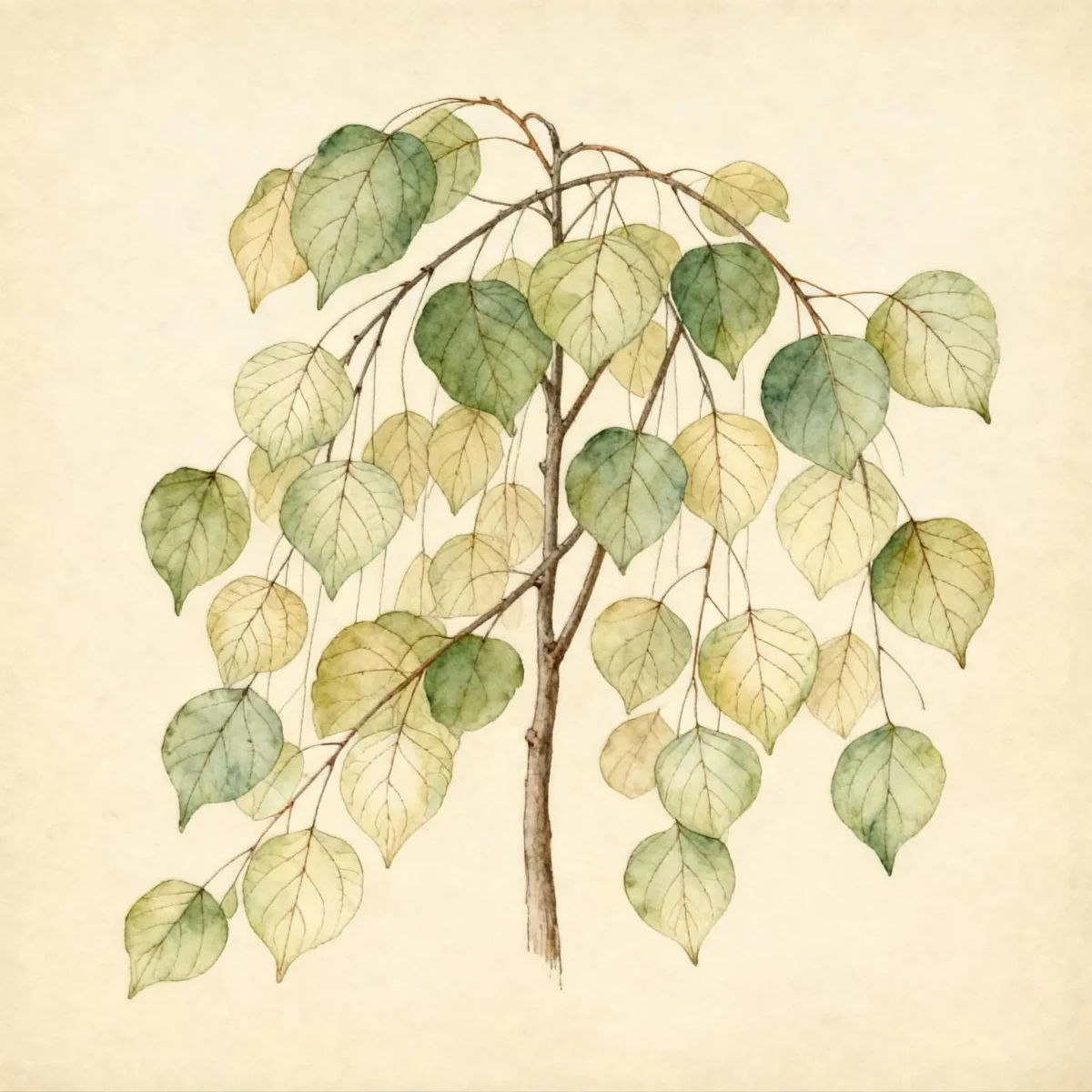
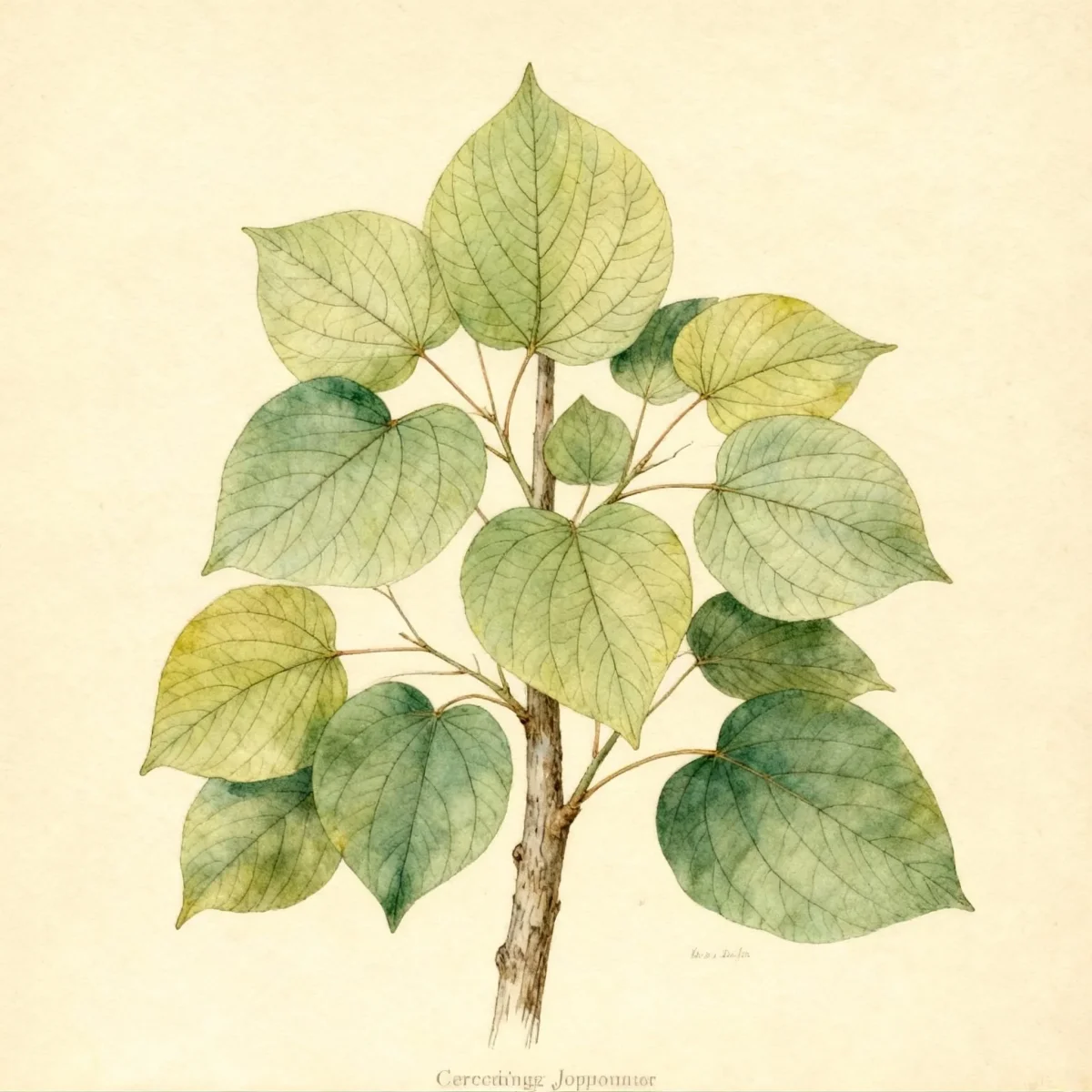
The Cercidiphyllum japonicum, widely known as the Katsura tree, is a highly desirable specimen tree valued for its unique foliage and engaging structure. Native to China and Japan, this deciduous beauty offers interest from spring through fall, establishing itself as a focal point in any landscape design. Gardeners value this tree for its rounded habit and the soft, almost whimsical appearance created by its heart-shaped leaves.
Though the flowers of the Cercidiphyllum japonicum are not showy, the foliage compensates handsomely. The leaves emerge reddish-purple before maturing to green, transitioning into stunning fall colors of gold, orange, and red. A fascinating characteristic of the fallen leaves of the Katsura tree is their noted aroma, often described as smelling like cinnamon, ripe apples, or burnt sugar.
As a mature specimen, the Katsura tree provides excellent dappled shade, making it a superb choice for large residential lots or park settings. It possesses generally low maintenance needs once established, though young trees require consistent moisture to thrive. Understanding its preference for rich, moist soil is key to successfully incorporating this stunning tree into your garden plan.
Fast Facts
- Plant Family: Cercidiphyllaceae
- Plant Type: Tree
- Native Range: China, Japan
- Hardiness Zones: USDA Zones 4-8
- Size at Maturity:
- Height: 40-60 ft
- Spread: 25-60 ft
- Bloom Time: March to April
- Bloom Description: Green to reddish-green
- Sun Exposure: Full sun to part shade
- Water Needs: Medium
- Maintenance Level: Low
How to Grow
The ideal time for planting the Katsura tree is during the dormant seasons: early spring or late fall. For optimal health, site this tree in rich, moist, well-drained soils. It performs best when given full sun exposure, although it can tolerate partial shade, which may slightly mute its summer color.
During the initial establishment phase, maintain consistently medium moisture levels; the Katsura tree exhibits little tolerance for drought, especially while young. Provide supplemental watering during dry spells to ensure deep root development. Due to its tendency to scorch in harsh conditions, position the tree away from areas prone to strong winds and intense, hot afternoon sun.
Pruning needs are minimal for the Cercidiphyllum japonicum; focus mainly on removing crossing or damaged branches when dormant. Note that this is a dioecious species, meaning male and female flowers occur on separate individuals; you must have both sexes present for the production of the small, greenish seed pods characteristic of the female trees.
Landscape Uses
The primary recommendation for the Katsura tree is as a small specimen shade tree, perfect for highlighting a central lawn area or softening angular architecture. Its graceful, rounded habit ensures it remains attractive even when not in full leaf, providing year-round structure. While classified as a shade tree, its moderate size allows it to fit well in suburban yards where giant oaks would overwhelm the space.
The delicate texture of the foliage makes the Katsura tree an excellent textural contrast against coarse evergreens or large shrubs. Consider massing it near walkways where the unique fragrance emitted by fallen autumn leaves can be fully appreciated. Its adaptability to clay soils, provided drainage is adequate, broadens its usefulness in diverse landscape situations across USDA Zones 4 to 8.
Standout Features
Flower Qualities
- Insignificant
Noteworthy Characteristics
Cercidiphyllum japonicum, commonly called katsura tree, is native to Japan and China. It is a deciduous, single or multi-trunked, understory tree with a dense, rounded habit that typically matures to 40-60’ tall in cultivation, but can reach 100’ or more in the wild. Leaves emerge reddish purple in spring, mature to medium green with a slight bluish tinge in summer and turn quality shades of gold, orange and red in fall. Although not aromatic, the fallen autumn leaves have been varyingly described as smelling of cinnamon, burnt sugar or ripe apples.
Tolerances
- Clay Soil
Potential Problems
The Katsura tree is generally free from severe pest or disease pressures, making its maintenance level quite low. The primary concern relates to environmental stress. Foliage may exhibit scorching if the tree endures prolonged hot, dry weather coupled with strong prevailing winds. To mitigate this, ensure consistent irrigation during establishment and site the tree where it receives some protection from the most intense afternoon solar radiation.
Frequently Asked Questions
What hardiness zones is Katsura tree suitable for?
The Katsura tree is hardy and adaptable across USDA Zones 4 through 8. Ensure your microclimate falls within this range for best long-term success.
When does Cercidiphyllum japonicum bloom?
Blooming occurs relatively early in the growing season, typically from March into April. The flowers are small, greenish to reddish-green, and appear before the foliage emerges.
How large does Cercidiphyllum japonicum grow?
This tree typically reaches mature heights between 40 and 60 feet tall, with a corresponding spread generally ranging from 25 to 60 feet wide, developing a rounded habit.
What sun exposure does Katsura tree need?
The Katsura tree thrives best with full sun exposure, although it tolerates a degree of light or part shade, particularly in the hottest regions where afternoon shade can prevent leaf scorch.
Conclusion
The Katsura tree offers exceptional aesthetic value with its multi-seasonal appeal, from its uniquely scented autumn foliage to its attractive growth habit. The reliability and low maintenance of the Cercidiphyllum japonicum make it an outstanding choice for a permanent shade feature. Before planting, verify your local hardiness zone compatibility and ensure adequate moisture is available, especially during the tree’s formative first few years.
Companion Planting
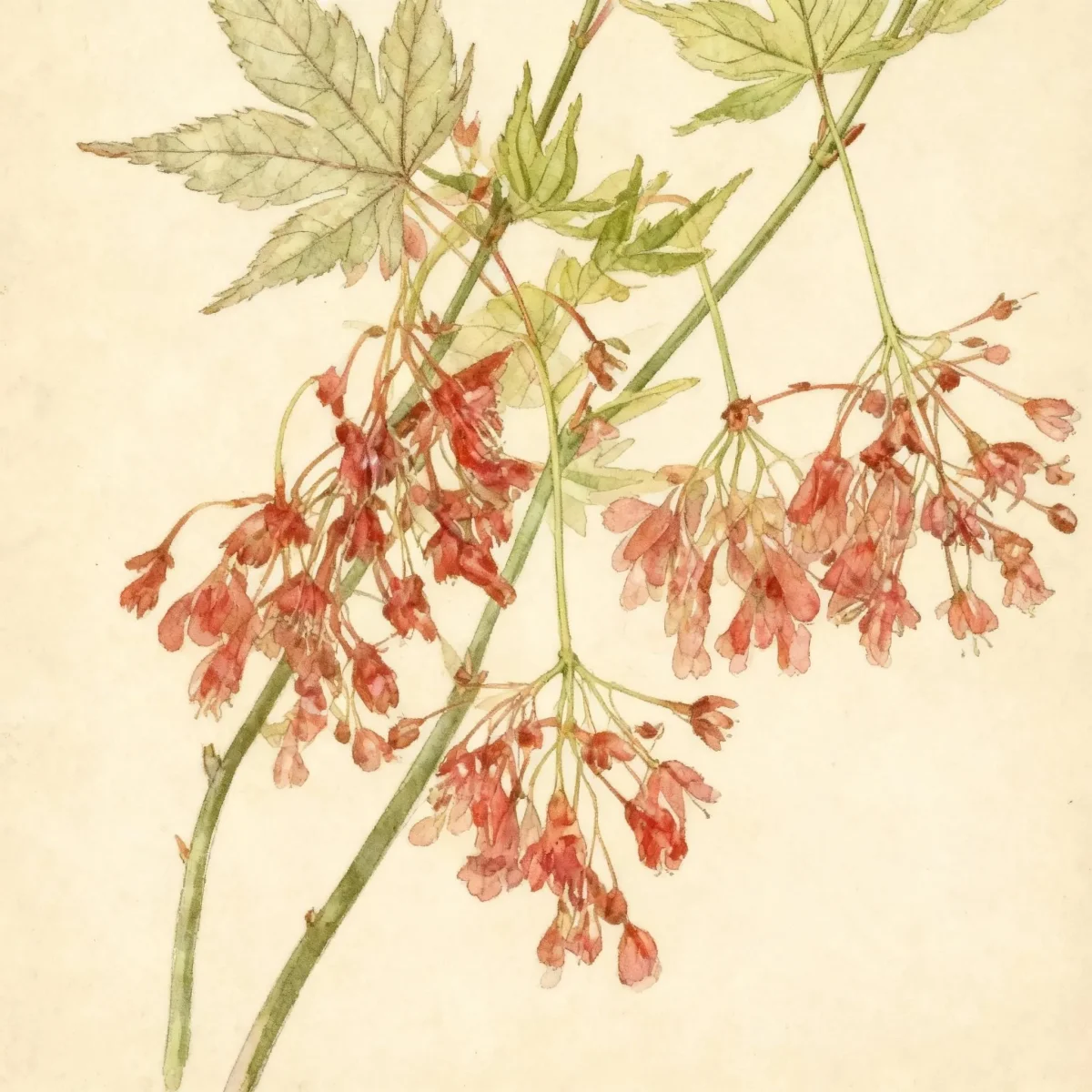
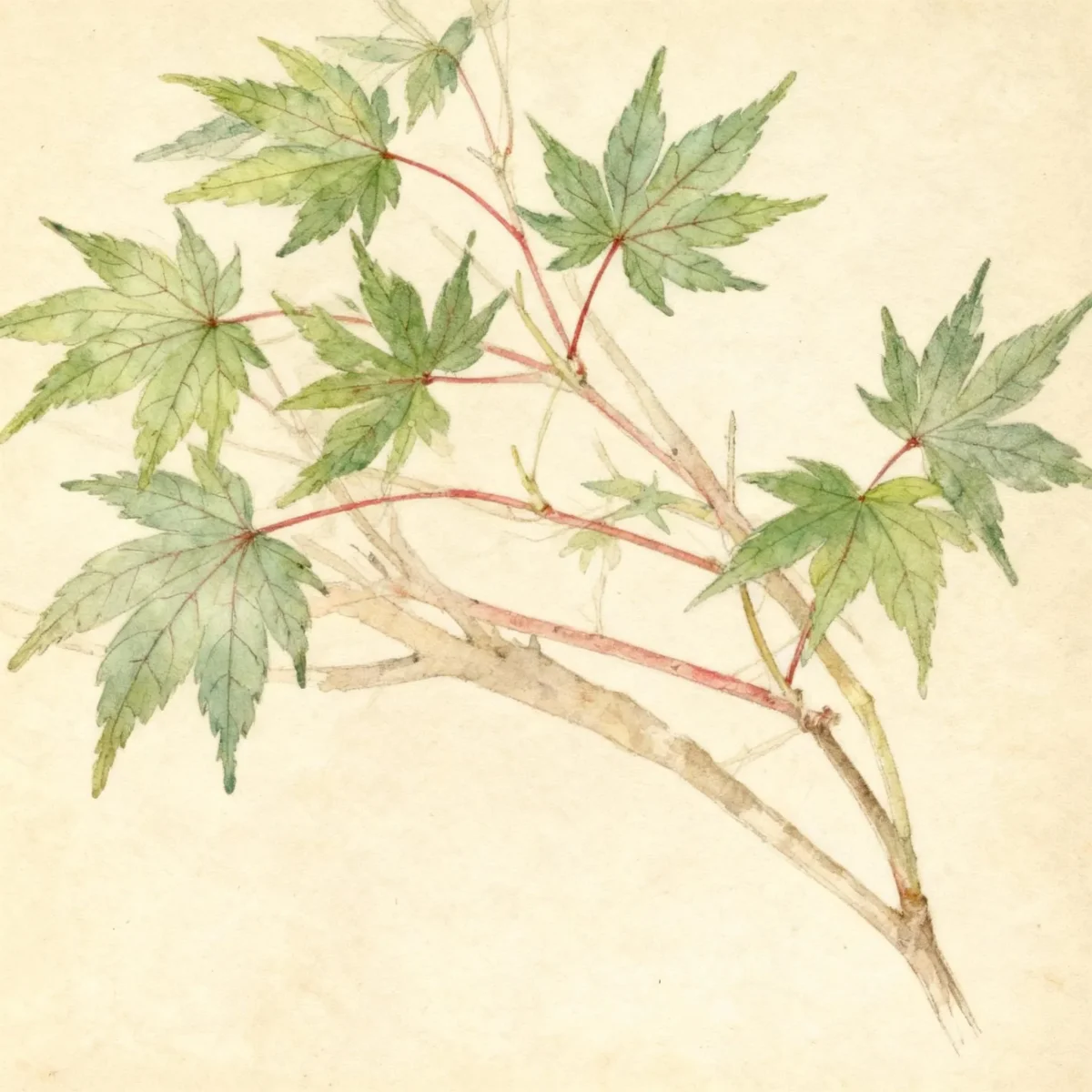
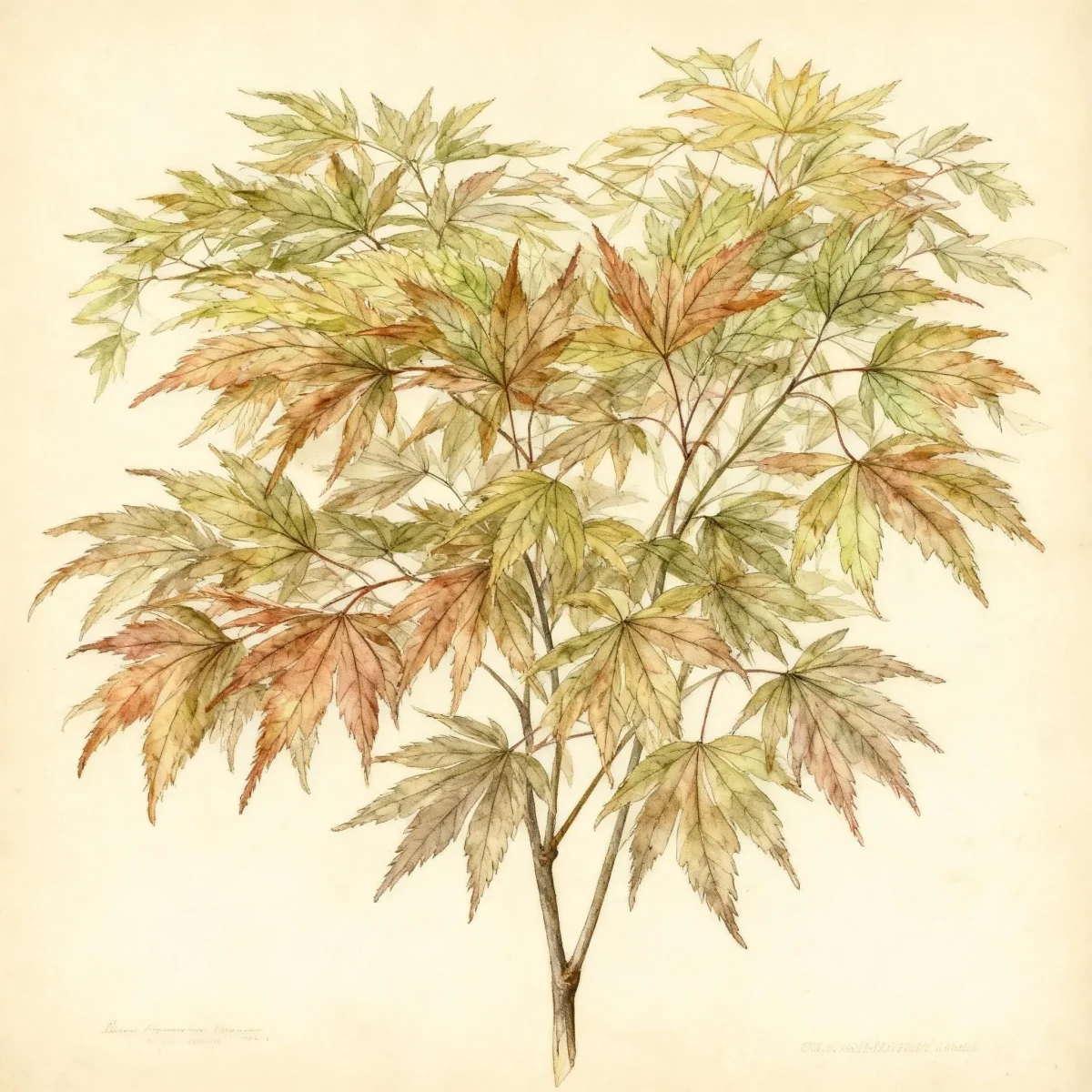
Selecting appropriate companions helps enhance the aesthetics and health of your Katsura tree. Because Cercidiphyllum japonicum prefers rich, moist soil, pair it with other woodland-edge plants that share similar cultural demands, such as certain Japanese Maples (Acer palmatum cultivars) or Hostas (Hosta species) in the understory where light permits. Avoid planting shallow-rooted, aggressive groundcovers directly against the base, as these can compete heavily for the surface moisture that the young Katsura tree requires.
Seasonal Care Calendar
Early spring preparation involves ensuring the soil around your Cercidiphyllum japonicum is clear of debris and applying a fresh layer of mulch without piling it against the trunk flare—this helps conserve critical moisture. Summer care focuses almost entirely on diligent watering until the tree is fully established, aiming for deep saturation when the top few inches of soil feel dry. In the fall, enjoy the spectacular gold to red leaf display and the characteristic fragrance as the leaves drop naturally, requiring very little cleanup beyond standard raking.