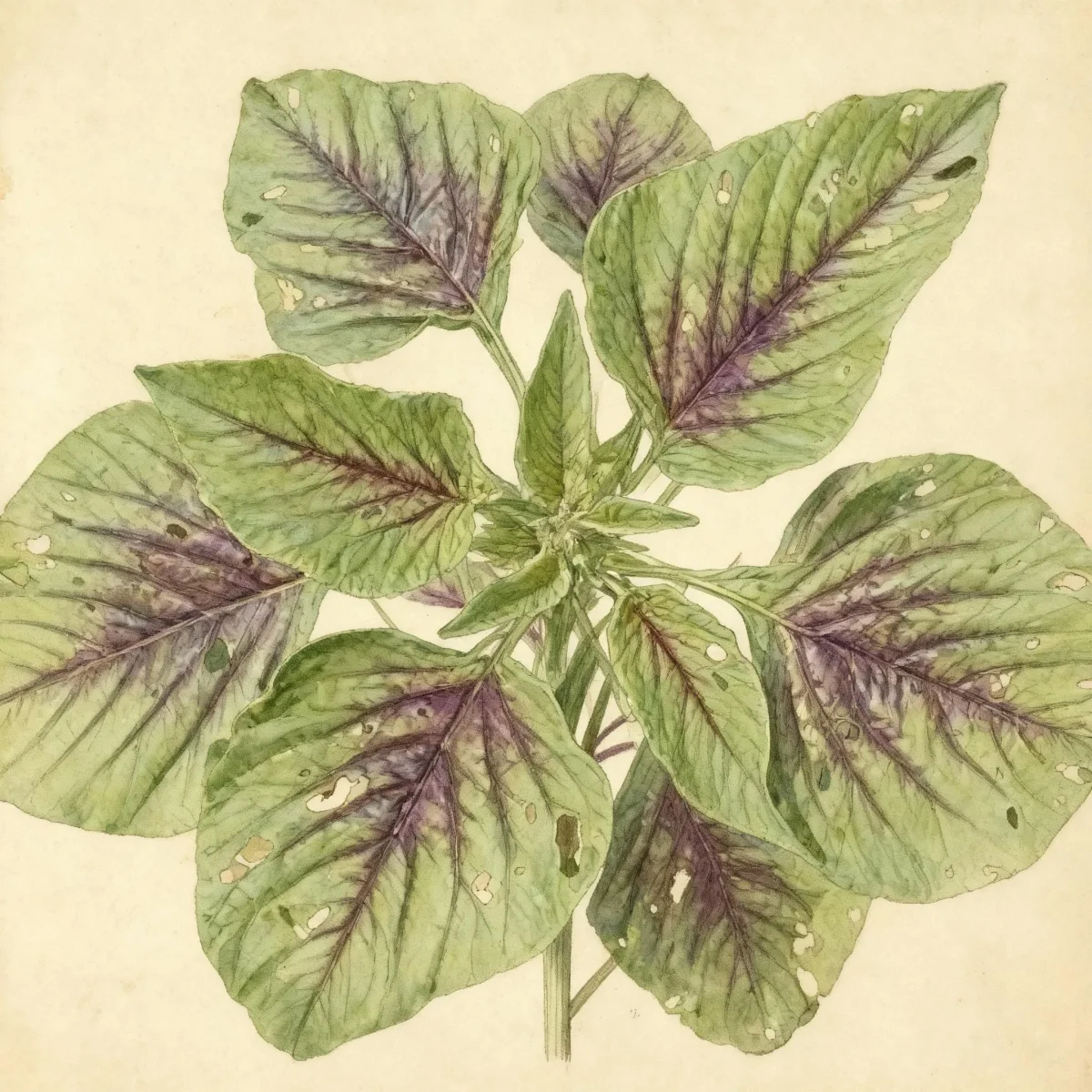
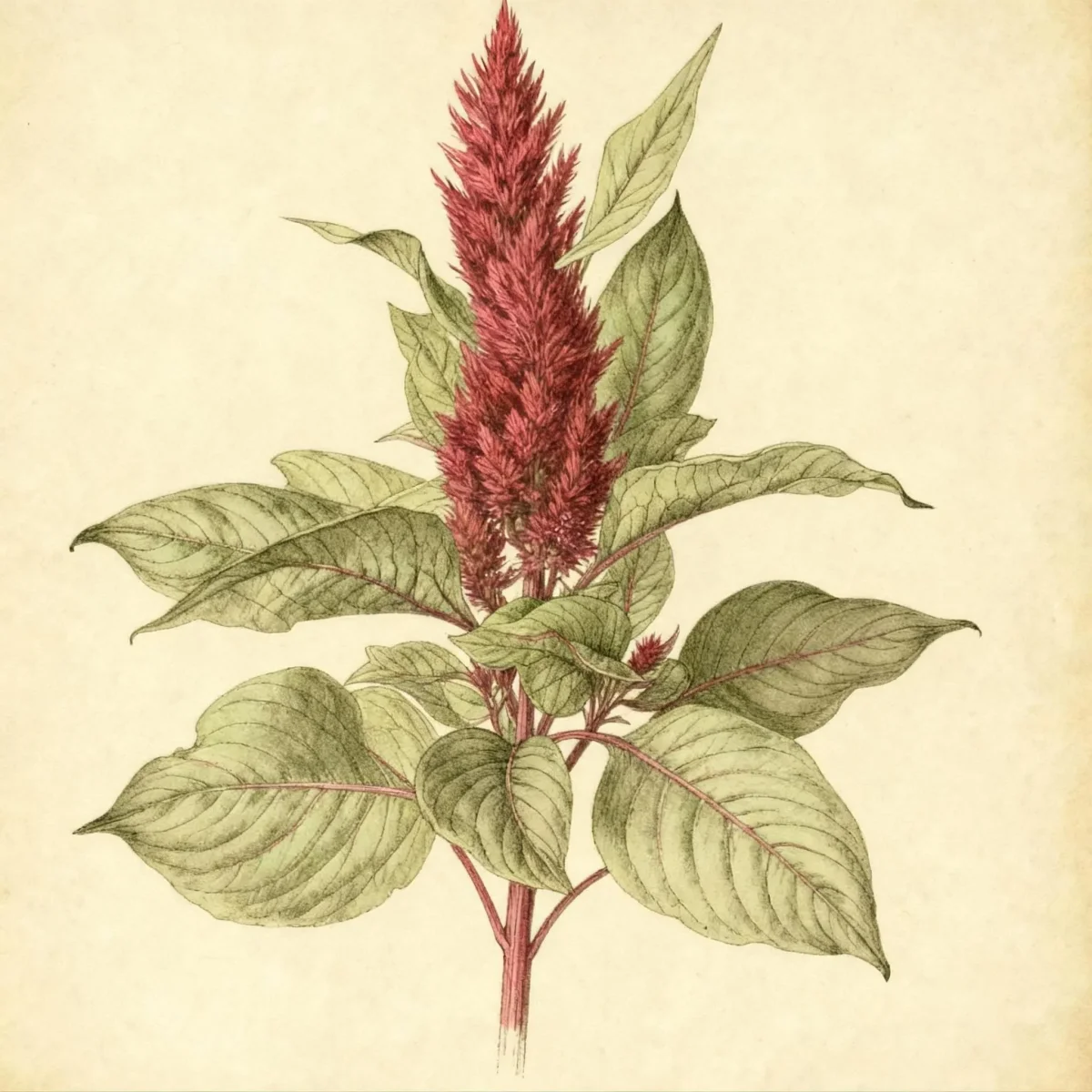
Quinoa (Chenopodium quinoa)
Chenopodium quinoa is a highly nutritious annual grain crop, native to South America, valued for protein-rich seeds and low maintenance requirements.
Scroll down to discover growing tips, care requirements, companion plants, and more
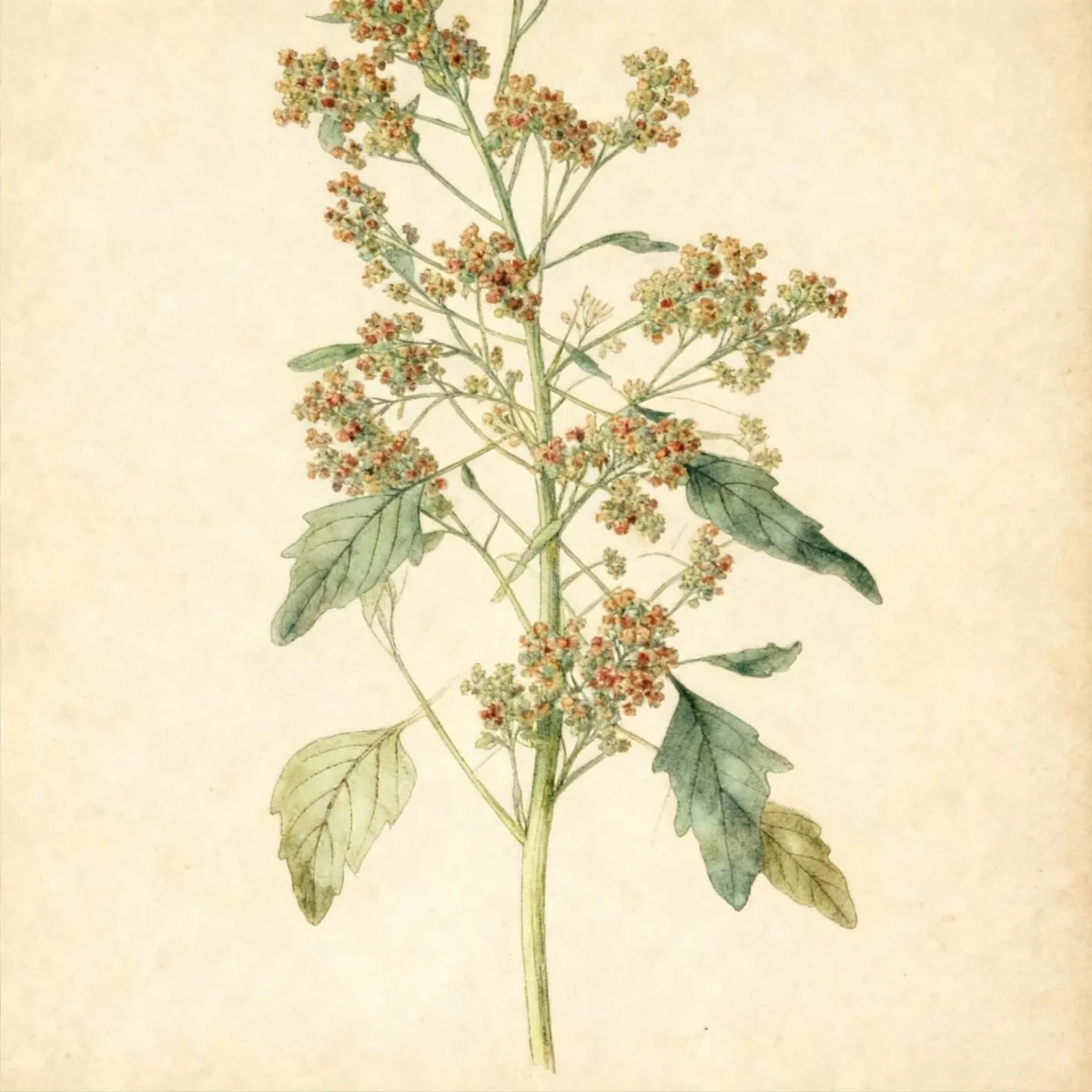
Complete Plant Information
Overview
Chenopodium quinoa, widely known simply as Quinoa, is a fascinating herbaceous annual prized globally not for its flowers, but for its tiny, nutrient-dense seeds. This ‘mother grain’ of the Incas offers gardeners an opportunity to harvest a pseudocereal that serves as a complete protein source, setting it apart from standard cereal crops. While it is generally lacking in strong ornamental interest, its cultural significance and high nutritional profile make Chenopodium quinoa a valuable addition to the kitchen garden.
As an ancient staple from the Andes Mountains, Quinoa thrives best when grown in cool, dry, upland conditions. Gardeners should note that high temperatures can inhibit seed production, making temperate summers ideal for successful grain harvest. This species requires relatively little attention once established, exhibiting low maintenance needs and tolerance for marginal soils.
Cultivating Chenopodium quinoa allows amateurs to produce a functional food crop that can be used like rice or ground into flour. The plant produces medium green leaves that are occasionally used as a cooked vegetable, supporting its role as a dual-purpose annual in the vegetable patch.
Fast Facts
- Plant Family: Amaranthaceae
- Plant Type: Annual
- Native Range: South America
- Hardiness Zones: USDA Zones 2-11
- Size at Maturity:
- Height: 2-2.5 ft
- Spread: 1-1.5 ft
- Bloom Time: Flowers not showy
- Bloom Description: Greenish
- Sun Exposure: Full sun
- Water Needs: Medium
- Maintenance Level: Low
How to Grow
To successfully grow Chenopodium quinoa, select a site that offers full sun exposure. The success of your Quinoa yield largely depends on climate; this crop prefers cool, dry, upland conditions. Plant seeds after the danger of frost has passed, ensuring they are placed in dry to medium well-drained soils. Quinoa is quite tolerant of sandy or marginal soils, reflecting its origins in challenging mountain environments. High temperatures during the flowering and seed-setting stages can lead to failure in seed production, so monitor the forecast closely.
Watering should be consistent but moderate, adhering to its “medium” water needs. Avoid overly wet conditions, which can foster disease or rot, especially since the plant prefers dry soils generally. Fertilization is usually unnecessary given its tolerance for poor soil, allowing it to remain a low-maintenance crop throughout the growing season. Keep an eye out for weeds when the plants are young, as competition can stunt growth, but the developing Chenopodium quinoa eventually outcompetes many common garden pests.
Although Chenopodium quinoa is highly adaptable, remember its native elevation often exceeds 8,000 feet. If you garden in areas prone to intense, prolonged summer heat, consider planting early for a September harvest or providing light afternoon shade to mitigate heat stress that prevents seed set.
Landscape Uses
While the description notes this plant is “generally lacking in ornamental interest,” its vertical structure and the potential color change of fruits in the fall offer subtle textural accents suitable for functional spaces. Quinoa works well utilized as an annual planted at the rear of borders where its height (up to 2.5 feet) can provide a backdrop for shorter vegetables or herbs.
It is primarily recommended for vegetable gardens or herb gardens where its edible components—both leaves and grain—can be easily accessed. Consider growing Chenopodium quinoa in large containers if your soil tends to be heavy or poorly draining, allowing you better control over moisture and soil composition for optimal seed development. As a grain crop, interplanting with other low-growing, sun-loving vegetables maintains good airflow and maximizes space efficiency.
Standout Features
Noteworthy Characteristics
Chenopodium quinoa, commonly known as quinoa, is an herbaceous annual of the goosefoot family that is native to the Andes Mountains in South America. Although its spinach-like leaves are sometimes eaten as a raw or cooked leaf vegetable, this plant is primarily grown today as a grain crop for harvest in the fall of its tiny edible seeds. Quinoa is classified as a pseudocereal because it is not a true grass, and its seeds provide a complete protein source, making it notably nutrient-rich.
Tolerances
- Tolerant of marginal soils
Potential Problems
Chenopodium quinoa generally faces no known serious insect or disease problems, making it exceptionally robust for a food crop. However, when grown in the eastern U.S., gardeners should be aware that the plant remains susceptible to leaf miner damage. Monitoring leaves regularly for small, winding tunnels left by the larvae is the best preventative measure; standard organic controls for miners can be applied if infestation becomes severe.
Frequently Asked Questions
What hardiness zones is Quinoa suitable for?
Quinoa is suitable for a wide range of climates, thriving in USDA Zones 2 through 11.
How large does Chenopodium quinoa grow?
This annual typically reaches a height between 2 and 2.5 feet, with a spread of 1 to 1.5 feet at maturity.
What sun exposure does Quinoa need?
The best results for Chenopodium quinoa cultivation are achieved when the plant receives full sun conditions throughout the day.
When does Quinoa bloom?
Quinoa produces flowers that are not showy, appearing greenish during the summer months.
Conclusion
Chenopodium quinoa remains a highly rewarding plant for the adventurous gardener, offering both edible greens and a significant yield of complete protein from its seeds. Its low maintenance demands and adaptability to marginal soils simplify cultivation, though gardeners in hot regions must manage excessive summer heat to ensure a successful seed harvest of this valuable Quinoa. Plan your planting schedule around cooler summers for the best results.
Companion Planting
Companion planting with Chenopodium quinoa should focus on maintaining good air circulation and discouraging potential pests like leaf miners while respecting its need for cool, well-drained soil. Since Quinoa is relatively short and upright, pair it with taller, deeply rooted vegetables that don’t compete aggressively for surface nutrients, such as determinate tomatoes or bush beans planted slightly further away. Avoid planting with other crops in the Amaranthaceae family to reduce the risk of concentrating soil-borne issues if they were to arise.
Container Growing
Due to its slight tendency to look weedy and its height, container growing presents a good method for better control over the environment, especially for gardeners seeking to protect the crop from high heat stress. Use a planter that offers significant vertical space, at least 18-24 inches deep, to accommodate the root system. Because Quinoa prefers dry, well-drained soil, opt for high-quality potting mix amended with extra perlite or coarse sand to ensure rapid drainage. Consistent, medium watering keeps the soil evenly moist but never waterlogged, which is crucial for seed development in a container setting.