Rock rose (Helianthemum nummularium subsp. grandiflorum)
Discover Rock rose (Helianthemum nummularium subsp. grandiflorum), a low-growing perennial for dry, sunny rock gardens. Features evergreen foliage and golden blooms.
Scroll down to discover growing tips, care requirements, companion plants, and more
Complete Plant Information
Overview
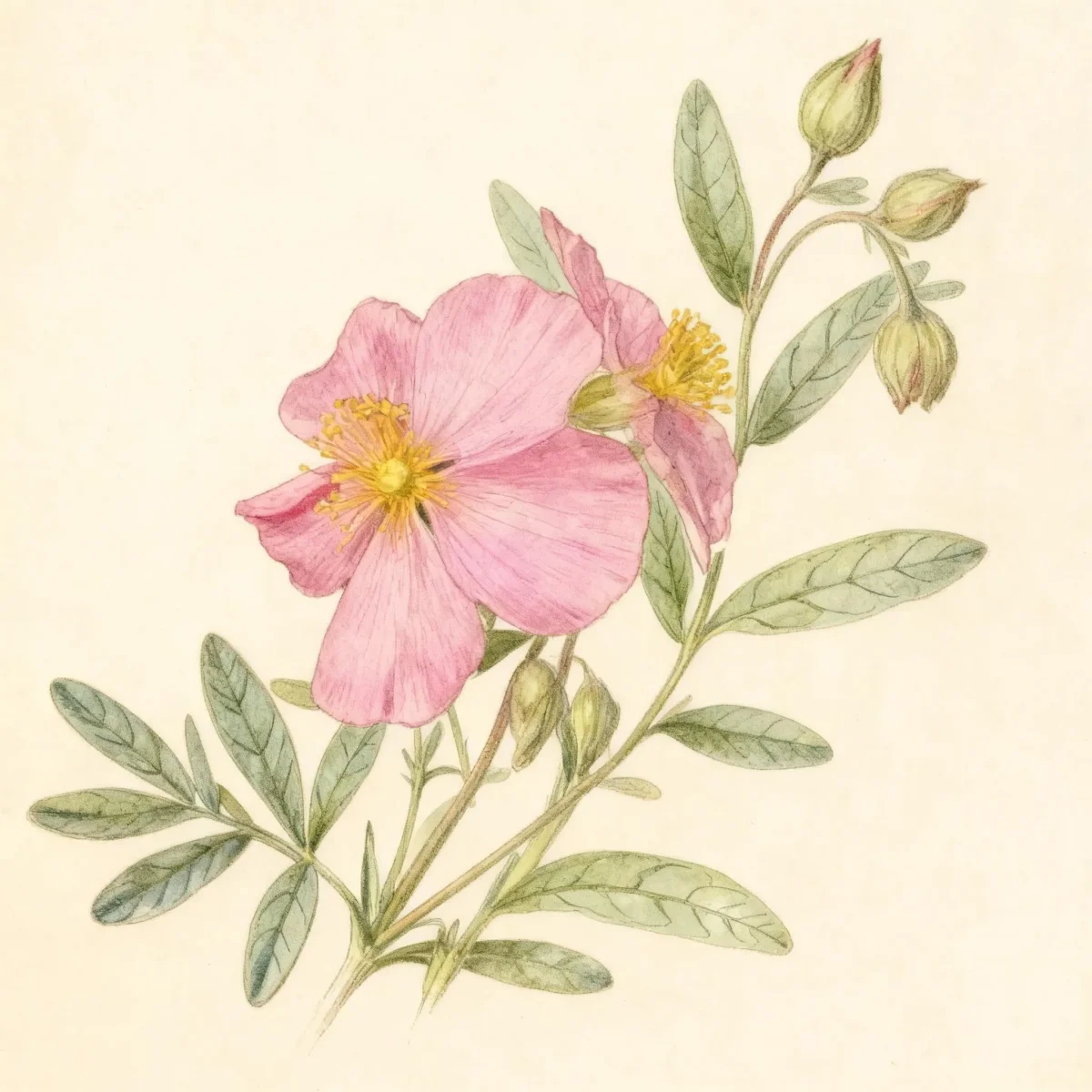
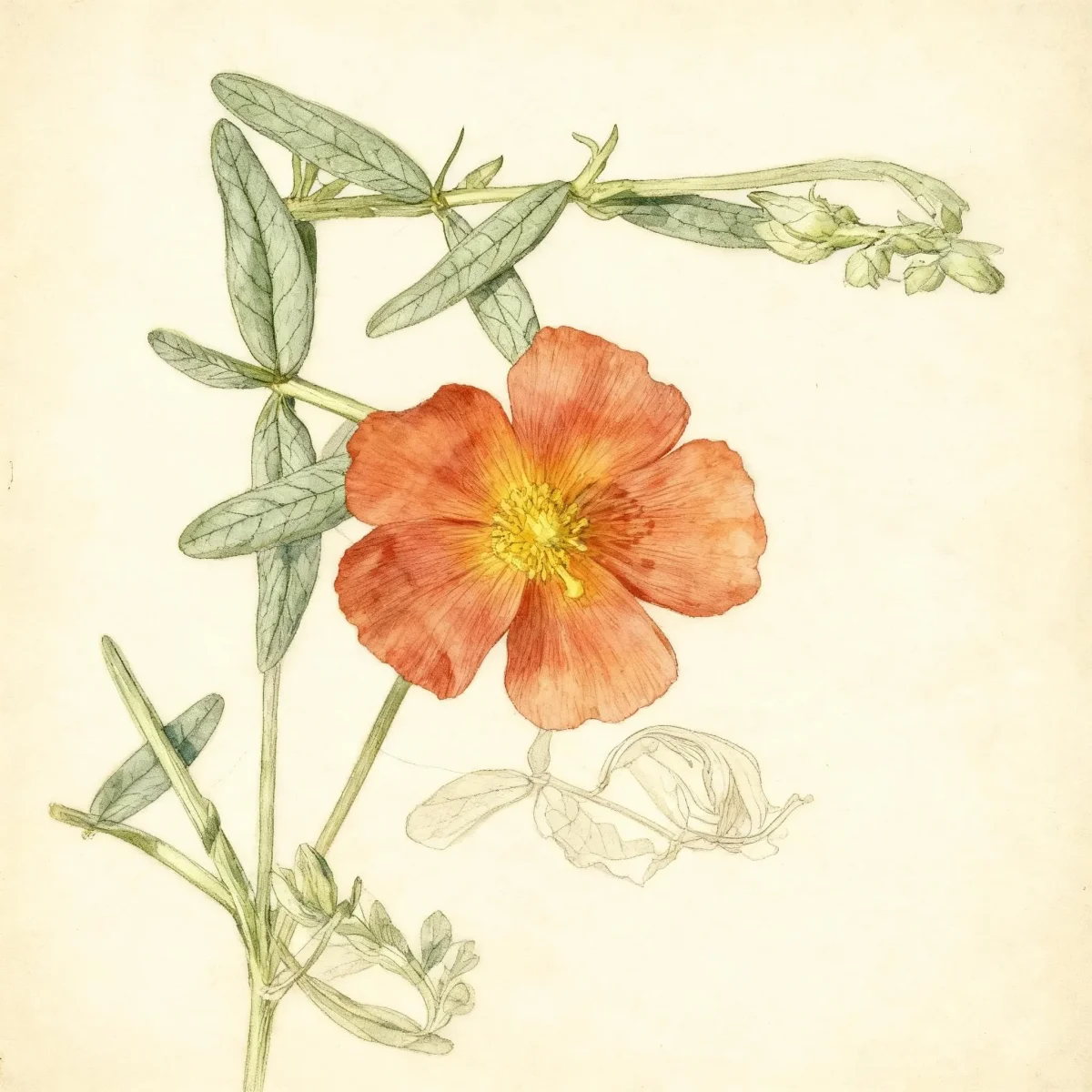
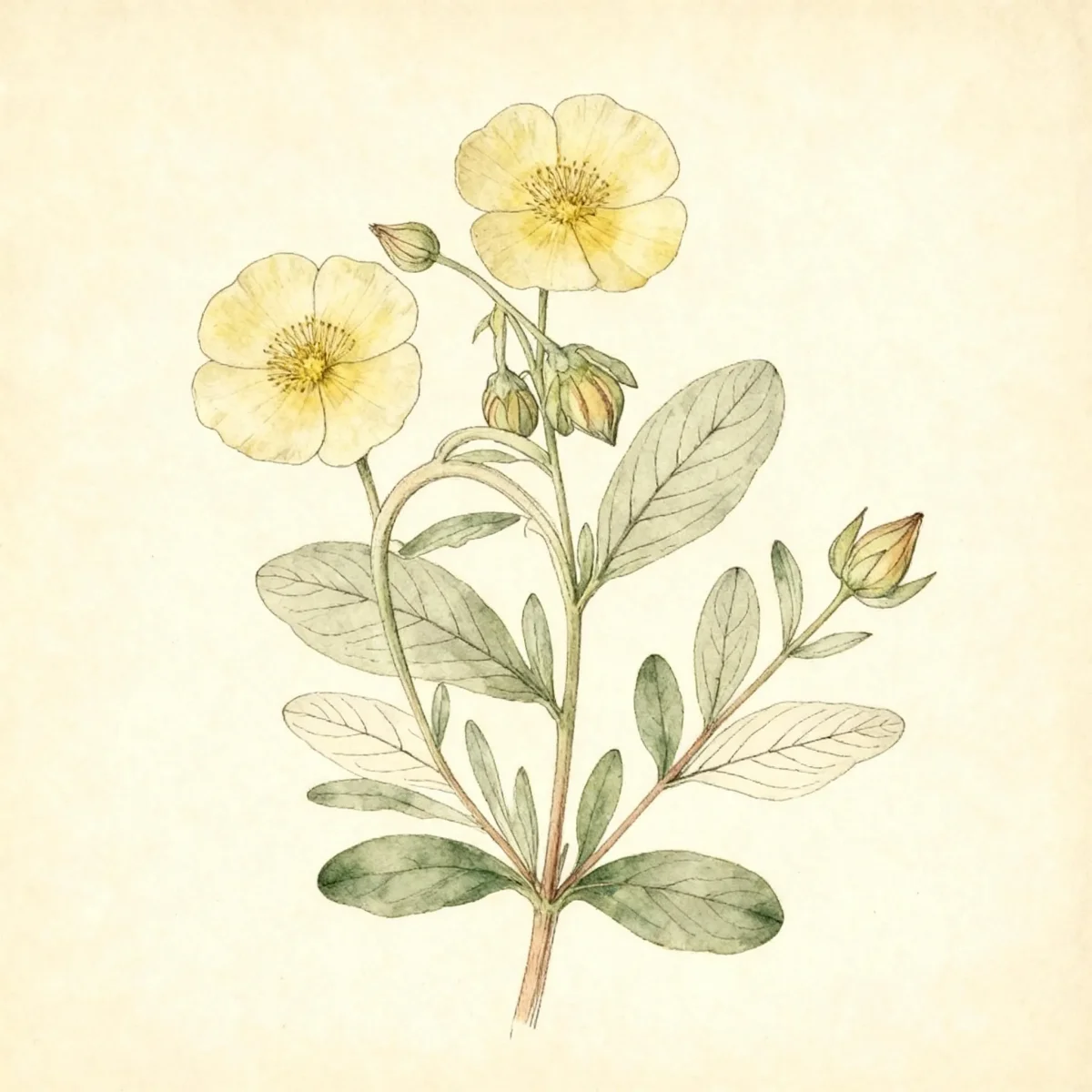
Helianthemum nummularium subsp. grandiflorum, widely known as Rock rose, is a highly valued, low-growing, woody-stemmed plant perfect for adding resilient texture and color to sunny, demanding locations. This subspecies is celebrated for producing slightly larger, vivid golden-yellow to orange flowers compared to the straight species. As an evergreen ground cover, it offers year-round visual interest, quickly spreading to suppress weeds while maximizing the brilliance of its bloom display.
When planted in ideal conditions, the profusion of flowers from the Rock rose can temporarily obscure the foliage during late spring and early summer. Its native habitat in the alpine regions of Central and Southeastern Europe dictates a strong preference for dryness and excellent drainage. Successfully cultivating Helianthemum nummularium subsp. Grandiflorum relies heavily on mimicking these harsh, well-drained environments.
This plant provides excellent functional aesthetics, especially when tumbling over retaining walls or softening the edges of xeriscaped beds. Gardeners seeking tough, sun-loving perennials that thrive on neglect once established will find the Rock rose an indispensable feature in dry borders and rock gardens.
Fast Facts
- Plant Family: Cistaceae
- Plant Type: Herbaceous perennial
- Native Range: Central and southeastern Europe
- Hardiness Zones: USDA Zones 6-8
- Size at Maturity:
- Height: 0.5-1 ft
- Spread: 1-3 ft
- Bloom Time: May to June
- Bloom Description: Yellow
- Sun Exposure: Full sun
- Water Needs: Dry
- Maintenance Level: Medium
How to Grow
The ideal location for planting Rock rose is a site receiving full sun exposure throughout the day. Establishment requires dry, alkaline, rocky or sandy soils with excellent internal drainage; rot is a significant issue in wet media. Space plants 2-3 feet apart if intending to use them primarily as an effective ground cover to allow adequate spread.
Watering should be minimal, especially after the plant is established. This species naturally tolerates drought conditions, making it suitable for low-water landscapes. Fertilization is usually unnecessary; excess richness can lead to weak, overly lush growth that is more susceptible to moisture-related issues.
Maintenance for Helianthemum nummularium subsp. grandiflorum is straightforward. Shear the plants lightly immediately after the main flowering period to maintain a tight, attractive shape and encourage potential re-bloom. While the foliage is evergreen, be aware that it is not always reliably hardy below Zone 6; in cooler regions (like Zone 5), providing a protective winter mulch, such as a layer of evergreen boughs, is recommended. Plants favor cool summers and warm winters.
Landscape Uses
The sprawling habit of the Rock rose makes it exceptionally well-suited for roles requiring excellent vertical coverage combined with drought tolerance. It excels as a naturalizing element in wilder edges of the garden or integrated into traditional rock gardens where its roots can anchor into crevices. Its arching stems effectively spill over stone walls, creating a beautiful, softening effect that highlights masonry.
Use Helianthemum nummularium subsp. grandiflorum in the foreground of mixed borders where its low profile will not obscure taller companions, or mass plant it across dry, sloping ground that might be difficult to irrigate regularly. Because it requires such sharp drainage, pair it with other Mediterranean or Alpine plants that share similar xerophytic needs, such as Thyme, Sedums, or certain low-growing ornamental grasses.
Its ability to thrive in poor, well-drained conditions ensures that the Rock rose remains a vibrant splash of golden color through early summer without demanding rich organic matter. This tough constitution makes it highly practical for areas subject to high heat and intense reflected light.
Standout Features
Flower Qualities
- Showy
Noteworthy Characteristics
Helianthemum nummularium, commonly called sun rose, is a low-growing, woody-stemmed, shrub-like plant with evergreen foliage. It typically grows 8-12” tall and spreads by creeping stems to 3’ wide. Subsp. Grandiflorum primarily differs from the straight species by producing slightly larger flowers (grandiflorum meaning with large flower) to 1 1/2” diameter in colors of golden-yellow to orange. Genus name comes from the Greek words helios meaning the sun and anthemon meaning meaning a flower.
Tolerances
- Drought
Potential Problems
This plant generally avoids serious insect pests or diseases, provided cultural requirements are met. The primary threat to Rock rose success is poor drainage, which leads quickly to root and crown rot. Always ensure soil is lean, rocky, or sandy, allowing water to move away rapidly.
If crown rot occurs, plants often collapse suddenly or become sickly seemingly overnight. Prevention is wholly dependent on selecting the correct, gritty soil media and avoiding overwatering, especially during humid periods or in the late autumn when the plant is preparing for dormancy.
Frequently Asked Questions
What hardiness zones is Rock rose suitable for?
Helianthemum nummularium subsp. grandiflorum is reliably hardy in USDA Zones 6 through 8, though winter mulch may be beneficial in the cooler end of this range.
How large does Rock rose grow?
This perennial typically reaches a height between 0.5 to 1 foot tall, spreading outward to cover an area 1 to 3 feet wide.
When does Rock rose bloom?
The bloom time for this plant is generally from May through June, producing striking yellow flowers.
What sun exposure does Rock rose need?
For optimal flowering and robust health, Helianthemum nummularium subsp. grandiflorum absolutely requires full sun exposure.
Conclusion
The Rock rose (Helianthemum nummularium subsp. grandiflorum) offers gardeners a magnificent show of resilient, golden color atop evergreen foliage, thriving where many other perennials fail due to heat or dryness. Its suitability for rockeries and dry slopes makes it a highly functional choice for challenging landscape areas. Before planting your Helianthemum nummularium subsp. Grandiflorum, ensure your intended site offers maximum sun and sharp drainage to guarantee successful, long-term establishment.
Companion Planting
Selecting appropriate companions is key to ensuring the success of this Mediterranean native. Look for other drought-tolerant plants that prefer lean, gritty soil and full sun exposure. Excellent neighbors include various Sedums (stonecrops), creeping Thymes (Thymus species), and hardy varieties of Dianthus, which share similar cultural needs.
Avoid pairing Rock rose with plants that demand rich, moisture-retentive garden loam, as these moisture requirements will invariably lead to root issues for the Helianthemum. The goal is to create a tapestry of low-growing, sun-loving textures that require minimal supplementary watering once they are mature.
Design Ideas for Slopes
Helianthemum nummularium subsp. grandiflorum is inherently useful for stabilizing dry, exposed slopes due to its creeping growth habit and fibrous root system. Planting in sweeping drifts across eroded areas can effectively reduce runoff and erosion while providing vibrant color. When used on retaining walls, allow the stems to dangle freely over the edges to soften harsh lines.
For a true alpine look, group the Rock rose with low-growing ornamental grasses that have fine, airy textures, contrasting nicely with the denser, woody structure of the Helianthemum. Ensure that overhead sun penetration is not blocked by taller, more aggressive neighboring plants.