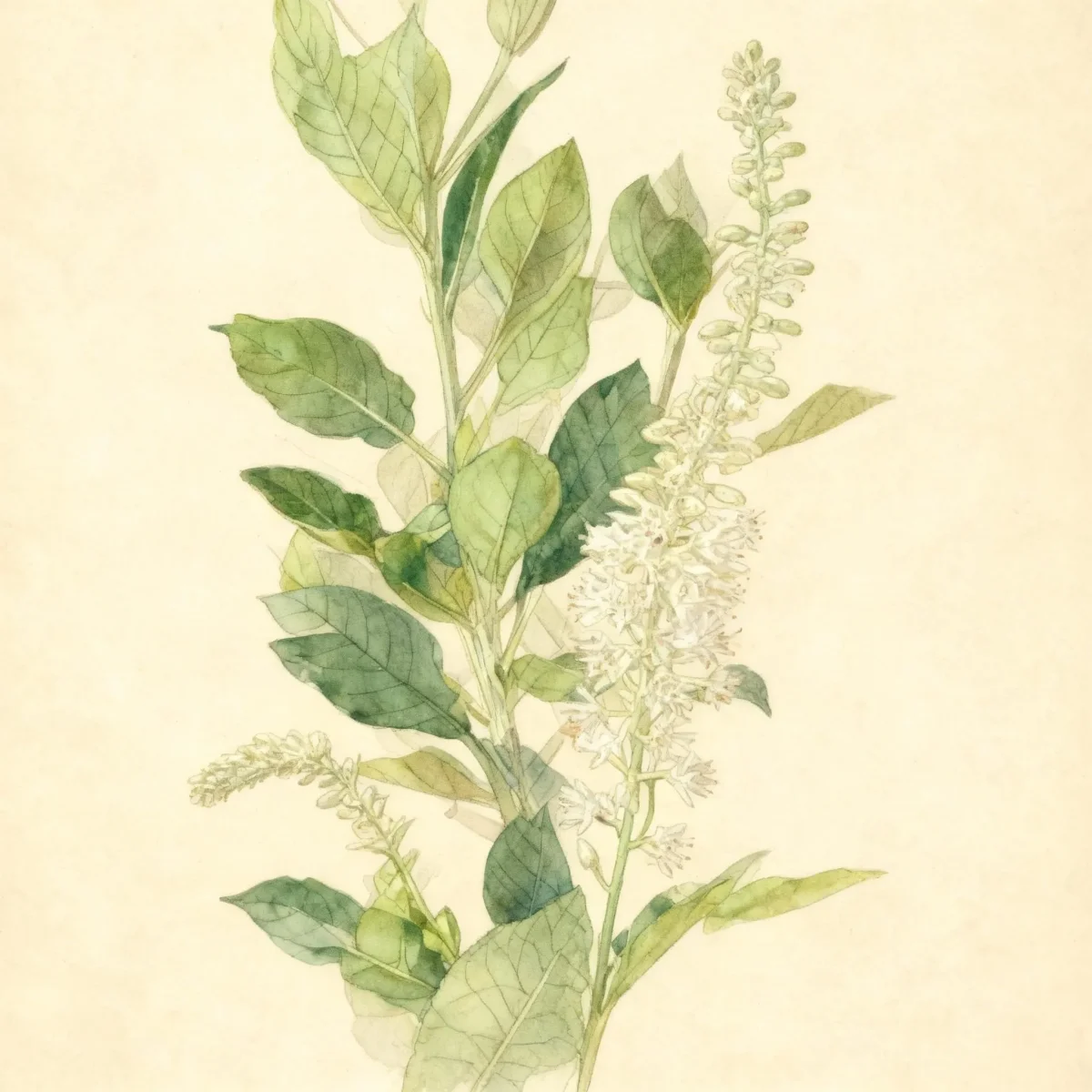
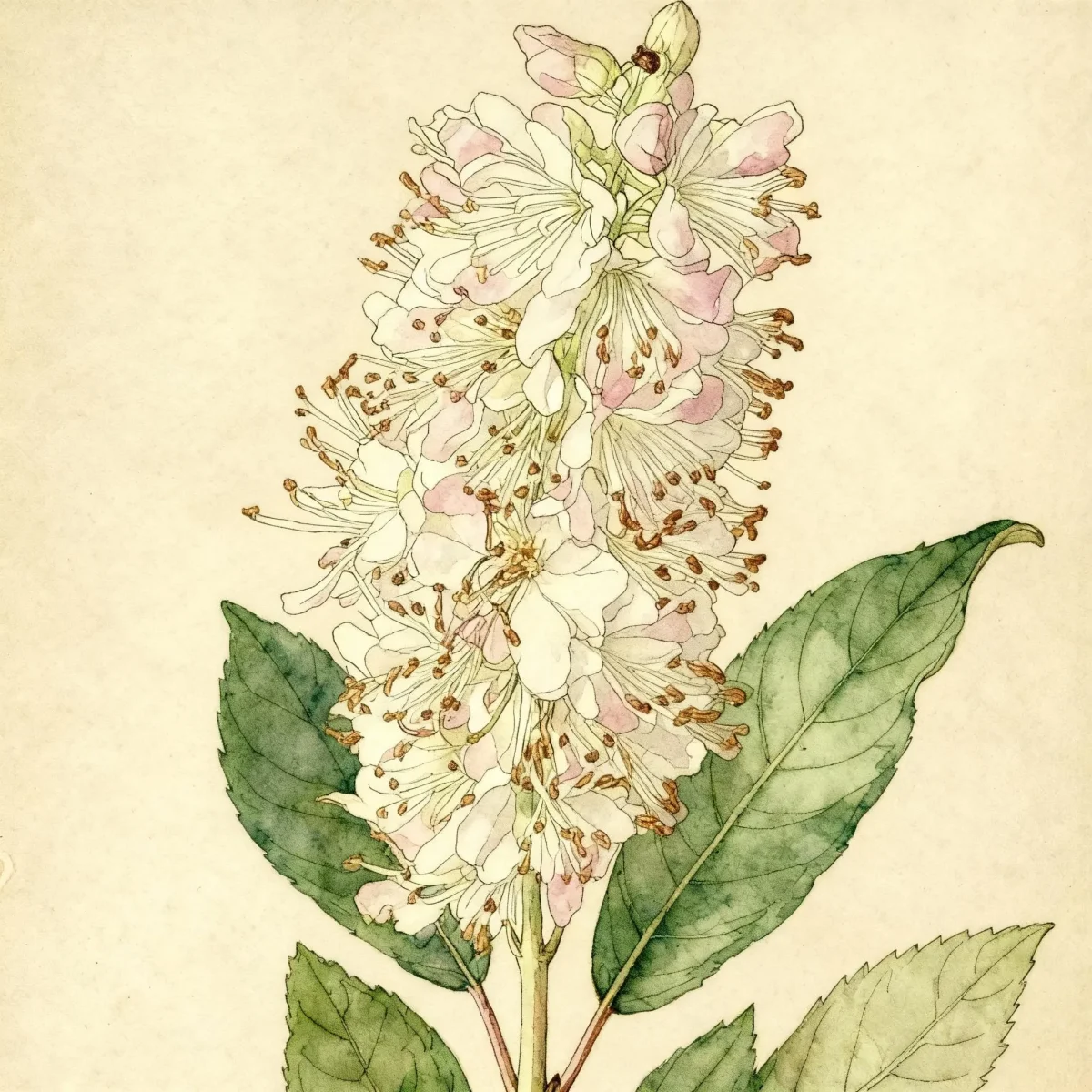
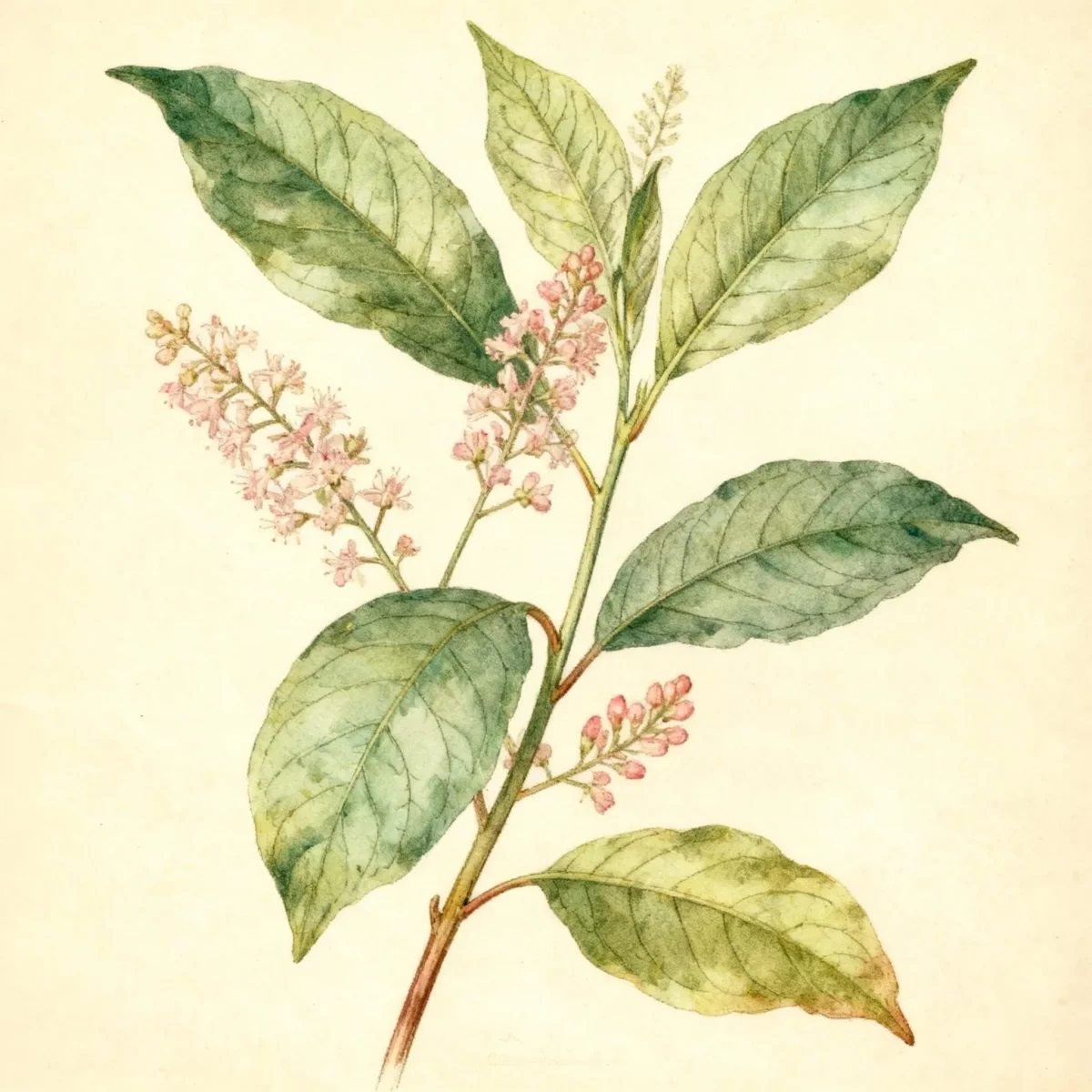
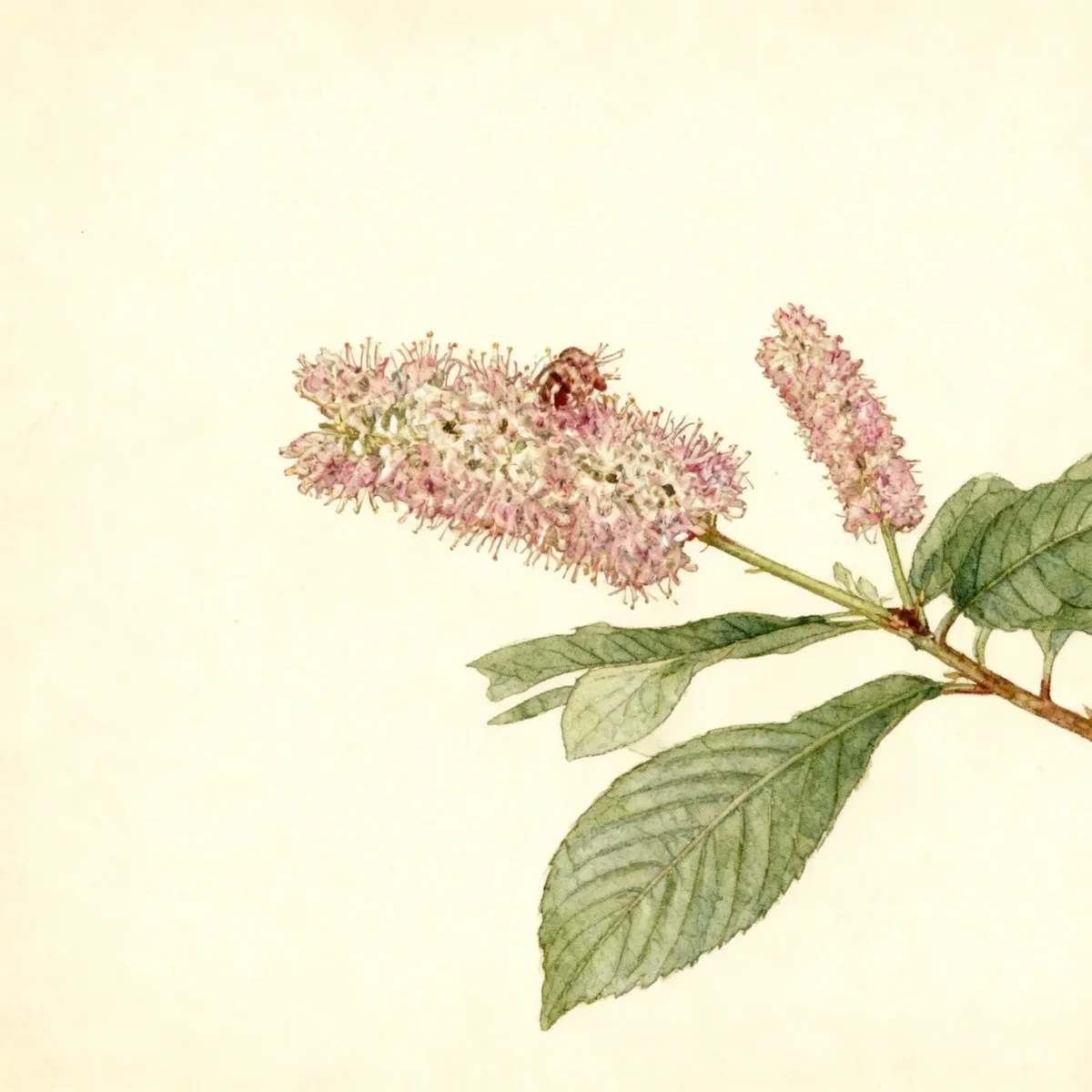
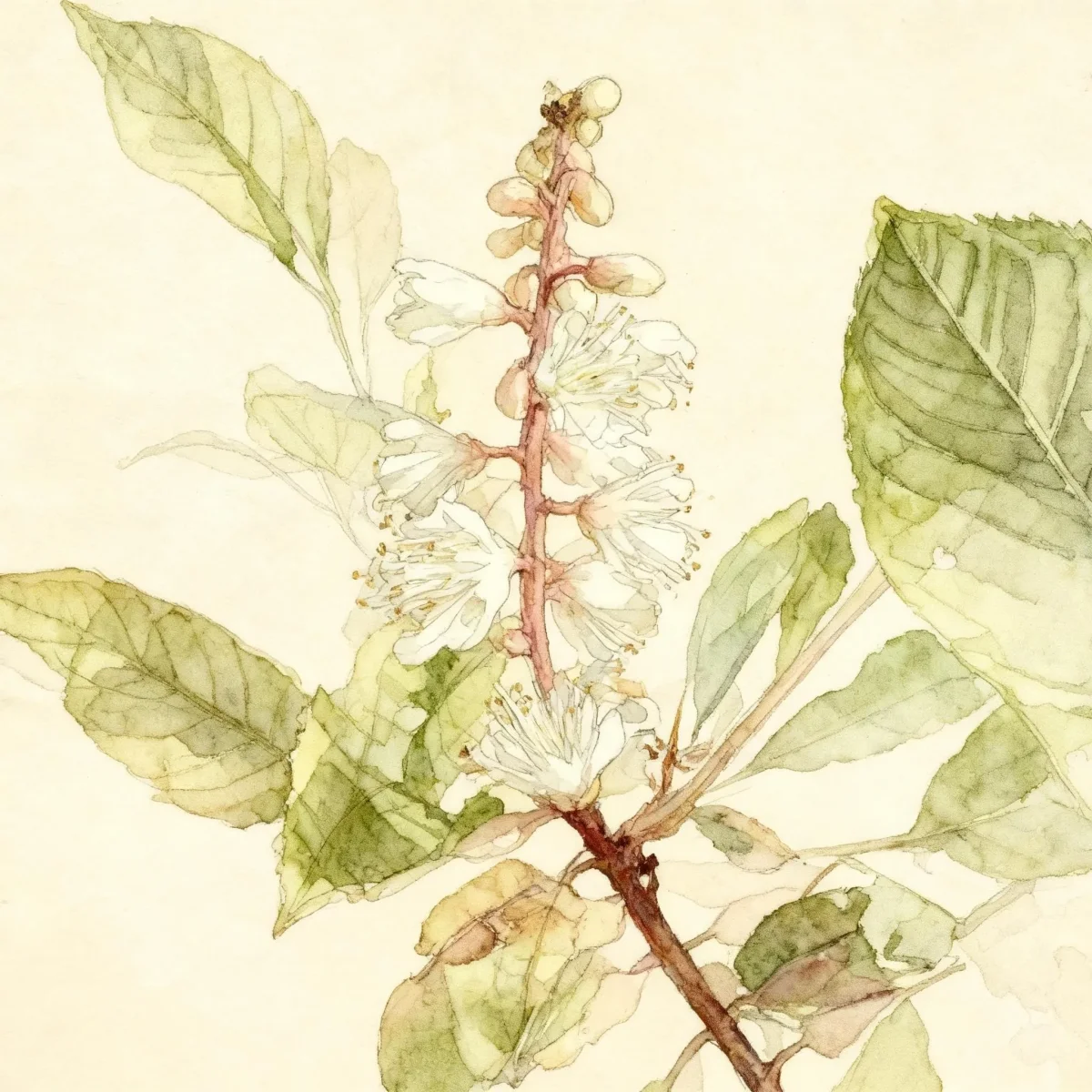
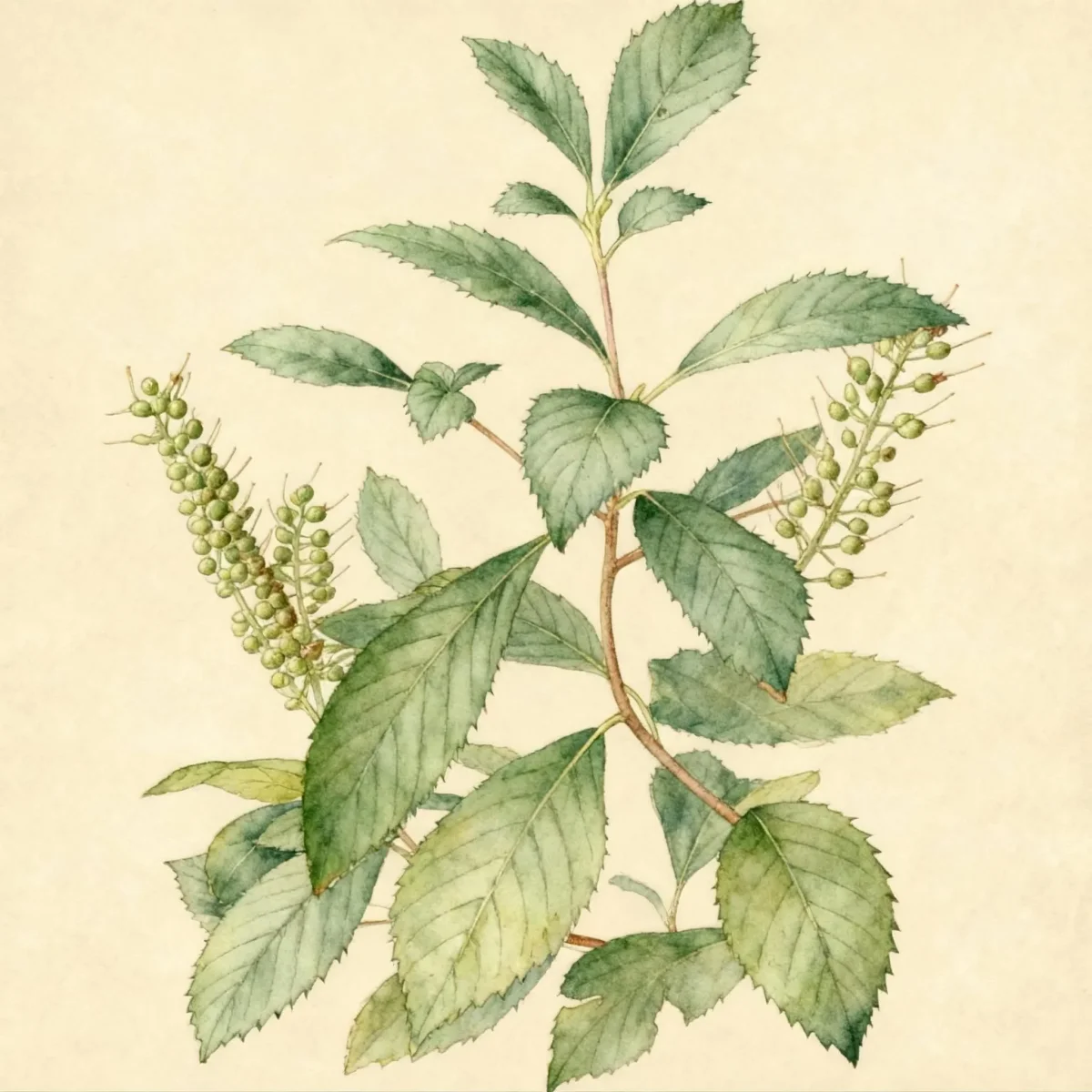
Sweet pepperbush (Clethra alnifolia)
Discover Sweet pepperbush (Clethra alnifolia), a low-maintenance deciduous shrub offering fragrant white summer blooms attractive to pollinators.
Scroll down to discover growing tips, care requirements, companion plants, and more
Complete Plant Information
Overview
Sweet pepperbush, scientifically known as Clethra alnifolia, is a premier native shrub highly valued for its exceptional performance late in the growing season. This deciduous shrub brings abundant, sweetly fragrant white flowers to the garden in July and August, offering a critical late nectar source for pollinators when few other shrubs are blooming. Its resilience and attractiveness make Clethra alnifolia a gardener favorite for tough spots.
Native to swampy woodlands and stream banks across eastern and southern North America, this plant thrives in moisture and is incredibly adaptable. It forms a rounded, densely branched habit, providing good structure even before the flowers emerge. Beyond its aesthetic appeal, the glossy green foliage turns attractive shades of yellow or gold in the fall, extending its seasonal interest.
The low maintenance requirement combined with its ability to tolerate challenging conditions, including heavy shade and wet soil, establishes Clethra alnifolia as a versatile workhorse in the landscape. Whether used in naturalized settings or formal borders, Sweet pepperbush delivers reliable color and perfume.
Fast Facts
- Plant Family: Clethraceae
- Plant Type: Deciduous shrub
- Native Range: Eastern and southern North America
- Hardiness Zones: USDA Zones 3-9
- Size at Maturity:
- Height: 3-8 ft
- Spread: 4-6 ft
- Bloom Time: July to August
- Bloom Description: White
- Sun Exposure: Full sun to part shade
- Water Needs: Medium to wet
- Maintenance Level: Low
How to Grow
Plant Clethra alnifolia during the spring or fall, ensuring it is placed in a location receiving full sun to part shade, though it appreciates afternoon shade in hotter climates. The most crucial requirement for success is consistent moisture; this shrub is easily grown in average, medium to wet soils. It prefers acidic, sandy soils but exhibits high adaptability, tolerating clay soils and even full shade conditions, though performance may diminish slightly in deep shade.
Watering needs are medium to wet, and the soil should never be allowed to completely dry out, especially when the plant is young. Fertilizing is rarely necessary due to its adaptable native habitat. Pruning is generally minimal, only required if shaping is desired, and should be executed in late winter before new growth begins.
A key management consideration is suckering. If you prefer a tidy, individual shrub appearance, promptly remove root suckers as they emerge, unless you are deliberately naturalizing the area. Propagation is achievable via cuttings if expanding your planting of this versatile Sweet pepperbush.
Landscape Uses
The late-summer, fragrant display of Clethra alnifolia makes it invaluable for extending the season of interest in borders and foundation plantings. Its tolerance for grouping makes it effective when massed along lawn edges or used as a naturalized feature in woodland gardens or cottage-style settings. Because it thrives in moist areas, it is an outstanding choice for rain gardens or along the periphery of ponds and stream banks, providing sound erosion control where water concentrates.
Consider planting Clethra alnifolia near patios or walkways where its intensely fragrant flowers can be fully appreciated during evening strolls. Though it performs well near water, it is also robust enough for standard shrub borders or shaping into a low, informal screen or hedge. Pair it with other moisture-loving, shade-tolerant companions such as Hydrangeas or native ferns, ensuring the acidic soil preference is met for all nearby selections.
Standout Features
Flower Qualities
- Showy
- Fragrant
Fruit Qualities
- Showy
Noteworthy Characteristics
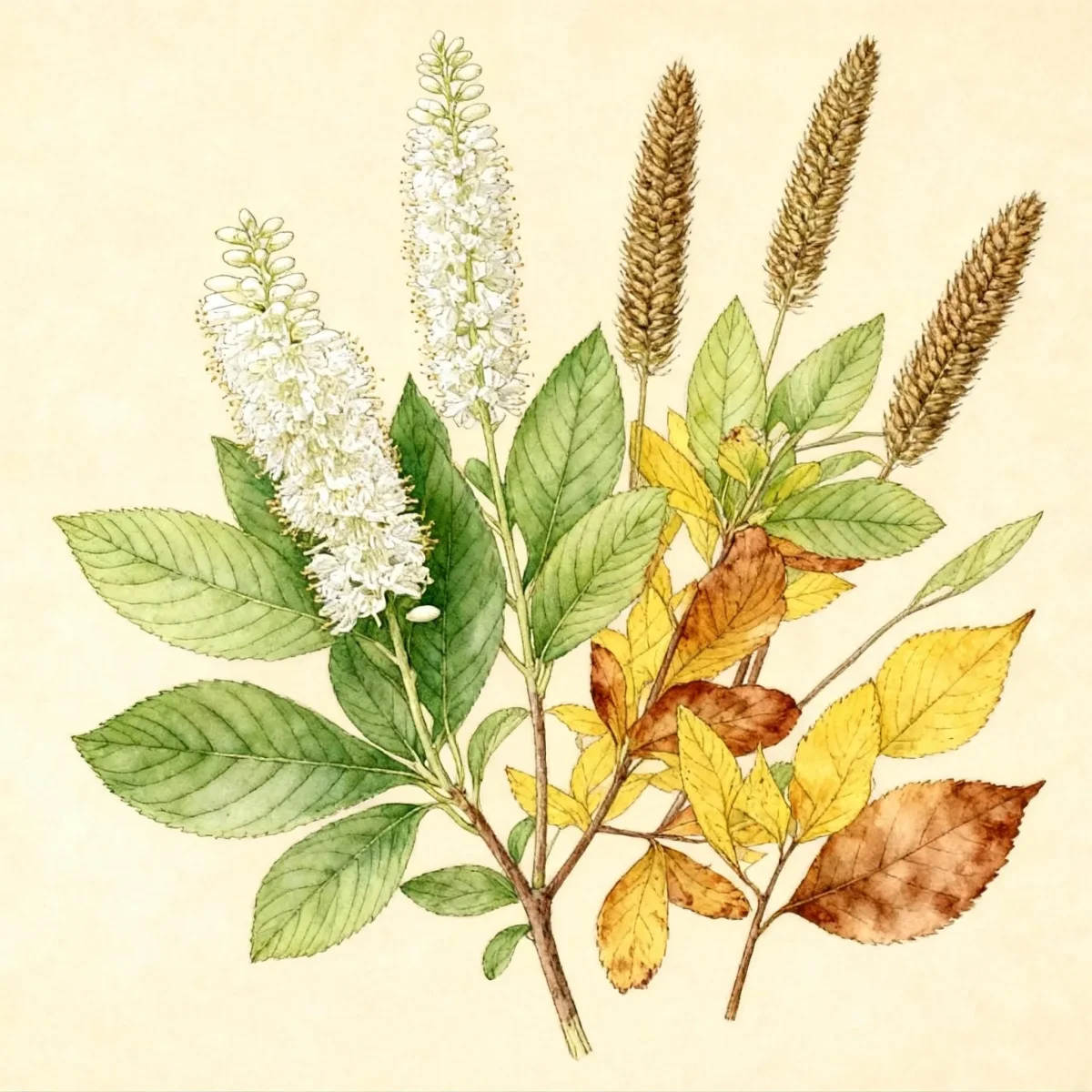
Clethra alnifolia, commonly called summersweet, is a deciduous shrub that is native to swampy woodlands, wet marshes, stream banks and seashores, often in sandy soils, along the coast from Maine to Florida and west to Texas. It is a rounded, suckering, densely-branched, deciduous shrub that typically grows to 3-6’ (less frequently to 8’) tall and is noted for producing a mid to late summer bloom of sweetly fragrant white flowers which appear in narrow, upright panicles (racemes to 2-6” long). The glossy dark green leaves turn attractive shades of yellow to golden brown in fall, adding further seasonal appeal.
Tolerances
- Heavy Shade
- Erosion
- Clay Soil
- Wet Soil
Potential Problems
This shrub enjoys an excellent reputation regarding pest and disease resistance, showing no serious insect or disease problems under normal conditions. Gardeners should remain aware that in dry or stressed conditions, spider mites may occasionally become a concern. Maintaining the consistently moist soil conditions preferred by Clethra alnifolia is the best defense against these minor pests.
Frequently Asked Questions
What hardiness zones is Sweet pepperbush suitable for?
Clethra alnifolia is highly versatile, suitable for USDA Hardiness Zones 3 through 9.
How large does Clethra alnifolia grow?
This shrub typically reaches a height between 3 and 8 feet, with a corresponding spread of 4 to 6 feet at maturity.
What sun exposure does Sweet pepperbush need?
Clethra alnifolia performs in full sun but is particularly valued for its ability to tolerate heavy shade to part shade environments.
When does Clethra alnifolia bloom?
It provides a showy display of fragrant white flowers from July into August.
Conclusion
The value of Sweet pepperbush lies in its unique combination of late-season, potent fragrance and adaptability to difficult soil moisture regimes. Clethra alnifolia is a superb choice for adding reliable color and wildlife benefits to wet or shaded areas of the garden. Before planting, confirm your location falls within USDA Zones 3-9 and ensure you can provide consistent moisture for optimal performance.
Pollinator Magnetism
The blooms of Clethra alnifolia are exceptionally attractive to pollinators, making it an essential plant for ecological gardening efforts. The narrow, upright panicles, loaded with nectar, draw in a wide spectrum of bees, butterflies, and other beneficial insects during the mid-to-late summer lull. Planting Sweet pepperbush near vegetable gardens or seating areas maximizes both your enjoyment of the flowers and the support provided to local insect populations.
Soil Moisture Management
The key to cultivating healthy Clethra alnifolia is understanding its water requirements. While it tolerates wet soil—making it perfect for rain gardens—it must not dry out fully, even when established. In drier, upland garden spots, incorporate ample organic matter, such as compost, to help the soil retain moisture throughout the hot, dry periods of summer. This consistent moisture management prevents stress and discourages potential spider mite issues.