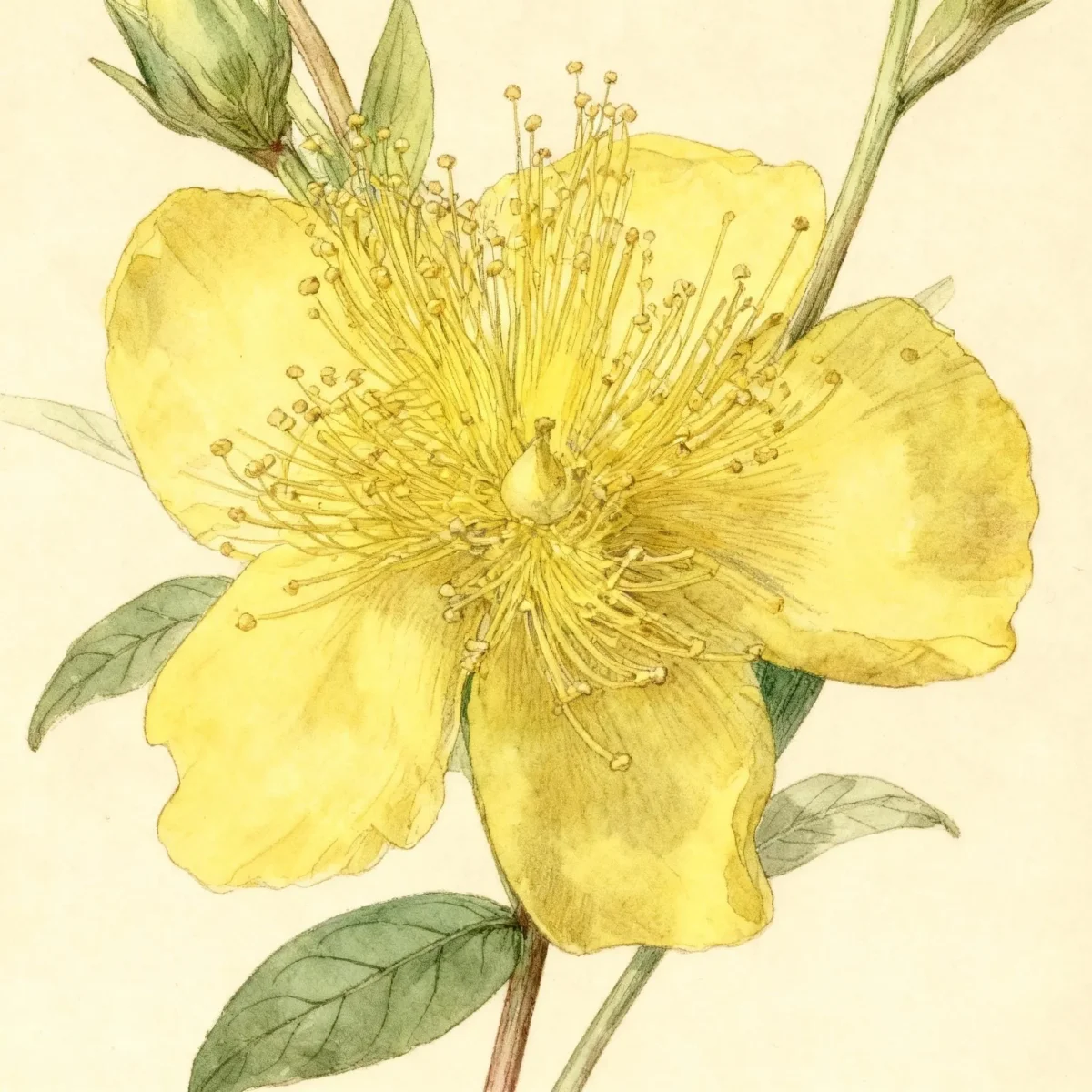
Shrubby St. John's wort (Hypericum prolificum)
Adaptable Shrubby St. John's wort (Hypericum prolificum) offers reliable yellow blooms with low maintenance and drought tolerance.
Scroll down to discover growing tips, care requirements, companion plants, and more
Complete Plant Information
Overview
The Shrubby St. John’s wort (Hypericum prolificum) is a highly valued native shrub cherished for its resilient nature and bright summer color. This compact, rounded plant provides long-lasting yellow flowers that brighten the landscape from early to mid-summer, making it an excellent foundation species for native plantings. Its tolerance for difficult conditions ensures it thrives where many other shrubs fail.
As a low-maintenance deciduous shrub, Hypericum prolificum fills out natural spaces beautifully, offering year-round visual interest, including attractive exfoliating bark on mature stems. Gardeners appreciate its suitability for stabilization work due to its robust root system. For a reliable splash of sunshine in the border, few plants match the dependable performance of Hypericum prolificum.
Fast Facts
- Plant Family: Hypericaceae
- Plant Type: Deciduous shrub
- Native Range: Central and eastern North America
- Hardiness Zones: USDA Zones 3-8
- Size at Maturity:
- Height: 1-5 ft
- Spread: 1-4 ft
- Bloom Time: June to August
- Bloom Description: Yellow
- Sun Exposure: Full sun to part shade
- Water Needs: Medium
- Maintenance Level: Low
How to Grow
Plant Shrubby St. John’s wort in the spring or fall in average, medium, well-drained soil. While it prefers full sun for the best flowering potential, Hypericum prolificum successfully tolerates partial shade, blending adaptability with ease. It exhibits remarkable tolerance for a wide range of soil conditions, including dry, rocky, or heavy clay soils.
Water needs are medium, especially when establishing the plant. Once mature, this species shows good drought tolerance, requiring supplemental watering only during extended dry spells. Fertilizing is generally unnecessary due to its native origins and adaptability.
Pruning should occur in early spring before new growth begins. Because Hypericum prolificum blooms reliably on new growth, a light shaping or reduction in early spring keeps the shrub dense and controls size without sacrificing the summer flower display.
Landscape Uses
This versatile native shrub shines when used for mass plantings, creating dense sweeps of bright texture in the garden. Hypericum prolificum functions excellently when employed as a low hedge, providing structure along property lines or dividing garden rooms. Furthermore, its tolerance for drier conditions and erosion makes it invaluable for stabilizing embankments in naturalized areas.
Consider grouping Shrubby St. John’s wort in the native plant garden to support local ecosystems. It pairs well with other dry-tolerant perennials and shrubs that enjoy similar sun exposure. Its consistent, medium height fits perfectly in the middle layer of a layered border design.
Standout Features
Flower Qualities
- Showy
Noteworthy Characteristics
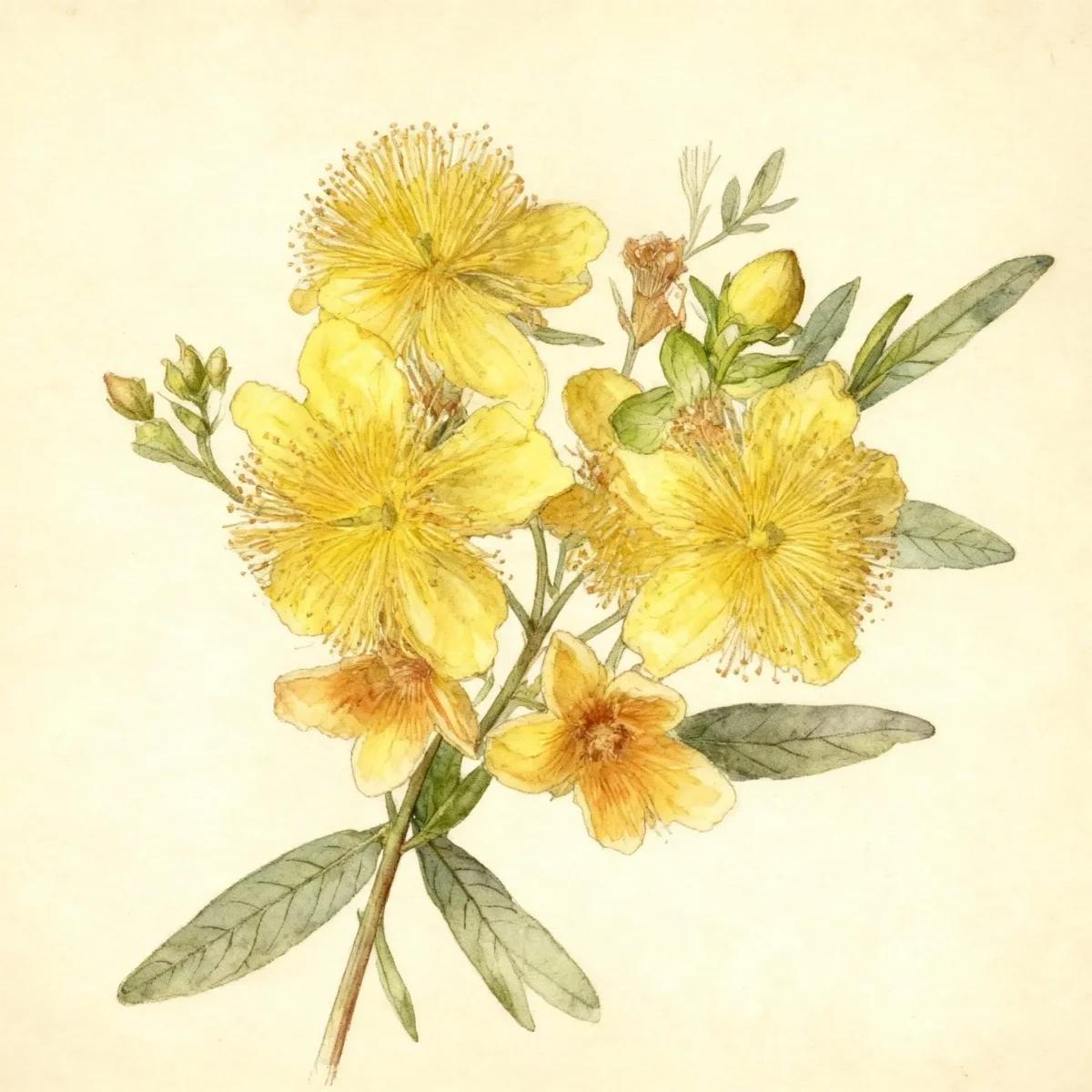
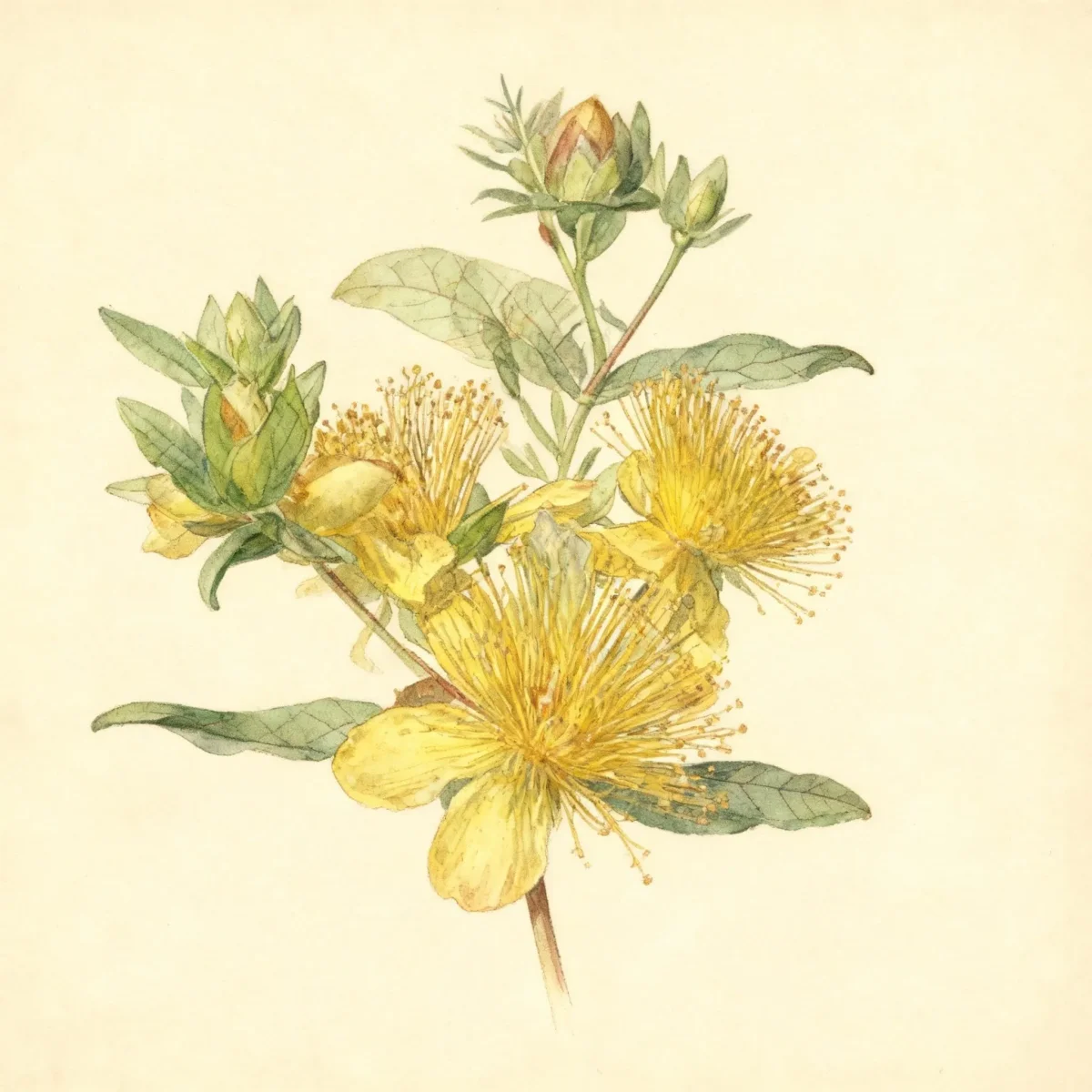
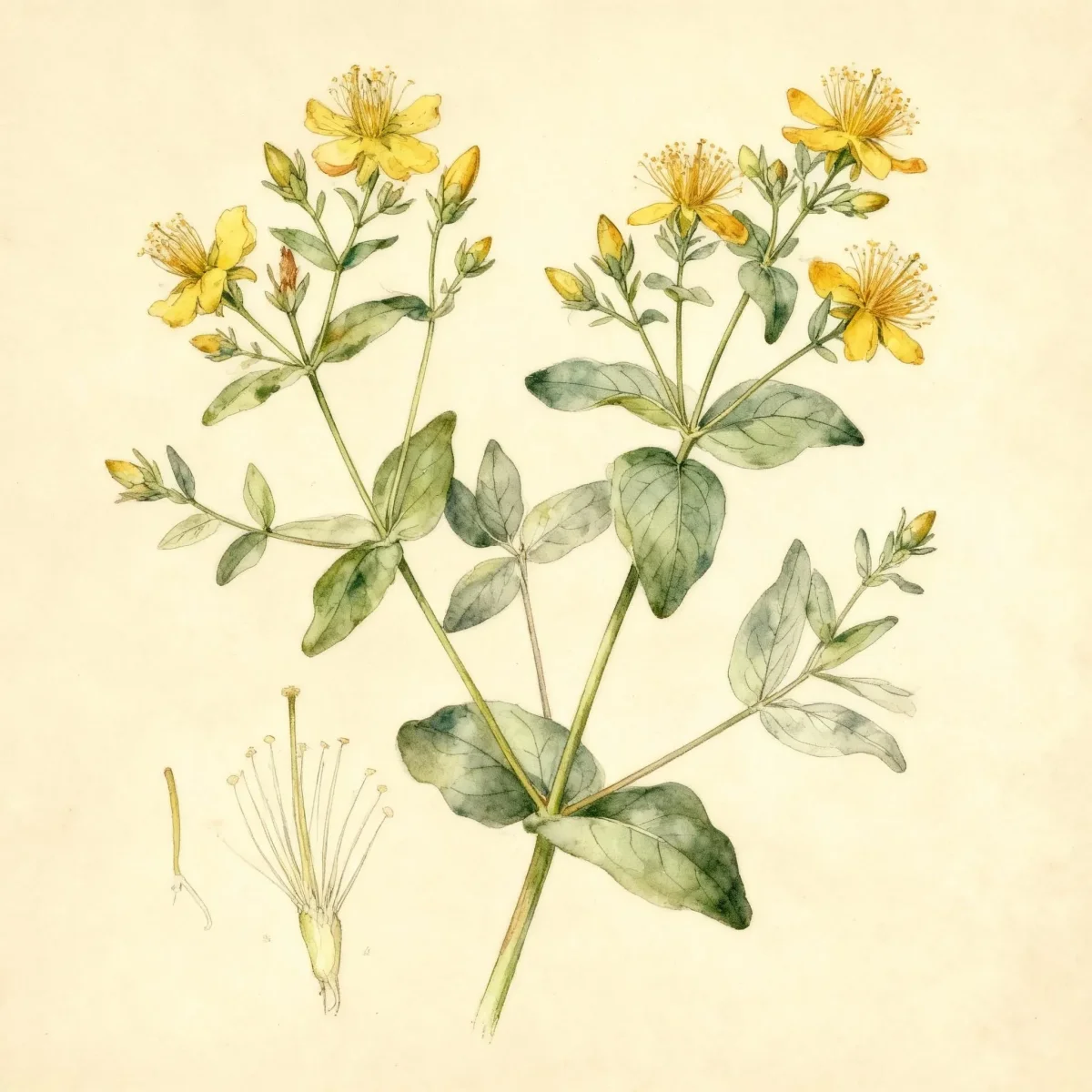
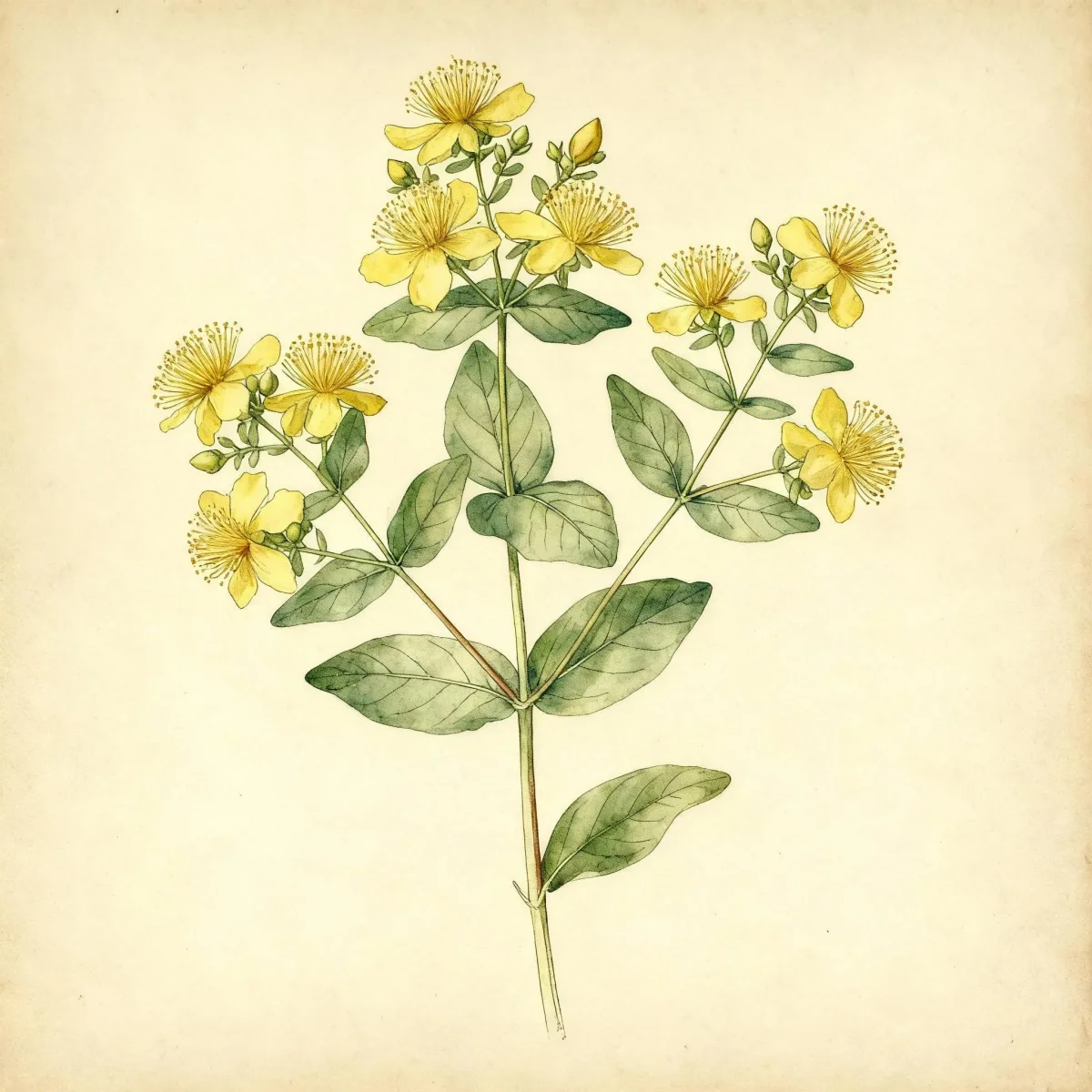
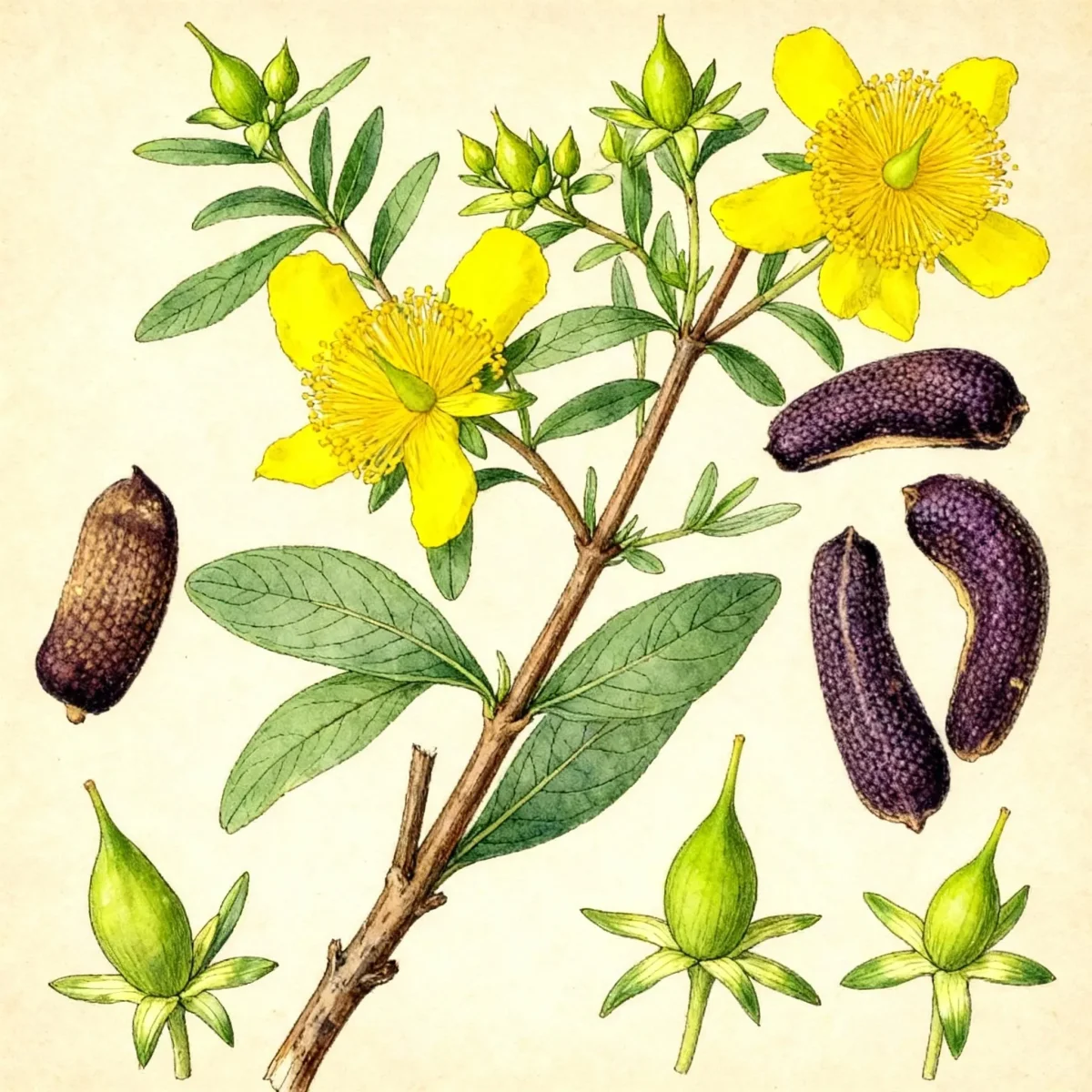
Hypericum prolificum, commonly called shrubby St. John’s wort, is native to the eastern United States where it occurs on rocky ground, dry wooded slopes, uncultivated fields, gravel bars along streams and in low, moist valleys. A compact, deciduous, rounded shrub with an erect habit that typically grows 1-4’ (less frequently to 5’) tall. Features 5-petaled, bright yellow flowers (to 1” diameter) with numerous, yellow stamens that partially obscure the petals, hence the species name prolificum. Dark green, narrow leaves contrast nicely with the bark of older stems, which exfoliates to reveal attractive, pale orange inner bark.
Tolerances
- Drought
- Erosion
- Clay Soil
- Black Walnut
Potential Problems
One of the great advantages of choosing Hypericum prolificum for your landscape is its excellent resistance profile. This plant generally experiences no major pest or disease problems, significantly reducing the need for chemical interventions. Proper planting in well-drained soil prevents most common fungal issues associated with overly moist conditions. With proper placement regarding sun and moisture, you can expect worry-free performance from your Hypericum prolificum.
Frequently Asked Questions
What hardiness zones is Shrubby St. John’s wort suitable for?
Shrubby St. John’s wort is hardy across USDA Zones 3 through 8, offering excellent cold tolerance for many regions.
How large does Hypericum prolificum grow?
This is a relatively compact shrub, typically reaching a height between 1 and 5 feet, with a spread ranging from 1 to 4 feet.
What sun exposure does Hypericum prolificum need?
For optimal flowering, plant Shrubby St. John’s wort where it receives full sun to part shade.
When does Hypericum prolificum bloom?
This species produces its distinctive yellow flowers primarily from June through August.
Conclusion
The Shrubby St. John’s wort, Hypericum prolificum, stands out as a low-maintenance powerhouse, delivering brilliant yellow color and enduring tough site conditions like drought and clay soil. Its compact size and native status make it a responsible and attractive choice for sustainable gardening efforts. Before planting, ensure your site falls within USDA Zones 3-8 and offers at least partial sun exposure.
Companion Planting
When designing a border featuring Hypericum prolificum, consider pairing it with other drought-tolerant natives that complement its summer bloom time. Plants that thrive in full sun and tolerate average to dry soil will mesh culturally. Good companions include native coneflowers (Echinacea species) or various prairie grasses that offer contrasting texture during the later summer and fall months.
Seasonal Care Calendar
Spring is the ideal time for structural maintenance of this shrub. Plan to prune back the previous year’s growth in early spring just as new buds begin to swell. Lightly shear or selectively remove any stray branches to maintain a dense, rounded shape. Avoid heavy pruning later in the season, as you will remove the current season’s flower buds.
During the summer growing season, monitor moisture levels, particularly if rainfall is scarce. While established plants tolerate temporary dryness, medium water during flowering ensures the best possible bloom display from your Hypericum prolificum. No regular fertilization is typically required for this naturally robust plant.