Kalm's St. John's wort (Hypericum kalmianum)
Discover Kalm's St. John's wort (Hypericum kalmianum), the low-maintenance, evergreen shrub known for its brilliant yellow summer blooms.
Scroll down to discover growing tips, care requirements, companion plants, and more
Complete Plant Information
Overview
Hypericum kalmianum, commonly known as Kalm’s St. John’s wort, is a highly ornamental, dense, small evergreen shrub valued for its upright branching habit and resilience. Gardeners appreciate this native species for its reliably bright, golden-yellow flowers that appear mid to late summer, providing color when many other shrubs are finished flowering. The narrow, bluish-green leaves contribute texture and interest even outside the growing season.
This durable plant thrives in a wide range of conditions, making Hypericum kalmianum a superb choice for challenging spots in the landscape. It features low maintenance requirements and good drought tolerance once established, balancing aesthetic appeal with practical ease of care. The persistent brown seed capsules offer winter interest following the summer bloom of Kalm’s St. John’s wort.
As a compact shrub, Hypericum kalmianum fits well into mixed borders and formal settings alike, offering structure without becoming too large. Its hardiness in cooler zones (down to Zone 4) further expands its usability across the northeastern United States and parts of Canada where it naturally occurs.
Fast Facts
- Plant Family: Hypericaceae
- Plant Type: Broadleaf evergreen
- Native Range: Northeastern United States and Canada
- Hardiness Zones: USDA Zones 4-7
- Size at Maturity:
- Height: 2-3 ft
- Spread: 2-3 ft
- Bloom Time: July to August
- Bloom Description: Yellow
- Sun Exposure: Full sun to part shade
- Water Needs: Medium
- Maintenance Level: Low
How to Grow
Planting Kalm’s St. John’s wort is best accomplished in spring or fall. Select a location where it receives full sun for the best flowering, though it tolerates part shade. The species naturally prefers moist, rich, sandy loams common to its native lakeshore habitats, but it is highly adaptable. Ensure the soil is well-drained; while it tolerates poorer soils, standing water will cause issues.
Care for established Hypericum kalmianum is minimal. It requires medium water inputs, especially during prolonged dry spells, although it handles some drought once the root system is developed. Fertilization is rarely needed if the soil quality is average or better.
Pruning is not mandatory but is recommended for shape maintenance. If shaping is desired, do so lightly after the bloom period ends in late summer. Avoid heavy pruning late in the season to prevent damaging new growth before winter sets in.
Landscape Uses
The compact, dense form of Kalm’s St. John’s wort makes it extremely versatile for structured plantings. Its suggested use as a low hedge is excellent where a short, tidy border is required that won’t obstruct views. It serves perfectly as an informal border plant lining pathways or defining the edge of a foundation planting.
Beyond formal roles, Hypericum kalmianum is ideal for incorporating into naturalized areas, particularly near pond peripheries or along rocky slopes where lean soil conditions exist. Use it in rock gardens for year-round foliage texture or mass it on woodland margins where it can receive filtered sun.
For mixed borders, pair Hypericum kalmianum with later-season bloomers or plants that offer contrasting foliage color, such as blue-leaved hostas or silver artemisias. Its dependable low-maintenance profile means fewer resources are spent managing it, allowing other specimen plants to shine.
Standout Features
Flower Qualities
- Showy
Fruit Qualities
- Showy
Noteworthy Characteristics
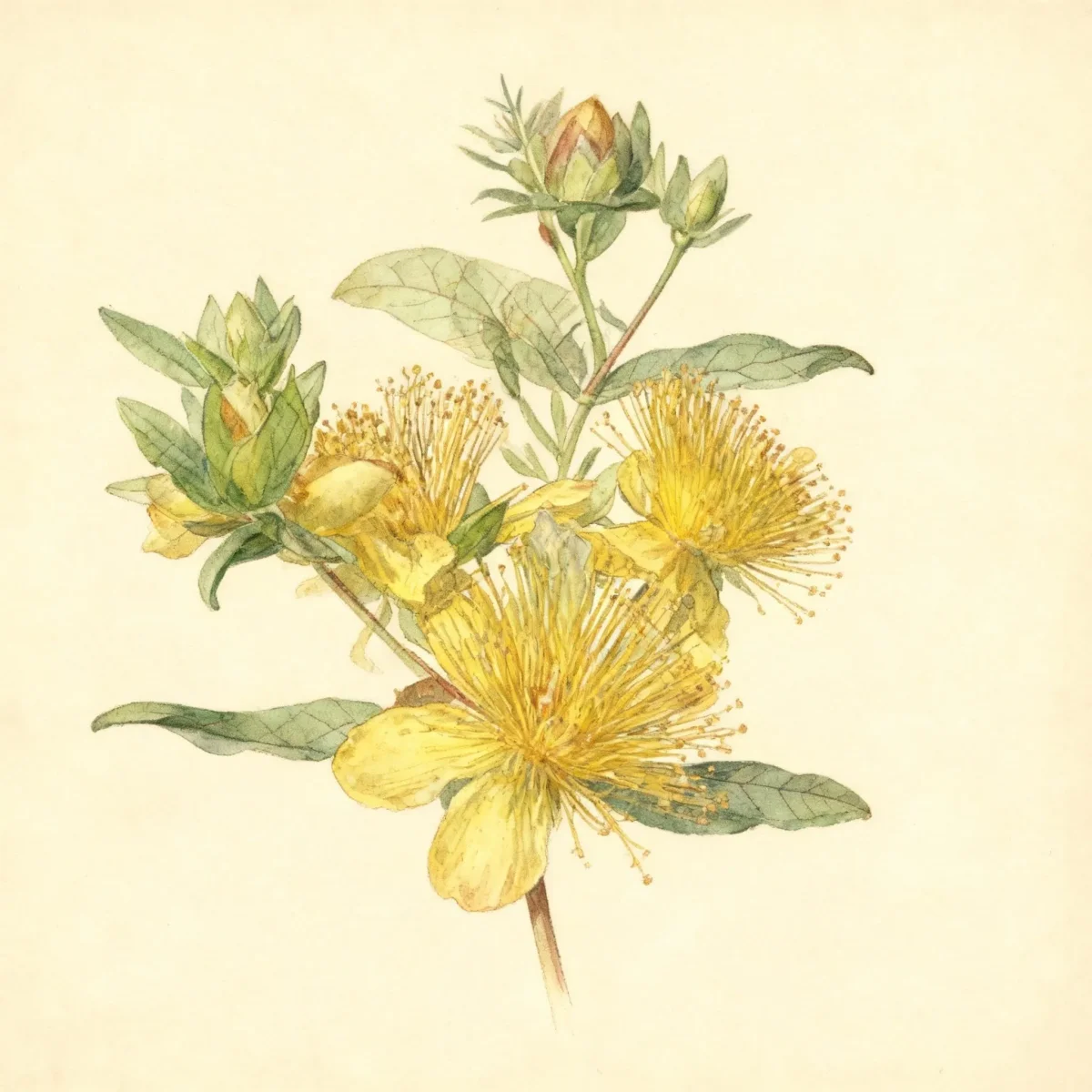
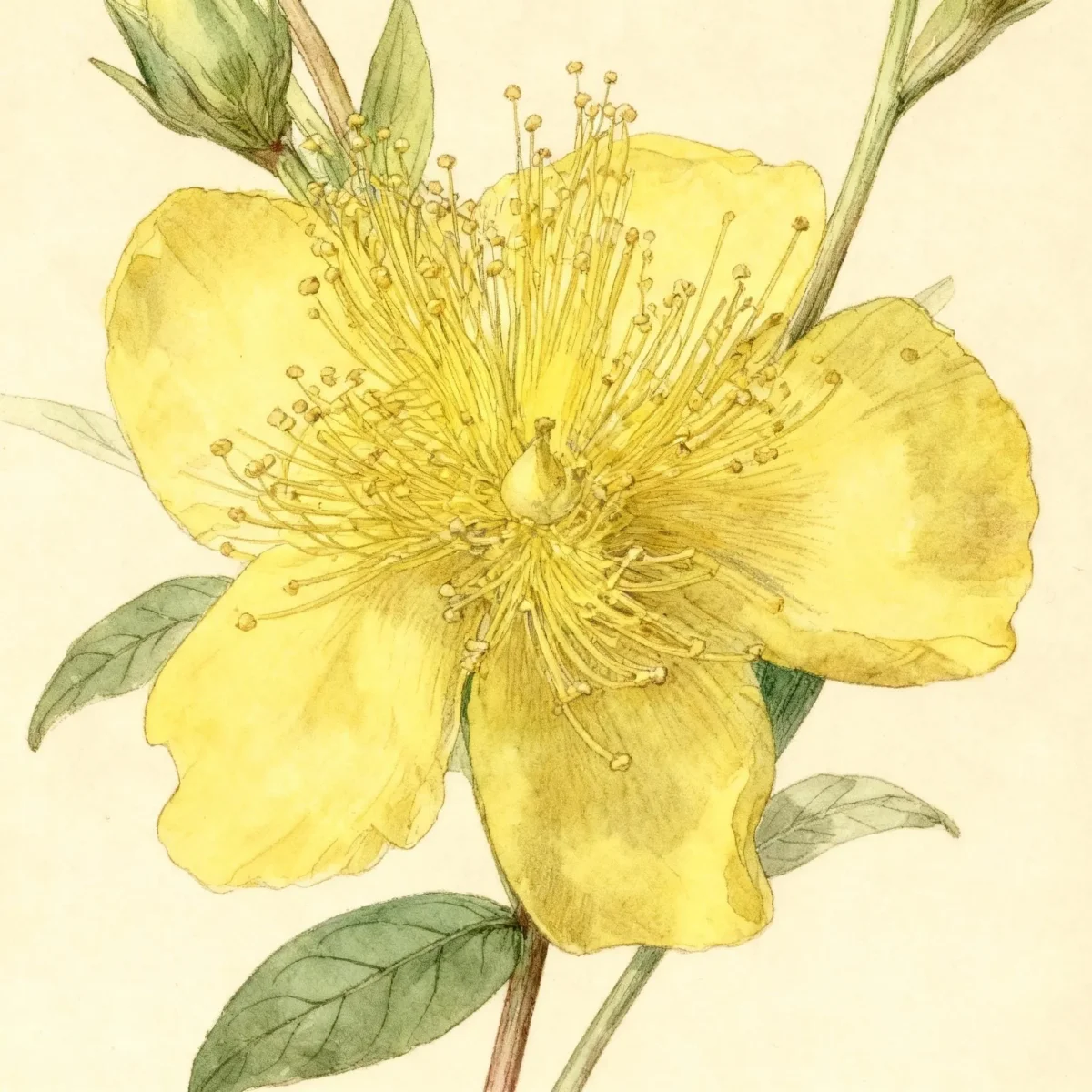
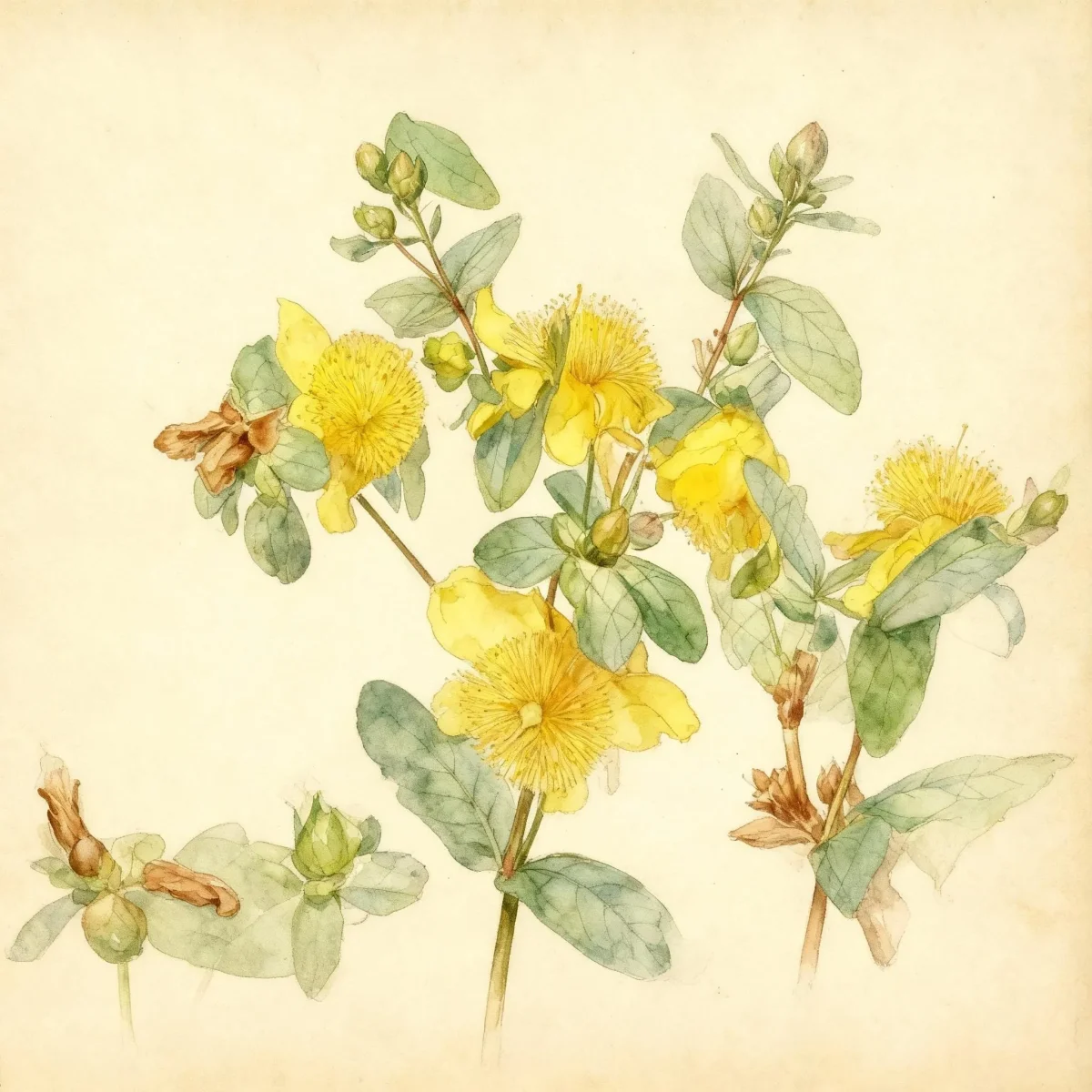
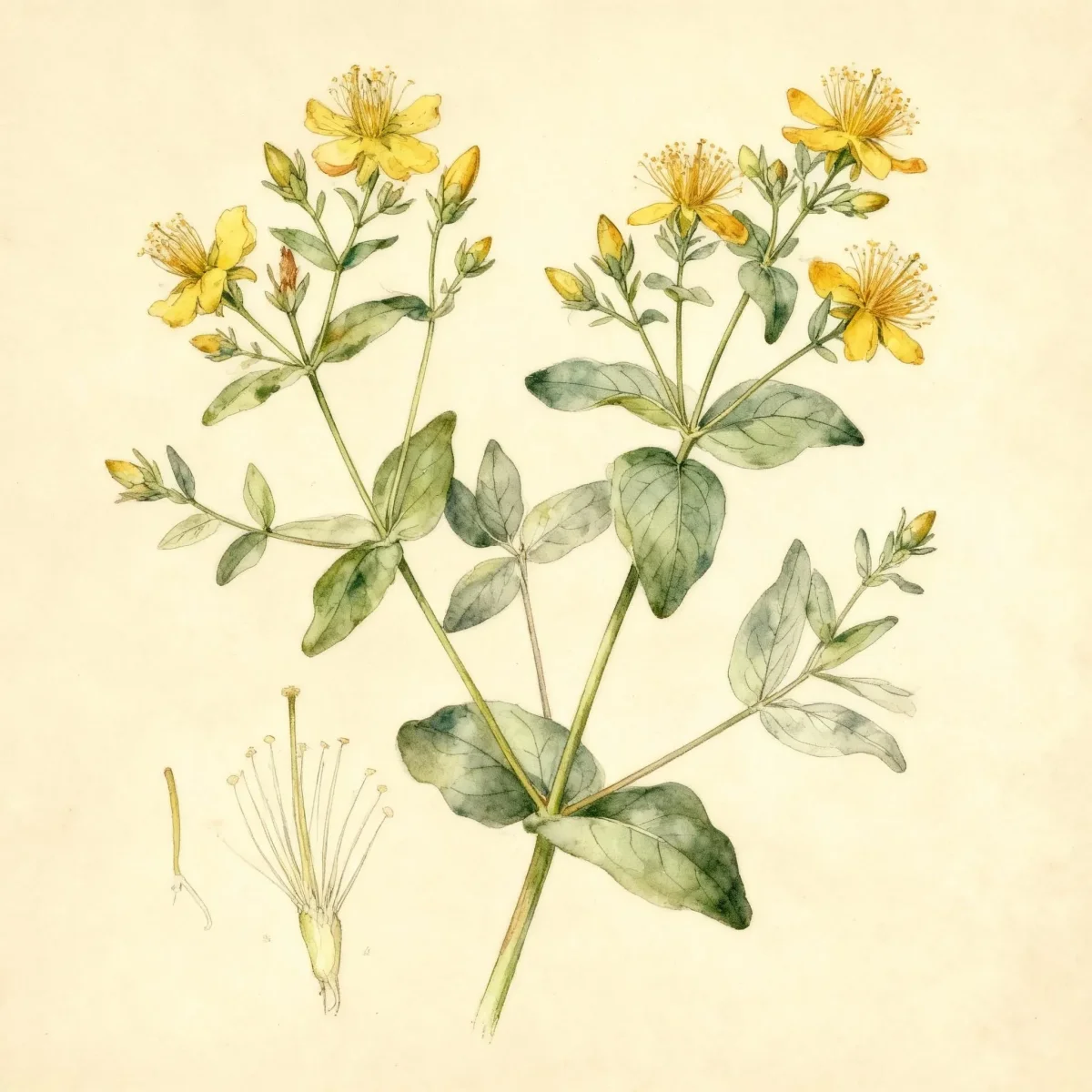
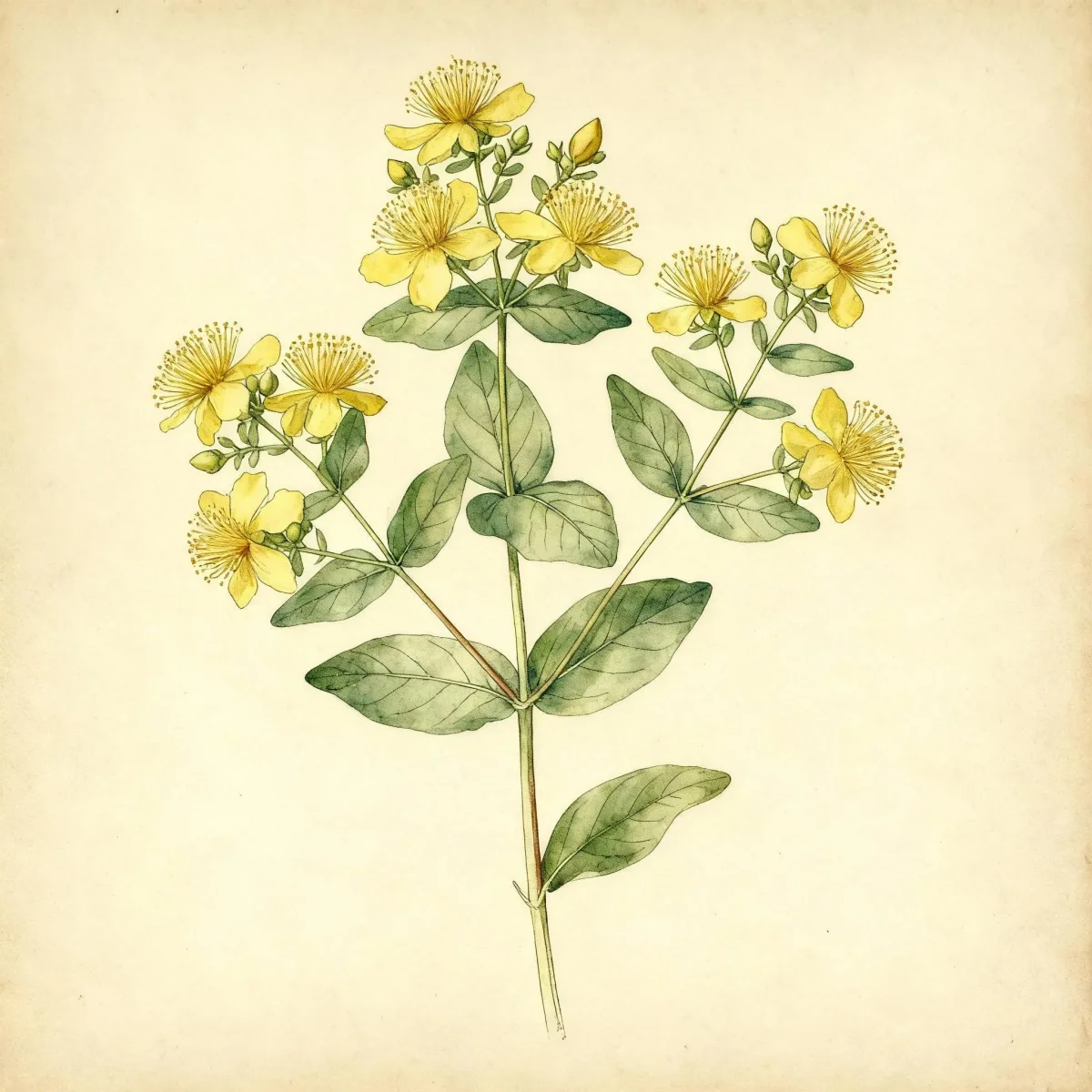
Hypericum kalmianum, commonly called Kalm St. Johns wort, is recognized as a small, dense, evergreen shrub or subshrub noted for its upright branching, typically forming a mound up to 3’ tall. Native to the Great Lakes region, its narrow, bluish-green leaves are borne on distinctive 4-angled stems, contrasting beautifully with the five-petaled, golden yellow flowers blooming in July and August. After flowering, beaked, oval, brown seed capsules often persist into winter, adding subtle visual interest to the dormant garden.
Tolerances
No specific tolerances were provided in the source data.
Potential Problems
This species displays remarkable resilience, suffering virtually no serious insect or disease problems in most garden settings. Its low maintenance level is further supported by this inherent pest and disease resistance. Monitor for signs of rot only if planted in persistently overly wet or poorly drained soils, which is the primary environmental risk for this shrub.
Frequently Asked Questions
What hardiness zones is Kalm’s St. John’s wort suitable for?
Hypericum kalmianum is reliably winter-hardy across USDA Zones 4 through 7, making it a resilient choice for many northern and transitional climates.
How large does Kalm’s St. John’s wort grow?
This shrub typically matures to a uniform size, reaching heights between 2 and 3 feet, with a corresponding spread of 2 to 3 feet, forming a dense mound.
When does Hypericum kalmianum bloom?
You can expect the striking yellow flowers of Hypericum kalmianum to appear during the peak of summer, specifically blooming from July into August.
What sun exposure does Kalm’s St. John’s wort need?
For optimal performance and maximum flowering, Hypericum kalmianum prefers full sun, though it adapts well and can tolerate partial shade.
Conclusion
The Kalm’s St. John’s wort provides reliable, low-effort color in the mid-summer landscape, characterized by its evergreen structure and drought tolerance. As an exceptionally adaptable native shrub, Hypericum kalmianum deserves a spot in any garden seeking dependable structure and cheerful yellow blooms. Always ensure your planting site offers adequate drainage to maximize the health and longevity of your new shrub.
Companion Planting
When selecting companions for Hypericum kalmianum, focus on plants that share similar cultural needs for medium moisture and full sun to part shade tolerance. Good partners include ornamental grasses like Little Bluestem (Schizachyrium scoparium), which offer fine texture contrasting with the shrub’s dense habit. Low-growing native asters or coreopsis varieties that bloom later in the season can extend the color palette beyond the July-August window of the St. John’s wort.
Seasonal Care Calendar
Spring is the best time to clean up any lingering dead foliage from winter, though heavy pruning is best avoided until after the first flush of summer bloom. Summer care for Kalm’s St. John’s wort primarily involves monitoring soil moisture, ensuring medium water needs are met, especially during hot, dry spells. In late summer, immediately following flowering, light pruning can be done to maintain shape and density for the following year.