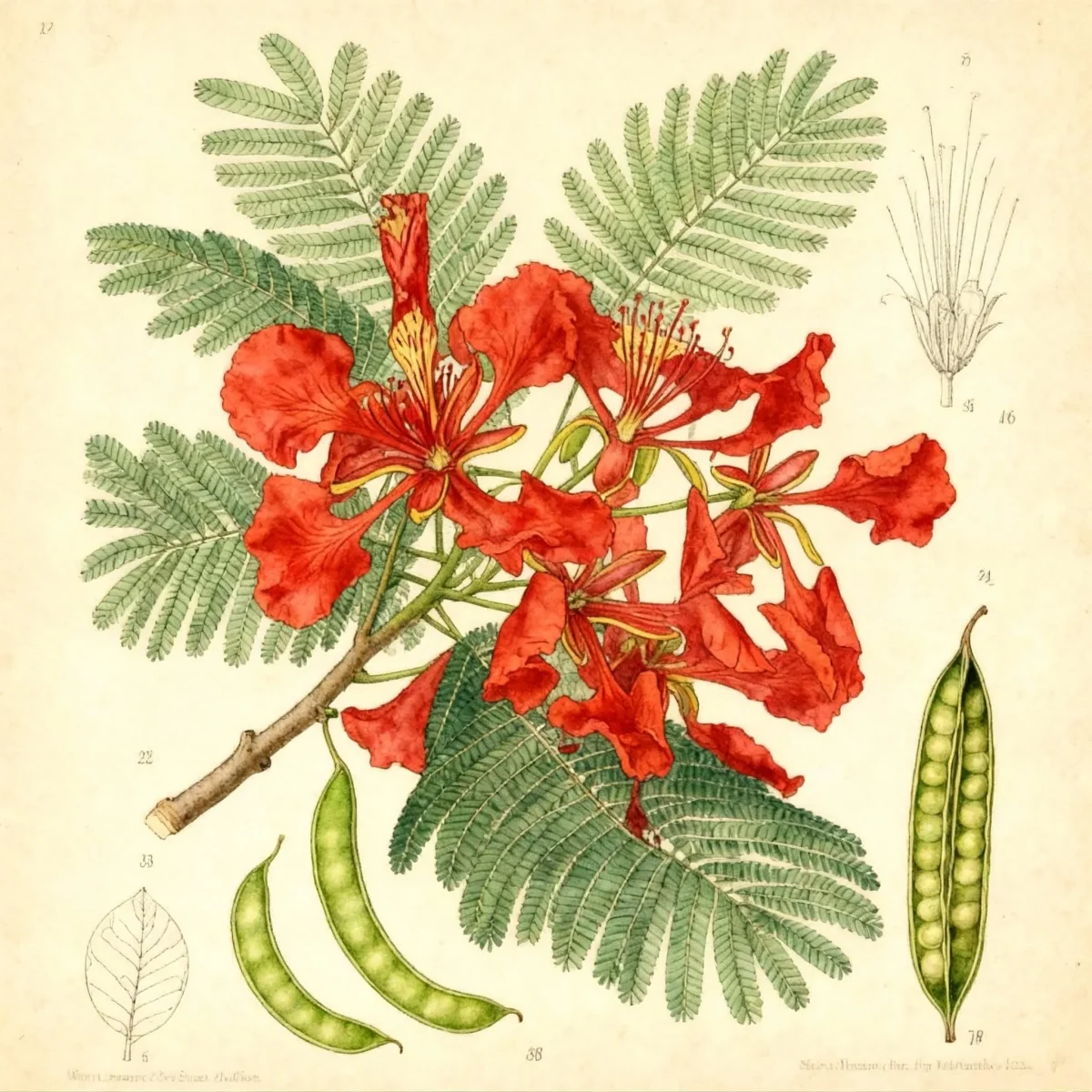
Tropical almond (Terminalia catappa)
Terminalia catappa, the Tropical almond, is a majestic, low-maintenance deciduous tree perfect for shade in Zones 10-11.
Scroll down to discover growing tips, care requirements, companion plants, and more
Complete Plant Information
Overview
The Tropical almond, Terminalia catappa, is a striking, medium to large deciduous tree renowned for its tiered, horizontal branching structure, creating a handsome, spreading crown ideal for broad landscapes. This impressive species is primarily valued in tropical and subtropical regions for providing extensive shade and its salt tolerance, making it suitable near coastlines. While it produces edible nut kernels reminiscent of true almonds, its primary ornamental value is derived from its stature and dramatic foliage color change before leaf drop.
Terminalia catappa is celebrated for its relatively low maintenance needs once established, thriving in full sun environments common to its native maritime regions of Asia and Australia. Gardeners appreciate this tree for its robust nature, capable of handling various soil types, though it prefers well-drained, slightly acidic conditions. The cycle of leaf drop and quick regrowth ensures the Tropical almond remains an attractive feature throughout the year in warm climates.
Fast Facts
- Plant Family: Combretaceae
- Plant Type: Tree
- Native Range: Tropical Asia, northern Australia, Polynesia, Malaysia
- Hardiness Zones: USDA Zones 10-11
- Size at Maturity:
- Height: 75-90 ft
- Spread: 50-70 ft
- Bloom Time: Seasonal bloomer
- Bloom Description: Greenish white
- Sun Exposure: Full sun
- Water Needs: Medium
- Maintenance Level: Low
How to Grow
For optimal establishment, plant the Tropical almond during warm weather, allowing young trees time to develop a strong root system before facing drought stress. While it tolerates many soil types, acidic, moderately fertile, sandy, moist but well-drained soils are preferred. Ensure the location receives full, uninterrupted sunlight for best growth and form.
Maintenance for the Terminalia catappa is generally low. Water consistently until the tree is established, as established specimens display good drought tolerance. No significant fertilization is typically required unless soil quality is very poor. Pruning should focus on establishing a strong central leader, if desired, and removing any low-hanging or damaged branches, keeping in mind its naturally tiered structure.
A critical cultural note for growers is temperature sensitivity; these trees dislike prolonged exposure to temperatures below 55°F. Furthermore, be mindful of its tendency to drop leaves twice annually in some climates, necessitating timely cleanup of the attractive red-tinged foliage. Due to the floatable nature of the fruit, gardeners in maritime areas should observe the invasive potential where ocean currents can spread the seeds.
Landscape Uses
The significant stature and wide canopy spread of the Terminalia catappa make it a premier choice for significant shade provision in large properties, parks, and along wide avenues where it functions excellently as a street tree. Its tolerance for salt makes the Tropical almond an indispensable choice for coastal plantings, windbreaks, and naturalizing near ocean beaches where many other ornamental trees struggle.
As a handsome ornamental, consider placing the Tropical almond where its broad, layered silhouette can be appreciated against the sky. While its timber is used commercially, its primary landscape function remains aesthetic shelter. Groupings of this species create impressive, visually balanced screens, offering year-round interest due to its seasonal leaf color flare before leaf drop.
Standout Features
Flower Qualities
- Showy
Fruit Qualities
- Showy
- Edible
Noteworthy Characteristics
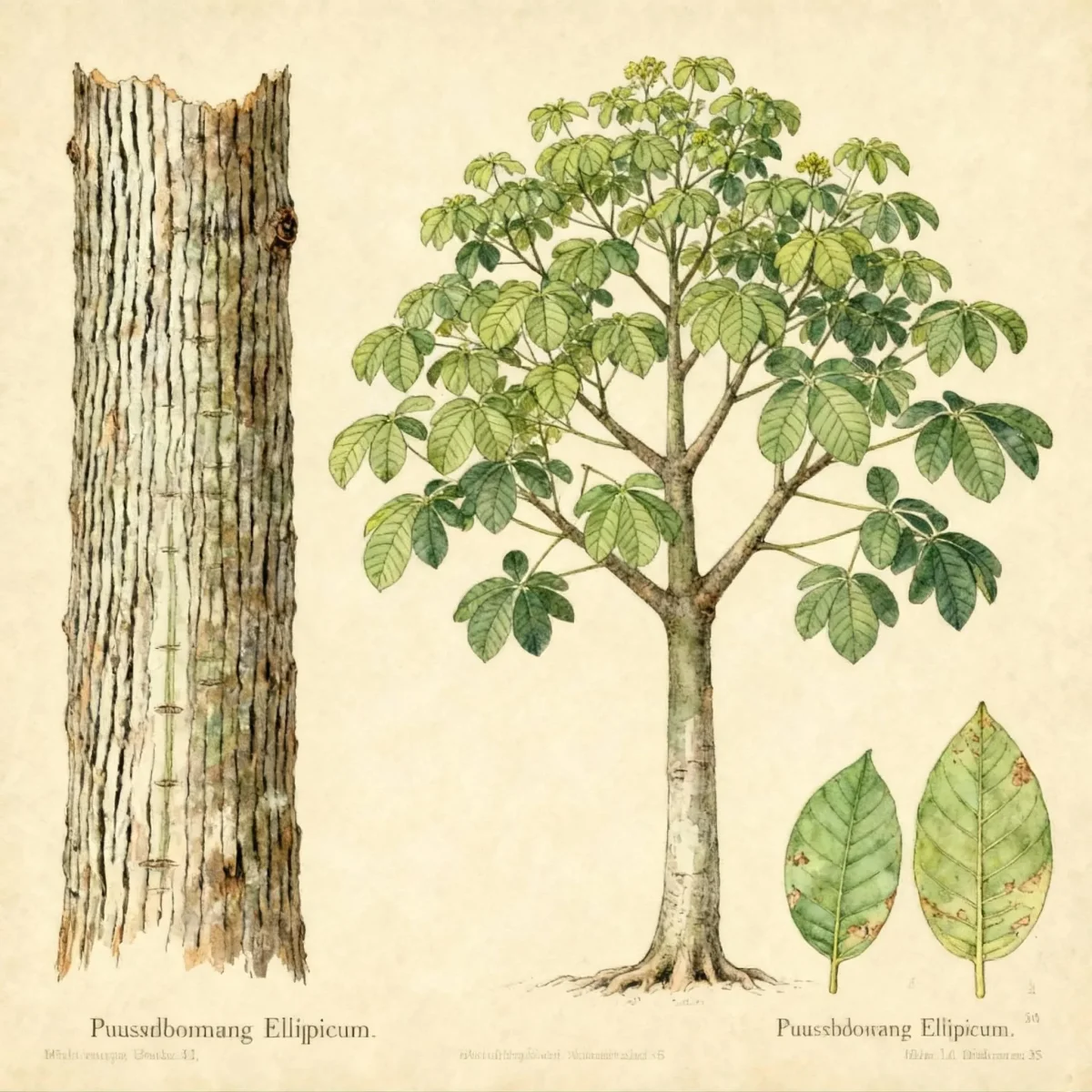
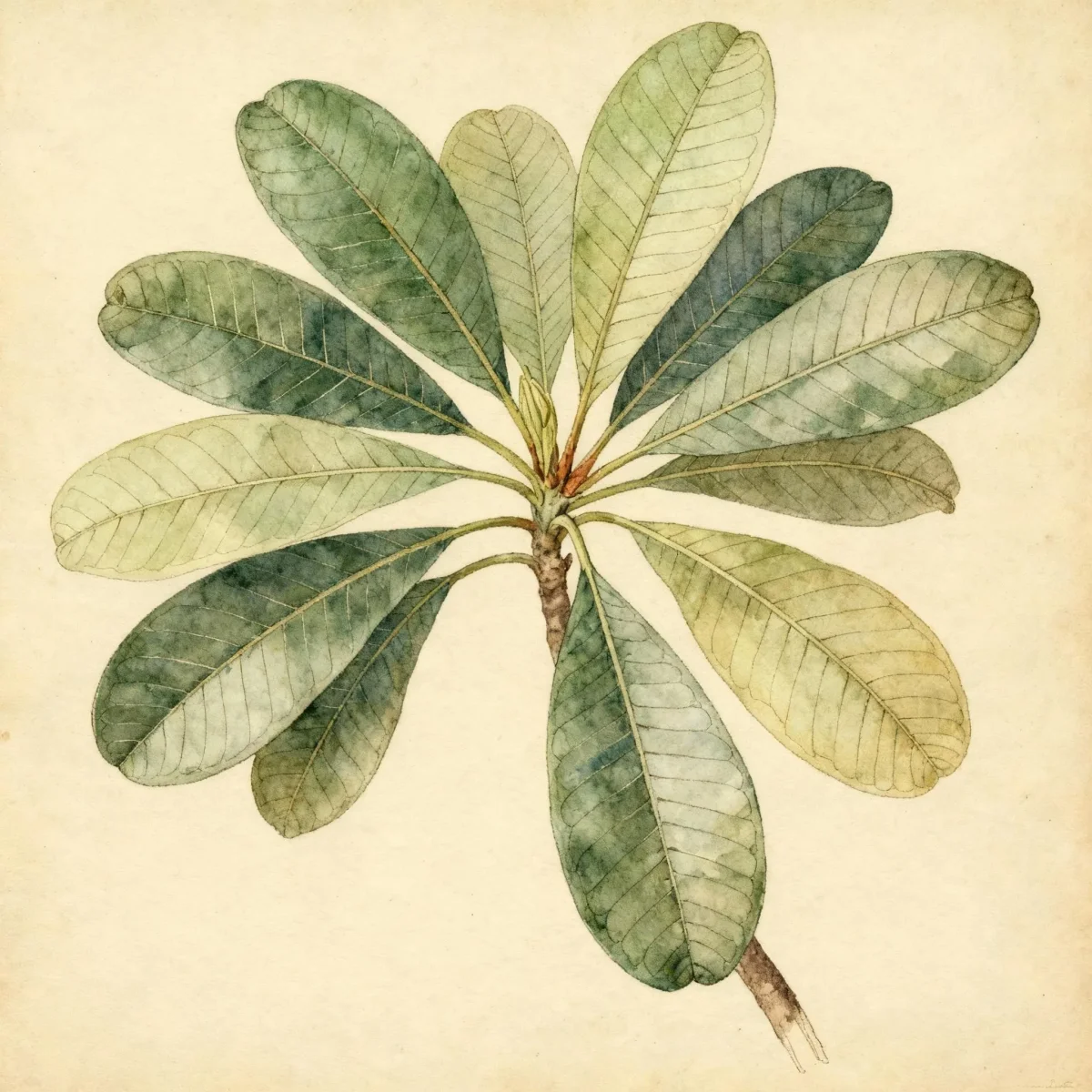
Terminalia catappa, commonly called tropical almond or Indian almond, is a medium to large deciduous tropical tree that grows to 75-90’ tall with a spreading crown featuring horizontal branching in tiers. It is primarily native to maritime areas, featuring lustrous dark green leaves that turn an attractive red before dropping periodically throughout the year. Inside the dry, two-winged fruits is an edible, tasty, almond-like nut, which contributes to its common name, Tropical almond.
Tolerances
- Drought
Potential Problems
Generally, the Terminalia catappa exhibits no serious insect or disease problems, contributing to its low maintenance profile. The most frequently cited minor issue is the potential for leaf spot, which is usually cosmetic. Occasionally, thrips may cause minor cosmetic damage to the foliage. Proper spacing and adequate air circulation can help mitigate fungal issues like leaf spot.
Frequently Asked Questions
What hardiness zones is Tropical almond suitable for?
The Tropical almond is winter hardy primarily within USDA Zones 10 through 11.
How large does Tropical almond grow?
When mature, this tree typically reaches heights between 75 and 90 feet, with a considerable spread ranging from 50 to 70 feet.
What sun exposure does Terminalia catappa need?
Terminalia catappa requires full sun exposure to develop optimally.
When does the Tropical almond bloom?
This species is considered a seasonal bloomer, producing greenish white flowers throughout the year, though blooming is often heavier in the spring.
Conclusion
The Terminalia catappa, or Tropical almond, provides unparalleled shade, significant salt tolerance, and classic tropical aesthetics with minimal required care. Ensure your location falls within USDA Zones 10 or 11 and offers full sun before you plan your installation. Embrace this magnificent, low-maintenance giant for your tropical landscape design.
Companion Planting
When integrating the Tropical almond into a coastal landscape, focus on drought-tolerant, salt-tolerant, and full-sun associates. Consider planting lower-growing, salt-tolerant shrubs like Sea Grape (Coccoloba uvifera) or various tough ornamental grasses around the drip line to create layered interest without competing too heavily for resources. Since Terminalia catappa can cast dense shade, choose understory plants accustomed to filtered light during the hottest parts of the day, especially as the tree matures.
Design Ideas
The tiered branching pattern of the Tropical almond is its most defining structural feature, suggesting formal or architectural landscape designs where symmetry is valued. Plant single specimens strategically as focal points at the terminus of long vistas or large expanses of lawn where their profile can dominate the skyline. For effective windbreak functionality near agricultural areas or residential boundaries, group several Terminalia catappa together, ensuring adequate spacing to allow air flow around the broad canopies.