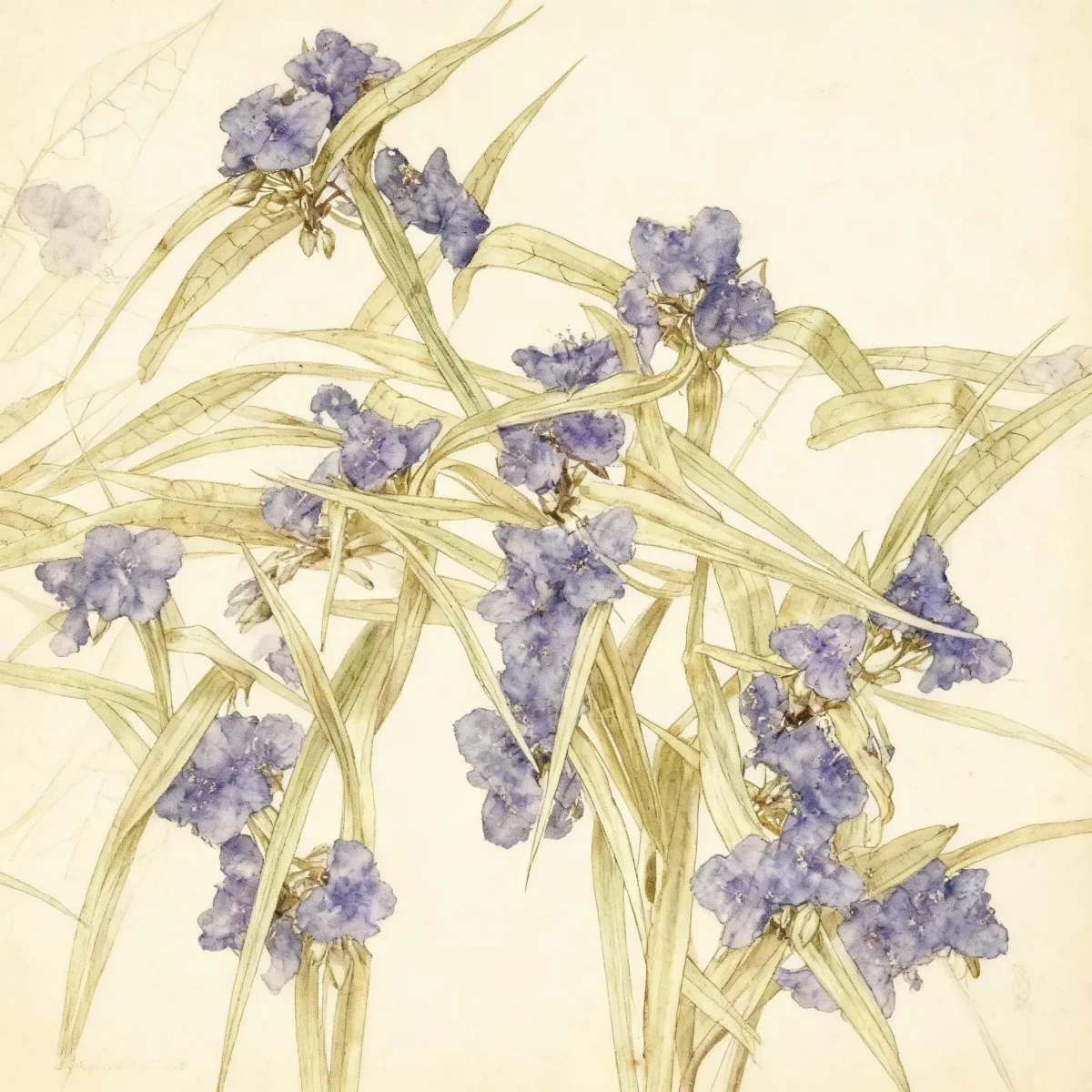
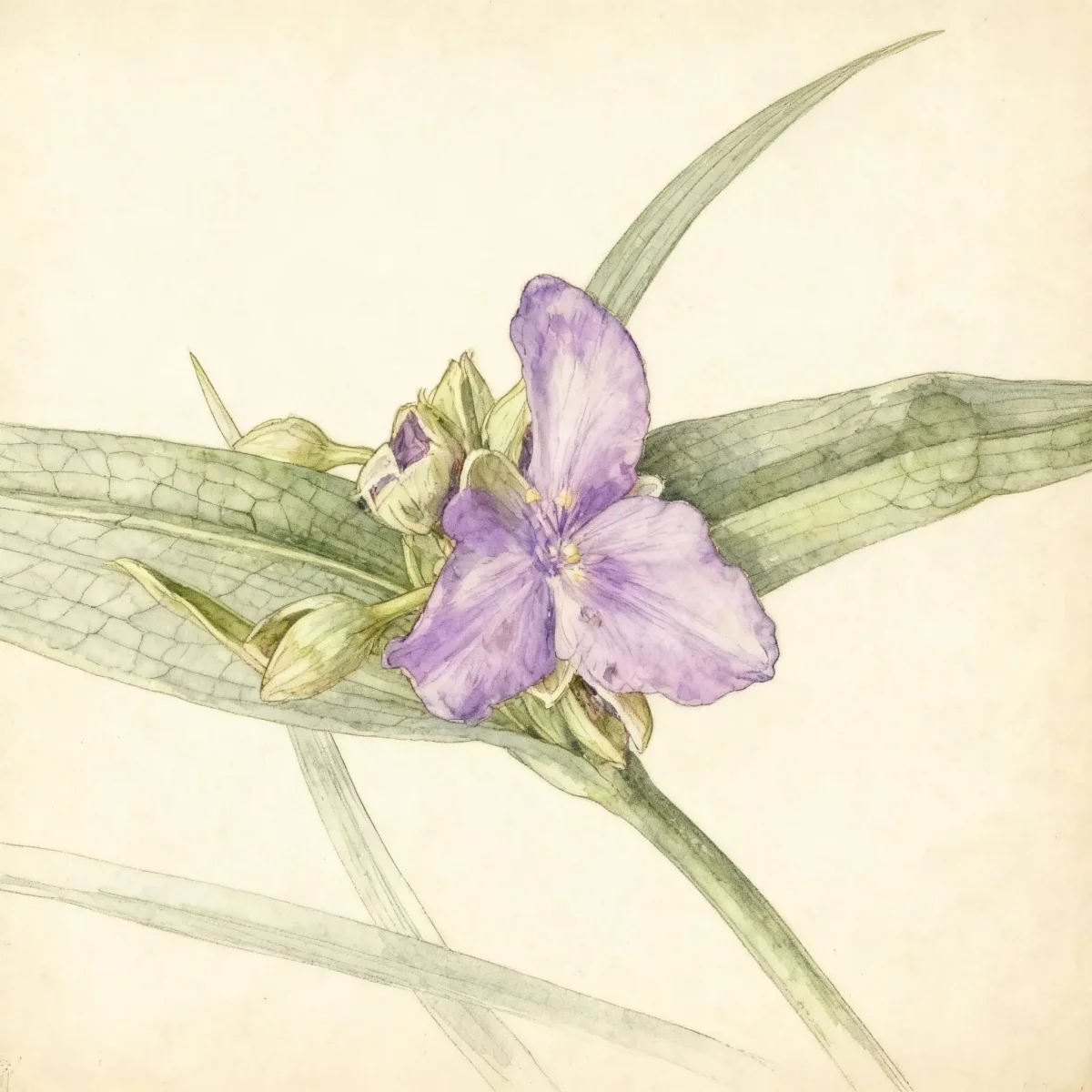
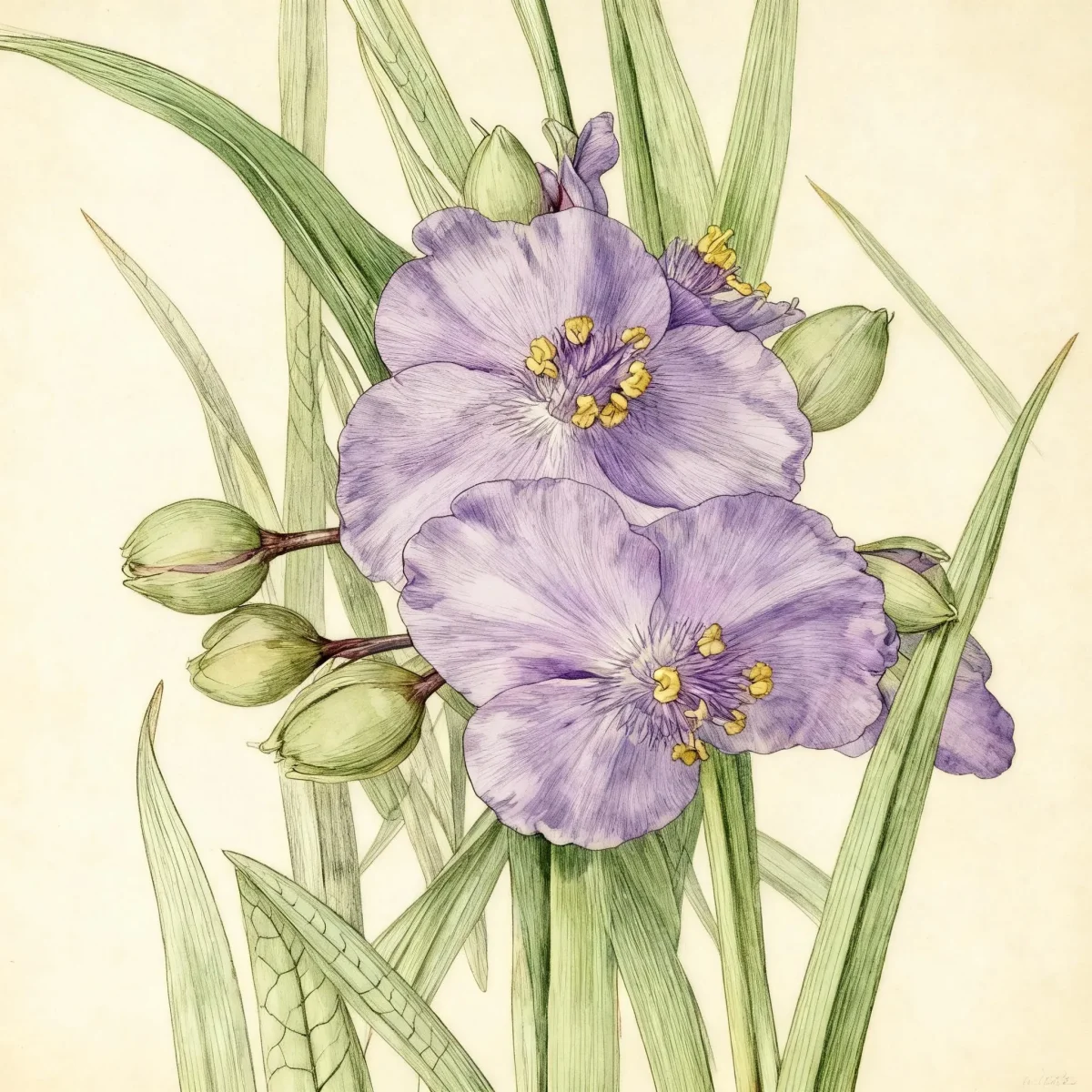
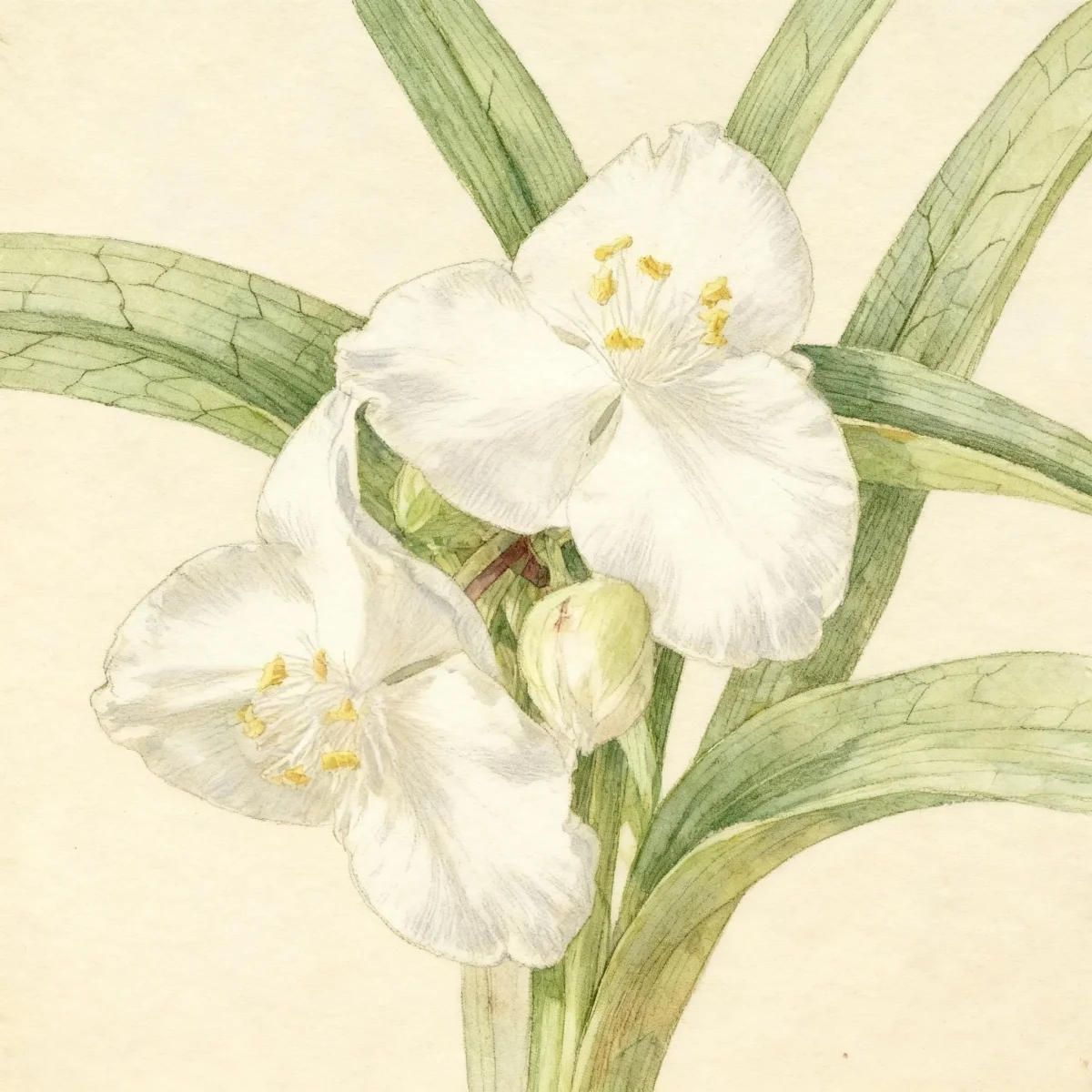
Ohio spiderwort (Tradescantia ohiensis)
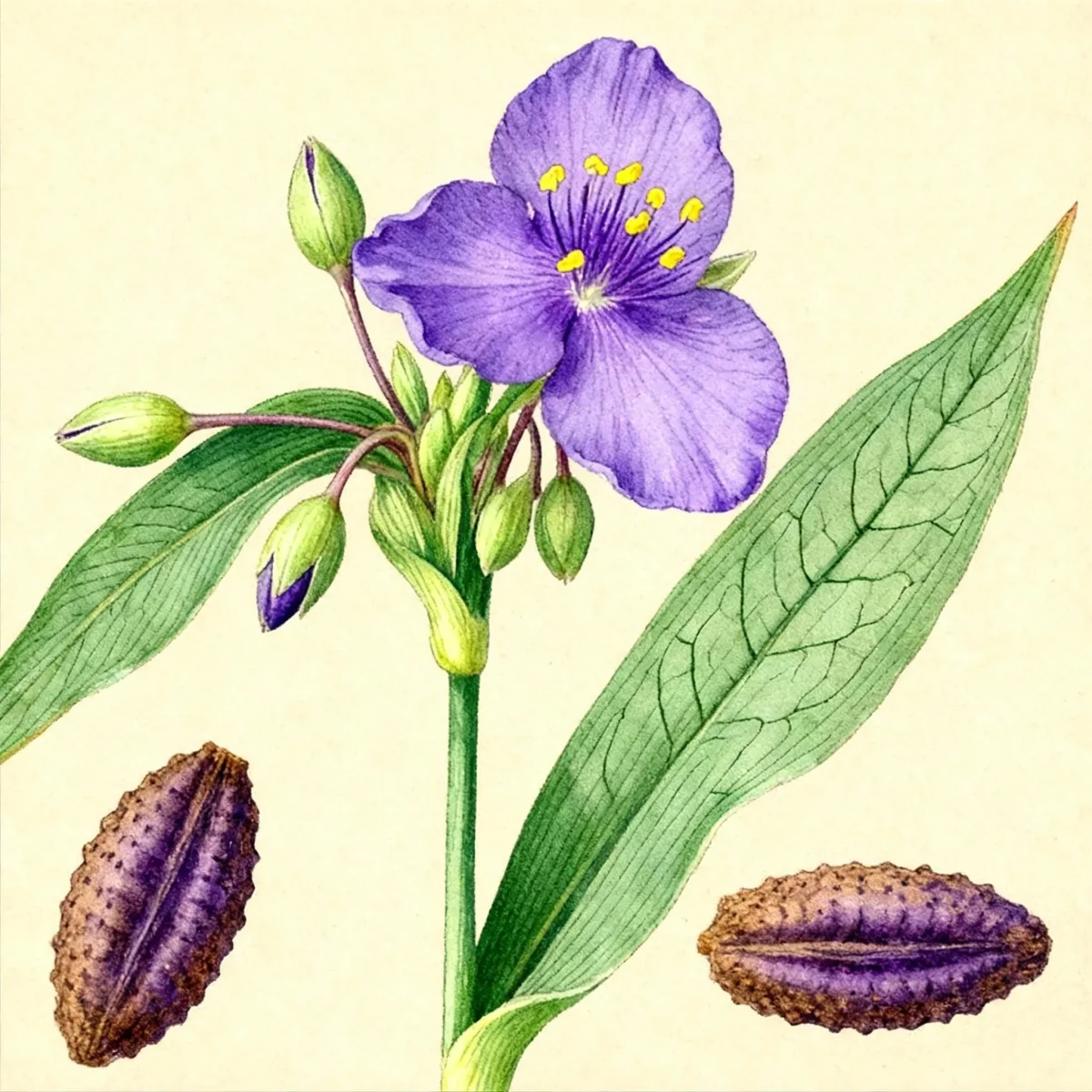
Tradescantia ohiensis, or Ohio spiderwort, offers striking deep blue blooms from May to July. A drought-tolerant perennial for sunny to partly shaded areas.
Scroll down to discover growing tips, care requirements, companion plants, and more
Complete Plant Information
Overview
Tradescantia ohiensis, commonly known as Ohio spiderwort, is a highly valuable native choice for gardeners seeking long-lasting summer color with minimal fuss. This clump-forming perennial introduces vertical interest with its arching, grass-like foliage even before the blossoms appear. Its clusters of vibrant, three-petaled flowers create a beautiful display throughout the early summer months.
The appeal of Tradescantia ohiensis extends beyond its beauty; it is notably resilient once established. Adapted to various soil conditions, it thrives where many other perennials struggle, especially on the drier side. This durability makes Ohio spiderwort an excellent component for naturalizing large areas or creating low-maintenance, colorful borders.
As a classic native, supporting local ecosystems is another significant benefit. While each delicate flower only lasts a single day, the extended blooming period ensures continuous visual interest. Gardeners should plan for its mid-summer maintenance needs to maximize repeat performance from this dependable perennial.
Fast Facts
- Plant Family: Commelinaceae
- Plant Type: Herbaceous perennial
- Native Range: Eastern and central North America
- Hardiness Zones: USDA Zones 4-9
- Size at Maturity:
- Height: 2-3 ft
- Spread: 1.5-2.5 ft
- Bloom Time: May to July
- Bloom Description: Deep blue to rose blue
- Sun Exposure: Full sun to part shade
- Water Needs: Dry to medium
- Maintenance Level: Medium
How to Grow
Plant Tradescantia ohiensis in the spring or fall. Ensure the location offers well-drained soil, which is crucial for its survival and vigor. While it performs best in full sun, it tolerates significant part shade; however, be aware that bloom production may become noticeably less profuse in shadier spots. Though easily grown in average well-drained conditions, it particularly favors moist, acidic, sandy soil types if available.
Watering requirements are light to moderate once established, owing to its excellent drought tolerance. Avoid perpetually soggy conditions, as this is detrimental to its health. Fertilization is rarely necessary; over-fertilizing can promote excessive, floppy vegetative growth rather than robust flowering.
For sustained good looks, address the natural tendency of the foliage to sprawl unattractively by mid-summer. The best practice for Tradescantia ohiensis is a mid-summer cutback, shearing the entire clump back to about 6 to 12 inches high. This pruning encourages fresh, neat new growth and often prompts the plant to produce a return flush of flowers later in the season, providing an extended display. Clumps benefit from division every few years when they begin to look overcrowded.
Landscape Uses
Ohio spiderwort is incredibly versatile, fulfilling roles from formal borders to wilder meadows. Its upright habit provides excellent textural contrast against fine-leaved grasses or broadleaf groundcovers. The strong color display during late spring ensures it acts as a reliable mid-border anchor.
It is particularly recommended for naturalized areas or open woodland settings where it can mingle freely, reflecting its native habitat in prairies and woodland margins. You can incorporate Tradescantia ohiensis densely for sweep planting, or use it sporadically to connect different sections of a meadow garden. Its robust structure makes it a long-blooming addition that requires little coddling.
Standout Features
Flower Qualities
- Showy
Noteworthy Characteristics
Tradescantia ohiensis is a clump-forming herbaceous perennial which grows up to 3’ tall with dark bluish-green, arching, grass-like leaves up to 1.5’ long and 1.75” wide which are folded lengthwise forming a channel or groove. Clusters of blue (less frequently rose), three-petaled flowers (0.75-1.5” diameter) bloom from late May into early July, with each individual flower opening for only one day. This species can self-seed and become somewhat aggressive in ideal growing conditions, meaning it performs well in large, open spaces.
Tolerances
- Drought
- Dry Soil
- Shallow-Rocky Soil
Potential Problems
Fortunately, Tradescantia ohiensis generally suffers from no serious insect or disease problems, making it a very low-risk planting for the perennial border. The main management concern relates entirely to aesthetics and pests affecting new growth. Young shoots emerging in the spring are particularly attractive to snails and slugs, which can chew unsightly holes in the tender foliage. Applying slug bait or using cultural controls early in the season can mitigate this damage. Furthermore, foliage tends to sprawl or flop unattractively by mid-summer, which is why prompt, sheared maintenance is highly recommended to keep the plant looking tidy and encourage further blooming.
Frequently Asked Questions
What hardiness zones is Tradescantia ohiensis suitable for?
Ohio spiderwort is reliably hardy across USDA Zones 4 through 9, offering flexibility for many North American gardeners.
How large does Ohio spiderwort grow?
When mature, Tradescantia ohiensis typically reaches a height between 2 and 3 feet tall, with a spread ranging from 1.5 to 2.5 feet wide.
When does Tradescantia ohiensis bloom?
This species displays its deep blue to rose blue flowers throughout the period spanning from May into July.
What sun exposure does Tradescantia ohiensis need?
It requires full sun to achieve the best blooming performance, but the plant exhibits high tolerance and will also grow well in partial or dappled shade conditions.
Conclusion
Tradescantia ohiensis remains a workhorse native perennial, delivering exceptional summer color while proving highly resistant to drought and poor soil. Incorporating Ohio spiderwort into your landscape provides reliable structure and vibrant blue hues across meadow plantings or borders. Before planting, confirm your site receives adequate drainage and evaluate if mid-summer pruning fits into your schedule to maintain its best appearance.
Companion Planting
When designing spaces for Tradescantia ohiensis, select companions that share its love for well-drained soil and tolerate similar sun exposure. Plants that bloom earlier or later in the season can help fill the gap when the spiderwort’s primary flush subsides. Consider pairing it with late-summer bloomers like Coneflowers (Echinacea) or Rudbeckia, whose yellow tones beautifully complement the blue of the Tradescantia ohiensis flowers. For areas leaning toward woodland edges, ferns or woodland phlox provide softer texture contrast against the stiff, upright leaves of the spiderwort.
Cut Back and Division Care Calendar
Managing the appearance of Ohio spiderwort is centered around one key seasonal task: the mid-summer cutback. As soon as the main bloom starts to look exhausted or the foliage begins to sprawl (usually late June or early July), use pruners to shear the entire plant down to 6-12 inches above the ground. This drastic measure promotes a compact renewal flush that often results in a secondary, lighter bloom cycle into the early fall. Division should be undertaken in early spring or fall when the plant is dormant, typically every three to four years, to maintain vigor and thin out overcrowded clumps.