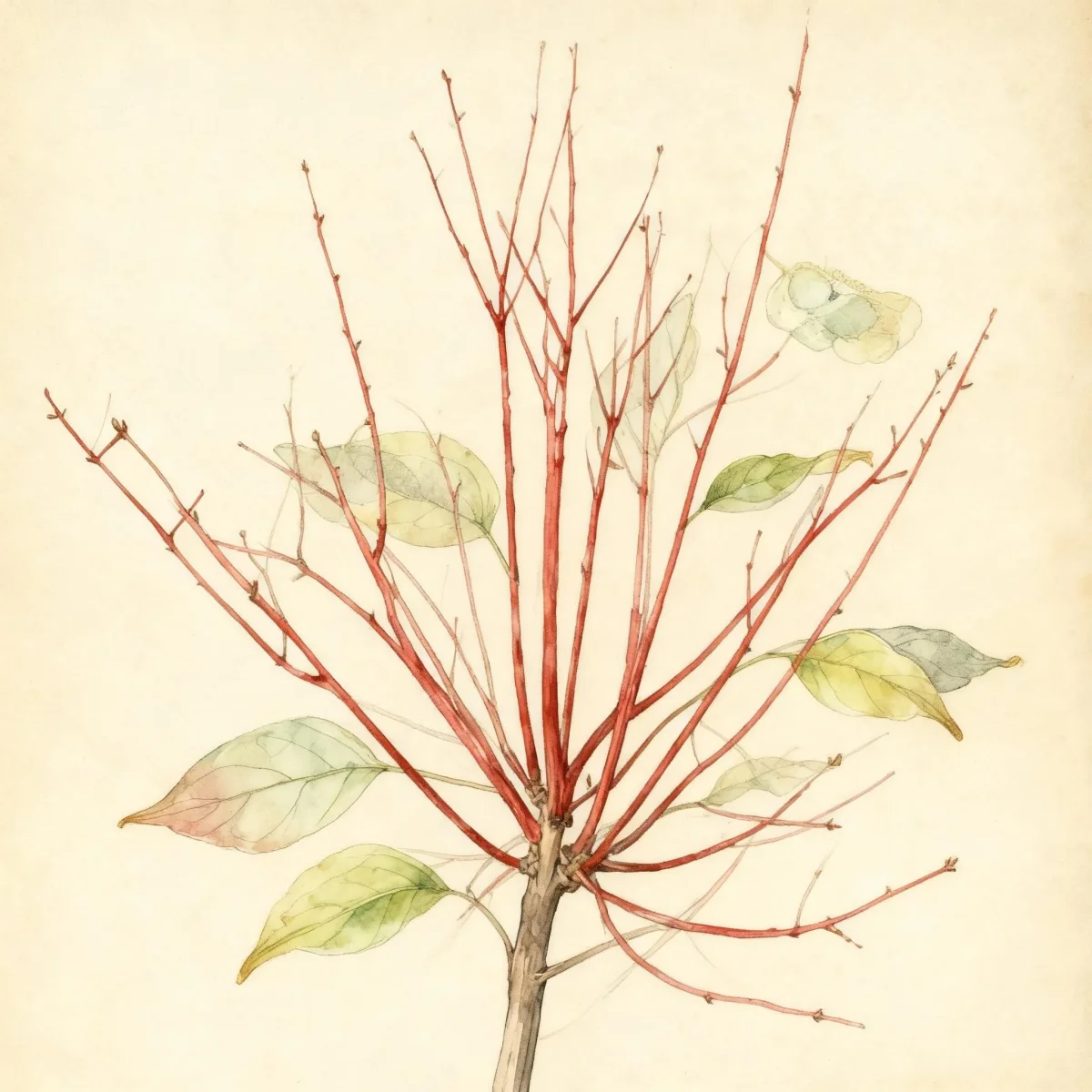
Bunchberry (Cornus canadensis)
Bunchberry (Cornus canadensis) is a low-growing dogwood perfect for shady ground cover in zones 2-6, offering white spring blooms and bright red fruit.
Scroll down to discover growing tips, care requirements, companion plants, and more
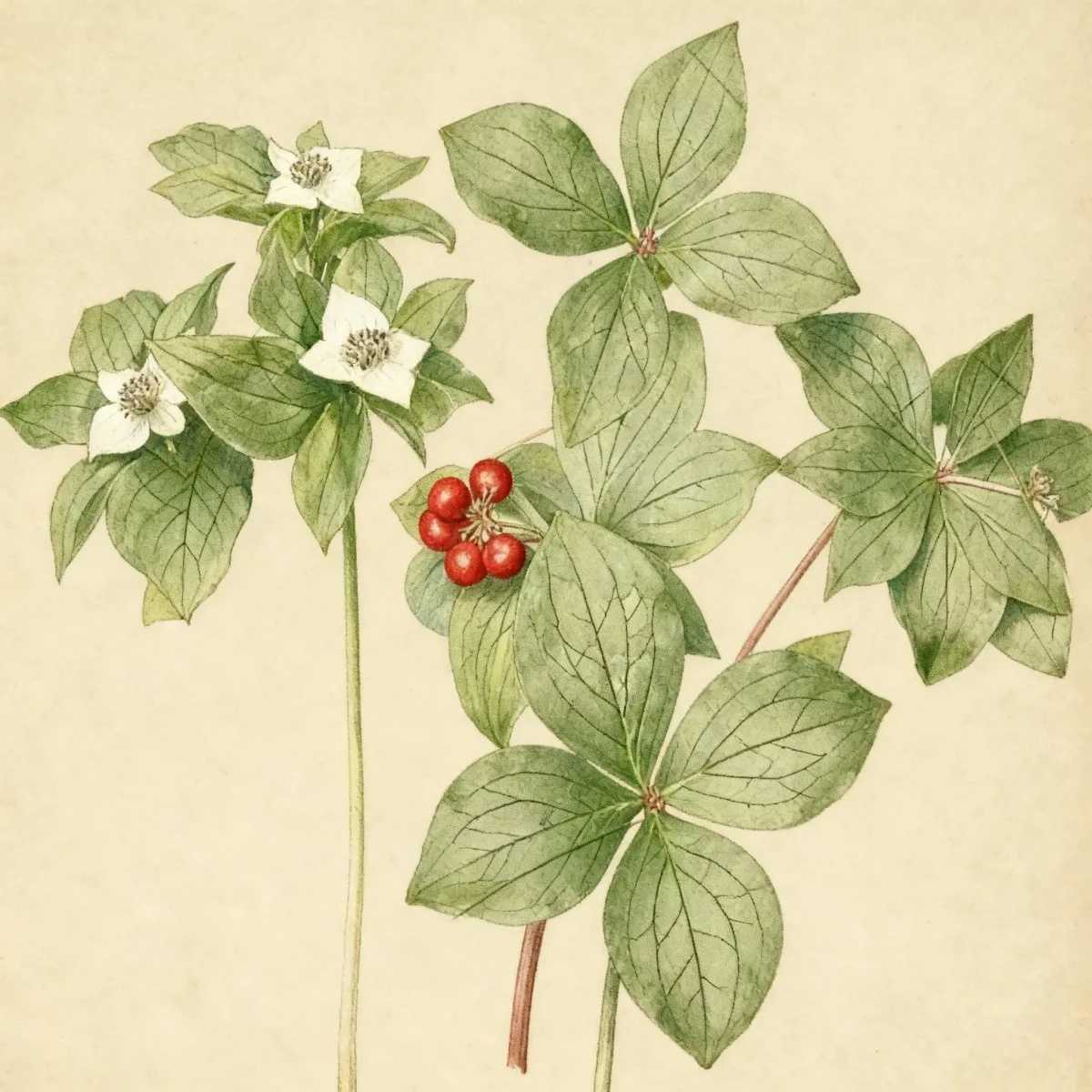
Complete Plant Information
Overview
Bunchberry (Cornus canadensis) is a charming, low-growing native shrub prized for its ability to transform dark, shaded spaces into vibrant woodland vignettes. As a miniature relative of the familiar flowering dogwood tree, this plant offers the same characteristic beauty on a miniature scale, making it an essential component for specific garden styles. Its ability to spread via creeping rhizomes establishes a dense, attractive mat, perfect for areas where turf struggles.
This deciduous ground cover excels where conditions are cool, moist, and shaded, thriving particularly well in northern climates. Few other low-growing plants offer the seasonal transition seen in Cornus canadensis: delicate spring flowers that mature into clusters of conspicuous, bright red drupes that draw the eye late into the season. Gardeners should recognize Bunchberry as a durable selection for naturalizing meadows or woodland borders, provided they can meet its specific soil moisture requirements.
Fast Facts
- Plant Family: Cornaceae
- Plant Type: Deciduous shrub
- Native Range: Eastern Asia, Greenland, northern North America
- Hardiness Zones: USDA Zones 2-6
- Size at Maturity:
- Height: 0.25-0.75 ft
- Spread: 0.5-1 ft
- Bloom Time: May to July
- Bloom Description: White
- Sun Exposure: Part shade
- Water Needs: Medium
- Maintenance Level: Low
How to Grow
The key to successfully establishing Cornus canadensis lies entirely in replicating its native forest floor habitat. Plant in spring or fall, selecting a location offering part shade; ideally, this means sun-dappled conditions or morning sun only, as intense heat can scorch the foliage. Soil quality must be moist, organically rich, and slightly acidic for optimal health.
Water needs are medium, but consistency is crucial; avoid letting the soil dry out, especially during establishment, as this dwarf dogwood is intolerant of dry conditions. Do not incorporate heavy fertilization; instead, enrich the soil yearly with a generous top-dressing of compost or leaf mold to maintain the required organic matter and moisture retention. Pruning is generally unnecessary, as its low, sprawling habit maintains its shape naturally.
Since Bunchberry performs best in cool to cold climates, gardeners in the southern reaches of its range (south of Zone 6) must be especially diligent: provide deep shade, ample irrigation, and excellent air circulation to mitigate summer stress. Be aware that Cornus canadensis also possesses very little tolerance for foot traffic, so site it where it can spread undisturbed.
Landscape Uses
Cornus canadensis is optimally suited as a native ground cover where dense, low foliage is required beneath taller trees or shrubs. It thrives in woodland gardens, softening the edges of shaded paths or filling in blank spaces between larger shade-loving perennials. Its spreading nature makes it excellent for naturalized areas, allowing it to colonize desirable patches of cool, moist soil over time.
When used as a ground cover, consider companion planting with other acid-loving shade natives such as ferns (e.g., Ostrich Ferns) or shade-tolerant woodland ephemerals. The bright red berries of the Bunchberry provide excellent late-season contrast against the dark green foliage of evergreen groundcovers planted nearby. Avoid using this plant near high-traffic walkways, as physical disturbance can quickly lead to failure.
Standout Features
Flower Qualities
- Showy
Fruit Qualities
- Showy
- Edible
Noteworthy Characteristics
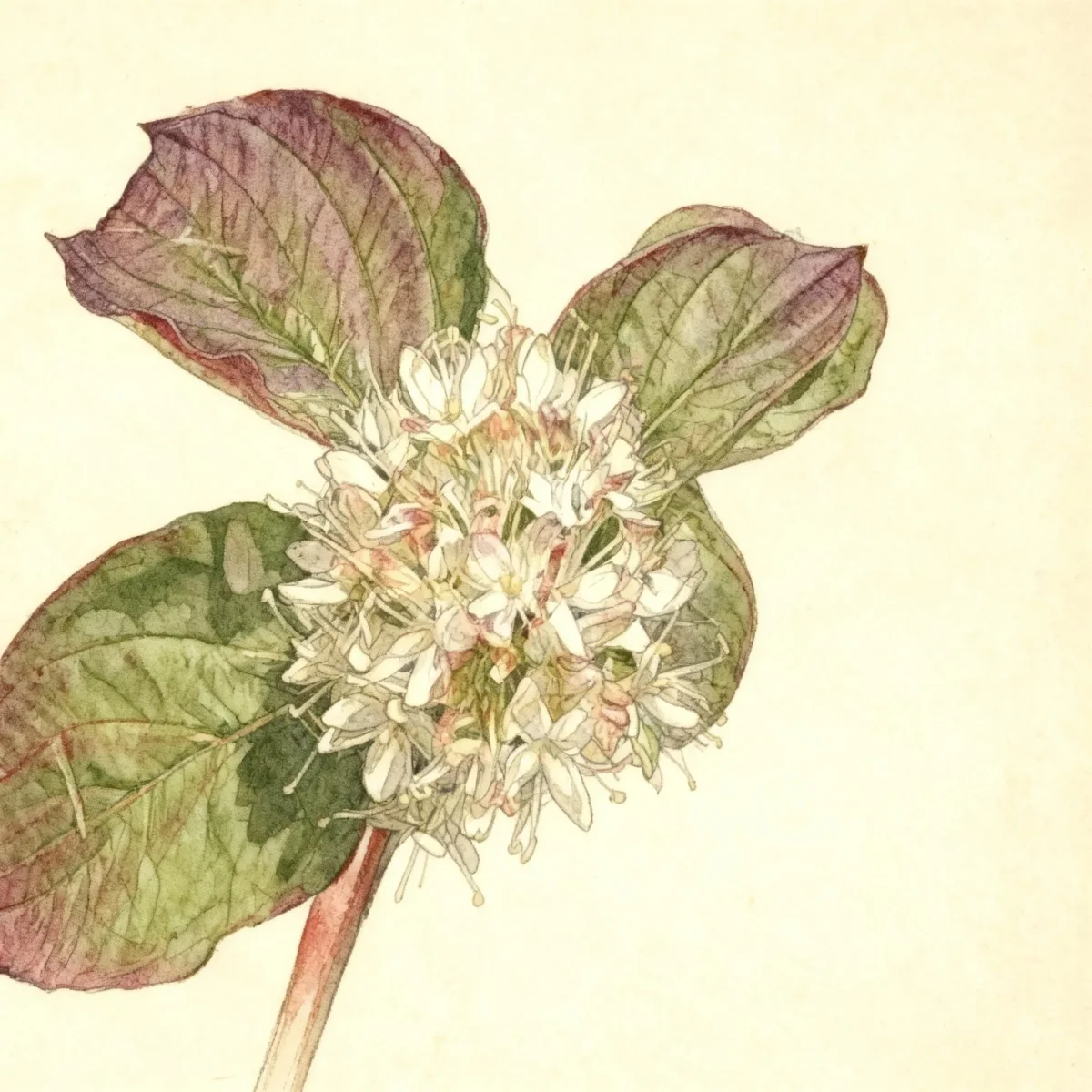
Cornus canadensis, commonly known as dwarf cornel or bunchberry, is a shrubby deciduous ground cover that typically grows to 4-9” tall and spreads in the landscape by creeping rhizomes. This dwarf species of dogwood produces the same shaped leaves and flowers found on the familiar Cornus florida tree except in smaller size. Conspicuously-veined, oval to elliptic, glossy, medium to dark green leaves are located near the stem tops in false whorls, and the plant provides attractive red to purple fall color.
Tolerances
- Rabbit
- Deer
Potential Problems
Cornus canadensis generally exhibits good resistance to common insect pests and diseases, including dogwood anthracnose, which plagues many taller Cornus species. The primary challenge for gardeners is establishment; if the soil is too dry, too hot, or if the plant receives too much direct sun, it often struggles to thrive initially. Ensure consistent moisture and acidic soil from the start, and avoid planting where foot traffic will compact the soil.
Frequently Asked Questions
What hardiness zones is Bunchberry suitable for?
Bunchberry (Cornus canadensis) is highly cold-tolerant, thriving in USDA Zones 2 through 6.
How large does Bunchberry grow?
This creeping dogwood typically reaches a mature height between 0.25 and 0.75 ft, spreading horizontally from 0.5 to 1 ft wide.
What sun exposure does Bunchberry need?
Cornus canadensis requires part shade; it performs best in dappled light conditions or deep shade and should be kept out of intense afternoon sun.
When does Bunchberry bloom?
The plant produces its characteristic white flowers from May through July, followed by persistent red fruit clusters in late summer.
Conclusion
The Bunchberry (Cornus canadensis) offers unparalleled charm as a low-maintenance, native ground cover throughout cooler, shaded landscapes. Its delicate white flowers successfully transition to cheerful, edible red berries, providing visual interest from spring until frost. Ensure you provide consistently moist, rich soil before planting this remarkable dwarf dogwood to guarantee success in your shady borders.
Companion Planting for Shady Gardens
To complement the rich woodland aesthetic created by Cornus canadensis, select companions that share its preference for acidic, moist, part-shaded environments. Large-leaved ferns like Painted Japanese Fern (Athyrium niponicum) contrast beautifully with the fine texture of the Bunchberry leaves. Hosta varieties with deep green or blue-green foliage also integrate well, providing necessary structural mass without competing aggressively for root space, as the spreading rhizomes of Cornus canadensis tend to cover ground efficiently.
Wildlife Benefits of Cornus canadensis
While the showy red drupes are attractive to human eyes, they are also a vital late-season food source for many ground-foraging bird species before migration. Although the plant is small, its dense, low growth pattern provides excellent cover for small mammals and ground-dwelling beneficial insects seeking shelter from predators or harsh midday sun. Establishing a patch of this native shrub directly supports local biodiversity in your woodland setting.