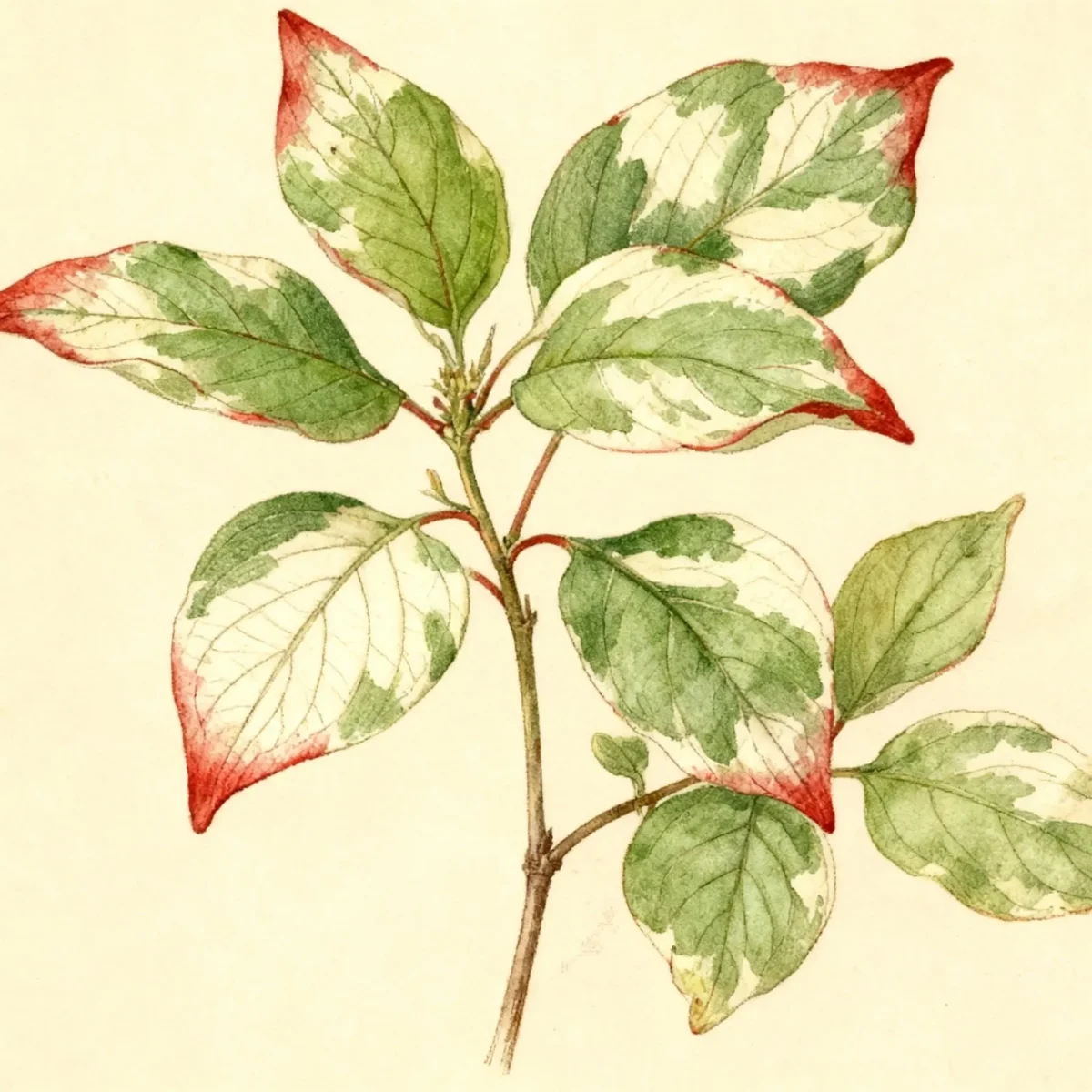
Bloodtwig dogwood (Cornus sanguinea)
Achieve year-round interest with Bloodtwig dogwood (Cornus sanguinea), known for brilliant red winter stems and low maintenance needs.
Scroll down to discover growing tips, care requirements, companion plants, and more
Complete Plant Information
Overview
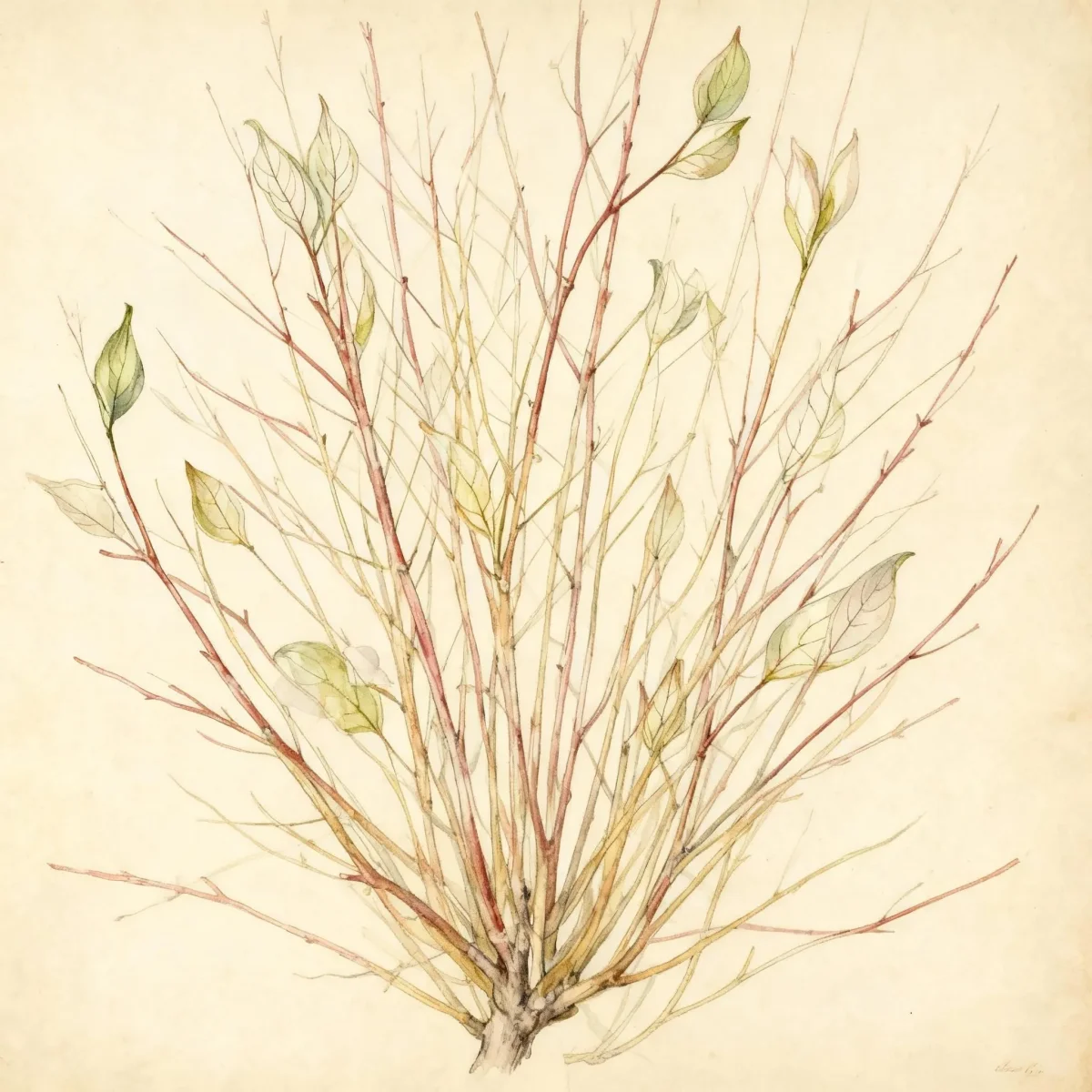
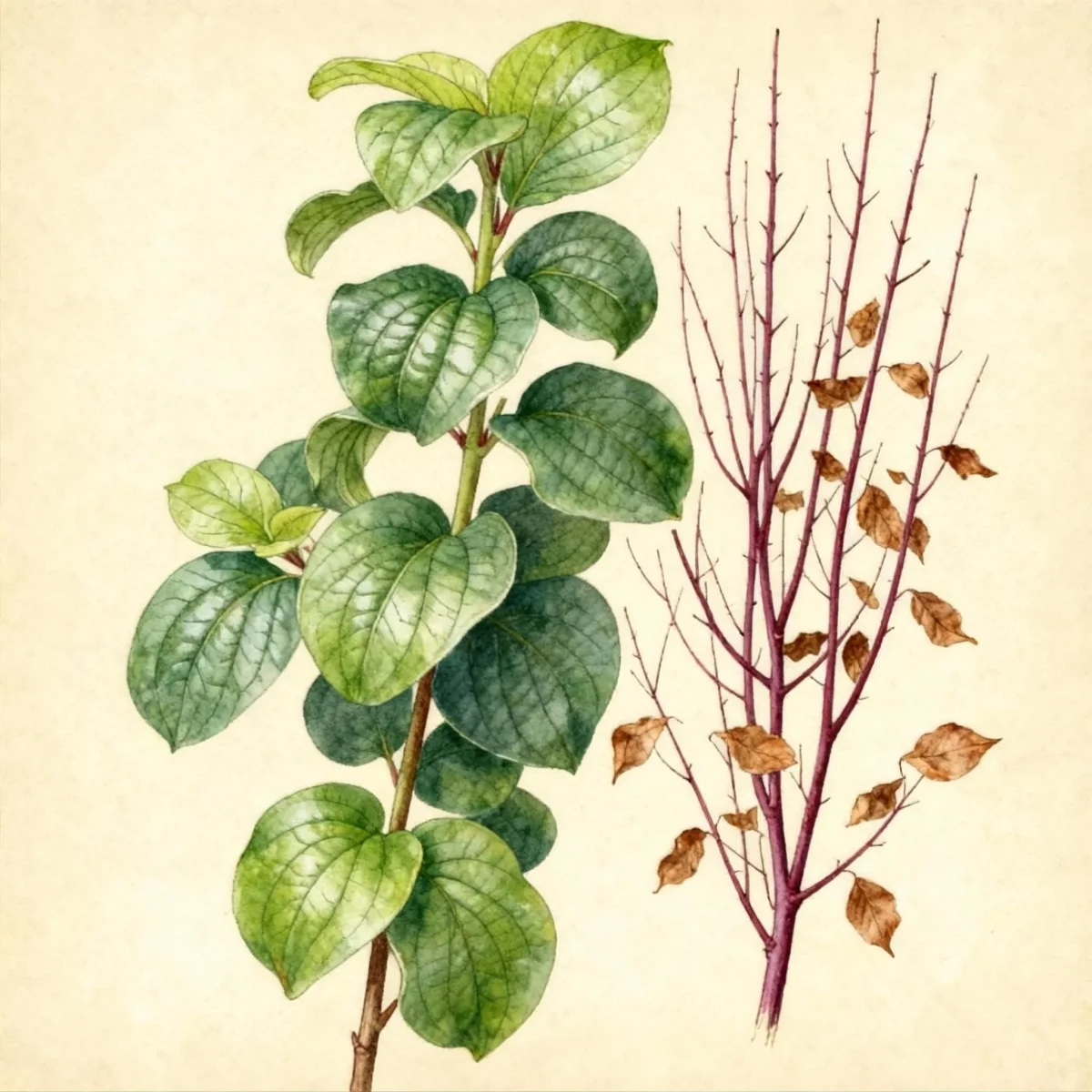
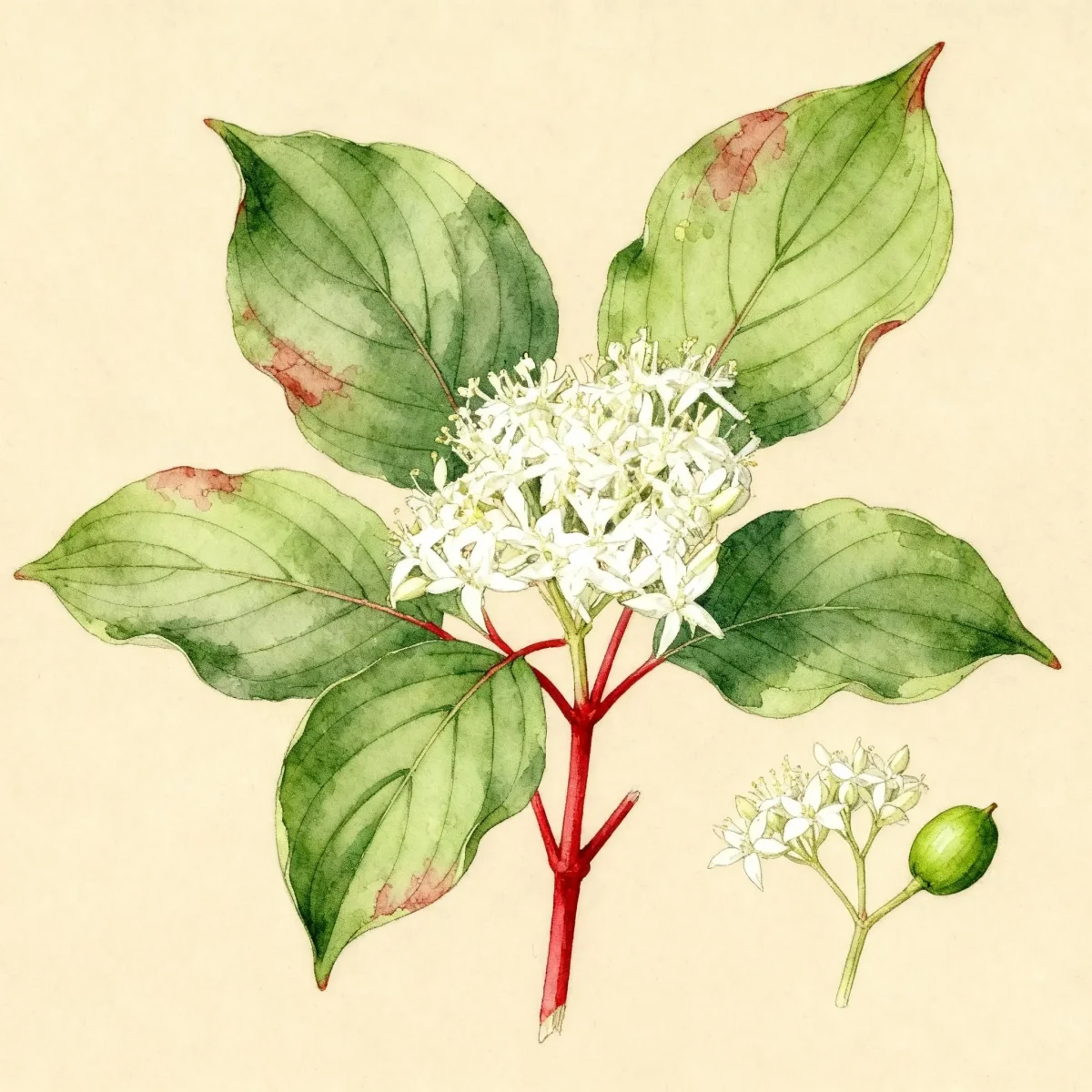
The Bloodtwig dogwood (Cornus sanguinea) is a highly valued ornamental shrub celebrated primarily for its dramatic twig coloration, which peaks in the winter landscape when leaves have dropped. This European native provides a vibrant contrast of slender, often deep blood-red stems against winter snow or dark evergreens. As a low-maintenance deciduous shrub, Cornus sanguinea integrates well into diverse garden settings while offering consistent seasonal appeal.
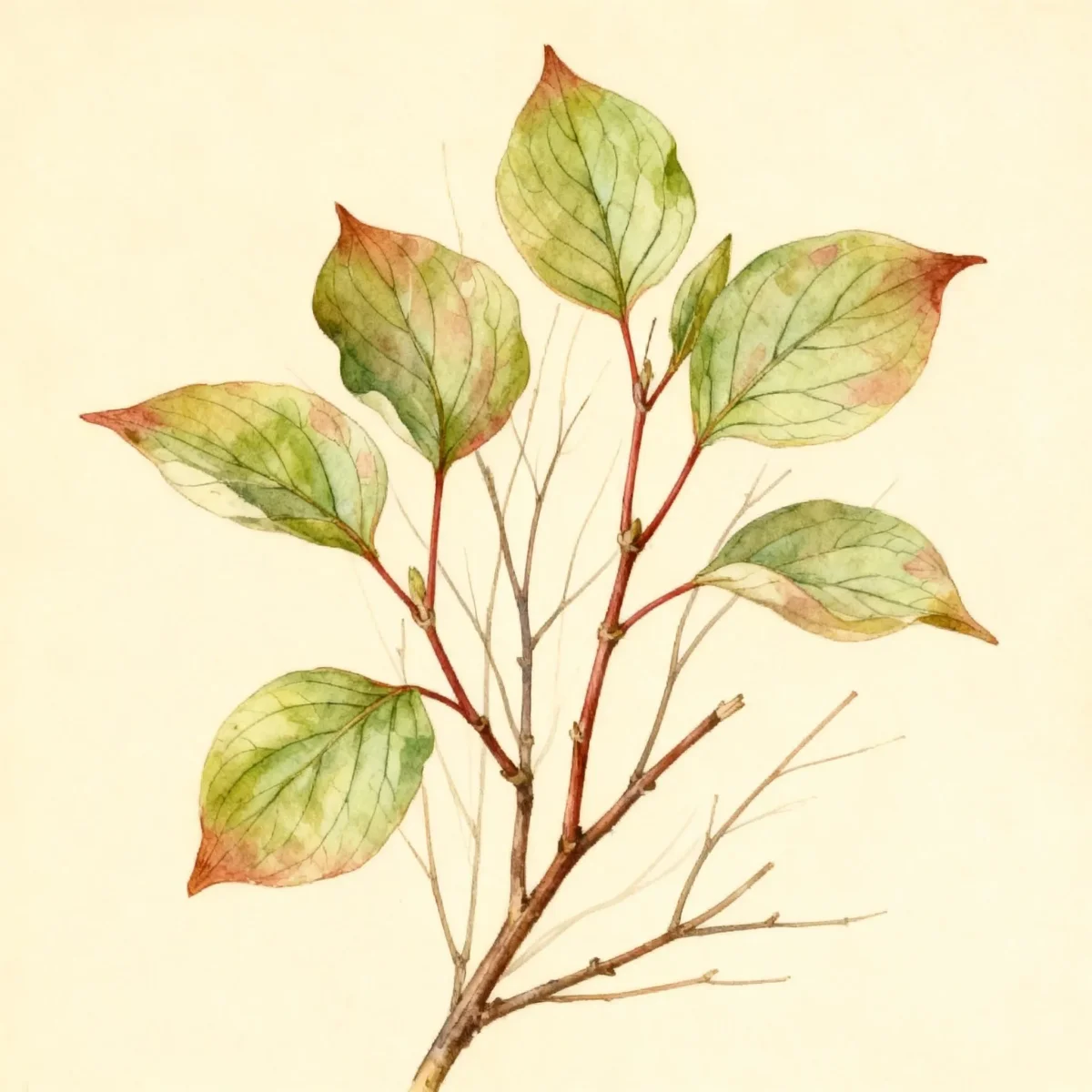
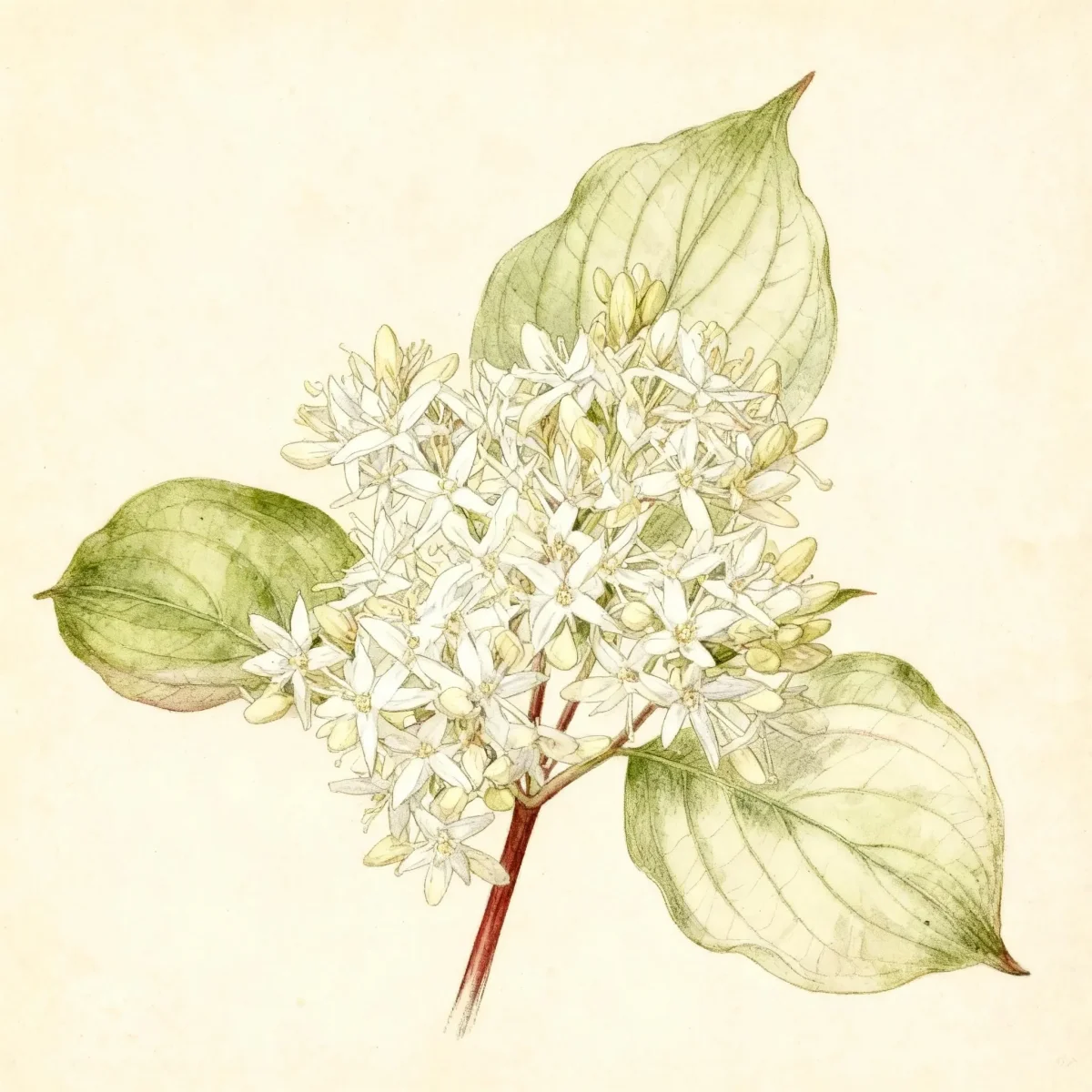
Maturing into an upright, spreading, and twiggy mass, the Bloodtwig dogwood reaches heights and spreads between 8 to 15 feet. While it produces small, somewhat indistinct white flowers in late spring followed by dark fruit, its main spectacle is the striking stem color of new growth. Gardeners prize this shrub for its structural interest and adaptability across a range of soil conditions.
Its common names, including Bloodtwig dogwood, refer to the intense coloration of the young stems, making it an essential choice for winter garden structure. Successful cultivation relies on providing adequate moisture and optimal sun exposure to maximize this signature feature of Cornus sanguinea.
Fast Facts
- Plant Family: Cornaceae
- Plant Type: Deciduous shrub
- Native Range: Europe, Asia
- Hardiness Zones: USDA Zones 4-7
- Size at Maturity:
- Height: “8-15 ft”
- Spread: “8-15 ft”
- Bloom Time: May to June
- Bloom Description: White
- Sun Exposure: Full sun to part shade
- Water Needs: Medium
- Maintenance Level: Low
How to Grow
For optimal performance and vibrant stem color, Bloodtwig dogwood thrives best when planted in organically rich, medium-moisture, well-drained soils. It tolerates a wide variety of soil types, but consistently moist soil supports the best uniform growth. While it performs well in partial shade, achieving the brightest red twigs on Cornus sanguinea usually requires ample sunlight, pushing its exposure rating toward full sun.
Watering should be medium and consistent, especially when establishing the shrub. Although low maintenance, understanding pruning is key to maintaining the striking winter display. The best stem color develops on young, one-to-two-year-old stems.
To encourage this colorful new growth, gardeners should actively prune. While not strictly required, removing 20-25% of the oldest stems annually in the early spring stimulates a flush of colorful new shoots. Alternatively, a harder rejuvenation prune, cutting all stems close to the ground every two to three years during early spring, achieves renewal. If spreading is unwanted, remove root suckers as they appear.
Landscape Uses
The inherent structure and year-round interest provided by Bloodtwig dogwood make it a versatile landscape component. It excels when used in mass plantings where its collective winter color can create a significant visual impact across the winter garden. Furthermore, its tolerance for moist conditions makes it an excellent foundational specimen in a rain garden setting.
Because Cornus sanguinea provides year-round texture, it works wonderfully as an informal screen or backdrop in shrub borders. When selecting companions, choose contrasting forms or colors for the dormant season. Pairing the brilliant red twigs with shrubs offering persistent dark berries or chartreuse foliage ensures continuous visual appeal when the dogwood is at its prime.
Standout Features
Flower Qualities
- Showy
Fruit Qualities
- Showy
Noteworthy Characteristics
Cornus sanguinea, commonly known as Bloodtwig dogwood or common dogwood, is an upright, spreading, multi-stemmed deciduous shrub native to northern Europe and Asia. While it produces dull white flowers followed by blue-black fruit, the defining feature is the slender stem, typically purple or dark blood red on young growth, providing strong visual interest after leaf drop. The common name Bloodtwig dogwood directly relates to this reddish stem color, although older stems transition to a greenish-gray hue.
Tolerances
- Deer
- Erosion
Potential Problems
Cornus sanguinea generally avoids serious insect or disease issues, contributing to its reputation as a low-maintenance shrub. This inherent toughness means gardeners rarely need to apply preventative treatments or intense management to keep this dogwood looking healthy. Focus efforts instead on the necessary cultural practice of selective pruning to maintain stem color vigor.
Frequently Asked Questions
What hardiness zones is Bloodtwig dogwood suitable for?
Cornus sanguinea is well-suited for USDA Hardiness Zones 4 through 7, offering reliable winter color across these regions.
How large does Cornus sanguinea grow?
This shrub typically reaches mature heights and spreads ranging between 8 to 15 feet tall and wide, forming a dense, multi-stemmed habit.
What sun exposure does Cornus sanguinea need?
For the best overall health and the most intensely colored twigs during winter, plant Bloodtwig dogwood where it receives full sun, though it tolerates part shade.
When does Bloodtwig dogwood bloom?
The small, white flowers of Cornus sanguinea appear in loose clusters, usually blooming from May into June.
Conclusion
The year-round appeal, dominated by the fiery red stems of winter, makes Cornus sanguinea an indispensable element in landscape design requiring low upkeep. By implementing annual or biennial pruning, you ensure that your Bloodtwig dogwood remains vibrant and healthy. Always check your local USDA zone compatibility before planting this adaptable and stunning shrub.
Companion Planting
When designing a mixed border utilizing the winter interest of Cornus sanguinea, select companions with contrasting dormant season features. Consider pairing the red twigs with shrubs that offer persistent yellow or white bark, such as certain Cornus sericea cultivars (Red Osier Dogwood varieties) or Betula nigra (River Birch). Planting these near dark evergreen structure will further intensify the visual pop of the dogwood stems.
Wildlife Benefits
The small, late-season fruits (drupes) of the Bloodtwig dogwood are utilized by various birds, providing an important late-summer food source before migration or deeper winter. While the flowers themselves are not showy, they do attract general garden insects. The dense, twiggy structure also offers excellent protective cover and nesting sites for smaller songbirds throughout the year.