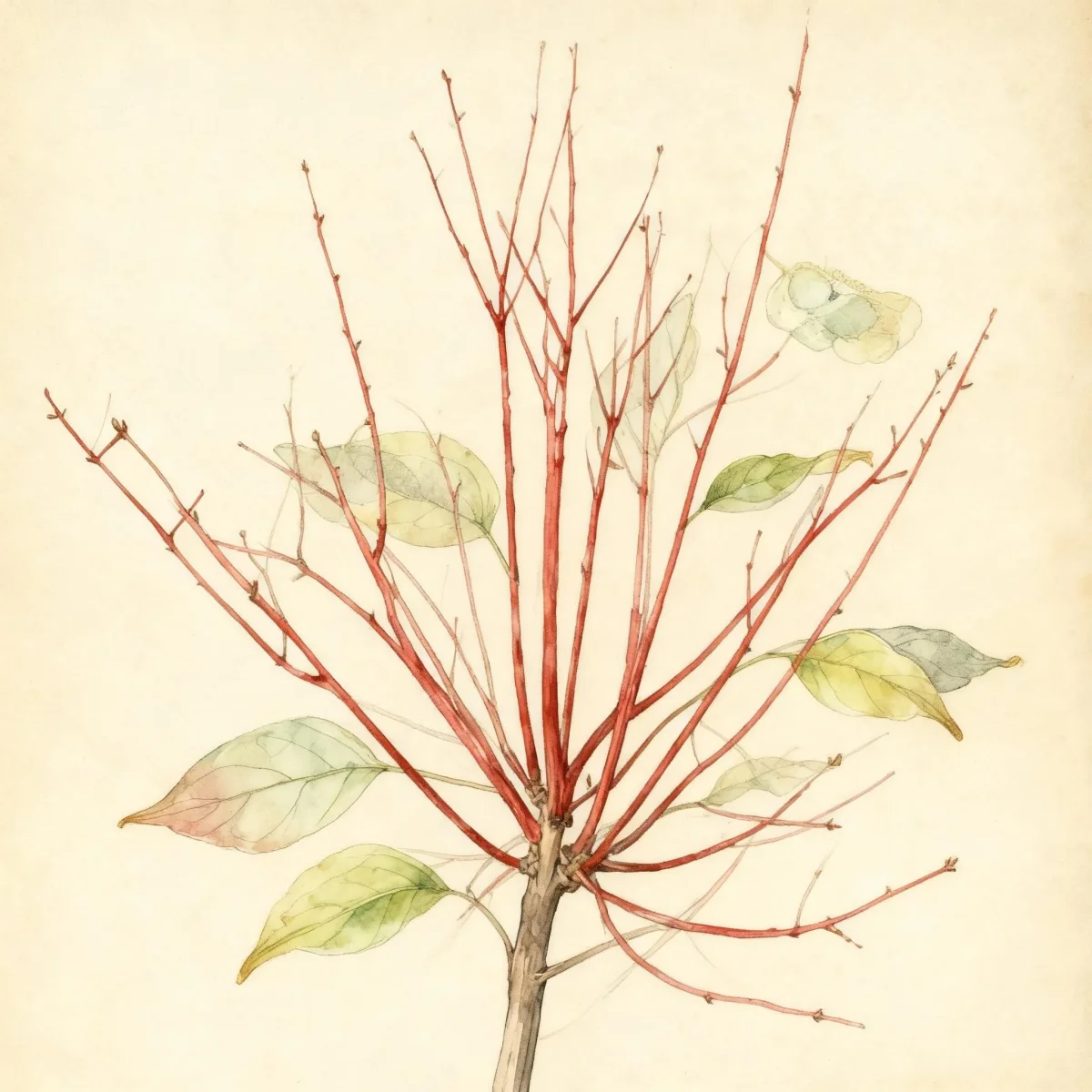
Pagoda dogwood (Cornus alternifolia)
The Pagoda dogwood (Cornus alternifolia) is a distinctive native tree featuring tiered branching, fragrant spring flowers, and attractive fall color.
Scroll down to discover growing tips, care requirements, companion plants, and more
Complete Plant Information
Overview
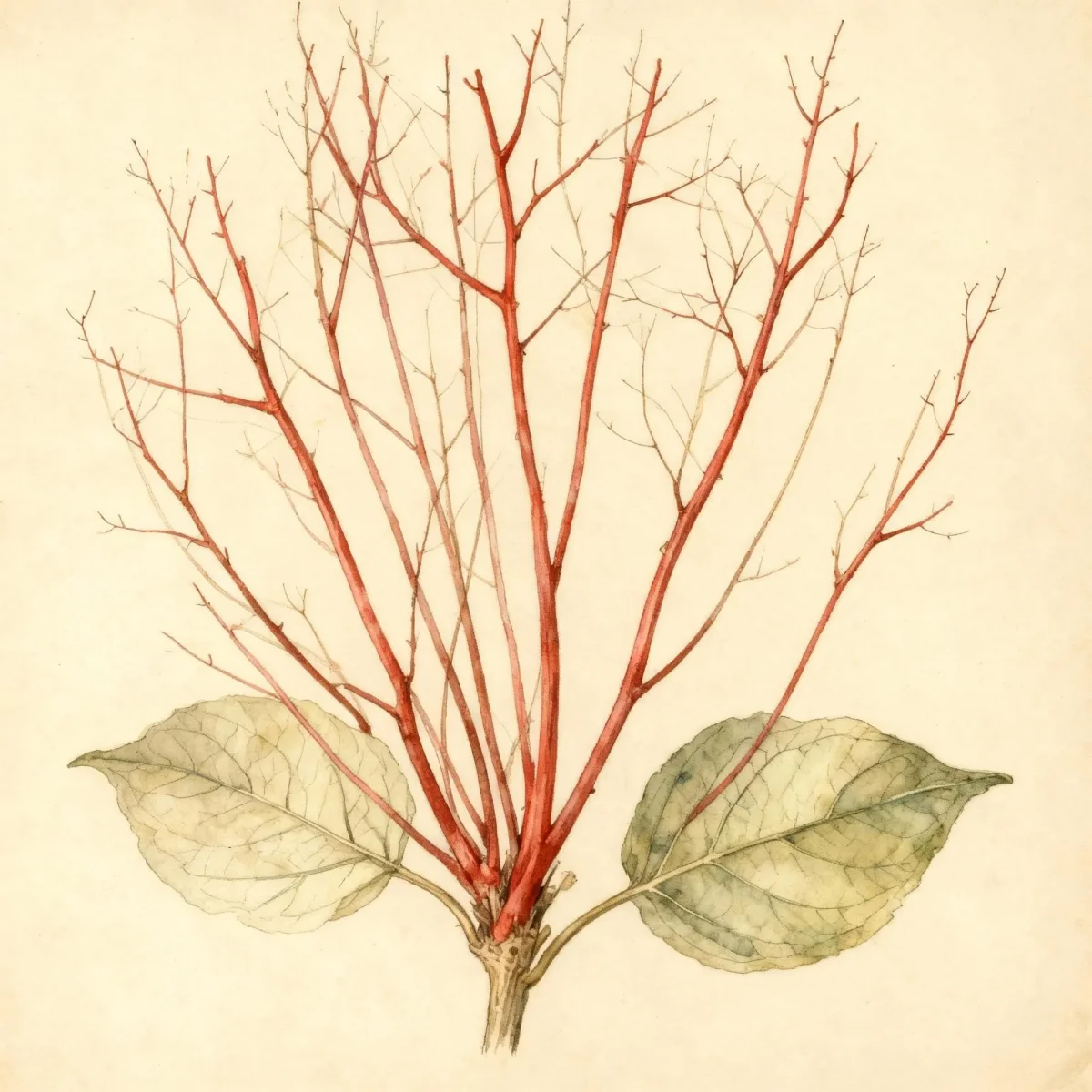
The Pagoda dogwood (Cornus alternifolia) is a highly prized, small deciduous tree known for its distinctive, tiered, horizontal branching pattern that gives it an architectural presence in the landscape, even in winter. This native species offers multi-season interest, beginning with fragrant white blooms followed by colorful fruit displayed on red stalks. Gardeners utilize Cornus alternifolia where a structural accent or specimen planting is desired, capitalizing on its relatively low maintenance needs once established.
This species is native to moist and dry forests across Eastern North America, thriving best in environments mirroring its woodland origins. While it handles diverse placements, best performance for the Pagoda dogwood occurs in cool summer climates where afternoon shade can be provided during the hottest part of the day. Its aesthetic appeal is further enhanced by medium green leaves that transform into attractive reddish-purple hues in autumn.
As a member of the Cornaceae family, Cornus alternifolia provides excellent structure and moderate light filtering without dominating a space excessively. Its manageable size makes it suitable for residential properties, offering significant visual impact with minimal required fuss from the gardener, cementing its value as a superior native ornamental.
Fast Facts
- Plant Family: Cornaceae
- Plant Type: Deciduous shrub
- Native Range: Eastern North America
- Hardiness Zones: USDA Zones 3-7
- Size at Maturity:
- Height: 15-25 ft
- Spread: 20-32 ft
- Bloom Time: May to June
- Bloom Description: Yellowish-white
- Sun Exposure: Full sun to part shade
- Water Needs: Medium
- Maintenance Level: Low
How to Grow
The best time to plant Cornus alternifolia is typically in the spring or fall when temperatures are moderate, allowing the root system time to establish before the stresses of summer heat or deep winter cold. Site selection is crucial; aim for organically rich, well-drained soils. While it tolerates full sun, many gardeners find that applying some afternoon shade prevents leaf scorch in hotter regions like the St. Louis area.
Ensure consistent moisture, especially during the first two growing seasons, to encourage deep rooting. Mulching the root zone is highly recommended to conserve soil moisture, moderate soil temperature, and suppress weeds. Cornus alternifolia generally requires very little fertilization; focus instead on maintaining ideal soil pH and moisture levels rather than supplementary feeding, reflecting its low maintenance profile.
Pruning should be kept minimal, focused primarily on removing dead, damaged, or crossing branches to maintain the tree’s naturally elegant, tiered structure. Avoid heavy summer pruning, as this can stress the tree. In general, its cultural preference demands clean, well-drained sites for optimal health and minimal susceptibility to common fungal issues.
Landscape Uses
The tiered, layered branching structure of Pagoda dogwood makes it an exceptional specimen tree, lending formal elegance to informal settings. Plant it as a focal point near patios or entryways where its profile can be fully appreciated, or integrate it into small groupings for layered woodland effects. While it matures into a substantial specimen, it also works well near the margins of the landscape, functioning effectively within shrub borders.
For woodland gardens, Cornus alternifolia provides high canopy structure above shade-tolerant understory plants. Consider pairing it with complementary textures, such as ferns or hostas, planted beneath its canopy. Its flowers attract pollinators, and the late summer fruits are highly valued in bird gardens, making it a vital component of ecologically conscious design.
This tree is also effective when placed in naturalized areas where it can spread slightly and mimic its native habitat. Its year-round architectural appeal, especially when snow highlights the horizontal branches, ensures this dogwood contributes significantly to the structure of the landscape even during dormancy.
Standout Features
Flower Qualities
- Showy
- Fragrant
Fruit Qualities
- Showy
Noteworthy Characteristics
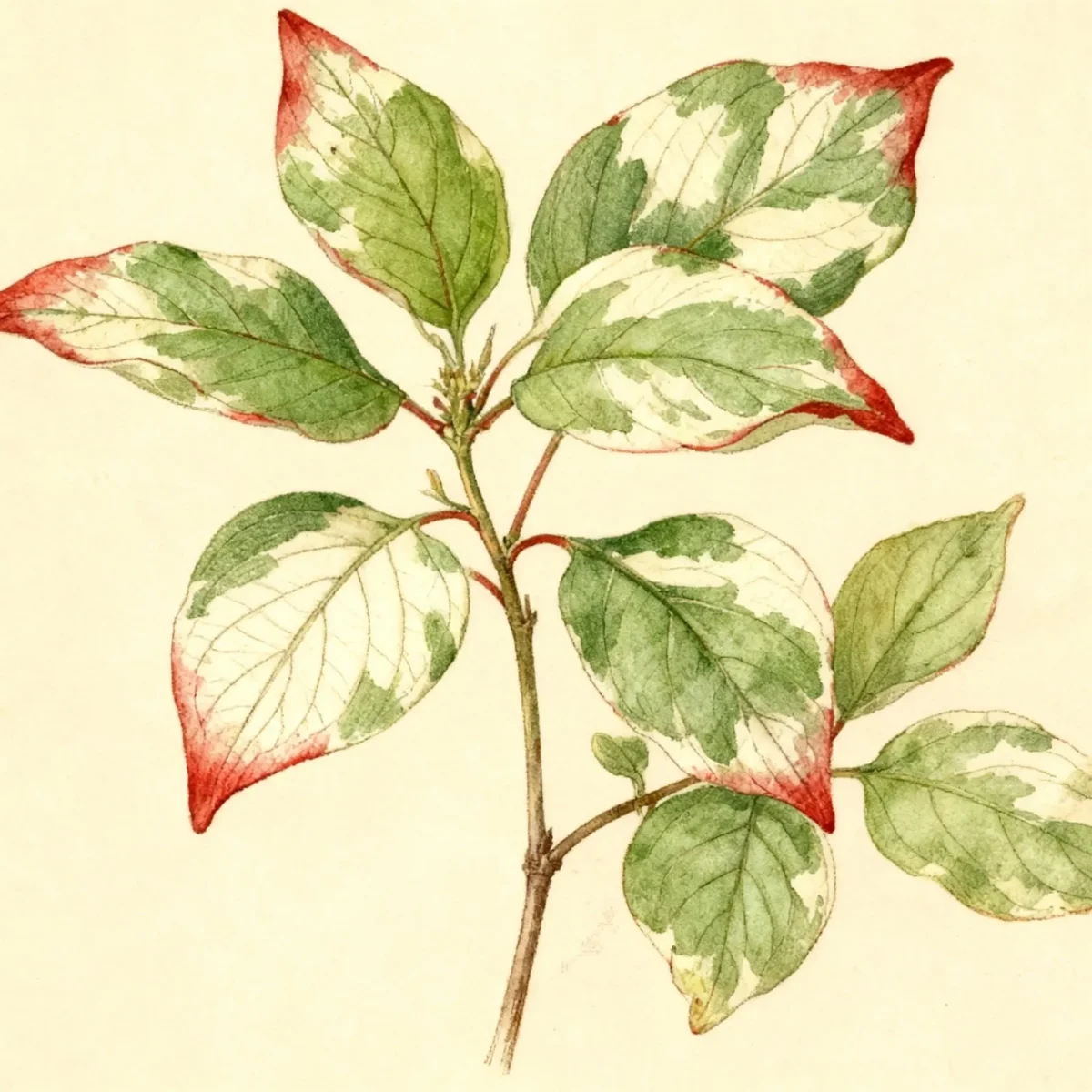
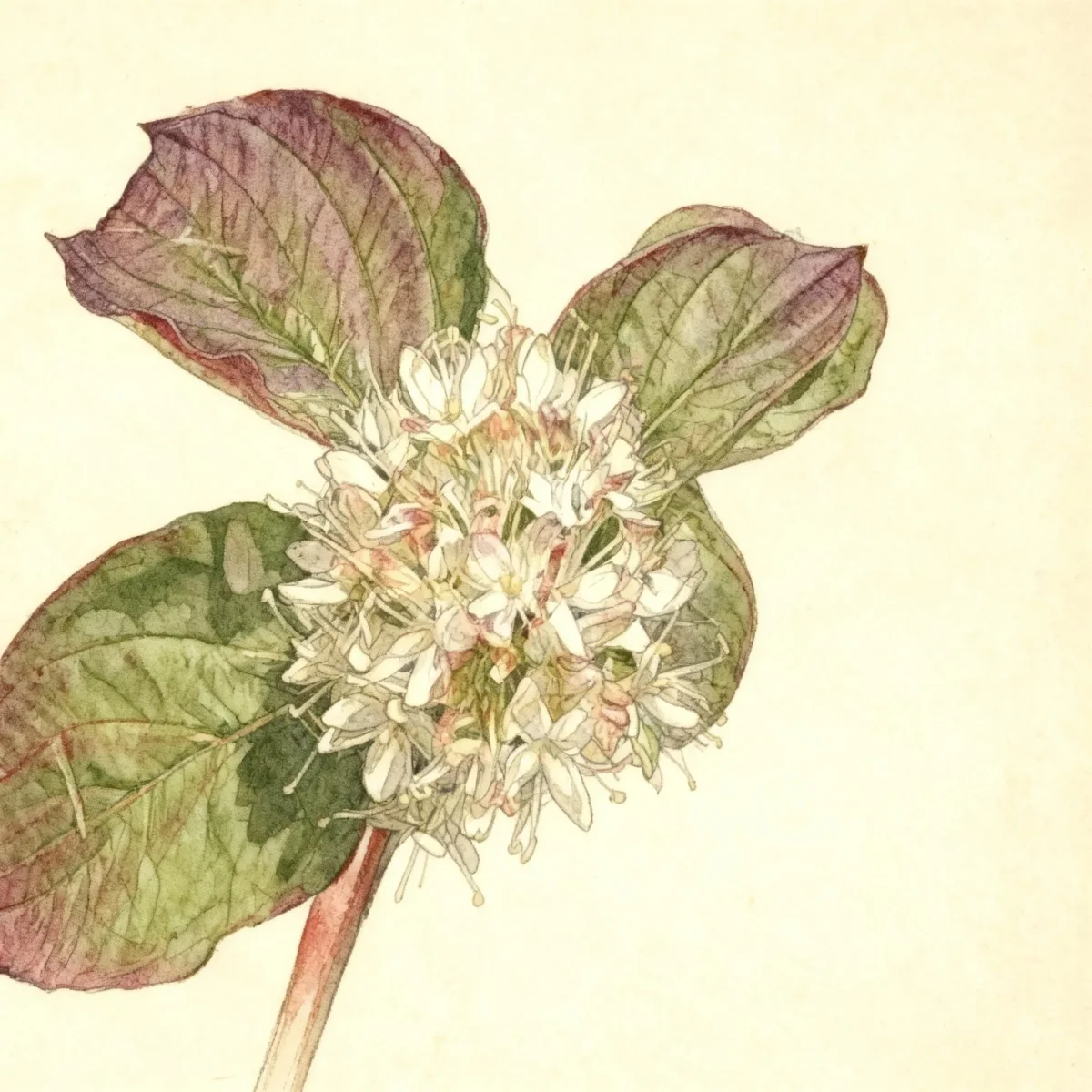
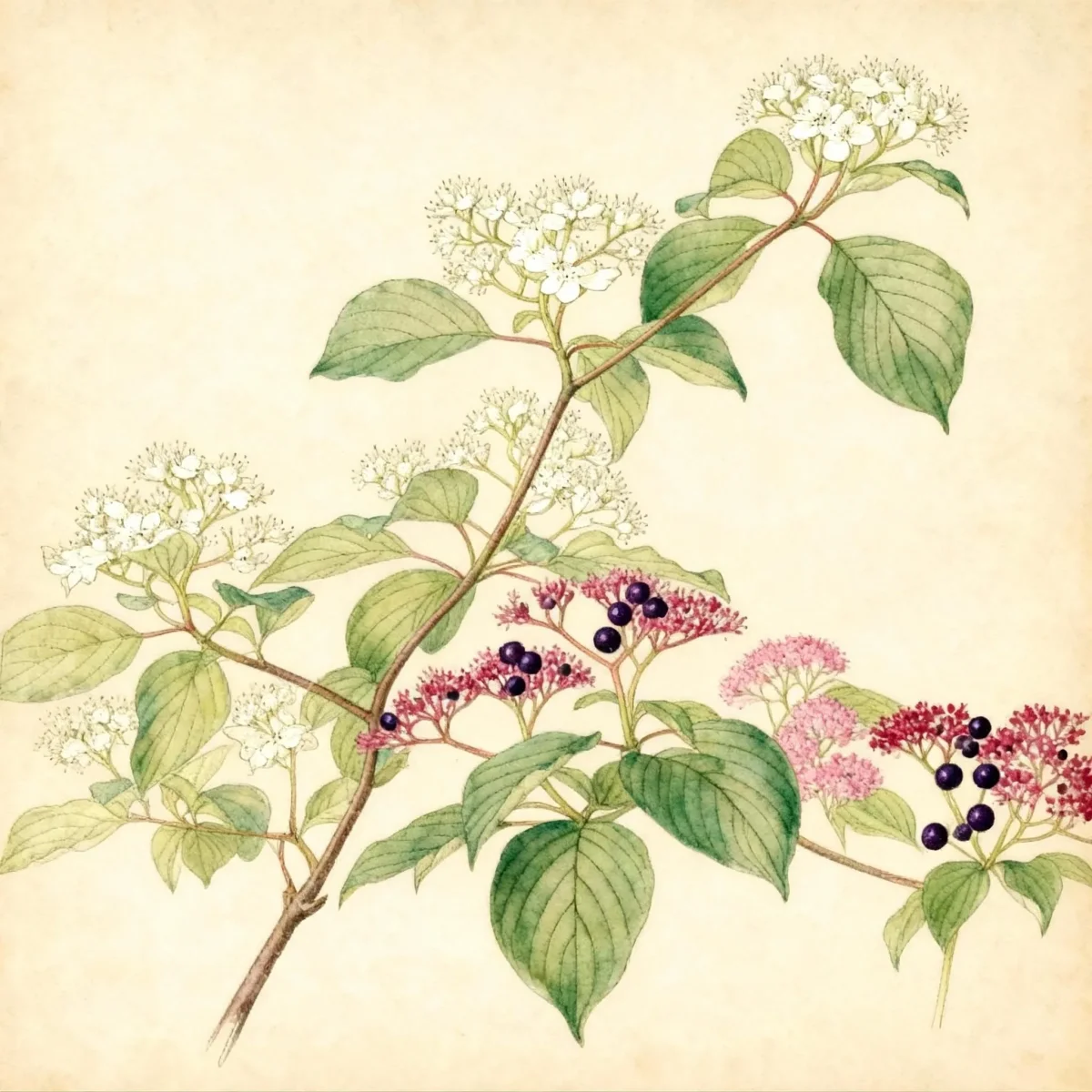
Cornus alternifolia is celebrated for its distinctive tiered/layered horizontal branching which is upward-turned at the tips, distinguishing it from other dogwoods. Small, fragrant, yellowish-white flowers bloom in flattened cymes in late spring, giving way to attractive bluish-black fruits on red stalks that mature in late summer. A key taxonomic feature is that, unlike most dogwoods, the leaves of this species are arranged alternately along the stem, inspiring the common name pagoda dogwood.
Tolerances
- Deer
- Black Walnut
Potential Problems
Cornus alternifolia can occasionally be susceptible to fungal diseases, including leaf spot, twig and leaf blights, and root rot, which can be exacerbated by poor drainage. Canker is another potential issue affecting woody tissues. Gardeners should also monitor for occasional insect pests such as scale, leaf miners, and borers. Ensuring the tree is planted in well-drained soil and receives only the recommended amount of moisture is the best defense against root rot and fungal onset.
Frequently Asked Questions
What hardiness zones is Pagoda dogwood suitable for?
The Pagoda dogwood (Cornus alternifolia) is suitable for USDA Hardiness Zones 3 through 7.
How large does Cornus alternifolia grow?
This species typically reaches a mature height between 15 and 25 feet, with a spread ranging from 20 to 32 feet wide.
What sun exposure does Pagoda dogwood need?
This plant performs well in full sun, although it appreciates some afternoon shade, particularly in hotter climates.
When does Cornus alternifolia bloom?
The fragrant, yellowish-white flowers of the Pagoda dogwood typically appear between May and June.
Conclusion
The Pagoda dogwood offers superb structural interest and reliable seasonal color, making Cornus alternifolia a superior choice for native plantings that require low maintenance. Its unique horizontal branching pattern provides architectural beauty year-round. Before planting, confirm your location falls within USDA Zones 3-7 and ensure you can provide the required medium moisture and well-drained, acidic soil.
Wildlife Benefits
The fruit display of Cornus alternifolia is highly beneficial for local fauna during the late summer and early fall when the small, bluish-black drupes ripen. These fruits serve as an excellent food source for numerous bird species migrating through or residing in Eastern North America. Planting this specific native dogwood directly supports local biodiversity, offering both shelter and sustenance.
Companion Planting
When establishing Cornus alternifolia, select companion plants that share a preference for acidic, rich, medium-moisture soils and partial shade. Shade-tolerant groundcovers such as Wild Ginger (Asarum) or various native woodland sedges create an attractive, weed-suppressing layer beneath the canopy. Taller companions, like various native ferns or Oakleaf Hydrangeas (Hydrangea quercifolia), can complement its tiered structure without causing undue competition for light.