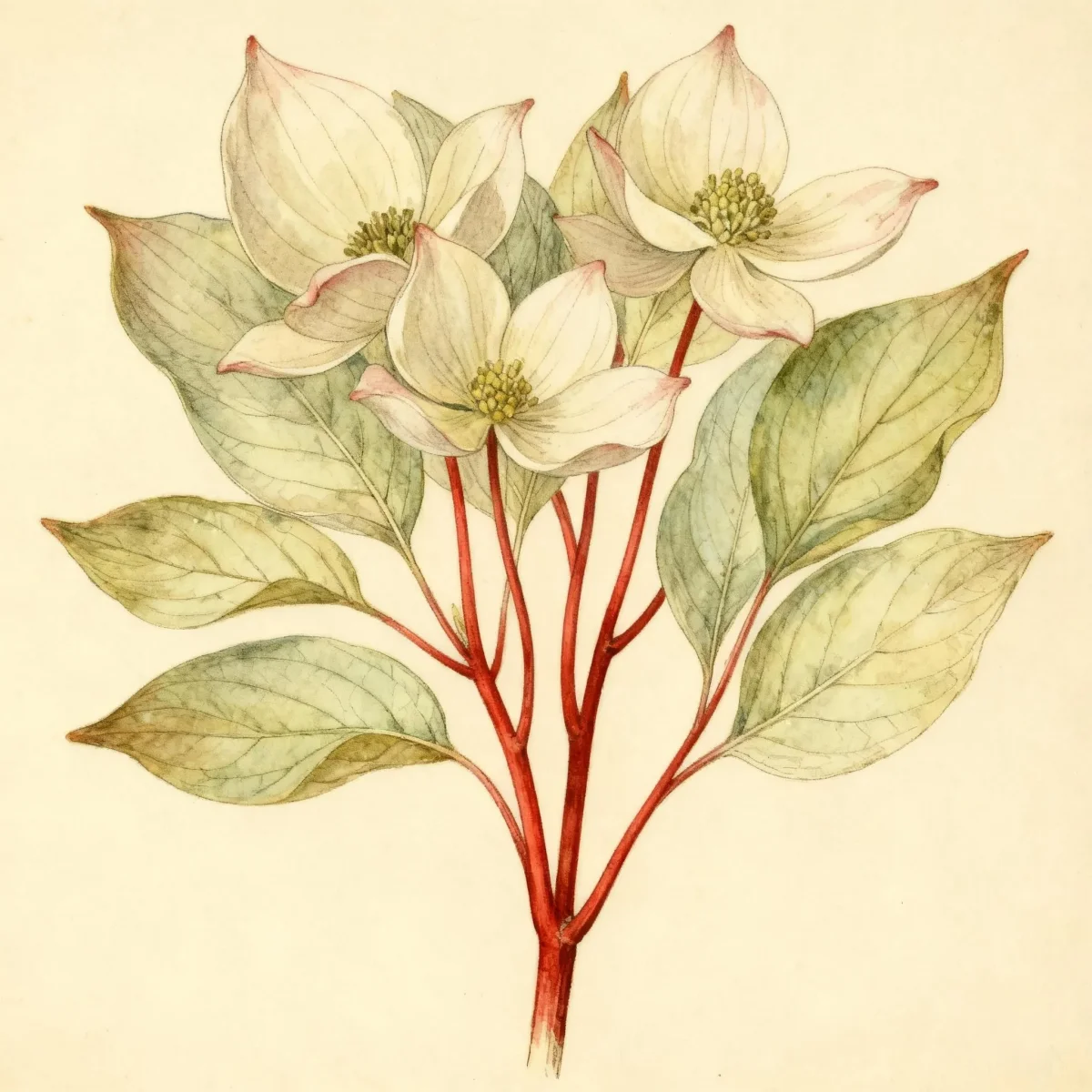
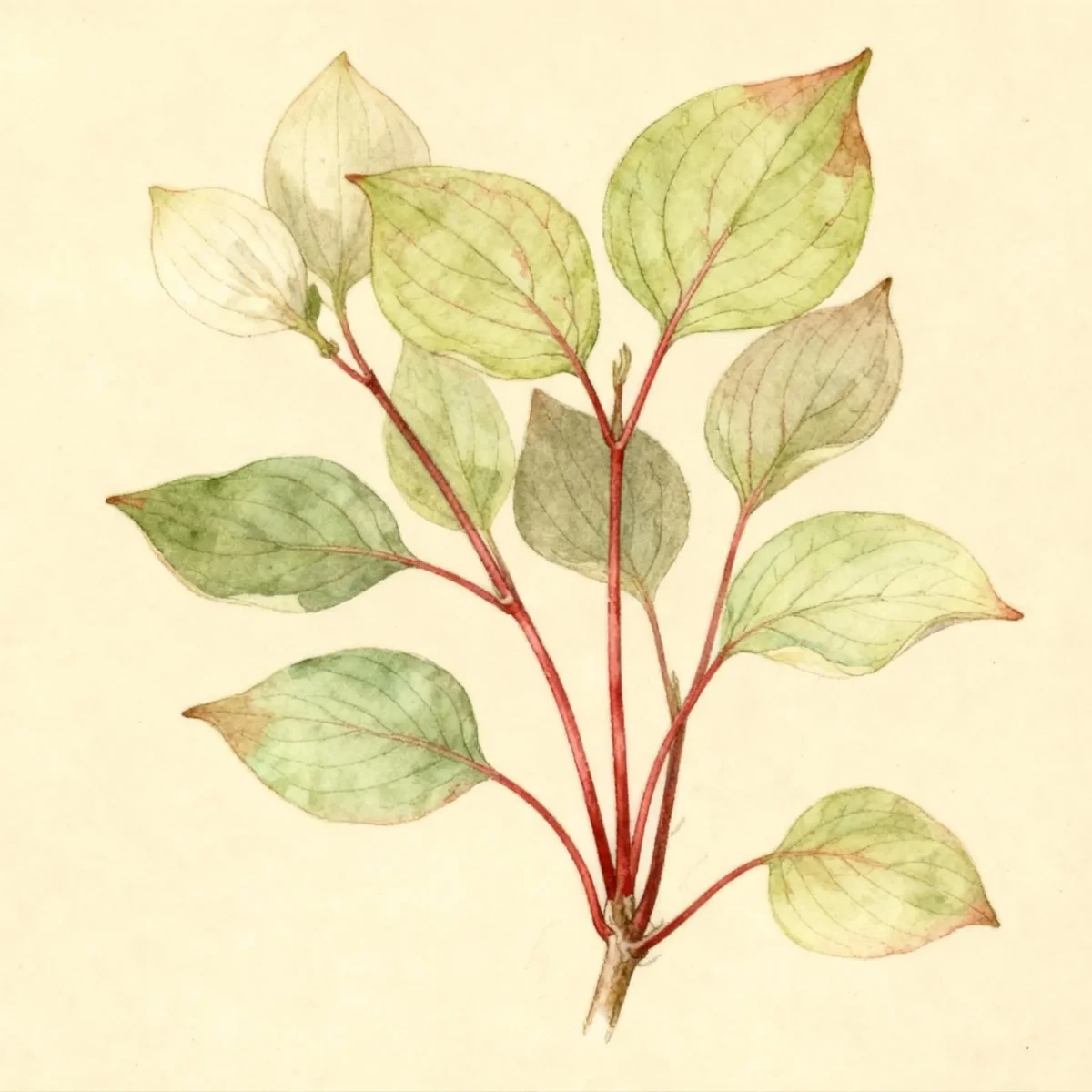
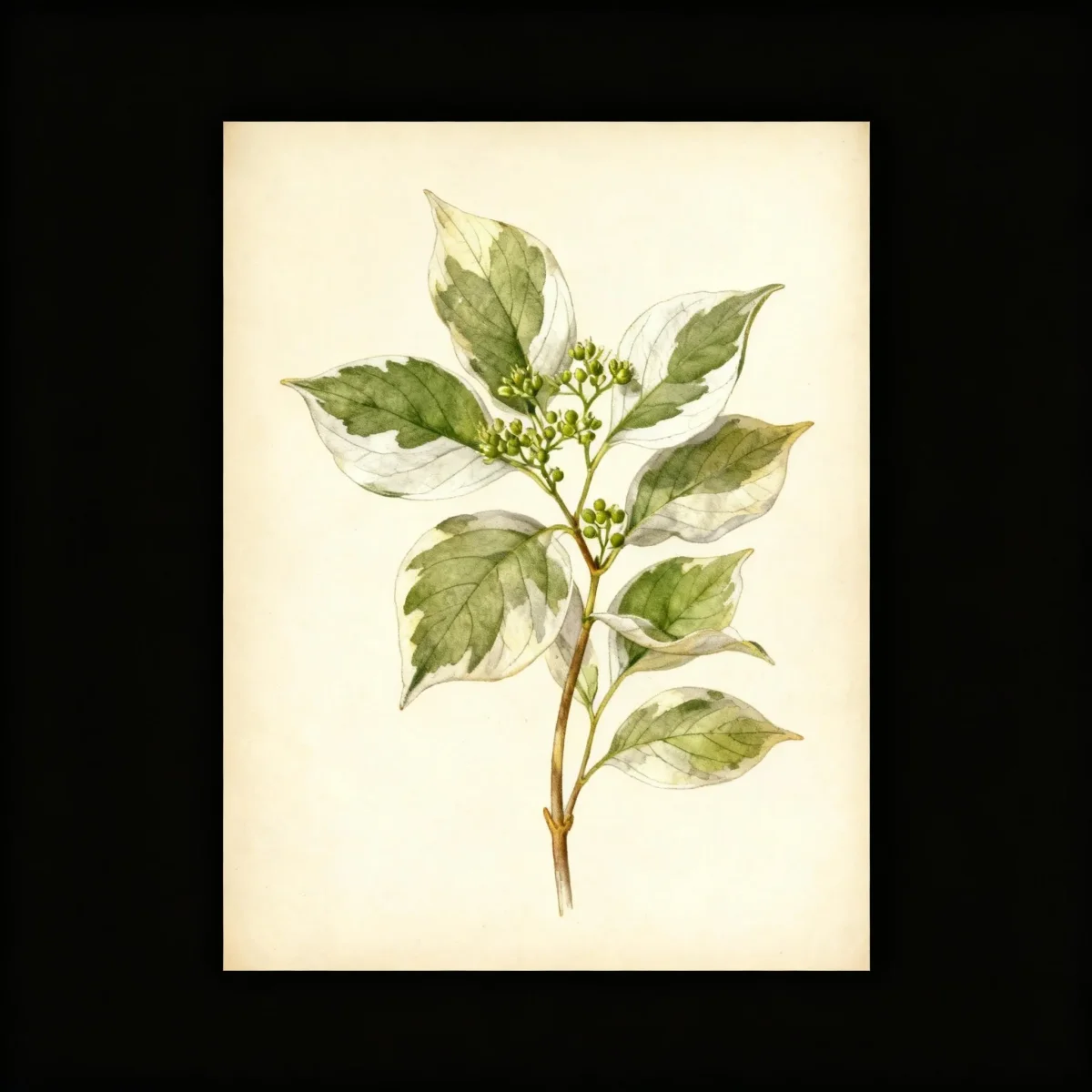
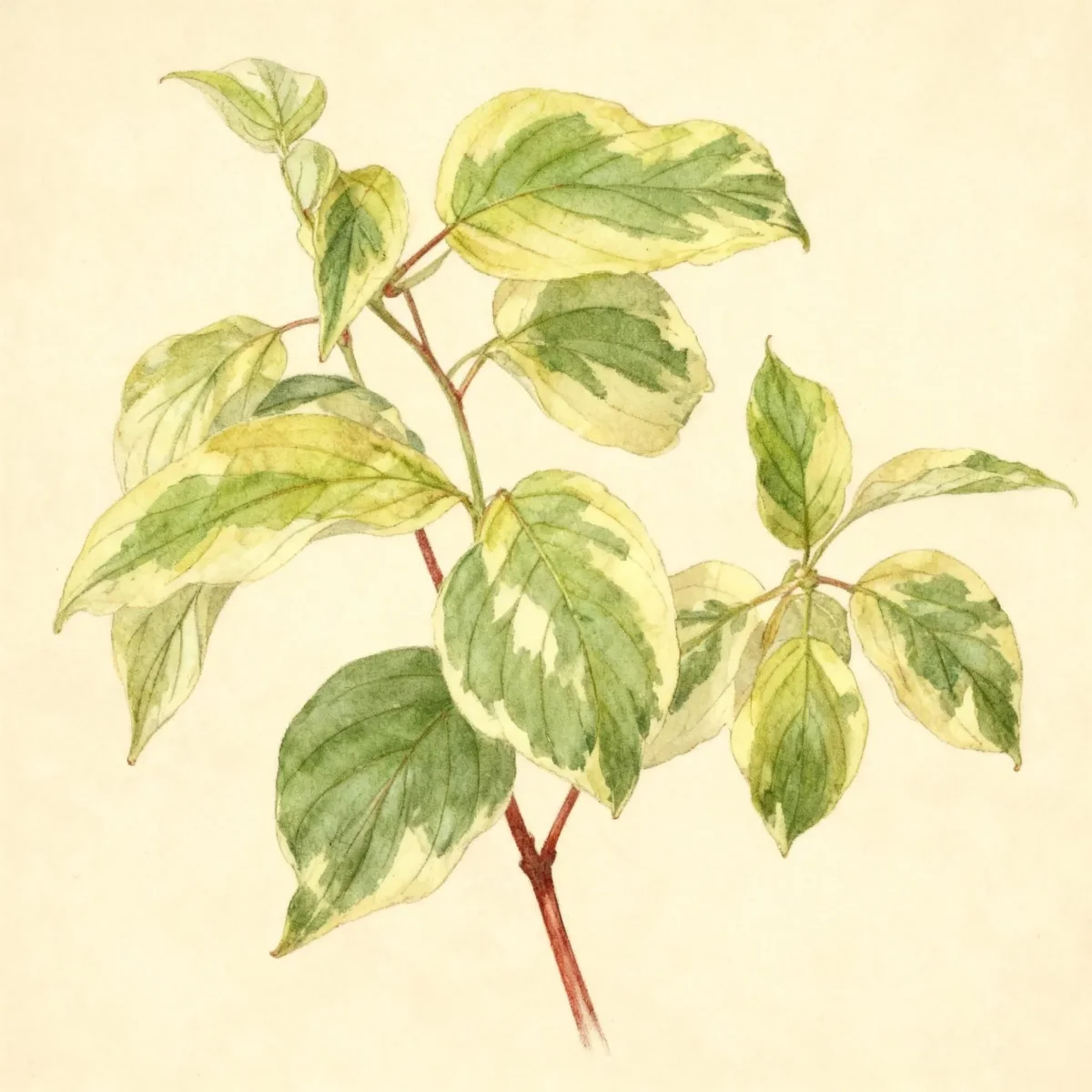
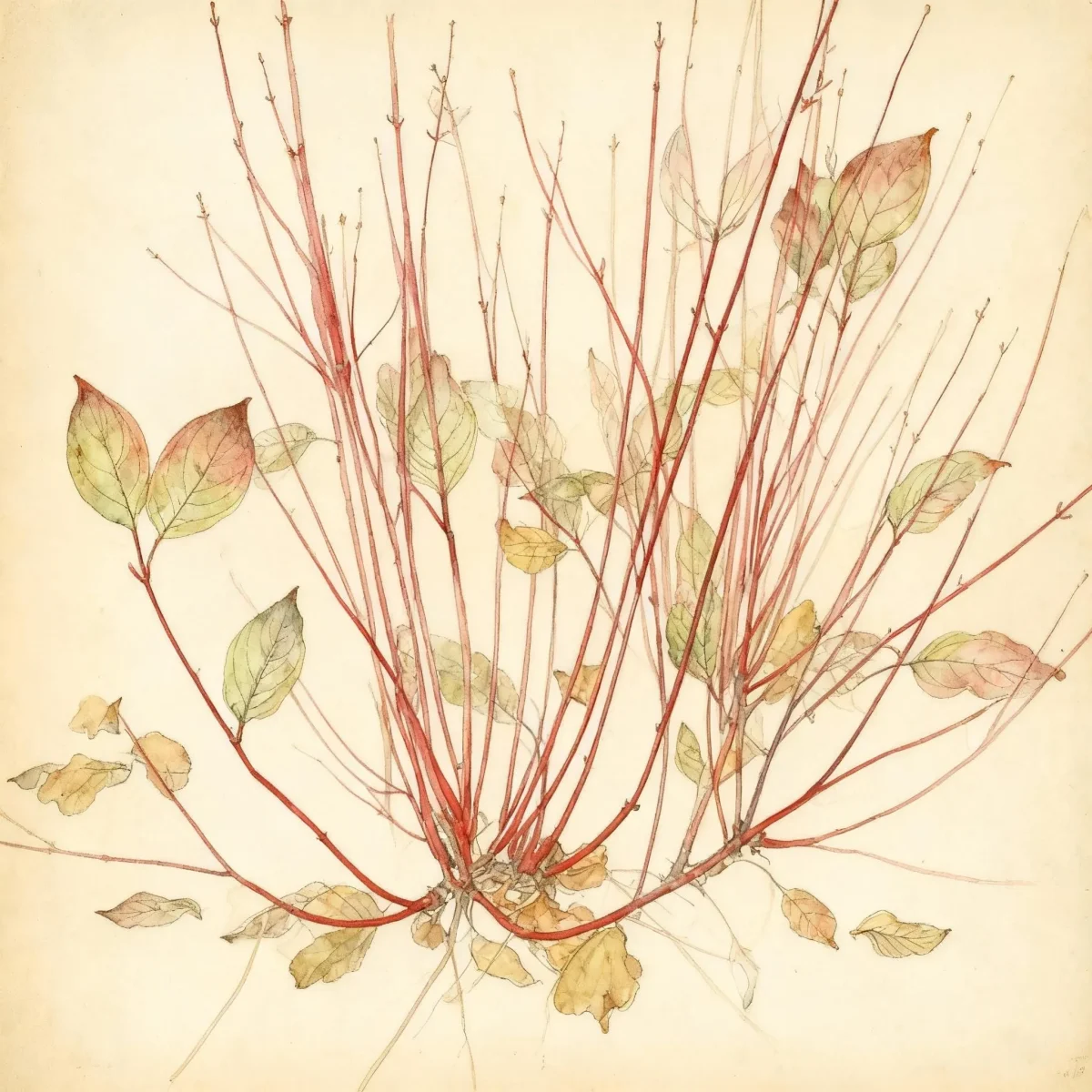
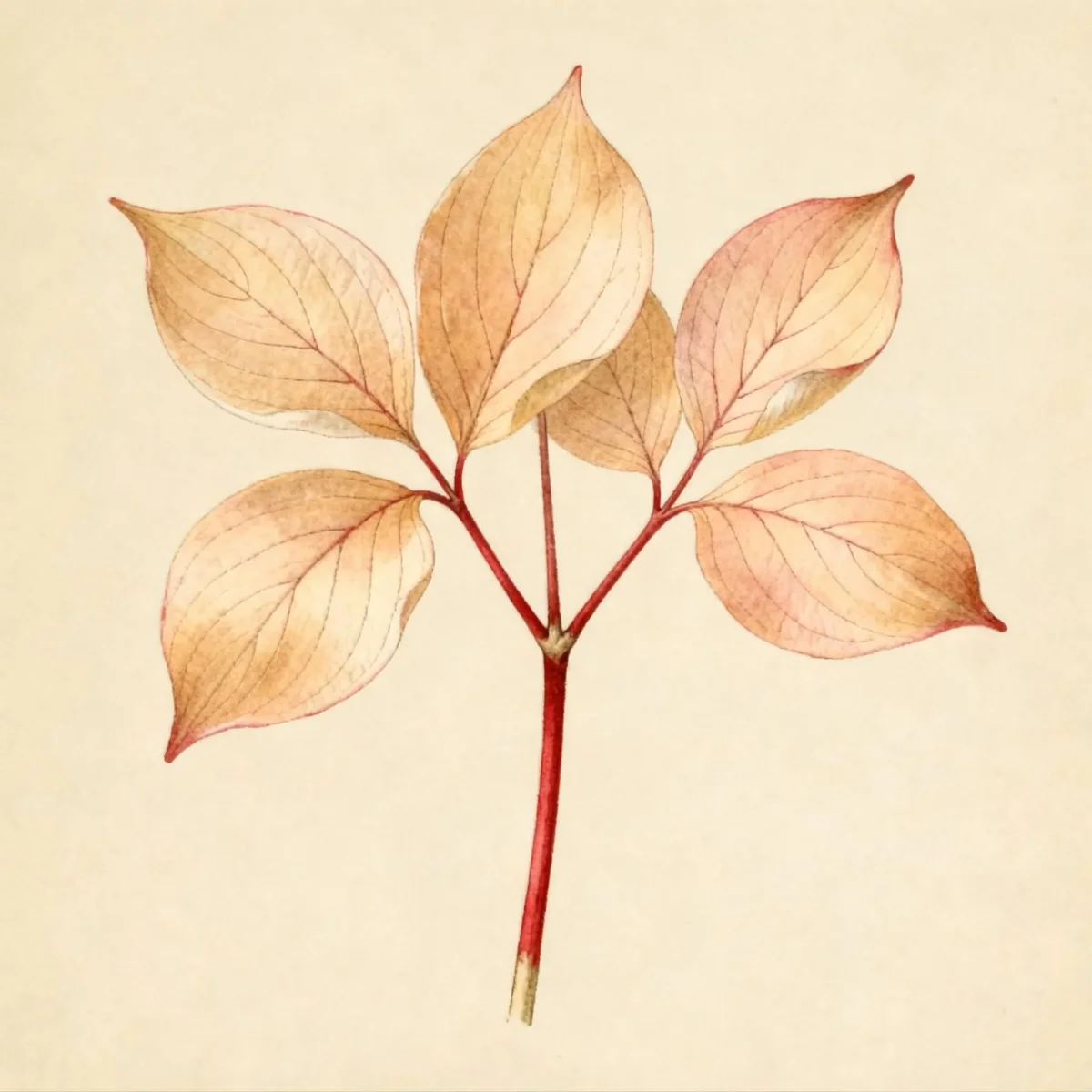
Swamp dogwood (Cornus amomum subsp. obliqua)
Swamp dogwood (Cornus amomum subsp. obliqua) is a medium shrub thriving in wet areas with yellowish-white blooms and attracts birds.
Scroll down to discover growing tips, care requirements, companion plants, and more
Complete Plant Information
Overview
Swamp dogwood, scientifically known as Cornus amomum subsp. obliqua, is a valuable deciduous shrub primarily recognized for its tolerance of consistently wet soils. While it lacks the flashy white bracts often associated with flowering dogwoods, this native plant offers subtle beauty alongside crucial ecological benefits in the landscape. It typically achieves a medium stature, forming dense thickets ideal for naturalized settings.
This subspecies, also referred to as Cornus amomum subsp. Obliqua, is native across Eastern and central North America, making it an excellent choice for regional restoration projects or water-retentive garden areas. Its yellowish-white flowers bloom in late spring, followed by blue to white drupes highly attractive to local bird populations, increasing biodiversity wherever it is planted.
Gardening with Cornus amomum subsp. obliqua centers on providing consistent moisture, making it an indispensable element for rain gardens, streamsides, and marshy borders. Though its growth habit is somewhat loose and wild, its reliability in challenging wet conditions outweighs its need for formal pruning, cementing its role as functional wetland flora.
Fast Facts
- Plant Family: Cornaceae
- Plant Type: Deciduous shrub
- Native Range: Eastern and central North America
- Hardiness Zones: USDA Zones 4-8
- Size at Maturity:
- Height: 6-12 ft
- Spread: 4-10 ft
- Bloom Time: May to June
- Bloom Description: Yellowish-white
- Sun Exposure: Full sun to part shade
- Water Needs: Medium to wet
- Maintenance Level: Medium
How to Grow
The best time to plant Cornus amomum subsp. obliqua is typically during the dormant season—early spring or fall—to establish a strong root system before summer heat or winter cold. This shrub thrives in average soils, provided they are consistently medium to wet and possess good drainage, though it strongly prefers organically rich, slightly acidic conditions. Planting in part shade is ideal, but Swamp dogwood can tolerate conditions approaching full shade, though bloom production might be reduced.
Consistent moisture is the key cultural requirement; avoid letting the soil truly dry out, especially in hotter months. Applying a 2-4 inch layer of mulch annually will significantly help maintain cool, moist root zones throughout the summer. Minimal intervention is usually required, but take note that branches touching the ground may naturally root where they make contact, contributing to the thicket-forming habit of Swamp dogwood.
Pruning is generally not necessary unless managing the plant to prevent excessive spreading or if individual stems become damaged. If you allow Cornus amomum subsp. obliqua to mature naturally, it will fulfill its role as an excellent screen or bank stabilizer. In winter, observe the distinctive brown pith in the twigs, which contrasts with the purplish-brown exterior bark.
Landscape Uses
Cornus amomum subsp. obliqua is best employed in large-scale or naturalistic plantings where its tendency to spread into thickets is viewed as an asset rather than a drawback. It functions exceptionally well as a robust native plant for moist woodlands, drawing on its natural habitat near stream banks and floodplains. In a residential setting, this makes the Swamp dogwood a prime candidate for stabilizing erosion along drainage ditches or pond edges.
Because its appearance can be somewhat wild and unkempt compared to highly manicured shrubs, avoid placing it in prominent, formal garden beds where pristine neatness is desired. Instead, pair Cornus amomum subsp. obliqua with other moisture-loving natives like various ferns, Joe-Pye weed (Eutrochium spp.), or moisture-tolerant grasses. This creates a regionally appropriate, resilient ecosystem that handles wet feet gracefully.
It serves admirably as informal screening or hedging where a taller, dense, natural barrier is needed. Its value lies less in pristine ornamentation and more in creating deep, textural interest in damp corners of the property where many other shrubs fail to thrive.
Standout Features
Flower Qualities
- Showy
Fruit Qualities
- Showy
Noteworthy Characteristics
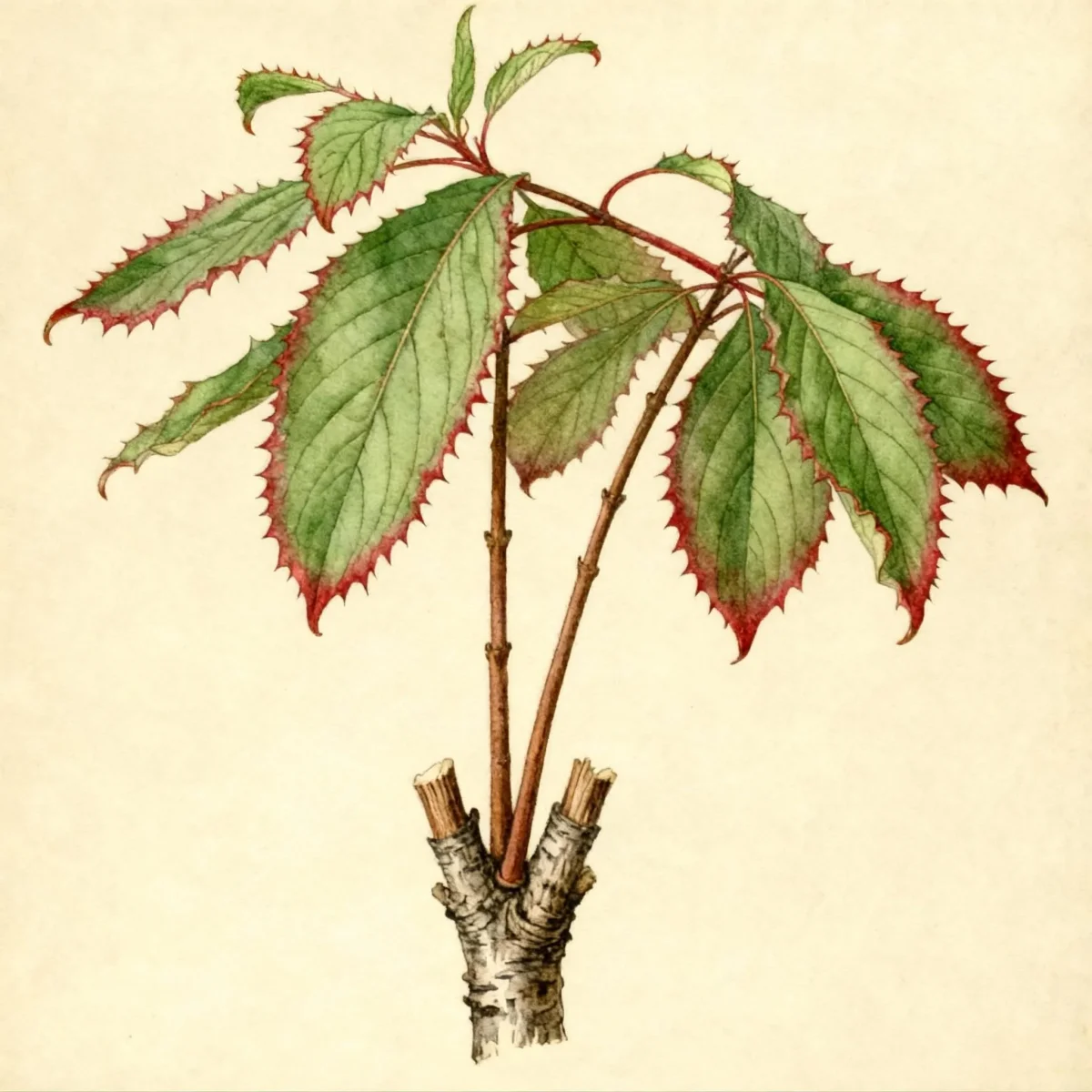
Cornus amomum subsp obliqua is synonymous with and formerly known as Cornus obliqua. It is a medium-sized deciduous shrub that is typically found in moist lowland areas, swamp borders, floodplains, shrub wetlands, wet meadows/prairies and along streams and ponds in Eastern and Midwestern North America. Twigs and leaf undersides have silky hairs, contributing to the common name of silky dogwood. Tiny yellowish-white flowers appear in flat-topped clusters in late spring to early summer, giving way to attractive blue to white berry-like drupes which ripen in late summer and are readily consumed by birds.
Tolerances
- Tolerates close to full shade
- Tolerates wet soils
Potential Problems
This plant generally exhibits high resistance, showing no serious insect or disease issues under ideal cultural conditions, making the Swamp dogwood relatively low-risk. However, gardeners should monitor for susceptible pests such as scale insects, borers, and leaf miners that can occasionally feed on the foliage or stems. Infrequent disease issues range from leaf spot and powdery mildew to more serious concerns like crown canker, blights, and destructive root rot if drainage becomes poor even temporarily. Good air circulation when planting helps mitigate fungal issues like powdery mildew.
Frequently Asked Questions
What hardiness zones is Swamp dogwood suitable for?
Cornus amomum subsp. obliqua is reliably hardy in USDA Zones 4 through 8.
How large does Swamp dogwood grow?
This deciduous shrub typically reaches a height between 6 and 12 feet, with a spread ranging from 4 to 10 feet at maturity.
What sun exposure does Cornus amomum subsp. obliqua need?
For best performance, plant this dogwood where it receives full sun to partial shade, although it can persist in areas receiving closer to full shade.
When does Swamp dogwood bloom?
The bloom time for Cornus amomum subsp. obliqua spans from May to June, producing clusters of yellowish-white flowers.
Conclusion
The Swamp dogwood offers exceptional reliability for managing moist landscapes, providing habitat for wildlife and textural contrast with its medium, spreading habit. By accommodating its need for consistent moisture, Cornus amomum subsp. obliqua becomes a hardworking, low-fuss native shrub. Ensure your site has the water retention necessary, and then plan your planting during the cooler parts of spring or fall for the best establishment.
Companion Planting
When establishing Cornus amomum subsp. obliqua in a native planting scheme, select companions that share its preference for moist to wet conditions. Meadowsweet (Spiraea alba) is an excellent counterpart, offering a contrasting flower shape and texture while thriving in similar saturated soils near water features. Additionally, taller moisture-loving grasses like Bluejoint Reedgrass (Calamagrostis canadensis) can provide vertical interest and excellent wind/erosion control alongside the dense thickets formed by the Swamp dogwood.
Wildlife Benefits
The ecological contributions of Cornus amomum subsp. obliqua are significant, making it a powerful addition to any wildlife garden plan. Following the yellowish-white blooms, the plant produces attractive blue to white berry-like drupes in late summer that are a vital late-season food source for numerous bird species migrating through or overwintering in Eastern and central North America. Furthermore, the dense, spreading structure of the mature shrub creates excellent cover and nesting locations for small birds and other fauna seeking refuge.