Tupelo gum (Nyssa aquatica)
Tupelo gum is a large Southeastern wetland tree for saturated ground. Learn about siting, mature size, planting, seasonal interest, and long-term care.
Complete Plant Information
Interactive Detour
Keep exploring with a quick garden quiz
Tupelo gum is easier to remember when you mix reading with a quick challenge. Try a related quiz, then jump back into the care guide.
Can You Identify These Common Garden Plants? Test Your Plant Knowledge
Think you know your roses from your peonies? Test your plant identification skills with our comprehensive garden plant quiz featuring 10 challenging questions.
Start quiz
USDA Garden Zone Map Quiz
Use this USDA garden zone map quiz to check whether you can read hardiness zones and choose plants with more confidence.
Start quizBrowse the full quizzes section
Explore plant identification, zone strategy, and seasonal gardening challenges.
View all quizzesField Guide Continues
Ready for care notes, companion picks, and planting tips?
The map is just the start. The full guide below covers growth habits, seasonal performance, and landscape uses.
A Tree for Ground That Stays Wet
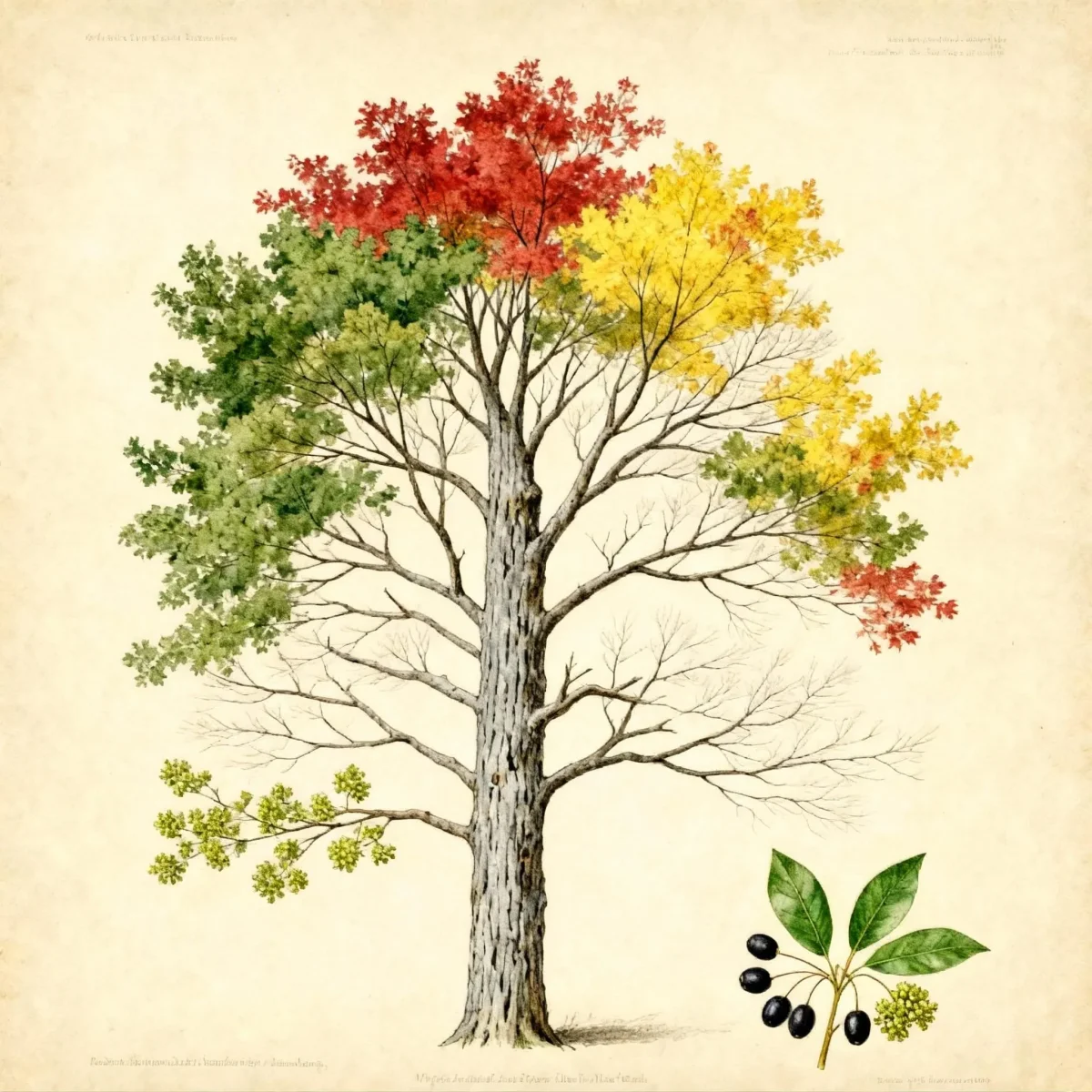
Tupelo gum (Nyssa aquatica), also called water tupelo, is not a conventional lawn tree. It is a large wetland native built for floodplains, swamps, pond edges, and other places where the soil remains saturated. In the right setting, its swollen trunk base and broad crown give a watery landscape a strong sense of place. In an average suburban yard with well-drained soil, it is usually the wrong tree.
Mature trees commonly reach 50 to 80 feet tall and 25 to 50 feet wide, so this is a long-term choice for a large property. It grows in USDA Zones 6–9; use the hardiness zone map to confirm that your winters are suitable.
Choosing the Site
Give water tupelo moist to wet, acidic soil and enough space for both its crown and enlarged trunk base. Full sun encourages the best form, though part shade is tolerated. A low area that floods periodically can be a better home than a raised, amended planting bed.
Do not plant it close to a house, pavement, septic field, or overhead lines. Its scale belongs beside a pond, in a broad rain garden, or within a naturalized wetland. Gardeners working with a smaller wet site can search the plant collection for more compact rain-garden plants.
Plant while the tree is dormant in late fall or early spring. Keep a newly planted tree consistently moist while roots establish. Even a species adapted to swamps can suffer if a nursery-grown root ball dries out during its first seasons.
What to Expect Through the Year
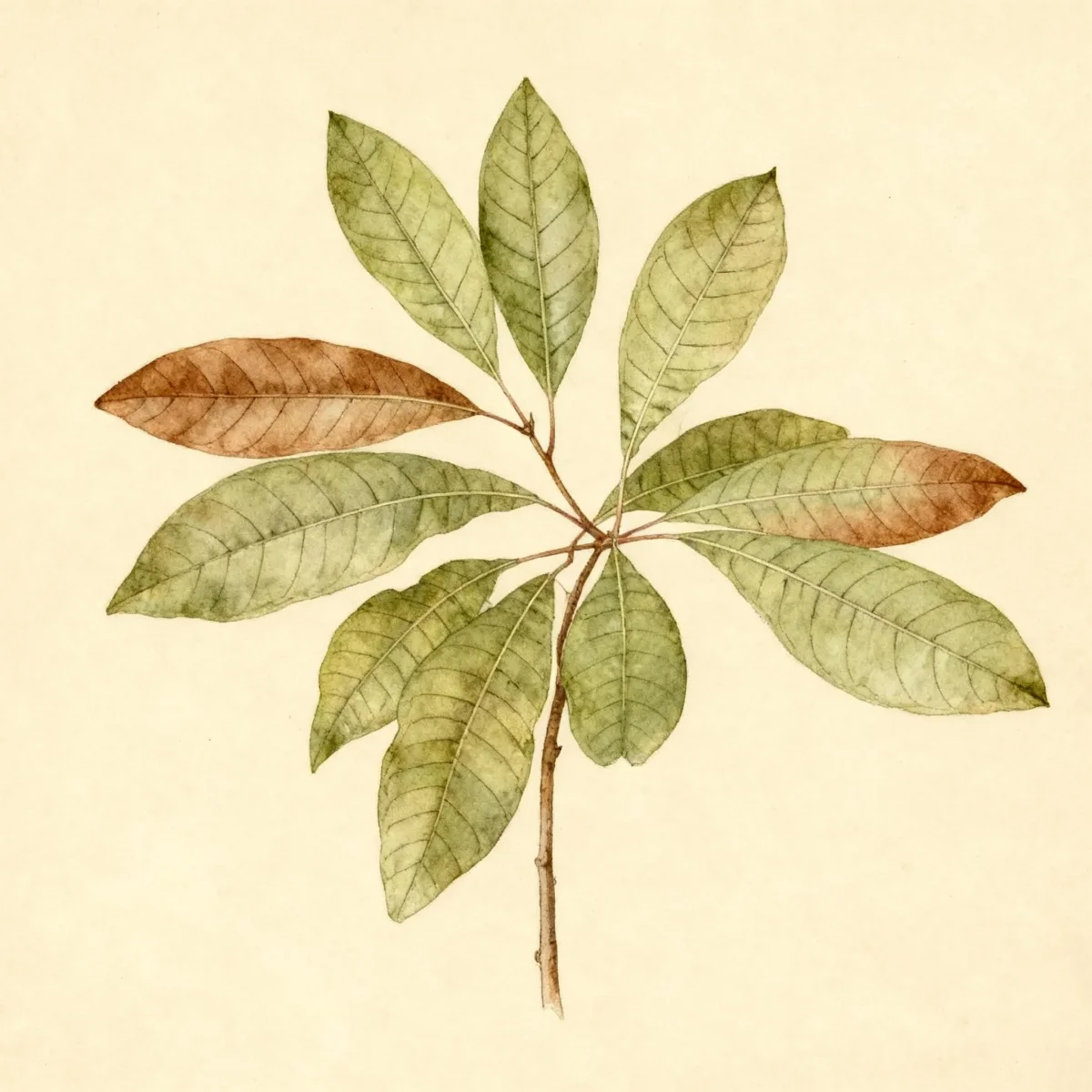
Small greenish-white flowers appear in April and May. They are not showy from a distance, but they support visiting insects. Female trees may eventually produce dark fruit when a compatible pollinator is nearby. The glossy leaves turn yellow in fall before dropping.
Pruning should be limited to dead, damaged, or poorly placed branches, preferably while the tree is young. Mature specimens are too large for casual corrective work and should be assessed by a qualified arborist.
If you garden near the colder edge of its range, see other choices in the Zone 6 plant guide. For warm-winter landscapes, compare it with plants listed for Zone 9.
Good Uses—and Poor Ones
Tupelo gum fits ecological restoration, stormwater landscapes, pond margins, and expansive properties with naturally wet ground. It can provide shade and vertical structure where many ordinary shade trees struggle.
Skip it for a dry street verge, a small rain barrel overflow bed, or any site where its mature spread will be a conflict. Choosing this tree because the site already matches its needs is far easier than trying to recreate a swamp around it.
Common Questions
Can water tupelo grow in standing water?
Yes. It is naturally adapted to flooded and poorly drained ground, although a young transplant still needs attentive watering while it establishes.
Is it suitable for a small rain garden?
Usually not. Its eventual size makes it better for a large stormwater basin or wetland edge.
Does it need a second tree to fruit?
Water tupelo trees generally bear male and female flowers on separate plants, so fruit on a female tree depends on compatible pollen nearby.
What is its best ornamental feature?
Its sculptural, swollen base is distinctive, and the glossy summer foliage develops clear yellow fall color.