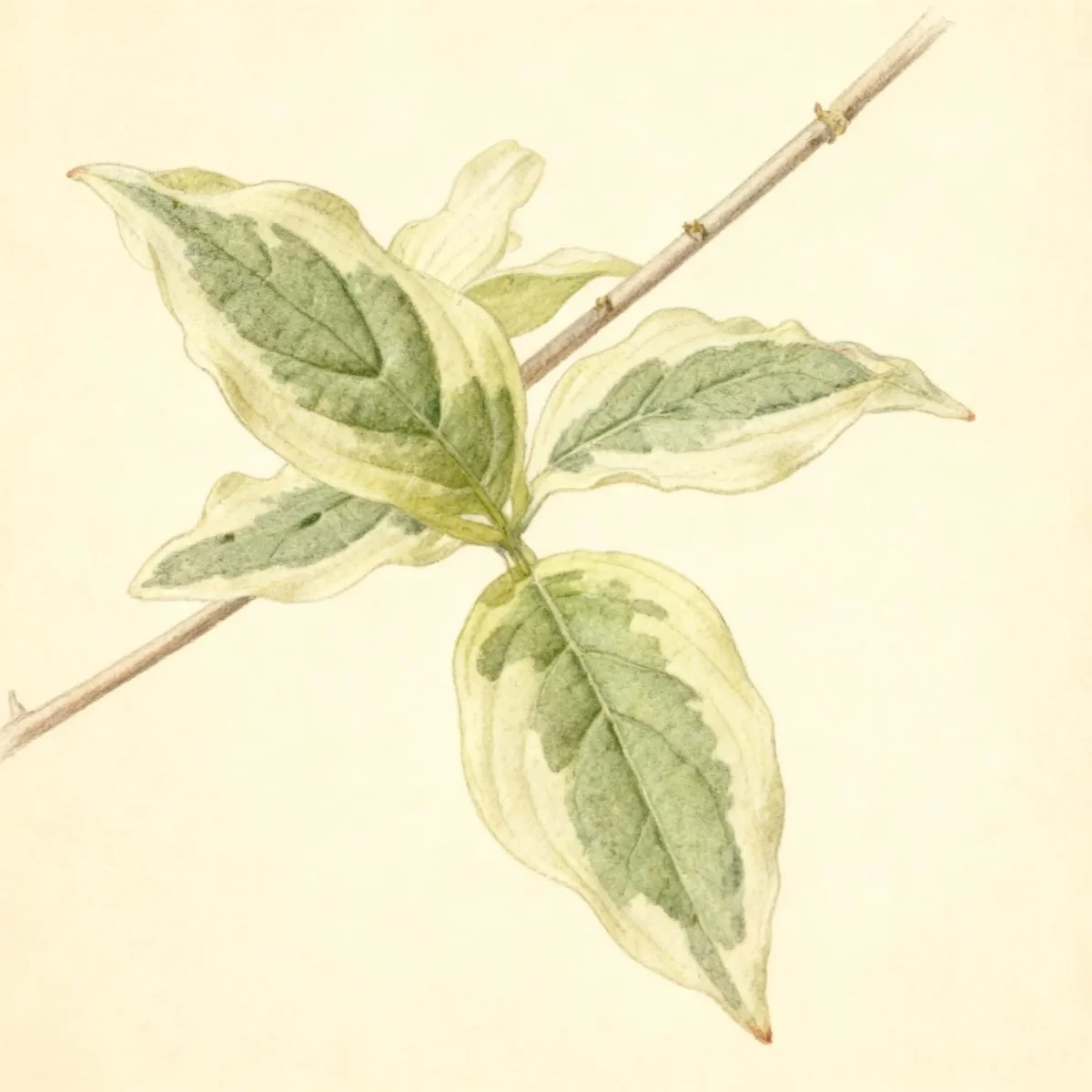
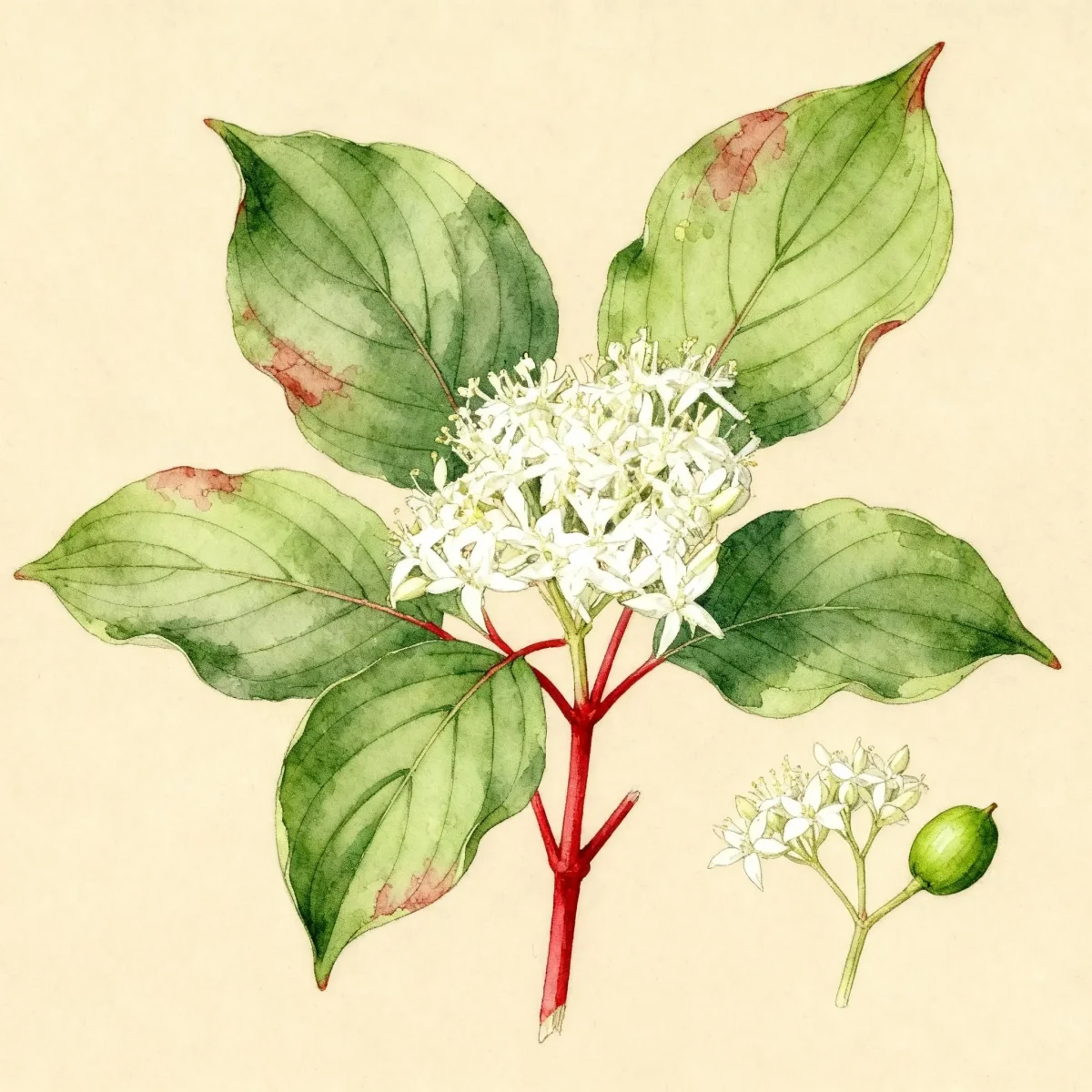
Japanese cornelian cherry (Cornus officinalis)
Discover Cornus officinalis, the Japanese cornelian cherry. A low-maintenance, early-blooming deciduous shrub prized for its yellow flowers and attractive exfoliating bark.
Scroll down to discover growing tips, care requirements, companion plants, and more
Complete Plant Information
Overview
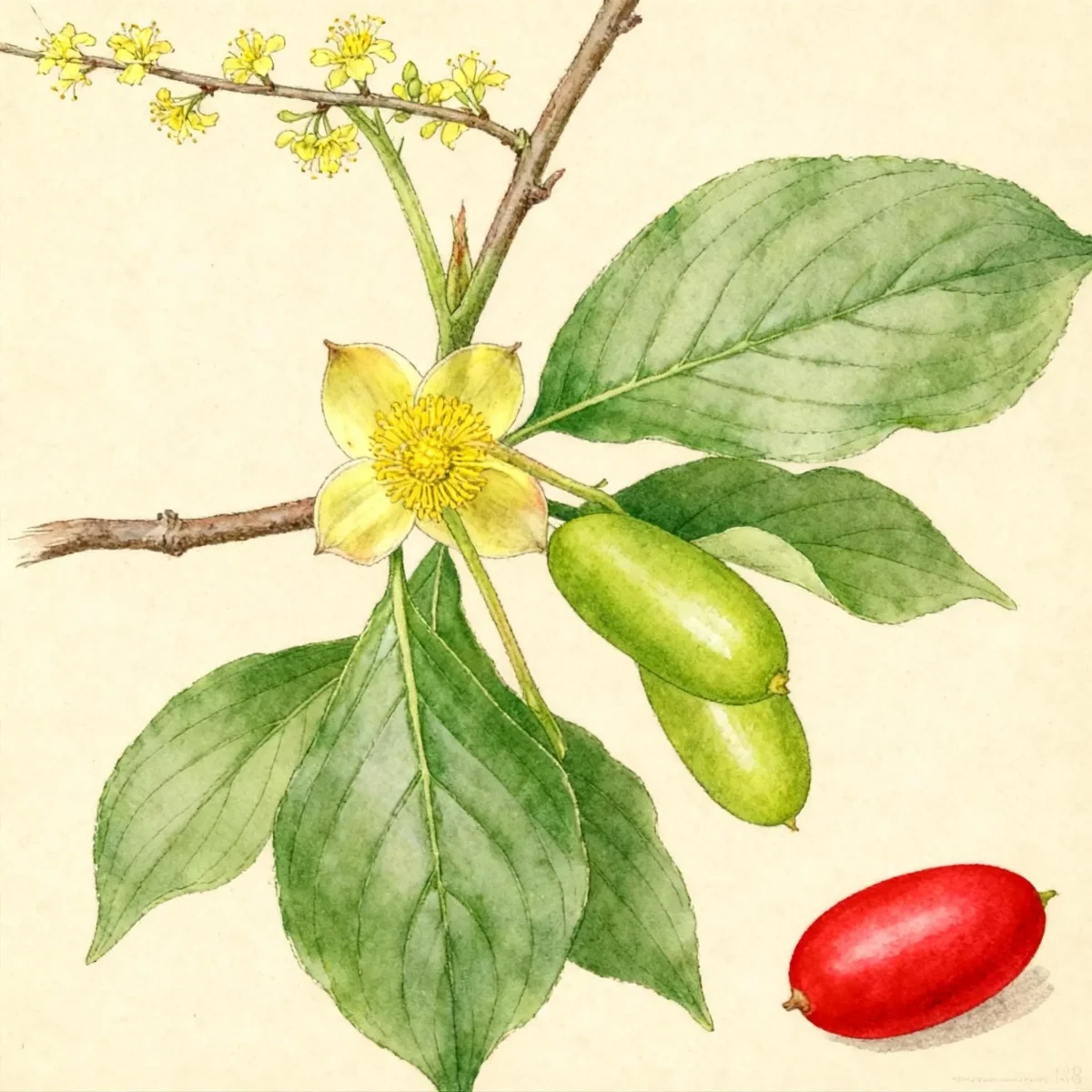
The Japanese cornelian cherry, Cornus officinalis, offers a welcome burst of color very early in the season, often blooming in late winter or very early spring before most other woody plants awaken. This large, spreading deciduous shrub is highly valued for its resilience and attractive year-round texture, especially its exfoliated gray and brown bark. Native to China, Korea, and Japan, Cornus officinalis provides structure and visual interest, making it a worthy addition to many garden styles.
Functionally, this species is quite versatile, easily managed as a large shrub or trained into a small specimen tree. Gardeners appreciate the low maintenance required to keep this plant thriving, provided its basic soil and moisture needs are met. The timing of its yellow flowers offers a crucial early nectar source, followed by red, technically edible, but astringent fruits that attract birds in the fall.
While similar to the European Cornelian Cherry (Cornus mas), the Japanese cornelian cherry (Cornus officinalis) distinguishes itself with a slightly more open growth habit and more striking bark, providing multi-season appeal. Successful cultivation focuses on providing consistent moisture and avoiding harsh, overly hot afternoon sun exposure in warmer regions.
Fast Facts
- Plant Family: Cornaceae
- Plant Type: Deciduous shrub
- Native Range: China, Korea, Japan
- Hardiness Zones: USDA Zones 5-8
- Size at Maturity:
- Height: 15-25 ft
- Spread: 15-25 ft
- Bloom Time: March
- Bloom Description: Yellow
- Sun Exposure: Full sun to part shade
- Water Needs: Medium
- Maintenance Level: Low
How to Grow
The best time to establish Cornus officinalis is typically in the fall or early spring when conditions are cooler, allowing the root system to establish before summer heat stress. Site selection is important; plant in acidic, organically rich, well-drained soils. While it tolerates full sun, providing some afternoon shade is appreciated, particularly for best performance in hot summer climates.
Once established, this species requires medium water needs, particularly during dry spells; provide consistent moisture, and use mulch around the root zone to help retain soil moisture and regulate temperature. Fertilization requirements are generally low; focus on enriching the soil with organic matter at planting time rather than relying on synthetic fertilizers. Maintenance is low overall, but you should promptly remove any root suckers that emerge to control the plant’s natural spreading tendency.
For gardeners in the coolest parts of its range (closer to Zone 5), ensure the mulch layer is adequate going into winter to protect the roots from hard freezes. Spring cleanup involves removing any winter debris and checking the plant for any winter damage, pruning only as necessary to maintain desired shape or remove crossing branches. Remember that Cornus officinalis thrives best where summer climates remain relatively cool.
Landscape Uses
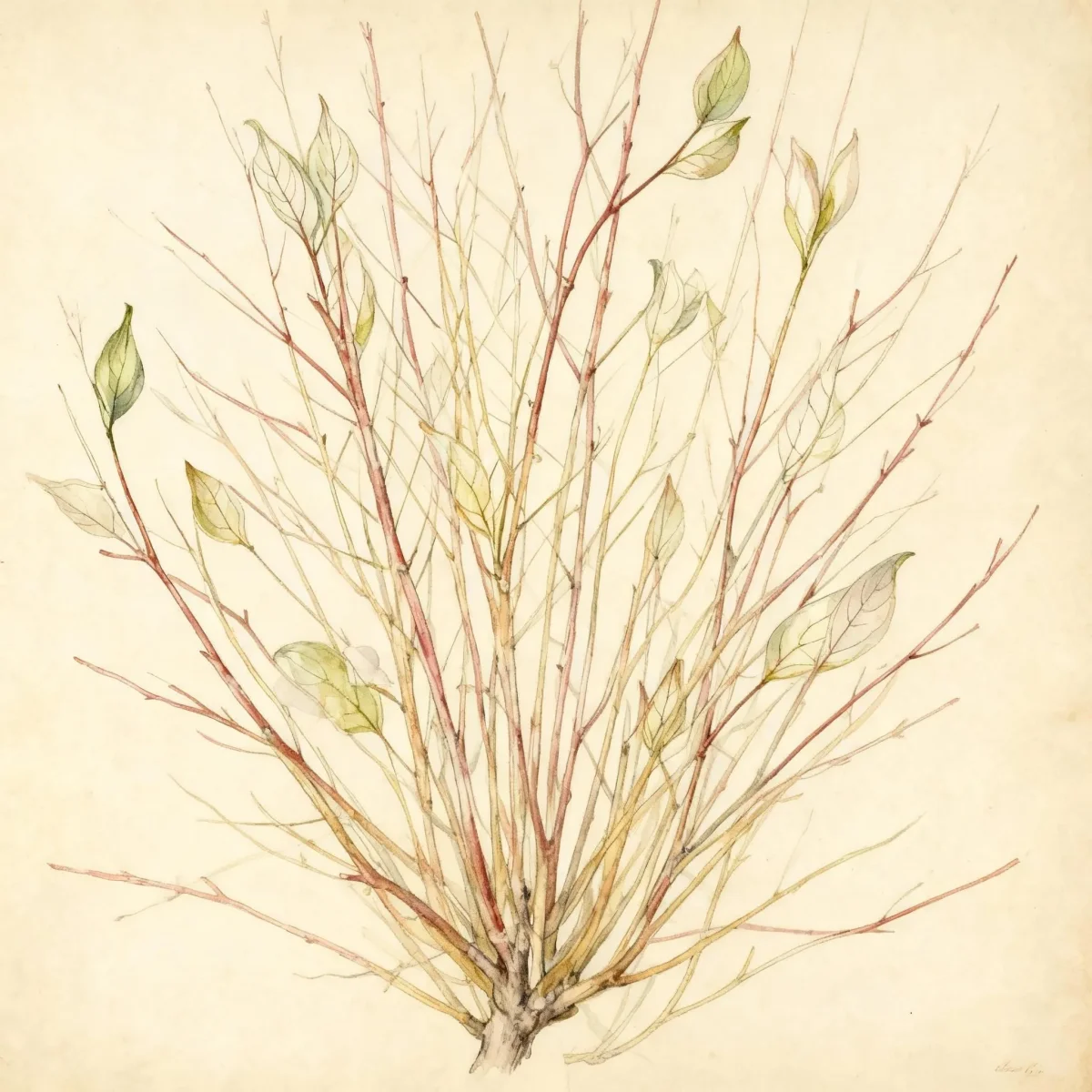
The versatility of Japanese cornelian cherry makes it an excellent structural element in diverse landscape designs. It excels when used as an accent or flowering tree due to its attractive branching structure and early spring bloom, effectively brightening borders right before spring bulbs emerge. Consider placing Cornus officinalis near walkways or patios to showcase its exfoliating bark texture during the dormant season.
For a softer look, integrate it into woodland gardens or large shrub borders where its moderate size can anchor the view. It performs well in naturalized areas due to its low maintenance needs once established and helps create habitat for birds. If training it into a small tree form, ensure the foundational planting location allows for its substantial 15 to 25-foot mature spread.
It pairs classically with later-blooming, broadleaf evergreens or conifers that appreciate similar acidic soil conditions, offering a strong textural contrast when in full leaf. Utilizing Cornus officinalis as a substantial hedge is also an option, though it will require more structural pruning than if allowed to assume its natural, spreading form.
Standout Features
Flower Qualities
- Showy
Fruit Qualities
- Showy
- Edible
Noteworthy Characteristics
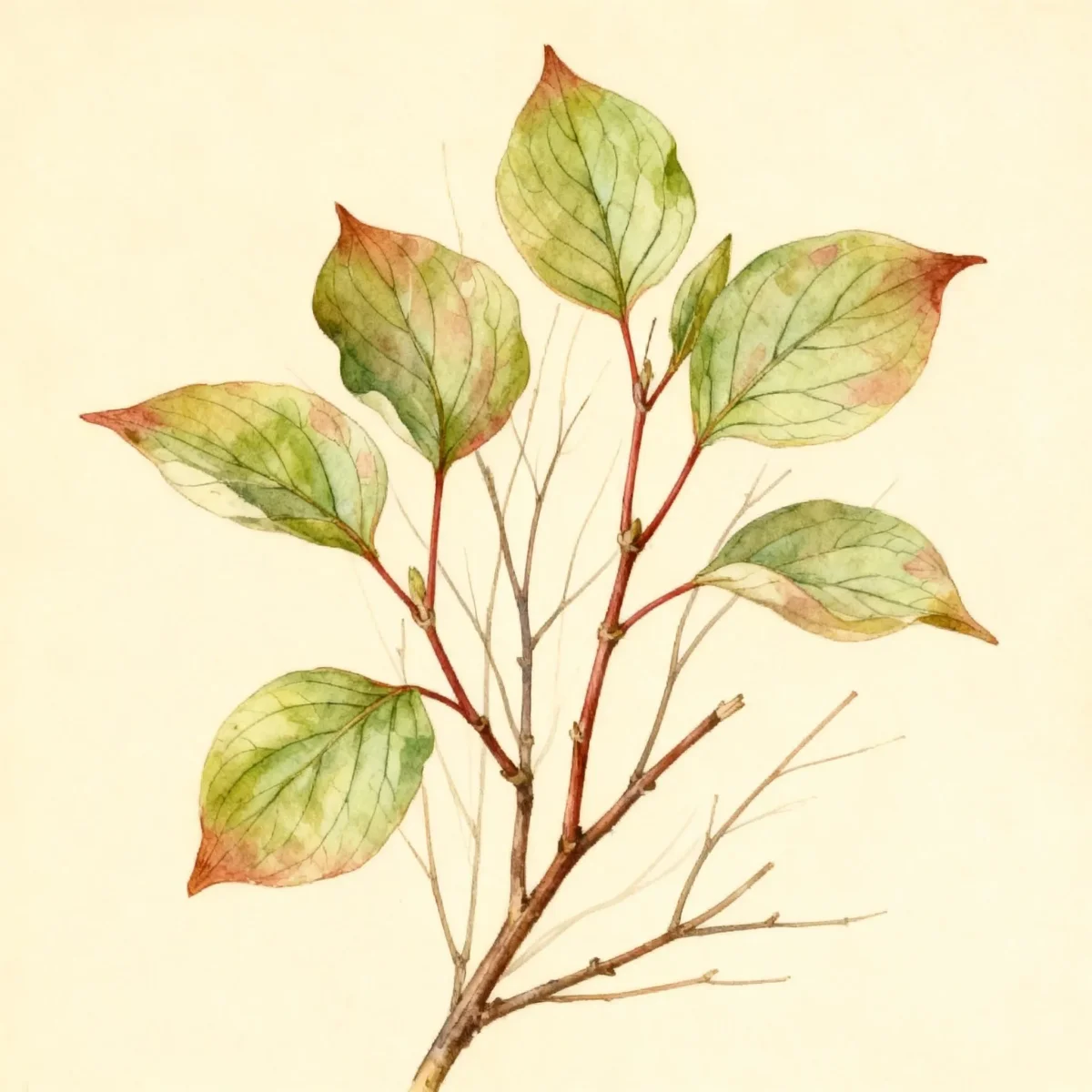
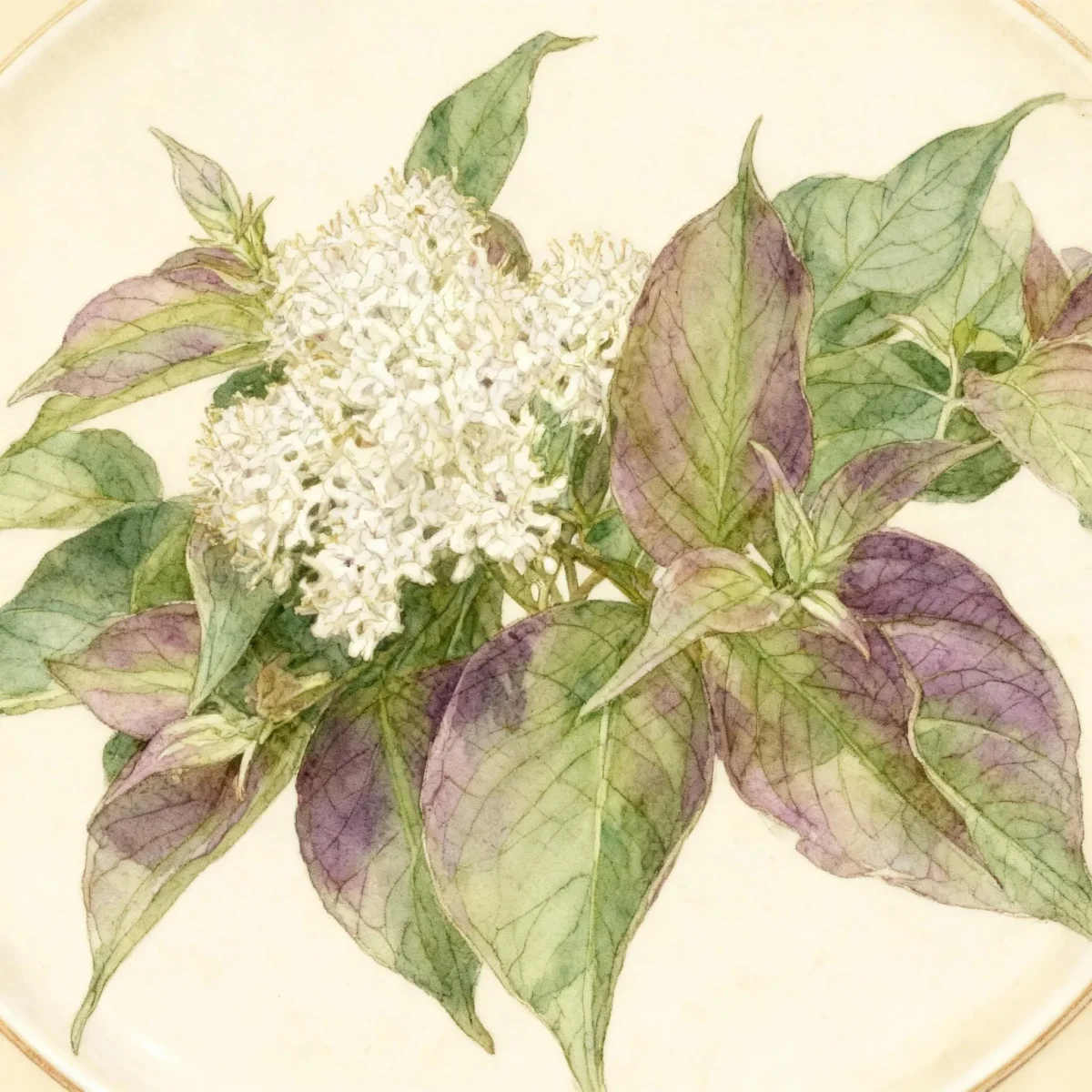
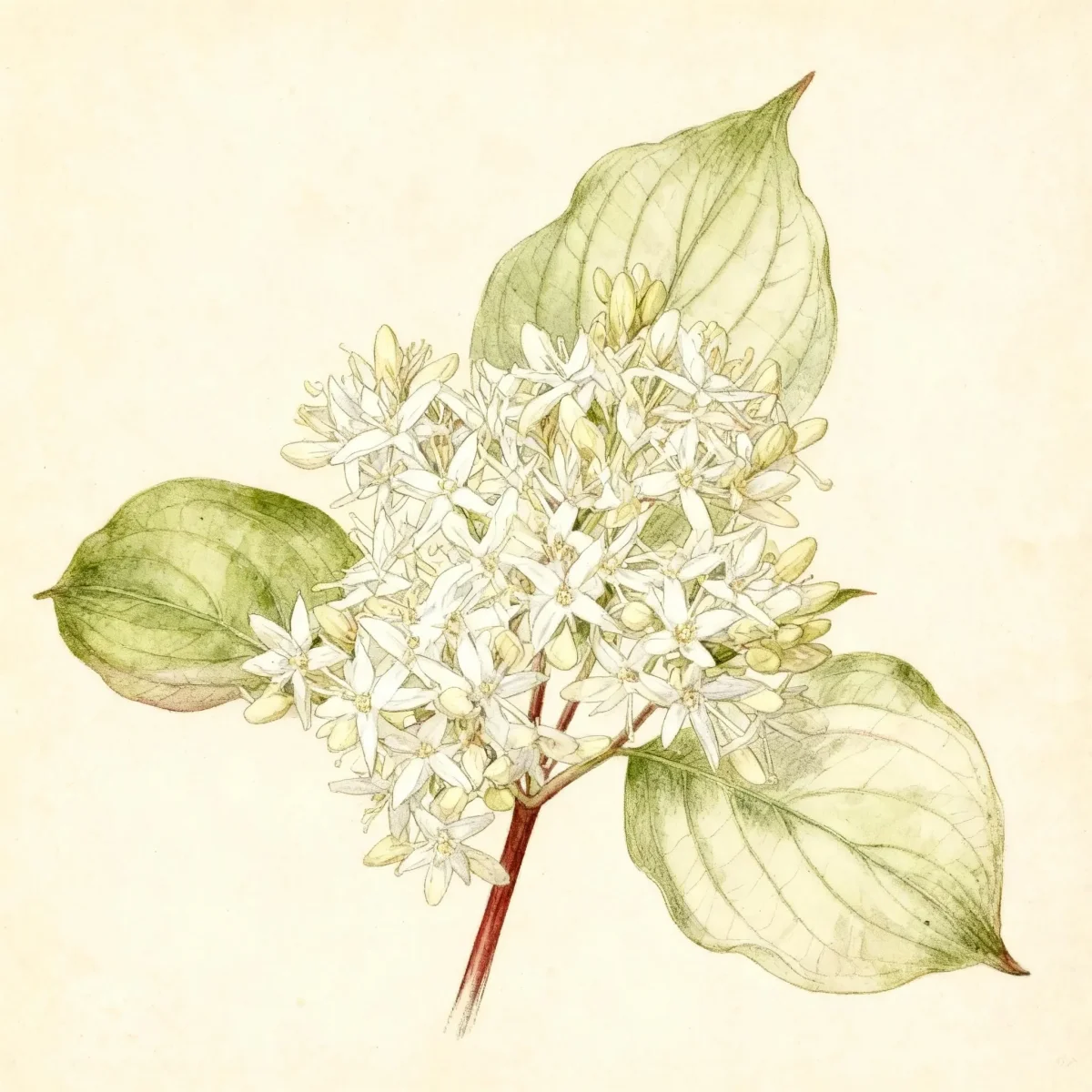
Cornus officinalis, commonly called Japanese cornel dogwood, is native to China, Japan and Korea. It usually grows as a large, spreading, multi-stemmed, deciduous shrub to 15-25’ tall, or it may be grown as a small tree. It is noted for its exfoliating bark that provides tones of gray and brown, and its early yellow flowers appear before the leaves emerge in small clusters (umbels).
Tolerances
- Deer
Potential Problems
This plant is fortunately known for having no serious insect or disease problems, which contributes significantly to its low maintenance profile. Good cultural practices—especially ensuring the well-drained soil requirement is met—will prevent most potential issues, such as root rot which can occur in overly saturated conditions. Monitor for severe pest outbreaks, though they are rare for established Cornus officinalis.
Frequently Asked Questions
What hardiness zones is Japanese cornelian cherry suitable for?
The Japanese cornelian cherry, Cornus officinalis, is suitable for growing in USDA Hardiness Zones 5 through 8.
How large does Japanese cornelian cherry grow?
At maturity, Cornus officinalis typically reaches a height between 15 to 25 feet, with an equal spread of 15 to 25 feet.
When does Japanese cornelian cherry bloom?
This species provides very early color, with its yellow flowers appearing in March, often before the foliage develops.
What sun exposure does Japanese cornelian cherry need?
Cornus officinalis performs best in full sun to part shade. Providing some afternoon shade is beneficial, especially in warmer zones.
Conclusion
For gardeners seeking a hardy, resilient specimen that offers early spring flowers and outstanding textural bark throughout the winter, the Japanese cornelian cherry (Cornus officinalis) is an exceptional choice. Its low maintenance level and adaptability across USDA Zones 5-8 make planning its site relatively straightforward. Assess your site conditions, ensuring adequate moisture and correct soil pH, and plant this magnificent Cornus officinalis during the cooler transition seasons.
Companion Planting
Selecting companions for Cornus officinalis should focus on plants that enjoy similar acidic soil profiles and appreciate consistent moisture. Consider pairing it with later-blooming shrubs or smaller flowering trees that can take advantage of the early season space vacated by the cornels. Plants like Rhododendrons or Azaleas thrive in similar acidic environments and provide brilliant color later in the spring and summer, contrasting nicely with the sparse winter silhouette of the Japanese cornelian cherry.
For ground cover beneath the canopy, aim for shade-tolerant perennials that do not excessively compete for surface moisture. Hostas, ferns, Lenten Rose (Helleborus), or early spring bulbs like Daffodils and Snowdrops work well. These selections complement the structure of Cornus officinalis without overwhelming its developing root system during establishment.
Design Ideas Using Early Bloomers
Leveraging the ultra-early March bloom of Cornus officinalis is key to maximizing its visual impact. Plant masses of early bulbs, such as crocus or winter aconite, directly beneath or near the shrub to ensure a continuous carpet of color from the moment the yellow Cornus flowers appear. This layered effect creates depth and interest early in the horticultural year.
Because the Japanese cornelian cherry matures into a wide, somewhat spreading shape, use it as a background structure rather than an isolated focal point in a small formal bed. It works wonderfully to screen less attractive fences or utility areas, providing a naturalistic flow. As the leaves fully emerge, shading the ground beneath, its role transitions from an early bloomer to a reliable provider of dappled shade.