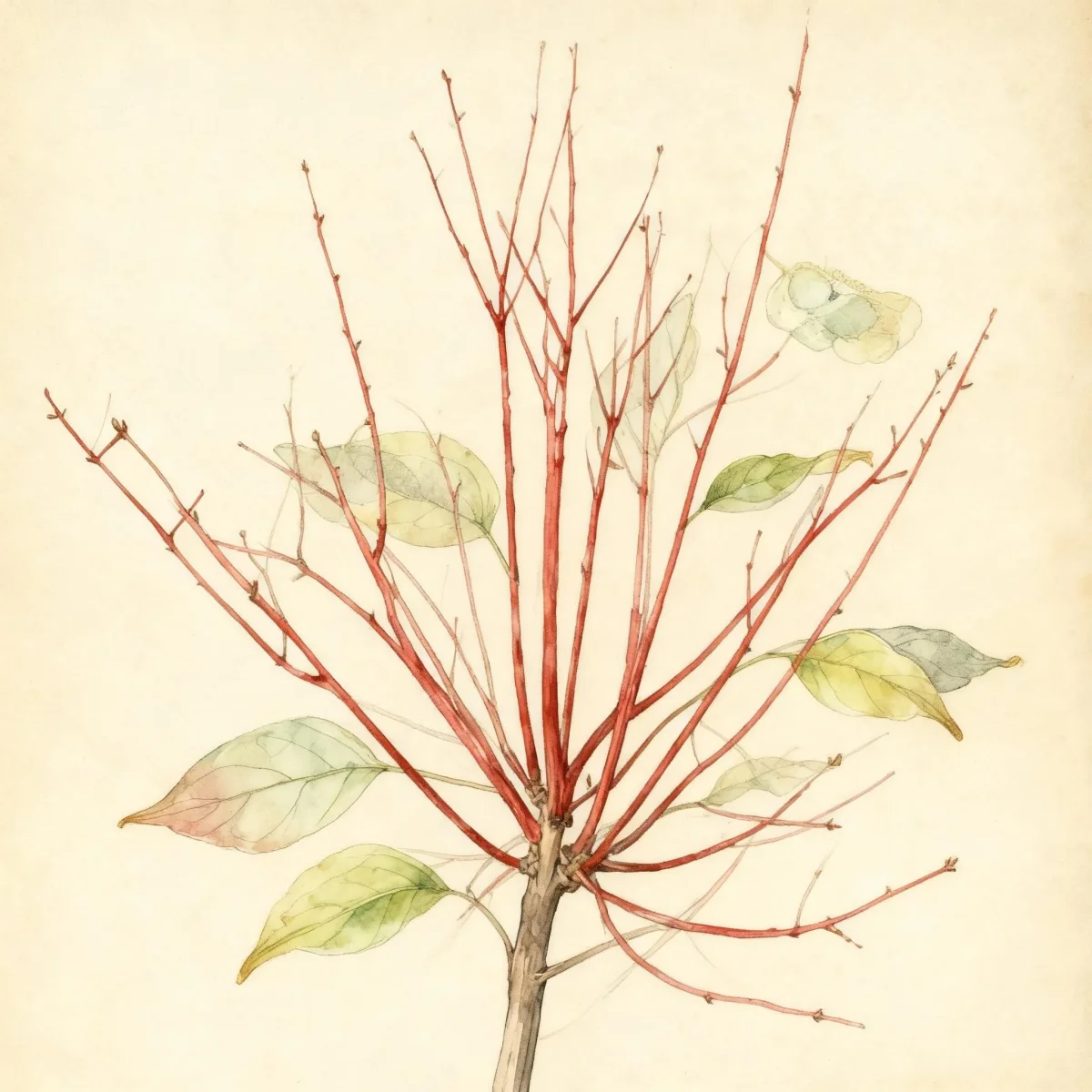
Gray dogwood (Cornus racemosa)
The resilient Gray dogwood (Cornus racemosa) offers white spring blooms and winter interest. A tough, low-maintenance native shrub for moist areas.
Scroll down to discover growing tips, care requirements, companion plants, and more

Complete Plant Information
Overview
The Gray dogwood, scientifically known as Cornus racemosa, stands out as a tough, adaptable native shrub perfect for challenging garden spots. Its value lies in its hardiness and ability to colonize, making it excellent for naturalizing banks or creating dense screens with minimal effort. Gardeners appreciate the clean structure and the contrasting red stems visible once the foliage drops.
This deciduous shrub is native to Eastern North America, typically thriving in moister or rocky locales near water sources. Cornus racemosa reaches impressive heights of 10 to 15 feet and spreads similarly, quickly forming thickets if left unchecked. It is a low-maintenance choice that tolerates urban pollution, adding aesthetic appeal through its spring flowers and subtle winter structure.
The small white flowers appear in clusters during late spring, creating a lovely display before maturing into small white berries that are attractive to birds. For gardeners seeking reliable screening or stabilization in wet areas, the Gray dogwood provides outstanding ecological function alongside its modest decorative elements.
Fast Facts
- Plant Family: Cornaceae
- Plant Type: Deciduous shrub
- Native Range: Eastern North America
- Hardiness Zones: USDA Zones 4-8
- Size at Maturity:
- Height: 10-15 ft
- Spread: 10-15 ft
- Bloom Time: May to June
- Bloom Description: White
- Sun Exposure: Full sun to part shade
- Water Needs: Medium
- Maintenance Level: Low
How to Grow
Planting Cornus racemosa is best done in spring or fall when the plant is beginning or ending active growth. Locate it where it can spread somewhat, as it prefers average, medium soil. While it thrives in well-drained conditions, this dogwood is remarkably flexible, tolerating both somewhat dry soils and consistently moist ground, making it ideal for rain garden installations.
Watering requirements are medium, meaning established plants usually handle average rainfall well, though supplemental water is needed during prolonged dry spells, especially when first establishing the shrub. Fertilization is rarely necessary due to its robust nature and tolerance for poorer soils. Pruning should focus primarily on management; if you wish to prevent the dense thicket formation, actively remove root suckers that emerge away from the main clump.
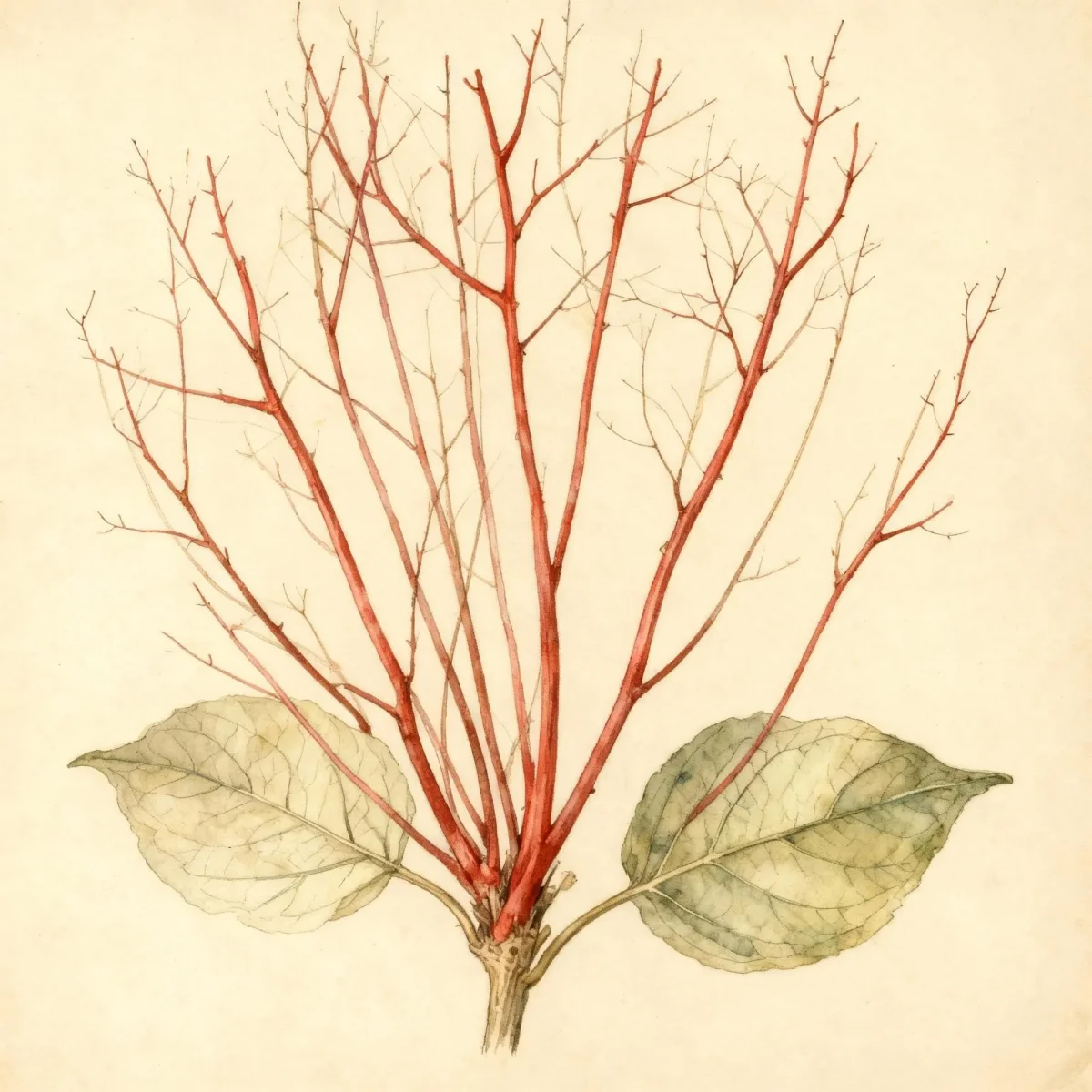
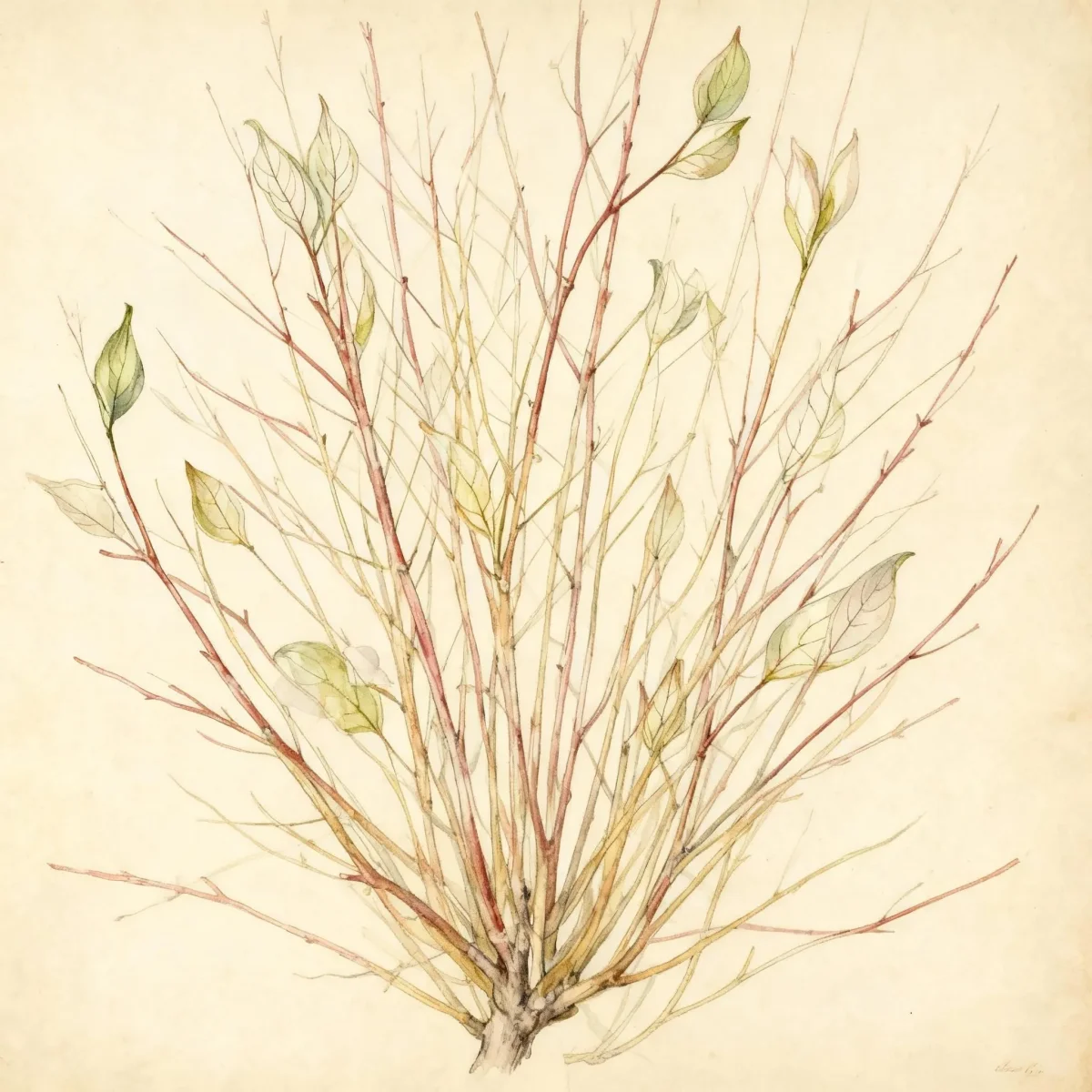
Because Cornus racemosa is tolerant of city air pollution, it is an excellent choice for urban landscapes where other ornamental shrubs may struggle. The prominent red color of the terminal stems becomes most noticeable after leaf drop, often persisting into early winter, providing crucial stem color when few other landscape elements offer visual interest.
Landscape Uses
The Gray dogwood excels when its tendency to spread is embraced rather than suppressed. It is highly recommended for large, naturalized areas, native plant gardens, or mass plantings where it can form an informal hedge or screen. Its adaptability to wet soil makes it a cornerstone species for use in rain gardens, effectively absorbing excess moisture near ponds or drainage areas.
If used in formal settings, control its vigor by diligent root pruning or planting it where it can be contained by hardscaping. Alternatively, site this shrub along stream banks or pond edges where its structure helps stabilize the soil. Its adaptability means it works well adjacent to buildings or along property lines needing a durable, fast-growing barrier.
For companion planting, select moisture-tolerant perennials or native grasses that complement its May-June bloom time. Given its medium size, ensure companions do not overwhelm the Cornus racemosa or struggle in the same light conditions (full sun to part shade).
Standout Features
Flower Qualities
- Showy
Noteworthy Characteristics
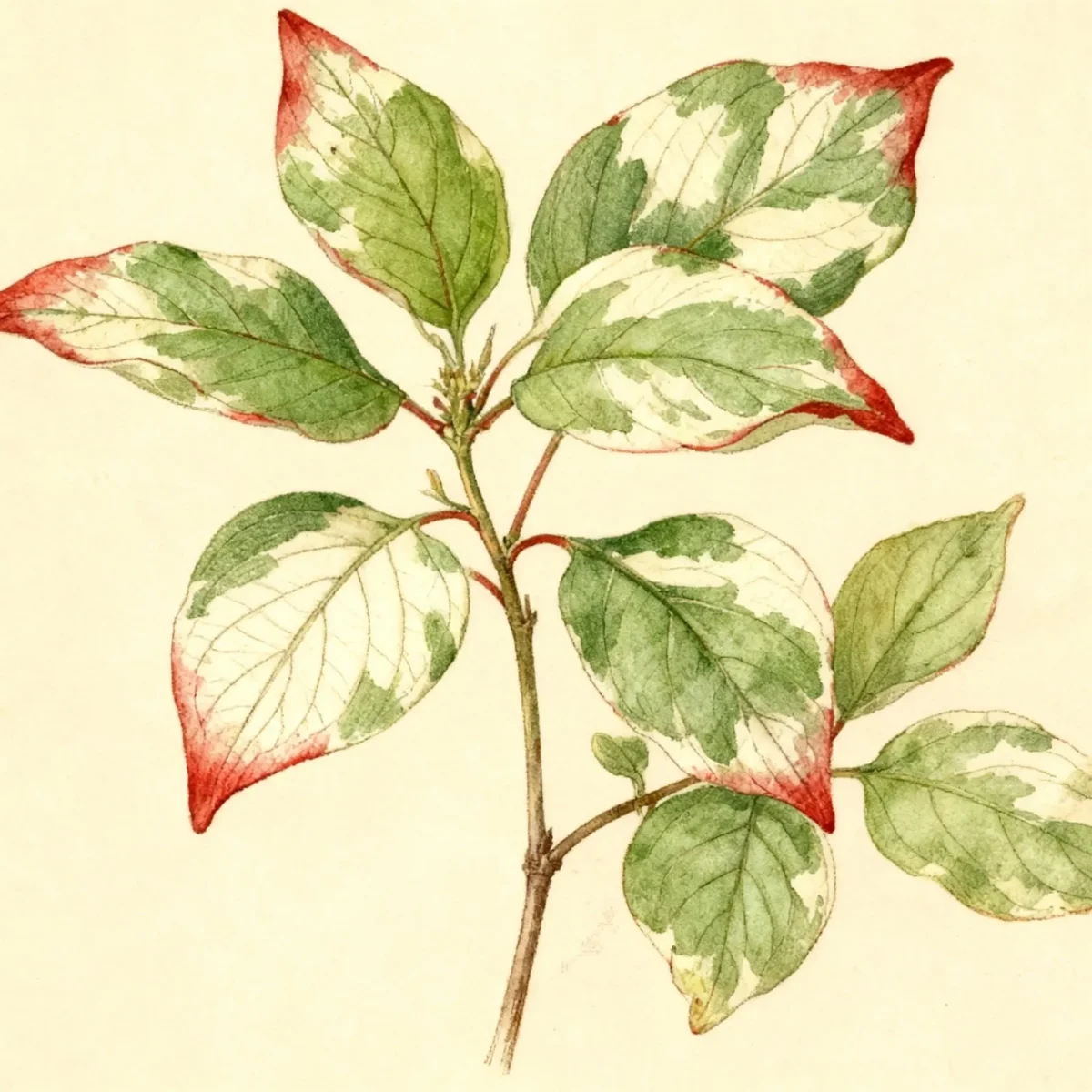
Cornus racemosa, commonly called gray dogwood, is a deciduous shrub which is native to Missouri and typically occurs in moist or rocky ground along streams, ponds, wet meadows, glade and prairie margins, thickets and rocky bluffs. It grows 10-15’ tall and features white flowers borne in terminal racemes (hence the species name of racemosa) in late spring and grayish-green, elliptic to lance-shaped leaves (2-4” long). Foliage turns an interesting (but not always showy) dusky purplish red in fall. Terminal stems holding the flowers are distinctively red and provide interesting contrast to the clusters of small white berries which form after the flowers have dropped. Red stem color is more easily seen after the fruits are gone, and red color often persists into early winter.
Tolerances
- Deer
- Wet Soil
Potential Problems
The Gray dogwood generally presents very few serious insect or disease problems, contributing significantly to its low-maintenance rating. Occasionally, the dogwood bud gall may appear on this species, but it rarely poses a significant threat to the overall health or ornamental value of the shrub. Good air circulation, which is often provided by planting standards or allowing for adequate spacing, helps mitigate most minor fungal issues.
Management revolves around its growth habit. The primary maintenance concern is unwanted spread via root suckering. If you notice suckers establishing themselves far outside your desired planting boundary, prune them back aggressively to the base or sever the connecting root to prevent encroachment into lawns or flowerbeds.
Frequently Asked Questions
What hardiness zones is Gray dogwood suitable for?
The Gray dogwood is highly durable, suitable for USDA Hardiness Zones 4 through 8.
How large does Cornus racemosa grow?
It typically reaches a mature height between 10 and 15 feet, with a similar spread of 10 to 15 feet, quickly forming dense clumps.
What sun exposure does Gray dogwood need?
This adaptable shrub performs best in locations receiving full sun to part shade conditions.
When does Cornus racemosa bloom?
The plant produces its showy, white flowers seasonally between May and June.
Conclusion
The low-maintenance resilience and adaptable nature make Cornus racemosa, or Gray dogwood, an invaluable asset for ecological restoration or structured screening in moist environments. Its ability to tolerate poor conditions combined with its attractive white blooms ensures year-round interest. Check your local USDA zone compatibility and plan for its spreading habit before planting this versatile native shrub.
Wildlife Benefits
As a native plant of Eastern North America, Cornus racemosa provides essential resources for local fauna, especially birds. The clusters of small white berries that form after flowering are highly utilized by various bird species moving through the landscape, providing critical fall and winter sustenance. Planting these shrubs offers natural cover and foraging opportunities.
The moderate spread of the Gray dogwood easily creates thickets, which offer dense cover for nesting and refuge from predators. While the flowers themselves are relatively small, they contribute to the late spring nectar flow. Using this species within a native planting scheme supports a healthier local ecosystem.
Companion Planting
When incorporating Cornus racemosa into a rain garden or wet border, pair it with other species that share its medium water needs and preference for full sun to partial shade. Consider taller grasses like Switchgrass (Panicum virgatum) or native sedges that lend vertical contrast without competing aggressively for nutrients.
For lower layering, native groundcovers that handle periodic wet feet, such as certain species of Blue Flag Iris (Iris versicolor) or Marsh Marigolds (Caltha palustris), work well beneath the canopy of the Gray dogwood. This strategy ensures all layers of the planting benefit from the moisture retention provided by the site.