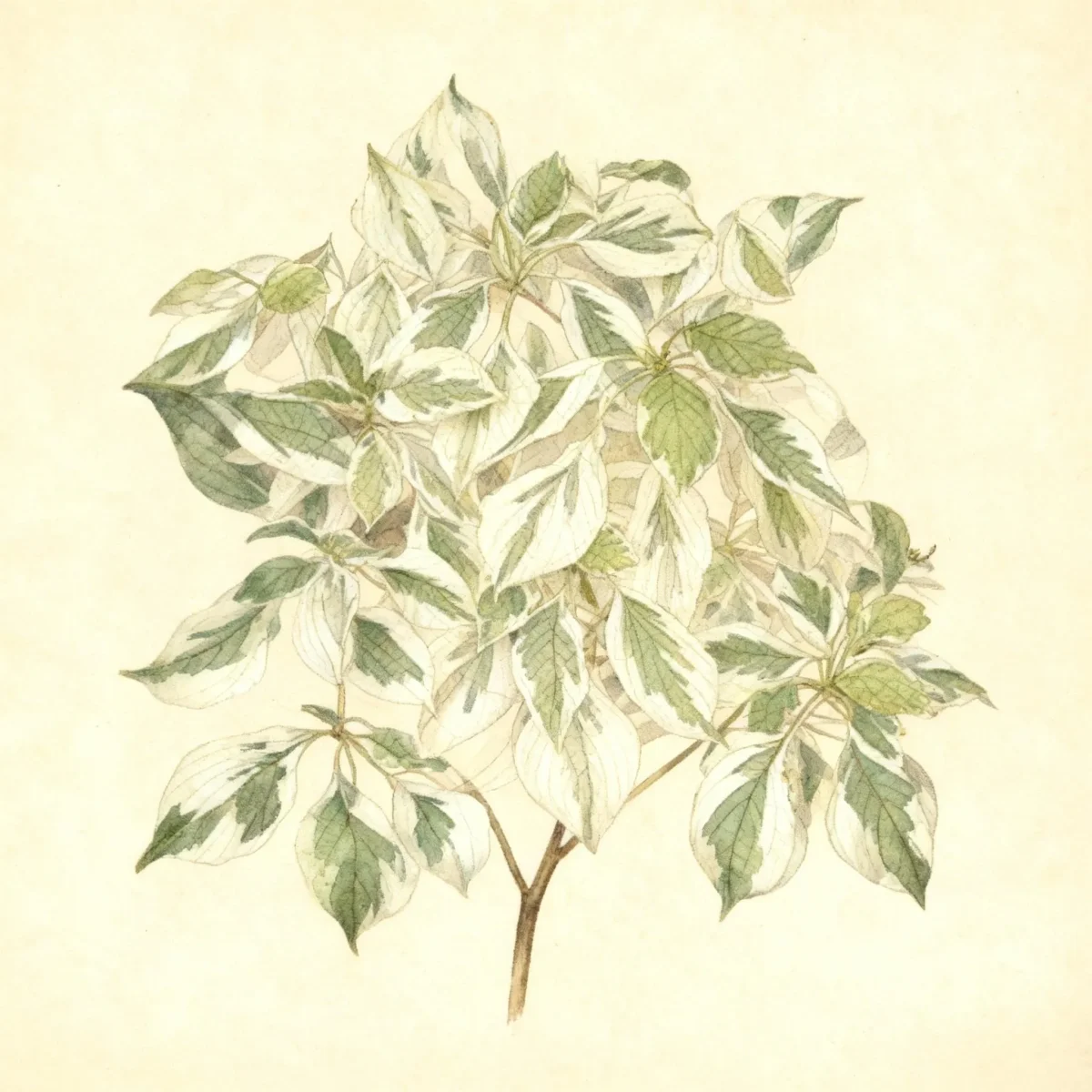
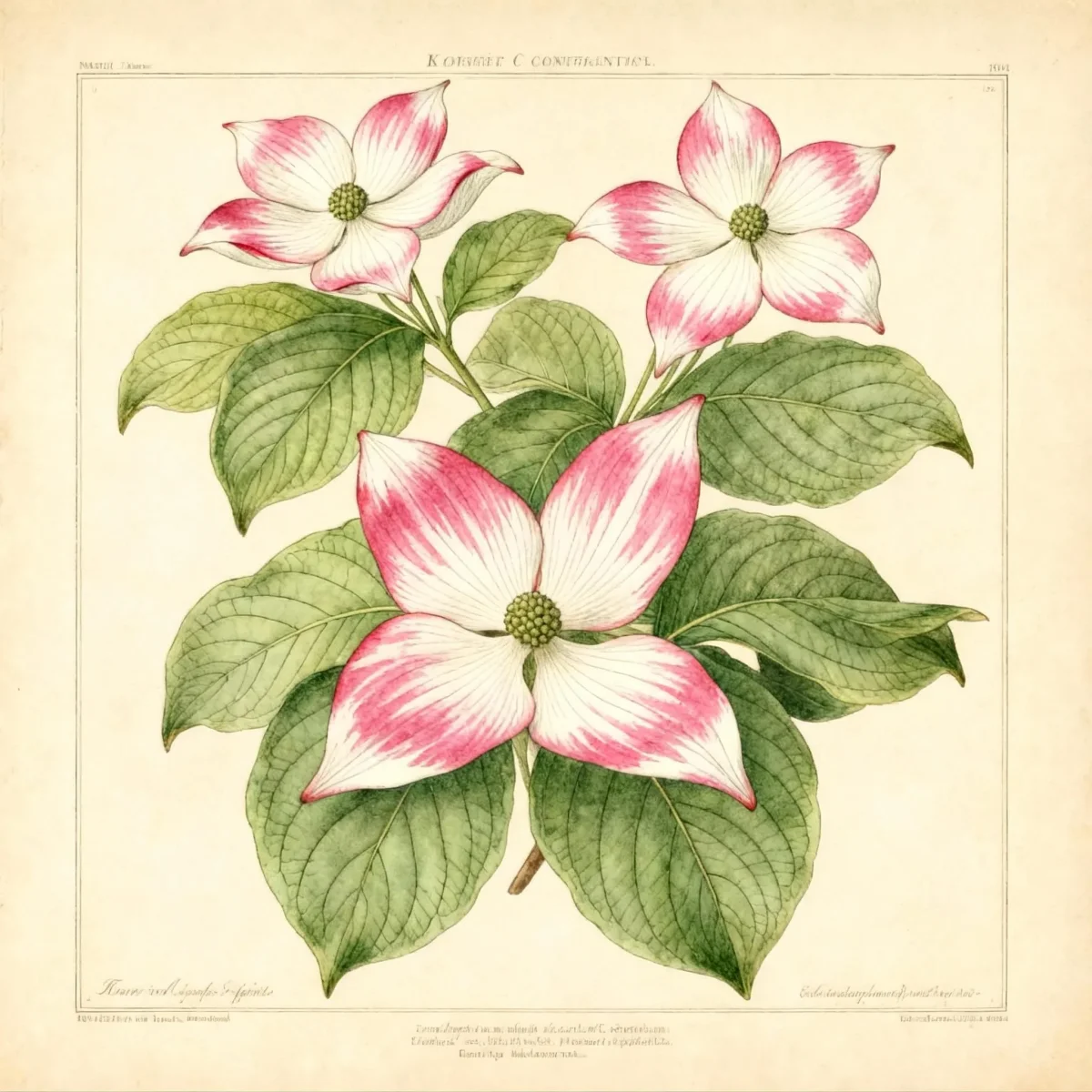
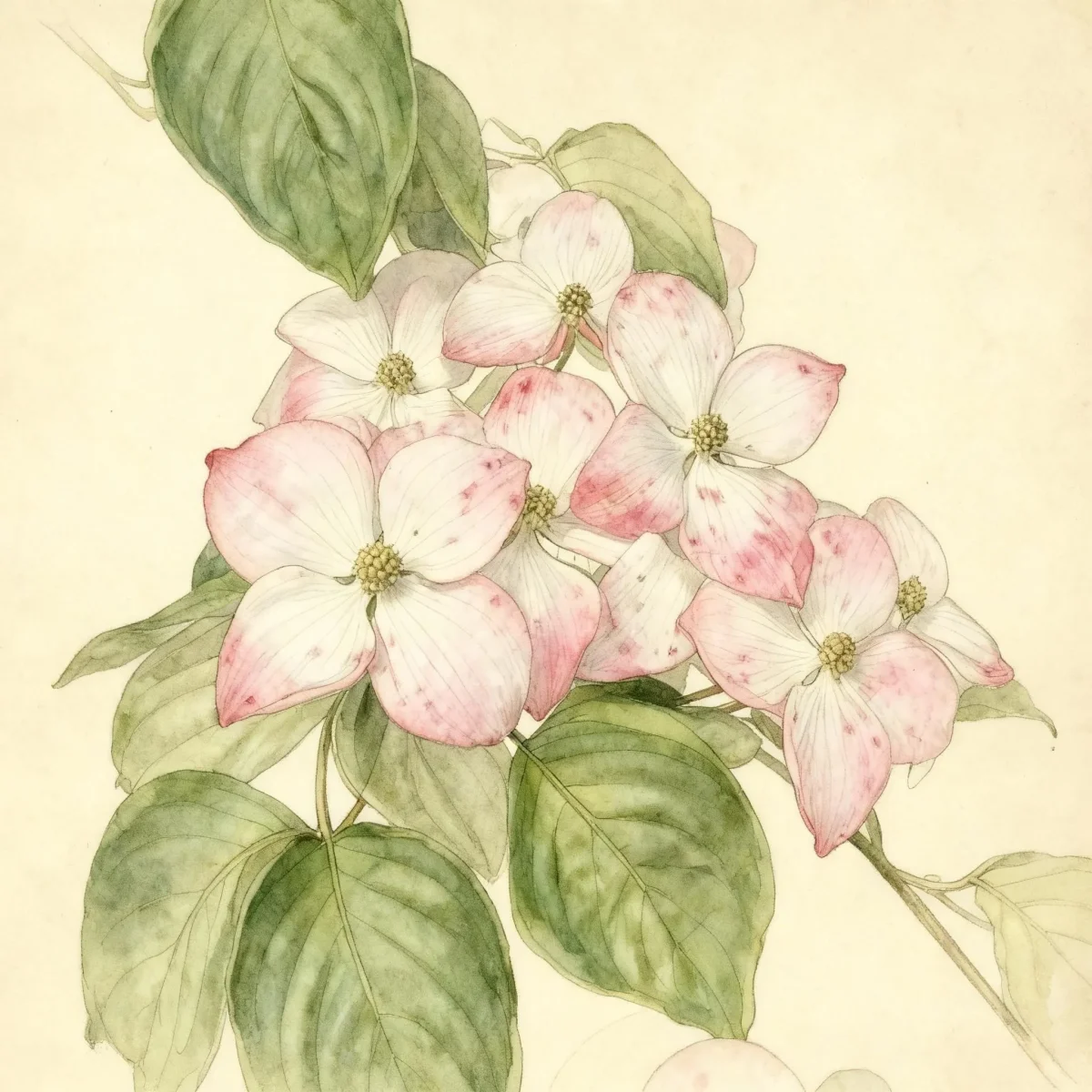
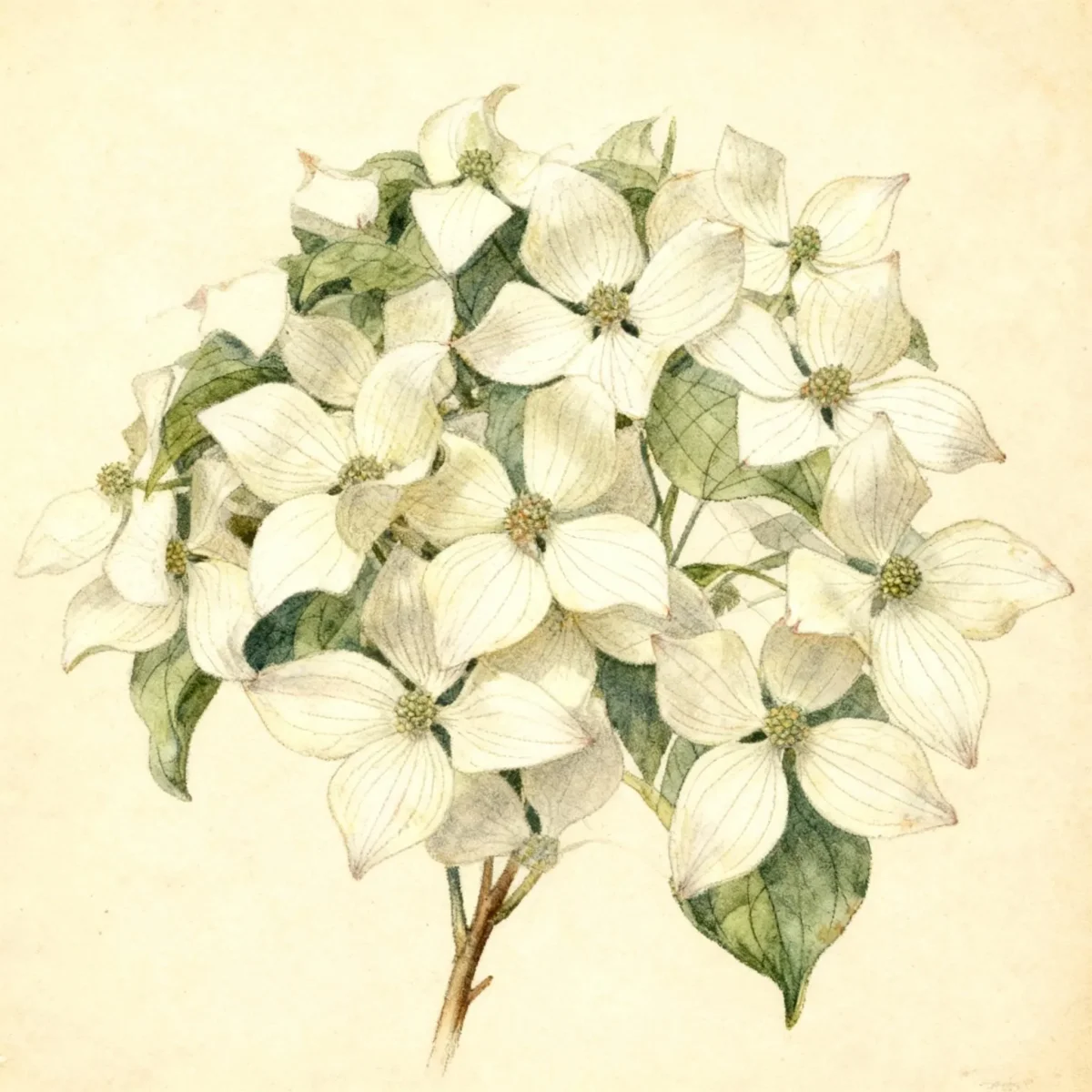
Giant dogwood (Cornus controversa)
The striking Cornus controversa, or Giant dogwood, offers tiered branching, creamy white spring blooms, and low maintenance for zones 5-8.
Scroll down to discover growing tips, care requirements, companion plants, and more
Complete Plant Information
Overview
The Cornus controversa, commonly known as Giant dogwood, is a spectacular, medium-sized deciduous tree valued for its dramatic, tiered horizontal branching habit. This architectural structure provides significant visual interest, especially when the tree is leafless in winter. It stands out among dogwoods due to its alternate leaf arrangement, distinguishing it from many familiar relatives.
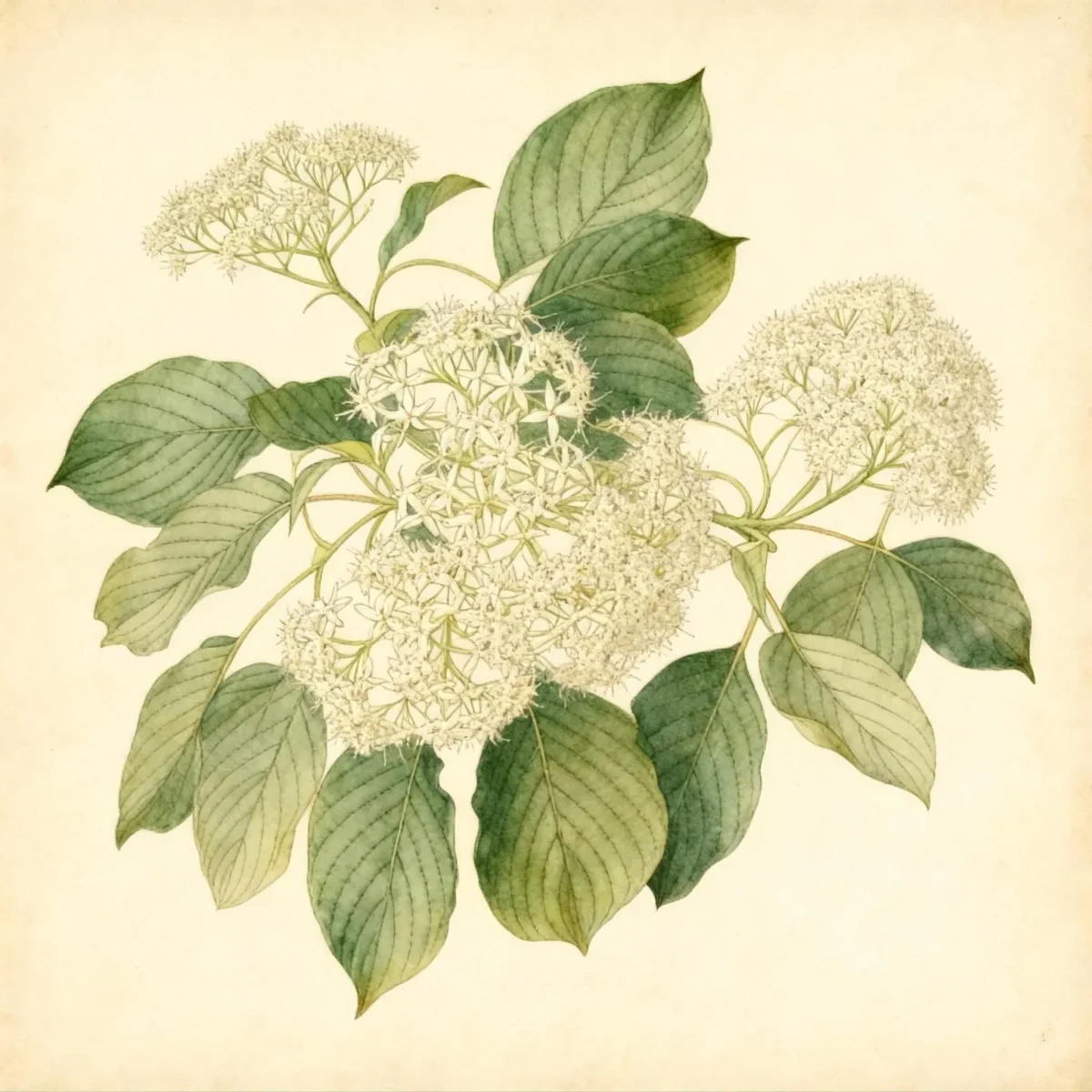
When in bloom during late spring, the Giant dogwood produces masses of small, creamy-white flowers clustered in sprays, creating a very showy display. Following flowering, clusters of bluish-black fruits appear, which are highly attractive to local bird populations, adding seasonal value to the landscape.
Cultivating Cornus controversa is relatively straightforward, as it requires low maintenance once established, provided its cultural needs for acidic, moist soil are met. Its impressive stature makes it an excellent specimen planting, offering structure and seasonal beauty across USDA zones 5 through 8.
Fast Facts
- Plant Family: Cornaceae
- Plant Type: Tree
- Native Range: Japan, China, Himalayas
- Hardiness Zones: USDA Zones 5-8
- Size at Maturity:
- Height: 35-40 ft
- Spread: 35-40 ft
- Bloom Time: May to June
- Bloom Description: Creamy white
- Sun Exposure: Full sun to part shade
- Water Needs: Medium
- Maintenance Level: Low
How to Grow
Planting the Giant dogwood should ideally occur in spring or fall when temperatures are moderate. Select a location that accommodates its mature spread, ensuring the site has acidic, organically rich, and well-drained soils. While it tolerates full sun, providing some afternoon shade is beneficial, especially in hotter climates like the St. Louis area, as the best performance occurs where summers remain cool.
Consistent moisture is crucial for this species; water deeply and regularly, especially during the first few growing seasons. Apply a layer of mulch over the root zone to retain soil moisture, keep roots cool, and suppress weeds, mimicking its natural woodland edge environment. Fertilization is typically unnecessary if the native soil is enriched organically.
Pruning should be minimal, focusing mainly on removing dead, damaged, or crossing branches to maintain its beautiful tiered structure. Avoid heavy pruning late in the season. Ensure consistent moisture throughout the year, as stressed trees are more susceptible to potential problems.
Landscape Uses
As a flowering tree, the Giant dogwood excels as a specimen planted prominently in spacious lawns where its distinctive branching can be fully appreciated year-round. Its height and canopy spread make it unsuitable for small yards or close foundation plantings. Consider using it as a shade tree over seating areas where its canopy can filter the afternoon light beautifully.
The Cornus controversa contrasts nicely with finer-textured evergreens or broadleaf shrubs that do not compete for its structural dominance. Its mid-summer fruit display also attracts attention, making it a focal point near woodland borders or in mixed shrub borders where vertical interest is desired throughout the growing season.
Historically, the dense wood gave rise to the genus name Cornus, hinting at its potential use in crafting durable items, though today it is prized purely for its aesthetic value as a specimen tree.
Standout Features
Flower Qualities
- Showy
Fruit Qualities
- Showy
Noteworthy Characteristics
Cornus controversa, commonly called giant dogwood, is a rounded, medium-sized, deciduous tree that will grow somewhat rapidly to 35-40’ (less frequently to 60’) tall with distinctive horizontal branching in tiers. This tree and C. Alternifolia are the only dogwoods that feature alternate leaves. Small, creamy-white flowers appear in flattened clusters (cymes to 3-7” wide) in late spring (May-June). Fruits mature in late summer and are attractive to birds.
Tolerances
- Deer
Potential Problems
The Giant dogwood can be moderately susceptible to certain diseases, including leaf spot, root rot, and canker; ensuring excellent drainage is the primary defense against root rot. Occasional insect pests such as scale, leaf miners, and borers might appear, especially on stressed or wet-location specimens. A positive note is that, unlike C. Alternifolia, this beautiful tree is resistant to the serious twig blight common in some other dogwood varieties.
Frequently Asked Questions
What hardiness zones is Cornus controversa suitable for?
The Giant dogwood thrives in USDA Hardiness Zones 5 through 8.
How large does Giant dogwood grow?
This tree typically reaches a mature height between 35 and 40 feet, with a corresponding spread of 35 to 40 feet.
When does Cornus controversa bloom?
The tree blooms from May to June, presenting masses of small, creamy white flowers.
What sun exposure does Cornus controversa need?
Plant the Giant dogwood where it receives full sun to partial shade, appreciating some relief from intense afternoon heat.
Conclusion
The distinctive, tiered form and showy spring blooms ensure that Cornus controversa remains a standout feature in any large landscape. Its low maintenance requirements further enhance its appeal for dedicated gardeners seeking dramatic, long-term architectural interest. Before planting your Giant dogwood, confirm your local hardiness zone and prepare the acidic, organically rich soil for the best possible establishment.
Companion Planting
When selecting companions for Cornus controversa, focus on plants that share its preference for acidic or neutral soil and medium moisture levels. Shade-tolerant groundcovers like Hostas or Japanese Forest Grass (Hakonechloa macra) work well beneath its canopy, filling space without competing aggressively for light in the understory. Consider pairing it with acid-loving shrubs such as Rhododendrons or Azaleas planted near its dripline to create a cohesive woodland edge garden feel.
Wildlife Benefits
The dark, clustered fruits produced by the Giant dogwood in late summer are an important food source, particularly for various native bird species. By providing this seasonal forage, incorporating Cornus controversa into your design actively supports local wildlife populations. Furthermore, the dense foliage and strong branching structure can offer cover and nesting sites for smaller birds throughout the year.