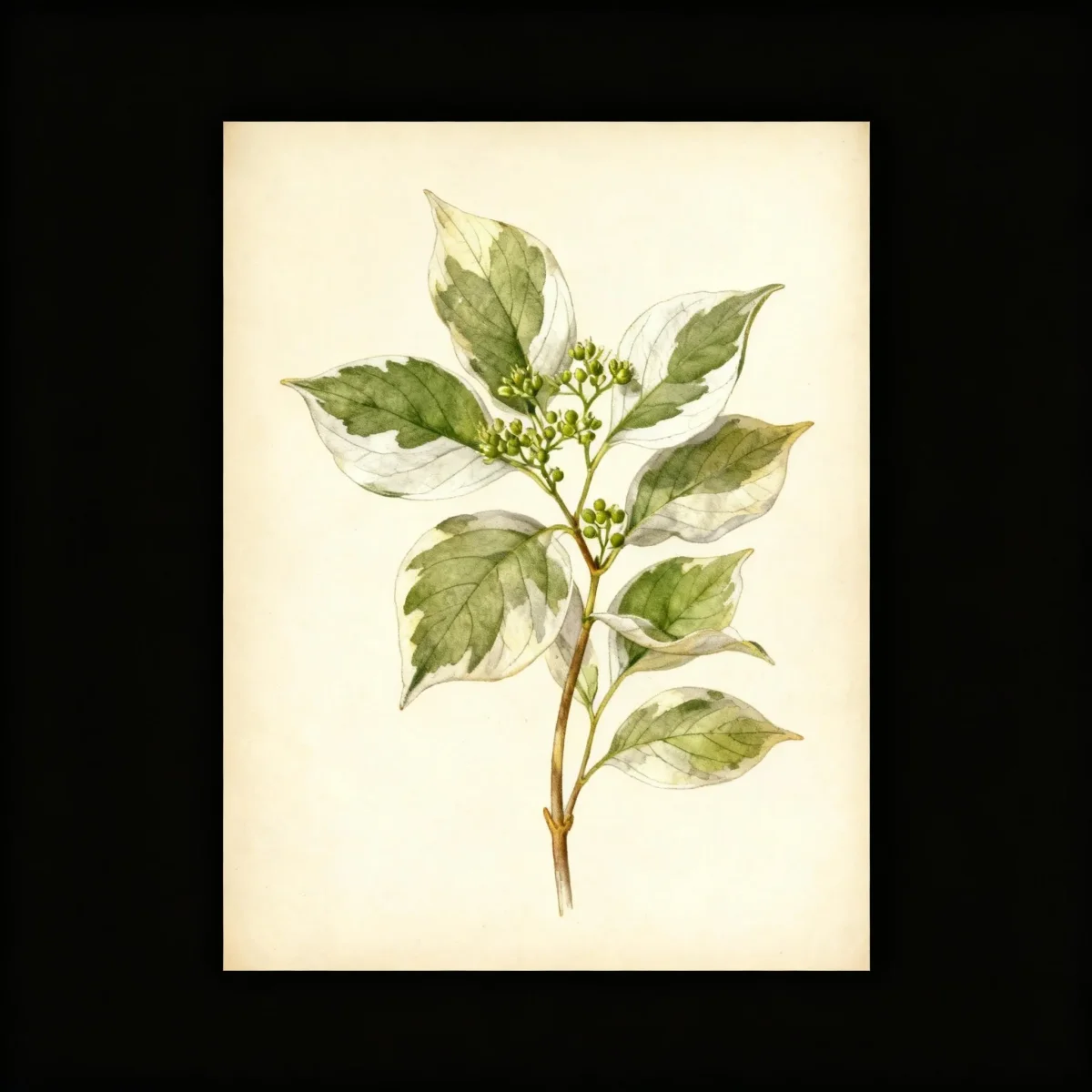
Red twig dogwood (Cornus sericea)
Striking Red twig dogwood offers brilliant red winter stems, white spring flowers, and excellent adaptation to wet soil, making Cornus sericea a must-have.
Scroll down to discover growing tips, care requirements, companion plants, and more
Complete Plant Information
Overview
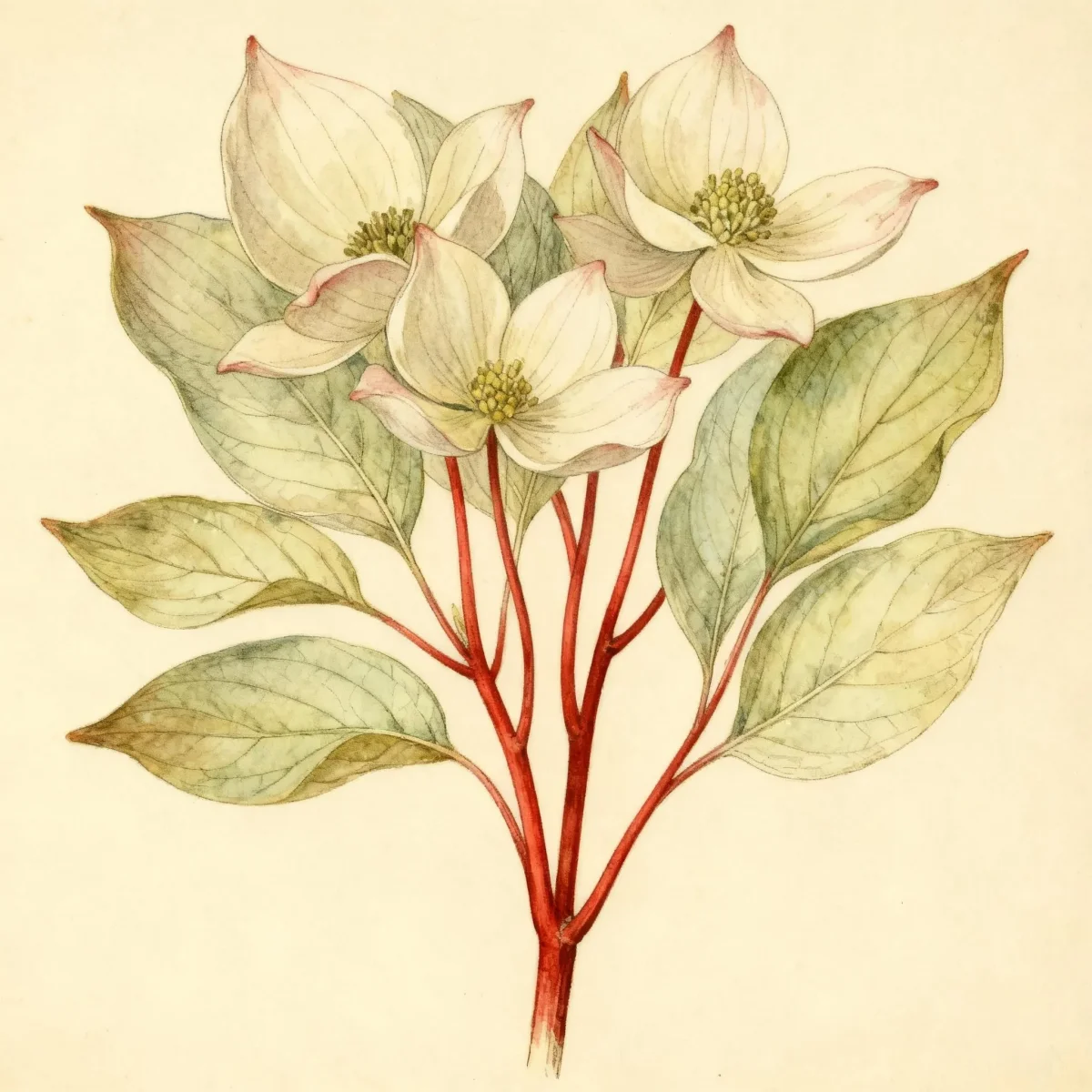
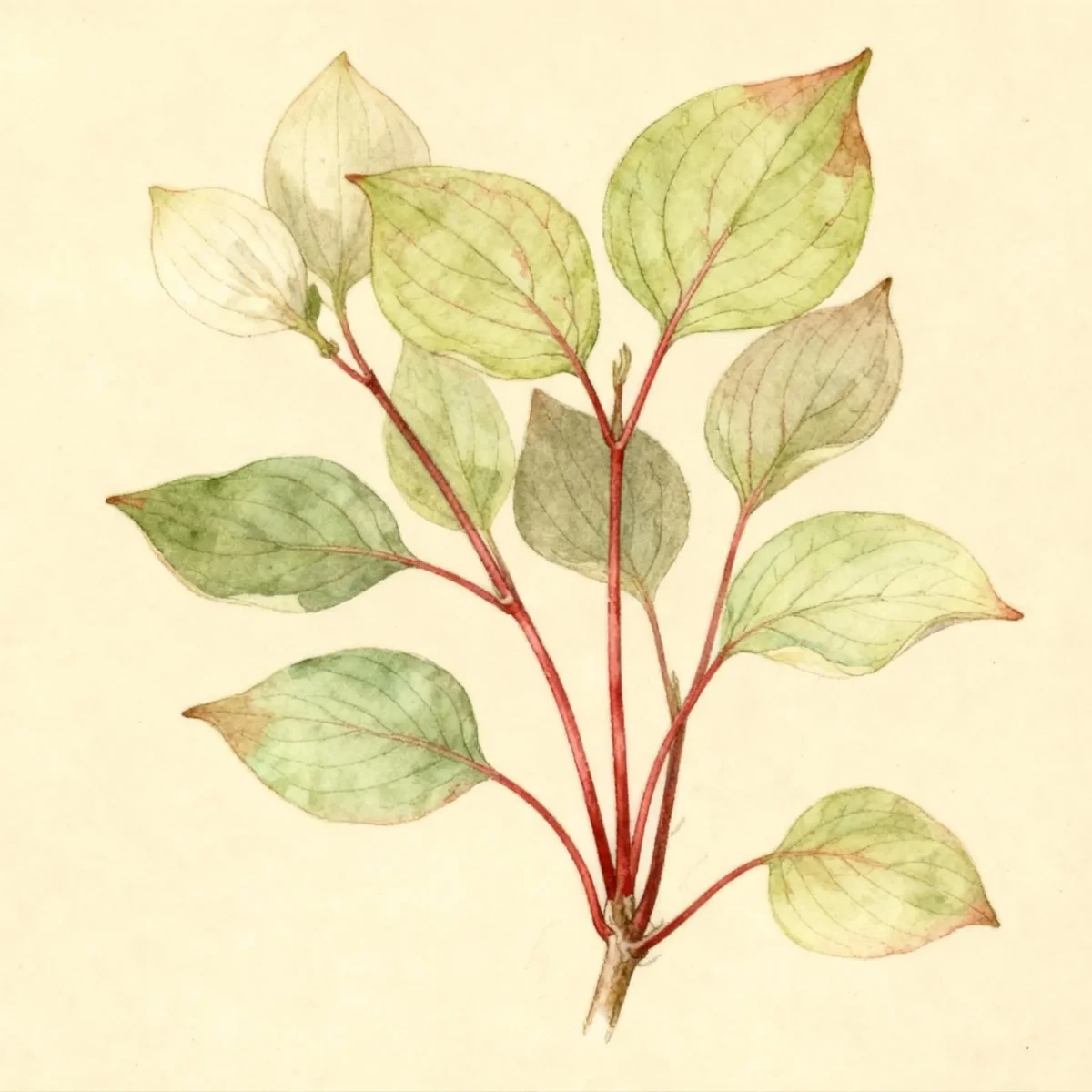
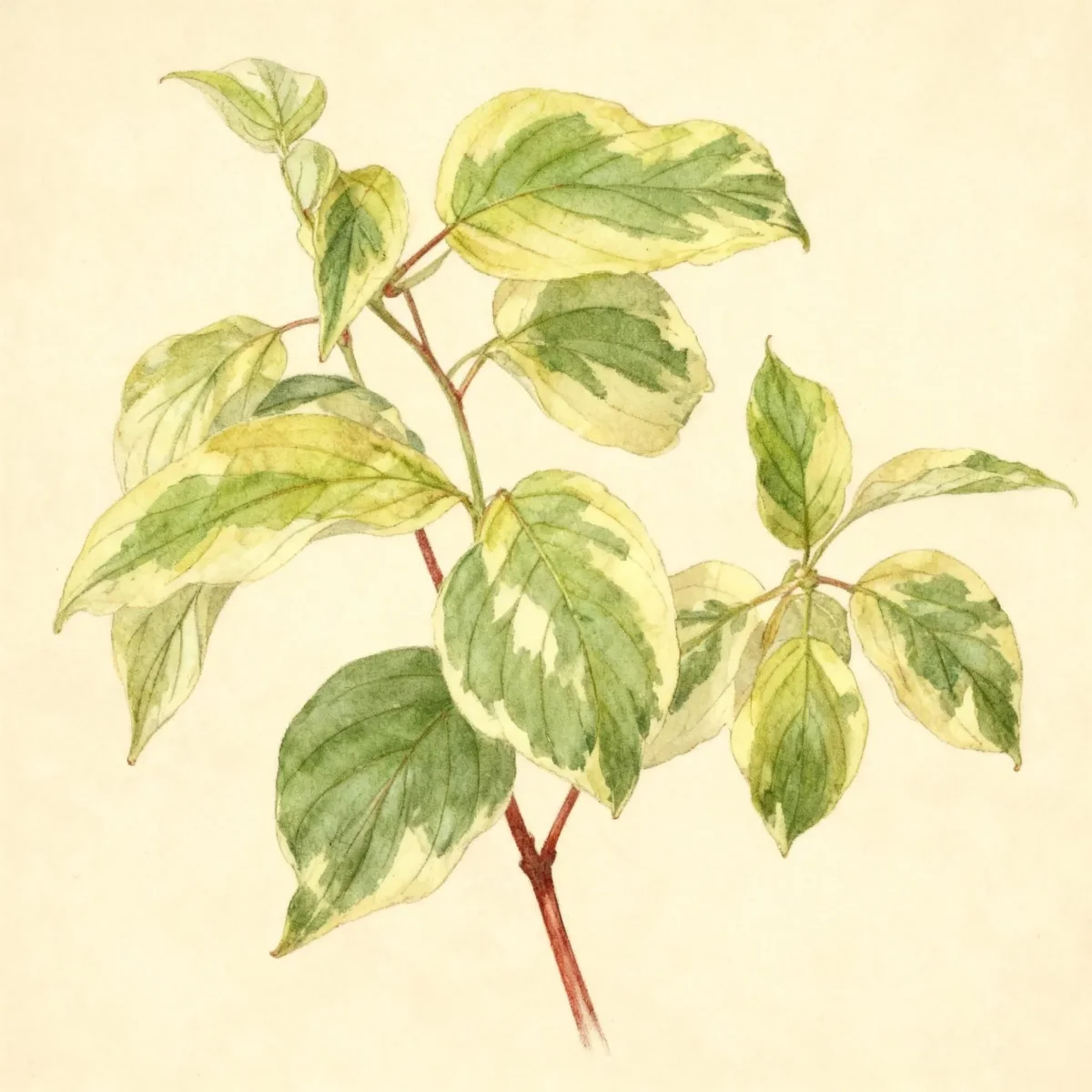
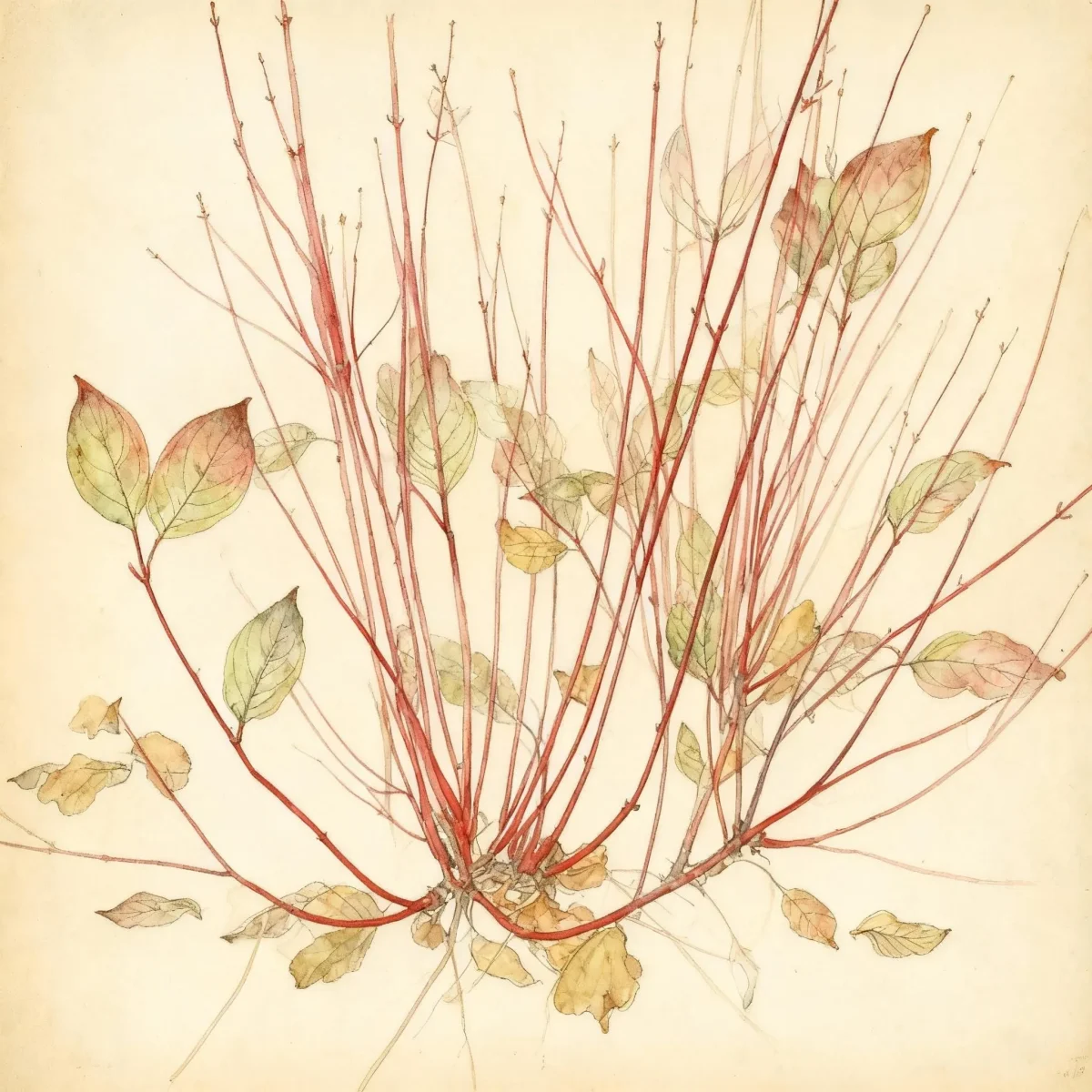
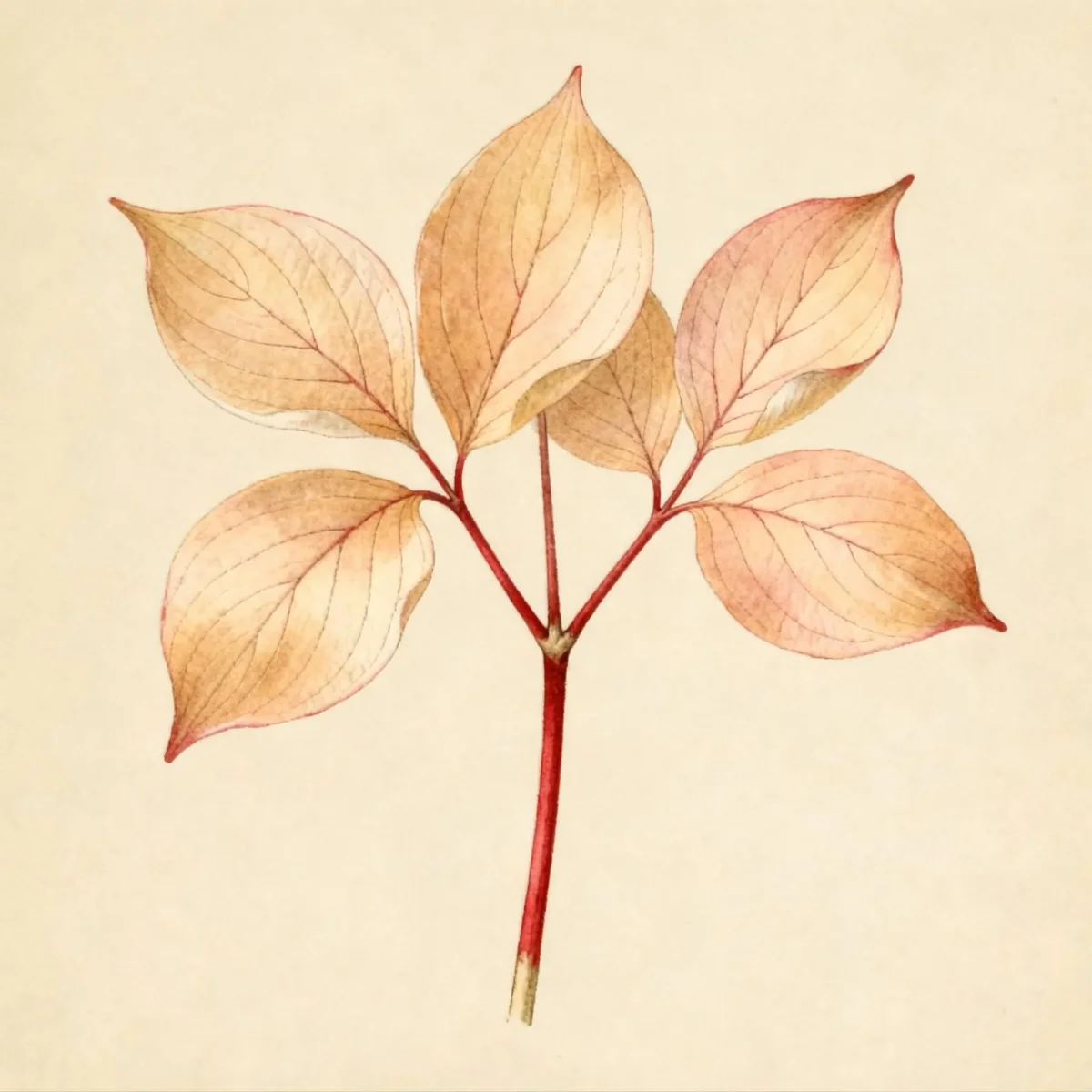
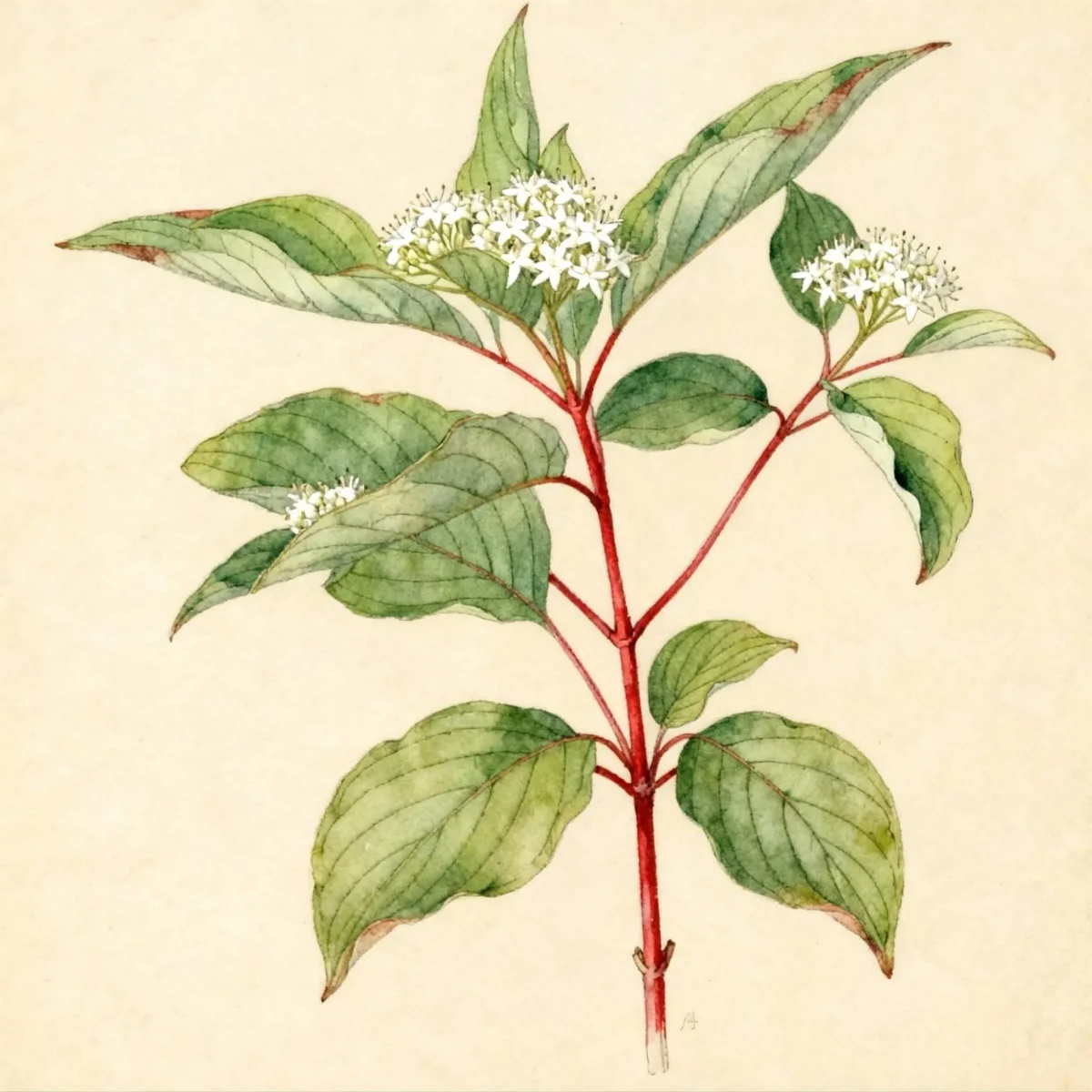
The Red twig dogwood, scientifically known as Cornus sericea, is highly prized by gardeners primarily for its stunning winter foliage provided by bright, vivid red stems. This native North American shrub offers year-round interest, transitioning from inconspicuous white blooms in late spring to attractive foliage that turns rich shades of red, orange, and purple in autumn before revealing its winter color. Cornus sericea is an upright-spreading, suckering deciduous shrub that thrives even in challenging, wet locations.
Beyond its ornamental appeal, Red twig dogwood provides significant functional benefits, stabilizing moist soils through its spreading root system. It is an excellent choice for naturalistic plantings where its colonial spread is encouraged, or it can be managed as a screen or hedge. Gardeners seeking reliable year-round structure and color will find Cornus sericea to be a versatile and relatively easy-to-manage specimen.
Fast Facts
- Plant Family: Cornaceae
- Plant Type: Deciduous shrub
- Native Range: North America
- Hardiness Zones: USDA Zones 3-7
- Size at Maturity:
- Height: 6-9 ft
- Spread: 7-10 ft
- Bloom Time: May to June
- Bloom Description: White
- Sun Exposure: Full sun to part shade
- Water Needs: Medium to wet
- Maintenance Level: Medium
How to Grow
Cornus sericea performs best when established in organically rich, fertile soil that maintains consistent moisture. Locate this shrub in areas receiving full sun to achieve the most vibrant stem color, though it tolerates part shade. It is exceptionally tolerant of poor conditions, thriving in consistently moist, swampy, or boggy soils, making it ideal for rain gardens or wetland margins.
Watering should be adequate to keep the soil consistently moist, especially during establishment and dry periods. Fertilization is usually unnecessary if the soil is rich. A key cultural practice involves pruning to maintain superior stem color, as the brightest hues appear on new growth. Gardeners should plan to remove 20-25% of the oldest stems each early spring to encourage the production of fresh, brightly colored wood for the following winter.
For a more drastic renewal, prune all stems close to the ground (coppice method) in early spring every two to three years. Be mindful that heavy spring pruning can slightly reduce flower output, though the insignificant flowers of the Red twig dogwood make this trade-off acceptable for better stem display. In hot, humid climates south of USDA Zone 7, this plant can stress easily, potentially increasing vulnerability to canker.
Landscape Uses
The versatility of Cornus sericea allows it to be integrated into numerous landscape designs. It functions wonderfully when massed together to create bold winter vignettes, especially when positioned near evergreen shrubs for color contrast. Its growth habit makes it effective as a screen or for delineating lower property lines where its spreading nature can be utilized.
This dogwood excels in naturalistic plantings where it can be allowed to form thickets along stream banks or ponds. Its roots are beneficial in these wet areas, helping to control erosion. For formal settings, it works well as a backdrop in shrub borders, paired with plants that offer contrasting textures during the growing season.
Standout Features
Flower Qualities
- Showy
Fruit Qualities
- Showy
Noteworthy Characteristics
Cornus sericea, commonly known as red twig dogwood or red osier dogwood, is an upright-spreading, suckering shrub that typically grows in the absence of pruning to 6-9’ tall with a slightly larger spread. With the exception of the lower midwest and deep South, this species is native to much of North America where it is typically found growing in wet swampy areas, wetland margins or along lakes and rivers. Reddish stems turn bright red in winter and are particularly showy against a snowy backdrop, providing essential winter interest.
Tolerances
- Deer
- Erosion
- Clay Soil
- Wet Soil
Potential Problems
Cornus sericea can occasionally suffer from fungal issues, being susceptible to leaf and twig blights, canker, and various leaf spots. These issues are often exacerbated by high humidity or poor air circulation in dense plantings, particularly further south of its ideal range. Occasional insect pests include scale insects, leaf miners, and the bagworm.
To manage these vulnerabilities, ensure proper planting practices—avoid overcrowding to improve air flow, and ensure fungicide applications are considered if blight pressure is historically high in your microclimate. Promptly remove any heavily infected twigs to limit disease spread.
Frequently Asked Questions
What hardiness zones is Red twig dogwood suitable for?
The appropriate hardiness zones for Cornus sericea range from USDA Zones 3 through 7.
How large does Cornus sericea grow?
This deciduous shrub typically reaches a mature height between 6 and 9 feet tall, with a spread commonly ranging from 7 to 10 feet wide.
What sun exposure does Red twig dogwood need?
For optimal growth and the most brilliant stem color, Cornus sericea needs full sun but can comfortably tolerate partial shade exposure.
When does Red twig dogwood bloom?
The small, white flowers of the Red twig dogwood appear relatively early in the season, generally blooming from May to June.
Conclusion
Offering unparalleled winter drama with its signature bright red stems, Cornus sericea provides significant aesthetic and ecological value across three seasons. This adaptable shrub is particularly suited for wet environments, offering erosion control and excellent structure. Before planting, verify that your growing area falls within USDA Zones 3-7 and plan for the yearly pruning routine needed to maintain the finest stem coloration of this excellent Red twig dogwood.
Companion Planting
When selecting companions for Cornus sericea, focus on plants that thrive in medium to wet soil conditions while offering contrasting color or texture during the winter months. Consider planting it near Japanese painted ferns or hostas which appreciate similar moisture levels during the summer growing season. The groundcover habit of Pachysandra or bright green grasses can offer a pleasant contrast to the deep red winter stems of the Red twig dogwood.
Seasonal Care Calendar
Spring is the most critical time for managing Cornus sericea. Conduct most structural pruning in very early spring before bud break, removing the oldest, dullest wood or applying a hard coppice cut to refresh the entire stand. Throughout spring and summer, monitor watering needs, especially when establishing the plant, ensuring the soil remains consistently moist. In autumn, enjoy the foliage transition to reds and purples before the stems become fully exposed in winter.