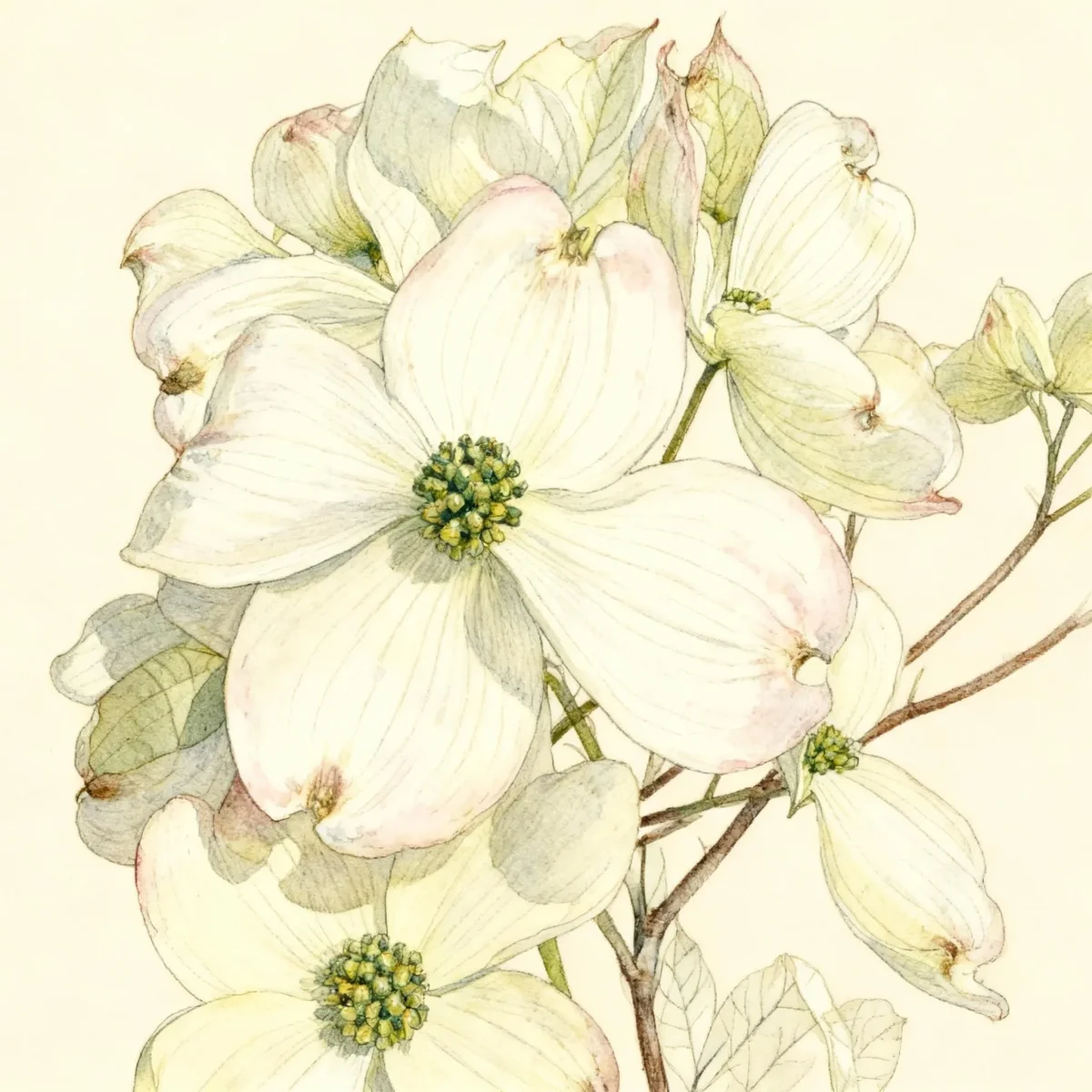
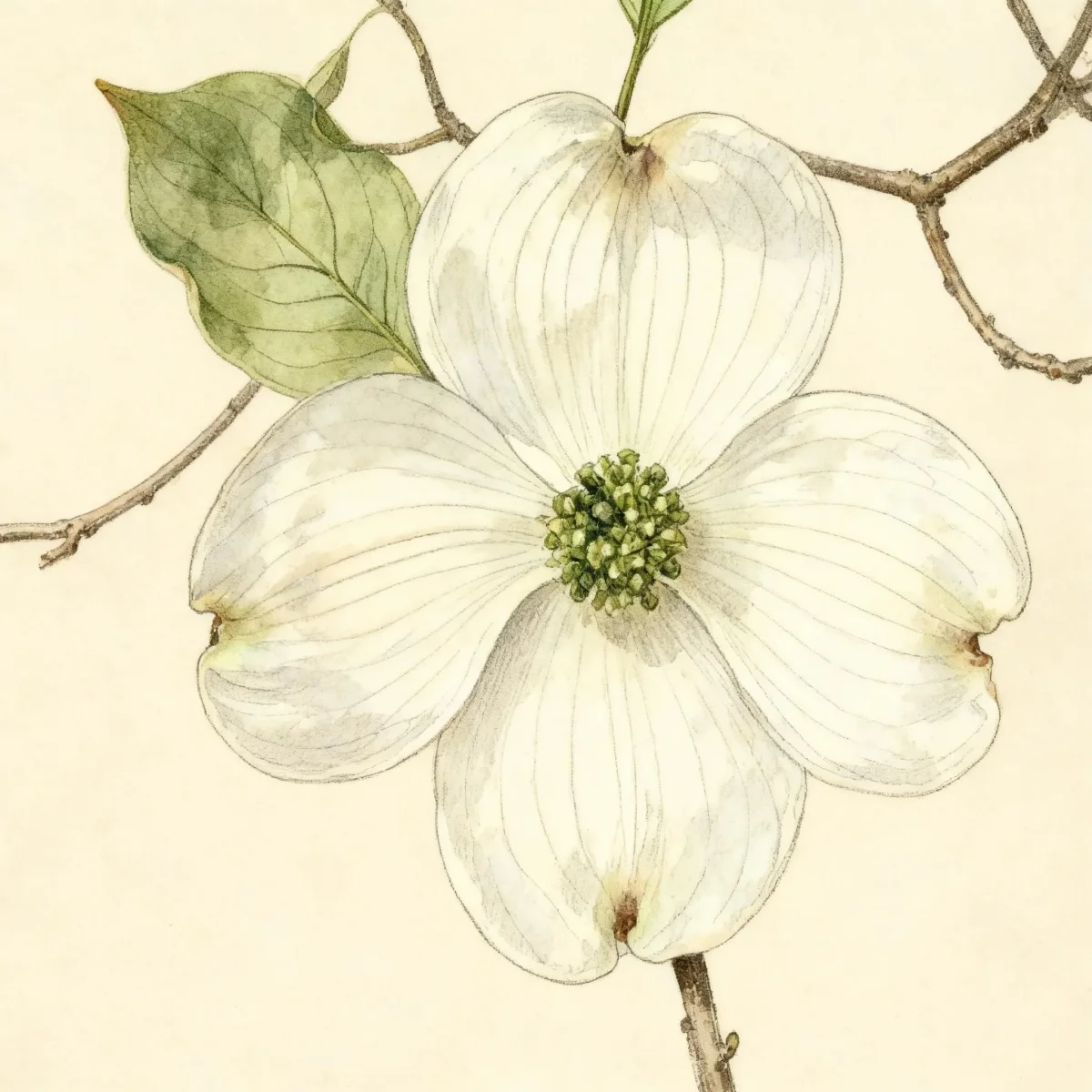
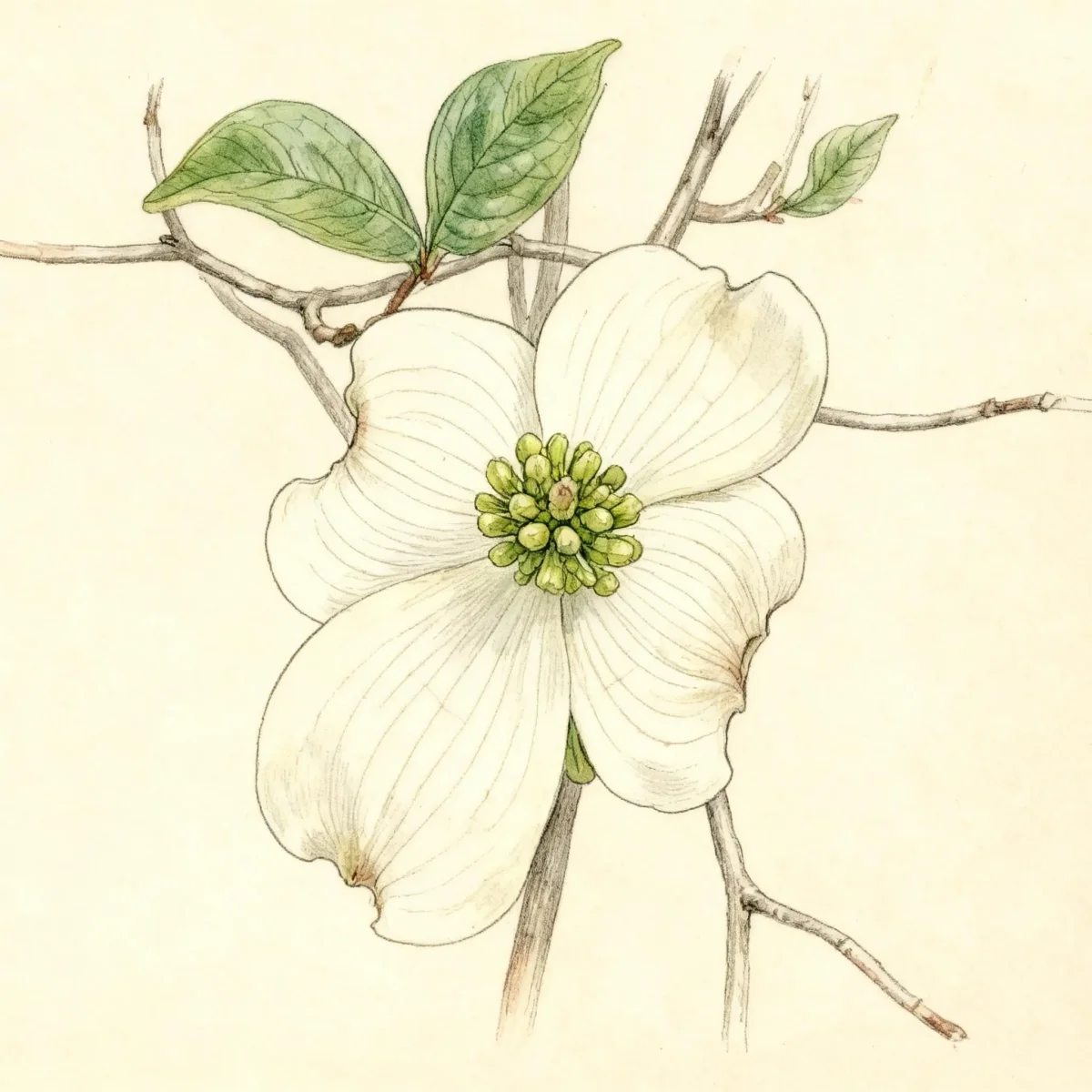
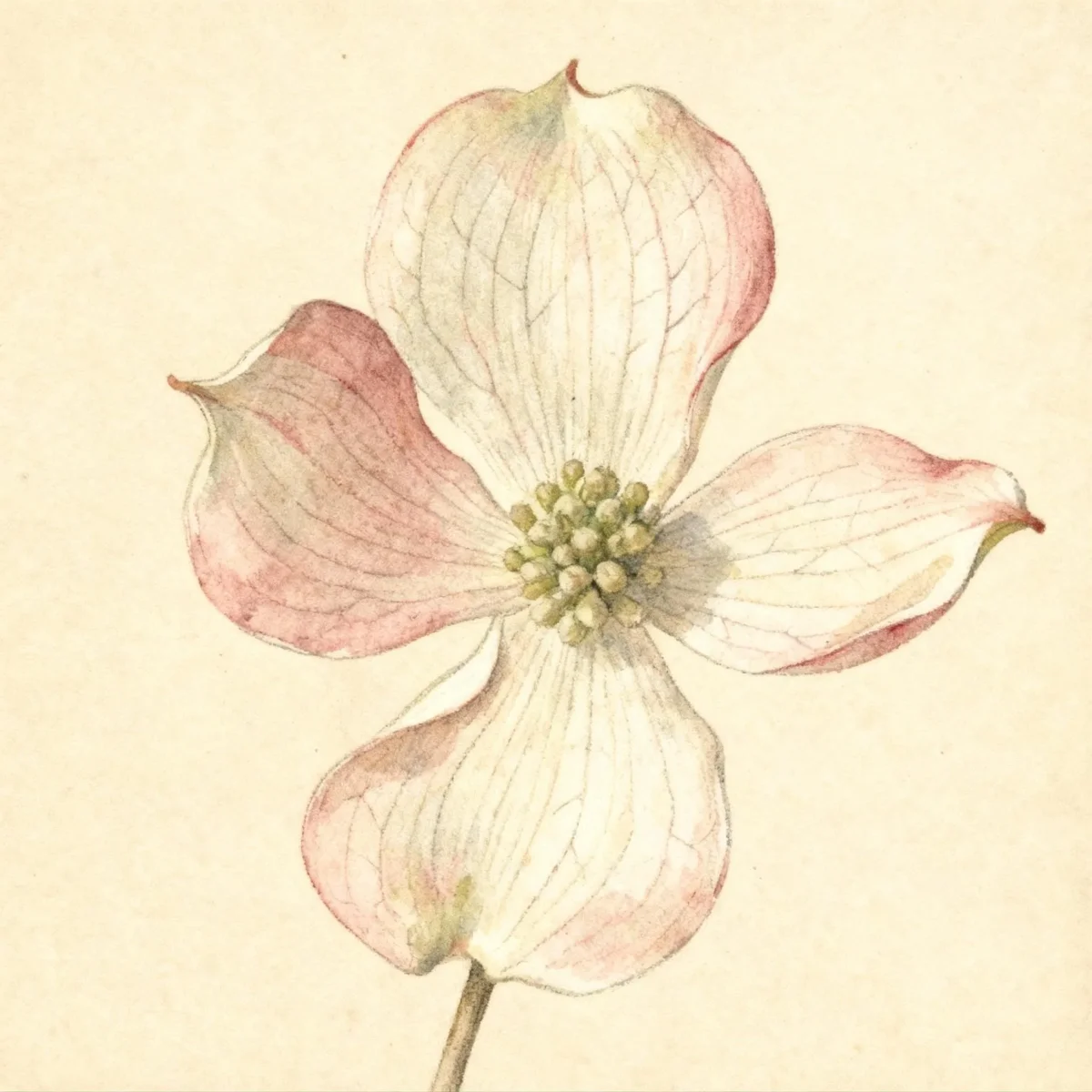
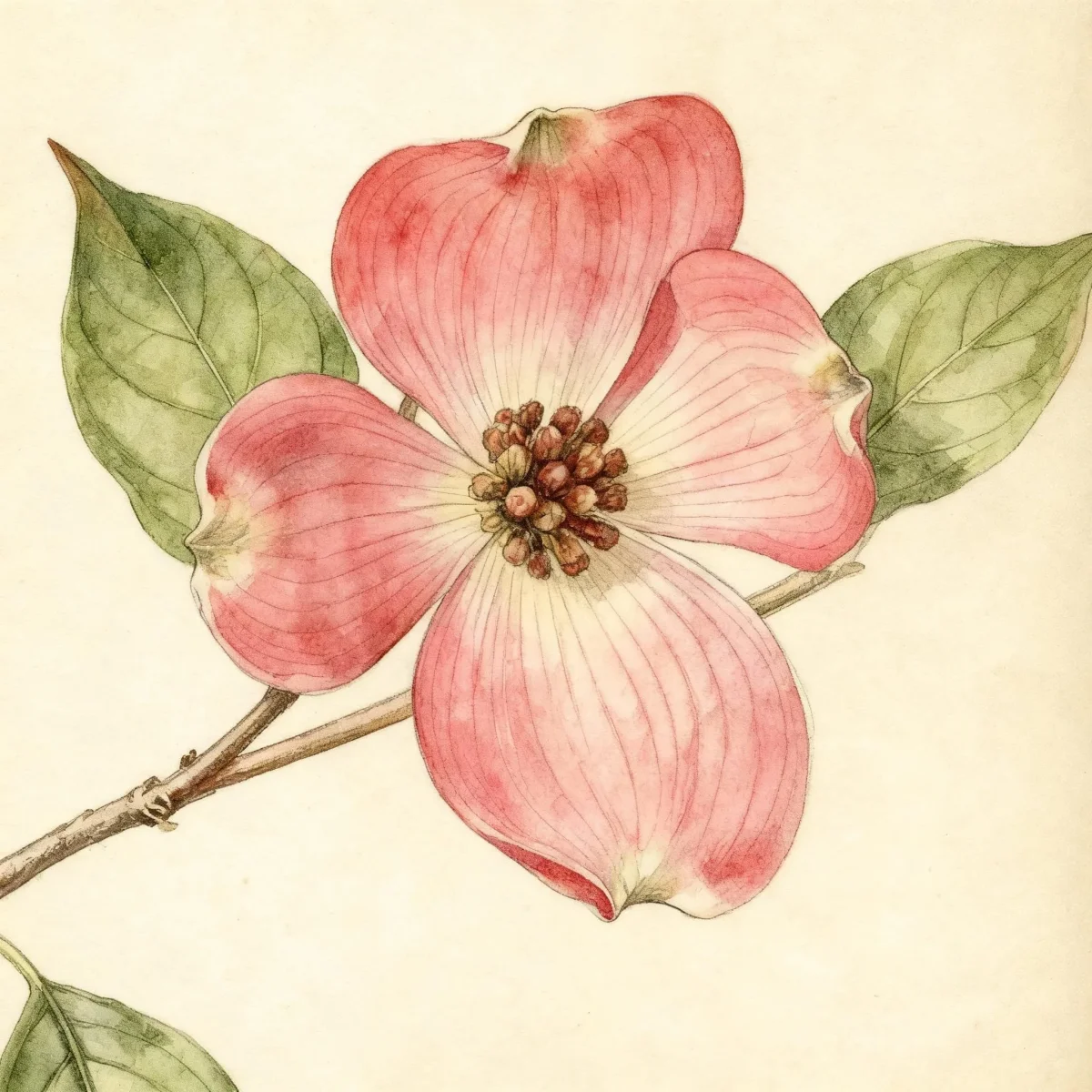
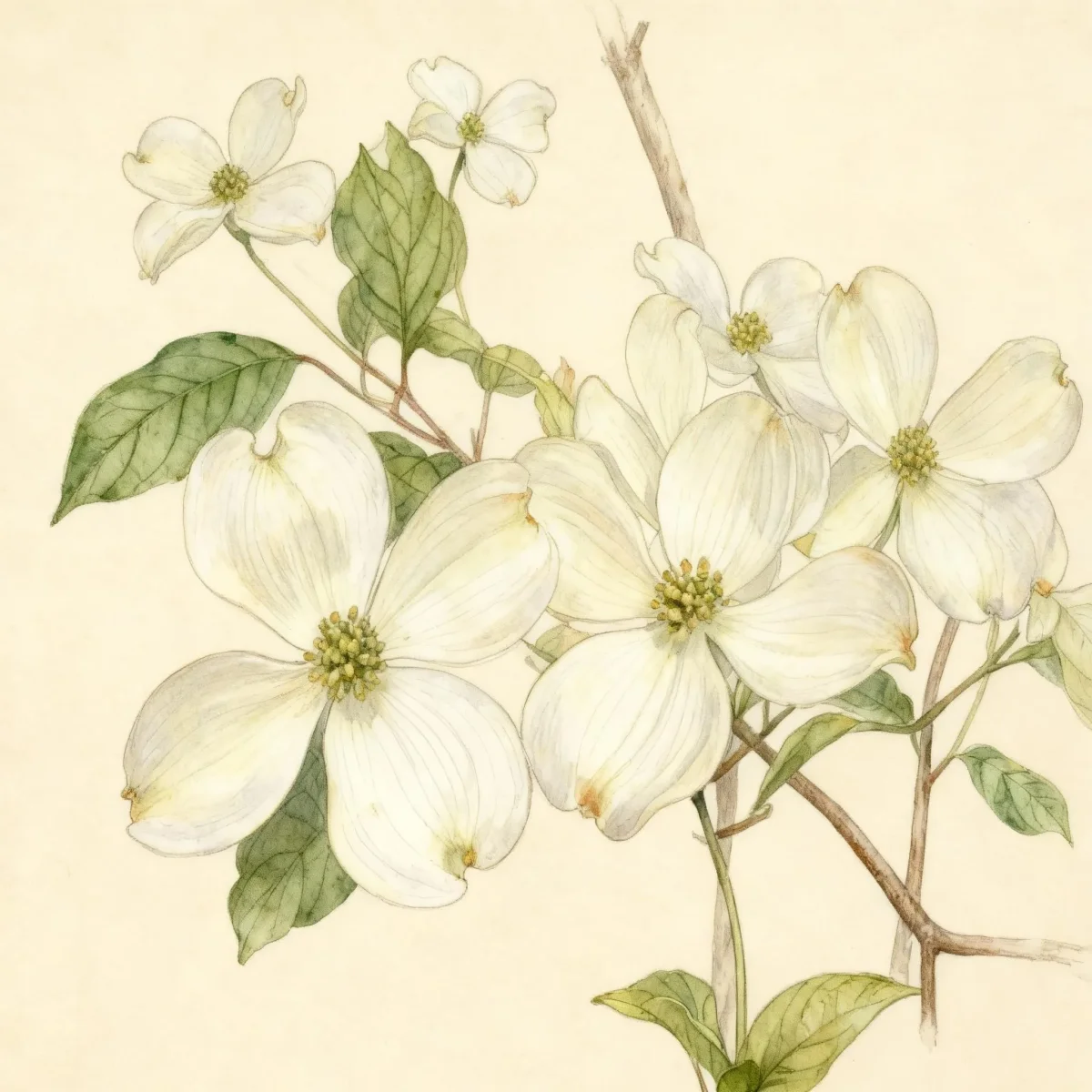
Chinese dogwood (Cornus kousa var. chinensis)
Stunning Cornus kousa var. chinensis (Chinese dogwood) offers abundant white blooms, edible fruit, and great fall color in zones 5-8.
Scroll down to discover growing tips, care requirements, companion plants, and more
Complete Plant Information
Overview
The Chinese dogwood, scientifically known as Cornus kousa var. chinensis, is a highly valued specimen tree celebrated for its spectacular late-spring floral display. Unlike the early-blooming Flowering Dogwood, this variety provides visual interest after many other spring bloomers have faded. It matures into a sophisticated small tree or large shrub, perfect for framing residential landscapes.
Cornus kousa var. Chinensis differs slightly from the standard species by often presenting even larger bracts and fruit, making it a standout choice for gardeners seeking superior ornamental qualities. In addition to its beautiful white flowers, this reliable tree offers attractive mottled, exfoliating bark that provides interest during the winter months.
Gardeners appreciate the multi-season appeal of the Chinese dogwood, which includes ornamental fruit and strong fall color, making it a versatile and rewarding addition to the garden. Its relative resistance to common dogwood diseases ensures a healthier presence in the landscape compared to some related species.
Fast Facts
- Plant Family: Cornaceae
- Plant Type: Tree
- Native Range: Japan, Korea, China
- Hardiness Zones: USDA Zones 5-8
- Size at Maturity:
- Height: 15-30 ft
- Spread: 15-30 ft
- Bloom Time: May to June
- Bloom Description: White
- Sun Exposure: Full sun to part shade
- Water Needs: Medium
- Maintenance Level: Medium
How to Grow
Plant Cornus kousa var. chinensis during the dormant seasons—either early spring or fall—to encourage strong root establishment before summer heat. This Chinese dogwood thrives in humusy, organically rich, medium-moisture soils that are acidic to neutral and well-drained. While it tolerates sandy loams, ensure the location receives full sun or part shade; too much intense afternoon sun, especially combined with wind, can cause distress.
Maintain consistent moisture, especially throughout hot summers, as this tree appreciates even watering. Avoid planting in areas where the soil remains soggy, as superior drainage is crucial for long-term health. Fertilization is rarely needed if the soil is rich, but a spring application of compost around the root zone can boost vigor.
Pruning for Cornus kousa var. chinensis should be minimal, usually limited to removing dead or crossing interior branches immediately after flowering. Avoid heavy pruning in late summer or fall, as this can stimulate late growth vulnerable to early frosts. Because it develops attractive bark, structural pruning should aim to preserve a pleasing, somewhat rounded mature form.
Landscape Uses
The Chinese dogwood is listed as an exemplary Flowering Tree, making it superb as a specimen when its four-season interest can be fully appreciated. Plant it as a focal point near patios or entrances where its abundant white-bracted flowers in May can be observed closely. Due to its size at maturity (15-30 feet tall and wide), it works well as an accent in small groupings or integrated into mixed shrub borders.
Its requirement for consistent moisture makes it an excellent candidate for woodland edge gardens or mixed borders where dappled shade from taller deciduous trees helps moderate summer temperatures. The appealing red, berry-like fruits attract birds, suggesting suitable placement near bird-watching areas or informal settings within a residential property.
For sophisticated designs, integrate Cornus kousa var. Chinensis with late-spring blooming spring bulbs or early-season evergreen structures that contrast nicely with its eventual summer foliage. Its exfoliating bark ensures that even when leafless, this dogwood maintains strong structural appeal.
Standout Features
Flower Qualities
- Showy
Fruit Qualities
- Showy
- Edible
Noteworthy Characteristics
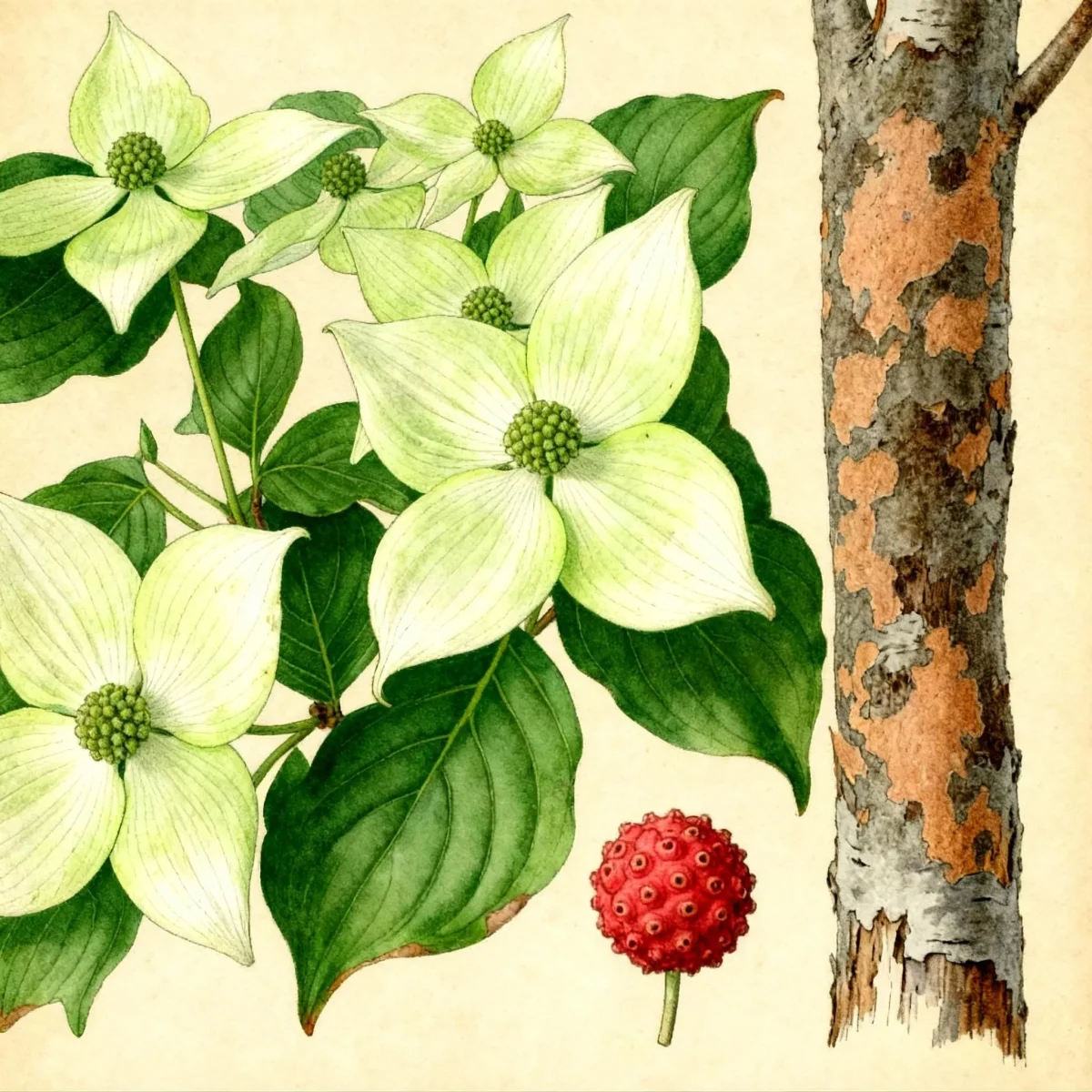
Cornus kousa var. chinensis is particularly noted for its abundant white, petal-like bracts blooming profusely in May, followed by relatively large edible red berries that mature in summer. The oval, dark green leaves often transition into showy orange-red fall foliage, while mature trees develop attractive mottled tan and gray exfoliating bark for winter appeal.
Tolerances
- Deer
Potential Problems
The Chinese dogwood generally exhibits excellent pest resistance, superior to that of the common Flowering Dogwood, showing strong resistance to anthracnose. Serious insect or disease issues are rare when the plant is sited correctly. The primary potential problem involves environmental stress: stressed trees, often from severe drought or heat, become vulnerable targets for borers. Furthermore, planting the Chinese dogwood in open, hot, and windy sites can lead to leaf scorch, particularly during dry spells.
Frequently Asked Questions
What hardiness zones is Chinese dogwood suitable for?
Cornus kousa var. chinensis performs best within USDA Hardiness Zones 5 through 8.
How large does Chinese dogwood grow?
This tree typically reaches a mature height between 15 and 30 feet, with a comparable spread of 15 to 30 feet.
When does Chinese dogwood bloom?
The spectacular bloom time for this variety is generally from May into June, featuring white, showy bracts.
What sun exposure does Cornus kousa var. chinensis need?
It requires conditions ranging from full sun to part shade for optimal health and flowering.
Conclusion
The Cornus kousa var. chinensis, or Chinese dogwood, offers unmatched year-round structure, highlighted by its late-spring white flowers and colorful fruit display. Its robust nature and superior disease resistance make it a practical choice for almost any medium-sized landscape setting. Always verify your local hardiness zone compatibility before planting this exceptional flowering tree.
Wildlife Benefits
The berry-like fruits of the Chinese dogwood persist into the fall, providing a vital, edible late-season food source for local bird populations. While botanically edible for humans, they are generally left for wildlife enjoyment, turning your specimen tree into an active part of the local ecosystem. Planting this variety near observational areas enhances bird watching opportunities throughout the late growing season.
Companion Planting
When selecting companions for the Chinese dogwood, focus on plants that share its preference for well-drained, humus-rich, slightly acidic soil and part shade conditions. Consider pairing it with shade-tolerant woodland perennials such as Astilbe, Helleborus (Lenten Rose), or Hostas, whose foliage textures contrast beautifully with the dogwood’s layered branching habit. For understory planting, avoid aggressive shallow-rooted species that might compete directly for the medium moisture this dogwood requires, opting instead for smaller, localized groundcovers.