Moss stonecrop (Sedum acre)
Moss stonecrop (Sedum acre) is a tough, bright yellow-flowering evergreen perennial perfect for hot, dry rock gardens and groundcover roles.
Scroll down to discover growing tips, care requirements, companion plants, and more
Complete Plant Information
Overview
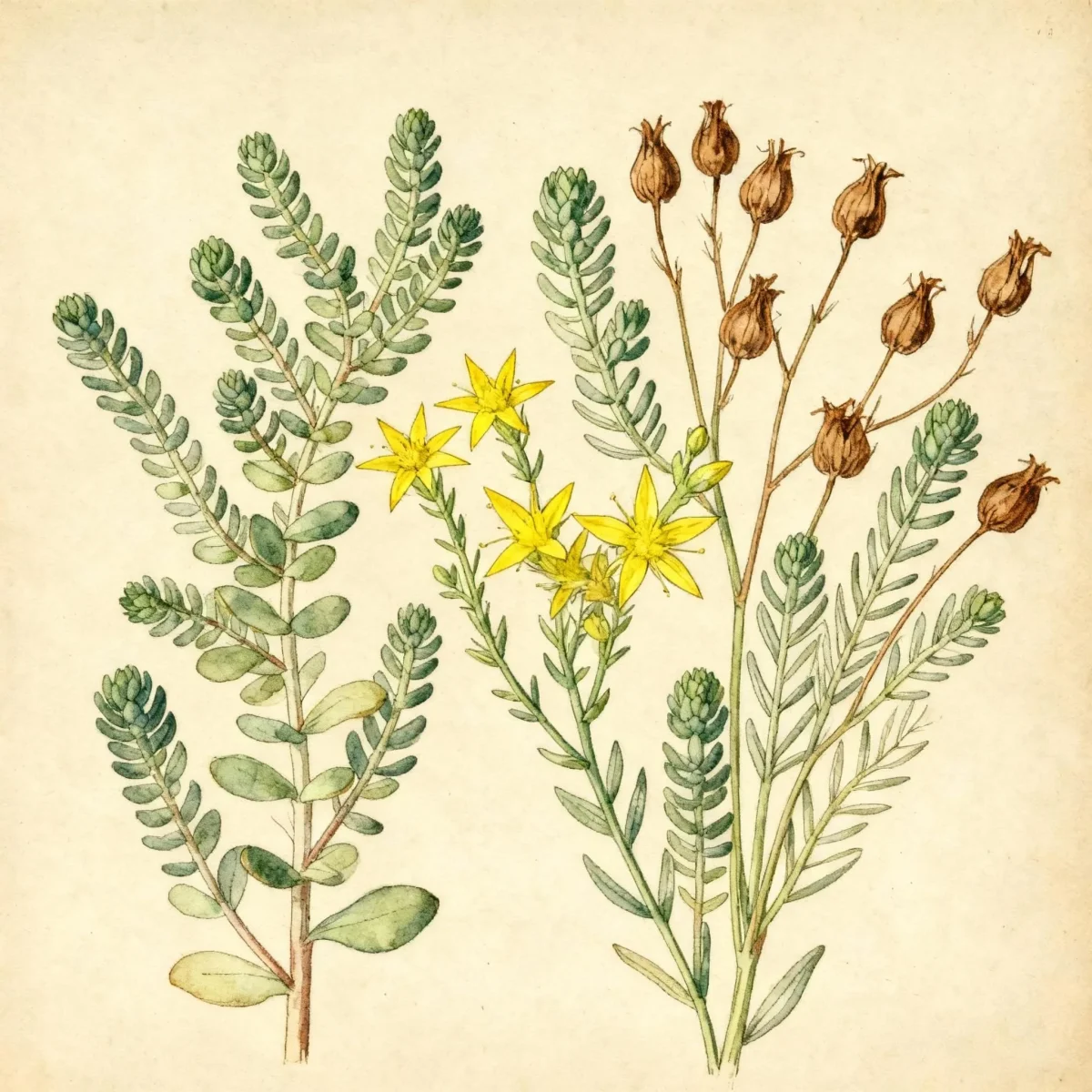
Moss stonecrop (Sedum acre) is a low-growing, highly resilient herbaceous perennial, prized for its dense, moss-like evergreen mat of foliage. This diminutive succulent provides vibrant color through masses of tiny, star-shaped yellow flowers that completely cover the plant in early summer, making it a standout in lean environments. Its ability to thrive where other plants struggle is one of its main attributes.
This Carpeting perennial is famous for its extremely low stature, rarely exceeding three inches in height while spreading aggressively to create an impressive ground cover across dry, sunny expanses. The common name, Moss stonecrop, perfectly describes its dense, textural quality as it hugs the soil surface. It requires minimal input from the gardener, establishing rapidly in poor conditions.
Because Sedum acre handles foot traffic and extreme heat better than many alternatives, it serves as an excellent functional replacement for turfgrass in specialized areas. Its toughness ensures a reliable textural presence year-round, punctuated by that brilliant bloom period, making Moss stonecrop an essential plant for xeriscaping and rockeries.
Fast Facts
- Plant Family: Crassulaceae
- Plant Type: Herbaceous perennial
- Native Range: Northern Africa, western Asia, Europe, Greenland
- Hardiness Zones: USDA Zones 4-9
- Size at Maturity:
- Height: 0-0.25 ft
- Spread: 1-2 ft
- Bloom Time: June to July
- Bloom Description: Yellow
- Sun Exposure: Full sun
- Water Needs: Dry to medium
- Maintenance Level: Low
How to Grow
The ideal location for establishing Sedum acre ensures it receives full sun exposure, though it tolerates a light amount of afternoon shade. This plant thrives specifically in shallow, rocky, limestone to sandstone soils, provided they are well-drained. While it prefers dry to medium moisture levels, it can tolerate moist soils as long as drainage is impeccable; the key requirement is avoiding consistently wet feet, especially in winter.
Maintenance for this stonecrop is inherently low. Fertilizing is generally unnecessary, as it performs best in soils of moderate to low fertility. Seldom does it require watering once established, making it perfect for water-wise gardens. If you wish to propagate, take advantage of its vigorous spreading habit: simply break off a stem segment and stick it directly into the soil to root quickly.
Plants of Moss stonecrop freely self-seed in optimal growing conditions, which can lead to fast garden spread across available sunny patches. To manage its spread or to utilize it as a lawn substitute in low-traffic areas, regular vigilance or planned containing barriers may be necessary. This plant is exceptionally tolerant of hot, dry sites and poor soils.
Landscape Uses
Sedum acre excels as a rugged ground cover where conventional turf often fails due to heat or poor substrate. Its dense, creeping nature makes it perfect for filling crevices in rock walls or softening the edges of stone pathways where foot traffic is minimal. Combining it with other heat-loving, drought-tolerant succulents or creeping alpines creates beautiful, low-maintenance rock gardens.
When massed in drifts, the bright yellow flowers of Moss stonecrop offer powerful seasonal impact against gray slate or tan gravel mulch. It also serves wonderfully as the green filler in container plantings, cascading slightly over the edge, preventing soil erosion on slopes, or naturalizing in sparsely planted areas of the yard that receive intense, unrelenting sunlight.
Standout Features
Flower Qualities
- Showy
Noteworthy Characteristics
Sedum acre, commonly called common stonecrop or gold moss stonecrop, is a tiny, rhizomatous, tuberous-rooted, carpet-forming, evergreen succulent perennial which typically grows to only 3” tall but spreads in a moss-like fashion along the ground to 24” or more to form an interesting and often impressive ground cover. Its small, terminal clusters of tiny, star-shaped, five-petaled, yellow flowers bloom just above the foliage throughout most of the summer, providing excellent contrast to its pale green, shingle-like leaves.
Tolerances
- Rabbit
- Deer
- Drought
- Dry Soil
- Shallow-Rocky Soil
Potential Problems
This plant is generally robust, possessing no serious insect or disease problems under proper growing conditions. Gardeners should remain watchful for common succulent pests like slugs and snails, which are attracted to the moist undersides of the foliage, especially during wet spells. Occasionally, scale insects may settle upon the stems, but infestations are usually minor. Management often involves ensuring excellent air circulation and slightly reducing watering during humid periods if pest issues arise.
Frequently Asked Questions
What hardiness zones is Moss stonecrop suitable for?
Moss stonecrop (Sedum acre) is reliably hardy across USDA Zones 4 through 9, offering excellent resilience in both harsh winters and hot, dry summers.
How large does Sedum acre grow?
This perennial remains very low-growing, typically reaching only 0 to 0.25 feet in height, but it spreads actively to occupy an area between 1 and 2 feet wide, forming a dense mat.
What sun exposure does Sedum acre need?
The best performance for this golden succulent is achieved in full sun, though it exhibits good tolerance for light shade, especially in the hottest parts of the afternoon.
When does Moss stonecrop bloom?
Moss stonecrop produces its cheerful bloom display, characterized by vivid yellow flowers, generally beginning in June and continuing through July.
Conclusion
For gardeners seeking a spectacularly tough, low-maintenance evergreen cover for sunny, dry spots, Moss stonecrop (Sedum acre) is an unbeatable choice. Its rapid spread, tolerance for poor soils, and vibrant yellow summer flowers ensure visual interest with minimal effort. Plan your planting for spring or early fall, ensuring the site has sharp drainage to let this beautiful stonecrop truly secure its foothold.
Propagation Tips
Propagating Sedum acre is remarkably easy, making it ideal for quickly filling large areas or sharing with other gardeners. Due to its rhizomatous and tuberous roots, vegetative propagation is the preferred method. Simply snapping off a healthy stem segment—even one that has broken off accidentally—and pressing it into dry soil will often result in a new, established plant within weeks, provided the soil remains relatively dry.
Seeds are another option, though this method is slower for achieving ground cover density. Seedlings may be started indoors six to eight weeks before the last expected spring frost date. Once seedlings have developed true leaves and the danger of hard frost has passed, they can be transplanted into their permanent sunny, well-drained locations.
Companion Planting
Because Sedum acre demands sharply drained, lean soil and full sun, successful companion planting relies on selecting other plants with similar xeriscapic needs. Pair it with other low-growing stonecrops like Sedum album or creeping thyme (Thymus serpyllum) to create varied textures in a rock garden setting. Taller, sun-loving drought-tolerant perennials, such as Lavender (Lavandula) or certain ornamental Grasses, provide vertical contrast without competing aggressively for shallow moisture.