Jade plant (Crassula ovata)
The popular Crassula ovata, or Jade plant, is a low-maintenance succulent shrub perfect for bright indoor spaces.
Scroll down to discover growing tips, care requirements, companion plants, and more
Complete Plant Information
Overview
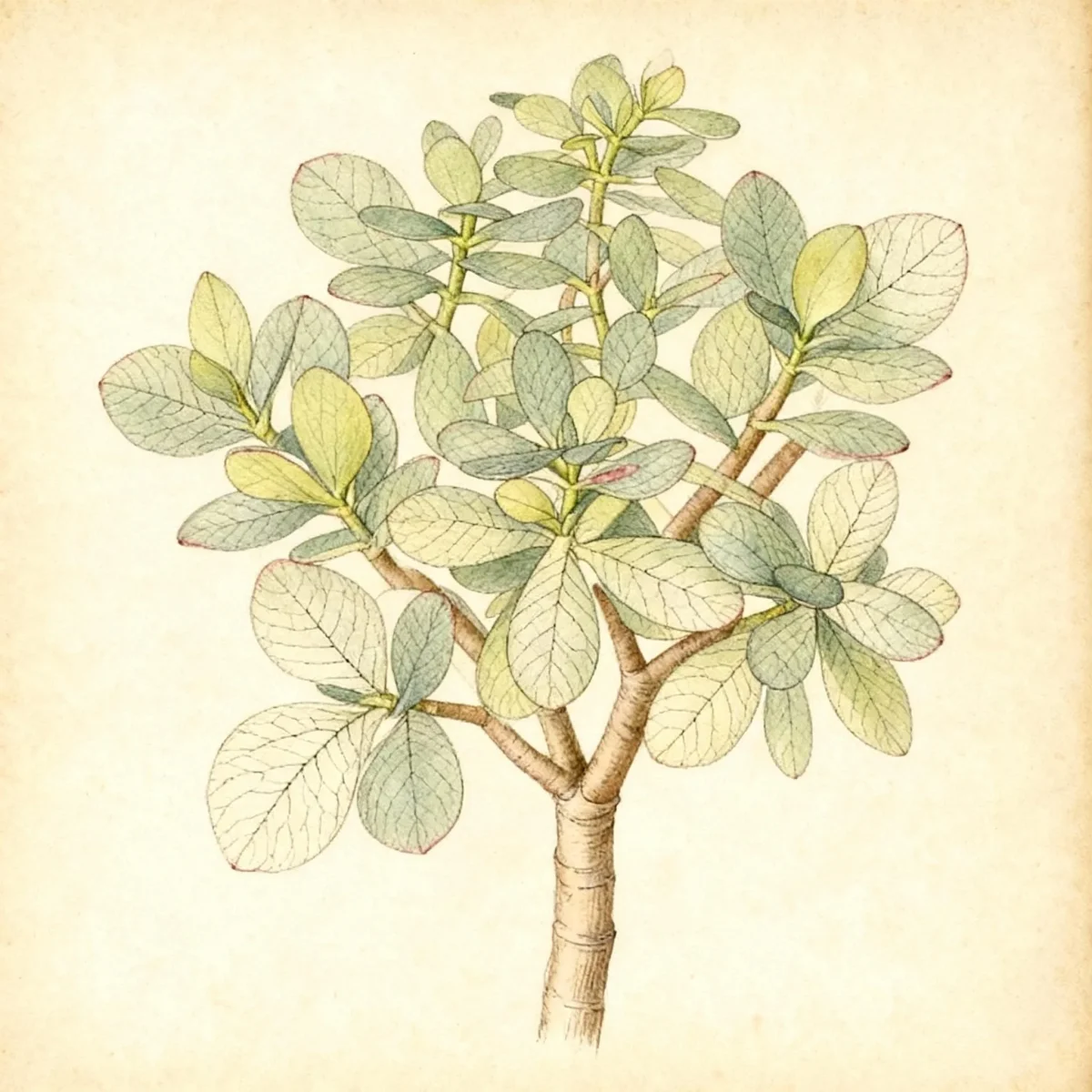
The Jade plant, scientifically known as Crassula ovata, is a highly valued succulent shrub recognized for its thick, fleshy, oval leaves and tree-like appearance as it matures. Native to South Africa, this evergreen brings architectural interest and enduring vibrancy to any collection, whether grown outdoors in warm climates or as a popular houseplant elsewhere. Gardeners appreciate Crassula ovata for its longevity and remarkably easy-care nature, making it an excellent choice for beginners.
This distinctive plant develops trunk-like succulent stems over time, often resembling a miniature tree, which contributes to its nicknames like “Money Tree.” While it rarely flowers indoors, when conditions are right, the Jade plant produces small, attractive white to pink blooms seasonally. Its Crassula ovata structure requires sharp drainage and bright conditions, mirroring its arid native habitat.
With minimal maintenance required, the Jade plant serves beautifully as an enduring specimen plant or focal point in dry, bright locations. Its low water demands and tolerance for neglect solidify its reputation as one of the most dependable and aesthetically pleasing houseplants available today.
Fast Facts
- Plant Family: Crassulaceae
- Plant Type: Broadleaf evergreen
- Native Range: South Africa
- Hardiness Zones: USDA Zones 11-12
- Size at Maturity:
- Height: 3-6 ft
- Spread: 2-3 ft
- Bloom Time: Seasonal bloomer
- Bloom Description: White to pink
- Sun Exposure: Part shade
- Water Needs: Medium
- Maintenance Level: Low
How to Grow
For optimal health, plant Crassula ovata in a location that receives bright light but prefers some buffering from intense afternoon sun, which can cause leaves to develop reddish tints. These plants are highly intolerant of soils that retain excess moisture; therefore, container growing demands a very well-drained loamy potting mixture, mimicking the sharp drainage necessary in their native environment. While they can thrive in relatively low humidity, good air circulation is always beneficial.
Watering for your Jade plant should be approached moderately. The critical rule is to allow the soil to dry out significantly between water applications, irrespective of whether it is planted indoors or out in a suitable climate. Overwatering is the quickest route to failure for this sturdy succulent.
When grown indoors, Crassula ovata appreciates a resting period similar to dormancy, achieved by reducing watering frequency from fall through late winter. Though they generally do not require formal winter dormancy, this period of slight environmental stress encourages compact growth and potential flowering come spring. Minimal fertilization is typically needed for a healthy Crassula ovata.
Landscape Uses
The resilience and architectural form of the Jade plant make it an ideal candidate for containers, particularly when grown as a houseplant in cooler regions. In USDA Zones 11 and 12, mature specimens can anchor focal points or serve as low, structural borders where their thick, shiny foliage provides year-round interest. Companion planting should focus on other drought-tolerant species that share similar requirements for sharp drainage, such as various Sedums or Aloes, creating a Mediterranean or xeriscape aesthetic.
When used indoors, the Jade plant excels in bright, dry areas where many tropical plants might struggle due to low humidity near heating or cooling vents. Its sculptural, tree-like habit lends itself well to minimalist or contemporary interior designs, often placed on tabletops or as floor specimens that benefit from bright indirect light.
Standout Features
Flower Qualities
- Showy
Noteworthy Characteristics
Crassula ovata, commonly called Jade plant, is native to South Africa and grows as a popular branched succulent shrub that can reach 6 feet outdoors. As it matures, its trunk-like succulent stems develop a miniature tree habit, featuring oblong, fleshy, shiny, evergreen leaves up to 2 inches long. The genus name draws from the Latin word crassus, meaning thick, referencing its substantial foliage.
Tolerances
- Drought
Potential Problems
Crassula ovata generally avoids serious insect or disease issues when cultural preferences, especially drainage, are met. However, watch carefully for common succulent pests, including aphids, scale insects, spider mites, and mealybugs. Inspect new growth regularly and treat small infestations immediately using insecticidal soap or horticultural oil applied directly to the pests. Preventing problems centers on proper watering—never let the Jade plant sit in soggy soil, as root rot is the most common fatality factor.
Frequently Asked Questions
What hardiness zones is Crassula ovata suitable for?
The Jade plant is hardy only in USDA Zones 11 through 12, meaning it should primarily be kept as a houseplant in regions outside of these tropical and subtropical areas.
How large does Jade plant grow?
Maturing Crassula ovata can reach heights between 3 to 6 feet tall and spreads 2 to 3 feet wide when grown in ideal conditions. Indoor specimens are usually much smaller.
What sun exposure does Crassula ovata need?
This plant prefers part shade, needing bright light for robust growth but appreciating protection from the harshest afternoon sun to prevent leaf scorching or excessive reddening.
When does Jade plant bloom?
The Jade plant is considered a seasonal bloomer, occasionally producing small flowers that range in color from white to pink. This blooming is rare on indoor plants.
Conclusion
The enduring appeal of the Jade plant (Crassula ovata) lies in its sculptural form, low maintenance needs, and remarkable tolerance for dry conditions. Whether you are designing a bright, arid indoor space or gardening in USDA Zones 11-12, this succulent offers reliable, attractive texture. Check your local climate and plan to provide it with rigorous drainage to ensure your Crassula ovata thrives for years to come.
Companion Planting for Succulents
Choosing companions for the Jade plant is straightforward: focus on plants that share the same aversion to constant moisture. Succulents and Cacti that require similar bright light and infrequent watering make excellent neighbors in mixed containers or rock gardens. Consider pairing Crassula ovata with Echeveria species, Sempervivum, or low-growing Agave varieties. Keeping cultural needs aligned prevents overwatering one plant while underwatering another.
Container Growing Tips for Success
Because the Jade plant demands excellent drainage, container gardening is often the preferred method of cultivation, especially for overwintering indoors. Select pots with substantial drainage holes and avoid covering them with saucers that collect standing water after irrigation. Use a specialized cactus or succulent potting mix, or amend standard potting soil heavily with perlite, pumice, or coarse sand to achieve the necessary aeration for the root system of your Crassula ovata.