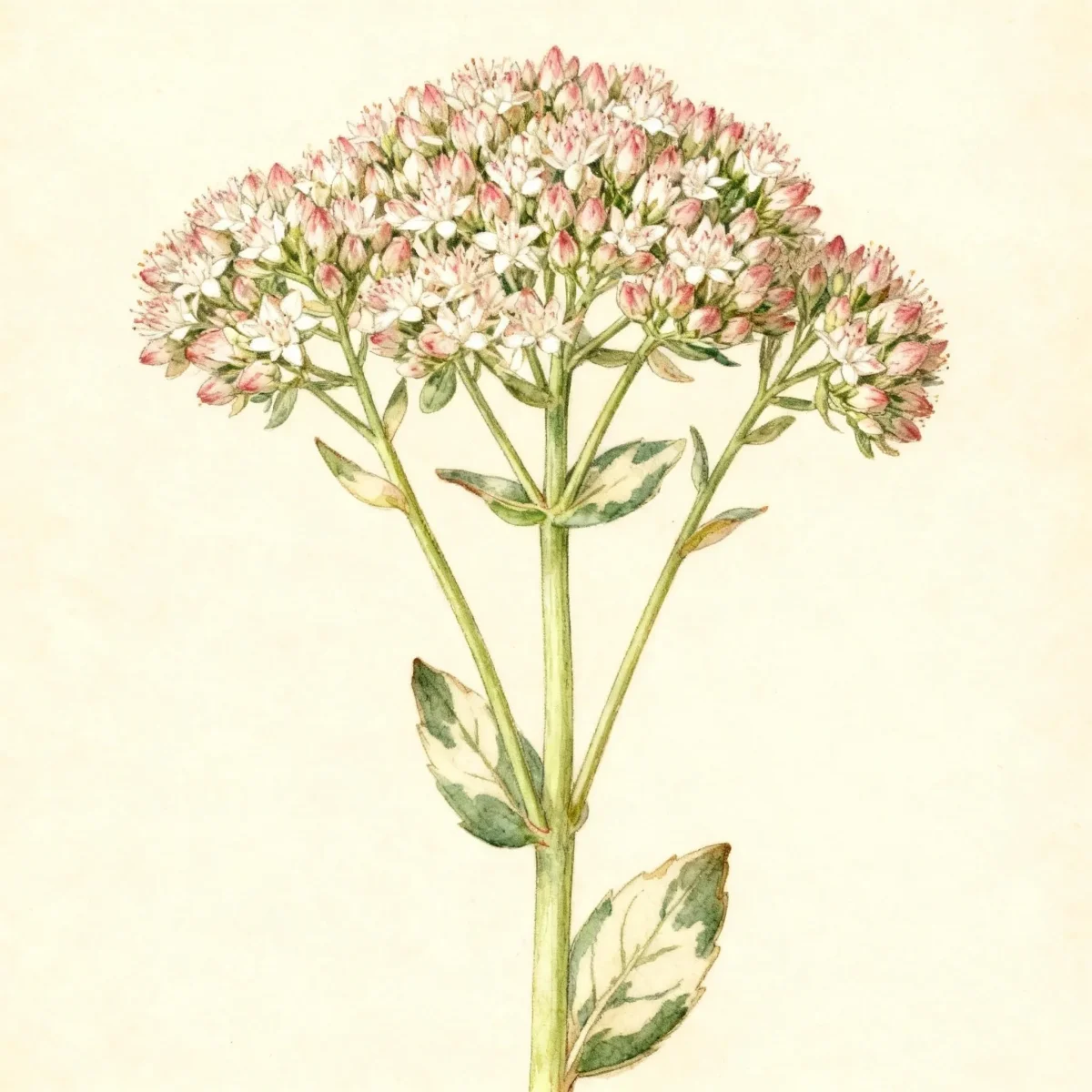
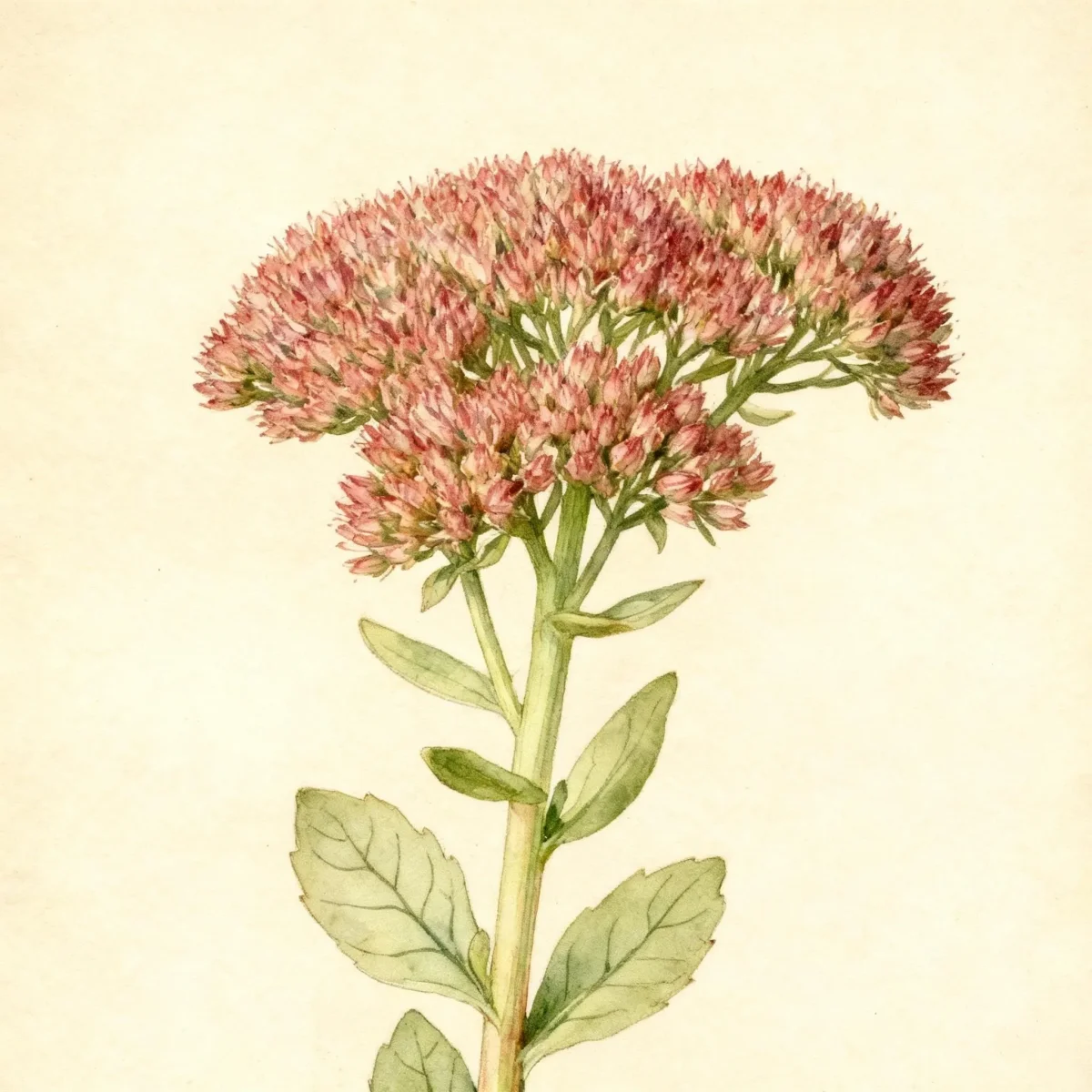
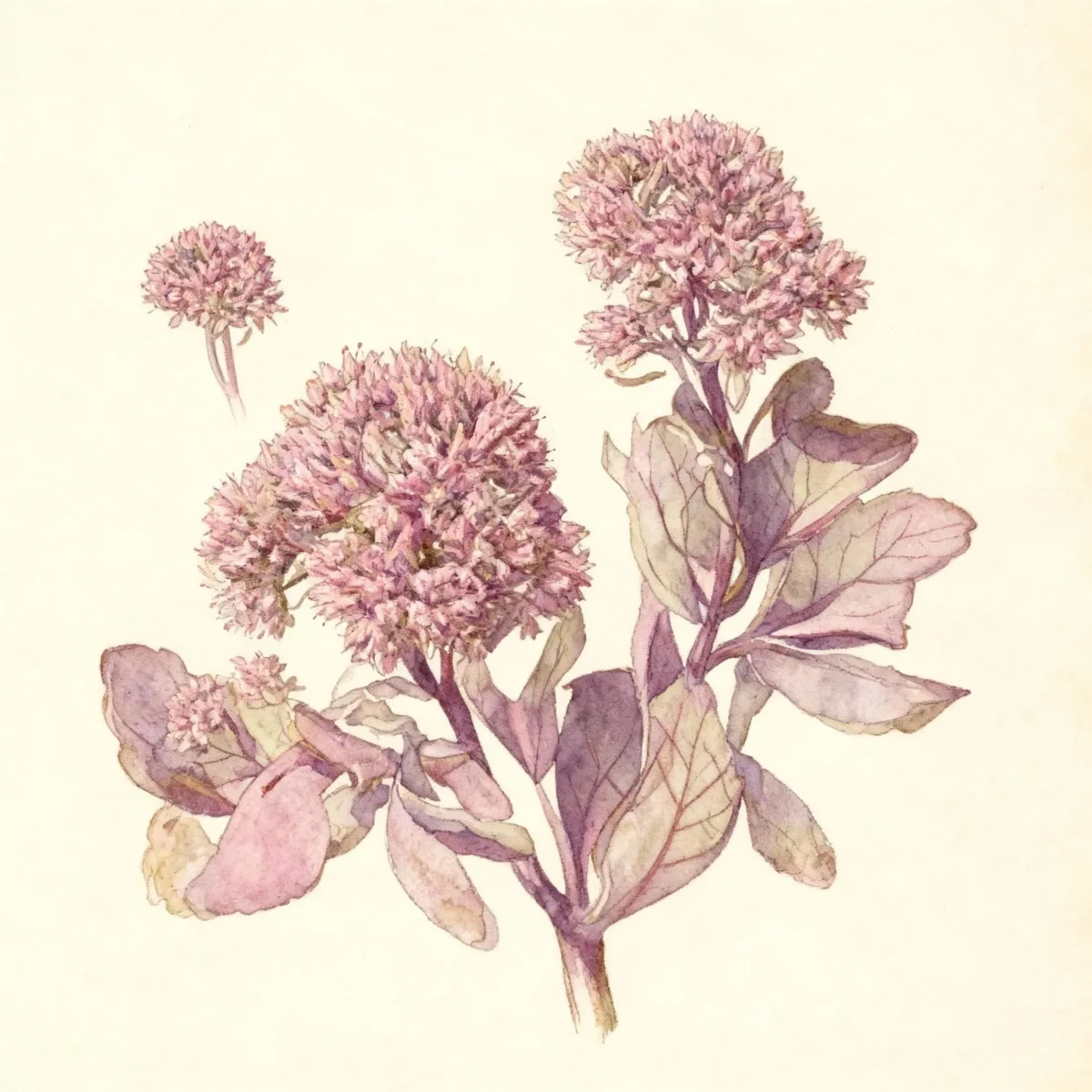
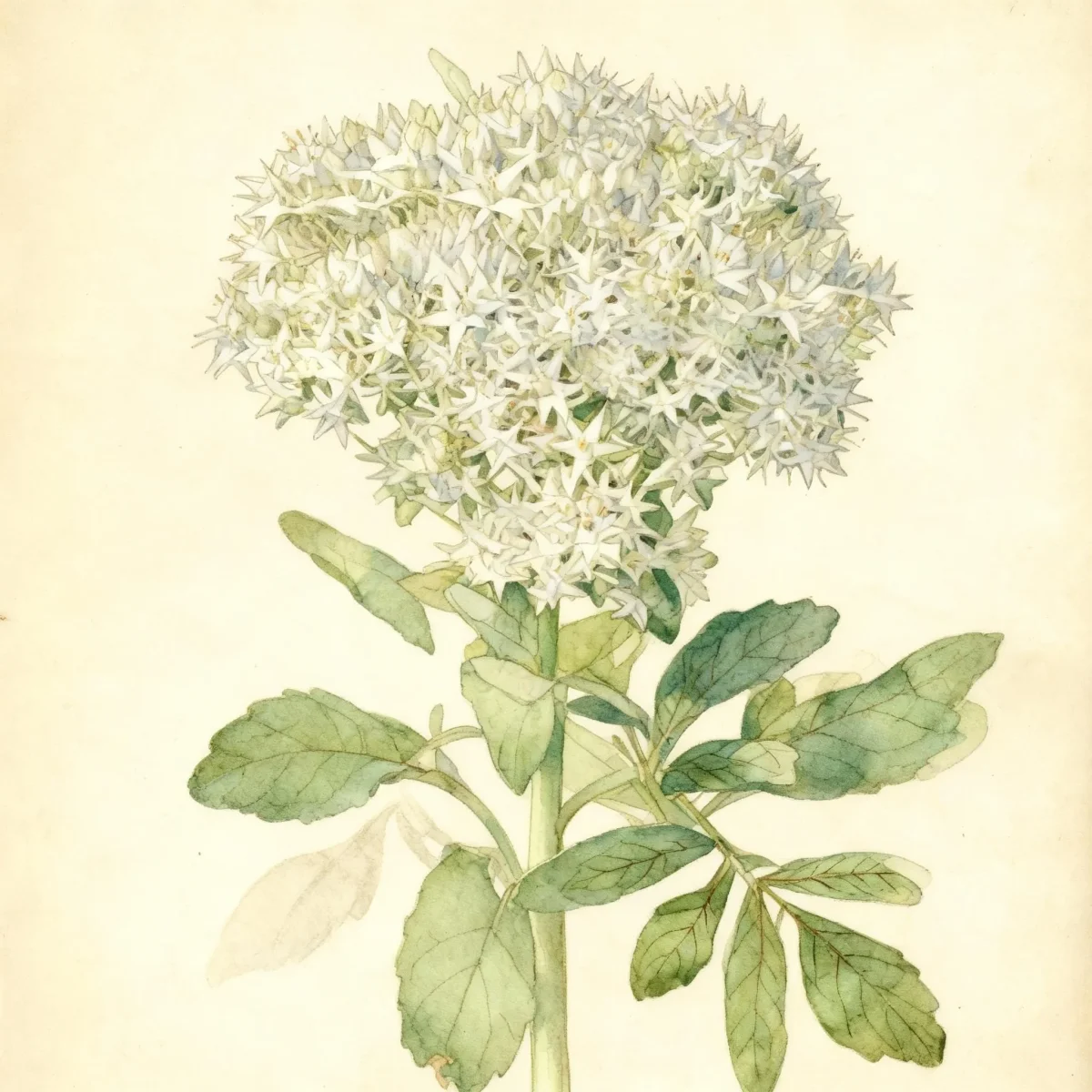
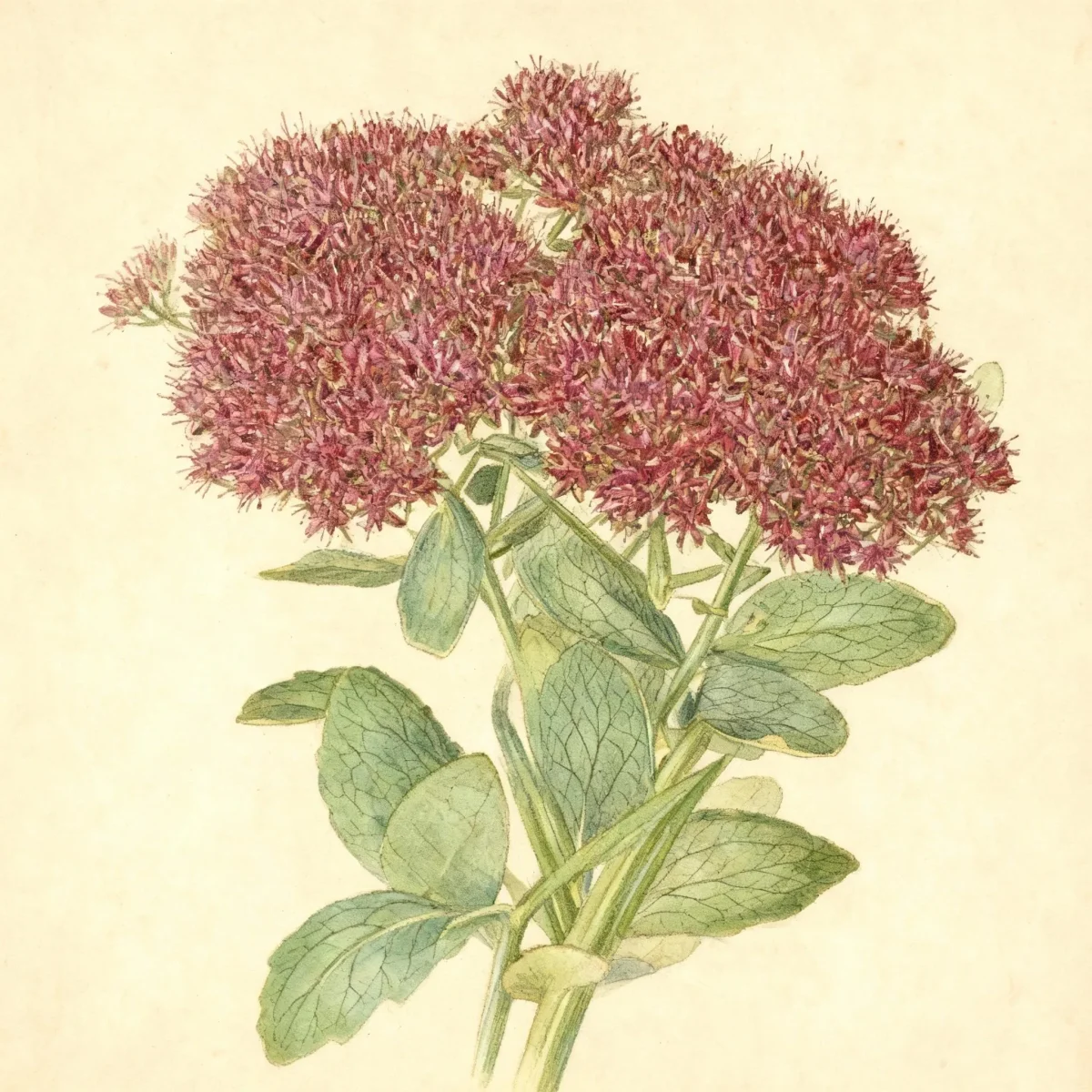
House leek (Sempervivum tectorum)
Sempervivum tectorum, the House leek, is a tough, evergreen succulent perfect for rock gardens. Low maintenance and drought-tolerant.
Scroll down to discover growing tips, care requirements, companion plants, and more
Complete Plant Information
Overview
Sempervivum tectorum, widely known as House leek, is an iconic, mat-forming succulent treasured for its hardy, architectural foliage. Native to the mountains of Central Europe, this plant creates dense colonies of rosette-shaped leaves that provide year-round visual interest. Its historical use on rooftops gave rise to its evocative common names, highlighting its resilience in harsh environments.
The growth habit is centered around “hens” (mother rosettes) which produce numerous “chicks” (offsets) via horizontal stems, rapidly forming colonies of evergreen texture. Although the individual flowering rosette dies after producing its short stalk of reddish-purple flowers in early summer, the surrounding chicks quickly fill the gap, ensuring continuous ground cover.
Gardeners prize this species for its exceptionally low maintenance requirements and its ability to thrive where other plants struggle, particularly in lean, rocky soils. The fascinating rosette structure makes Sempervivum tectorum an excellent focal point in specialized rock gardens or container arrangements.
Fast Facts
- Plant Family: Crassulaceae
- Plant Type: Herbaceous perennial
- Native Range: Central Europe
- Hardiness Zones: USDA Zones 3-8
- Size at Maturity:
- Height: 0.5-1 ft
- Spread: 0.5-1.5 ft
- Bloom Time: June to July
- Bloom Description: Reddish purple
- Sun Exposure: Full sun
- Water Needs: Dry to medium
- Maintenance Level: Low
How to Grow
Planting your Sempervivum tectorum is easiest in spring or early fall, though these succulents can often be placed almost any time due to their toughness. Select a location receiving full sun for the best coloration and tightest growth; while it tolerates some light shade, too much shade leads to legginess. The most crucial planting requirement is sharp soil drainage; this plant thrives in sandy or gravelly soils and handles poor soils well.
Care for House leek is notably simple, revolving around avoiding wet feet. Water sparingly once established, relying on natural rainfall unless periods of extreme drought occur, as the plants tolerate significant drought conditions. Fertilizing is generally unnecessary, as rich soil encourages softer growth prone to rot.
Deadheading the spent flowering stalk (the “hen”) after bloom is essential maintenance. Remove the rosette immediately after it finishes flowering to maintain tidiness and allow the surrounding chicks room to grow outward. Since these plants are evergreen, minimal cleanup is needed outside of removing spent flower stems.
Landscape Uses
The spreading nature of Sempervivum tectorum makes it an outstanding choice for ground cover and naturalizing areas where turfgrass is impractical. Plant it massed together to create a textured carpet effect along border fronts or flanking stone pathways. They excel at softening the harsh edges of foundations or softening the look of retaining walls.
For dramatic effect, incorporate House leek into rock gardens or alpine troughs. Their tolerance for shallow, rocky soil means they naturally fit into crevices between stepping stones or along the edges of stone walls. Containers are also ideal settings, where individual rosettes can be appreciated up close or mixed with other drought-tolerant succulents.
When mass planting, allow space for offsets to spread naturally, filling in gaps between neighboring plants. Since they handle air pollution well and require minimal input, they are excellent selections for urban garden settings or dry, difficult slopes.
Standout Features
Flower Qualities
- Showy
Noteworthy Characteristics
Sempervivum tectorum, commonly called house leek (houseleek), is native to the mountains of southern Europe. It is an evergreen, mat-forming succulent that typically forms rosettes (to 4” across) of 50-60 thick glabrous leaves (to 1.5-3” long) that are sometimes purple-tipped. The mother rosette (hen) spreads in all directions by horizontal stems to form offsets (chicks), which is why it is often called hens and chicks. After the hen flowers, it sets seed and dies, leaving the chicks to fill in the space and spread.
Tolerances
- Deer
- Drought
- Dry Soil
- Shallow-Rocky Soil
- Air Pollution
Potential Problems
This plant generally avoids serious insect or disease issues, which contributes to its low maintenance reputation. The primary concerns revolve around cultural issues, specifically excessive moisture. Root rot, leaf rot, and stem rot are common if the soil retains too much water or if plants are overwatered. Rust is a less frequent fungal issue that may appear on the foliage. Ensure sharp drainage always remains the focus of cultivation to prevent these issues.
Frequently Asked Questions
What hardiness zones is House leek suitable for?
Sempervivum tectorum is quite cold-hardy, suitable for USDA Zones 3 through 8.
How large does House leek grow?
The foliage rosettes typically reach heights between 0.5 to 1 foot tall, spreading between 0.5 to 1.5 feet across as the colonies expand.
What sun exposure does Sempervivum tectorum need?
This species performs best when planted in full sun, though it can tolerate some light shade.
When does Sempervivum tectorum bloom?
House leek flowers usually appear from June through July, presenting as reddish purple cymes atop upright stalks.
Conclusion
The remarkable toughness and geometric beauty of House leek ensure its place in contemporary xeriscaping and traditional rock gardens alike. Sempervivum tectorum offers year-round evergreen structure with nearly zero demands once established, making it an ideal choice for novice gardeners or challenging environments. Before planting, confirm your soil drains extremely well, and place your rosettes where they can soak up full, intense sunlight.
Propagation Tips
Propagation of Sempervivum tectorum is exceptionally straightforward, primarily relying on the “chicks” produced by the mother rosettes. When the horizontal stems elongate, they produce tiny, ready-to-root offsets at their tips. These chicks can be gently detached from the parent hen during the growing season—late spring through early summer is ideal for the highest success rate. Allow the base of the detached chick a day or two to callous over, which prevents premature rotting when planted. Plant the base directly into sharp, gritty soil, keeping it slightly shaded until new roots form.
Companion Planting
Because House leek demands dry conditions and thrives in lean, gritty substrates, companion plants should share similar cultural requirements to ensure a cohesive planting scheme. Pair Sempervivum tectorum with other alpine and succulent varieties, such as low-growing Sedum species, which offer contrasting textures and bloom times. Avoid planting near moisture-loving perennials, as the damp conditions necessary for those companions will likely cause the House leek to succumb to rot.