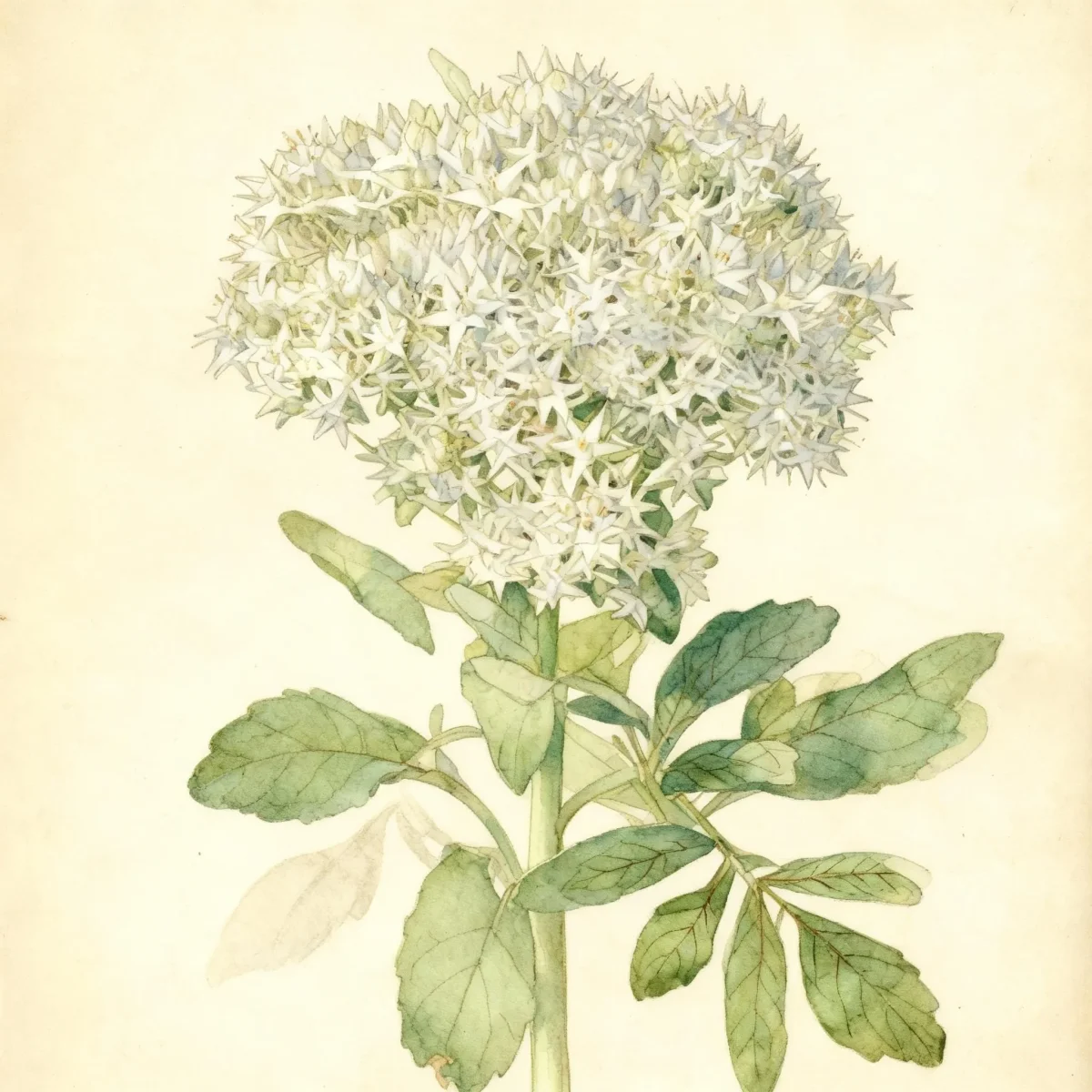
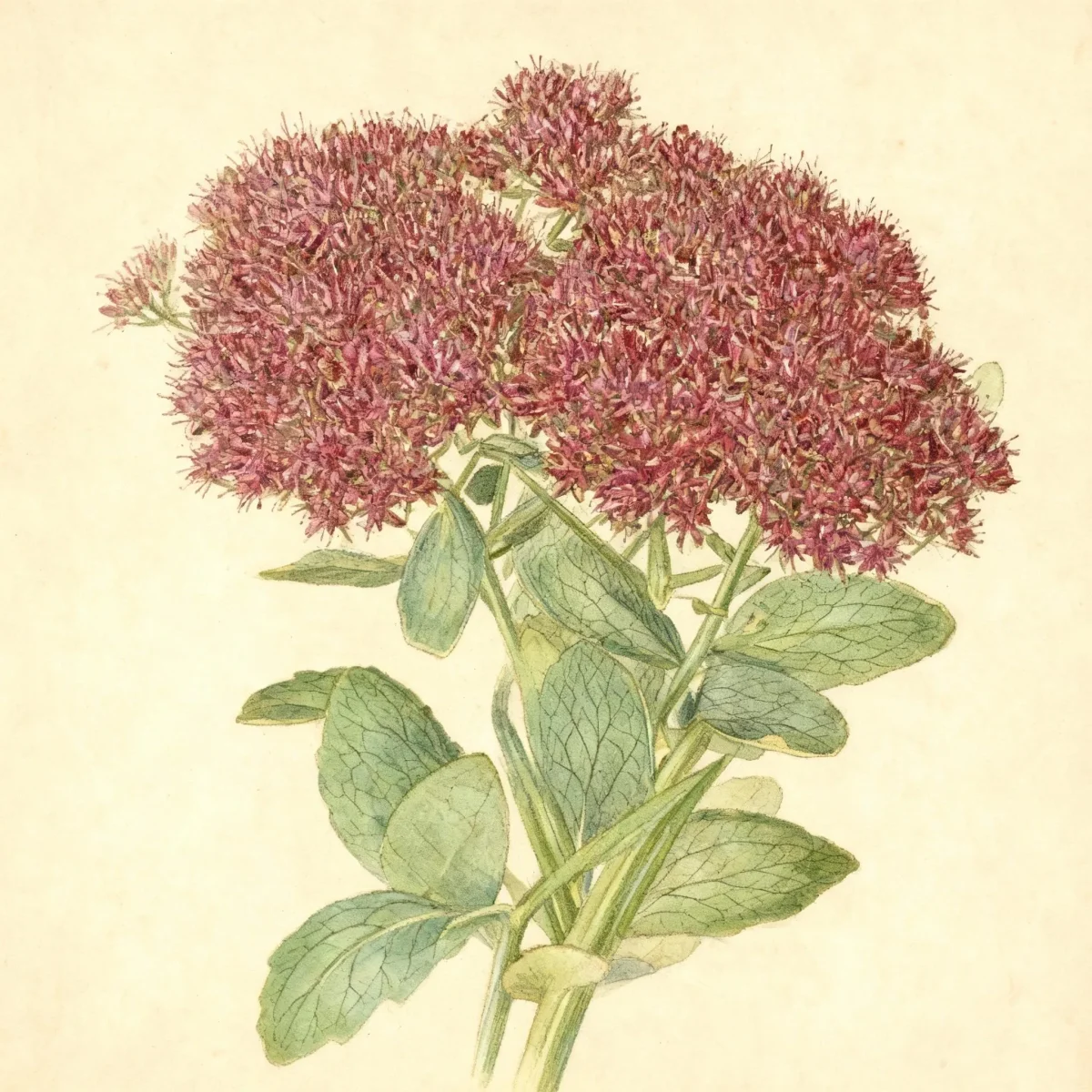
October daphne (Hylotelephium sieboldii)
Hylotelephium sieboldii (October daphne) is a low-maintenance succulent perennial famed for its late-season pink flowers and colorful foliage.
Scroll down to discover growing tips, care requirements, companion plants, and more
Complete Plant Information
Overview
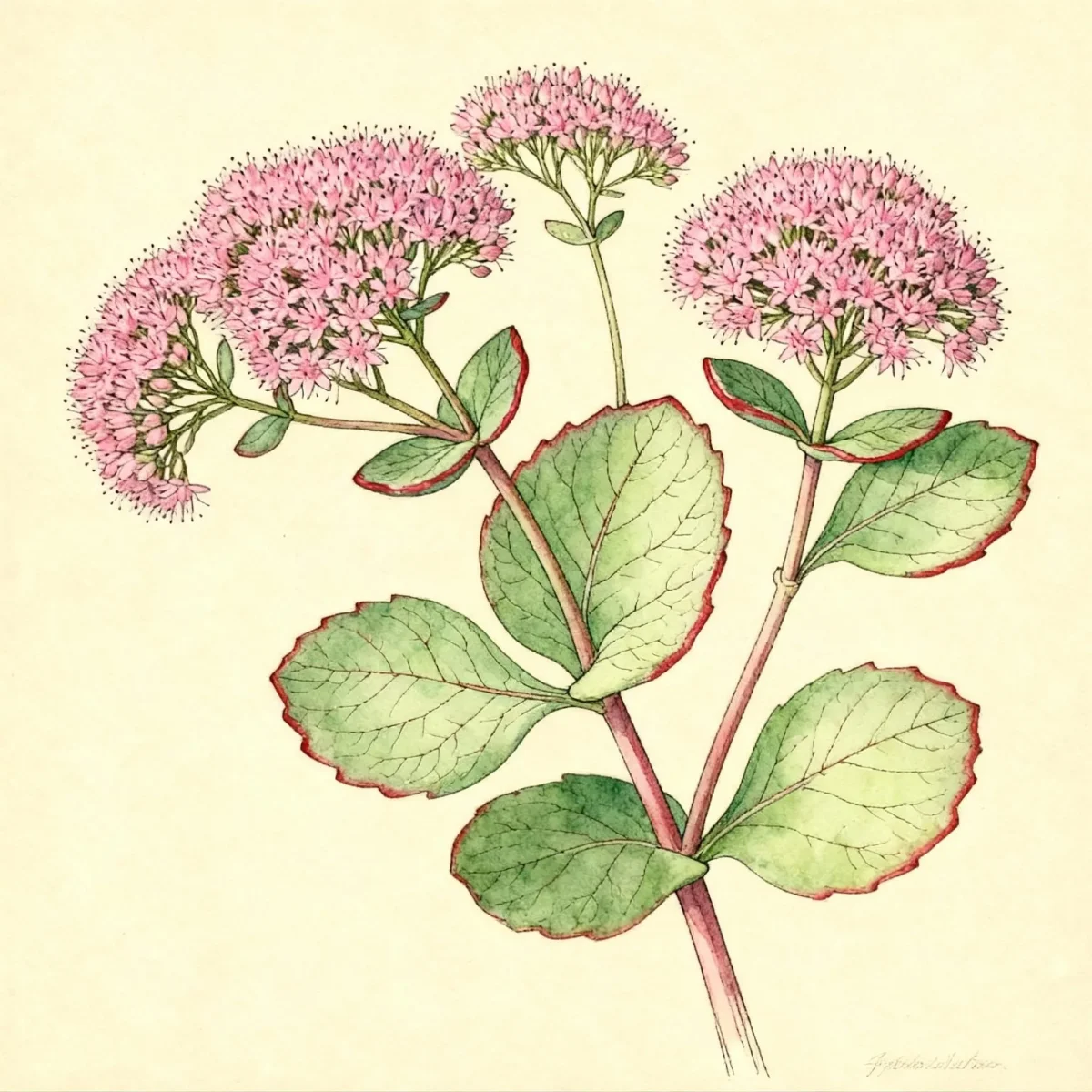
Hylotelephium sieboldii, aptly named October daphne, brings much-needed color to the late-season garden when many perennials are fading. This succulent perennial is cherished for its trailing stems that cascade gracefully, showcasing fleshy, blue-green foliage tinged with red margins. It provides excellent texture interest long before the terminal clusters of small, star-shaped pink flowers emerge in autumn.
As a hardy member of the Crassulaceae family, this plant thrives in conditions where other species might struggle, boasting notable drought tolerance once established. The foliage of Hylotelephium sieboldii dramatically shifts to bright red-purple shades around bloom time, offering a beautiful contrast against the soft pink flowers.
This low-maintenance gem is primarily grown in temperate regions for its durable nature and reliable fall display, making October daphne a staple for rock gardens, borders, and containers that demand minimal care and excellent drainage.
Fast Facts
- Plant Family: Crassulaceae
- Plant Type: Herbaceous perennial
- Native Range: Japan
- Hardiness Zones: USDA Zones 3-9
- Size at Maturity:
- Height: 0.5-0.75 ft
- Spread: 1-1.5 ft
- Bloom Time: September to October
- Bloom Description: Pink
- Sun Exposure: Full sun
- Water Needs: Dry to medium
- Maintenance Level: Low
How to Grow
Planting Hylotelephium sieboldii requires focusing primarily on drainage. Best growth is achieved in full sun, where the stems are compact and the foliage colors intensify. The soil should be average, well-draining, and tolerate poor fertility, but you must avoid heavy, clay-based soils that retain too much moisture, as this invites rot. Amending heavy soils with sand or small rocks is highly recommended to improve texture.
Watering requirements for October daphne are forgiving; treat it as a drought-tolerant succulent once established. Allow the soil to dry out completely between waterings, especially if you are growing this species in containers, where excellent drainage is crucial. Fertilizing is generally unnecessary, as rich soils can lead to floppier growth in the Hylotelephium sieboldii.
Maintenance is conveniently low for this species. In spring, remove any dead winter foliage. Pruning is rarely required, though stems can be trimmed back if they become leggy or need shaping after blooming. Ensure excellent air circulation, especially in humid climates, to keep the foliage healthy throughout the summer.
Landscape Uses
The graceful, slightly ascending and procumbent stems make a fantastic textural element in the landscape. Hylotelephium sieboldii functions perfectly as a spreading ground cover, quickly filling in gaps along borders or softening the edges of pathways. In rock gardens or gravel gardens, its succulent nature contrasts beautifully with coarse stone textures.
For designs that maximize its trailing habit, consider planting October daphne in hanging baskets or the front edge of retaining walls. When tumbling over the edge, the visual effect of the blue-green leaves and late pink flowers is stunning. It pairs well with other late-blooming, sun-loving perennials that share similar dry soil requirements.
Use this species strategically near path edges or border fronts where its late-season color can be clearly appreciated. The visual weight of mature clumps, spreading up to 1.5 feet wide, provides excellent low-level coverage throughout the season.
Standout Features
Flower Qualities
- Showy
Noteworthy Characteristics
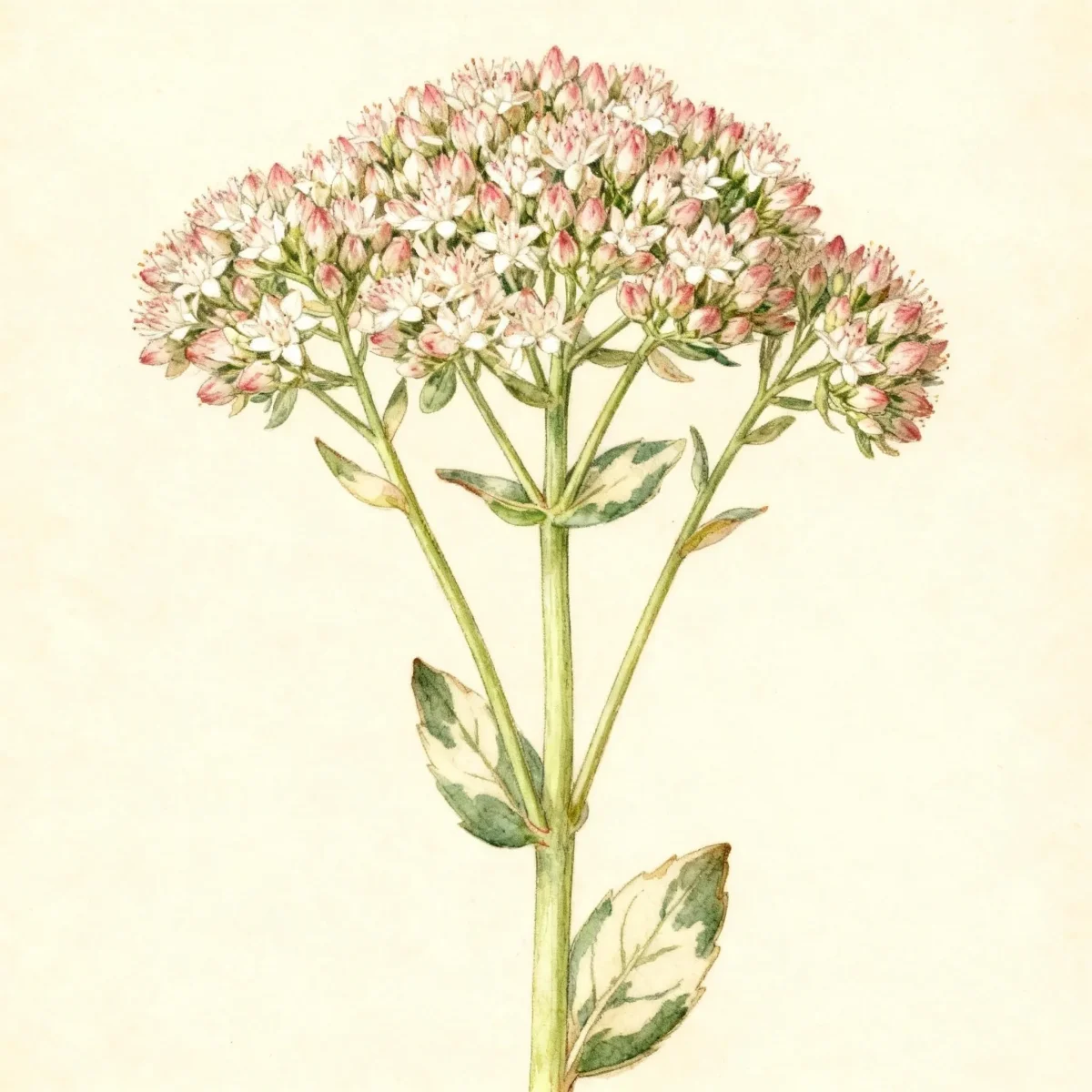
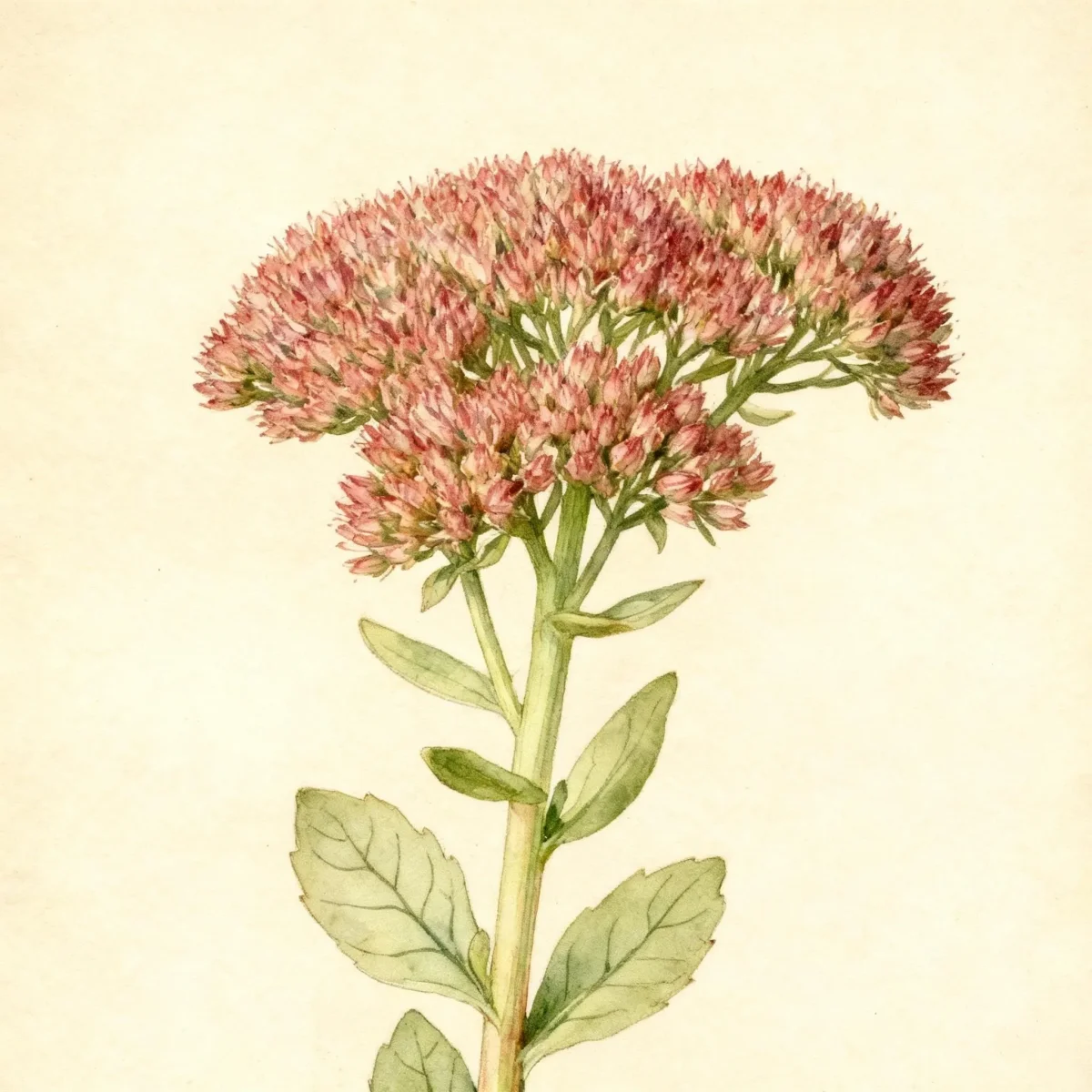
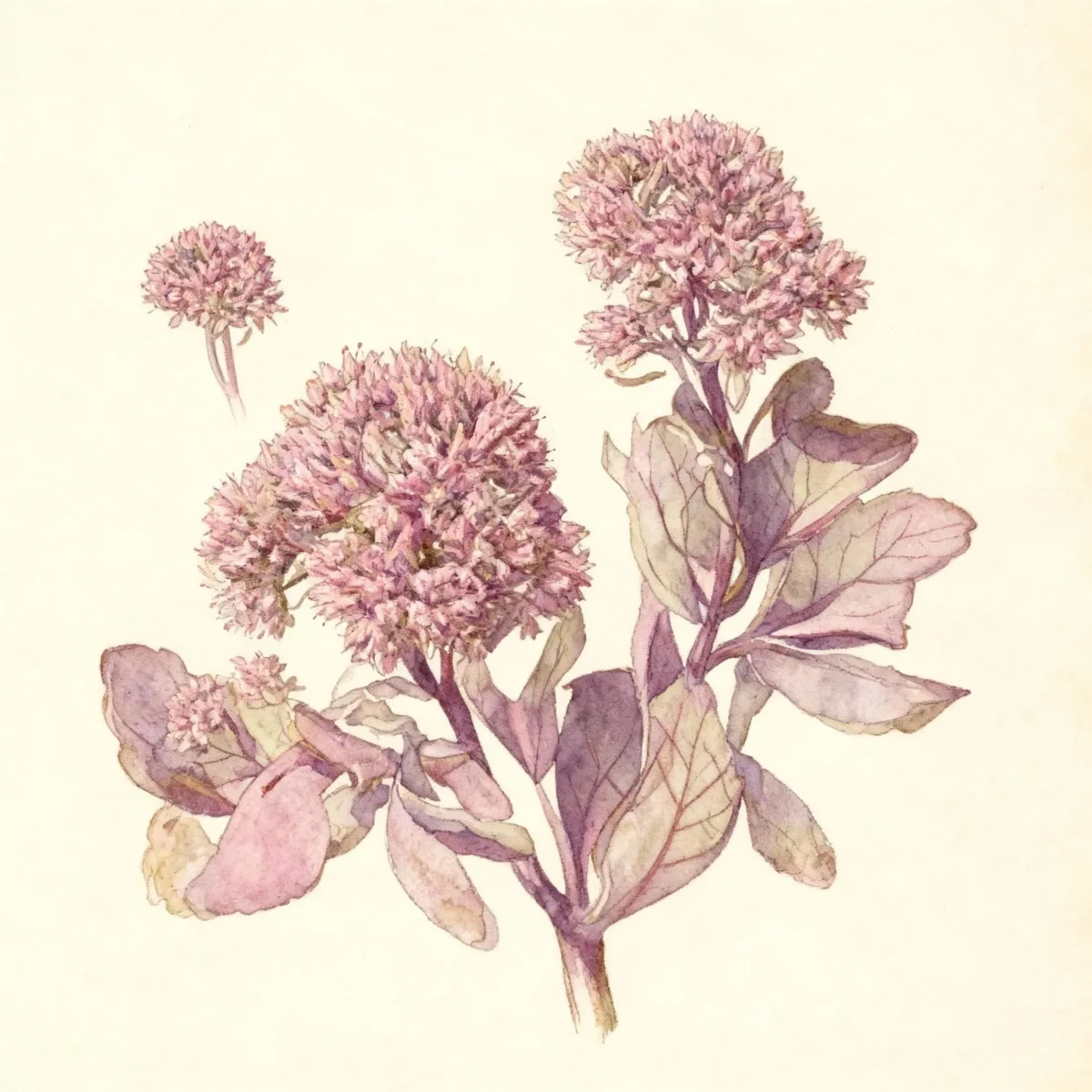
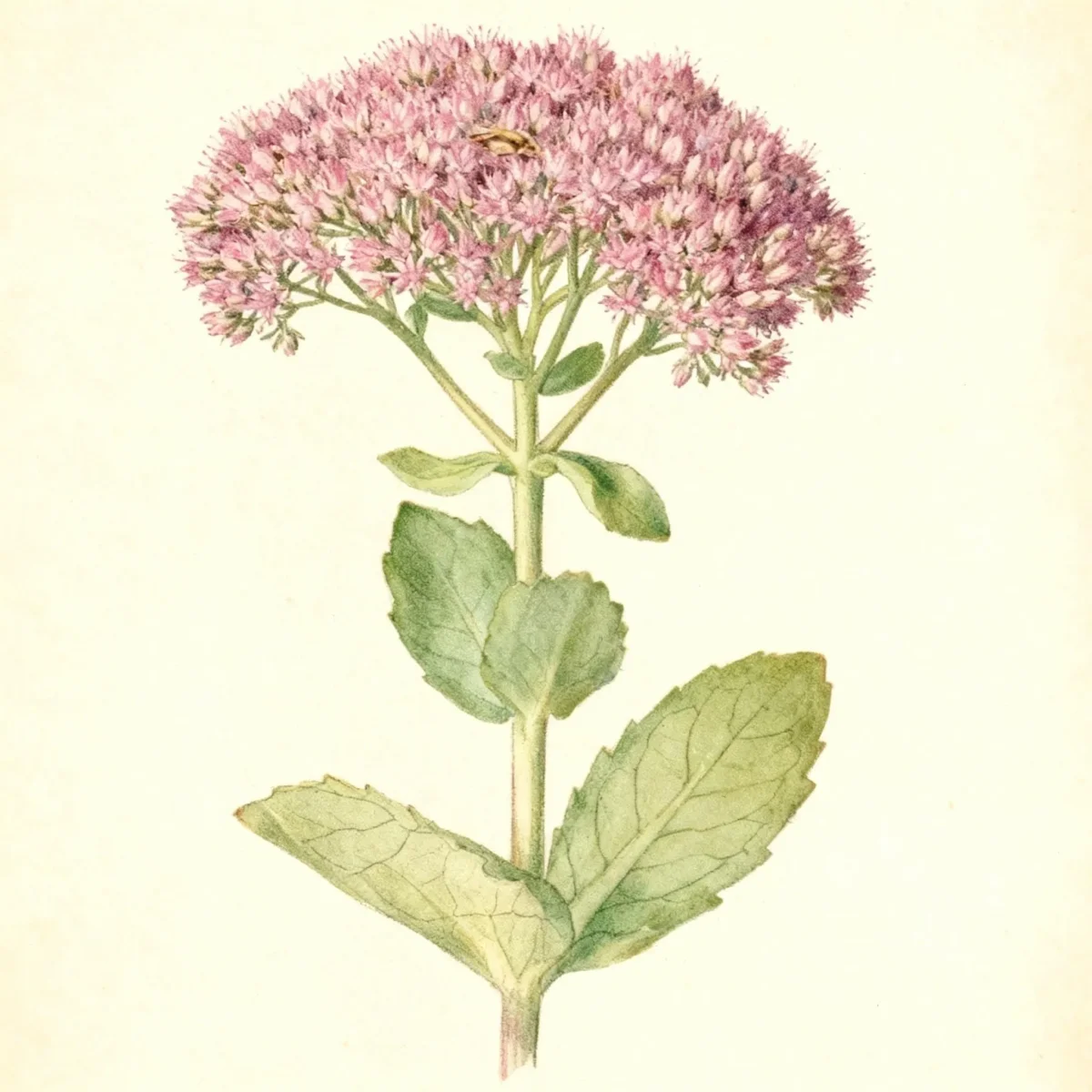
Hylotelephium sieboldii, commonly called October daphne or Japanese stonecrop, is a succulent perennial native to riverside cliffs and rocky outcrops in Toyama Prefecture on the western coast of Japan as well as Shodoshima Island. This plant is mostly known from cultivation and is grown in temperate regions around the world for its colorful foliage and showy flowers. The round, fleshy leaves are held in whorls of three and feature slightly undulating, red-purple margins, with the foliage turning bright shades of red-purple at bloom time when the terminal clusters of small, pink, star shaped flowers appear.
Tolerances
- Drought
Potential Problems
The primary risk associated with growing Hylotelephium sieboldii is related to moisture management. This species is susceptible to root and crown rot if planted in overly moist, waterlogged soils, particularly heavy clay. Prevention involves ensuring sharp drainage through soil amendments. Gardeners should also watch out for common pests like slugs, which may chew on the soft, fleshy foliage, especially during wet periods.
Frequently Asked Questions
What hardiness zones is October daphne suitable for?
Hylotelephium sieboldii is reliably hardy across USDA Zones 3 through 9.
How large does October daphne grow?
This perennial typically reaches a height between 0.5 and 0.75 feet, spreading out to cover an area between 1 and 1.5 feet wide.
What sun exposure does Hylotelephium sieboldii need?
This plant requires full sun exposure to maintain its compact habit and achieve its best fall coloration.
When does October daphne bloom?
You can expect the distinctive pink blooms of October daphne to appear late in the season, from September into October.
Conclusion
The October daphne is an indispensable late-season perennial known for its reliable color and exceptional hardiness. Its drought tolerance and low maintenance requirements, combined with the unique fleshy foliage of Hylotelephium sieboldii, make it a gardener’s friend. Check that your site offers full sun and excellent drainage, and plan to incorporate this species before the autumn season begins.
Companion Planting
When selecting companions for October daphne, focus on plants that also thrive in full sun and drier soil conditions, such as many ornamental grasses or other sedum varieties. Plants like Artemisia, Lavender (Lavandula), or certain hardy Alliums work well because they do not compete aggressively for moisture or require rich soil amendments. This allows the entire planting scheme to share similar cultural needs, simplifying long-term care.
In rock gardens, consider pairing the trailing habit of Hylotelephium sieboldii with spikier vertical accents, like low-growing Juniper or taller upright Sedums that bloom earlier. This juxtaposition of textures—the soft, rounded leaves against sharp needles or stiff stems—highlights the architectural quality of the October daphne when its own flowers are at their peak.
Wildlife Benefits
The terminal flower clusters not only provide color but are crucial late-season fuel for pollinators. The small, pink, star-shaped flowers of Hylotelephium sieboldii are known to attract butterflies and various other insect pollinators preparing for winter migration or hibernation. Planting this species ensures a nectar source is available during the transition from summer vitality to fall dormancy.
Due to the fleshy nature of its leaves, October daphne generally receives less heavy browsing pressure from deer or rabbits compared to softer foliage perennials. This structural integrity helps maintain the plant’s shape and provides reliable cover or food benefits to smaller garden inhabitants throughout the growing season.