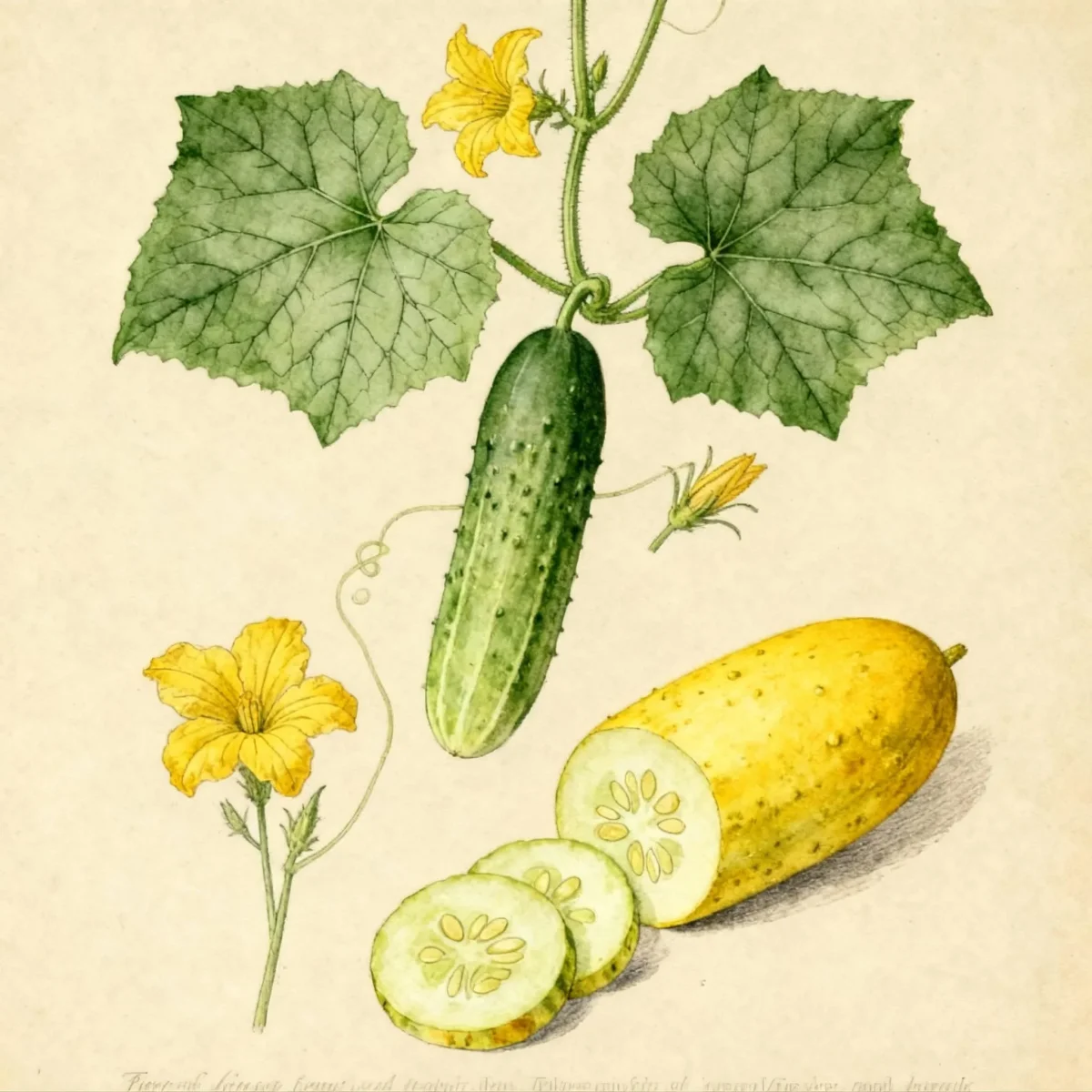
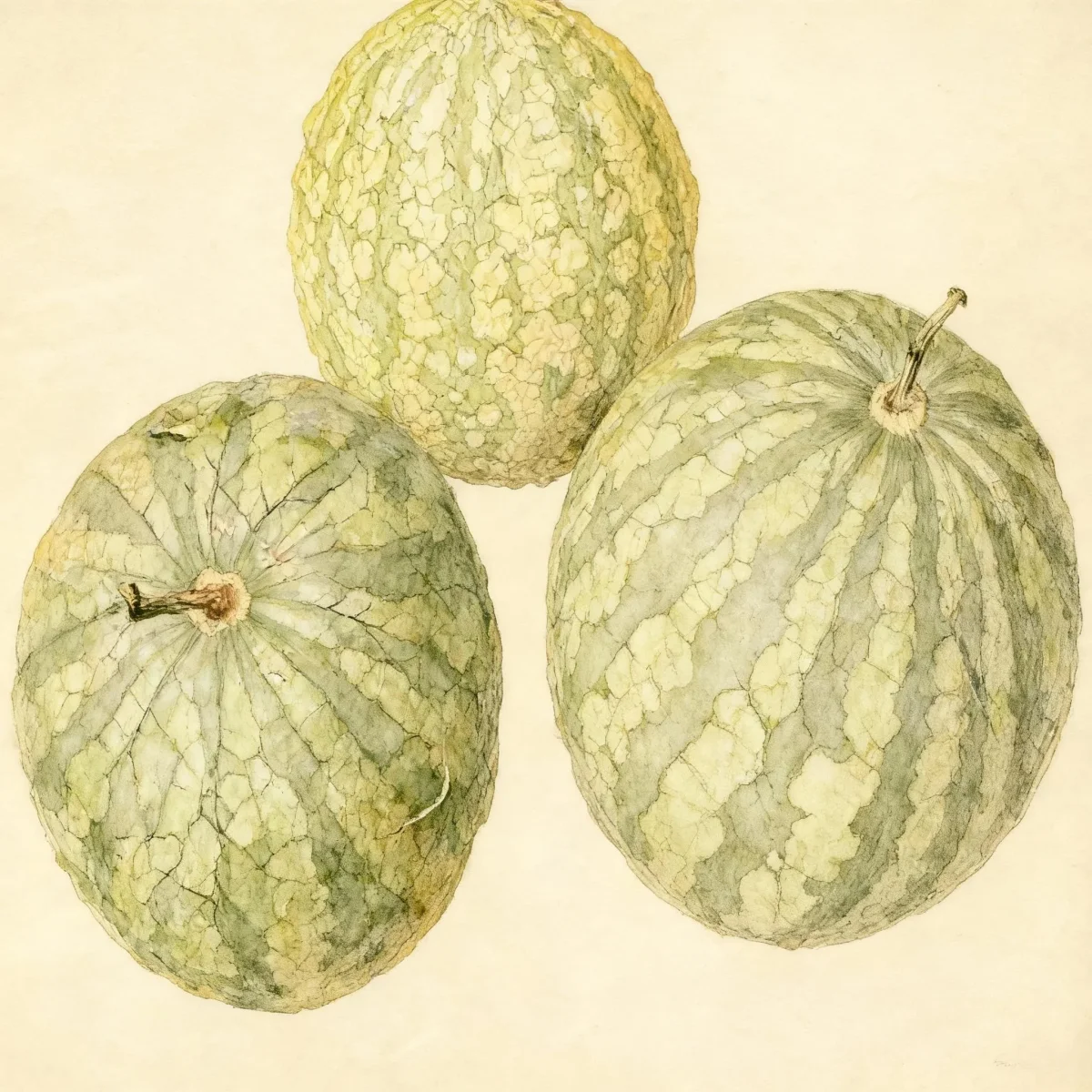
Summer squash (Cucurbita pepo)
Grow Summer squash (Cucurbita pepo) for quick harvests of edible fruits. This annual requires full sun and medium water.
Scroll down to discover growing tips, care requirements, companion plants, and more
Complete Plant Information
Overview
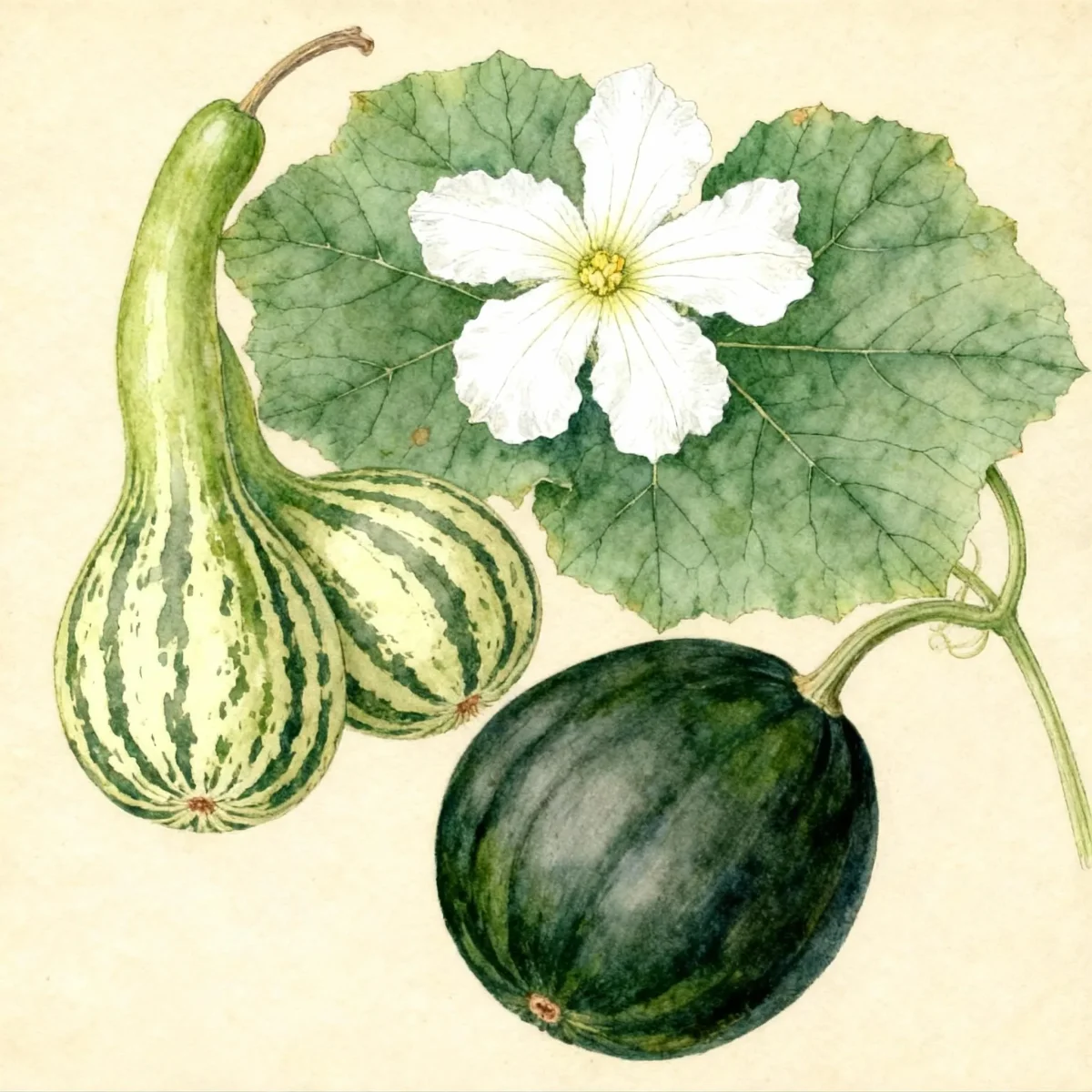
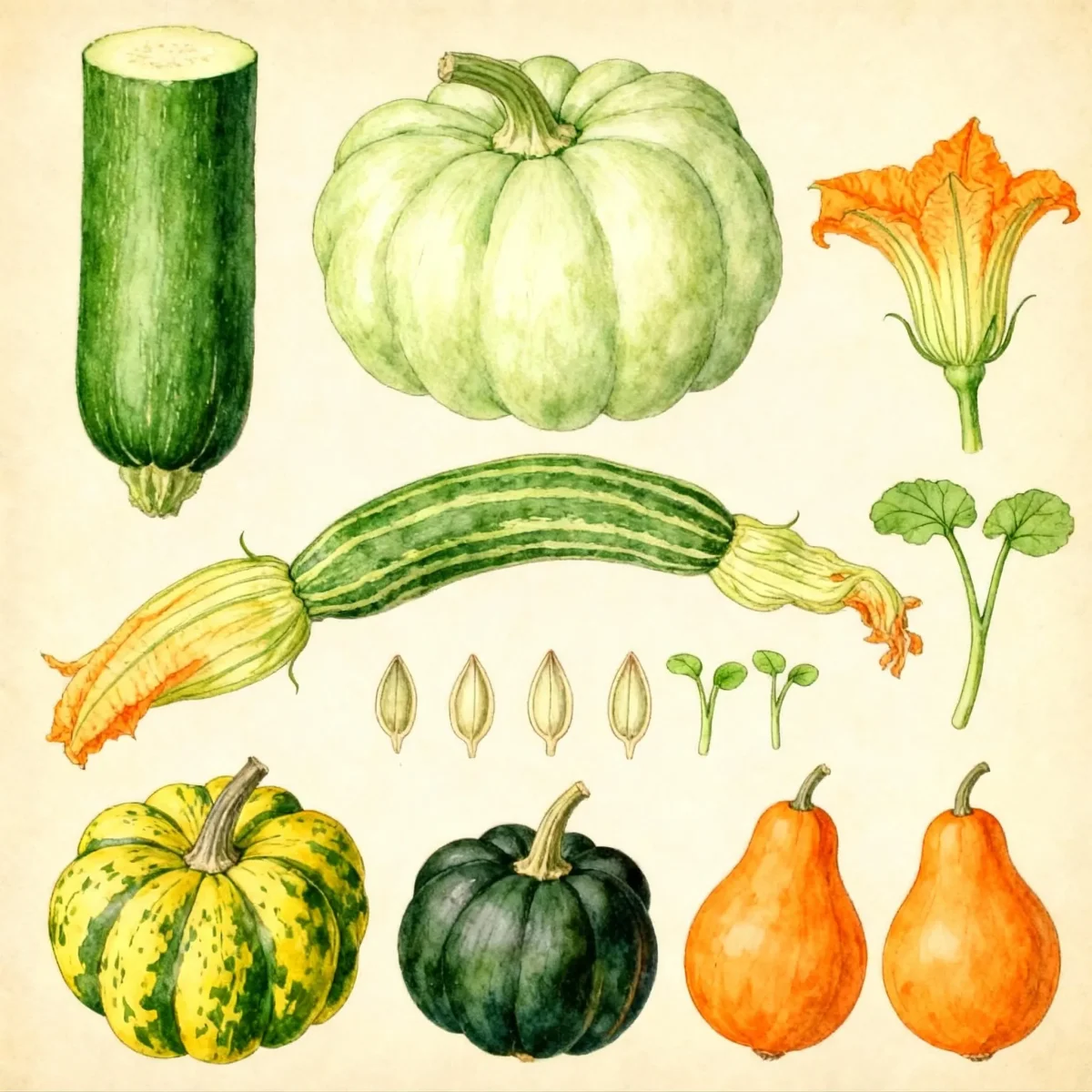
The Summer squash, scientifically known as Cucurbita pepo, is a standout annual vegetable prized for its rapid growth and prolific yield of edible fruits. This highly diverse species encompasses many familiar varieties like zucchini and scallop squash, making it a staple in home gardens across varied climates. Gardeners appreciate Cucurbita pepo for its versatility in the kitchen and its reliably showy yellow blooms produced throughout the summer months.
As an annual vine, successful cultivation hinges on providing high levels of fertility and consistent warmth. Cucurbita pepo plants thrive best with ample space, whether managed in bush or vining habits, requiring full sun exposure for optimal productivity. Despite its high maintenance needs, the reward is a steady supply of immature squash harvested before the seeds fully develop and the flesh becomes woody.
This species offers immense practical value; the blossoms themselves are edible delicacies, while the fruits provide versatile ingredients for everything from raw salads to baked goods. Proper care ensures that the production cycle continues strongly until the threat of the first fall frost arrives.
Fast Facts
- Plant Family: Cucurbitaceae
- Plant Type: Annual
- Hardiness Zones: USDA Zones 2-11
- Size at Maturity:
- Height: 1-2.5 ft
- Spread: 2-3 ft
- Bloom Time: July to August
- Bloom Description: Yellow
- Sun Exposure: Full sun
- Water Needs: Medium
- Maintenance Level: High
How to Grow
Planting Cucurbita pepo is best achieved by direct sowing seeds outdoors once soil temperatures consistently reach 65 degrees F, typically shadowing the last spring frost date. Cultivate in fertile, organically rich soil that maintains adequate, but well-drained moisture. If planting bush varieties in rows, space seeds about 2-3 feet apart, thinning later to one or two plants per spot, with rows 3-6 feet apart. Vining types require significantly more space, needing 3-4 feet between individuals and 8 feet between rows.
Watering should be consistent, meeting the plant’s medium water needs, especially as the heavy-producing plants mature. Because Cucurbita pepo is such a heavy feeder, fertilize well throughout the growing season to support continuous fruit development. An excellent cultural tip is to place straw or mulch beneath developing fruits to prevent rot where they contact the soil surface.
Remember that seedlings are very sensitive to cold; conversely, the plant will cease production entirely upon the first hard frost. To maximize harvest longevity, diligently pick all squash fruits when they are young, before the flesh toughens and the seeds harden significantly.
Landscape Uses
The primary use for Summer squash is culinary, making it a perfect inclusion in vegetable patches or kitchen container gardens situated in the sunniest part of the yard. Both bush and vining habits of Cucurbita pepo can be managed; bush types work well for defined beds, allowing them to create low, dense foliage mounds. Vining types can be encouraged to climb simple trellises to conserve ground space, provided the structure is sturdy enough to support the heavy fruit load.
While primarily grown for food, the vibrant yellow flowers of the Summer squash provide excellent seasonal color interest in edible landscaping designs. They integrate nicely alongside taller, sun-loving herbs or interspersed with flowering annuals that share similar requirements for sun and moisture. Ensure that whatever planting scheme is chosen, there is ample room for sprawl, as these plants can quickly fill in space.
Standout Features
Flower Qualities
- Showy
Fruit Qualities
- Showy
- Edible
Noteworthy Characteristics
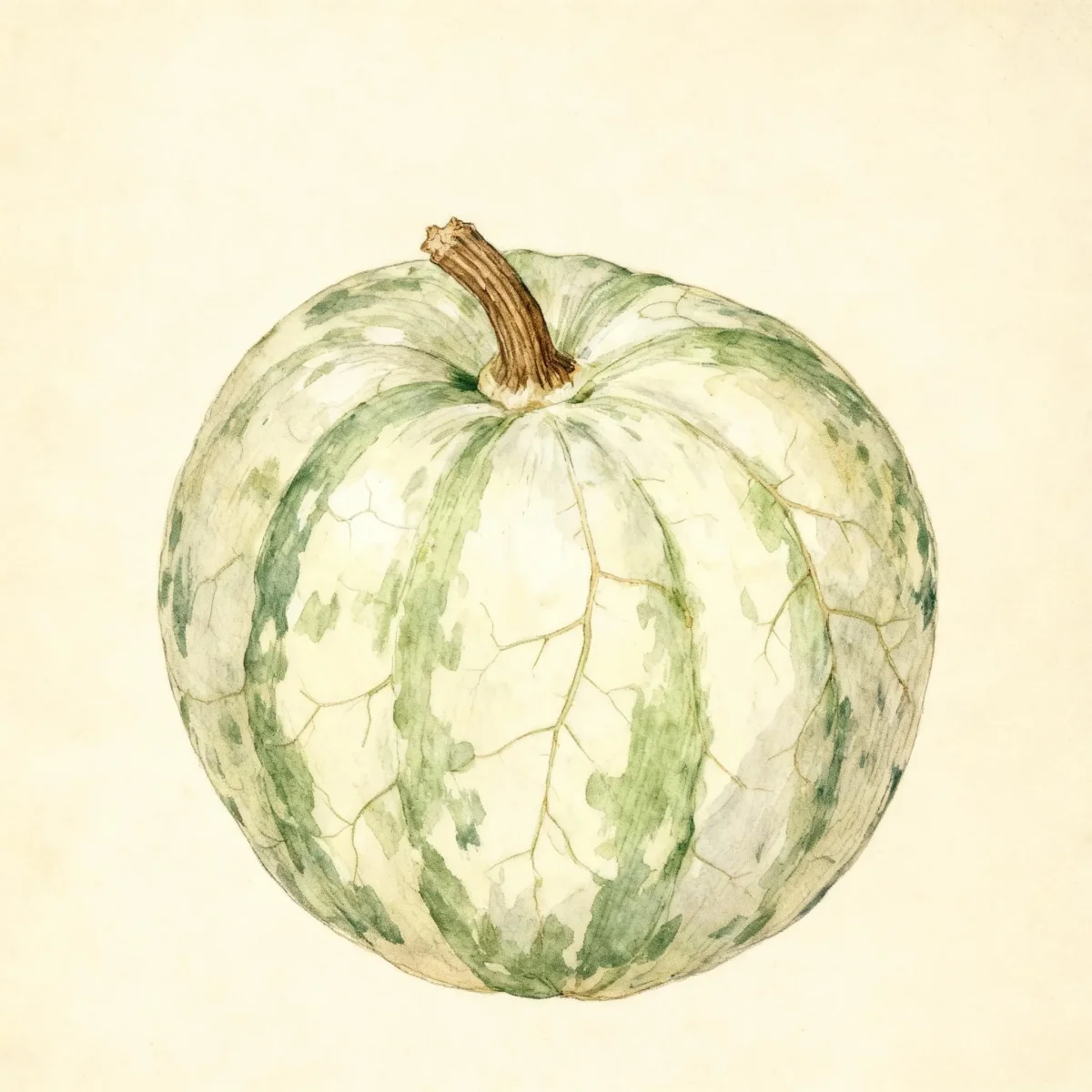
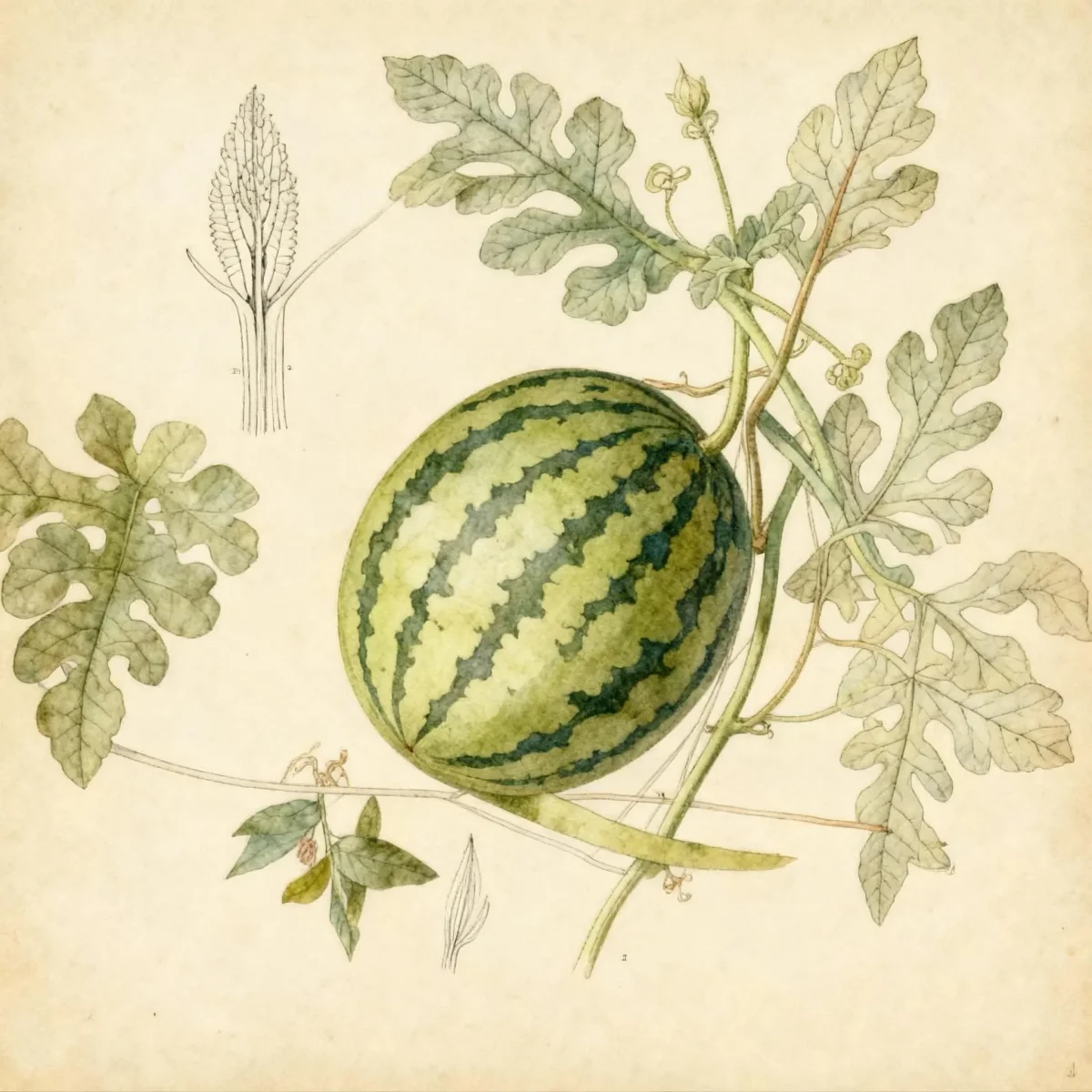
Squashes can be divided into two general categories: summer squash (eaten as immature fruits before seeds harden) and winter squash (eaten only after fruit has grown to maturity). Curcubia pepo is a large and diverse species that was probably first domesticated in Mexico. These squashes primarily come in vine or bush form, are usually prickly, and usually have conspicuously-lobed leaves, requiring ample room for growth.
Tolerances
- Rabbit
Potential Problems
Common insect pests targeting Cucurbita pepo include squash bugs, squash vine borers, and cucumber beetles, which can transmit bacterial wilt. Squash borers manifest as internal damage within the stems; look for extruded droppings near entry holes and manage by making a careful vertical slit to physically remove the caterpillar. Squash bugs are often manageable via hand-picking or by placing boards near plants overnight, allowing you to dispose of the aggregated pests the following morning.
Disease pressure can include powdery mildew, downy mildew, and various wilts such as fusarium wilt. To prevent common issues, always ensure good air circulation by spacing plants properly and avoiding overhead watering, which promotes fungal growth. Monitor regularly for mites and other secondary pests like aphids and white flies.
Frequently Asked Questions
What hardiness zones is Summer squash suitable for?
Summer squash (Cucurbita pepo) is suitable for a wide range, thriving in USDA Zones 2 through 11.
How large does Summer squash grow?
This plant typically reaches a height between 1 to 2.5 feet and spreads between 2 to 3 feet at maturity.
What sun exposure does Summer squash need?
Cucurbita pepo requires full sun to produce the best yields of fruit.
When does Summer squash bloom?
The blossoms appear from July through August and are characteristically yellow.
Conclusion
The remarkable adaptability and prolific yield of Cucurbita pepo make it an essential annual for vegetable gardeners seeking fast results. Offering both edible flowers and versatile fruits, this Summer squash provides significant returns for the high level of care required. Before planting, verify your location falls within USDA Zones 2-11 and ensure you have prepared fertile, well-drained soil in a full-sun location.
Companion Planting
When planning your vegetable beds, companion planting can enhance the success of your Cucurbita pepo. Due to their rapid growth and need for rich soil, they benefit from companions that do not heavily compete for nutrients. Planting taller, mutually beneficial companions like corn or sunflowers near vining squash varieties can provide a natural structure they can climb, reducing ground contact and rot risk.
Conversely, avoid planting other members of the Cucurbitaceae family too closely to prevent the buildup of shared pests and diseases; keep planting distance generous to promote air flow, which is crucial for keeping powdery mildew at bay. Conversely, herbs that deter insects, such as borage or dill, are often welcomed near your Summer squash patch.
Seasonal Care Calendar
Managing Cucurbita pepo requires diligence throughout the warm season. Begin the season by ensuring soil warmth aids germination or by hardening off indoor starts before planting outside after the last frost. Mid-summer is the prime production window, requiring consistent, medium watering and regular fertilization to support the constant production of Summer squash fruits.
As late summer transitions to early fall, focus sharply on harvesting. Pick fruits frequently and before maturity; this signals the plant to continue flowering and fruiting instead of diverting energy into seed production. Stop fertilizing once fruits show signs of less vigor, and keep an eye out for the first indication of frost to protect the final burgeoning crop.