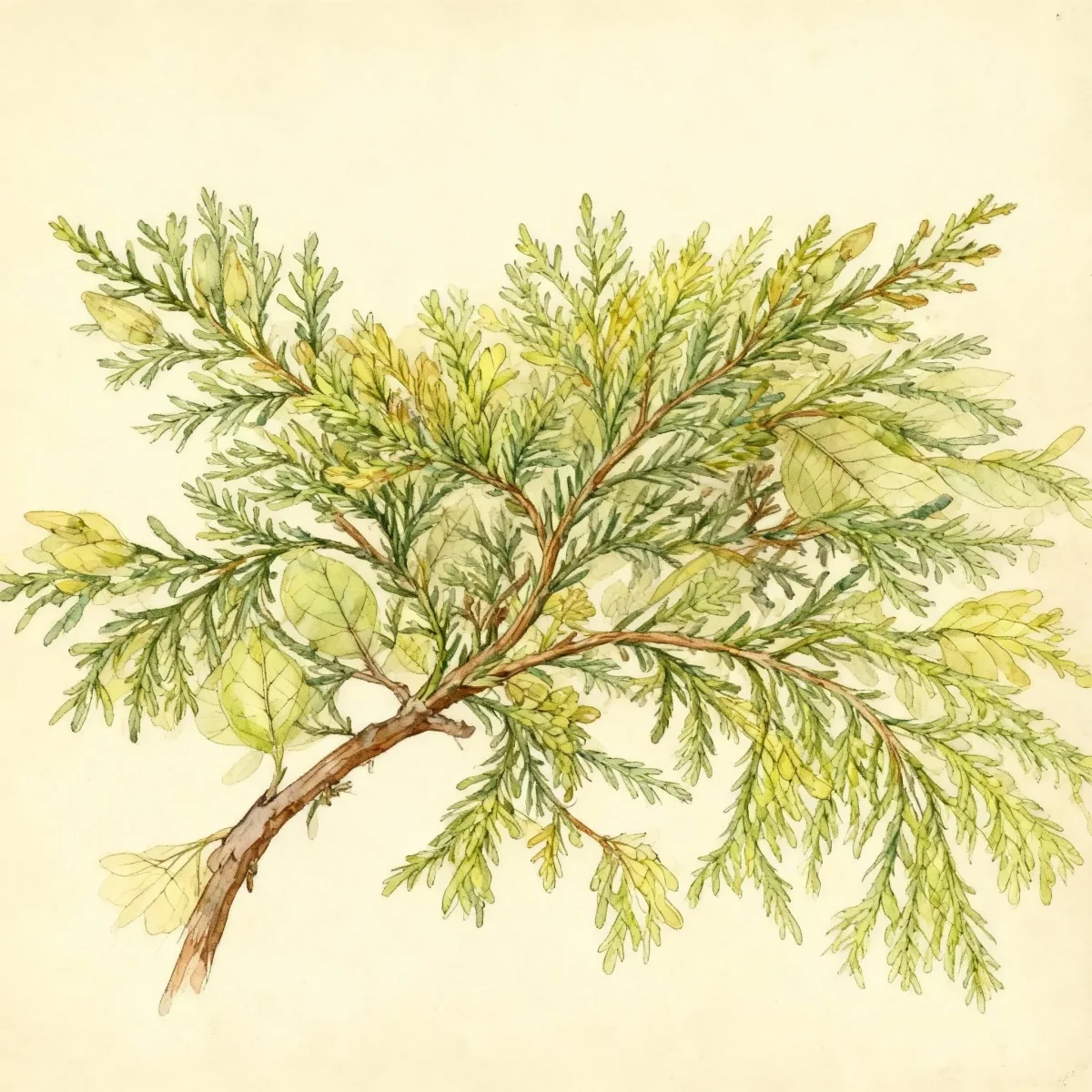
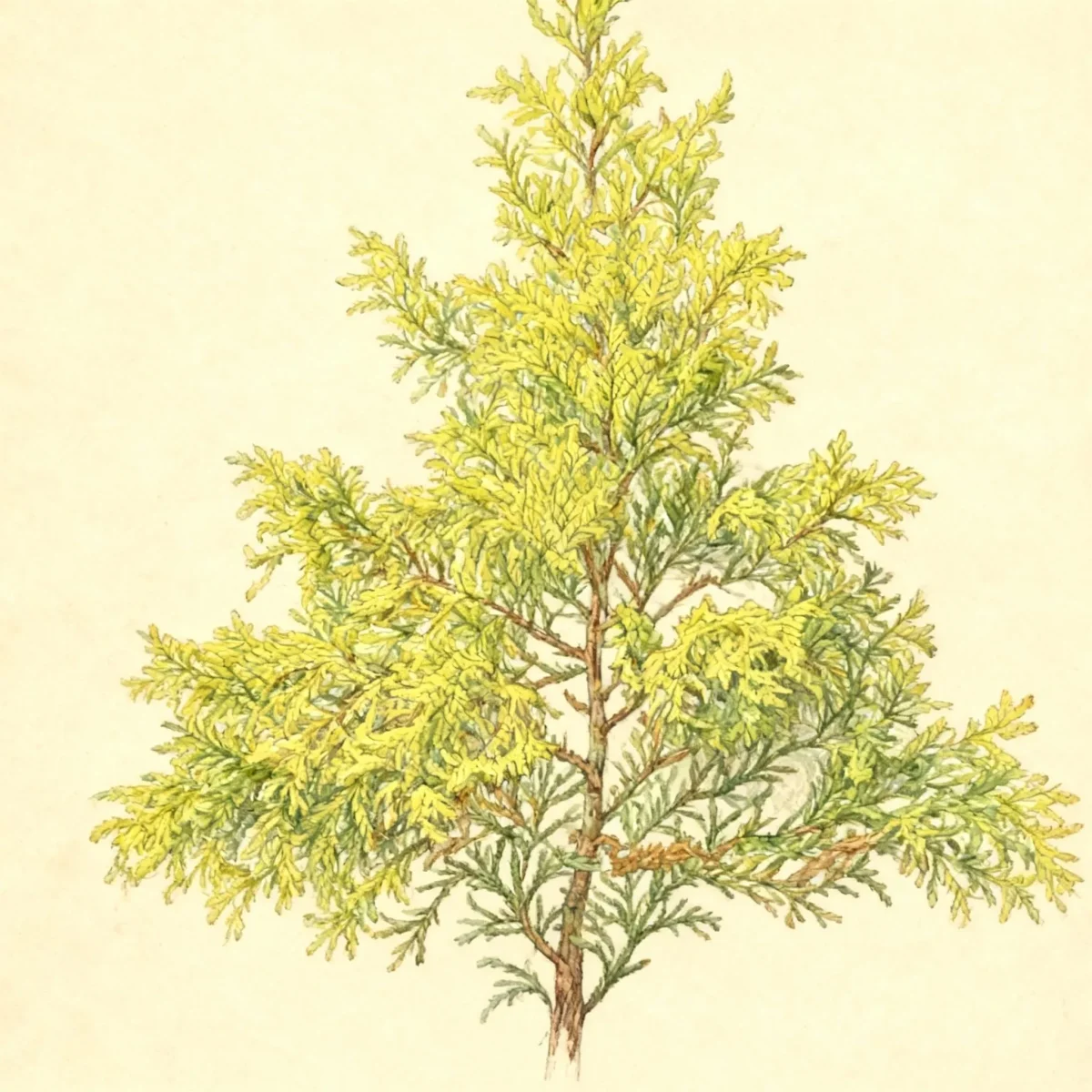
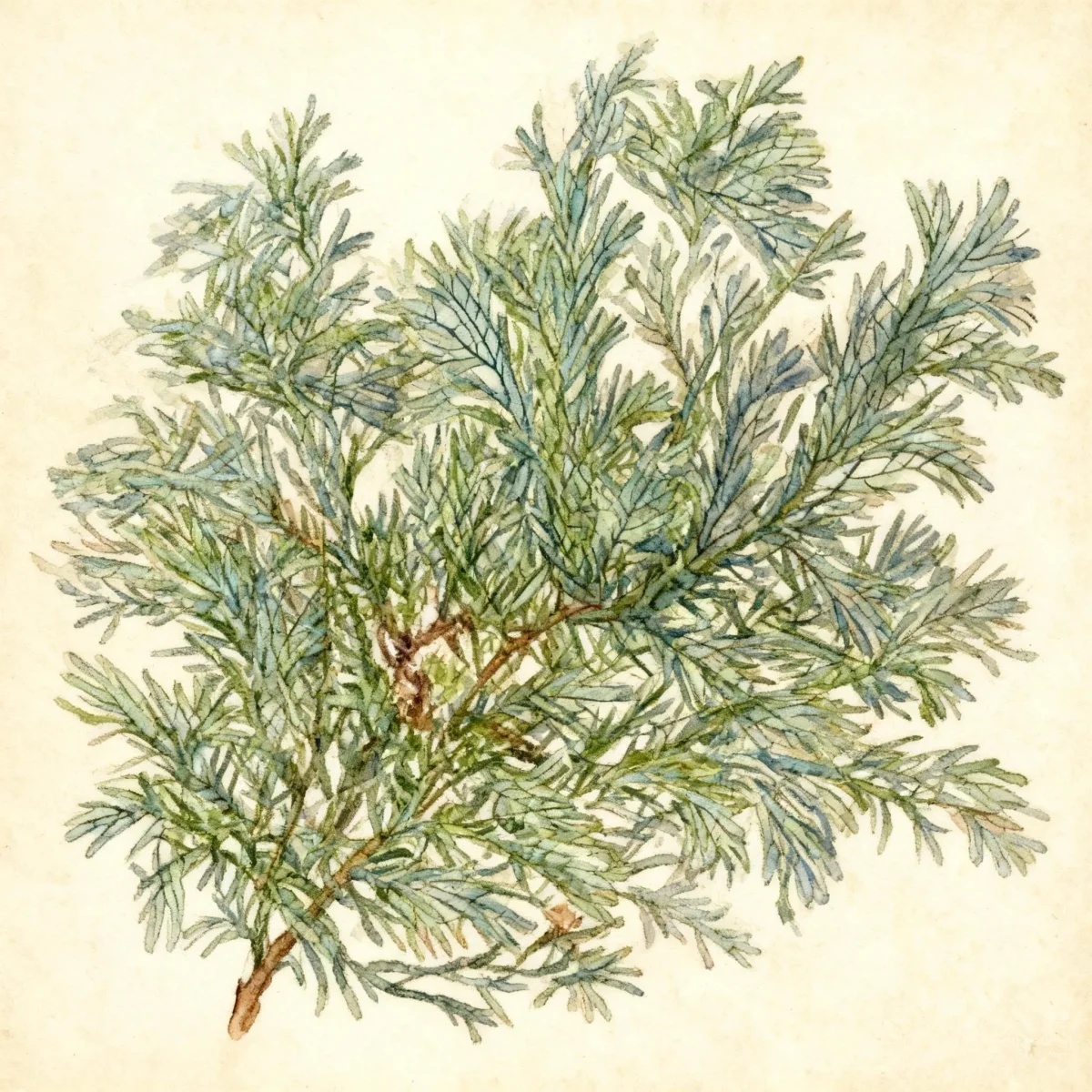
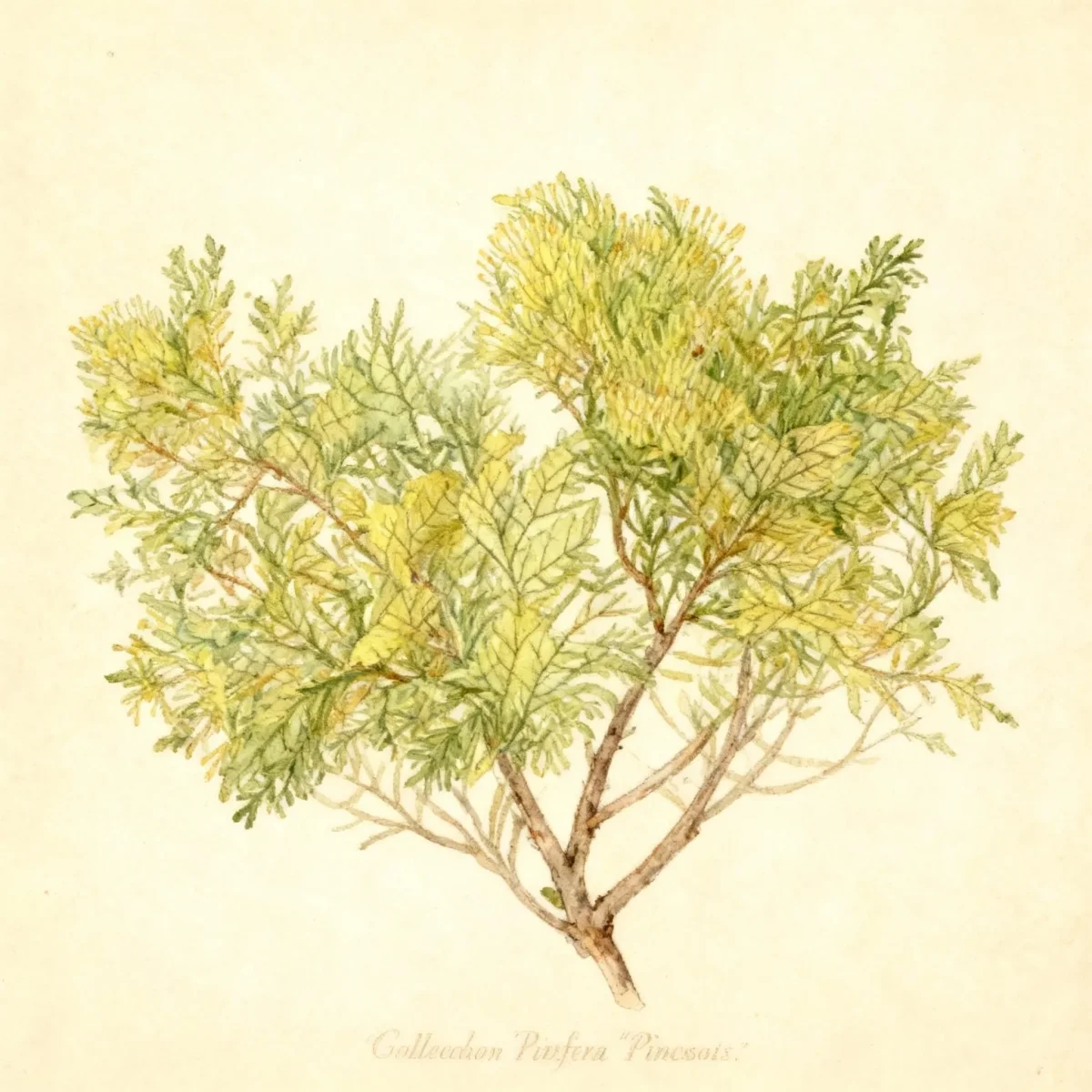
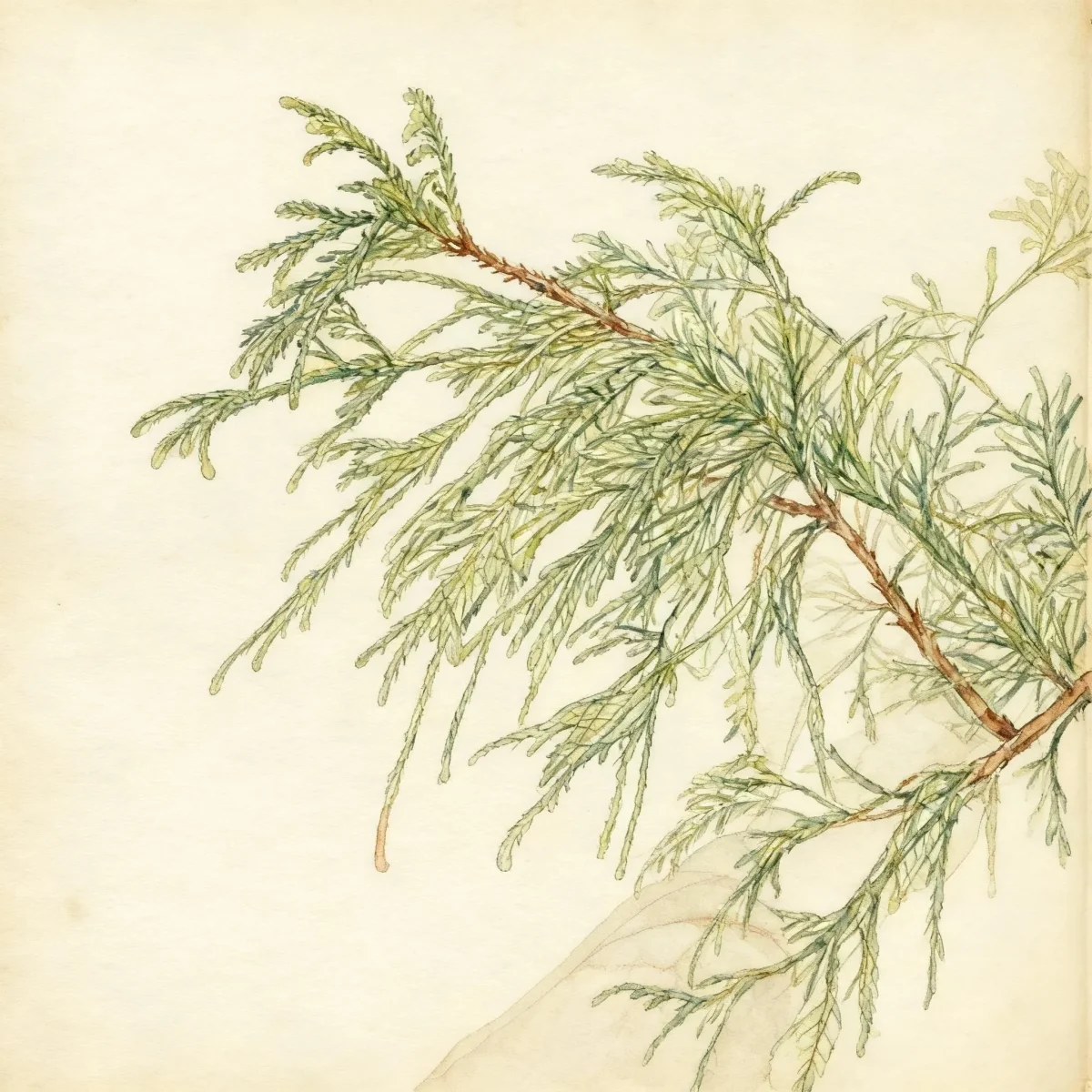
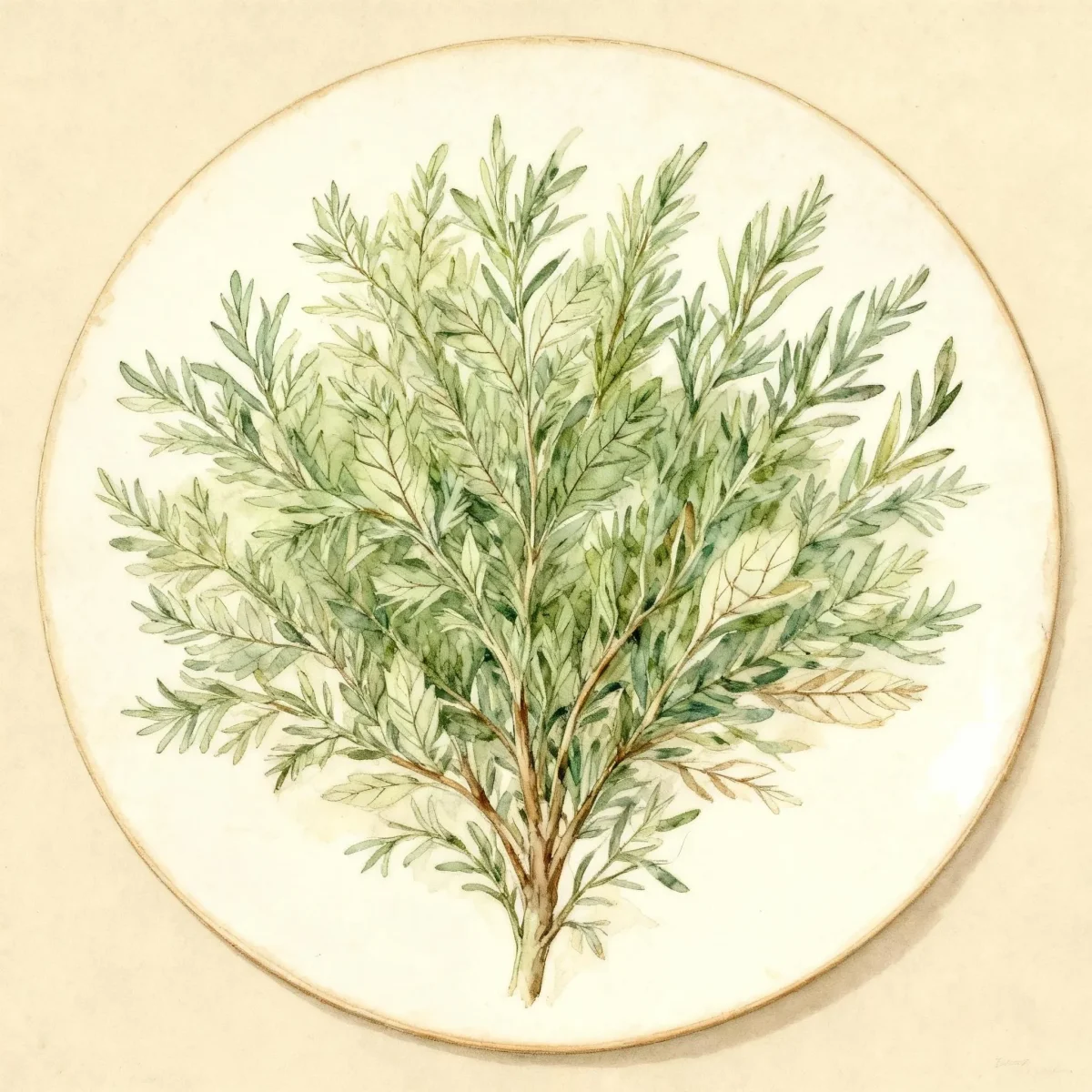
Incense cedar (Calocedrus decurrens)
Discover Calocedrus decurrens, the aromatic Incense cedar. A low-maintenance evergreen perfect for screens in USDA Zones 5-8.
Scroll down to discover growing tips, care requirements, companion plants, and more
Complete Plant Information
Overview
The Incense cedar (Calocedrus decurrens) is a highly distinctive and aromatic evergreen conifer prized for its upright, often narrow-columnar form when young. As this tree matures, its branching habit can expand, creating an interesting silhouette, making it a superb choice for substantial specimen planting or creating dense vertical structure in the landscape. The flattened, fern-like sprays of rich green foliage emit a pleasant, incense-like aroma when crushed, adding sensory appeal to any garden space.
Native to the mixed conifer forests of western North America, this Calocedrus decurrens exhibits surprising adaptability, thriving outside its native range and handling both summer heat and humidity well. Its low maintenance profile and excellent functional uses—such as screening or hedging—make it a reliable backbone plant for long-term garden structure.
For gardeners seeking a stately, fragrant evergreen that offers year-round interest and requires minimal fuss, the Incense cedar provides exceptional vertical accent. It matures to an impressive height, providing significant visual impact even in moderately sized gardens where space allows for its eventual spread.
Fast Facts
- Plant Family: Cupressaceae
- Plant Type: Needled evergreen
- Native Range: Western United States, Mexico
- Hardiness Zones: USDA Zones 5-8
- Size at Maturity:
- Height: 30-50 ft
- Spread: 8-10 ft
- Bloom Time: Non-flowering
- Bloom Description: Non-flowering
- Sun Exposure: Full sun to part shade
- Water Needs: Medium
- Maintenance Level: Low
How to Grow
The best success with Calocedrus decurrens is achieved when planted in deep, moderately fertile, moist but well-drained loam soils. While they prefer full sun, they tolerate partial shade, though density may decrease in shadier spots. Avoid planting locations where the soil is highly prone to drying out, as consistent moisture is crucial, especially when establishing this tree.
Watering should be consistent, fulfilling the “Medium” water needs, ensuring the soil remains moist but never sodden. Incense cedar appreciates some protection from harsh, drying winter winds, especially when young or in exposed locations. Although native terrain is often dry in summer, supplemental watering is key in cultivated landscapes to maintain vigor.
Maintenance for this species is generally considered low. While it tolerates shearing well, allowing the natural, slightly irregular columnar shape of Calocedrus decurrens to develop often yields the best aesthetic results. There is generally little need for fertilizer unless the soil quality is extremely poor.
If you are growing this tree far outside its native western environment, be mindful of air circulation during humid summers. Although surprisingly tolerant of Eastern heat and humidity compared to some other cedars, ensuring good airflow can help mitigate minor fungal concerns.
Landscape Uses
The primary functional uses for Incense cedar center around its naturally upright, screening habit. Its dense growth makes it an outstanding choice when utilized as a formal hedge, providing deep green privacy year-round, or as a solid windbreak along property lines.
For larger landscapes, planting a solitary Calocedrus decurrens as a large specimen tree offers excellent vertical structure, drawing the eye upward and providing a dramatic focal point near entryways or as an anchor in perennial borders. Consider pairing it with deciduous trees or broadleaf evergreens that contrast with its fine texture, such as Japanese maples or rhododendrons.
When hedging, place plants close enough to encourage mutual support but allow space for the mature footprint, remembering that the spread is typically contained between 8 to 10 feet for its cultivated height.
Standout Features
Noteworthy Characteristics
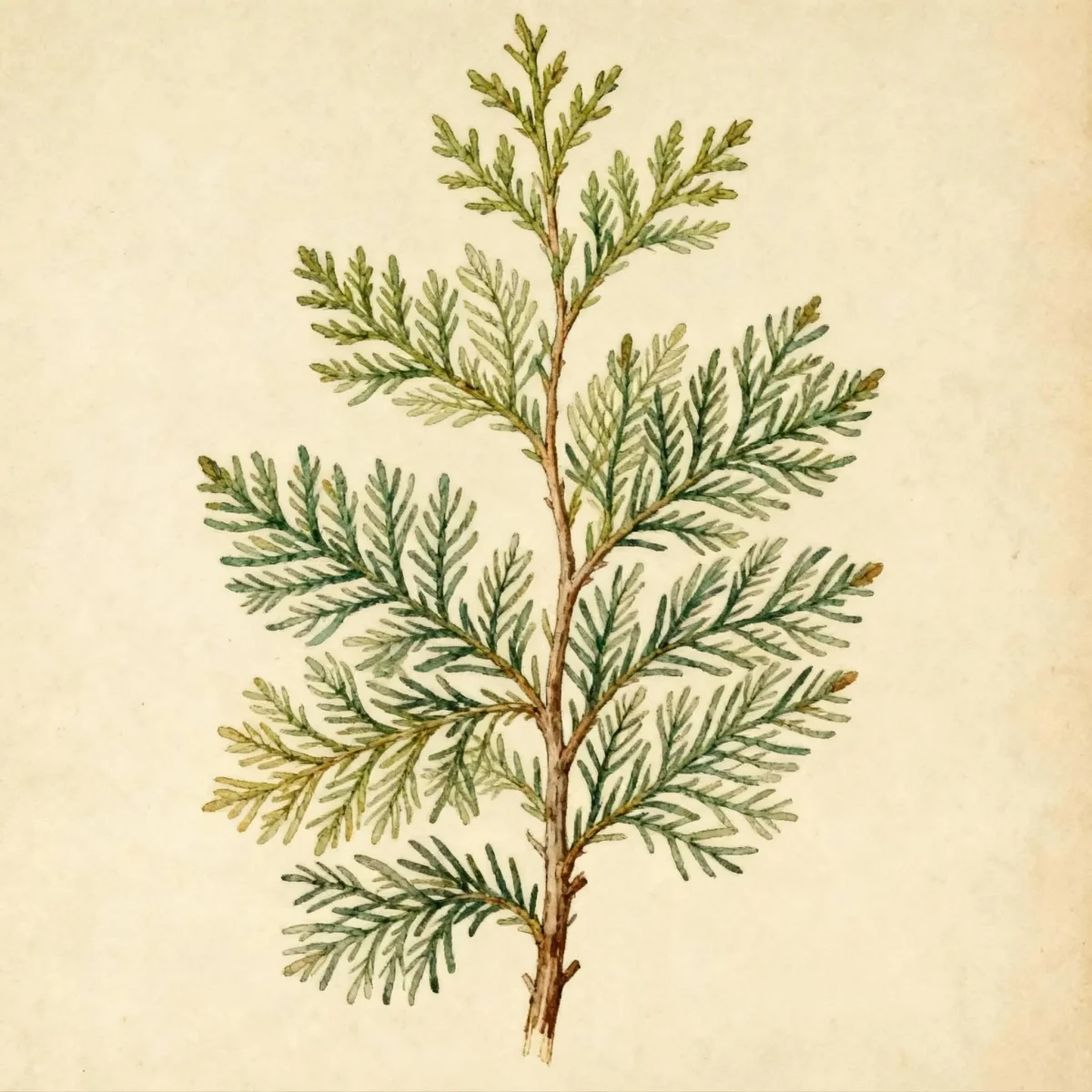
The Incense cedar (Calocedrus decurrens) is renowned for its aromatic qualities, featuring scale-like foliage arranged in lustrous, rich green, fern-like sprays that release strong fragrance when crushed. In the wild, this conifer can achieve massive sizes and great age, though cultivated specimens usually top out around 50 feet tall with a stately, narrow-columnar beginning. Mature bark develops deep furrows, offering textural interest even in winter.
Tolerances
- Tolerates shearing
- Tolerant of summer heat and humidity (in cultivation)
Potential Problems
This evergreen generally exhibits a clean bill of health, usually experiencing no serious insect or disease issues under optimal conditions. However, gardeners in specific microclimates should monitor for the potential development of heart rot, particularly if the tree suffers mechanical damage or chronic overwatering, and rust fungi, which can occasionally appear. Proper site selection—focusing on drainage—is the best preventive measure against heart rot.
Frequently Asked Questions
What hardiness zones is Incense cedar suitable for?
Calocedrus decurrens is highly adaptable across USDA Zones 5 through 8, making it a reliable choice for many regions across the United States.
How large does Calocedrus decurrens grow?
In cultivation, gardeners can expect the Incense cedar to reach heights between 30 and 50 feet tall, with a manageable spread generally ranging from 8 to 10 feet wide.
What sun exposure does Incense cedar need?
This species prefers full sun but performs admirably even with some partial shade, offering flexibility in landscape planning.
When does Calocedrus decurrens bloom?
The tree is non-flowering; it is a conifer that produces small, distinctive cones instead of flowers.
Conclusion
The Incense cedar offers superb evergreen structure, aromatic foliage, and a generally low-maintenance profile, securing its place as a valuable asset for screening and specimen planting nationwide. Ensure your location provides the medium moisture and well-drained soil that Calocedrus decurrens requires for its best performance. Always check your specific local USDA zone before planting to guarantee success with this beautiful native conifer.
Design Ideas
When using Calocedrus decurrens in formal landscape designs, its straight, columnar profile pairs effectively with softer, mounding plants beneath it. Consider using low-growing groundcovers like sedums or creeping thyme in the planting bed near the base of the tree, which will not compete heavily for root space while drawing attention to the textured bark of the mature tree. Its deep green hue also provides excellent contrast against structures clad in light stone or white paint.
For a more naturalized setting, group several Incense cedar trees loosely together to mimic their native forest groupings. This provides depth and mass, enhancing privacy while allowing the air circulation necessary to keep the foliage healthy. Remember that in these mixed groupings, the mature height of 50 feet means these specimens must be placed well clear of overhead utility lines.
Companion Planting
Because the Incense cedar prefers moist but well-drained conditions and good light, companion plants should share similar cultural requirements regarding soil moisture. Shade-tolerant, structural shrubs like Japanese holly (Ilex crenata cultivars) or acid-loving broadleaf evergreens like certain dwarf rhododendrons thrive alongside it, provided root competition is managed during establishment. Avoid planting aggressive, shallow-rooted species too close to the base of the cedar.