Hinoki cypress (Chamaecyparis obtusa)
The majestic Hinoki cypress (Chamaecyparis obtusa) is a slow-growing evergreen prized for its dense, pyramidal form and aromatic foliage.
Scroll down to discover growing tips, care requirements, companion plants, and more
Complete Plant Information
Overview
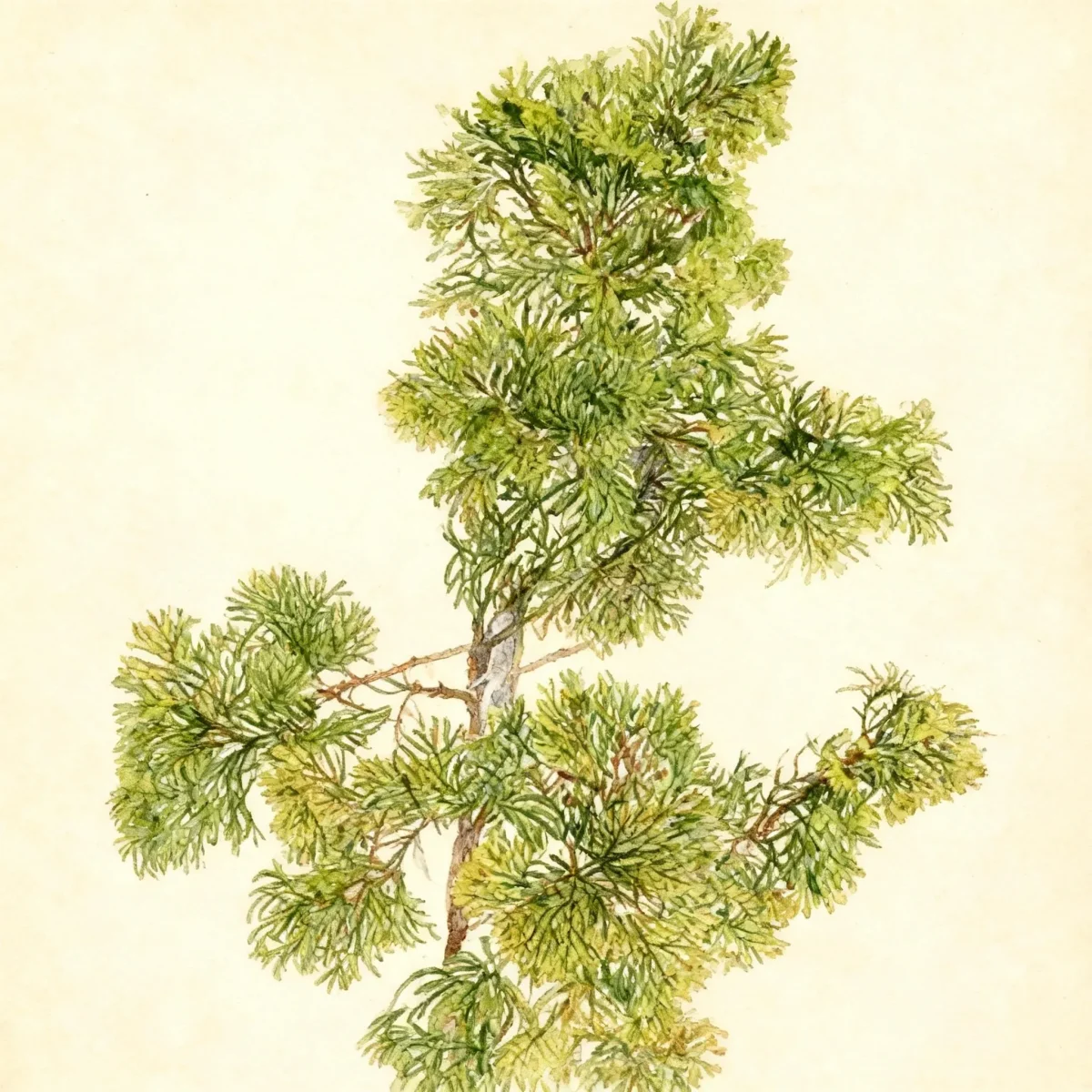
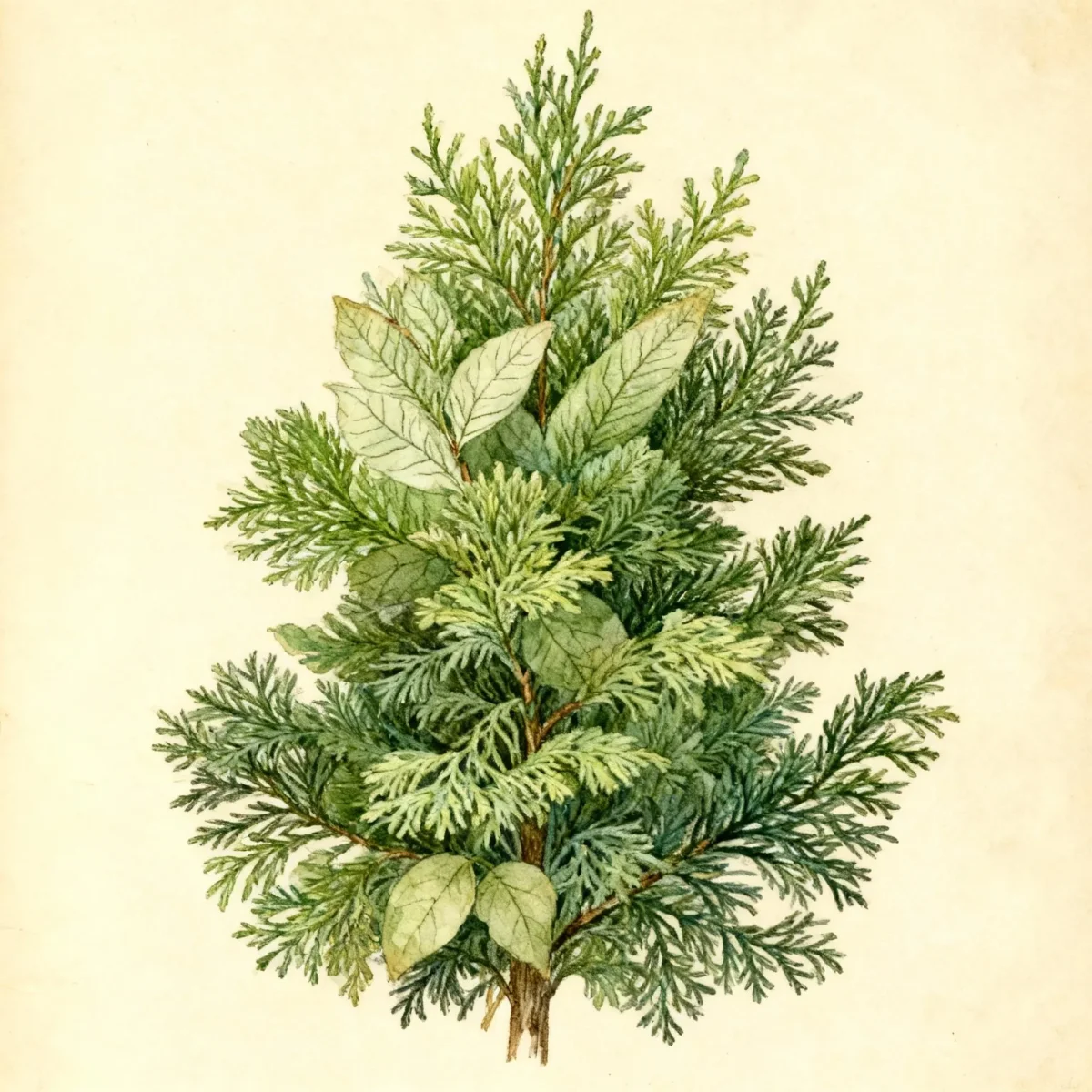
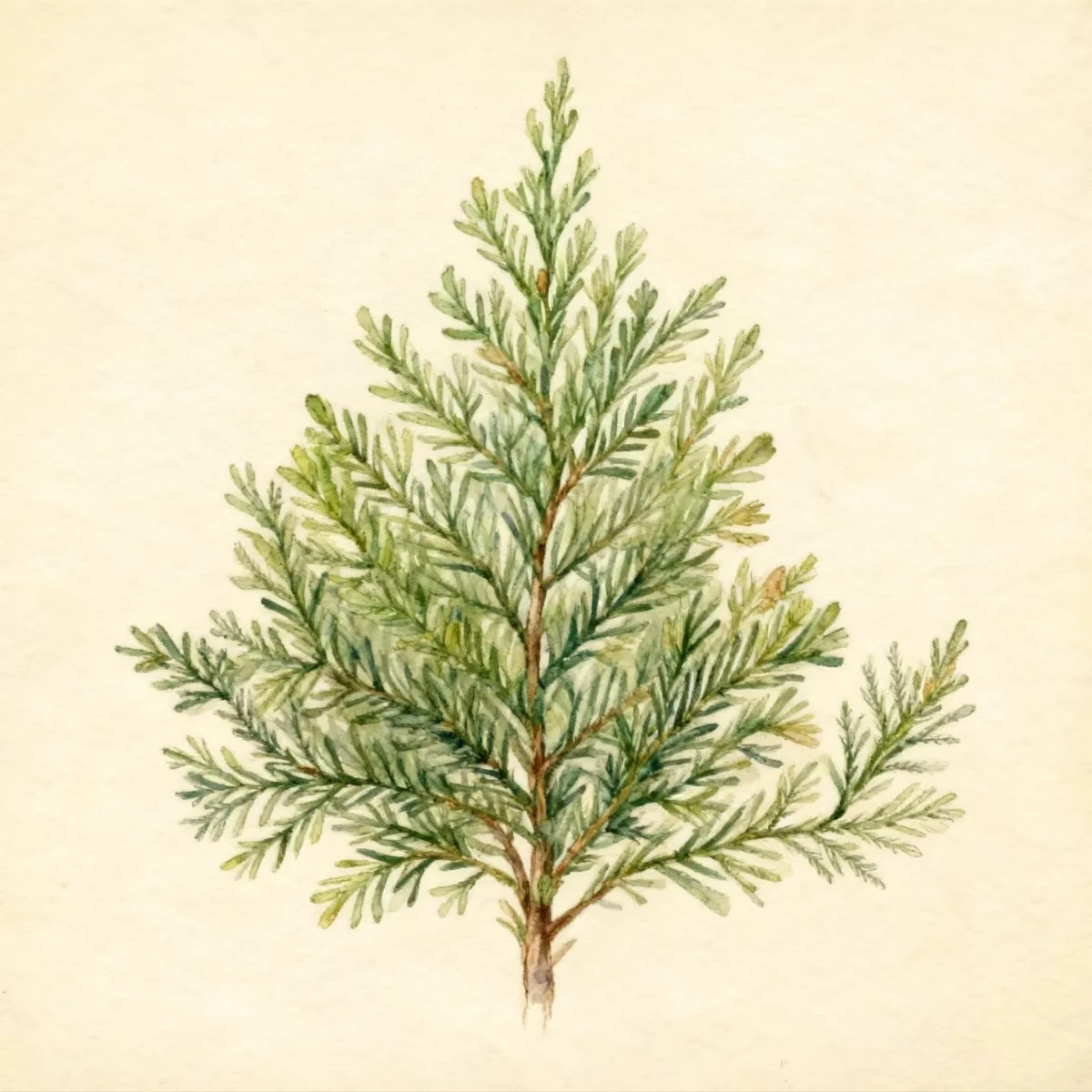
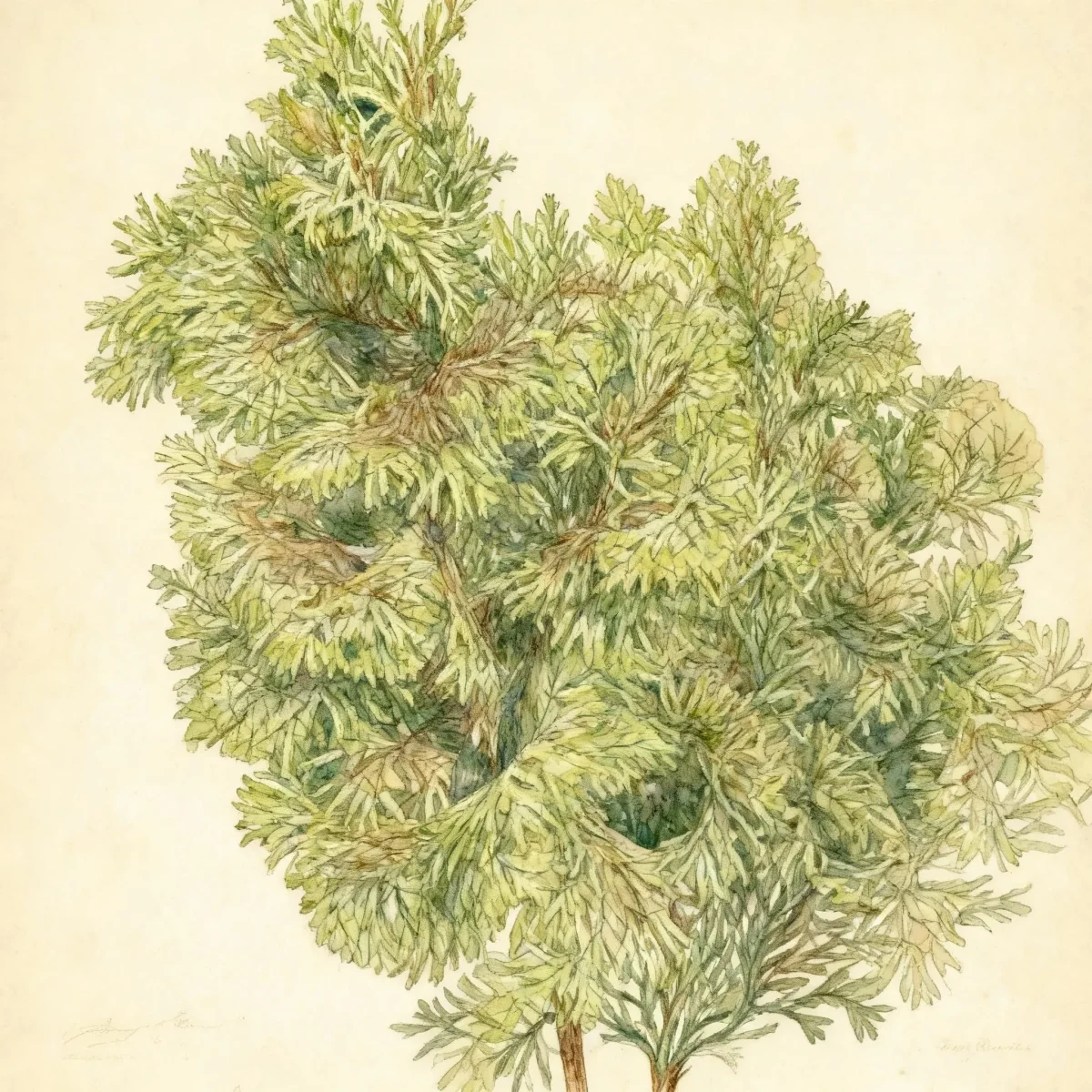
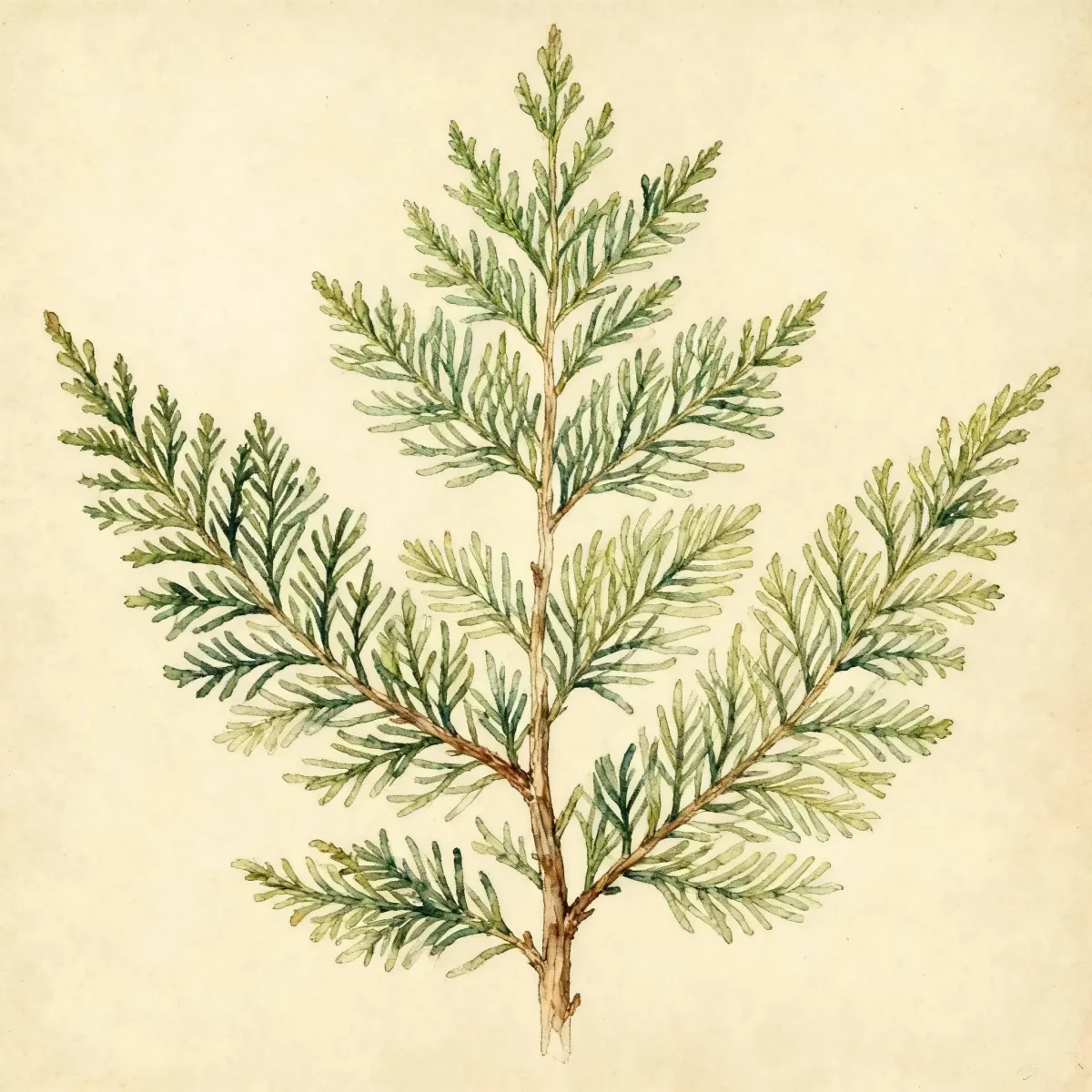
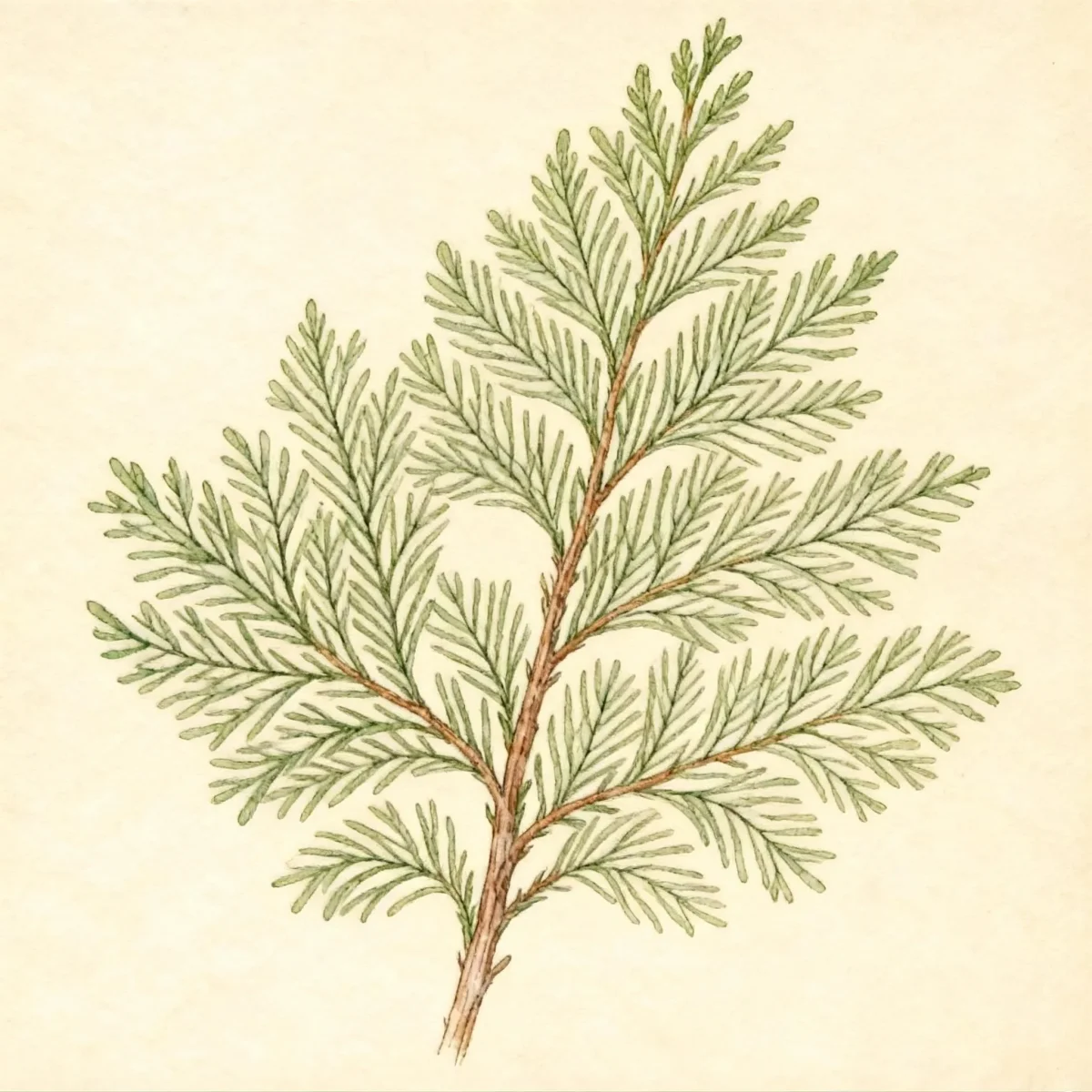
The Hinoki cypress (Chamaecyparis obtusa) is a stately, slow-growing conifer native to Japan and Taiwan, highly valued for its architectural form and textural foliage. While the species can reach impressive heights upwards of 75 feet, numerous dwarf cultivars have popularized Chamaecyparis obtusa for smaller garden spaces, offering year-round structure in the landscape. Its distinctive feature is the dark green, scale-like leaves arranged on flattened, spreading branchlets that often droop gracefully at the tips.
This evergreen choice brings year-round visual interest due to its dense habit and the attractive peeling, reddish-brown bark that emerges on mature specimens. Gardeners appreciate the low maintenance commitment required for healthy growth once established, making it a reliable choice for creating vertical accents. The crushed foliage of the Hinoki cypress is notably aromatic, adding another sensory dimension to the garden space.
Although the upright, pyramidal stature of Chamaecyparis obtusa speaks for itself, this tree performs best when provided ideal conditions that mimic its native habitat. Achieving optimal health requires attention to soil drainage and adequate moisture, rewarding the diligent grower with a long-lived and dignified specimen evergreen conifer.
Fast Facts
- Plant Family: Cupressaceae
- Plant Type: Needled evergreen
- Native Range: Japan, Taiwan
- Hardiness Zones: USDA Zones 4-8
- Size at Maturity:
- Height: 50-75 ft
- Spread: 15-25 ft
- Bloom Time: Non-flowering
- Sun Exposure: Full sun to part shade
- Water Needs: Medium
- Maintenance Level: Low
How to Grow
Planting the Hinoki cypress is best achieved in the spring or fall, allowing the root system time to establish before extreme summer heat or winter cold arrives. Select a location that receives full sun for the best denseness, although part shade is tolerated. Chamaecyparis obtusa thrives in average, medium-moisture, well-drained soils. Critically, avoid locations where water pools, as this species dislikes wet, poorly-drained conditions which can lead to root rot.
Once planted, establish a consistent watering routine to maintain medium soil moisture, particularly during the first few growing seasons. While fertile soils are preferred, fertilizing is usually unnecessary unless the soil is severely nutrient-poor. Pruning is generally minimal; focus only on removing dead or damaged wood. Mature trees benefit from shelter from harsh winds, which can desiccate the branch tips.
Seasonal care involves monitoring for pests and diseases during the growing season. In late winter or early spring, inspect the evergreen foliage for any signs of winter burn or pest activity before new growth begins. Ensuring excellent drainage remains the single most important factor for the long-term health of your Hinoki cypress.
Landscape Uses
The inherent elegance of the Hinoki cypress makes it an invaluable asset when planning permanent landscapes. Its strong vertical habit is perfectly suited for use as a specimen, providing a dramatic focal point where a traditional shade tree might overwhelm the space. Furthermore, its dense structure lends itself well to use as a screen or hedge where substantial, formal height is required.
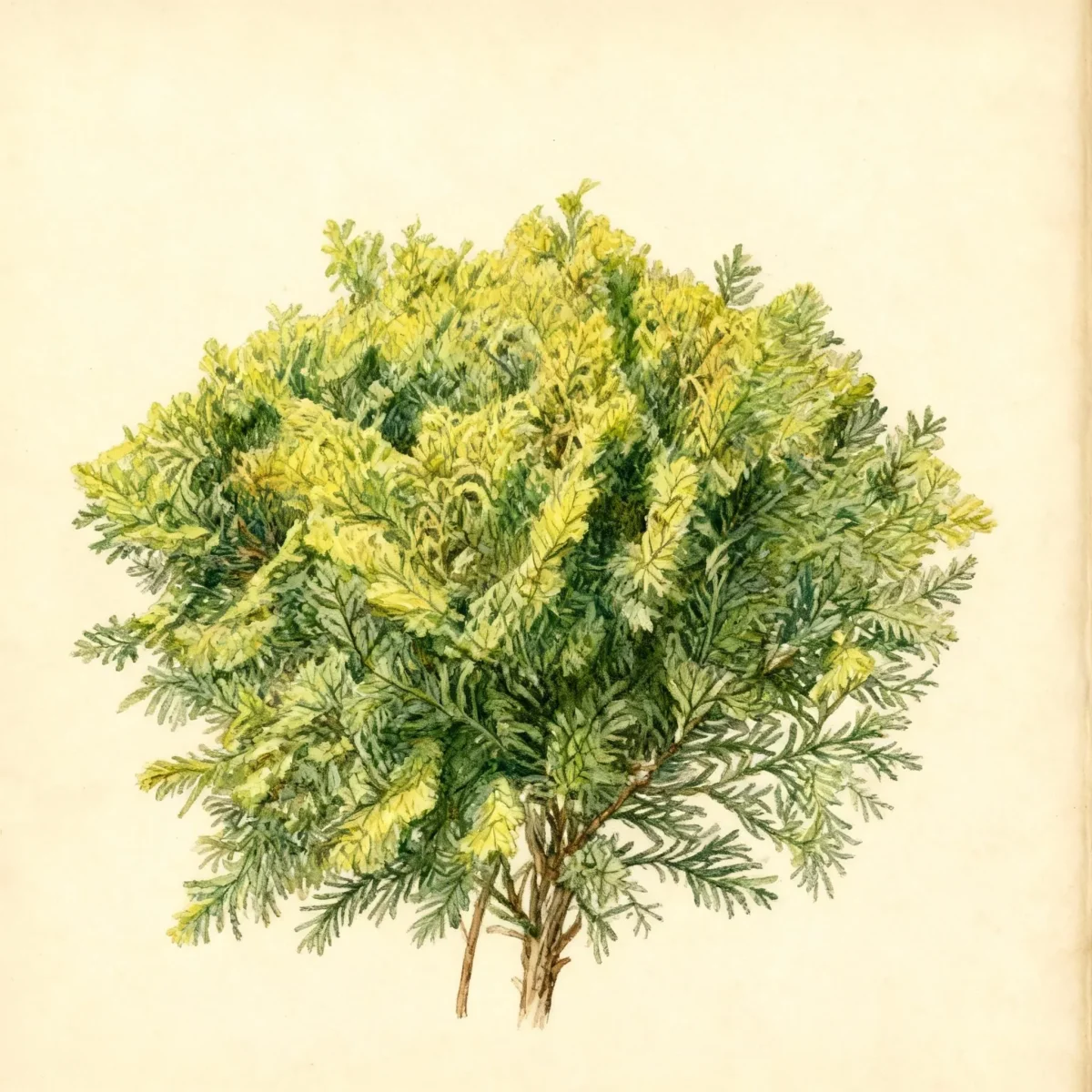
Many popular dwarf cultivars of Chamaecyparis obtusa are ideal for foundation plantings or placement in rock gardens, offering texture in smaller settings. When pairing this conifer, select companion plants that share similar moisture and sun preferences, perhaps low-growing ferns or acid-loving shrubs that appreciate filtered light around the base of a larger specimen. For the home landscape, this tree excels as the anchor point in mixed evergreen borders.
Standout Features
Noteworthy Characteristics
Chamaecyparis obtusa is native to Japan, where it is commonly called Hinoki cypress or hinoki falsecypress. It is an evergreen conifer that typically grows 50-75’ tall (though taller in its native habitat) with a classic pyramidal shape. It features spreading branches with flattened horizontal branchlets that droop elegantly at the ends. Dark green scale-like leaves display white markings beneath, and the crushed foliage is highly aromatic. In Japan, hinoki translates to “fire tree,” and the species name obtusa means rounded, referring to the blunt tips of its leaves.
Tolerances
- Some susceptibility to juniper blight, root rot and certain insect pests such as bagworms
Potential Problems
The Hinoki cypress can occasionally face issues related to fungal diseases and pests. A primary concern for gardeners is susceptibility to juniper blight, a fungal disease that can cause browning and dieback on the branch tips. Good air circulation, achieved by proper spacing and avoiding overhead watering, helps mitigate fungal spread.
This plant is also vulnerable to root rot if drainage is poor; always amend soil heavily with grit or compost to ensure sharp drainage before planting. Keep an eye out for common insect pests like bagworms, which can defoliate branches if left unchecked. Promptly remove affected sections or apply targeted treatments for pest infestations to protect the overall health of the Chamaecyparis obtusa.
Frequently Asked Questions
What hardiness zones is Hinoki cypress suitable for?
The Hinoki cypress (Chamaecyparis obtusa) is reliably hardy in USDA Zones 4 through 8, offering good cold tolerance for many temperate regions.
How large does Hinoki cypress grow?
In cultivated landscapes, the typical size range for the species is between 50 to 75 feet in height and 15 to 25 feet in spread, though many smaller cultivars exist.
What sun exposure does Chamaecyparis obtusa need?
This conifer prefers full sun for the densest habit but will tolerate partial shade, thriving best where it receives at least six hours of direct or dappled light daily.
When does Chamaecyparis obtusa bloom?
As a conifer, the Hinoki cypress is non-flowering; it produces small, inconspicuous cones instead of colorful blossoms.
Companion Planting
When situating your Chamaecyparis obtusa, selecting compatible neighbors enhances the overall garden design and health. Consider pairing the verticality of the Hinoki cypress with broad, low-growing accents. Hostas and Astilbes thrive in the partial shade often tolerated beneath a mature specimen and appreciate the consistent moisture that complements the cypress’s medium water needs, provided drainage remains excellent.
For year-round interest, combine the evergreen texture of the Hinoki cypress with deciduous shrubs that offer seasonal color, such as Japanese Maples (Acer palmatum), whose fine, airy texture contrasts beautifully with the scale-like leaves of Chamaecyparis obtusa. Ensure that any companion plants also prefer average to fertile soils, avoiding overly dry or alkaline sites which can stress the cypress.
Common Mistakes to Avoid
The most frequently made error when planting the Hinoki cypress relates directly to soil conditions. Many gardeners overlook the absolute necessity for well-drained soil; soggy bottoms lead directly to root rot, a potentially fatal diagnosis for established trees. Always verify that water moves through the soil profile freely before digging the planting hole.
Another pitfall is failing to purchase the correct cultivar for the available space. While the species grows large, many popular types are dwarf or compact, ideal for rock gardens. Ensure you verify the mature dimensions of your specific plant tag, as setting a 75-foot tree too close to a foundation guarantees future structural problems.
Conclusion
The Hinoki cypress presents the dedicated gardener with a magnificent, low-maintenance evergreen solution offering superb texture and year-round presence. With its aromatic foliage and distinctive pyramidal form, Chamaecyparis obtusa anchors any landscape design effectively. Review your site drainage meticulously and plan your planting during cooler seasons to ensure the best possible establishment for this noble tree.