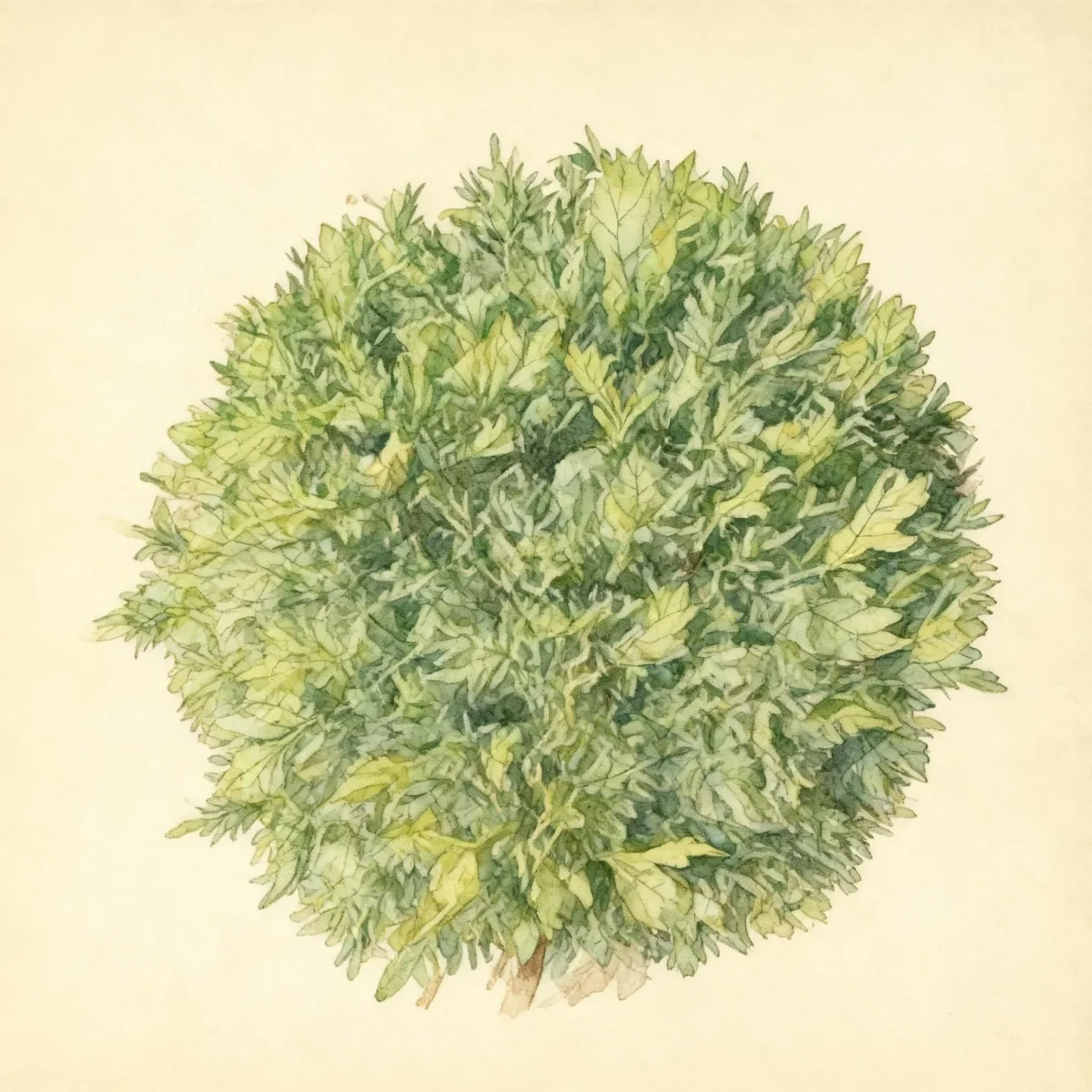
Chinese juniper (Juniperus chinensis)
Juniperus chinensis, the Chinese juniper, is a versatile, low-maintenance needled evergreen tree native to Asia.
Scroll down to discover growing tips, care requirements, companion plants, and more
Complete Plant Information
Overview
The Chinese juniper (Juniperus chinensis) is a highly adaptable and robust needled evergreen celebrated for its diverse forms, ranging from stately conical trees in its native habitat to compact groundcovers in modern landscapes. As a dioecious conifer from Asia, it offers year-round color, lending structure and texture to garden designs throughout the seasons.
This species thrives in full sun and requires only medium water once established, boasting a notably low maintenance requirement that appeals to busy gardeners. Its inherent toughness allows the Juniperus chinensis to perform well even in challenging urban environments, tolerating various pollutants and poor soil conditions.
A significant landscape asset is the development of numerous cultivars suited for nearly any application. Whether you need a substantial specimen, a screening hedge, or low, spreading cover, the adaptability of the Chinese juniper makes it a staple in reliable evergreen plantings.
Fast Facts
- Plant Family: Cupressaceae
- Plant Type: Needled evergreen
- Native Range: Asia
- Hardiness Zones: USDA Zones 4-9
- Size at Maturity:
- Height: 40-50 ft
- Spread: 15-20 ft
- Bloom Time: Non-flowering
- Bloom Description: Non-flowering
- Sun Exposure: Full sun
- Water Needs: Medium
- Maintenance Level: Low
How to Grow
The best time for planting Juniperus chinensis is typically in the spring or fall to allow the root system to establish before extreme weather hits. Choose a location that receives full sun exposure, as reduced light can lead to sparse growth and increased disease susceptibility. This juniper is adaptable, tolerating a wide variety of soils, including clay, provided they are not excessively wet. It is intolerant of standing water or consistently wet soils, which can precipitate root rot.
Care is minimal once established. While young plants benefit from consistent watering to develop deep roots, mature Chinese juniper specimens exhibit good drought tolerance. Avoid the temptation to over-fertilize; average growth is often preferred for maintaining desirable shapes. Pruning should generally be light, focusing only on removing dead or damaged growth.
Be aware that junipers are susceptible to several fungal issues. Ensure good air circulation around specimens to mitigate risks from tip and needle blights. If planting near apples or hawthorns, monitor for cedar-apple rust, as junipers serve as an alternate host for the disease cycle.
Landscape Uses
The vast array of forms available within the Juniperus chinensis species allows for incredibly flexible landscape application. Larger, upright cultivars function beautifully as stately specimen trees, providing year-round vertical interest or acting as excellent windbreaks and screens along property lines.
Conversely, the spreading and lower-growing varieties of Chinese juniper are perfect for softening foundation plantings, stabilizing arid slopes against erosion, or serving as effective, low-growing groundcovers that suppress weeds. Their tolerance for dry soil and shallow-rocky conditions makes them ideal candidates for difficult, exposed sites where other evergreens might fail.
When designing mixed borders, pair the texture of the Chinese juniper with broadleaf evergreens or deciduous shrubs that offer contrasting seasonal color. Use the lower forms adjacent to rock gardens or retained walls to create naturalistic, flowing boundaries.
Standout Features
Noteworthy Characteristics
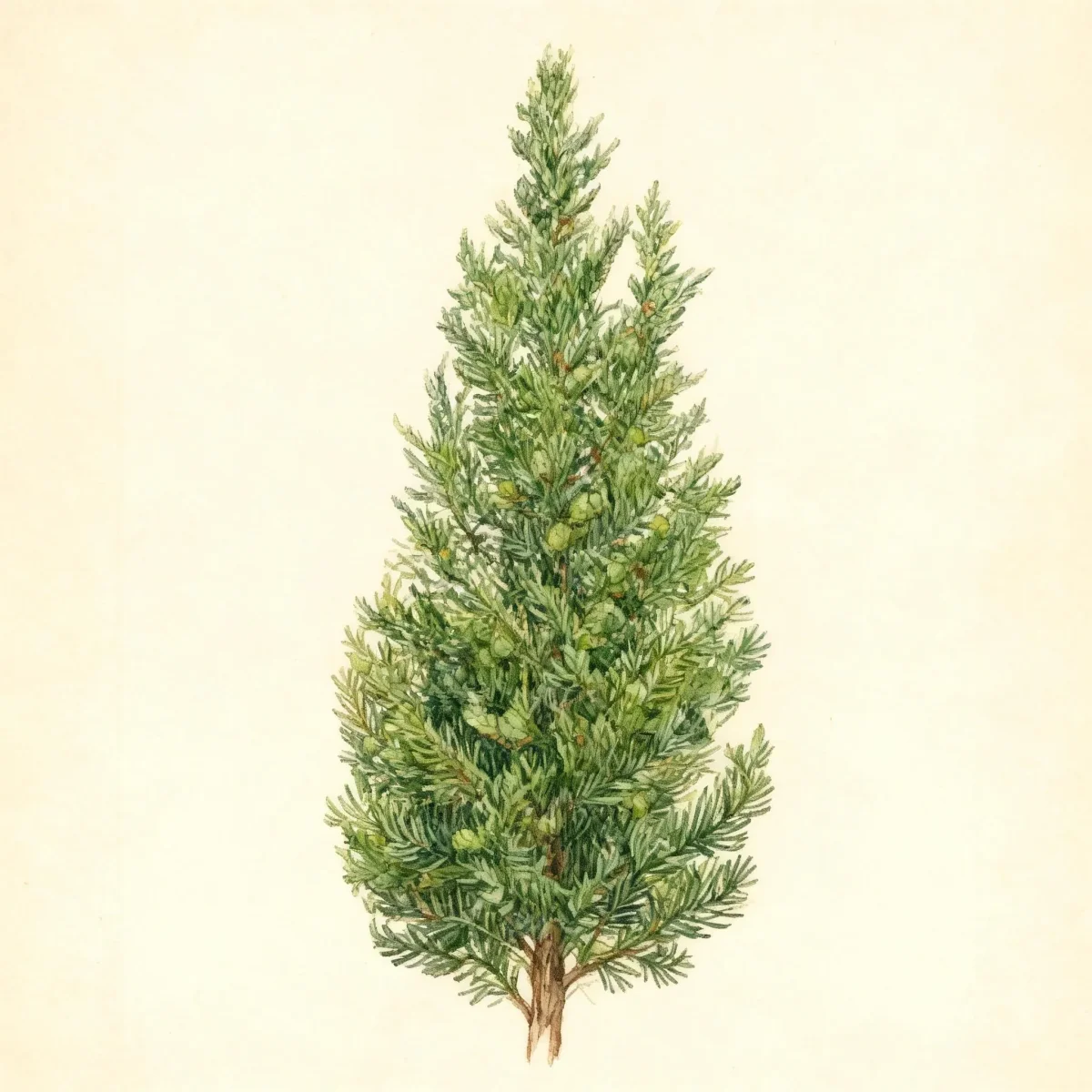
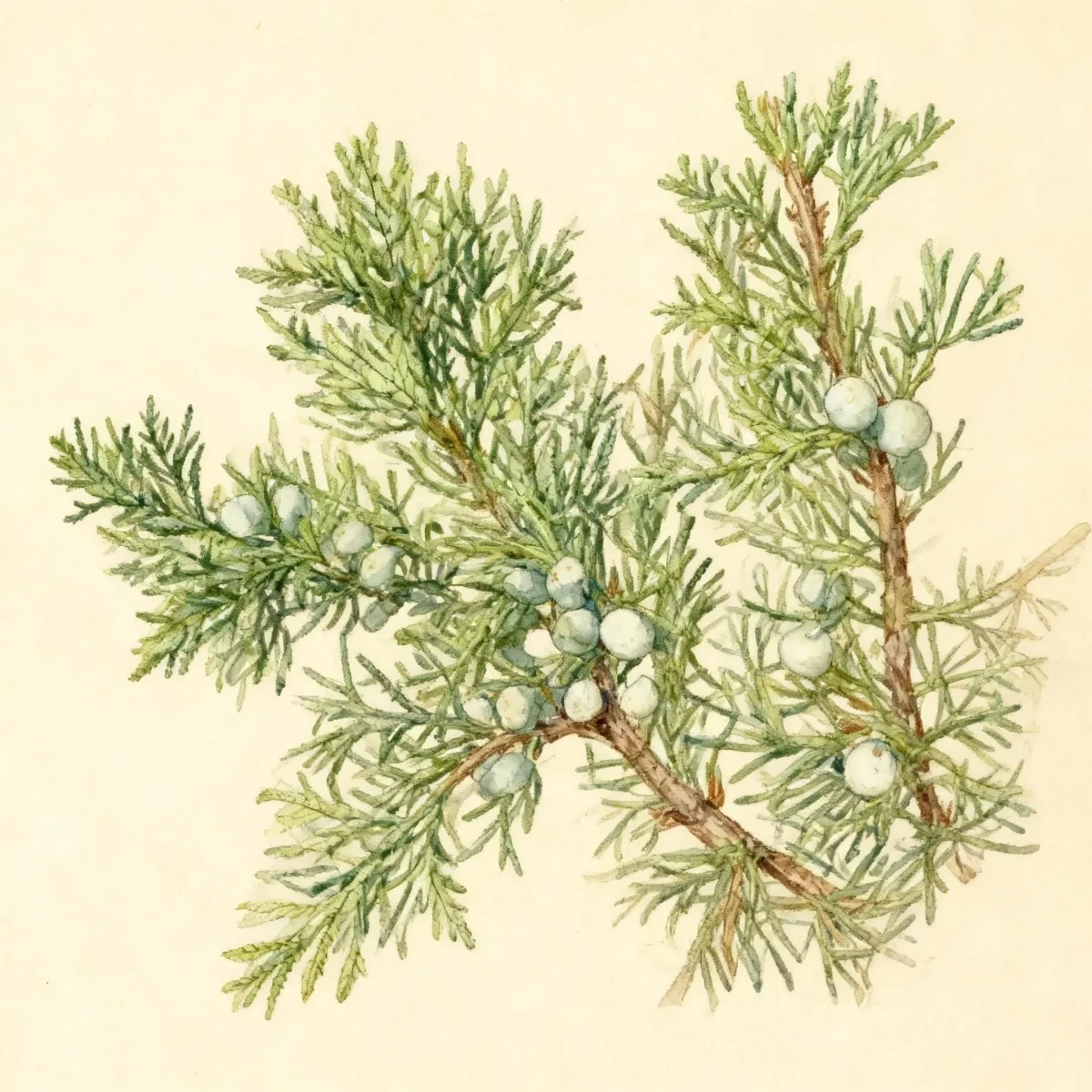
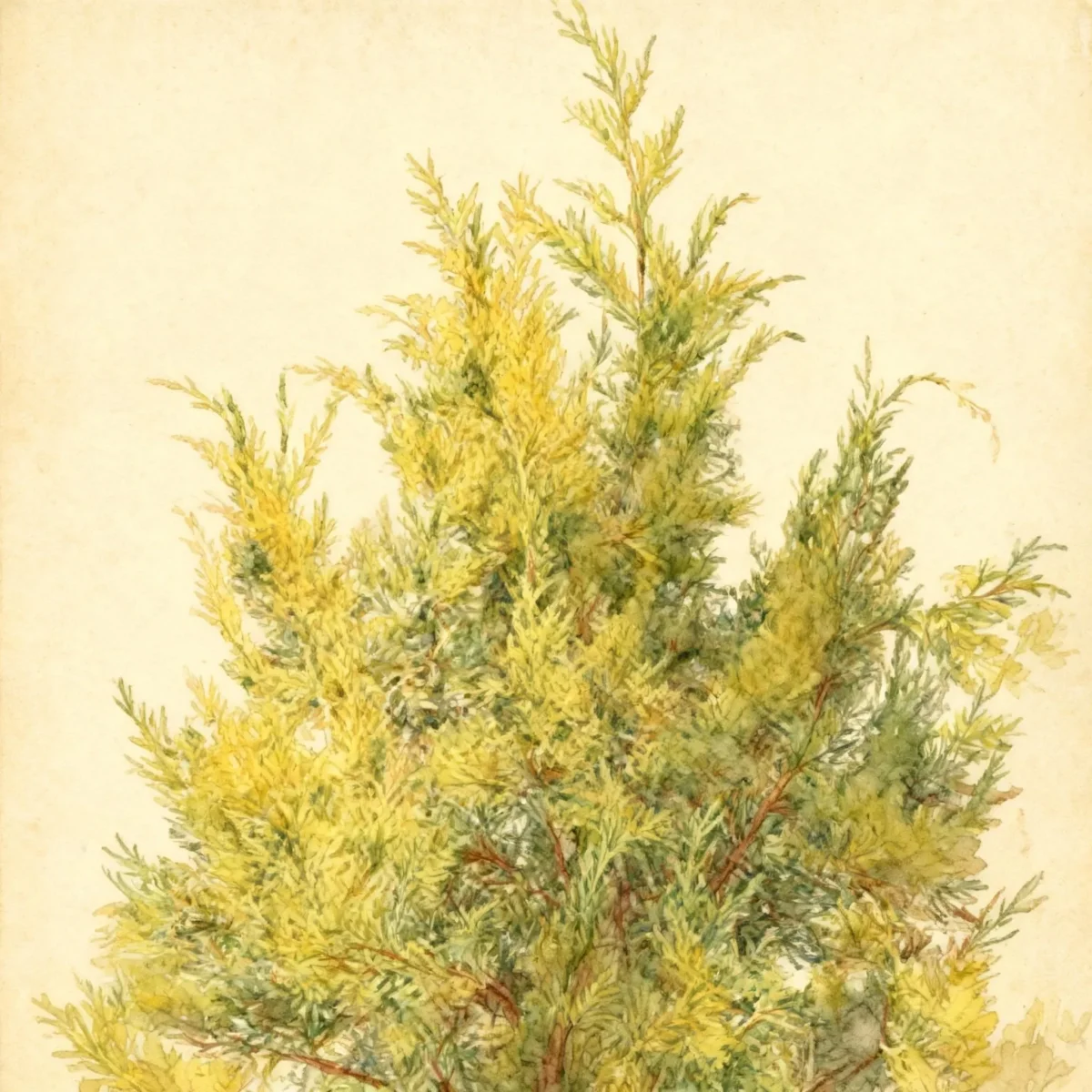
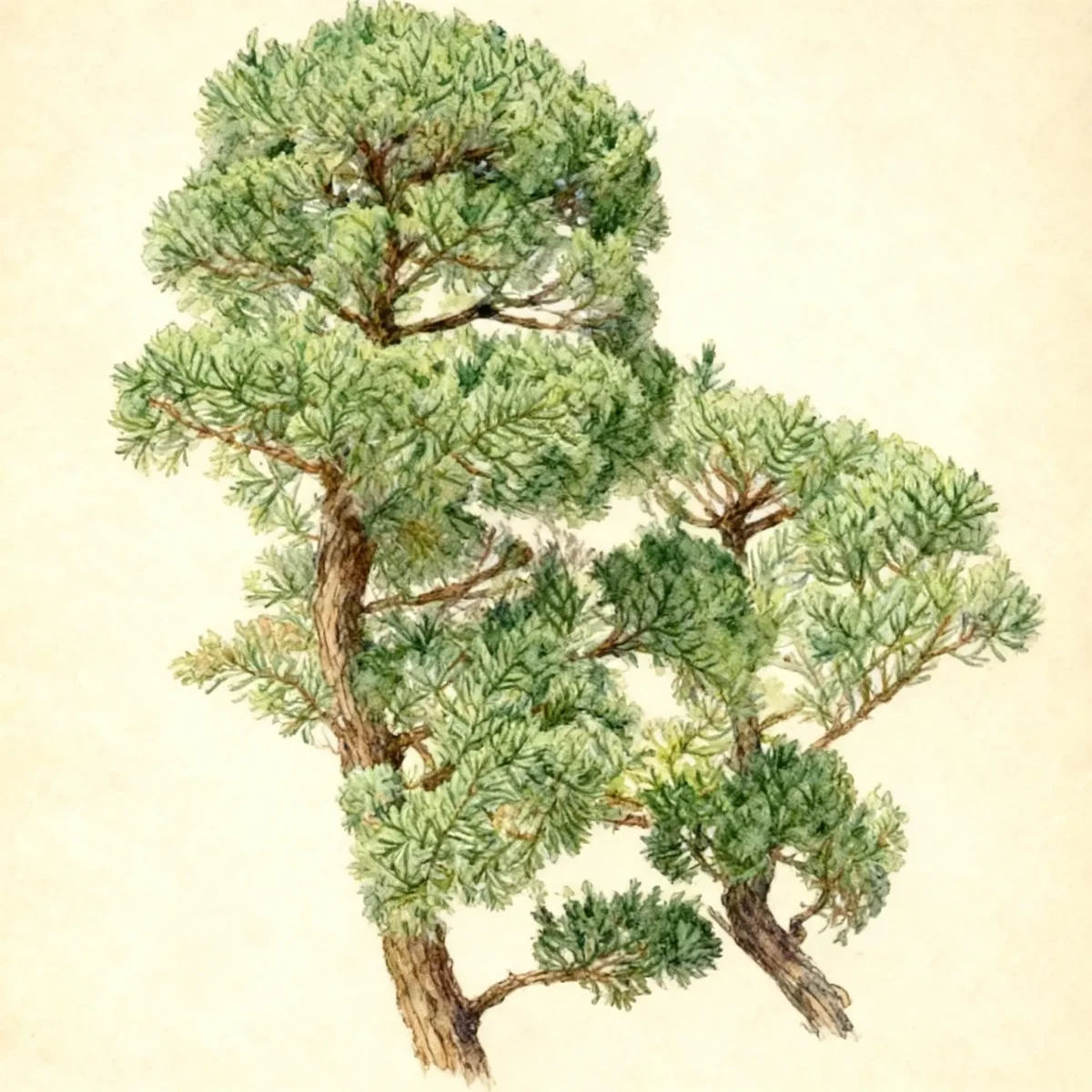
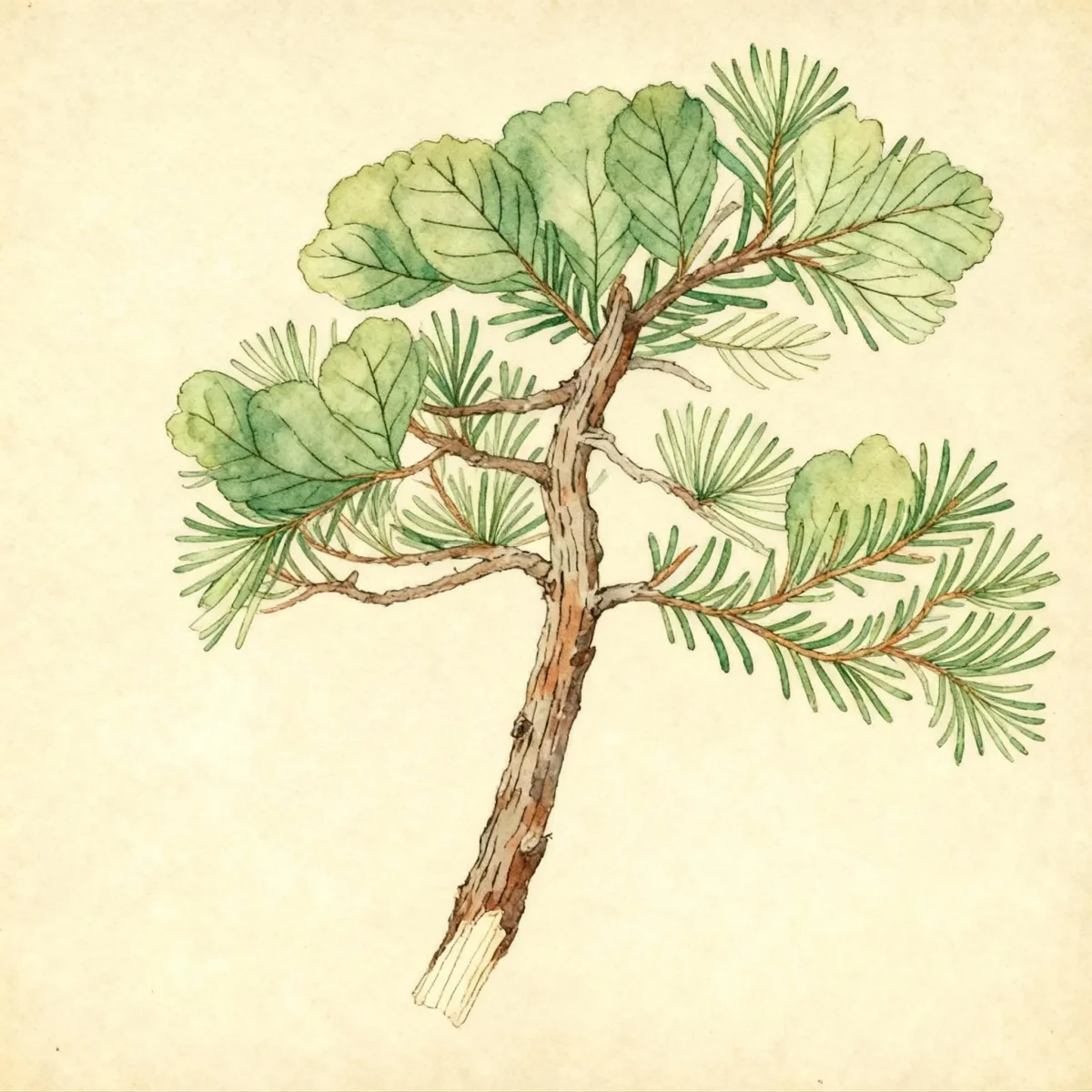
Juniperus chinensis, commonly called Chinese juniper, is a dioecious evergreen conifer that is native to China, Japan, Mongolia and the Himalayas. It is often seen in the wild as a conical tree to 50’ tall and 20’ wide, but also appears in much shorter shrubby or spreading forms. Foliage is dark green, and brown bark on mature stems peels in strips. The leaves often present in two types: scale-like (adult) and awl/needle-like (juvenile), with fleshy seed cones maturing over two years.
Tolerances
- Deer
- Drought
- Erosion
- Dry Soil
- Shallow-Rocky Soil
- Black Walnut
- Air Pollution
Potential Problems
Junipers, including the Chinese juniper, are generally susceptible to several fungal diseases, most notably tip and needle blights, which cause browning and dieback of terminal growth. Prevent these by ensuring excellent site drainage and avoiding overhead watering late in the day, which keeps foliage wet overnight.
Cedar-apple rust and related rust diseases rely on junipers as an alternate host. If you observe orange, gelatinous spores forming on the foliage during wet spring weather, manage these by inspecting nearby apple or hawthorn trees, as treating one host can break the cycle.
Root rot is a significant concern, particularly in poorly drained or heavy clay soils that remain saturated. Canker can also attack bark or main stems, creating sunken, discolored areas. For structural issues and occasional insect pests like scale or bagworms, physical removal and appropriate horticultural oils offer effective management.
Frequently Asked Questions
What hardiness zones is Chinese juniper suitable for?
The Chinese juniper (Juniperus chinensis) is hardy and suitable for planting in USDA Zones 4 through 9.
How large does Chinese juniper grow?
Mature specimens can reach heights between 40 to 50 feet tall, with spreads typically ranging from 15 to 20 feet, though this varies significantly by cultivar.
What sun exposure does Chinese juniper need?
This evergreen requires full sun exposure to maintain dense foliage and robust health.
When does Juniperus chinensis bloom?
This plant is non-flowering, as it is a conifer producing cones rather than true flowers.
Conclusion
The enduring popularity of Juniperus chinensis stems from its incredible resilience, adapting to poor soils while providing essential, year-round evergreen structure. Whether you select a towering tree or a spreading groundcover cultivar, the Chinese juniper offers low-maintenance beauty for challenging landscapes. Before adding this species to your yard, confirm your local USDA hardiness zone compatibility and choose a site with excellent drainage.
Companion Planting
When selecting companions for the Chinese juniper, focus on species that share its preference for full sun and well-drained conditions. Plants that thrive in dry to medium soil moisture levels will ensure less competition and stress across the planting bed. Consider pairing the dark green foliage of the juniper with deciduous shrubs that offer brilliant fall color, such as certain varieties of sumac (Rhus) or smoke bush (Cotinus).
For textural contrast in rock gardens or xeriscape designs, pair low-growing juniper forms with drought-tolerant perennials like Sedum, Lavender (Lavandula), or ornamental grasses such as Blue Fescue (Festuca glauca). Avoid planting moisture-loving companions directly adjacent to the base of your juniper, as this increases the risk of root rot fungal issues for both plants.
Wildlife Benefits
Although junipers are not the prime source of nectar for bees, the female Chinese juniper produces small, fleshy, berry-like cones that ripen to a whitish-blue or violet-brown tone. These persistent cones provide a valuable, though sometimes secondary, winter food source for various bird species when other berries have been depleted.
The dense, year-round foliage provides crucial thermal cover for small birds and beneficial insects seeking refuge from harsh winter elements. Planting Juniperus chinensis near nesting areas can offer a degree of camouflage and shelter from predators, enhancing the biodiversity value of your landscape.