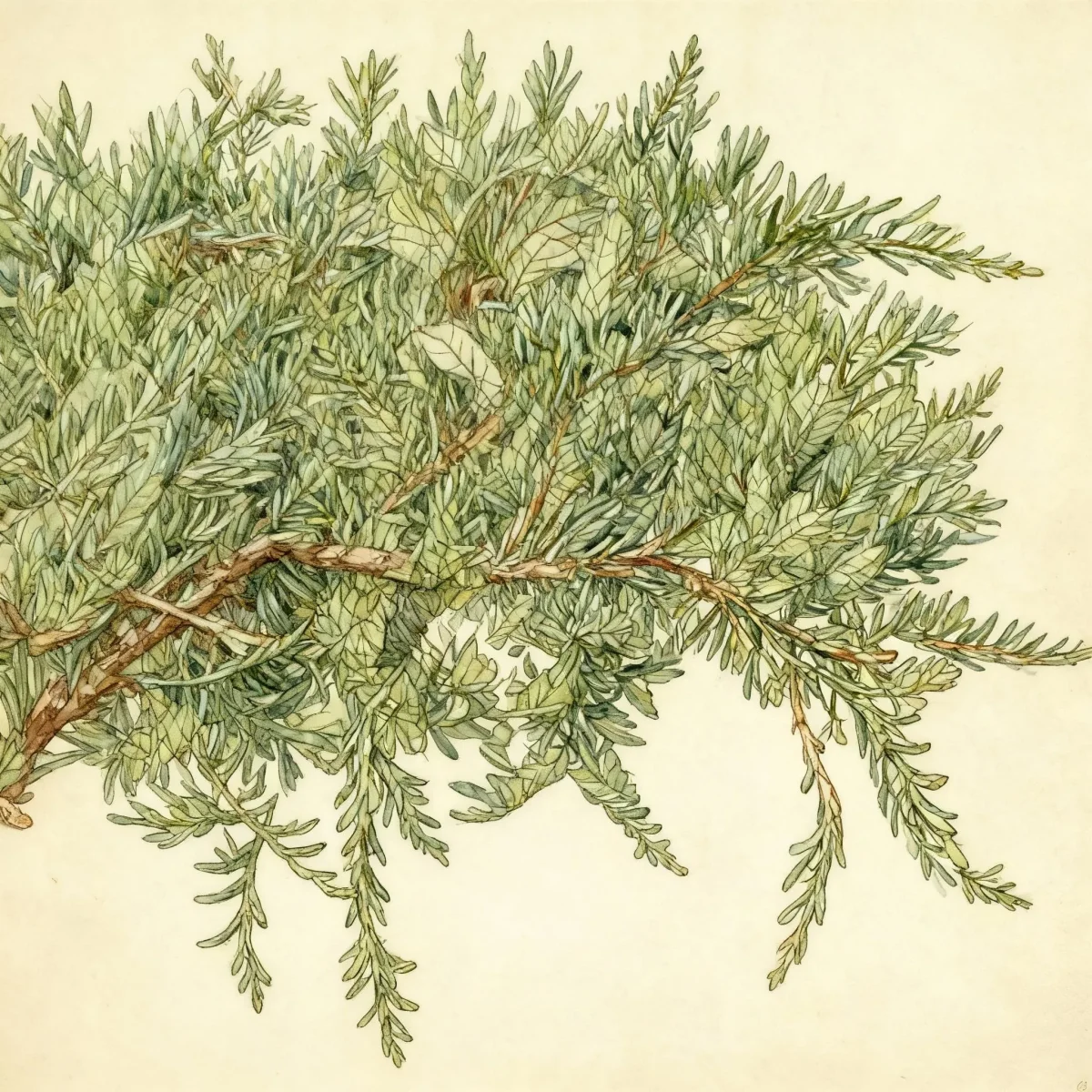
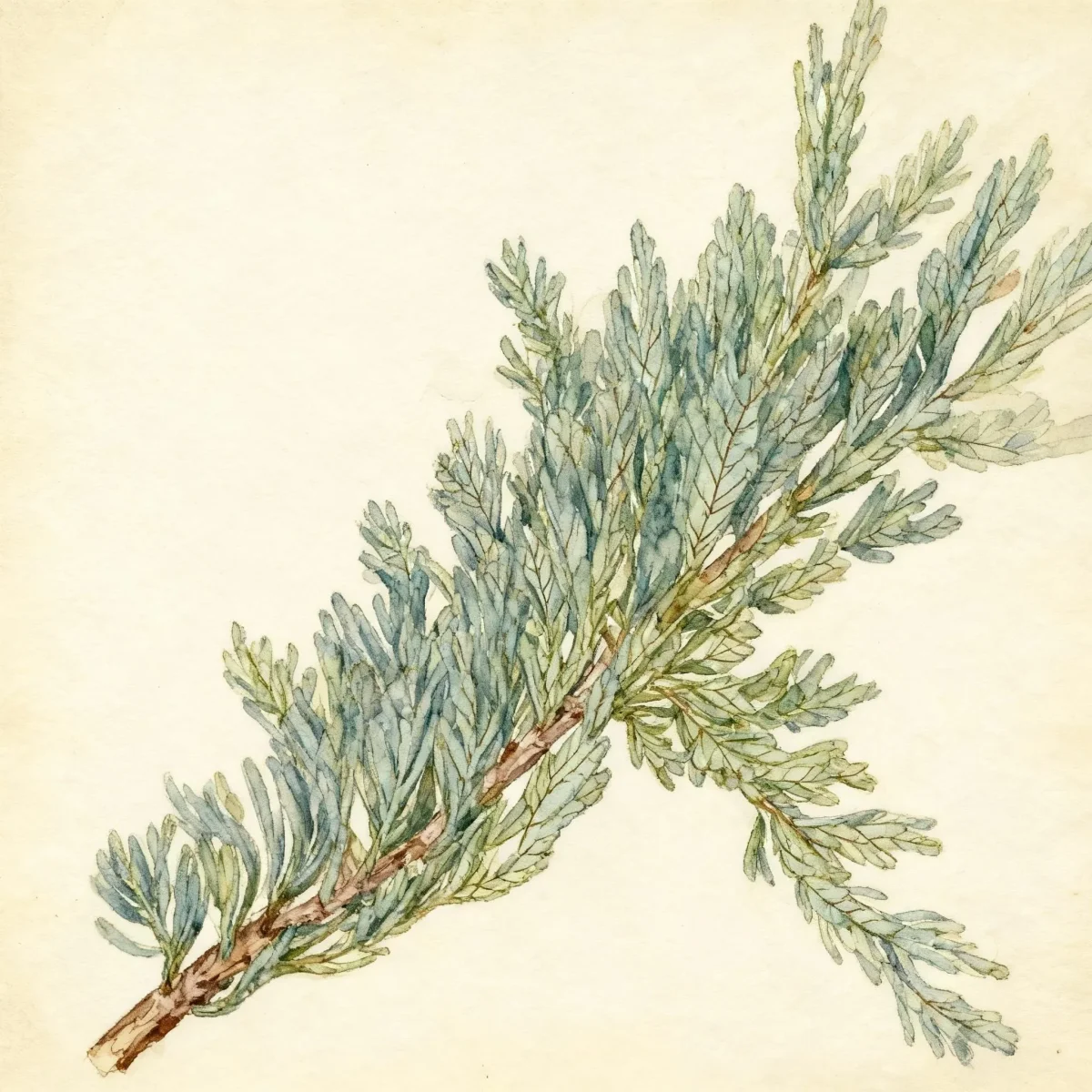
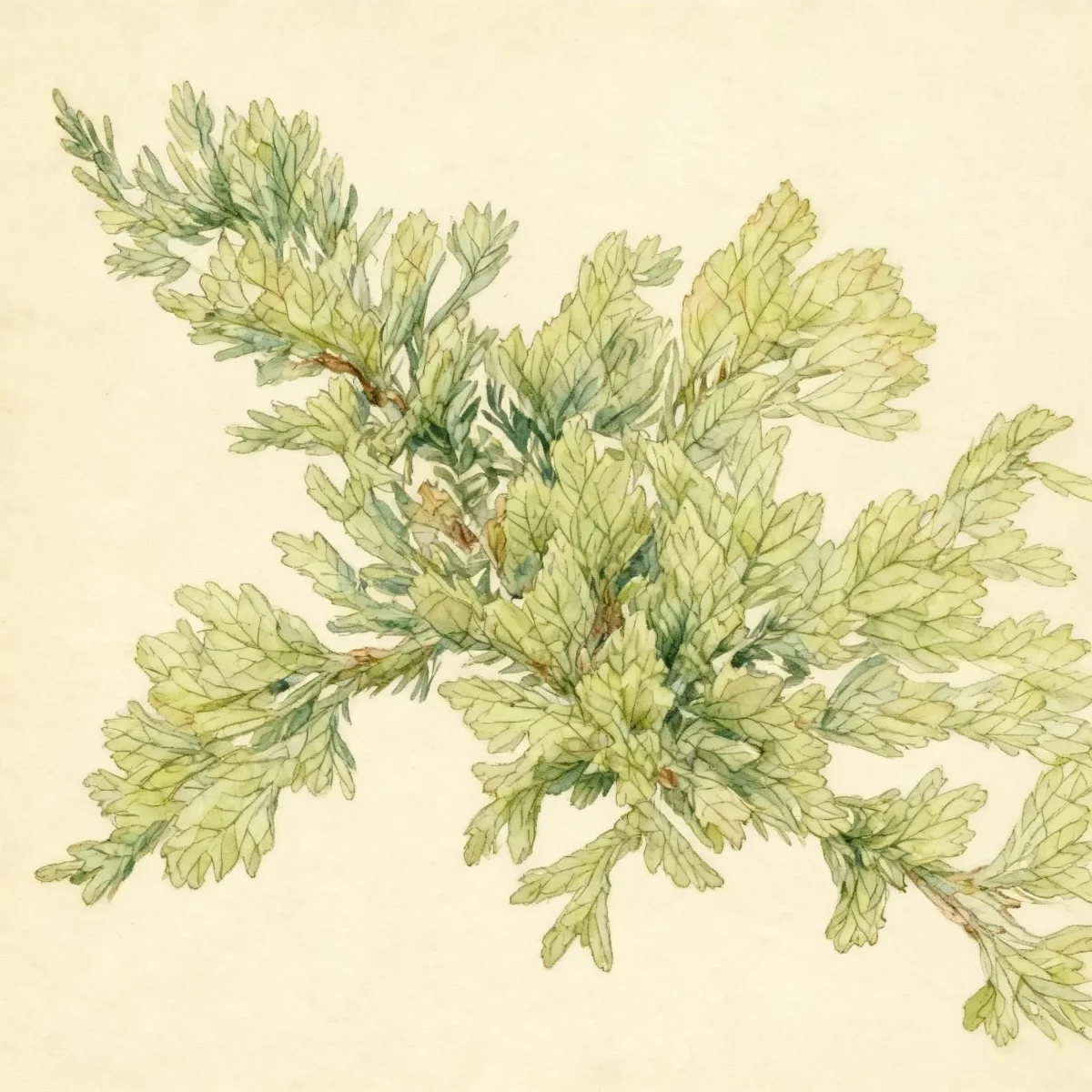
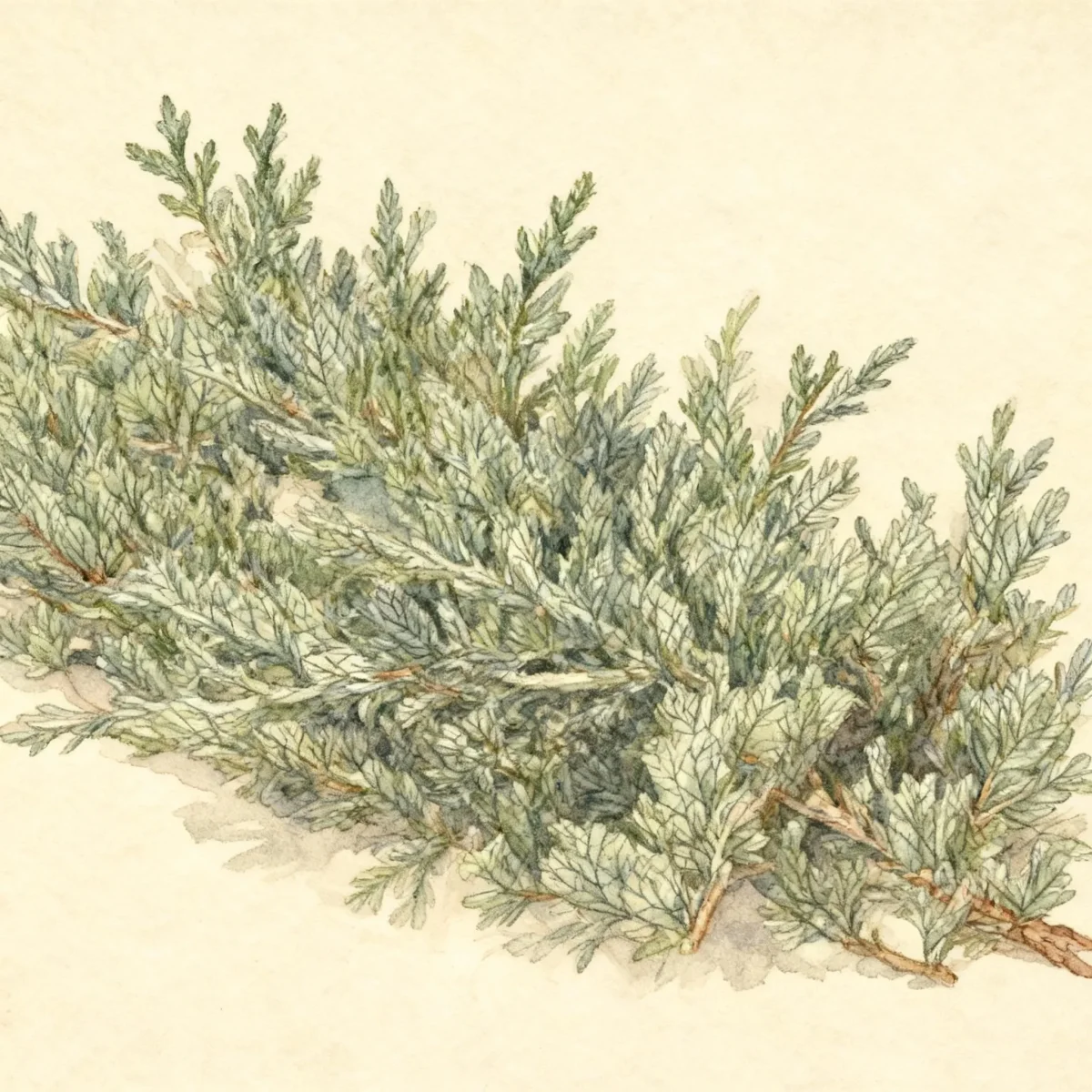
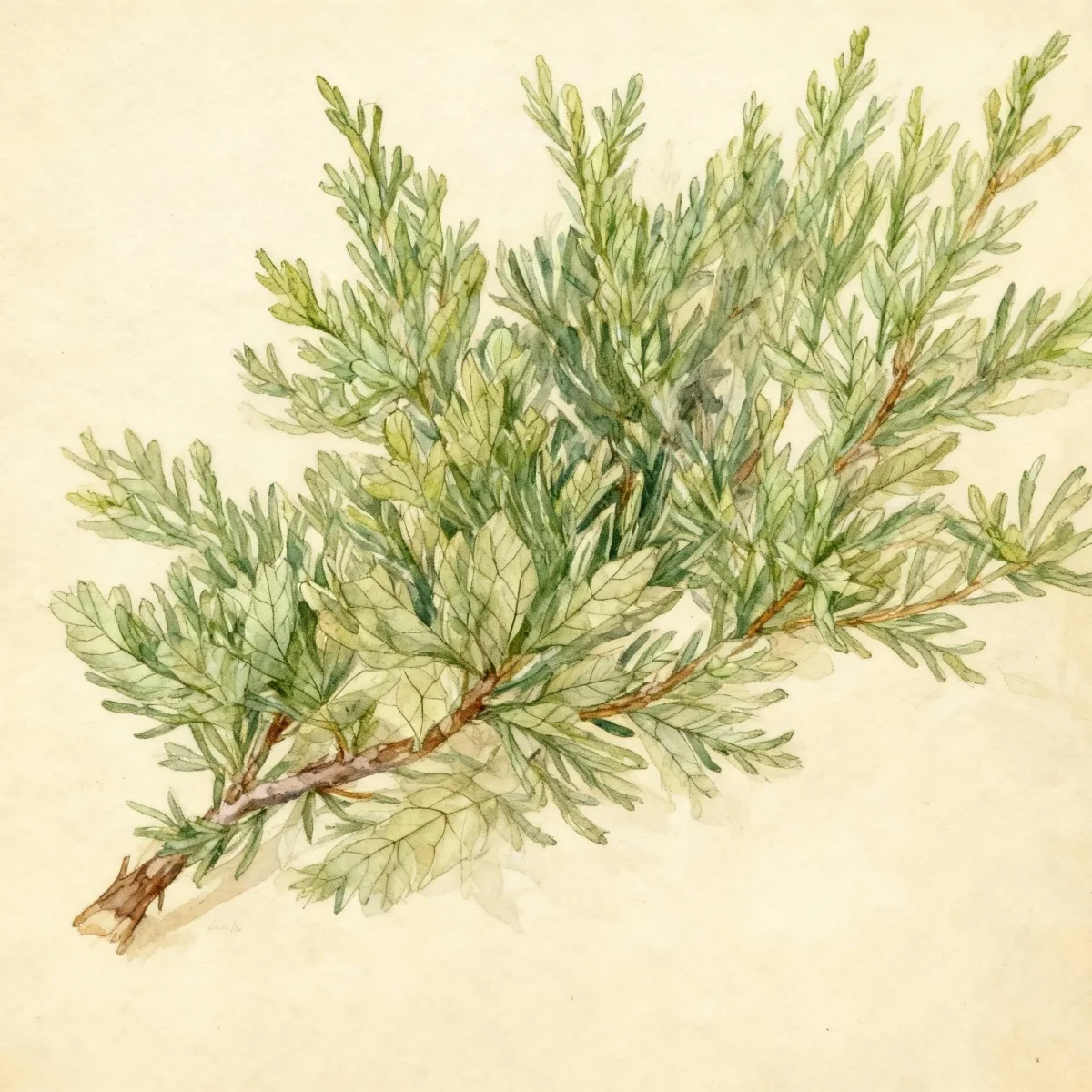
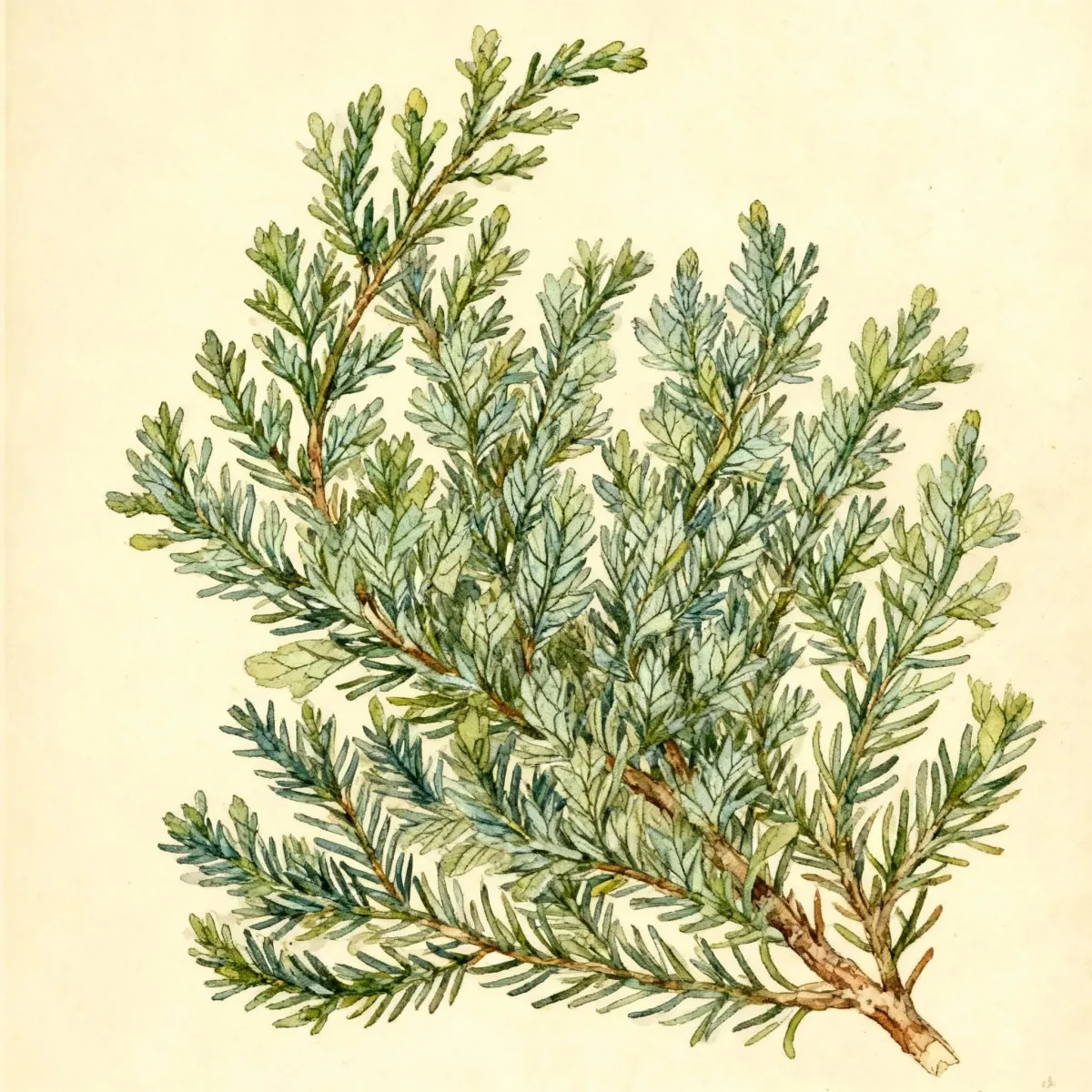
Creeping juniper (Juniperus horizontalis)
Juniperus horizontalis, the Creeping juniper, is a durable, low-maintenance needled evergreen perfect for ground cover and erosion control.
Scroll down to discover growing tips, care requirements, companion plants, and more
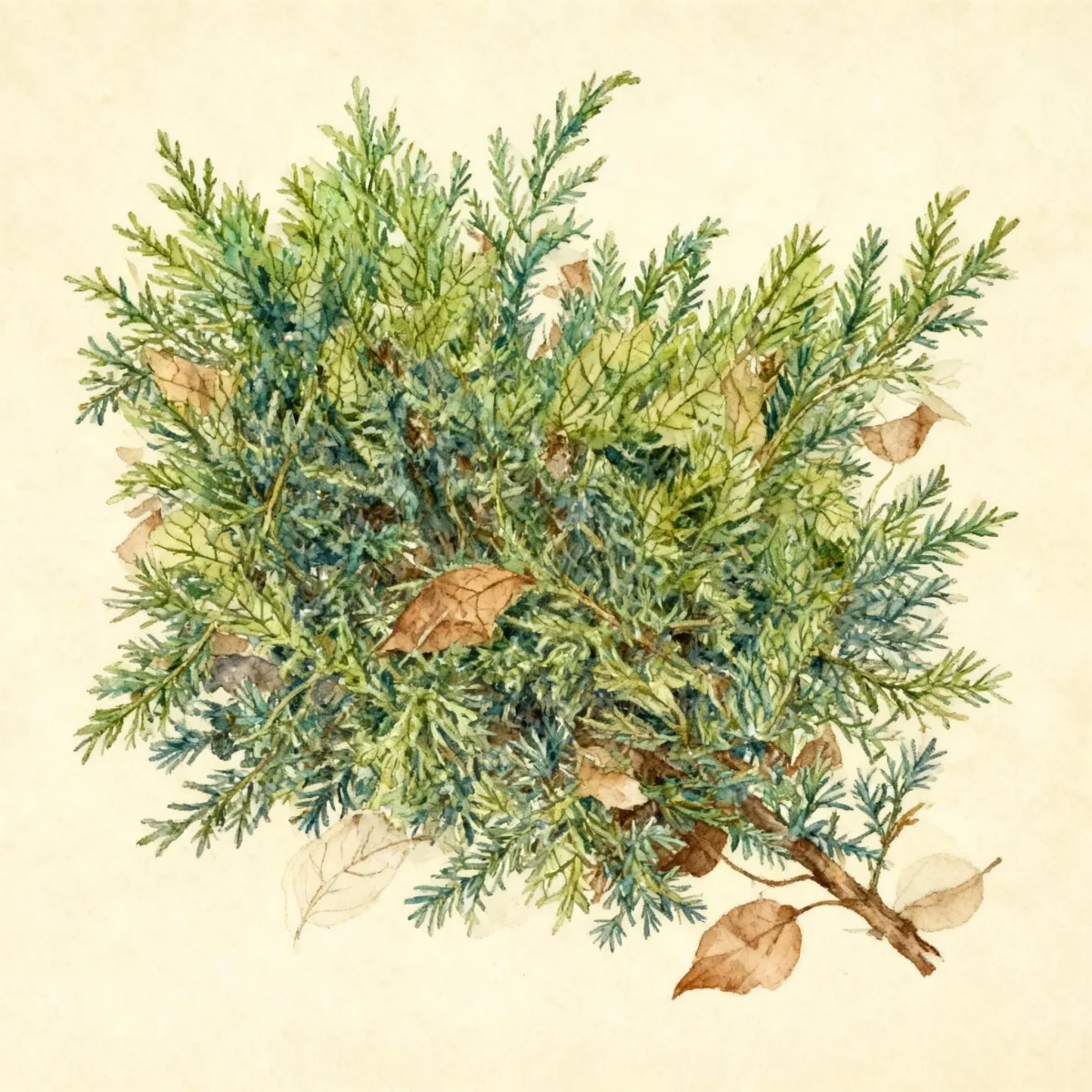
Complete Plant Information
Overview
The Creeping juniper (Juniperus horizontalis) is a foundational evergreen for difficult landscape situations, prized for its dense, spreading habit that hugs the ground. As a procumbent shrub native to North America, this species excels where other ornamentals fail. Its primary value lies in its exceptional hardiness and ability to form a thick, protective mat.
This hardy needled evergreen thrives across wide temperature ranges, establishing strong root systems in poor soils. Sunlight requirements are strict; consistently planting in full sun ensures the best color and density for your Juniperus horizontalis. The foliage, typically blue-green, often develops attractive purple tones during cold winter months, providing year-round interest.
Gardeners rely on Juniperus horizontalis for its low-maintenance profile and functional use in erosion control. Whether carpeting large slopes or softening retaining walls, the Creeping juniper provides season-long texture and structure with minimal intervention once established.
Fast Facts
- Plant Family: Cupressaceae
- Plant Type: Needled evergreen
- Native Range: North America
- Hardiness Zones: USDA Zones 3-9
- Size at Maturity:
- Height: 0.5-1.5 ft
- Spread: 5-8 ft
- Bloom Time: Non-flowering
- Bloom Description: Non-flowering
- Sun Exposure: Full sun
- Water Needs: Medium
- Maintenance Level: Low
How to Grow
The ideal planting time for Juniperus horizontalis is either spring or early fall, allowing the root system to establish before temperature extremes. Ensure the selected location receives full sun exposure throughout the day. While adaptive, this juniper performs best in average, well-drained soils; it strongly prefers a dryish, sandy composition and actively dislikes wet or poorly draining conditions.
Water needs are medium, particularly during the first year after planting to help the roots anchor firmly. Once established, this drought-tolerant plant requires minimal supplemental irrigation, thriving even through hot, dry periods. Fertilizing is rarely necessary; overly rich soil can sometimes encourage leggier growth rather than dense coverage.
Pruning is generally unnecessary for maintaining the silhouette of the Creeping juniper. Should stems become unruly or damaged, pruning should occur in late winter or early spring before new growth begins. Be cautious to avoid disturbing the dense, horizontal structure too severely, as recovery can be slow in highly valued, mature specimens.
Landscape Uses
The most celebrated role for Juniperus horizontalis is its function as a dynamic ground cover. Its wide, sprawling habit makes it superior for mass planting on slopes, providing excellent erosion control where turfgrass struggles or maintenance access is difficult. This versatility extends to rock gardens, where its texture contrasts beautifully with stone, and along foundation lines where a dense, low planting is required.
Use the Creeping juniper to define the edge of retaining walls or to create low maintenance “rivers” of green across large landscape beds. Since it adapts well to poor, rocky ground and city pollution, it serves as an excellent structural element in challenging urban environments. It pairs well with other sun-loving, drought-tolerant perennials or low shrubs that offer contrasting foliage color, such as Sedum or low ornamental grasses.
Standout Features
Noteworthy Characteristics
Juniperus horizontalis, commonly called creeping juniper, is a procumbent evergreen shrub that is native to Alaska, Canada and the northern U.S. From New England to New York to the Great Lakes, Wyoming and Montana. It typically establishes a low groundcover rising only 6 to 18 inches tall but spreads widely via trailing branches to form a dense mat up to 10 feet wide. Foliage transitions from green to blue-green, often acquiring rich purple tones when winter temperatures drop.
Tolerances
- Deer
- Drought
- Erosion
- Shallow-Rocky Soil
Potential Problems
Juniperus horizontalis is generally robust, exhibiting no serious insect or disease problems when sited correctly. The primary threat comes from improper drainage; root rot is a significant risk if the soil remains consistently wet. In exceptionally rainy or humid springs, junipers can suffer from blights, which cause dieback at the stem tips.
To manage potential disease, ensure superior soil drainage and adequate air circulation around the plants. Cedar-apple rust diseases commonly cycle through junipers, so monitor for fungal growth, especially if apple or pear trees are nearby. Insect pests like scale, aphids, and spider mites can occasionally appear; treat localized infestations promptly with horticultural oil or insecticidal soap.
Frequently Asked Questions
What hardiness zones is Creeping juniper suitable for?
The Creeping juniper is extremely hardy and suitable for USDA Zones 3 through 9.
How large does Juniperus horizontalis grow?
It typically maintains a low profile, growing only 0.5 to 1.5 feet in height, but it spreads vigorously to widths between 5 and 8 feet.
What sun exposure does Creeping juniper need?
This needled evergreen requires a location that receives full sun for optimal health and density.
When does Creeping juniper bloom?
Juniperus horizontalis is classified as non-flowering; it produces inconspicuous fleshy seed cones instead of showy blossoms.
Conclusion
The Creeping juniper (Juniperus horizontalis) is an indispensable element for durable landscaping, offering excellent erosion control and year-round texture with minimal effort. Its tolerance for drought and poor soils makes this Juniperus horizontalis a reliable choice for challenging sites. Before planting, verify that your site offers full sun and well-drained soil to ensure years of low-maintenance coverage.
Companion Planting
When selecting neighbors for your Creeping juniper, focus on other plants that share a preference for full sun and drought tolerance once established. Species that offer a textural contrast are highly effective, as the fine needles of the juniper can be complemented by broad-leaved groundcovers or mounding perennials. Consider pairing it with low-growing ornamental grasses or various cultivars of low Sedum or creeping thyme. These companions thrive in similar dry, sunny conditions, creating a tapestry of color and texture that requires little supplemental water.
Design Ideas for Erosion Control
Mass planting is where Juniperus horizontalis truly shines, especially on slopes too steep or long for routine mowing. Planting these evergreens closely together allows their trailing branches to interlock rapidly, forming a tight, impenetrable mat that binds the soil against rain runoff. For retaining walls, allow the branches to cascade over the edge; this softens the hard lines of stone or timber while stabilizing the structure uphill. Using multiple varieties of Creeping juniper can introduce subtle color shifts—mixing blue-green forms with bronze or gold-tipped cultivars—for seasonal variation without compromising the essential erosion benefits.