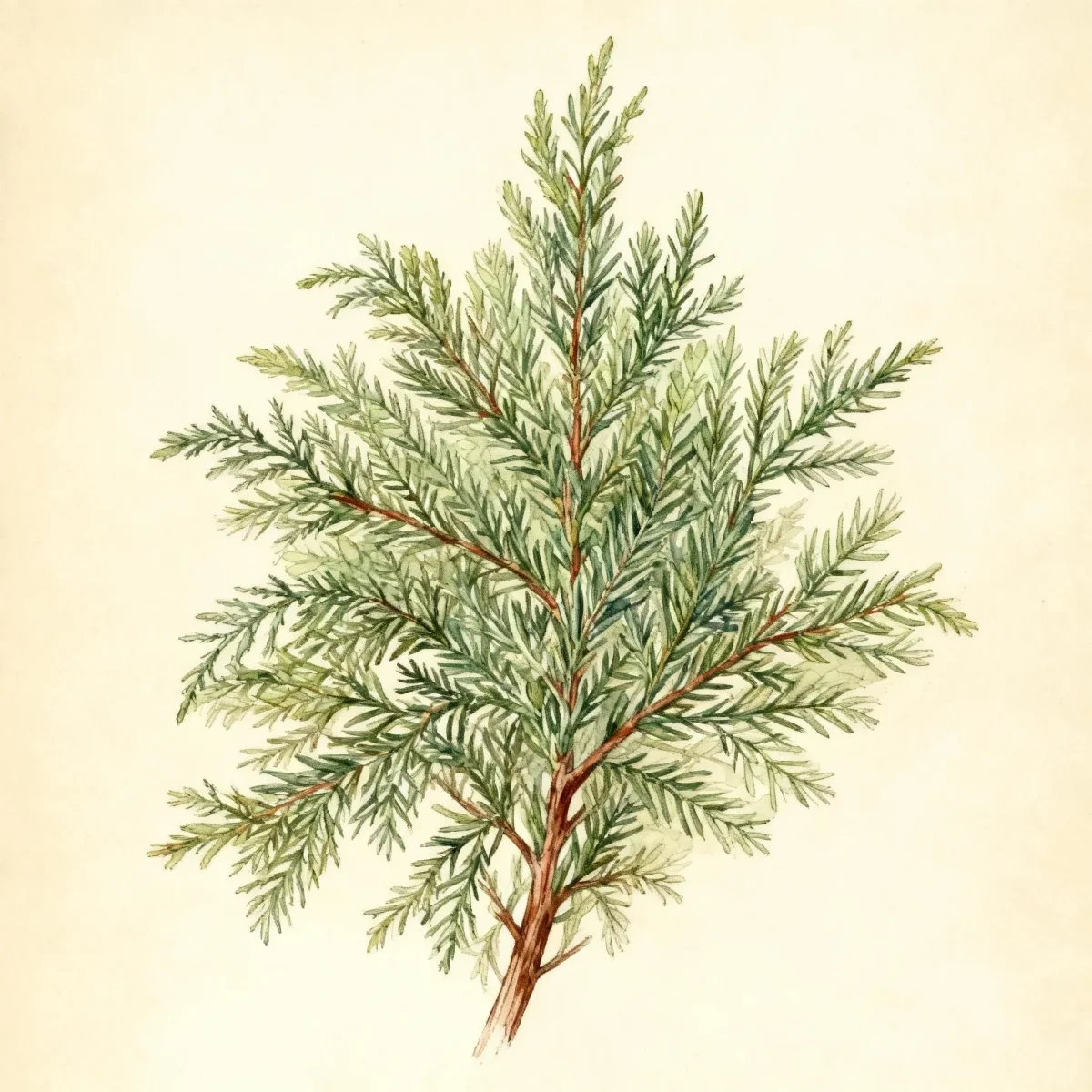
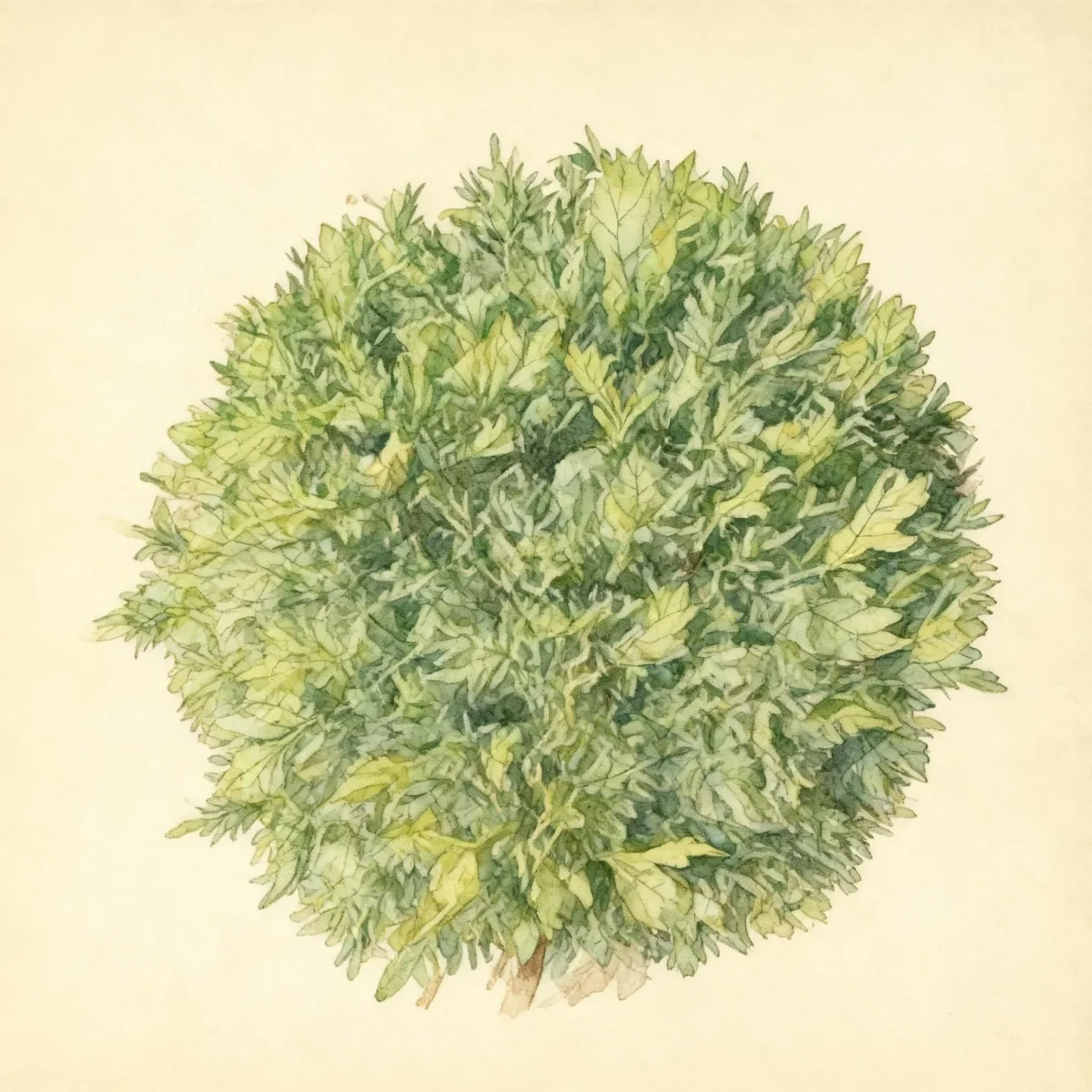
Red cedar (Juniperus virginiana)
Majestic Red cedar (Juniperus virginiana) is a tough, low-maintenance conifer native to Eastern North America, offering year-round screen appeal and wildlife value.
Scroll down to discover growing tips, care requirements, companion plants, and more
Complete Plant Information
Overview
The Eastern red cedar, scientifically known as Juniperus virginiana, is a highly adaptable and iconic needled evergreen native across much of Eastern North America. Valued by gardeners for its dense, year-round structure and remarkable toughness, this tree provides excellent screening and winter interest where many other conifers struggle. It is a dioecious species, meaning gardeners should note whether they have male trees (which produce pollen) or female trees (which produce the attractive, small, berry-like cones).
Juniperus virginiana thrives in full sun and exhibits outstanding drought resistance, setting it apart from many other eastern conifers that require consistently moist conditions. Its ability to handle poor soils and environmental stresses makes it a cornerstone species for naturalized landscapes and challenging sites. The reddish-brown, shredding bark and aromatic heartwood further contribute to the appeal of this hardy species.
As a mature specimen, the Red cedar offers significant vertical accents, growing anywhere from 30 to 65 feet tall with a varied spread, making it useful for large properties or shelterbelts. The small, dark blue-green cones ripen in the fall and serve as a crucial food source for numerous bird species throughout the winter months.
Fast Facts
- Plant Family: Cupressaceae
- Plant Type: Needled evergreen
- Native Range: Eastern North America
- Hardiness Zones: USDA Zones 2-9
- Size at Maturity:
- Height: 30-65 ft
- Spread: 8-25 ft
- Bloom Time: Non-flowering
- Bloom Description: Non-flowering
- Sun Exposure: Full sun
- Water Needs: Dry to medium
- Maintenance Level: Low
How to Grow
Planting Juniperus virginiana is straightforward, ideally done in spring or fall outside of deep freezes. Select sites that receive full sun exposure, as insufficient light can lead to poor density and increased susceptibility to disease. While this species is famously adaptable, it excels in average, well-drained soils—essential whether the soil is moist or dry. Critically, while it tolerates swampy areas, it remains intolerant of constantly wet ground conditions.
Care for the Red cedar is minimal once established due to its exceptional drought resistance, which is among the best of all eastern U.S. conifers. Avoid excessive fertilization, as this plant prefers lean conditions. Pruning is generally unnecessary unless shaping for a specific architectural look; if shaping is required, best done during dormancy.
Seasonal attention should focus on monitoring for pests in the early growing season. New plantings require consistent watering until their root systems are fully established, though established specimens rarely need supplemental irrigation outside of severe, prolonged drought periods. This reliable growth pattern makes Juniperus virginiana a low-maintenance evergreen for the ambitious gardener.
Landscape Uses
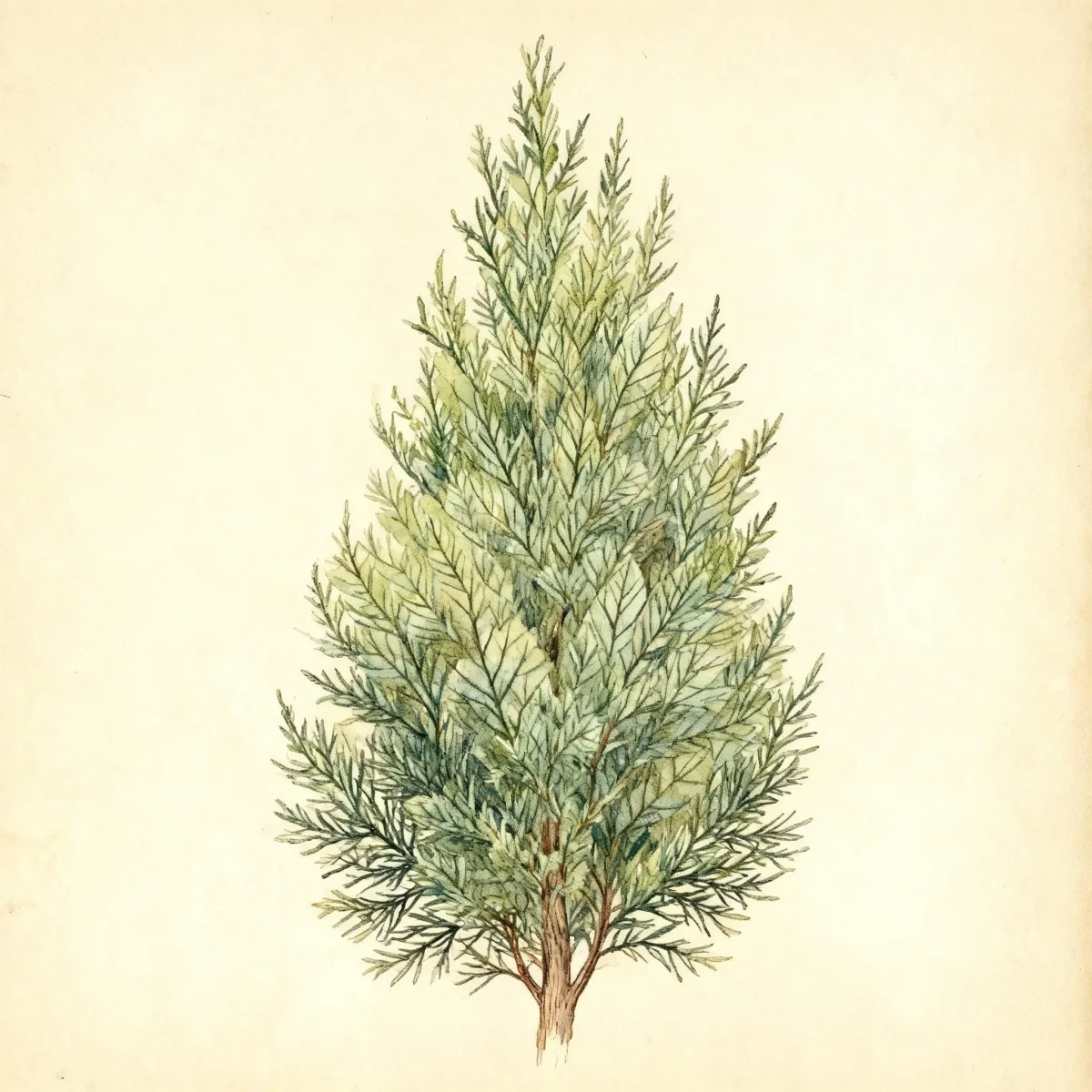
The Eastern red cedar is an indispensable asset for large-scale landscape planning. Its upright, often columnar habit excels when used as a towering landscape specimen, providing immediate verticality and structure in winter landscapes. Furthermore, its dense growth naturally lends itself to creating very large, effective screens or windbreaks, particularly effective along property lines or bordering noisy roadways.
When planning your garden, consider the strong screening capabilities of the Red cedar. However, a critical recommendation for its use is avoidance near apple trees. This caution stems from the plant’s susceptibility to Cedar apple rust, a disease that requires an alternate host (like apples or hawthorns) to complete its reproductive cycle.
For aesthetic pairings, group Juniperus virginiana with slower-growing, fine-textured shrubs or deciduous trees that offer seasonal color contrast against its dark blue-green foliage. Its tolerance for poor soil also means it serves well on tough slopes where erosion control is needed alongside simple ornamentation.
Standout Features
Fruit Qualities
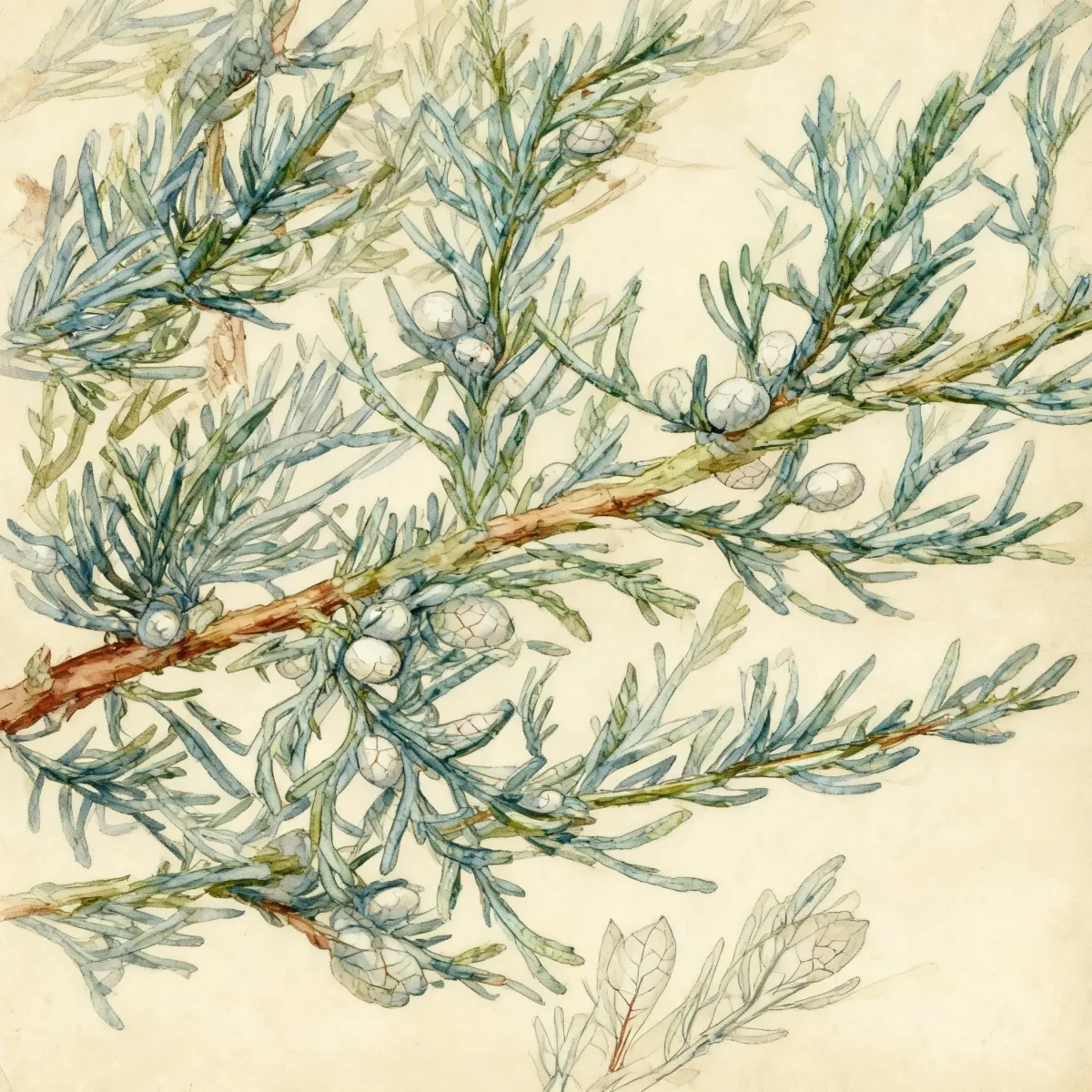
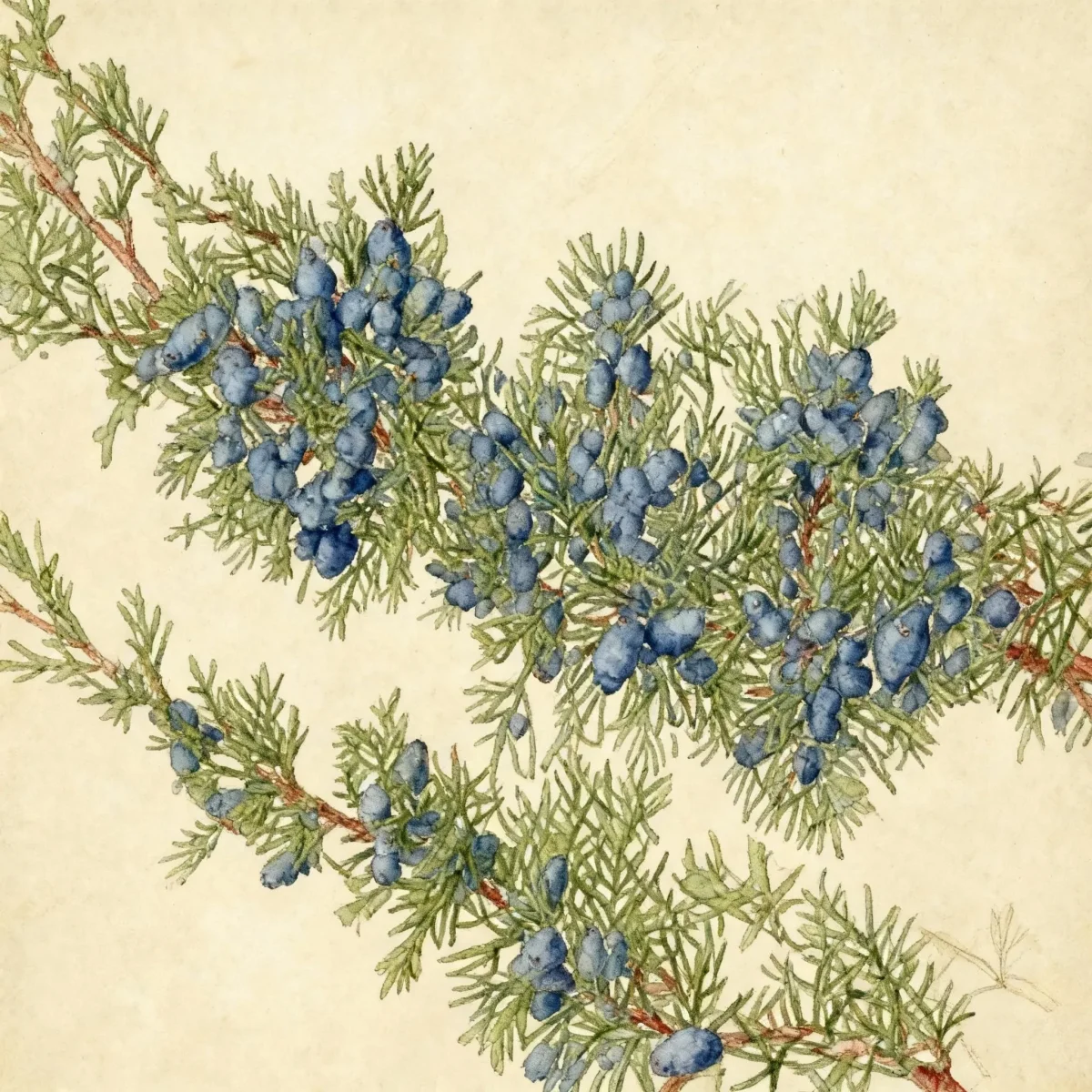
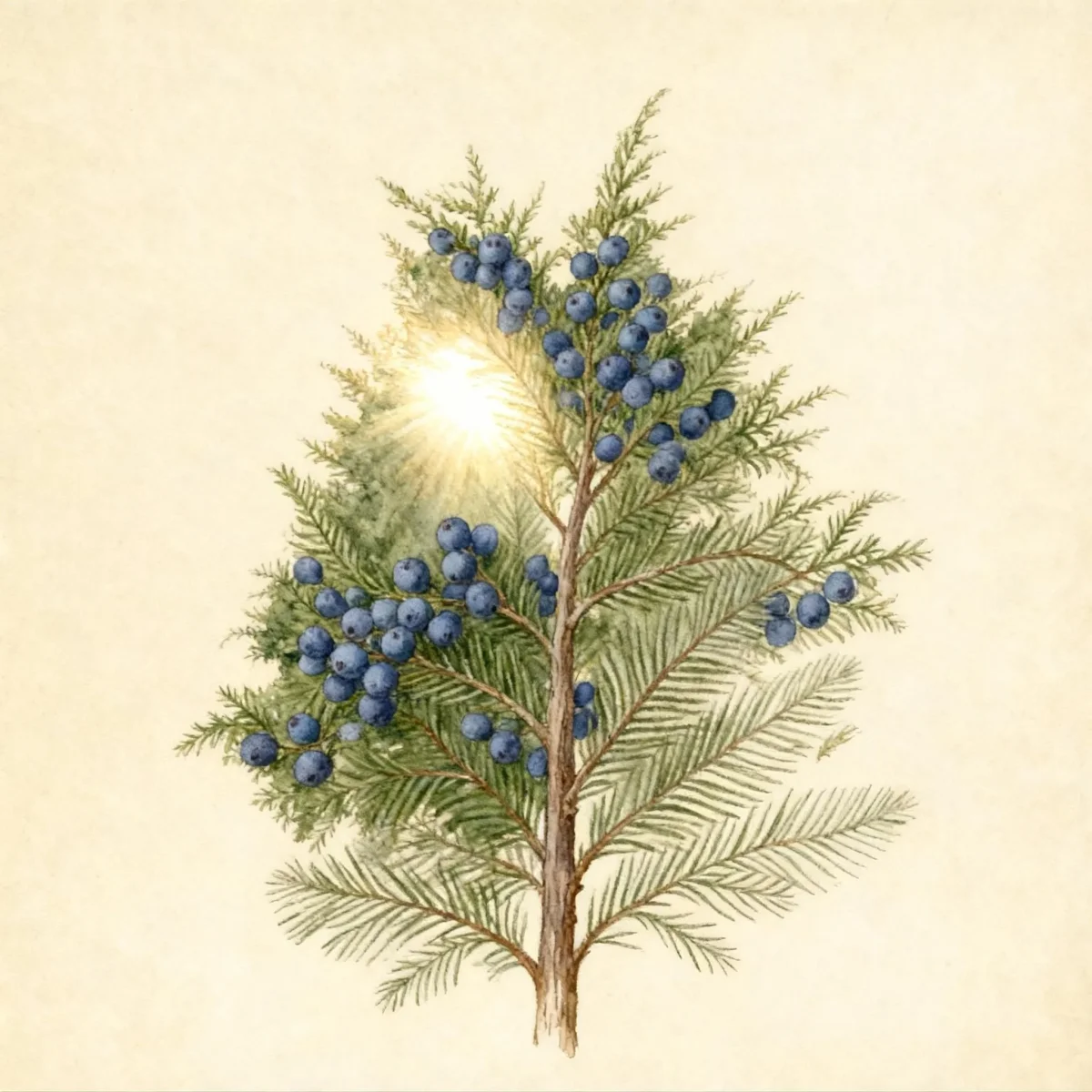
- Female trees produce round, gray to blackish-green berry-like cones (1/4” diameter) that ripen in fall the first year.
- Berry-like cones are attractive to many birds.
Noteworthy Characteristics
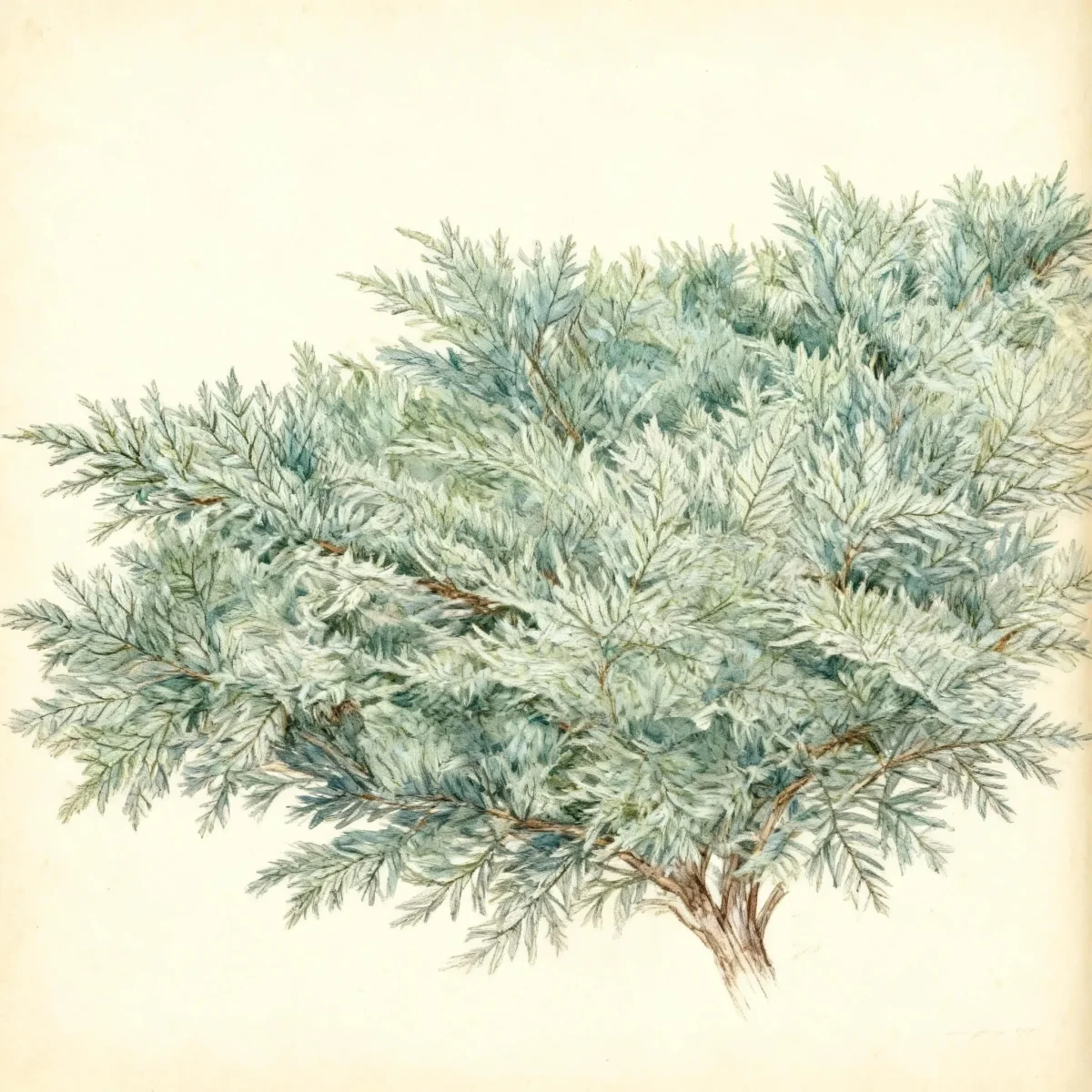
Juniperus virginiana, commonly called Eastern red cedar, is native to Missouri where it typically occurs on limestone bluffs and glades, wood margins, fields, pastures and fence rows throughout the state except for the southeastern lowlands (Steyermark). It is a broadly conical, sometimes columnar, dense, evergreen conifer with horizontal branching that typically grows to 30-65’ tall. Gray to reddish-brown bark exfoliates in thin shreddy strips on mature trees. Heartwood is reddish-brown and aromatic, and is commonly used for cedar chests.
Tolerances
- Deer
- Drought
- Erosion
- Dry Soil
- Shallow-Rocky Soil
- Black Walnut
- Air Pollution
Potential Problems
Cedar apple rust is a common problem for many different junipers, requiring caution if apple trees are nearby. Susceptibility also includes twig blight and scale insects, which can weaken the tree, especially if it is already stressed or overcrowded. Gardeners should regularly watch for bagworms, which can chew significant portions of the needle-like foliage.
Management focuses primarily on preventative measures, especially regarding the fungal rust. Ensure good air circulation around the Juniperus virginiana specimen and avoid planting it near susceptible Rosaceae family members like apple or crabapple. Treating scale or mite infestations may require dormant oil applications or targeted insecticidal soap treatments early in the season before major damage occurs.
Frequently Asked Questions
What hardiness zones is Red cedar suitable for?
Juniperus virginiana is highly adaptable and suitable for a wide range spanning USDA Zones 2 through 9.
How large does Red cedar grow?
When mature, this species typically reaches heights between 30 to 65 feet tall and spreads to between 8 and 25 feet wide.
What sun exposure does Eastern red cedar need?
Juniperus virginiana requires full sun exposure to develop dense, healthy foliage.
When does Red cedar bloom?
This plant is technically non-flowering, as it produces cones rather than traditional flowers; the cones mature on female trees in the fall.
Conclusion
The Red cedar, or Juniperus virginiana, stands out as a monument of resilience in the Eastern North American landscape, offering consistent evergreen structure and vital food sources for wildlife. Its superior tolerances for drought and poor soil classify it as a near-essential choice for gardeners seeking low-maintenance screening solutions. Before installing this majestic conifer, always confirm that your hardiness zone falls within USDA Zones 2-9 and ensure no apple trees are planted nearby to prevent disease issues.
Wildlife Benefits
The female trees of Juniperus virginiana produce small, waxy, berry-like cones that are essential winter forage for many avian species. Birds such as cedar waxwings, robins, and flickers rely heavily on these cones when other food sources become scarce in the colder months. Planting this native conifer directly contributes to local biodiversity and provides crucial shelter.
In addition to being a food source, the dense branching structure of the mature Red cedar offers excellent cover. The thick foliage provides year-round refuge from predators and harsh weather elements for smaller mammals and birds seeking nesting or roosting sites. Utilizing Juniperus virginiana in the landscape integrates functional beauty with direct ecological support.
Design Ideas
Due to its massive eventual size and strong vertical habit, Juniperus virginiana is best specified for larger landscapes or rural settings where its mature scale can be appreciated. In formal settings, select tightly columnar cultivars, though the species type lends itself better to naturalistic borders. Consider placing these trees where their dark green contrast can frame lighter-colored structures or deciduous plantings.
When using the Red cedar as a specimen, allow adequate space for its spread; planting it too closely to fences or other large trees will impede air circulation, potentially stressing the tree and worsening disease susceptibility. This is a tree that looks best when allowed to mature into its natural, broadly conical silhouette.