Lawson's cypress (Chamaecyparis lawsoniana)
Towering evergreen conifer, Lawson's cypress (Chamaecyparis lawsoniana) offers narrow pyramidal shape and appealing foliage in Zones 5-8.
Scroll down to discover growing tips, care requirements, companion plants, and more
Complete Plant Information
Overview
Chamaecyparis lawsoniana, commonly known as Lawson’s cypress, is a magnificent and imposing native conifer from Western North America. Recognized for its status as potentially the tallest member of the cypress family, this evergreen provides significant vertical interest in large landscapes. Gardeners should note that while the species reaches towering heights in its native habitat, cultivated specimens are often more manageable in size.
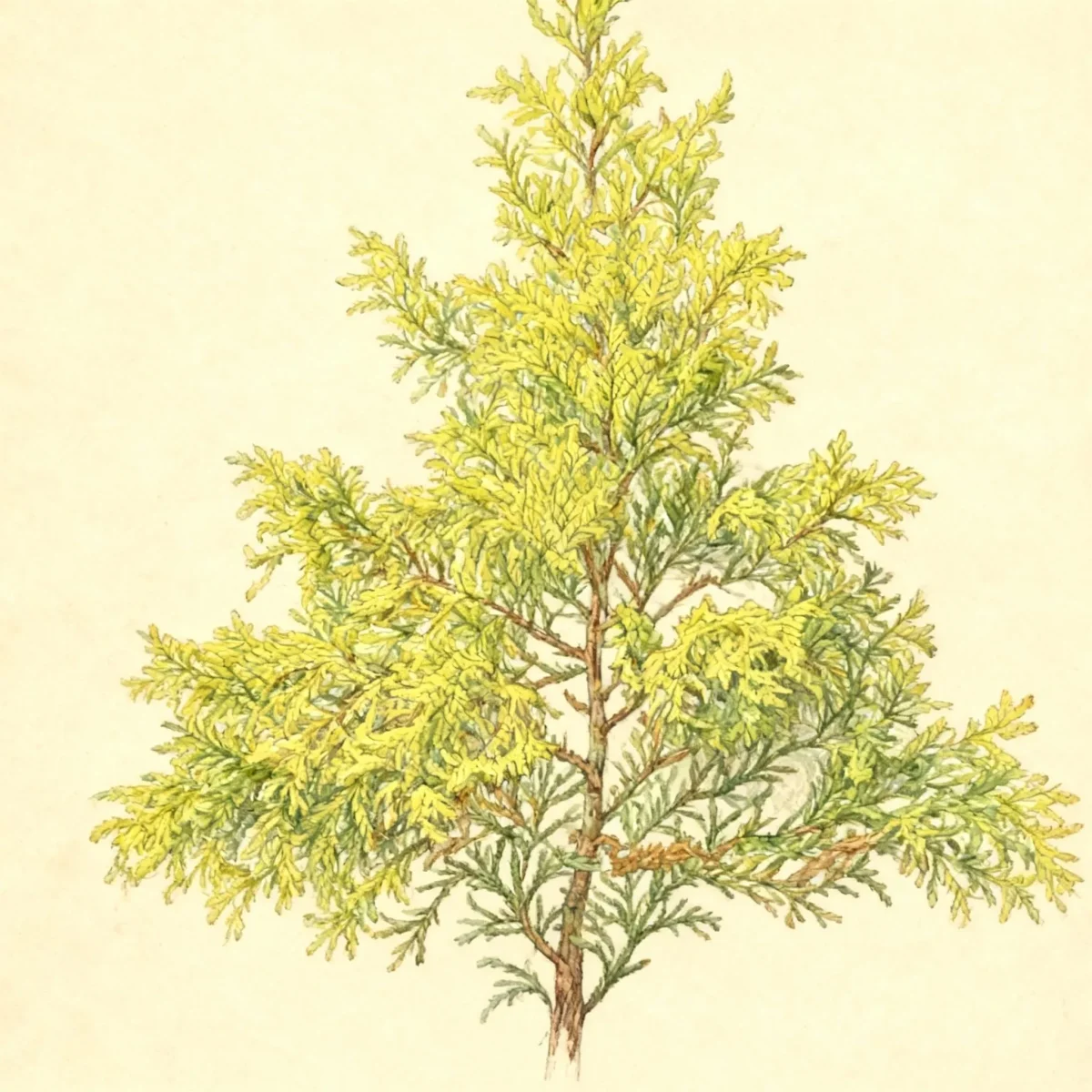
This tree offers year-round structure with its narrowly pyramidal form, short spreading branches, and fine-textured, scaly foliage. Chamaecyparis lawsoniana establishes itself best when provided with adequate space to mature, allowing its impressive stature to develop fully. It is valued by collectors and those designing large-scale naturalistic plantings.
Despite its majestic presence, the maintenance requirements for established Lawson’s cypress are generally low once situated correctly. Successful culture depends heavily on providing consistent moisture and excellent drainage, avoiding the saturated conditions that can lead to root problems.
Fast Facts
- Plant Family: Cupressaceae
- Plant Type: Needled evergreen
- Native Range: Western North America
- Hardiness Zones: USDA Zones 5-8
- Size at Maturity:
- Height: 110-175 ft
- Spread: 30-60 ft
- Bloom Time: Non-flowering
- Bloom Description: Non-flowering
- Sun Exposure: Full sun to part shade
- Water Needs: Medium
- Maintenance Level: Low
How to Grow
Planting this imposing conifer is best done in the early spring or fall when temperatures are mild, allowing the root system time to establish before summer heat or winter freezes. Chamaecyparis lawsoniana thrives in average, moist but well-drained soils. Ensure the site choice avoids areas prone to prolonged saturation, as poor drainage presents a significant cultural challenge.
Watering should be consistent, promoting medium soil moisture, especially during the first few years post-planting. Once established, this tree can tolerate some drier periods but performs best with regular deep watering during droughts. Fertilization is rarely required; focus instead on maintaining healthy soil conditions.
Pruning is rarely needed for the natural shape of established Lawson’s cypress. If shaping is desired, light trimming of stray branches can be done in late winter. Crucially, shelter this tall tree from strong winds, which can cause structural damage, particularly to younger specimens.
Landscape Uses
While the full-sized Chamaecyparis lawsoniana is infrequently seen due to its immense eventual size, it serves as a spectacular specimen tree in expansive parks or arboretums. Its formal, upright habit provides strong vertical accents when used as a backdrop or anchor in a large woodland garden scheme.
For most residential settings, gardeners seeking the aesthetic qualities of Lawson’s cypress should explore the many compact or dwarf cultivars available. These smaller varieties maintain the characteristic foliage and color patterns but remain suitable for larger borders, hedges, or even foundation plantings where space is limited. Companion plantings should include moisture-tolerant evergreens or deciduous trees that complement its fine texture yet do not aggressively compete for resources.
Standout Features
Noteworthy Characteristics
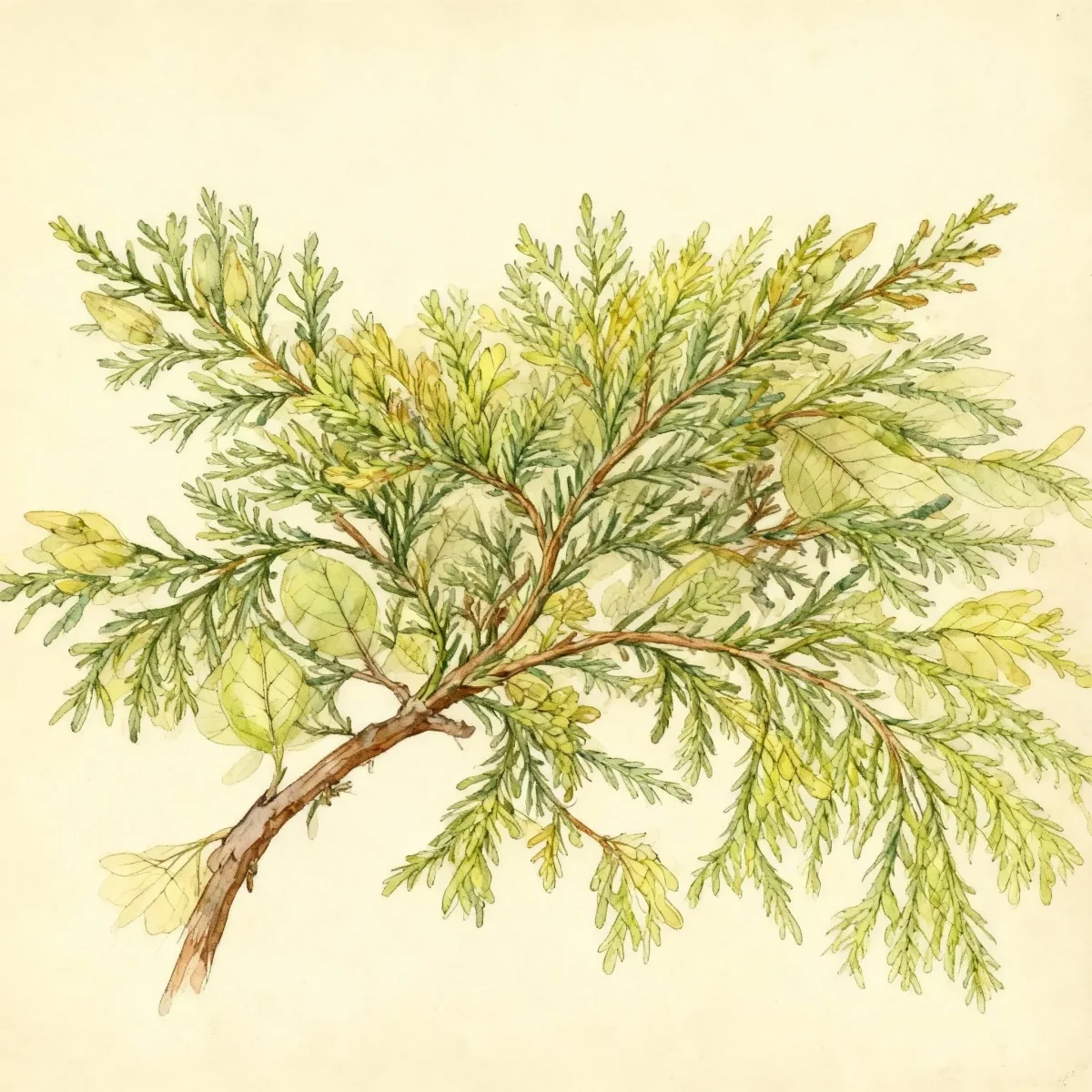
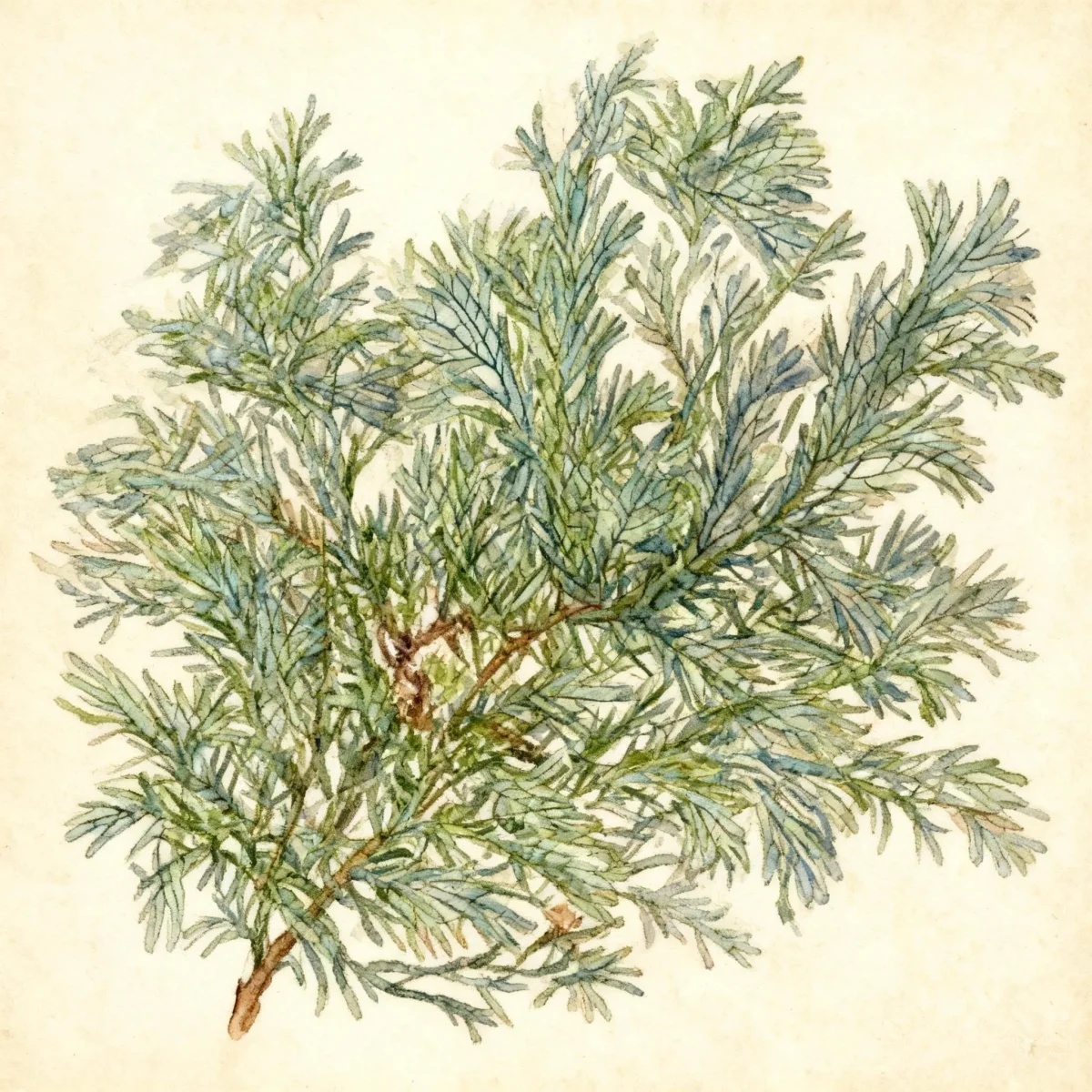
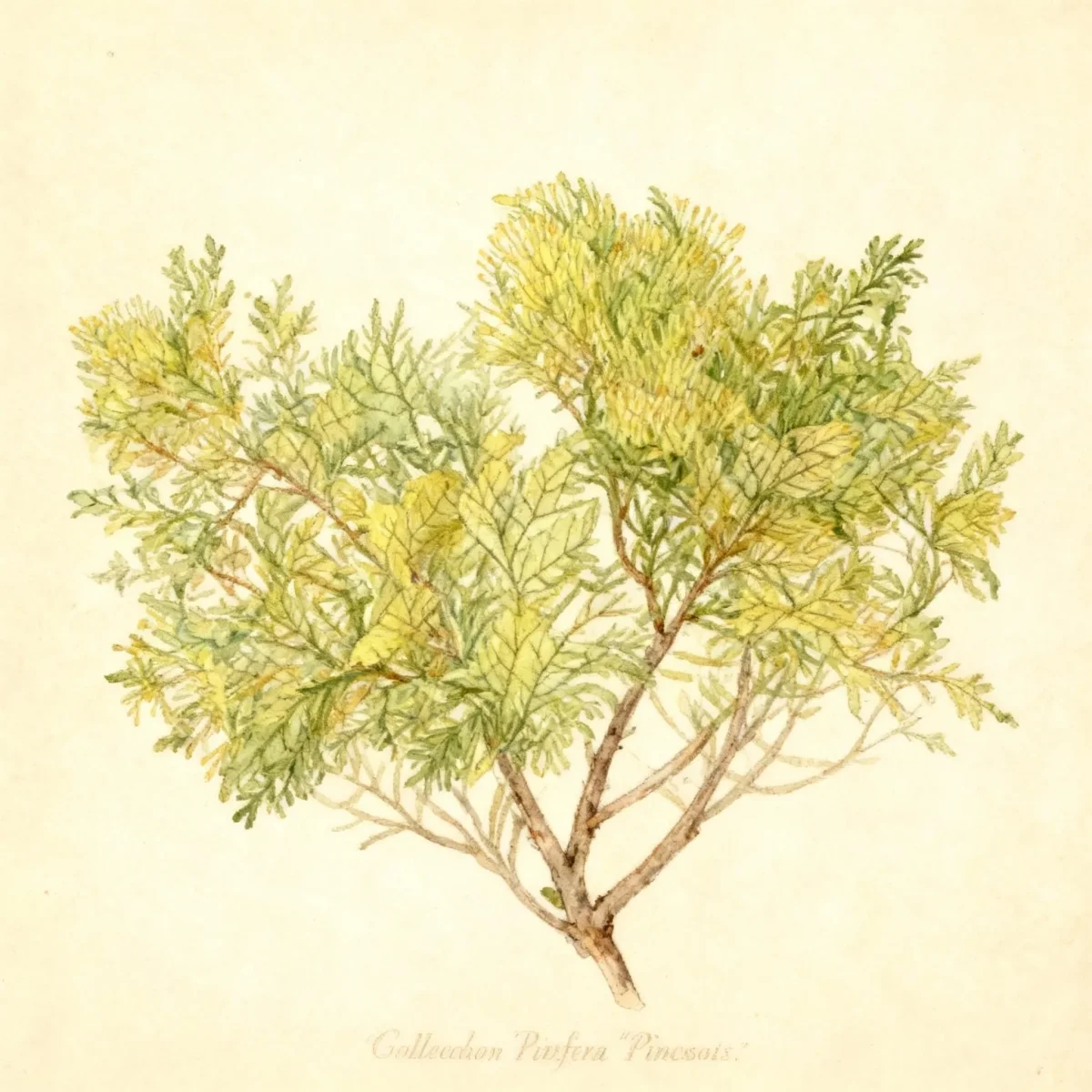
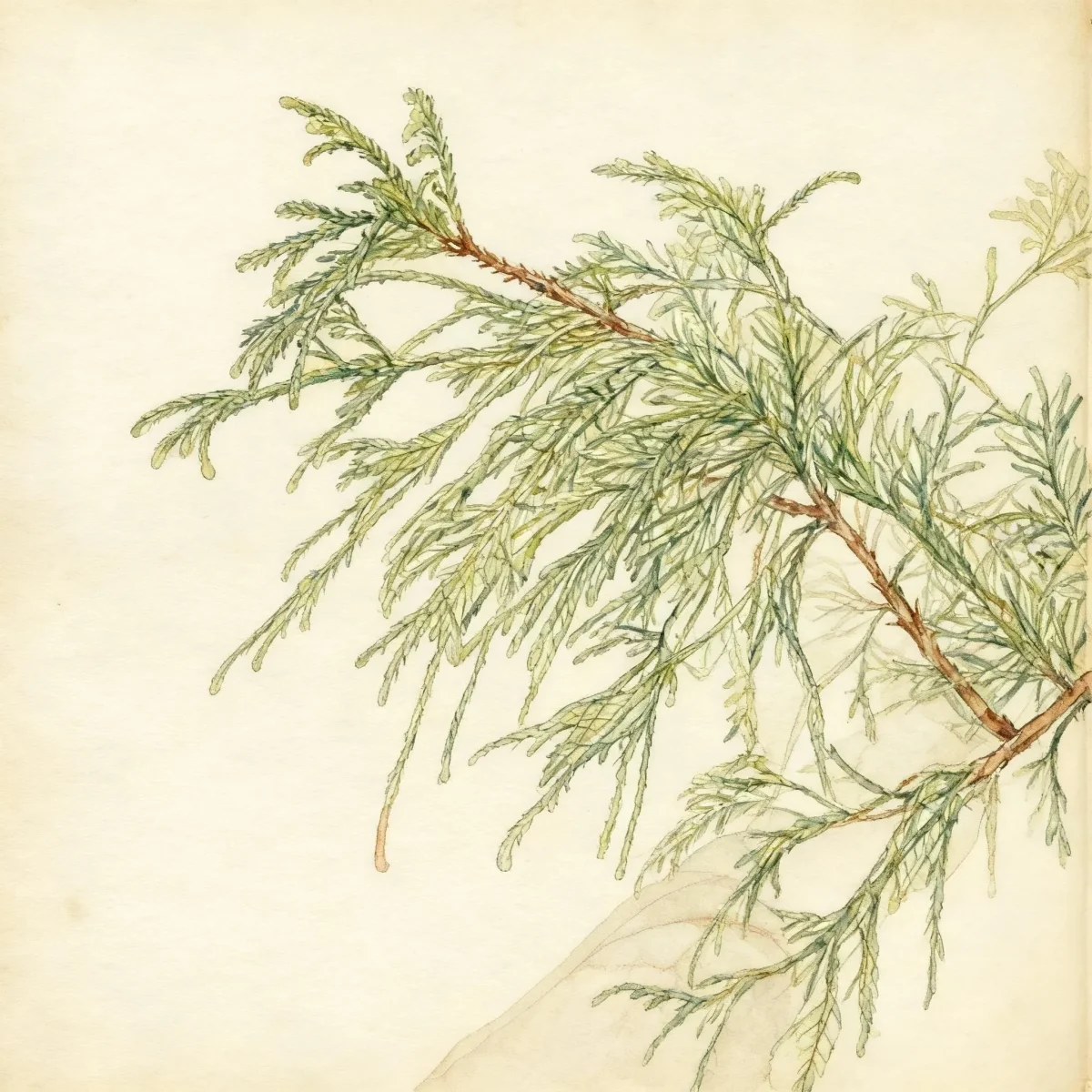
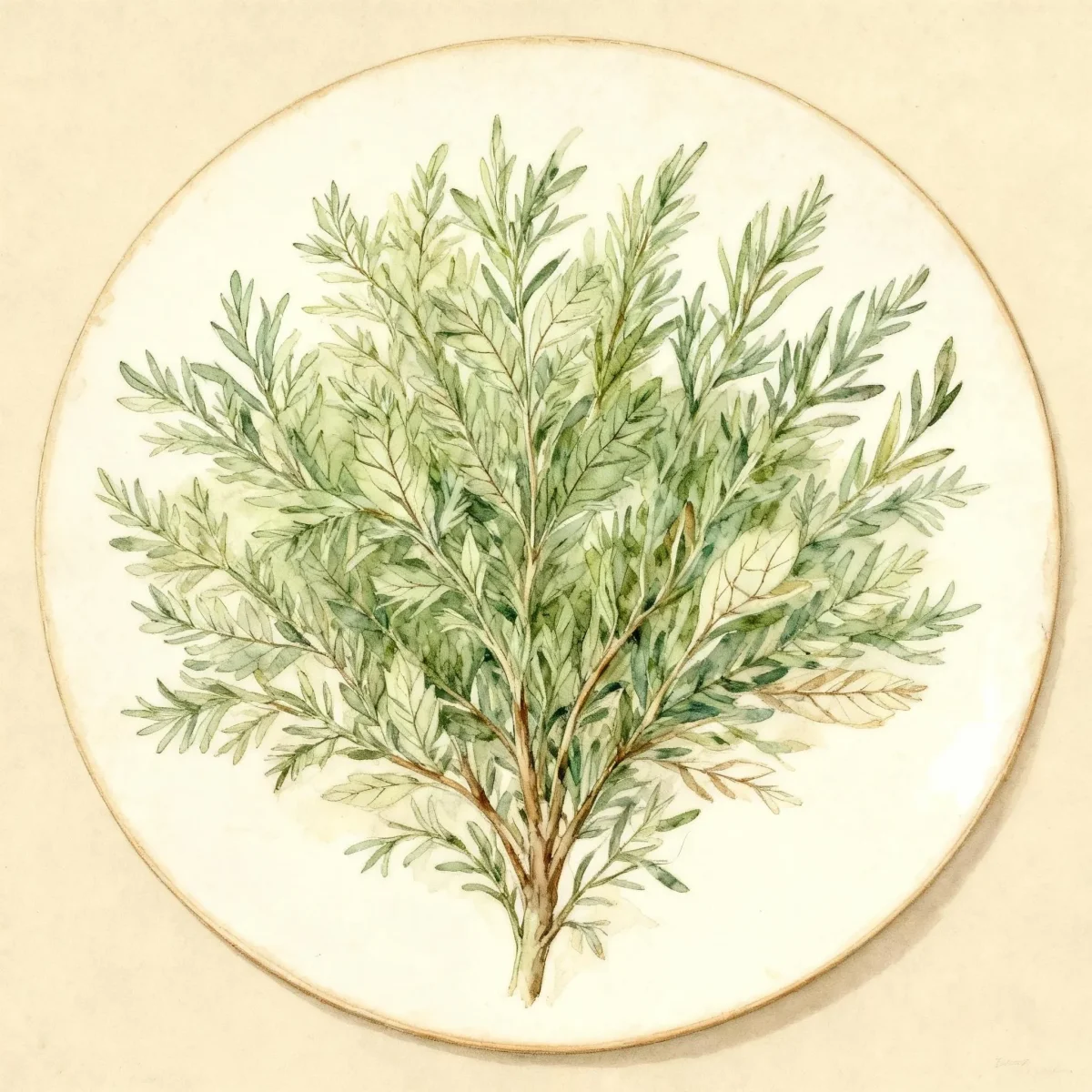
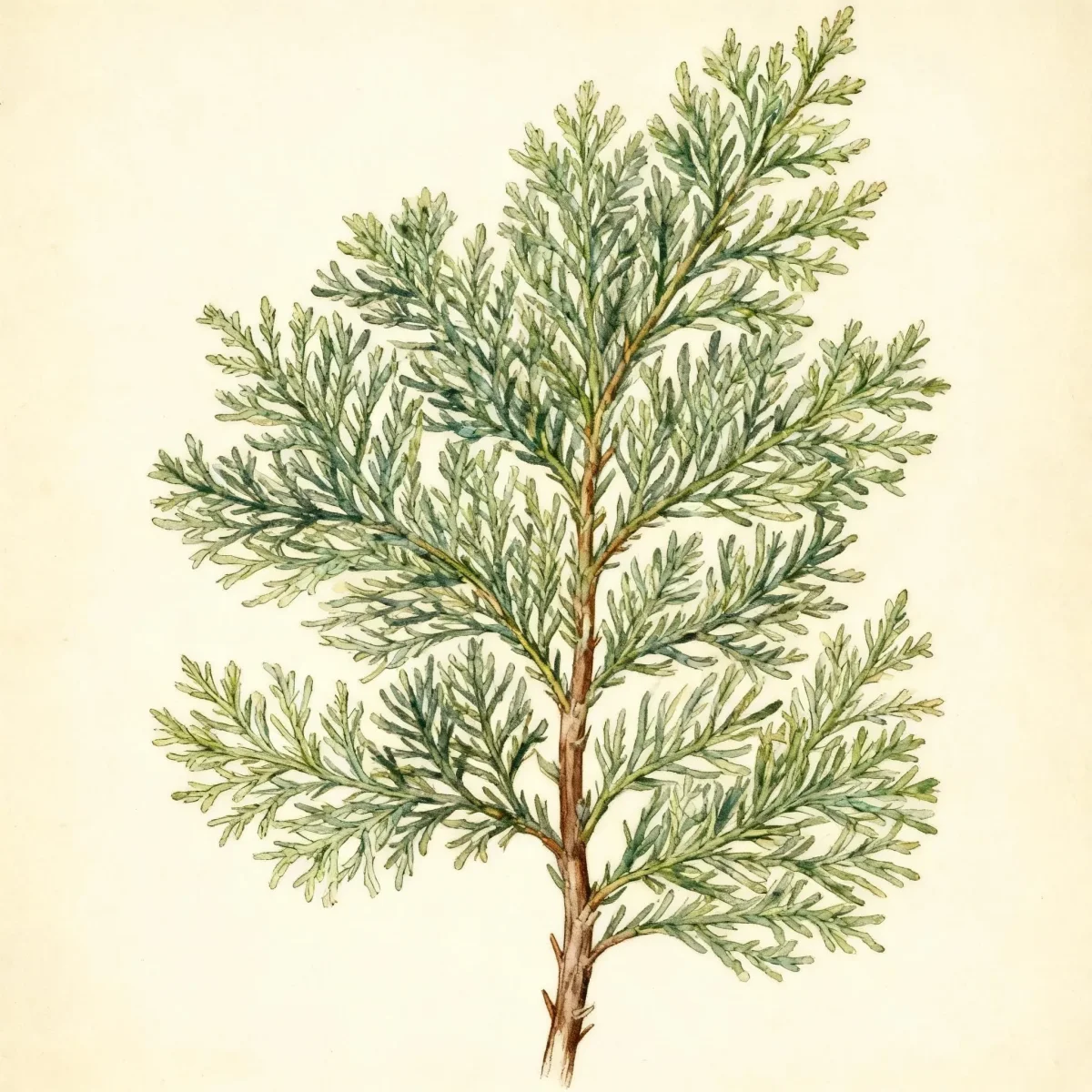
Chamaecyparis lawsoniana, commonly known as Lawson’s cypress or Port Orford cedar, is a tall, narrow-pyramidal, scaly-leaved, evergreen conifer with short spreading branches and flattened twigs. It is the tallest member of the cypress family, growing majestically in its native ranges across coastal mountain ranges of Oregon and California. Its foliage consists of tiny, scale-like green to blue-green leaves, providing excellent textural contrast in the garden.
Flower Qualities
Fruit Qualities
Tolerances
Potential Problems
The most significant threat to this species is Phytophthora lateralis, a soil-borne fungus causing a rapid and often fatal root rot disease. This pathogen has significantly impacted natural populations in its native range. Gardeners must prioritize excellent soil drainage to mitigate this risk, as this fungus thrives in wet, poorly-drained conditions. Avoid introducing contaminated soil into the planting area and ensure tools are cleaned after working in infected areas if disease is present nearby.
Frequently Asked Questions
What hardiness zones is Lawson’s cypress suitable for?
Lawson’s cypress, or Chamaecyparis lawsoniana, is reliably hardy in USDA Zones 5 through 8.
How large does Chamaecyparis lawsoniana grow?
In its native habitat, this tree can reach maximum heights of 175 feet, though cultivated selections are often shorter, staying in the 110 to 175 ft range, with spreads of 30 to 60 feet.
What sun exposure does Lawson’s cypress need?
For the best performance and foliage density, Chamaecyparis lawsoniana requires full sun to partial shade.
When does Lawson’s cypress bloom?
This species is a conifer and is non-flowering; it produces small, inconspicuous cones instead of decorative flowers.
Conclusion
The majestic presence offered by Chamaecyparis lawsoniana makes it a valuable, low-maintenance specimen for large landscapes requiring year-round evergreen structure. When selecting stock, remember that many desirable cultivars exist that fit smaller garden scales than the towering native form. Always cross-reference local climate data and soil reports to ensure your site provides the well-drained conditions necessary for longevity of your Lawson’s cypress.
Companion Planting
When designing a space for a large specimen like Chamaecyparis lawsoniana, selecting companions that share similar water and light needs is essential. Pair this conifer with other moisture-loving evergreens found in similar coastal environments, such as Western Red Cedar (Thuja plicata) or certain varieties of Hemlock (Tsuga). These plants provide a contrasting yet harmonious texture and color palette while sharing the preference for medium water requirements.
Avoid placing shallow-rooted, drought-tolerant plants near the base of a maturing Lawson’s cypress. During its establishment phase, ensure that companion groundcovers do not sprawl aggressively, as they can hinder air circulation around the base of the trunk, which is a minor preventative measure against potential fungal issues.
Design Ideas for Verticality
The strong, narrow-pyramidal habit of Lawson’s cypress excels at creating focal points or providing strong vertical repetition in formal or modern landscape designs. For large properties, planting several Chamaecyparis lawsoniana specimens along a property line or drive creates an imposing, unbroken screen that retains its density year-round. Even dwarf cultivars can be deployed as strong vertical accents in mixed perennial or shrub borders, lending height without overwhelming surrounding plantings.
Utilize the tree’s vertical dominance to break up horizontal lines in architecture or large open lawns. Its fine texture contrasts beautifully against broad-leaved evergreens or dense deciduous shrubs, adding layers of visual interest throughout the seasons.