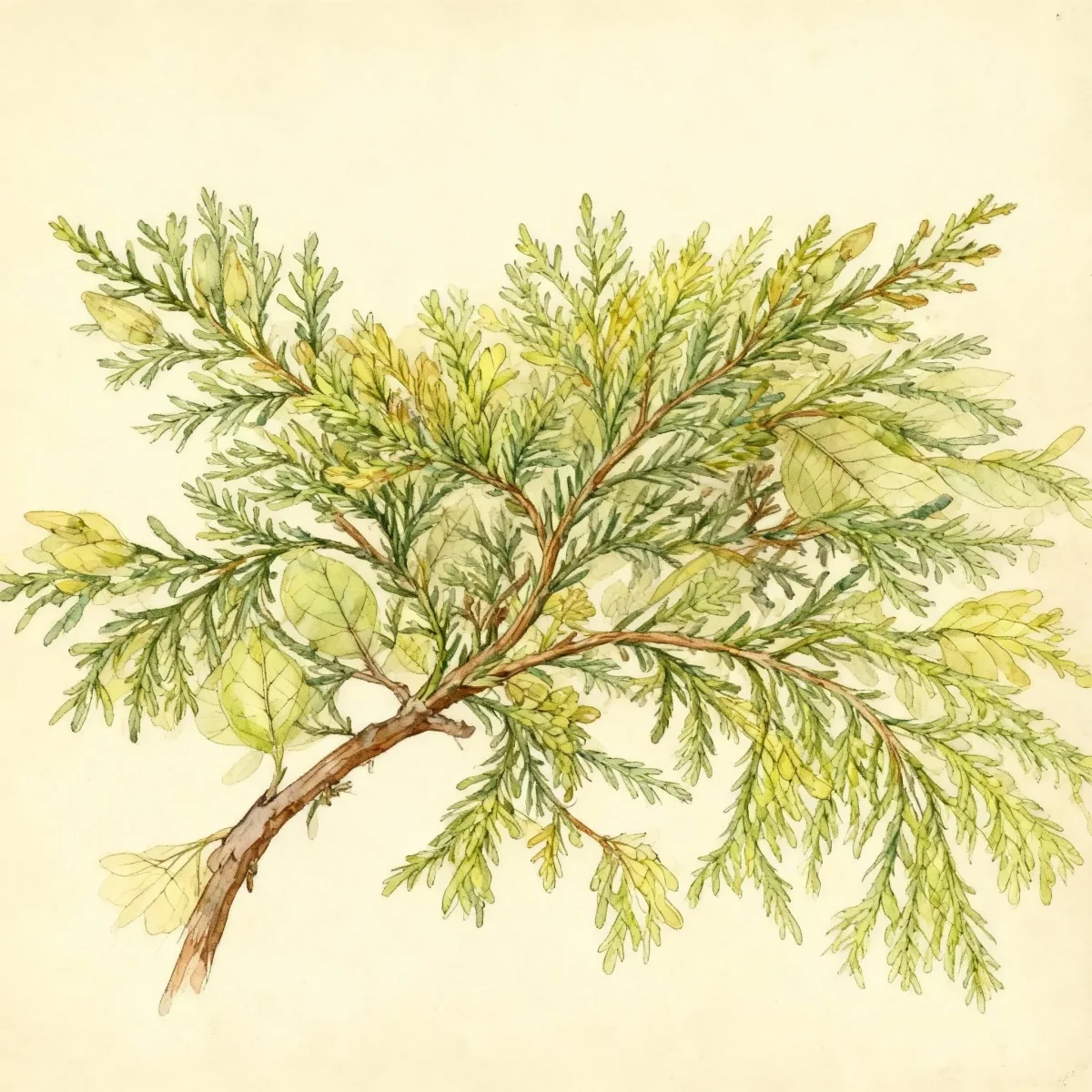
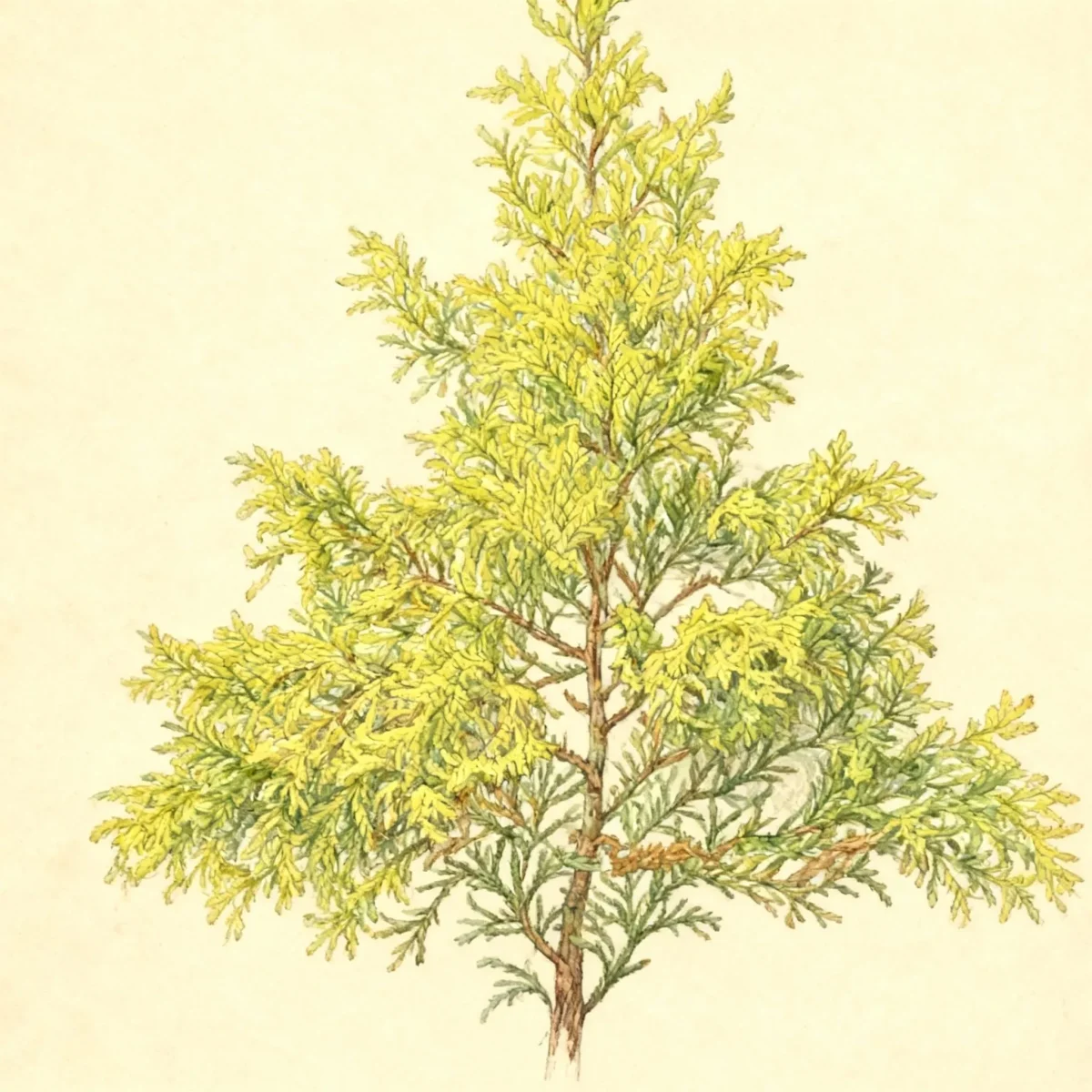
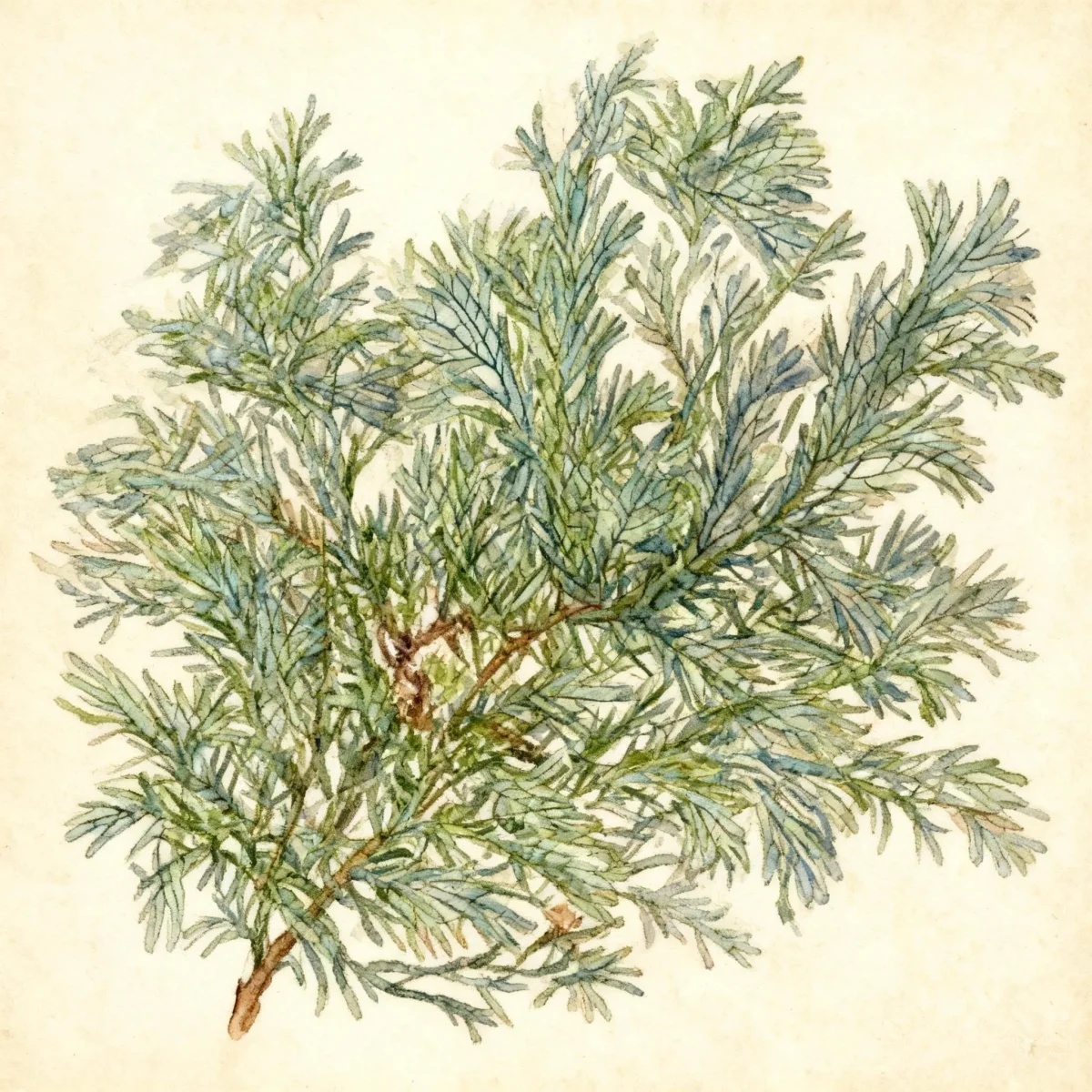
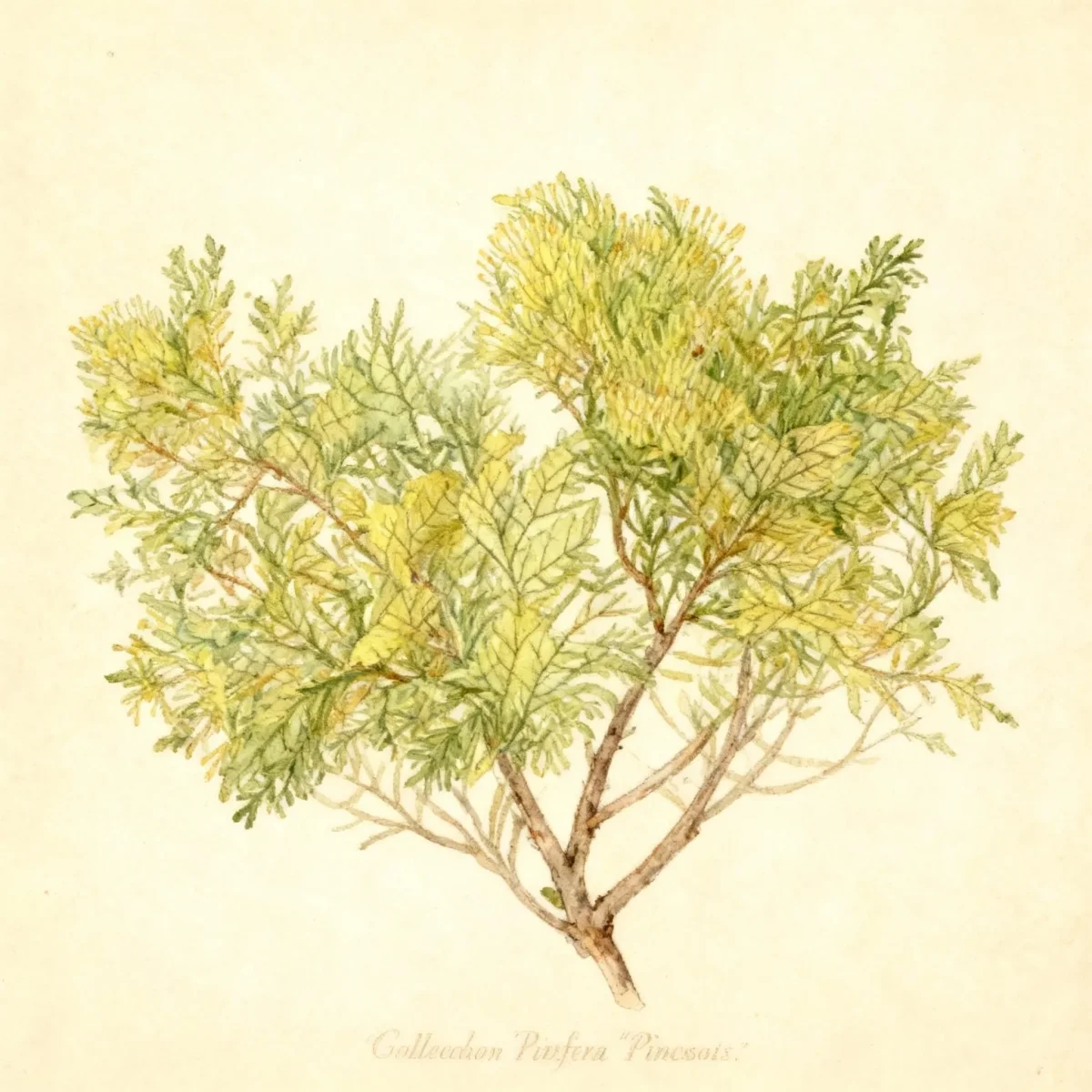
Japanese arborvitae (Thuja standishii)
Discover Thuja standishii, the Japanese arborvitae. A low-maintenance, aromatic evergreen suitable for USDA Zones 5-7.
Scroll down to discover growing tips, care requirements, companion plants, and more
Complete Plant Information
Overview
The Thuja standishii, commonly known as the Japanese arborvitae, offers a distinctive, slightly aromatic profile for North American landscapes. This small to medium evergreen conifer brings dense, bright green foliage arranged in attractive flattened sprays to the garden year-round. Valued for its low maintenance needs, this species provides excellent vertical structure where well-suited.
Native to the subalpine forests of Central Japan, Thuja standishii thrives in consistent moisture and a balanced soil environment. While it is an uncommon sight in commerce, its beautiful form and relatively easy care make it a worthwhile introduction for gardeners seeking something unique among conifers.
This versatile tree fits well into various settings, providing year-round screening or specimen interest. Gardeners should prioritize planting locations that mimic its native preference for moist ground, ensuring the longevity of the Japanese arborvitae.
Fast Facts
- Plant Family: Cupressaceae
- Plant Type: Needled evergreen
- Native Range: Central Japan
- Hardiness Zones: USDA Zones 5-7
- Size at Maturity:
- Height: 20-30 ft
- Spread: 10-15 ft
- Bloom Time: Non-flowering
- Bloom Description: Non-flowering
- Sun Exposure: Full sun to part shade
- Water Needs: Medium
- Maintenance Level: Low
How to Grow
Plant your Thuja standishii in the early spring or fall, allowing it time to establish roots before extreme weather hits. Ideal soil conditions are average, medium-moisture, well-drained loams that trend towards neutral or slightly alkaline pH. While capable of handling full sun, Japanese arborvitae appreciates some light afternoon shade, especially in regions experiencing hot summers, to prevent potential foliage scorch.
Watering is critical for this species, as it is intolerant of dry conditions. Maintain medium soil moisture—do not let the ground dry out completely between irrigation events. Avoid planting in areas prone to pooling water, as excellent drainage is essential despite its moisture needs.
Maintenance for the Japanese arborvitae is generally low once established. Pruning is usually unnecessary unless shaping is specifically desired. Avoid planting in deep shade, as this practice will substantially decrease foliage density, diminishing the aesthetic value of your Thuja standishii.
Landscape Uses
The Thuja standishii is recommended as an interesting and uncommon evergreen for the landscape where year-round structure is needed. Because this tree is uncommon in commerce and might be difficult to locate, it succeeds wonderfully as a unique specimen plant, drawing attention without the standard formality of more common arborvitae varieties.
Consider using the Japanese arborvitae near entryways or within mixed borders where its texture and moderate height (20-30 ft) can add depth. While it can provide screening, its uncommon nature means it best serves as a standout feature rather than a mass hedge, although it offers excellent upright appeal.
Pair this conifer with late-flowering perennials or broadleaf evergreens that contrast its fine, scale-like needles. When sourcing your specimen, remember that securing healthy Japanese arborvitae plants requires looking at specialized nurseries due to their relative scarcity.
Standout Features
Noteworthy Characteristics
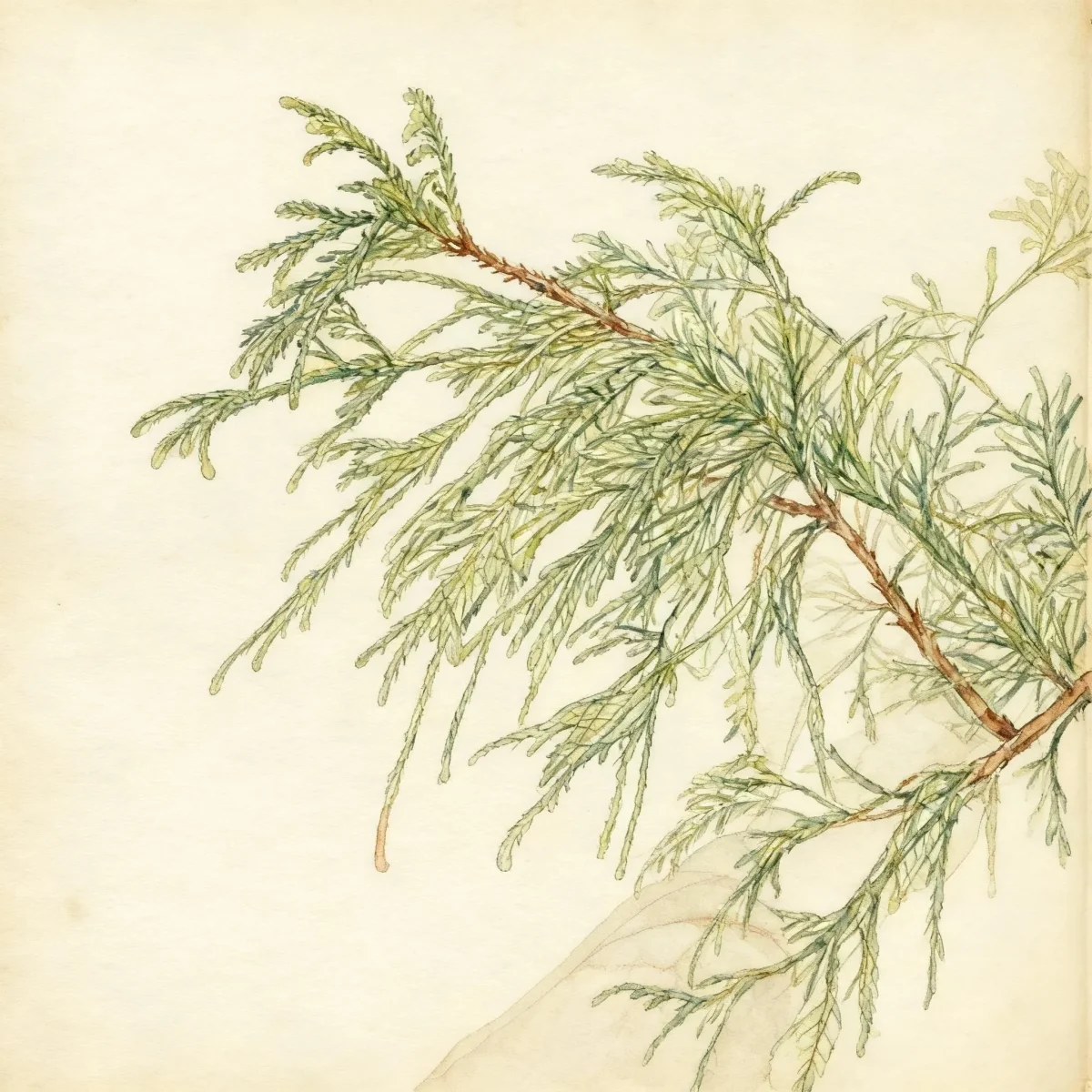
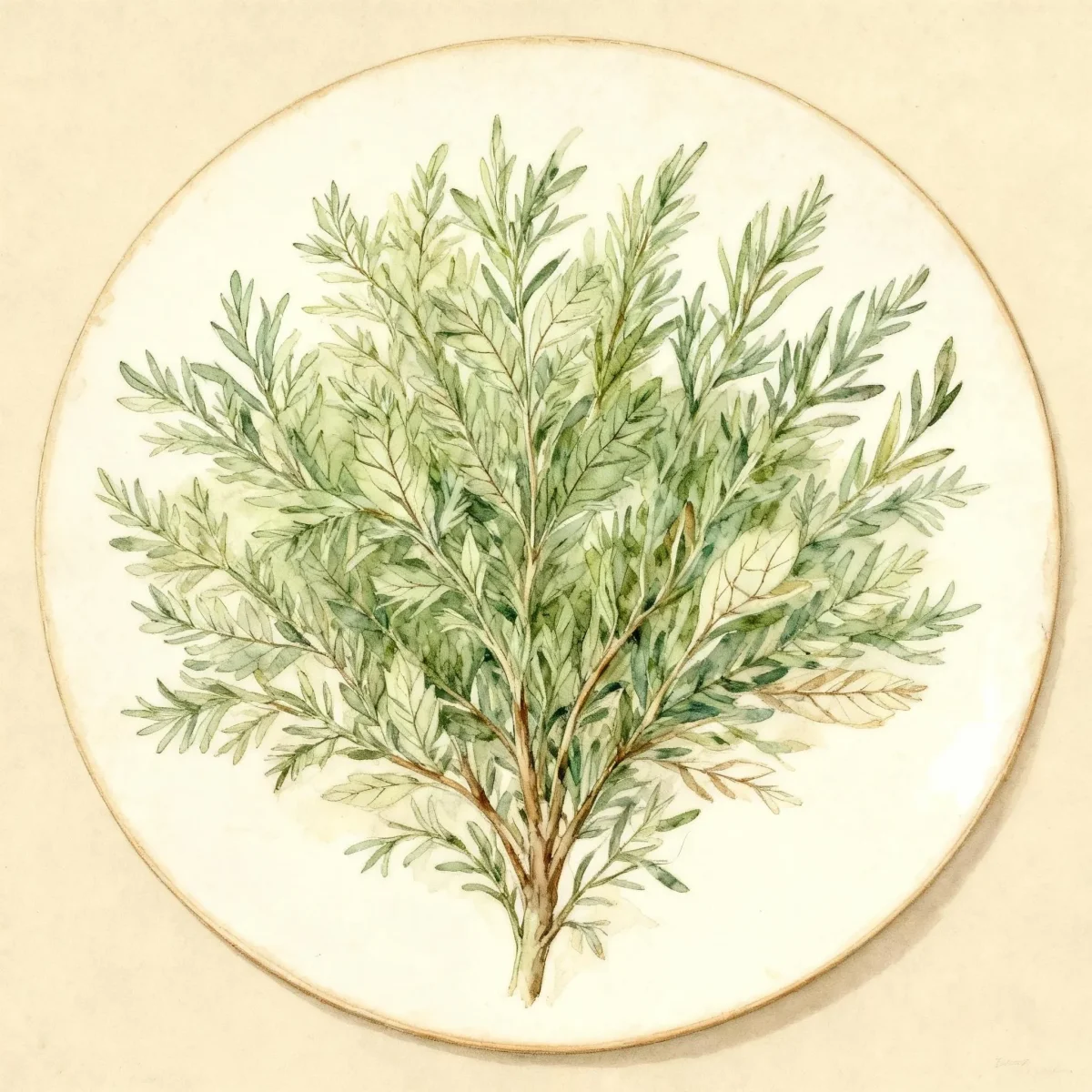
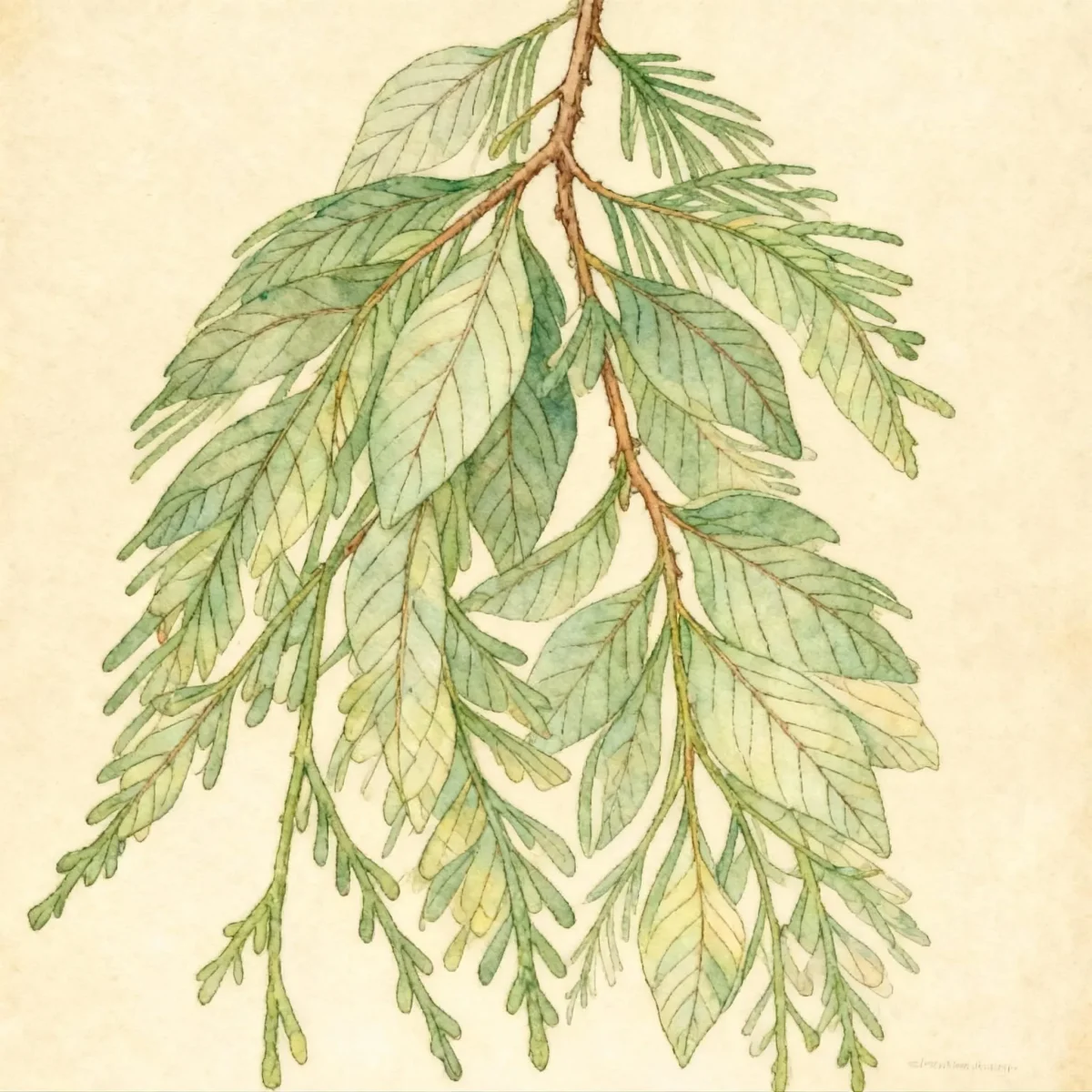
Thuja standishii, commonly called Japanese arborvitae, is recognized for its aromatic (lemony) scale-like leaves held in flattened sprays. This small to medium evergreen conifer typically develops a broad-pyramidal crown, a slender trunk, and fibrous reddish-brown bark in cultivation. While native specimens can reach up to 100 feet, cultivated versions usually top out around 20-30 feet tall, displaying bright green foliage that is glaucous beneath.
Tolerances
- Black Walnut
Potential Problems
The Thuja standishii generally exhibits no serious insect or disease problems under appropriate growing conditions. The primary threat to its health comes from incorrect site selection, specifically avoiding overly dry soils. If planting in a hot area, ensure sufficient supplemental summer watering to prevent moisture stress that could invite secondary pest issues. Maintaining its preferred moist, well-drained loams is the best form of proactive management.
Frequently Asked Questions
What hardiness zones is Japanese arborvitae suitable for?
The Japanese arborvitae (Thuja standishii) is suitable for gardeners gardening within USDA Zones 5 through 7.
How large does Thuja standishii grow?
At maturity, this species typically reaches a modest height between 20 and 30 feet, with a spread ranging from 10 to 15 feet.
What sun exposure does Thuja standishii need?
This evergreen performs best in full sun but tolerates part shade, though heavy shade will substantially decrease foliage density.
When does Thuja standishii bloom?
Thuja standishii is a non-flowering conifer, meaning it does not produce visible ornamental blooms or fruits.
Conclusion
The Thuja standishii offers a unique, low-maintenance evergreen accented by pleasantly aromatic foliage, making the Japanese arborvitae a valuable specimen for specific landscape niches. Its preference for moist, well-drained soils and moderate sun exposure dictates successful placement. Check your local USDA zone compatibility to ensure this intriguing conifer thrives in your garden space this season.
Companion Planting
When selecting companions for the Japanese arborvitae, focus on plants sharing similar requirements for medium moisture and well-drained soil. Broadleaf evergreens like Rhododendrons or Azaleas, which also prefer slightly acidic to neutral soils and appreciate dappled afternoon shade near larger trees, can create a lush, textural backdrop for the finer needles of Thuja standishii.
Consider underplanting with moisture-loving perennials such as Astilbe or Hosta varieties that tolerate part shade. These softer textures provide an excellent counterpoint to the upright, evergreen structure of the Thuja standishii throughout the growing season.
For areas receiving full sun, pair this tree with tough, deep-rooted shrubs that don’t compete aggressively for surface water once established. This mixed planting strategy enhances visual interest while keeping cultural needs aligned for optimal growth of your uncommon Japanese arborvitae.
Design Ideas
The moderate size and pyramidal shape of Thuja standishii make it perfect for softening corners or acting as an architectural anchor in contemporary or naturalistic garden designs. It functions well as a year-round screen near property lines where height restrictions prevent the use of taller evergreens.
Use several specimens spaced apart to create depth in the middle ground of a larger planting bed. The bright green color of the foliage holds up well against darker conifers, adding vibrancy, particularly during dull late-winter months.
Because the growth habit is denser than some other arborvitae, the Japanese arborvitae can be used effectively in structured foundation plantings, provided adequate airspace is left around the base for air circulation, which minimizes any potential moisture-related fungal issues. Make sure to highlight the interesting reddish-brown bark visible on its slender trunk during winter months.