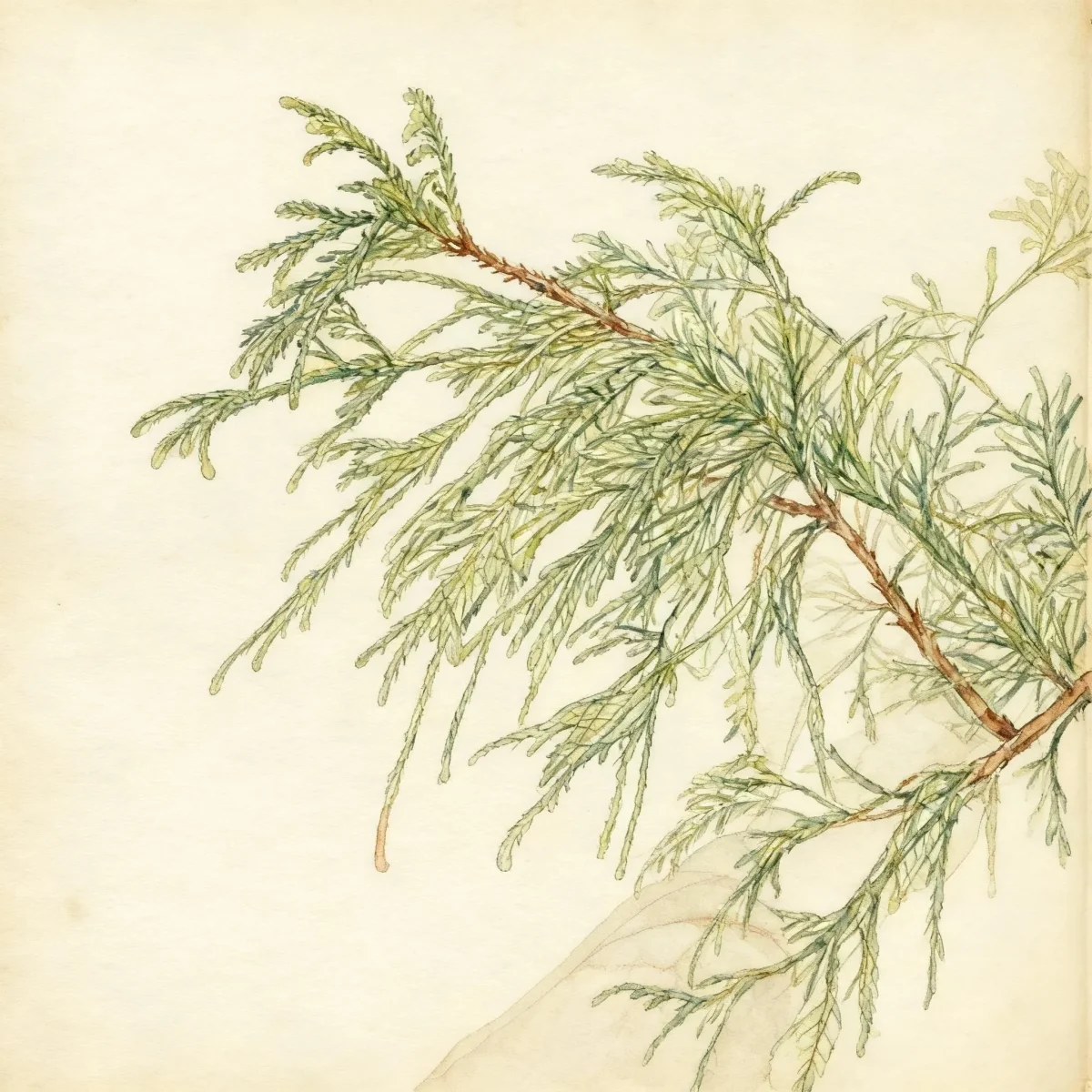
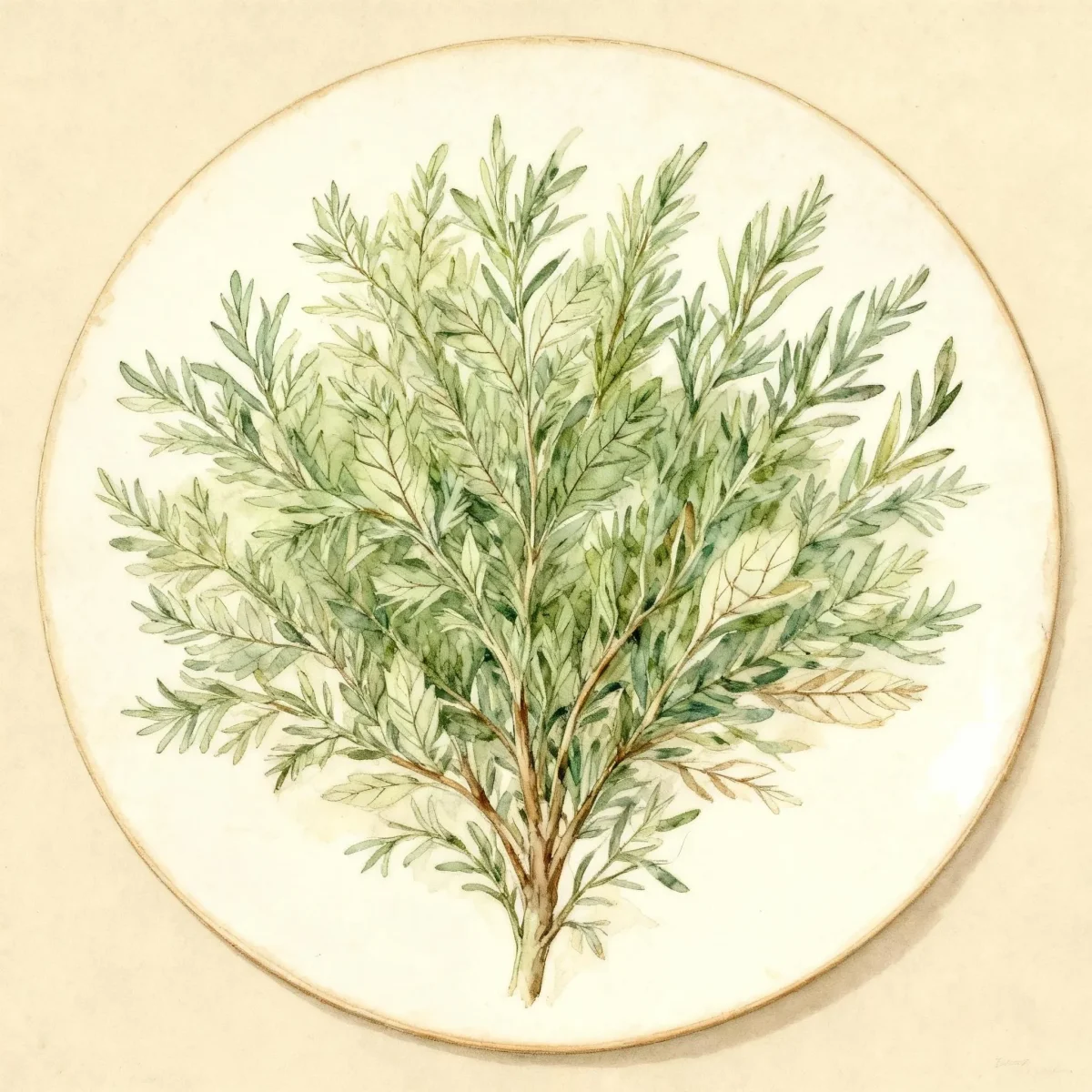
Sawara cypress (Chamaecyparis pisifera)
The stately Chamaecyparis pisifera, or Sawara cypress, is a pyramidal evergreen native to Japan, valued for low maintenance and fine texture.
Scroll down to discover growing tips, care requirements, companion plants, and more
Complete Plant Information
Overview
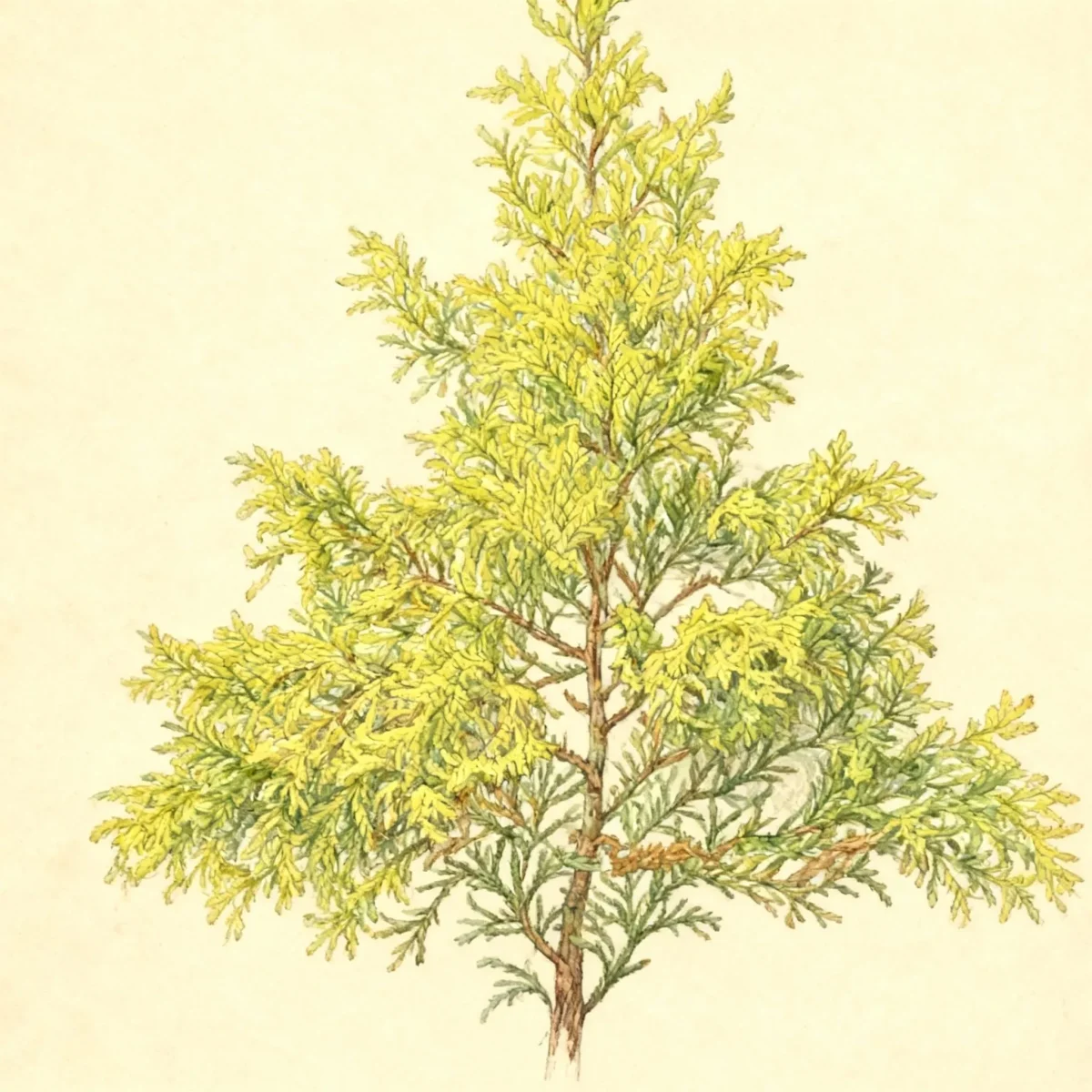
The Chamaecyparis pisifera, commonly known as the Sawara cypress, presents a magnificent, large, pyramidal silhouette, making it a standout feature in expansive landscapes. While wild specimens can reach towering heights, cultivated varieties often remain more manageable, providing substantial evergreen structure throughout the year. Its fine-textured foliage offers significant visual contrast against bolder plants.
Native to the islands of Honshu and Kyushu in Japan, this conifer thrives with relatively low maintenance once established. Gardeners appreciate the Sawara cypress for its reliable evergreen presence and tolerance for a range of conditions, provided drainage is adequate. The species plant itself is rarely sold, but its diverse cultivars offer textures ranging from thread-like branches to soft, feathery plumes.
The aesthetic appeal of Chamaecyparis pisifera lies in its texture and shape rather than flashy flowers or fruit. It provides year-round interest, dark green color, and vertical accent in the garden design. Selecting the right cultivar ensures that the mature size suits the intended location on your property.
Fast Facts
- Plant Family: Cupressaceae
- Plant Type: Needled evergreen
- Native Range: Japan
- Hardiness Zones: USDA Zones 4-8
- Size at Maturity:
- Height: 50-70 ft
- Spread: 10-20 ft
- Bloom Time: Non-flowering
- Bloom Description: Non-flowering
- Sun Exposure: Full sun to part shade
- Water Needs: Medium
- Maintenance Level: Low
How to Grow
Planting the Sawara cypress is best done in spring or fall when the soil is workable. Ensure the location offers full sun to light part shade; while it tolerates these conditions, it prefers moist, fertile soils and thrives best when given some afternoon shade protection in the hottest climates. Excellent drainage is paramount, as this tree must avoid wet, poorly-drained areas to prevent root rot.
Ongoing care is generally straightforward. Water deeply and consistently, especially during the first few seasons as the root system establishes. While it prefers moist conditions, do not allow the soil to become waterlogged. Pruning is rarely necessary for species maintenance, though shaping young cultivars can be done lightly if required.
Protecting mature Chamaecyparis pisifera from strong winds helps maintain its upright form and prevents branch breakage or desiccation. Soil fertility isn’t demanding, but amending heavy clay soils with compost helps improve the necessary drainage this evergreen requires for optimal health.
Landscape Uses
The Sawara cypress fulfills numerous roles depending on the selected cultivar size. Large, species-type trees excel as majestic lawn specimens, providing a striking focal point that defines an open space. Their dense nature also makes them excellent choices for creating tall, substantial shrub borders or effective visual screens where privacy is desired.
For smaller garden spaces or foundation plantings, exploring the dwarf cultivars is highly recommended. These compact forms thrive in rock gardens, providing year-round texture contrast against stone or low-growing perennials. Ensure any planting site allows for the eventual spread of the chosen variety, even for compact types like those referred to as moss sawara cypress.
Consider pairing the fine texture of Chamaecyparis pisifera with plants featuring broad leaves or bold seasonal color. Its deep green tones serve as an excellent backdrop for flowering shrubs or large ornamental grasses.
Standout Features
Noteworthy Characteristics
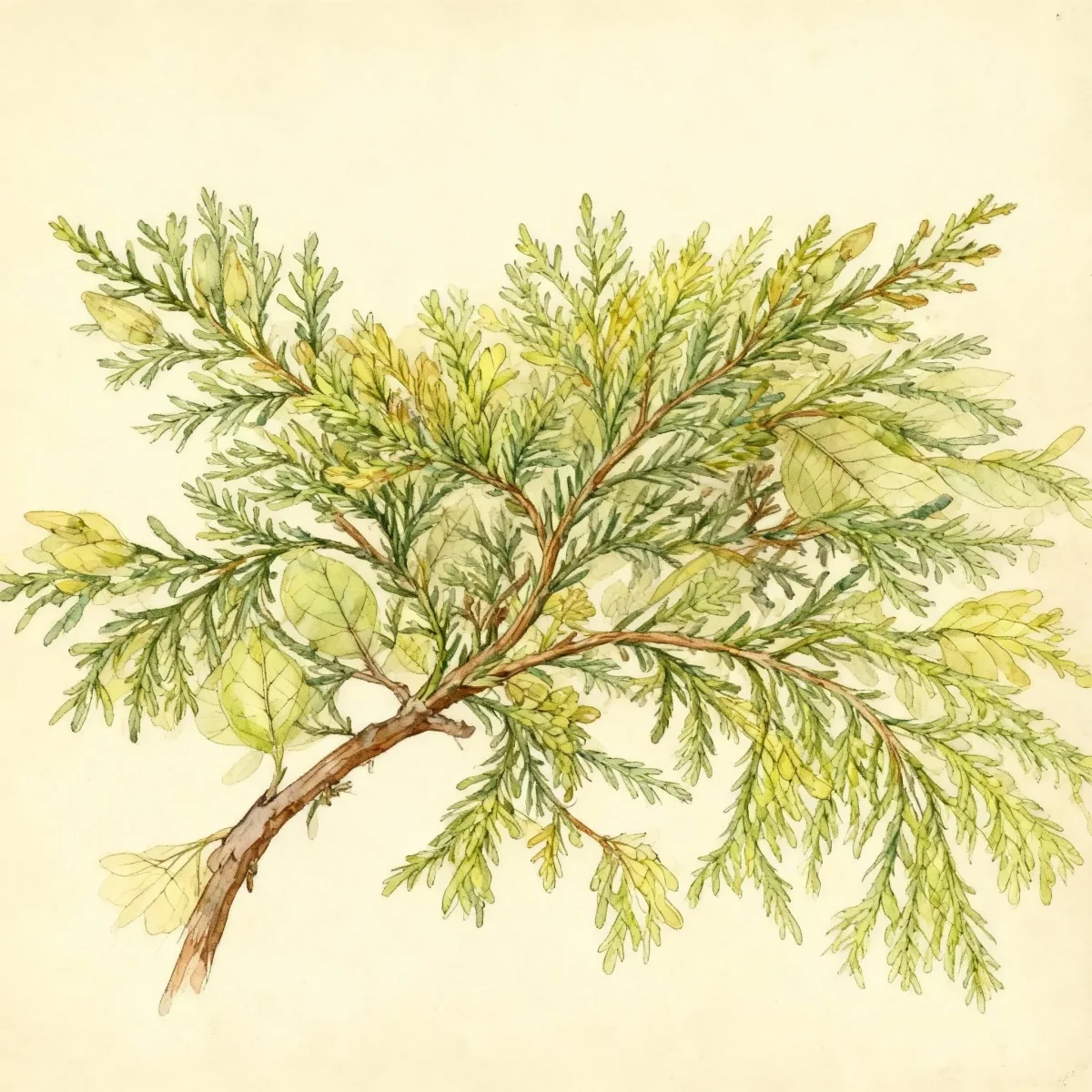
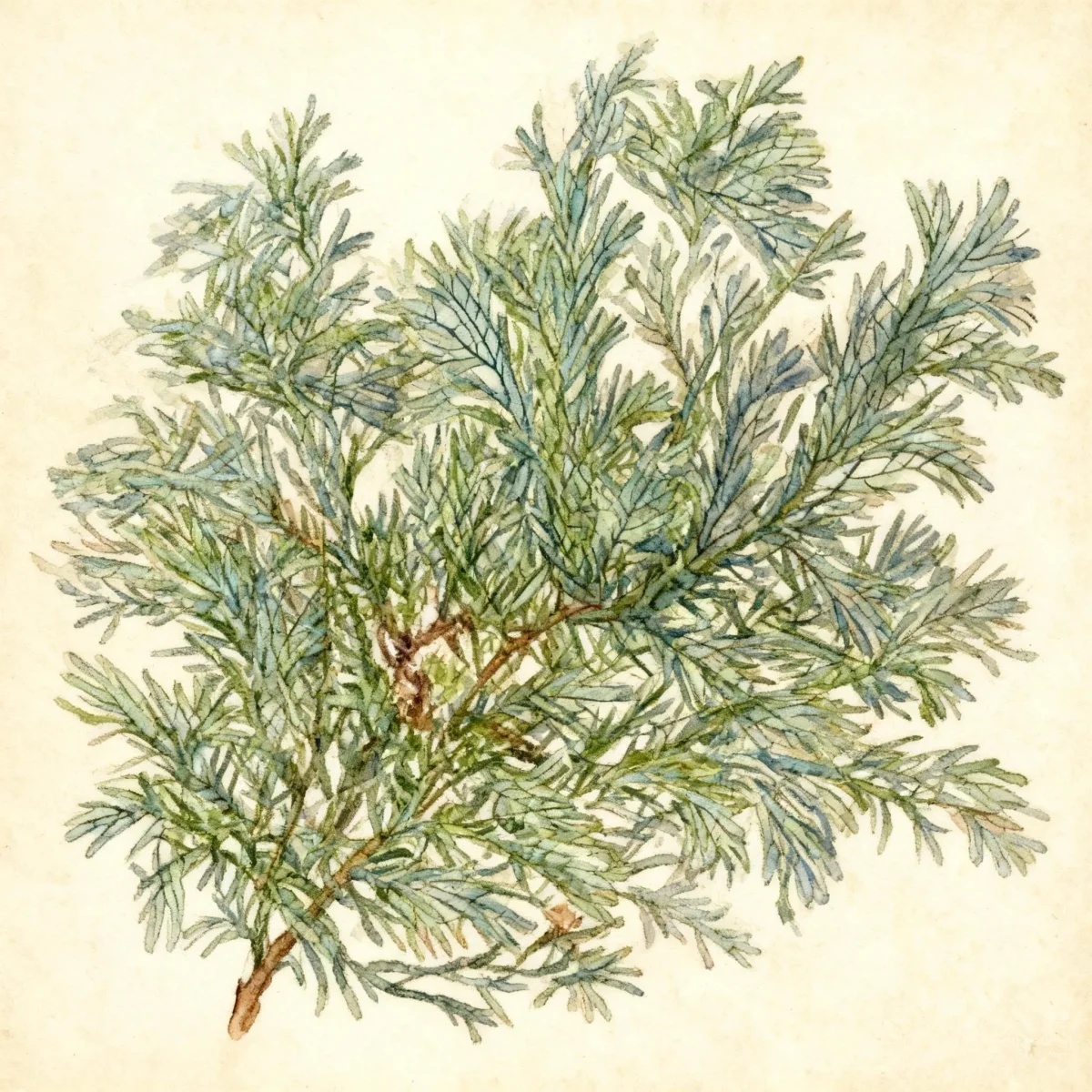
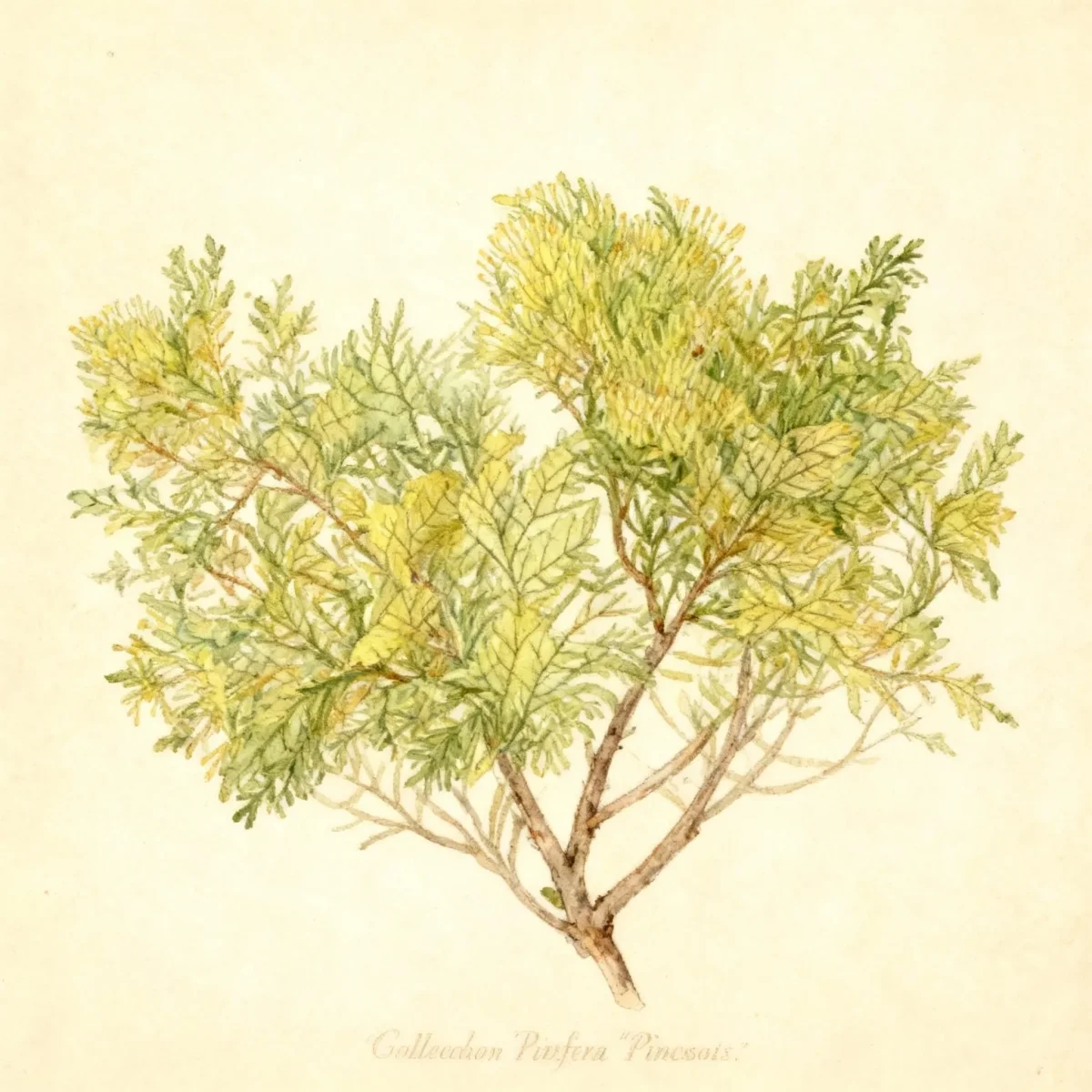
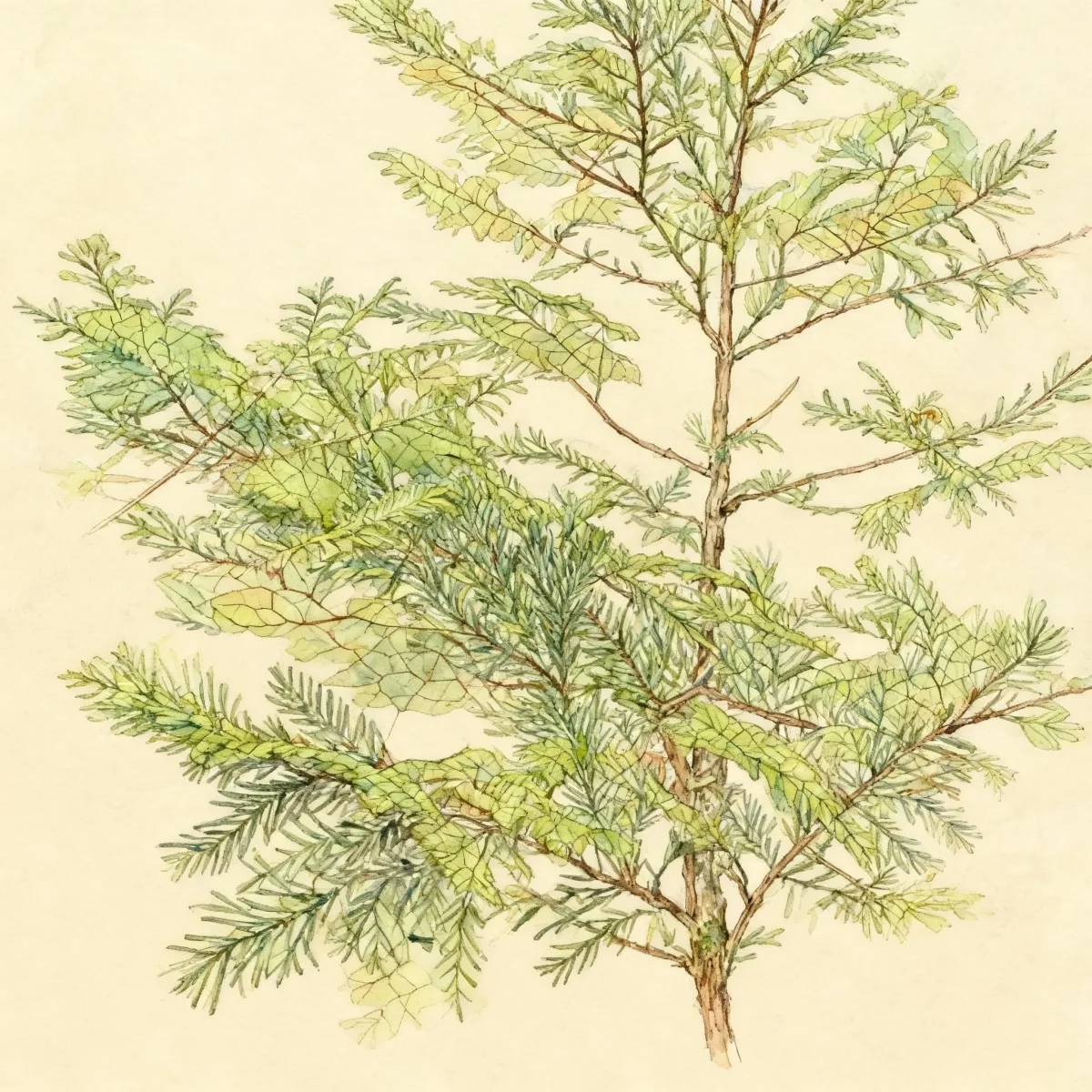
Chamaecyparis pisifera, commonly known as Sawara cypress, is a large, pyramidal, evergreen conifer that grows in the wild to 50-70’ (infrequently to 150’) tall with a trunk diameter to 5’. In cultivation, it more typically matures to a much smaller 20-30’ tall. It is native to the Japanese islands of Honshu and Kyushu. Fine-textured medium green needles are tinted white beneath, and reddish brown bark peels in strips, adding subtle winter interest. Three well-known forms include f. Filifera (threadbranch), f. Plumosa (plume), and f. Squarrosa (moss).
Tolerances
- Shelter from strong winds
Potential Problems
Fortunately, the Chamaecyparis pisifera generally exhibits few serious insect or disease issues when sited correctly. The primary concern resides in root rot, which stems directly from poor drainage; this risk increases significantly if the soil remains persistently wet.
Some susceptibility exists to juniper blight, which can cause browning or dieback, particularly in humid or crowded conditions. Management involves ensuring good air circulation and promptly pruning out any infected limbs. Gardeners should also monitor for certain insect pests, such as bagworms, which can be manually removed or treated with appropriate horticultural oils when infestations are small.
Frequently Asked Questions
What hardiness zones is Sawara cypress suitable for?
The recommended growing area for Chamaecyparis pisifera spans USDA Zones 4 through 8. Always verify the specific hardiness rating of the cultivar you choose.
How large does Chamaecyparis pisifera grow?
Wild type Sawara cypress can reach 50 to 70 feet tall, though cultivated specimens often mature closer to 20 to 30 feet. The spread is typically between 10 and 20 feet depending on the habit.
What sun exposure does Sawara cypress need?
This evergreen performs best in locations receiving full sun to part shade. For optimum growth, providing some relief from intense afternoon sun in hotter summer regions is beneficial.
When does Chamaecyparis pisifera bloom?
The Chamaecyparis pisifera is a non-flowering conifer, meaning it produces cones rather than ornamental flowers.
Conclusion
The Sawara cypress provides exceptional, fine-textured evergreen structure and demands relatively low maintenance, making it a worthwhile investment for substantial landscape architecture. Whether you select a towering species or a compact form of Chamaecyparis pisifera, prioritize well-drained soil during planting to ensure long-term success in your hardiness zone.
Companion Planting
Selecting companions for the Sawara cypress should focus on textural and color contrast. Since the cypress offers fine, medium-green foliage, pairing it with broad-leaved rhododendrons or azaleas—which share similar preference for acidic, moist, and well-drained soil—creates effective layering. In foundation plantings, low-growing textural evergreens can sit in front of the cypress, allowing its majestic form to rise clearly above them.
Consider underplanting with shade-tolerant herbaceous perennials like Hosta or ferns in areas where the canopy of the Chamaecyparis pisifera creates dappled shade. These choices complement the conifer’s texture without competing heavily for resources in the root zone.
Seasonal Care Calendar
For spring, a light application of balanced fertilizer, if deemed necessary, should be done early before the active growth flush begins. Throughout the summer growing season, focus primarily on monitoring soil moisture, applying deep, infrequent water rather than light, frequent sprinkles, especially during dry spells.
Fall is the ideal time to inspect the tree for any winterizing needs, although the Sawara cypress is quite hardy once established. Avoid heavy pruning in late summer or fall, as new growth stimulated then may not fully harden off before severe cold arrives. Winter preparation involves ensuring adequate moisture before the ground freezes solid.