Japanese garden juniper (Juniperus procumbens)
The Juniperus procumbens, or Japanese garden juniper, is a tough, low-growing needled evergreen ideal for ground cover.
Scroll down to discover growing tips, care requirements, companion plants, and more
Complete Plant Information
Overview
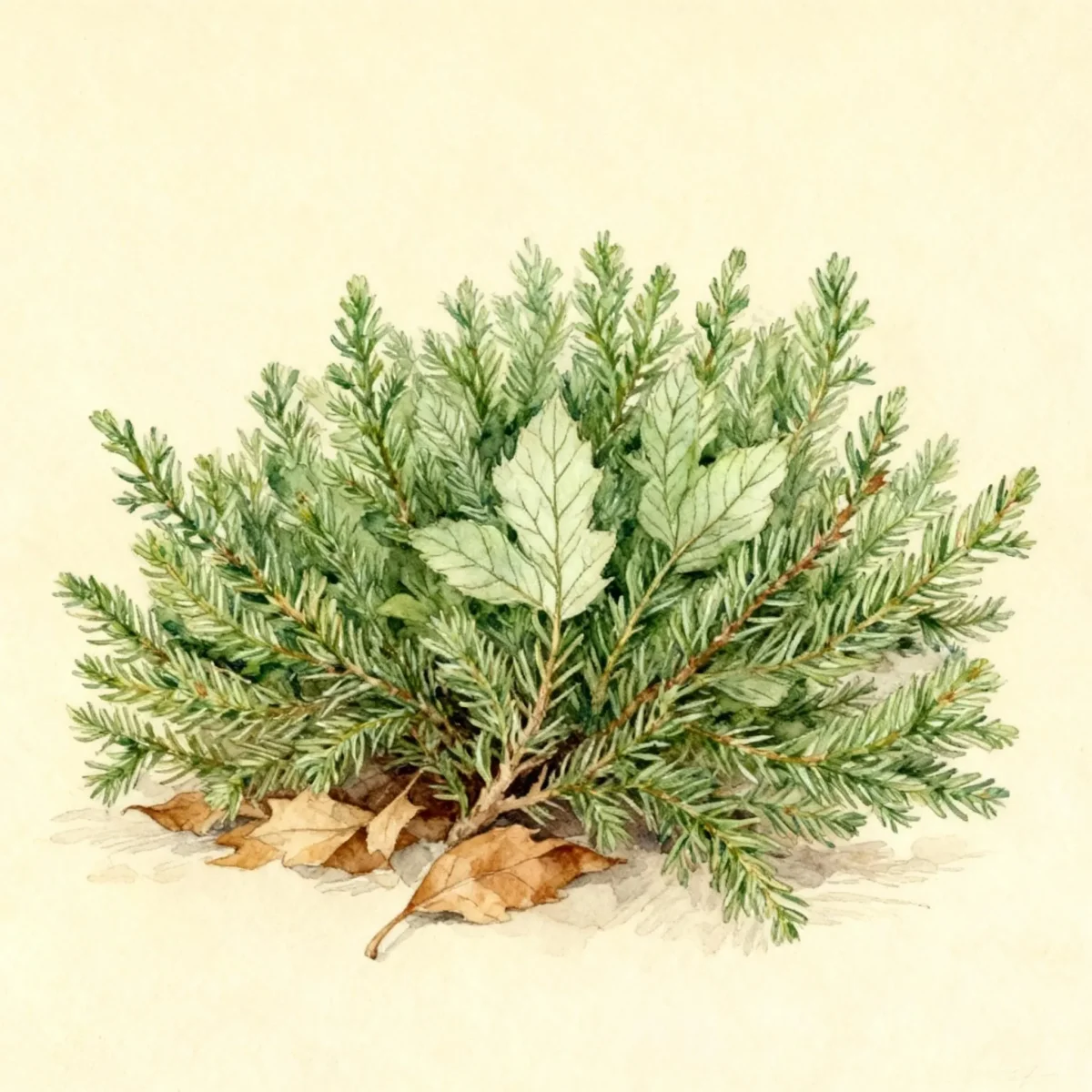
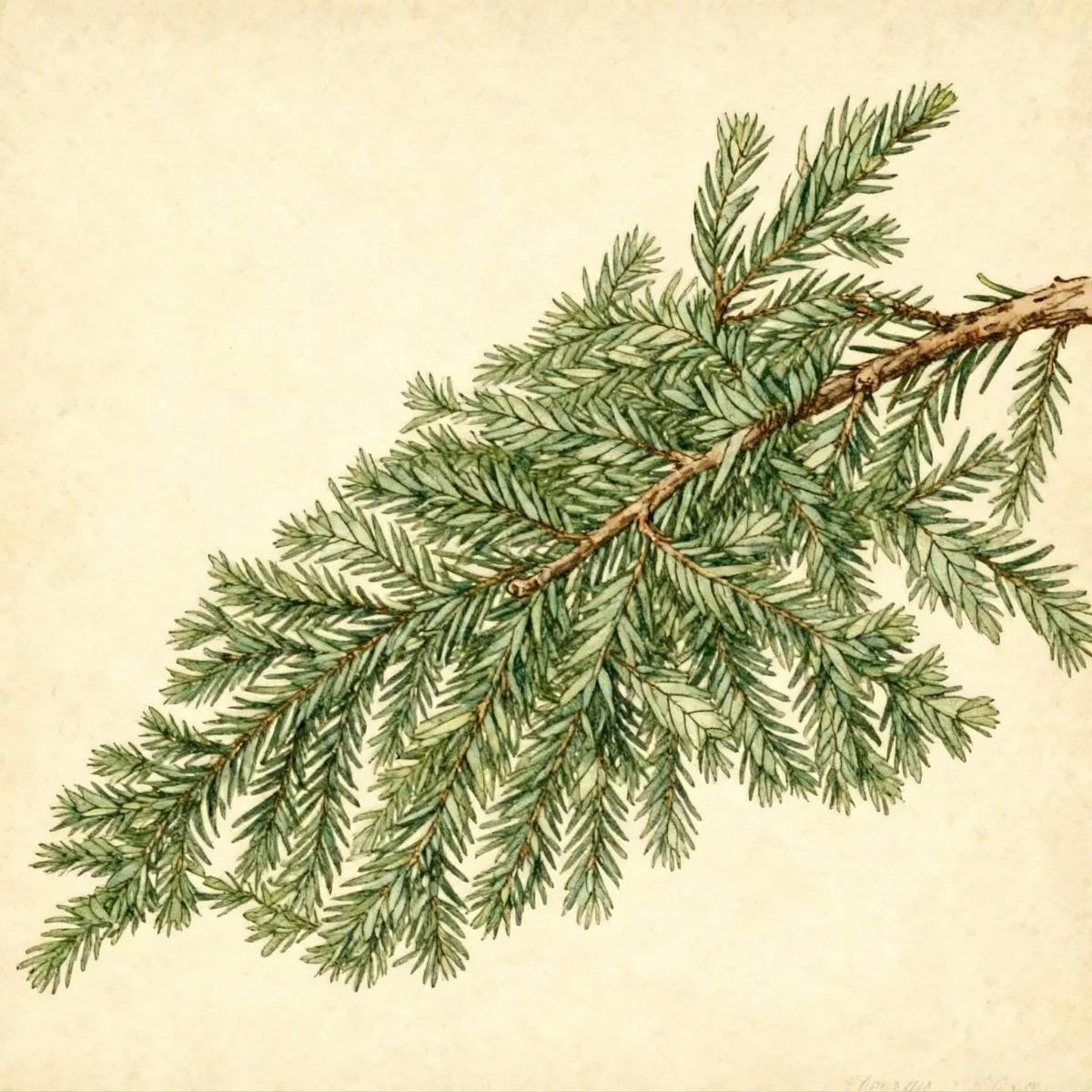
The Juniperus procumbens, widely recognized as the Japanese garden juniper, is an exceptionally valuable needled evergreen prized for its dense, spreading habit. This slow-growing shrub forms a beautiful, somewhat rigid mat ideal for covering large areas where traditional lawn grasses struggle. Its foliage consists of spiny-pointed, blue-green to gray-green needles that provide year-round texture in the landscape.
As a tough specimen, the Japanese garden juniper excels in challenging environments, handling significant drought once established and tolerating poor soils readily. Its procumbent nature means it spreads low to the ground, making it an excellent choice for erosion control or softening the edges of retaining walls. The inherent toughness of Juniperus procumbens ensures reliable performance with minimal intervention.
Gardeners appreciate this cultivar for its low maintenance requirements and its ability to thrive in full sun conditions where many other evergreens may scorch. Whether used in rock gardens or mass plantings, the Juniperus procumbens offers a permanent, dark green structural element to any garden design.
Fast Facts
- Plant Family: Cupressaceae
- Plant Type: Needled evergreen
- Native Range: Southern Japan
- Hardiness Zones: USDA Zones 4-9
- Size at Maturity:
- Height: 0.5-1.5 ft
- Spread: 10-15 ft
- Bloom Time: Non-flowering
- Bloom Description: Non-flowering
- Sun Exposure: Full sun
- Water Needs: Medium
- Maintenance Level: Low
How to Grow
Planting the Japanese garden juniper is best done in the spring or fall, allowing the roots time to establish before extreme weather hits. Locate Juniperus procumbens in a spot receiving full sun, as insufficient light will reduce its dense habit. While it adapts to many soils, it performs optimally in average, well-drained soil that dries slightly between waterings; it absolutely dislikes wet, heavy soils.
Once established, water the Japanese garden juniper moderately. While it tolerates drought thanks to its excellent resilience, consistent summer water will promote better growth habit during its slow establishment phase. Fertilization is rarely necessary; this plant thrives in somewhat poor soils. Pruning is minimal, usually reserved only for removing dead tips or correcting misplaced branches.
These plants are highly adaptable to adverse conditions. They tolerate hot, dry growing periods and manage well in locations suffering from urban air pollution. Always ensure sharp drainage, especially important in colder zones (4-6), to prevent winter root rot problems exacerbated by wet spring thaw conditions.
Landscape Uses
The primary function of the Juniperus procumbens in landscape design is as a durable, sprawling ground cover. Its wide spread, often reaching 15 feet wide while remaining only 1.5 feet tall, makes it perfect for covering large, difficult slopes where mowing is impractical. It excels when allowed to cascade over retaining walls or large boulders, utilizing its natural creeping habit.
For foundation plantings, choose areas requiring substantial width rather than height. This evergreen provides an excellent textural contrast against formal upright shrubs or flowering perennials that require richer soil conditions. Mass plantings of Japanese garden juniper create a uniform carpet of dark green that suppresses weeds effectively throughout the growing season.
Standout Features
Noteworthy Characteristics
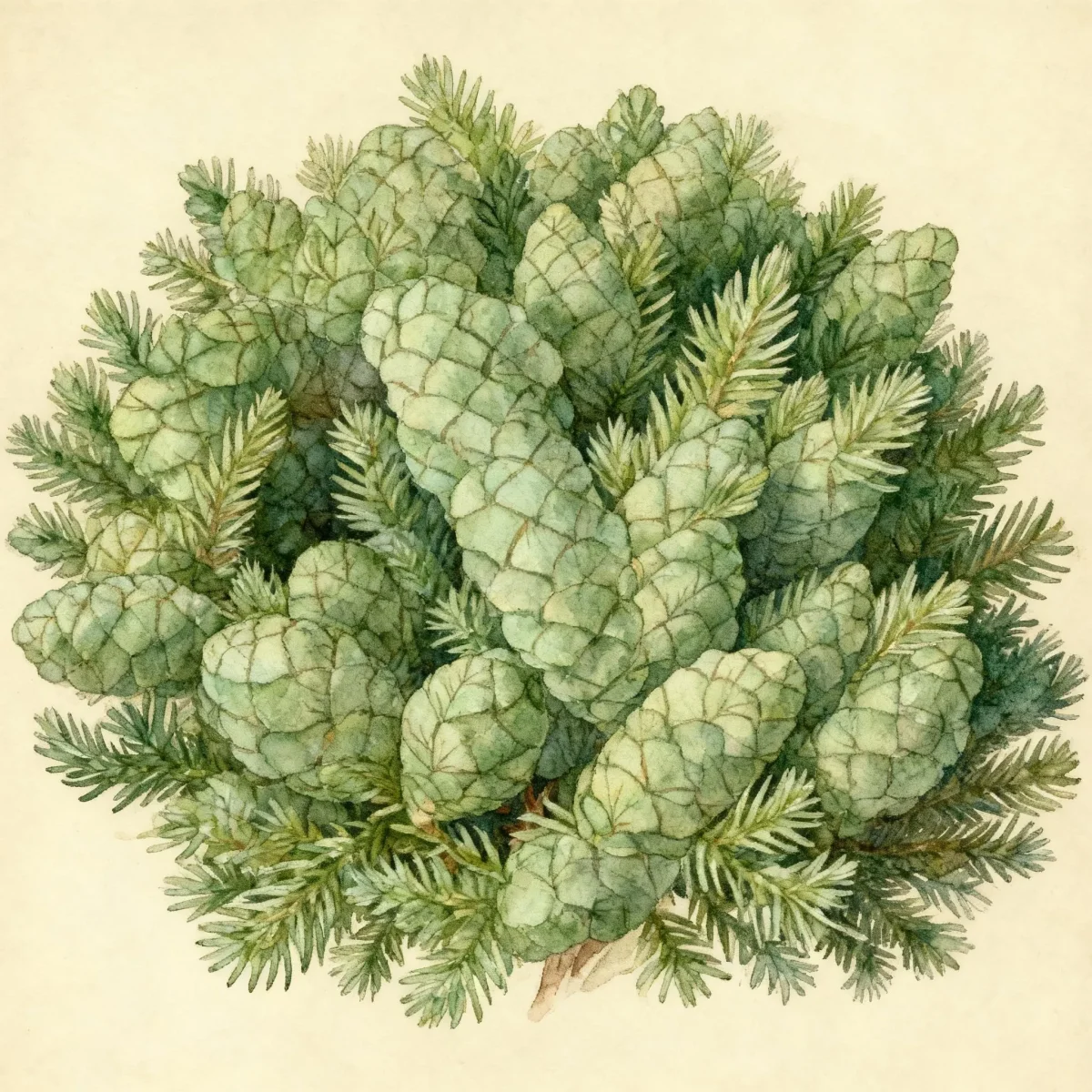
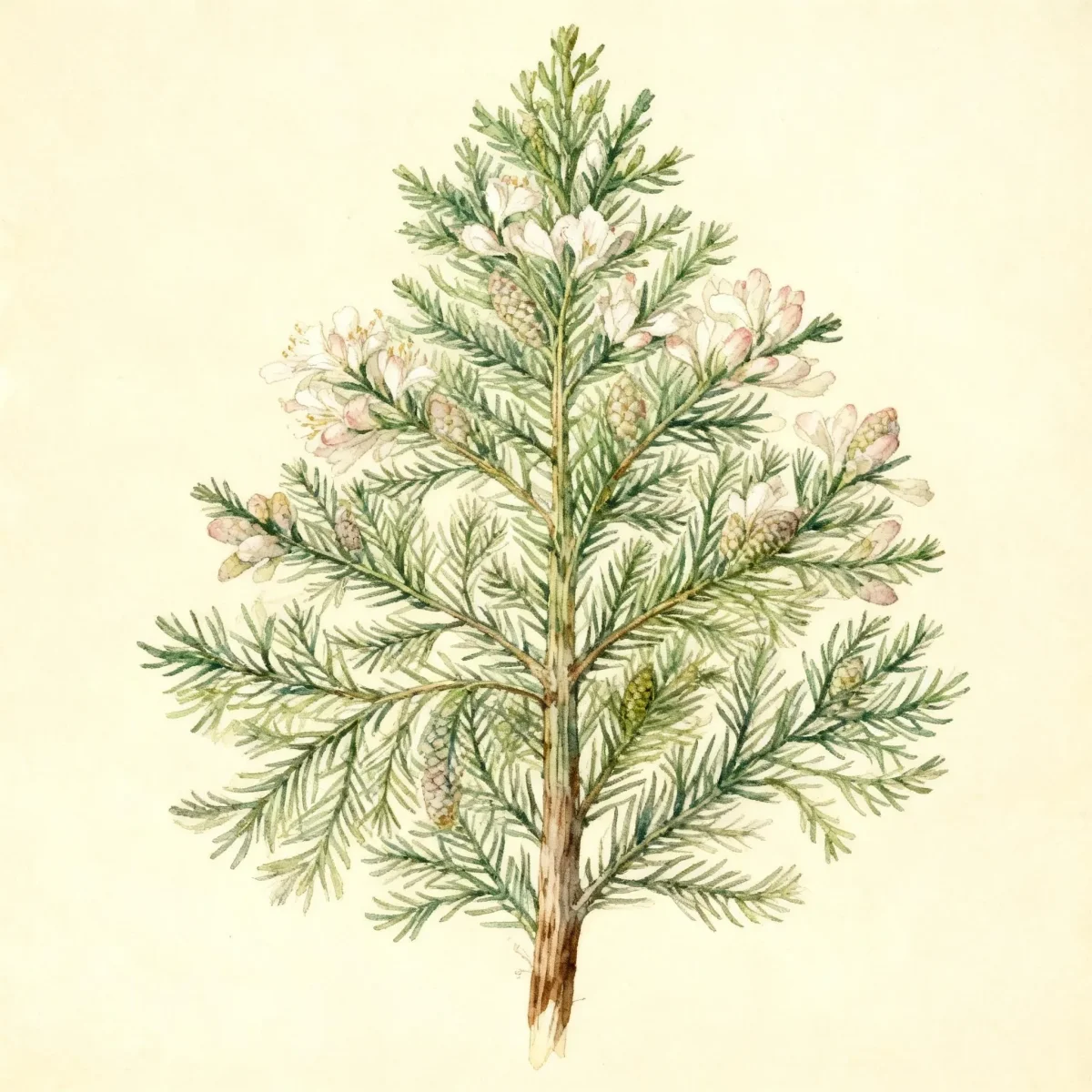
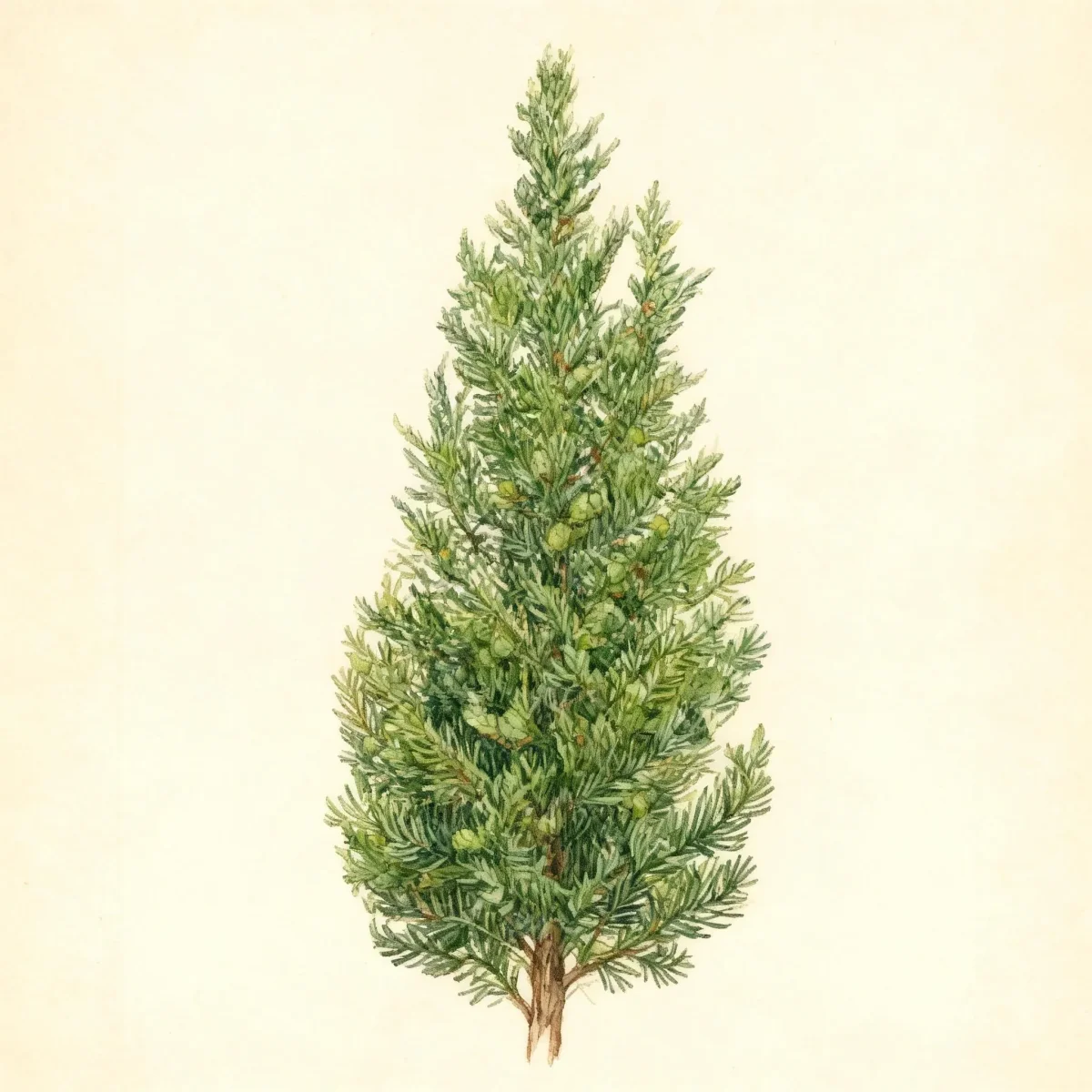
Juniperus procumbens, commonly called Japanese garden juniper, is a dwarf, procumbent, shrubby ground cover that grows 8-18” (sometimes to 24”) tall and spreads over time by long trailing branches to form a dense mat 10-15’ wide. It is native to Japan. Branches spread parallel to and slightly above the ground. Growth is somewhat slow, typically taking 10 years to spread 10 feet. Spiny-pointed blue-green to gray-green needles (to 1/3” long) are primarily linear and appear in whorls of three. Fleshy seed cones (blackish berries at maturity) are often absent on cultivated plants. Synonymous with J. Chinensis var. Procumbens.Genus name comes from the Latin name for the juniper.Specific epithet means prostrate.
Tolerances
- Deer
- Drought
- Erosion
- Dry Soil
- Shallow-Rocky Soil
- Air Pollution
Potential Problems
The Japanese garden juniper is generally hardy and resists most major pests and diseases. The most common issue faced is blight, specifically Phomopsis twig blight, which causes dieback on stem tips, often appearing after unusually rainy or wet springs. To manage this, ensure proper air circulation and avoid overhead watering.
Additionally, cedar-apple rust diseases use junipers as a necessary host stage, though this is usually more cosmetic than fatal. Root rot is a serious threat, but it almost always signals poorly drained or overly wet soil conditions, which this species cannot tolerate. If root rot is suspected, improvement of soil drainage is critical. Minor insect pests such as aphids or scale can occasionally appear; these are usually manageable with horticultural oil treatments.
Frequently Asked Questions
What hardiness zones is Japanese garden juniper suitable for?
The Juniperus procumbens is hardy across a wide range, thriving best in USDA Zones 4 through 9.
How large does Japanese garden juniper grow?
This evergreen typically reaches a low height of 0.5 to 1.5 feet but spreads extensively, often achieving a width of 10 to 15 feet at maturity, forming a dense mat.
What sun exposure does Japanese garden juniper need?
This ground cover requires full sun exposure to maintain its dense, attractive, low-growing form.
When does Japanese garden juniper bloom?
The Japanese garden juniper is a non-flowering needled evergreen and does not produce ornamental flowers.
Conclusion
The low-growing, rugged nature of the Juniperus procumbens makes it an indispensable tool for landscape architects and home gardeners alike seeking low maintenance solutions for challenging areas. Its vast spread, drought tolerance, and evergreen presence provide year-round visual structure. Before planting, confirm your soil offers excellent drainage and that your site receives ample direct sunlight to ensure the longevity of this superior Japanese garden juniper.
Companion Planting
When planning beds around your Japanese garden juniper, focus on plants that share its love for full sun and well-drained conditions. Good companions include Sedums, low-growing ornamental grasses like Blue Fescue (Festuca glauca), or drought-tolerant perennials like Yarrow (Achillea). These options will complement the fine texture of the juniper without competing aggressively for moisture in lean soils.
Avoid planting broadleaf deciduous shrubs that require consistent, heavy watering immediately adjacent to the juniper, as this can lead to root rot issues for the Juniperus procumbens. Success relies on creating a tapestry of plants that all prefer sharp drainage and tolerate periodic dry spells once established.
Seasonal Care Calendar
Spring is the ideal time to inspect the Japanese garden juniper for any signs of winter damage or blight, removing any dead or diseased stems immediately to promote healthy new growth. Water deeply but infrequently during summer, especially during extreme heat waves, remembering this plant prefers to dry out between soakings.
In the fall, clean up any debris that settles on the low-lying branches, which helps prevent moisture buildup that can encourage fungal issues over winter. No specialized winter protection is typically needed in Zones 4 through 9, provided the plant is sited in a well-drained location. Avoid heavy fertilization, as this encourages soft growth that is susceptible to winter burn.