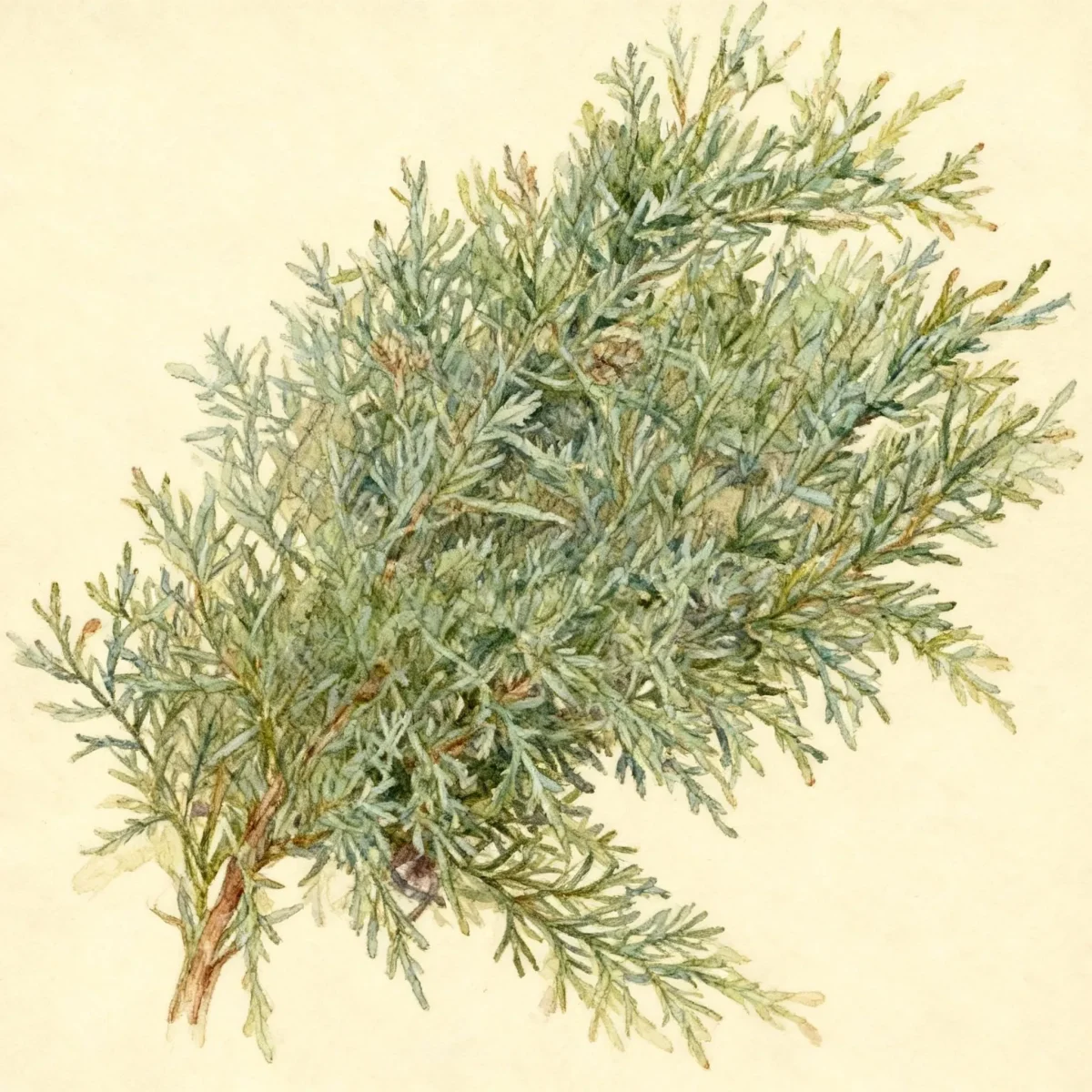
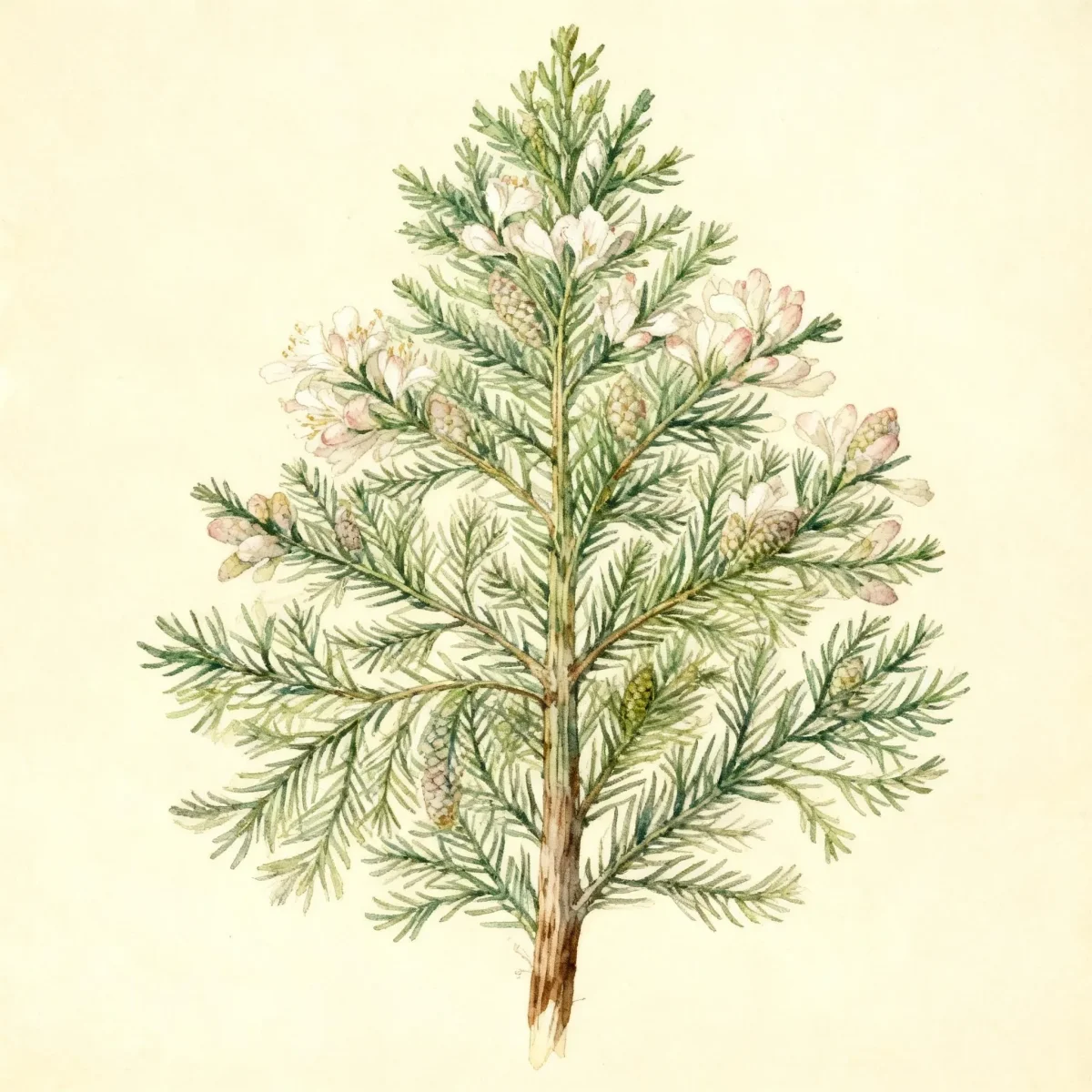
Juniper (Juniperus chinensis var. sargentii)
Sargent juniper (Juniperus chinensis var. sargentii) is a low, spreading Juniper ideal as evergreen ground cover, rewarding gardeners with low maintenance and drought tolerance.
Scroll down to discover growing tips, care requirements, companion plants, and more
Complete Plant Information
Overview
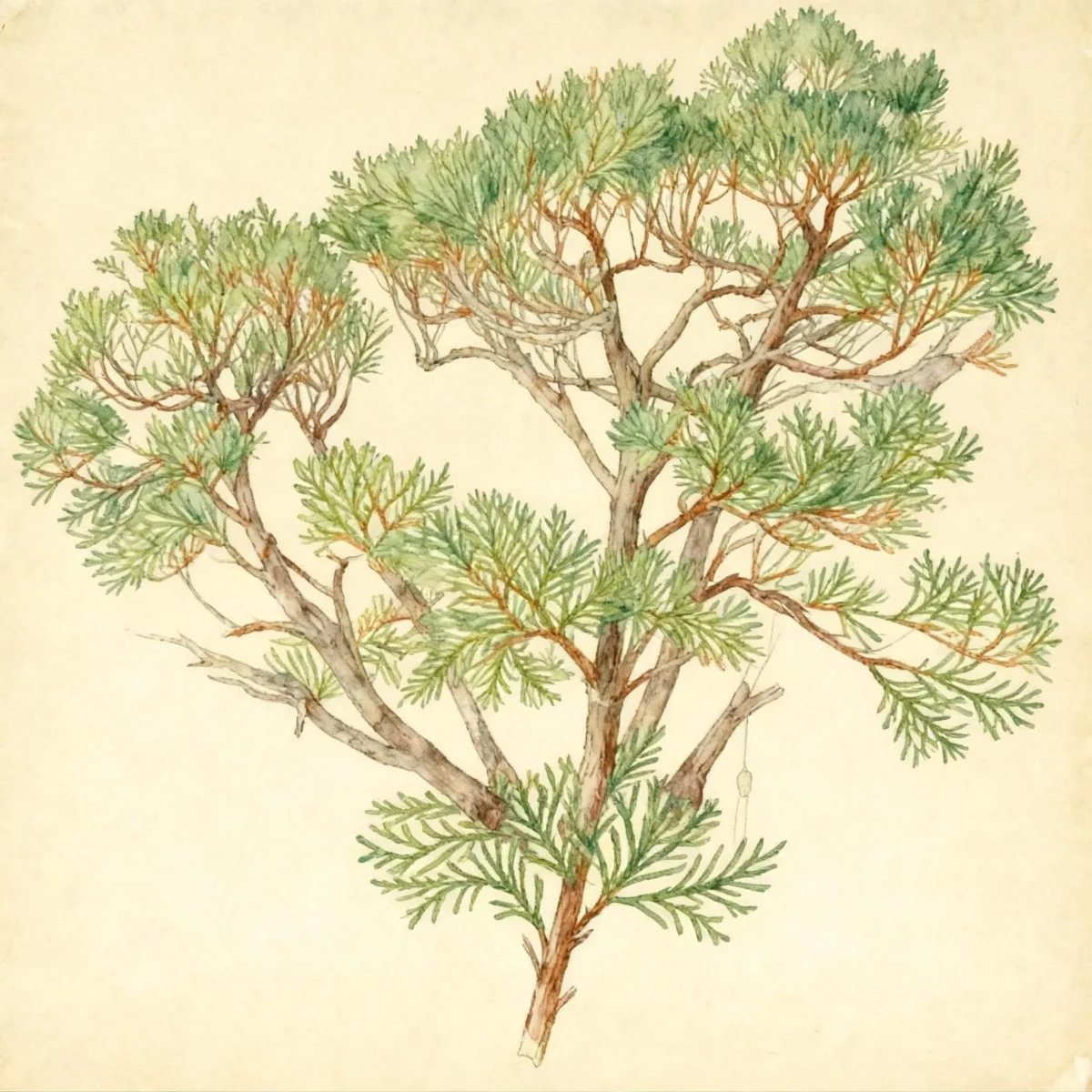
The Sargent juniper, scientifically known as Juniperus chinensis var. Sargentii, is a highly valued, low-growing needled evergreen prized for its dense, spreading habit. This particular variety of Chinese Juniper offers excellent texture and year-round color, making it a cornerstone for erosion control and textural contrast in the landscape. Gardeners appreciate this Juniper for its incredible adaptability and rugged durability once established.
This variety typically spreads significantly wider than it grows tall, usually hugging the ground between 1 and 2 feet high but reaching spreads of 8 to 10 feet. The structure consists of erect stems emerging from prostrate branches, creating a thick, mat-like cover. Juniperus chinensis var. Sargentii thrives in full sun and requires minimal attention, aligning perfectly with low-maintenance garden designs.
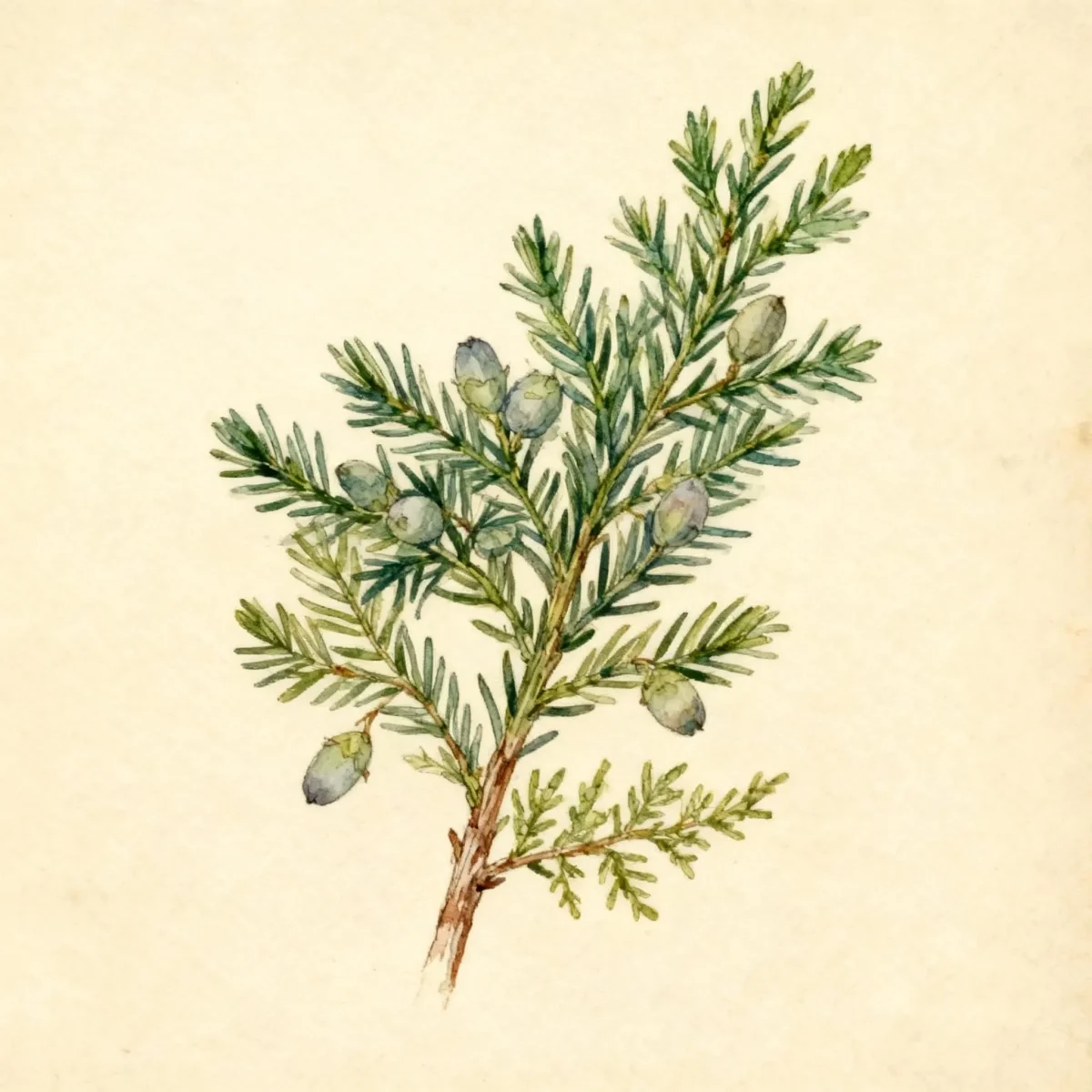
As a dioecious plant, female plants produce attractive, blue-tinged cones, adding visual interest during the winter months. Whether used on steep banks or integrated into rock gardens, the Sargent juniper provides reliable, tough evergreen coverage and stands as a testament to the reliability of the Juniper genus in challenging sites.
Fast Facts
- Plant Family: Cupressaceae
- Plant Type: Needled evergreen
- Native Range: Russia, China, Japan
- Hardiness Zones: USDA Zones 4-9
- Size at Maturity:
- Height: 1-2 ft
- Spread: 8-10 ft
- Bloom Time: Non-flowering
- Bloom Description: Non-flowering
- Sun Exposure: Full sun
- Water Needs: Medium
- Maintenance Level: Low
How to Grow
Planting Juniperus chinensis var. Sargentii is best done in the spring or fall to allow the roots time to establish before extreme summer heat or winter cold arrives. Select a location that receives full sun exposure daily, as reduced light will thin the foliage and create a weaker, less desirable shape. This Juniper is remarkably adaptable regarding soil type; it grows very well in sandy loams and tolerates a wide variety of average, well-drained soils. Crucially, avoid areas that experience standing water or persistent wetness, as the plant is intolerant of them, indicating a high risk for root rot.
Once established, this Juniper requires medium watering, though it shows significant tolerance to drought conditions, making it an excellent choice for xeriscaping or dry slopes. Fertilization is rarely necessary; allowing the plant to acclimate to its soil environment is usually sufficient. When pruning is required, focus on light shaping to maintain the desired spread, as heavy pruning can damage the older wood. Because the plants are dioecious, note that only female plants will produce the showy blue-black seed cones.
City gardeners will find Juniperus chinensis var. Sargentii particularly useful due to its tolerance for many common city air pollutants. For winter, little specific preparation is usually needed once established in its hardiness zone. Spring is the ideal time to inspect the plant for any winter dieback or signs of blight that might require trimming before the active growing season begins.
Landscape Uses
The low, spreading profile of the Sargent juniper makes it an outstanding choice for ground cover across level ground, where it effectively smothers weeds and provides dense, evergreen coverage throughout the year. Its ability to anchor soil is invaluable when planted on slopes or banks where other less vigorous plants might struggle to establish themselves against erosion. This tough Juniper is equally at home as an accent in rock gardens, softening harsh stone edges with its fine, blue-green texture.
Beyond its functional use on slopes, consider using Juniperus chinensis var. Sargentii as a foundation planting where low height is essential, ensuring it never obscures windows or walkways. For structural contrast, plant it near taller, conical evergreens or deciduous shrubs that offer height variation. Its willingness to grow well in poorer soils also means it pairs perfectly with other resilient species, such as sedums, certain ornamental grasses, or drought-tolerant flowering perennials.
Standout Features
Fruit Qualities
- Showy
Noteworthy Characteristics
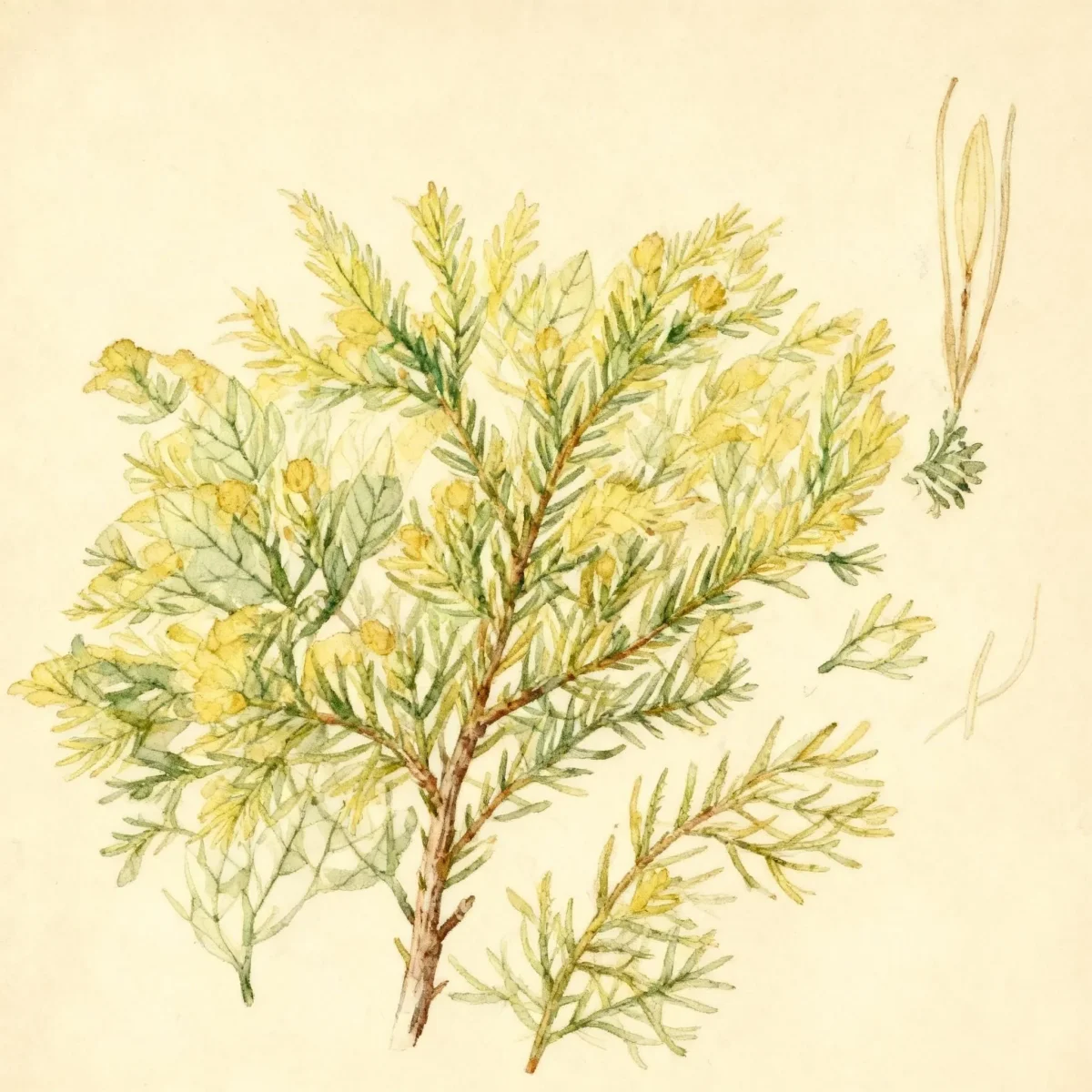
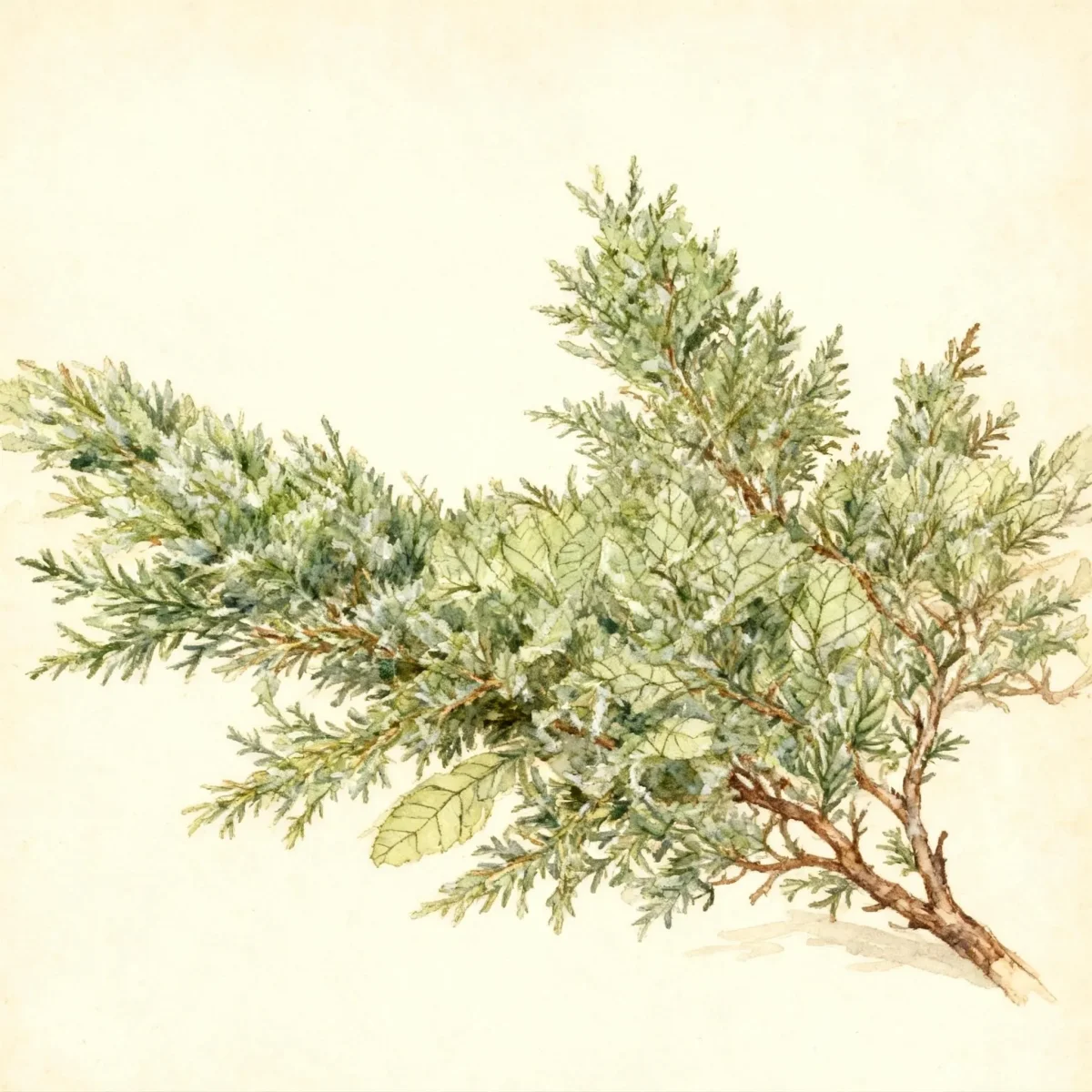
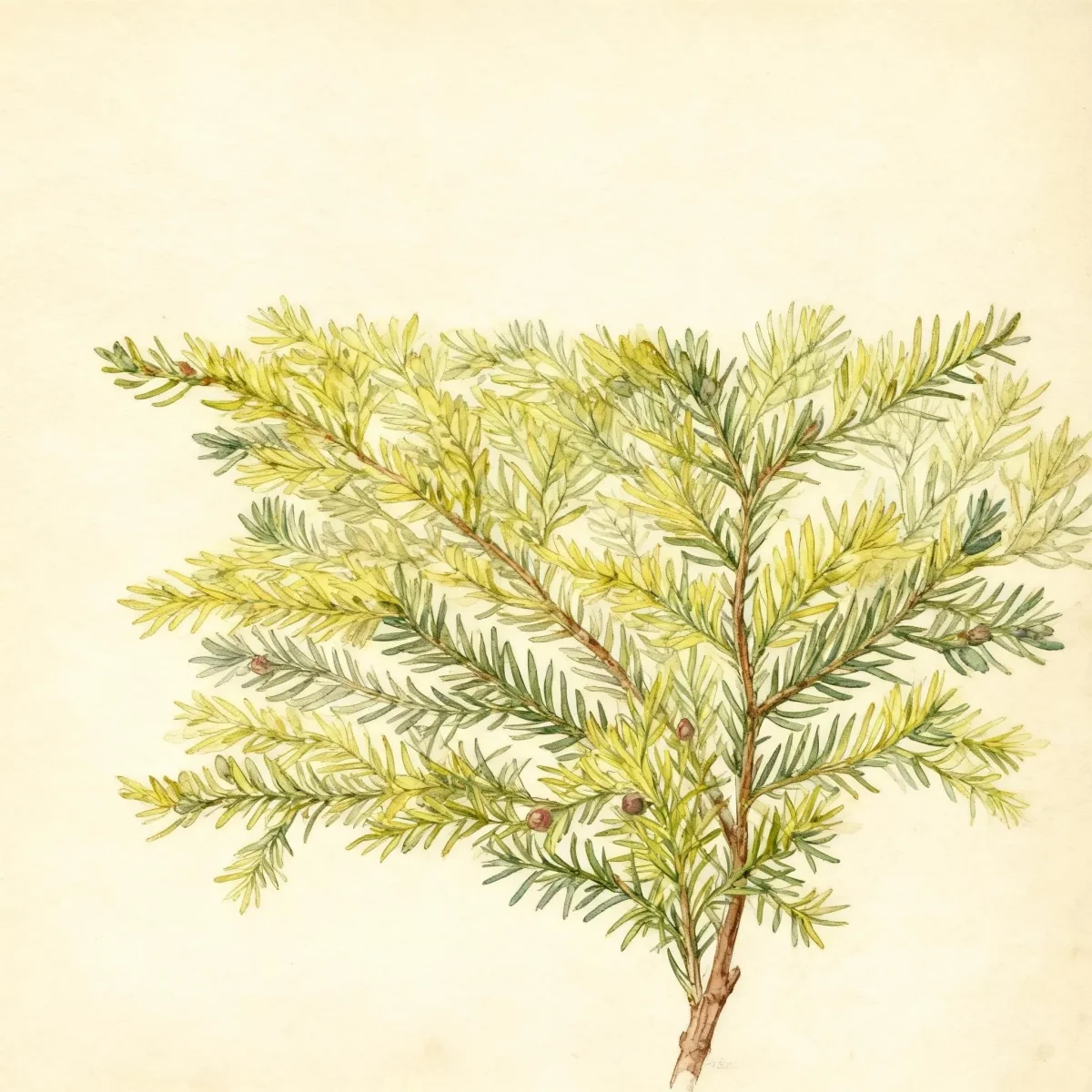
Juniperus chinensis, commonly called Chinese juniper, is a dioecious evergreen conifer that is native to China, Japan, Mongolia and the Himalayas. It is often seen in the wild as a conical tree to 50’ tall and 20’ wide, but also appears in much shorter shrubby or spreading forms. Foliage is dark green. Brown bark on mature stems peels in strips. Although species plants are rarely sold in commerce, a large number of cultivated varieties ranging in size from large trees to large/small shrubs to low-growing groundcovers have become popular ornamental landscape plants. Chinese juniper leaves come in two types: scale-like (adult) and awl/needle-like (juvenile). Cones (pollen and seed-bearing) appear on different plants. Male plants produce catkin-like pollen cones. Female plants produce fleshy, berry-like, whitish-blue seed cones that usually acquire violet-brown tones as they mature over two years. Var. Sargentii, commonly called Sargent juniper, is native to the Kurile Islands, Northern Japan and northeastern China. It is a creeping shrub that typically grows to 1-2’ tall and spreads to 8-10’ wide. Erect stems grow from prostrate branches. Aromatic, scale-like (adult), blue-green leaves and needle-like (juvenile) young leaves in whorls of three. Pollinated female plants produce fleshy seed cones (bluish-black berries). Synonymous with Juniperus sargentii. Genus name comes from the Latin name for the juniper. Specific epithet means of China.
Tolerances
- Deer
- Drought
- Erosion
- Dry Soil
- Shallow-Rocky Soil
- Air Pollution
Potential Problems
Junipers, including Juniperus chinensis var. Sargentii, generally exhibit good resistance to serious insect or disease issues, particularly this variety, which shows reported good resistance to juniper blight. However, gardeners should remain vigilant. Susceptibility exists for tip and needle blights, which can lead to browning foliage tips.
Cedar-apple rust and related fungal diseases may also attack junipers, as they spend a portion of their life cycle on this host. Preventative action involves ensuring good air circulation around the plants and avoiding overhead watering late in the day. Root rot is a primary concern, likely occurring if the soil drainage is poor or if the plant is overwatered, as it cannot tolerate overly wet conditions.
Occasional insect pests can include minor infestations of aphids, scale insects, bagworms, or webworms. Treat minor outbreaks immediately with horticultural oil or insecticidal soap, targeting the pests directly. Canker can also attack the bark or main stems, often following injury; promptly prune out and destroy any cankered branches to slow its spread.
Frequently Asked Questions
What hardiness zones is Juniper suitable for?
This Juniper variety is hardy across USDA Zones 4 through 9, offering wide applicability across temperate climates.
How large does Juniperus chinensis var. sargentii grow?
At maturity, Sargent juniper typically reaches a height of 1 to 2 feet but spreads significantly outwards, covering an area 8 to 10 feet wide.
What sun exposure does Juniper need?
This needled evergreen requires full sun exposure to maintain its dense, healthy growth habit.
When does Juniperus chinensis var. Sargentii bloom?
This conifer is non-flowering, meaning it does not produce traditional flowers; instead, it develops fleshy, berry-like cones on female plants.
Conclusion
The Juniperus chinensis var. Sargentii stands out as a remarkably resilient, spreading evergreen, providing essential low-growing texture and winter interest with extremely low maintenance demands. Its tolerance for poor soils and drought makes this Juniper an indispensable tool for stabilizing slopes and covering large areas effectively. Before planting, confirm that your intended site provides the full sun exposure this variety requires, ensuring a robust and beautiful landscape contribution for years to come.
Companion Planting
When designing around Sargent juniper, focus on plants that share similar demands for full sun and excellent drainage. Low-growing, sun-loving perennials with contrasting textures work exceptionally well; consider pairing the fine texture of the Juniper with the broad leaves of certain Sedums or Hens-and-Chicks (Sempervivum). Utilizing these drought-tolerant companions ensures that the entire planting bed benefits from the same minimal watering regimen required by the Juniperus chinensis var. Sargentii.
For height variation near the edges of a bank planting, incorporate plants that do not aggressively compete for space or moisture. Short, mounding ornamental grasses provide movement that contrasts nicely with the static form of the Juniper. Avoid moisture-loving perennials, as the resulting watering schedule necessary to keep them happy will stress the Juniper and increase the risk of root rot in this adaptable species.
Design Ideas for Ground Cover Applications
Utilizing Juniperus chinensis var. Sargentii as ground cover is one of its best applications, especially on sloped sites where its spreading root structure aids in soil stabilization. Plant in drifts rather than single specimens to maximize weed suppression and create a broad tapestry of color and texture across the landscape. When planting on banks, place specimens closer together initially than you might on flat ground to speed up the coverage process.
In contemporary landscape design, Sargent juniper can work beautifully when used as a softening agent around hardscape elements like large boulders or retaining walls. Its low profile keeps sightlines open while providing a foundational evergreen carpet. Because it handles urban pollution well, this Juniper is an excellent dark green anchor when planted near entryways or along driveways where overhead canopy is sparse.