Korean arborvitae (Thuja koraiensis)
Discover Thuja koraiensis, the Korean arborvitae, a rare, low-maintenance evergreen offering attractive scale-like foliage and adaptability.
Scroll down to discover growing tips, care requirements, companion plants, and more

Complete Plant Information
Overview
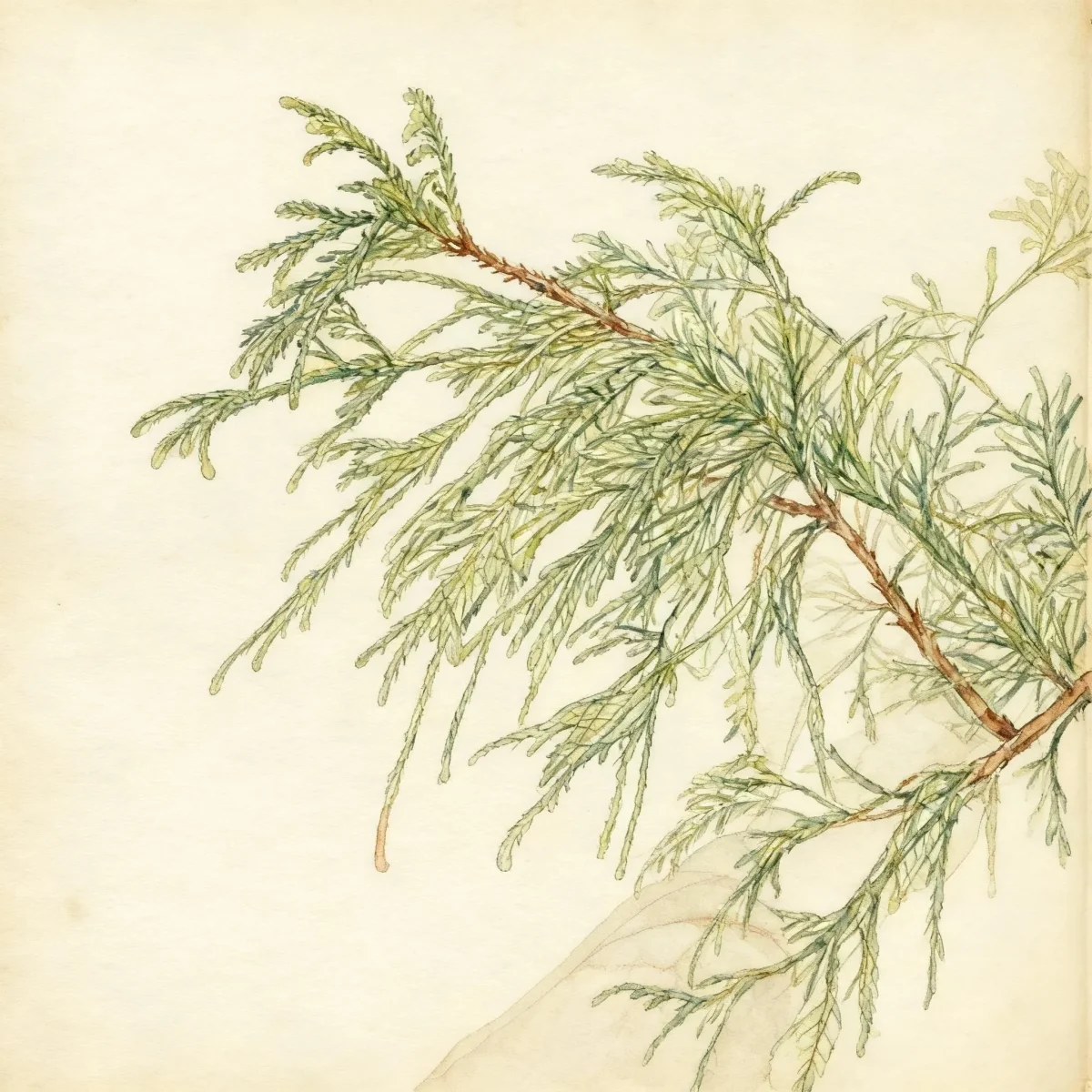
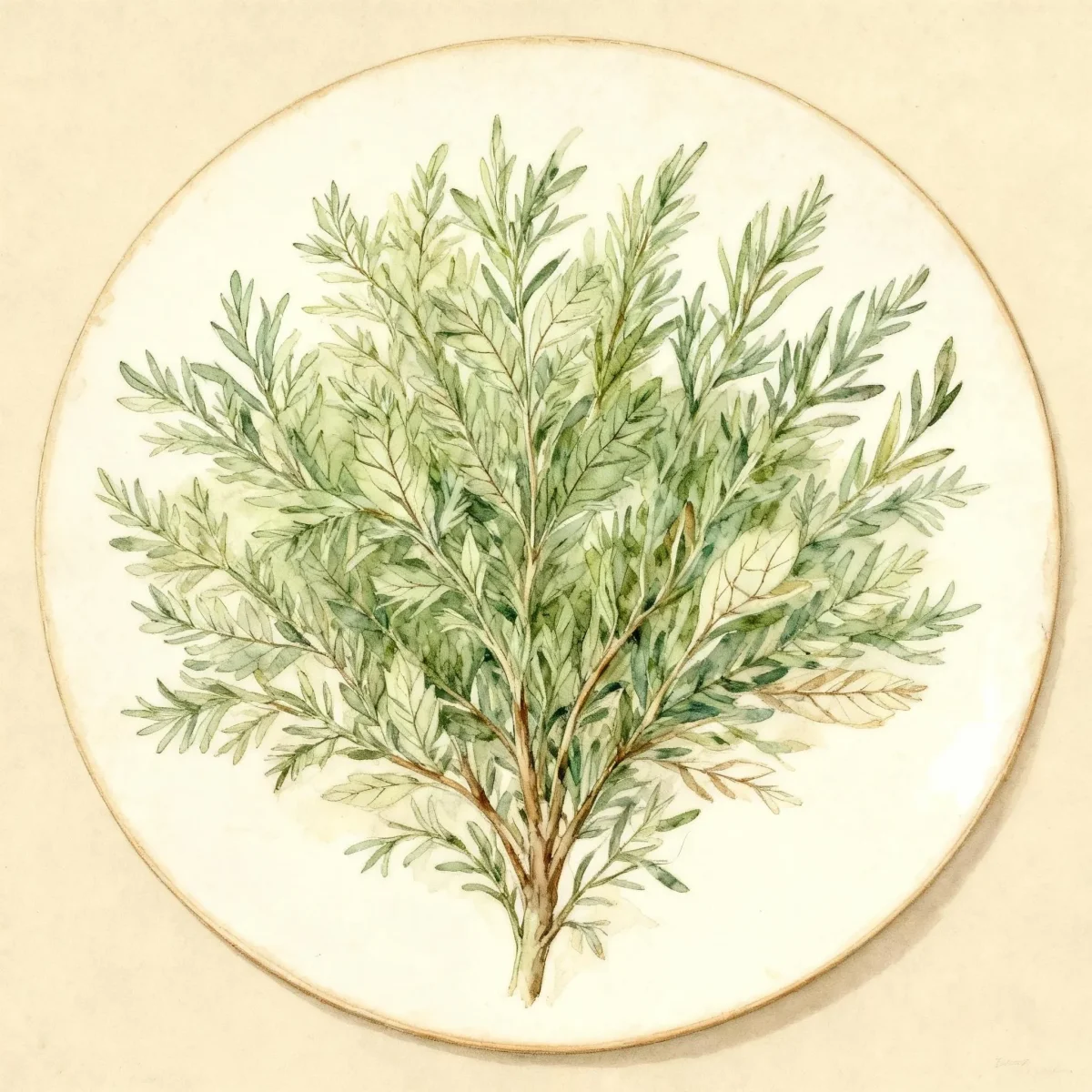
The Thuja koraiensis, commonly known as Korean arborvitae, is an appealingly uncommon needled evergreen valuable for adding textural interest to the garden. This species is often sought after because of its rarity in commercial nurseries, offering a unique alternative to more common Thuja varieties. Its distinctive foliage features mat-green upper surfaces contrasted beautifully by bright white stomatal bands underneath.
Native to the slopes and valleys of Korea and northeastern China, Thuja koraiensis exhibits adaptability in form, growing either as a slender, conical tree or a sprawling shrub depending on microclimate and elevation. Gardeners appreciate its relatively low maintenance requirements once established.
As an excellent, uncommon ornamental evergreen, the Thuja koraiensis brings year-round structure to the landscape, making it a fantastic specimen plant where its unique habit can be fully observed. Plan for its potential height of up to 30 feet when siting this long-term addition.
Fast Facts
- Plant Family: Cupressaceae
- Plant Type: Needled evergreen
- Native Range: Central China, Korea
- Hardiness Zones: USDA Zones 5-8
- Size at Maturity:
- Height: 15-30 ft
- Spread: 10-15 ft
- Bloom Time: Non-flowering
- Bloom Description: Non-flowering
- Sun Exposure: Full sun to part shade
- Water Needs: Medium
- Maintenance Level: Low
How to Grow
The ideal time to establish your Korean arborvitae is during the spring or fall, allowing the roots time to settle before summer heat or winter cold arrives. Site this tree where it receives full sun, though light afternoon shade is beneficial in very hot summer regions. Thuja koraiensis thrives best in average, medium-moisture, well-drained loam soils that are neutral to slightly alkaline.
Watering should be consistent, especially during the establishment phase, as the species is noted to be intolerant of dry conditions. Maintain medium soil moisture levels; avoid planting in areas prone to waterlogging. Annual fertilization is generally unnecessary due to its low maintenance nature, but amendments can be used to improve drainage if the site is heavy clay.
When pruning, focus only on removing dead or crossing branches, as heavy shaping is typically not required. It is critical to avoid planting Thuja koraiensis in deep shade, as diminished light exposure will cause the foliage density to decrease significantly, losing much of its ornamental appeal. Prepare beds by ensuring excellent drainage to support the health of this beautiful evergreen.
Landscape Uses
The Korean arborvitae serves as an interesting and uncommon small ornamental evergreen, making it a standout choice for feature plantings where its texture and form can be admired, especially since this tree is rare in commerce. Its size allows it to function well as a specimen tree in smaller gardens or as an anchor plant in mixed shrub borders.
Because the Thuja koraiensis maintains its color year-round, it provides crucial winter structure. Consider planting it strategically near windows or walkways to highlight the contrast between the dark green topsides and the silvery undersides of the foliage during breezes. Due to its relative slow growth and upright habit, it can gently screen undesirable views without becoming an overpowering hedge.
Finding this specific species can be challenging, so integrate it carefully where you want to introduce an element of subtle exoticism rooted in East Asian horticulture. Pair it with broadleaf evergreens or deciduous shrubs that offer differing foliage shapes for maximum visual contrast throughout the seasons.
Standout Features
Noteworthy Characteristics
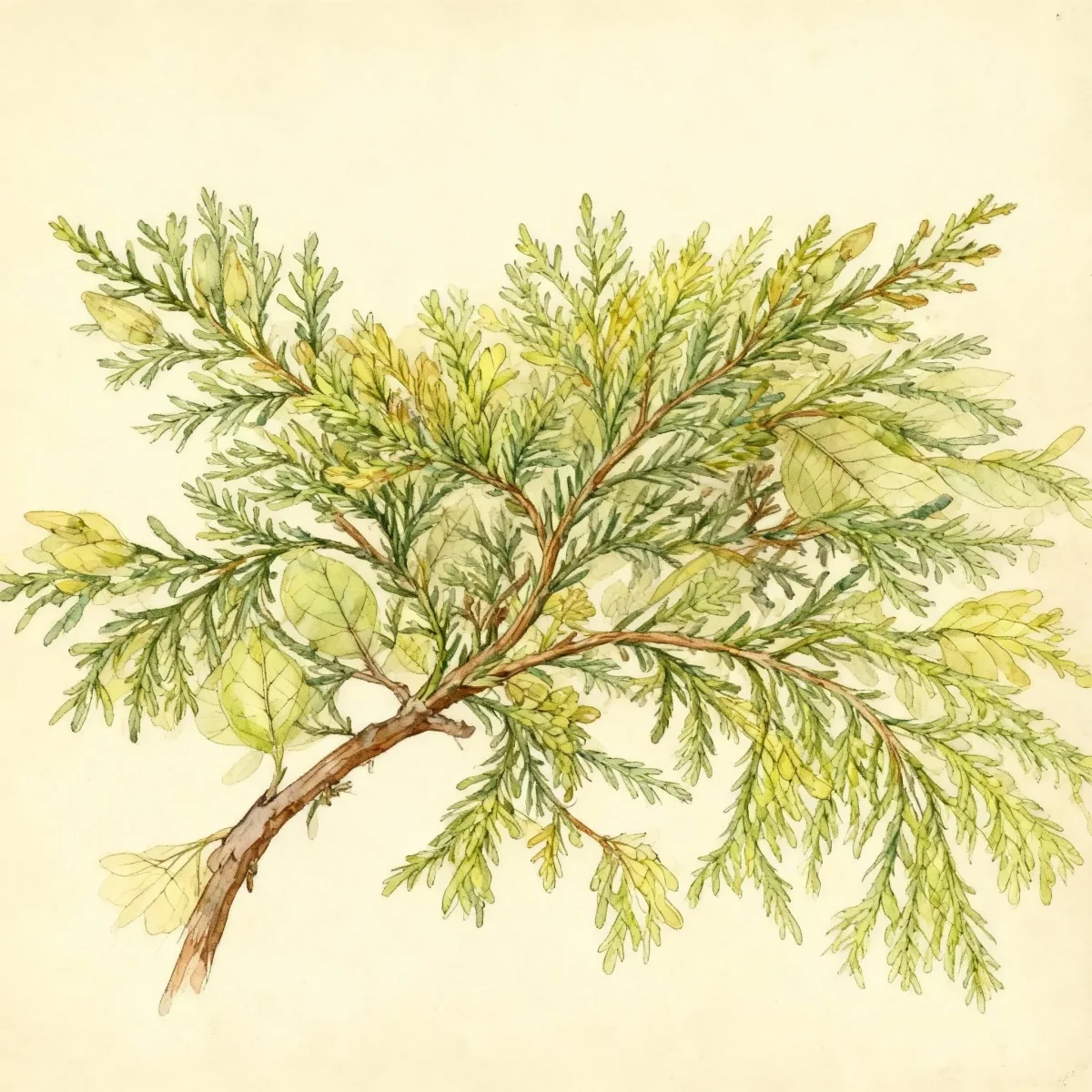
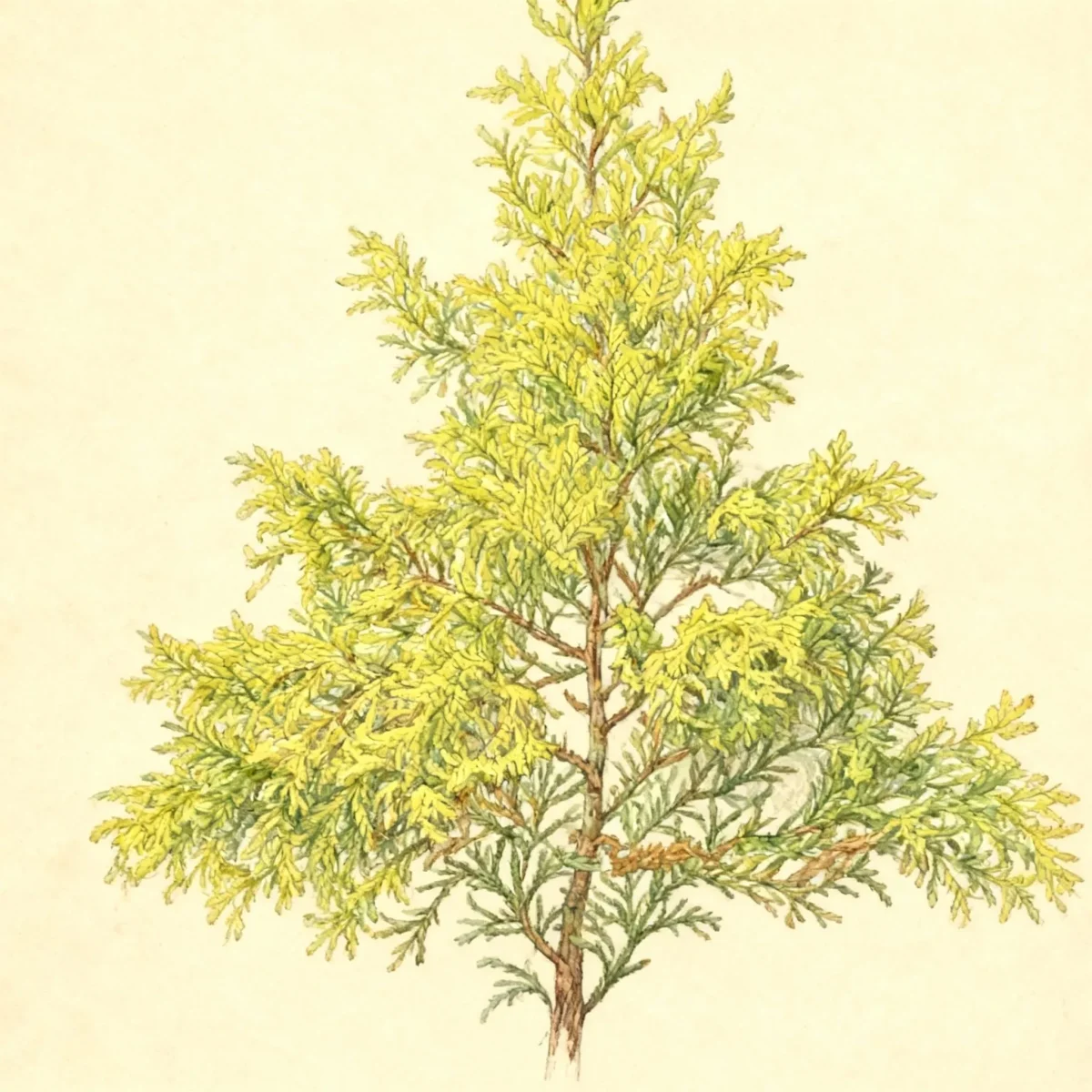
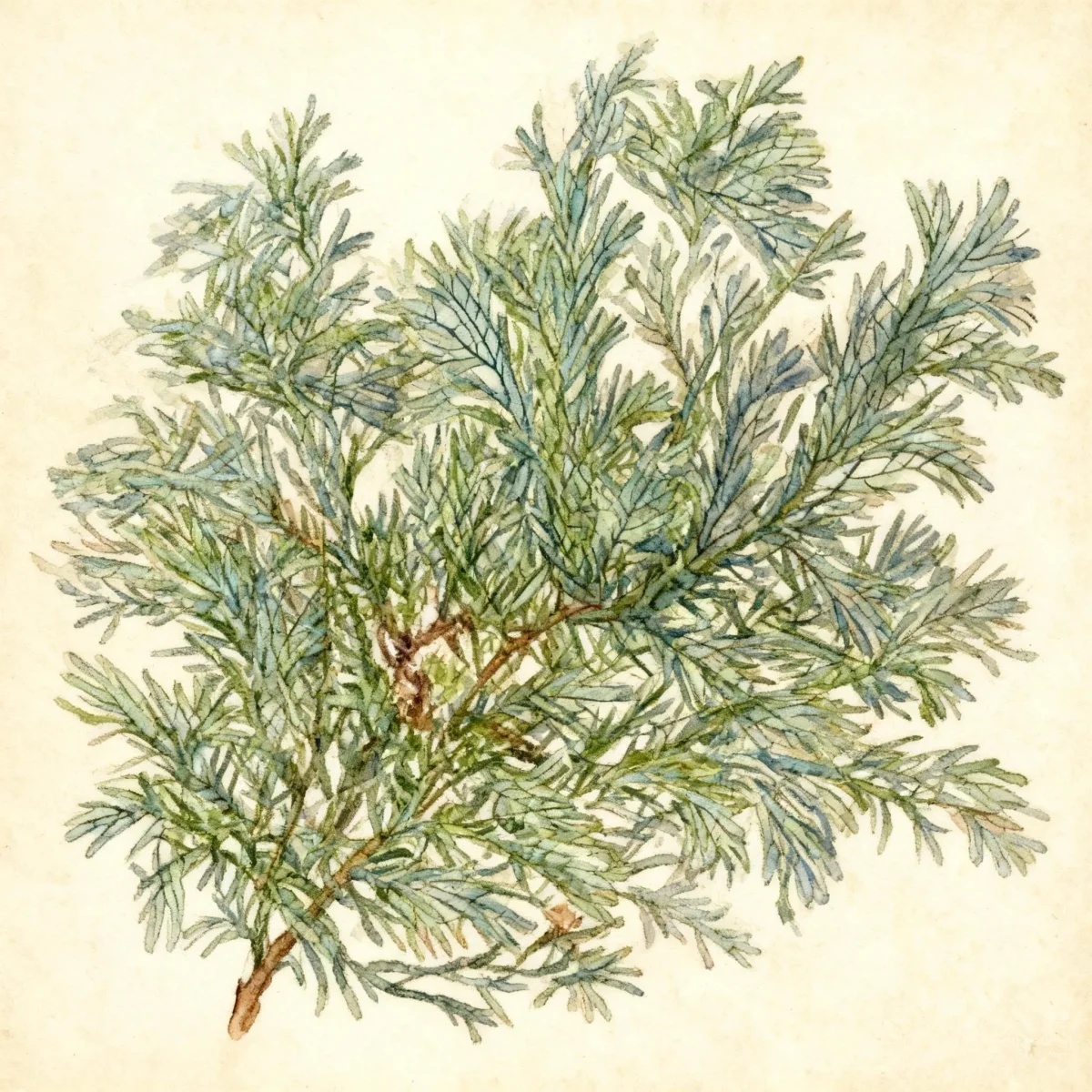
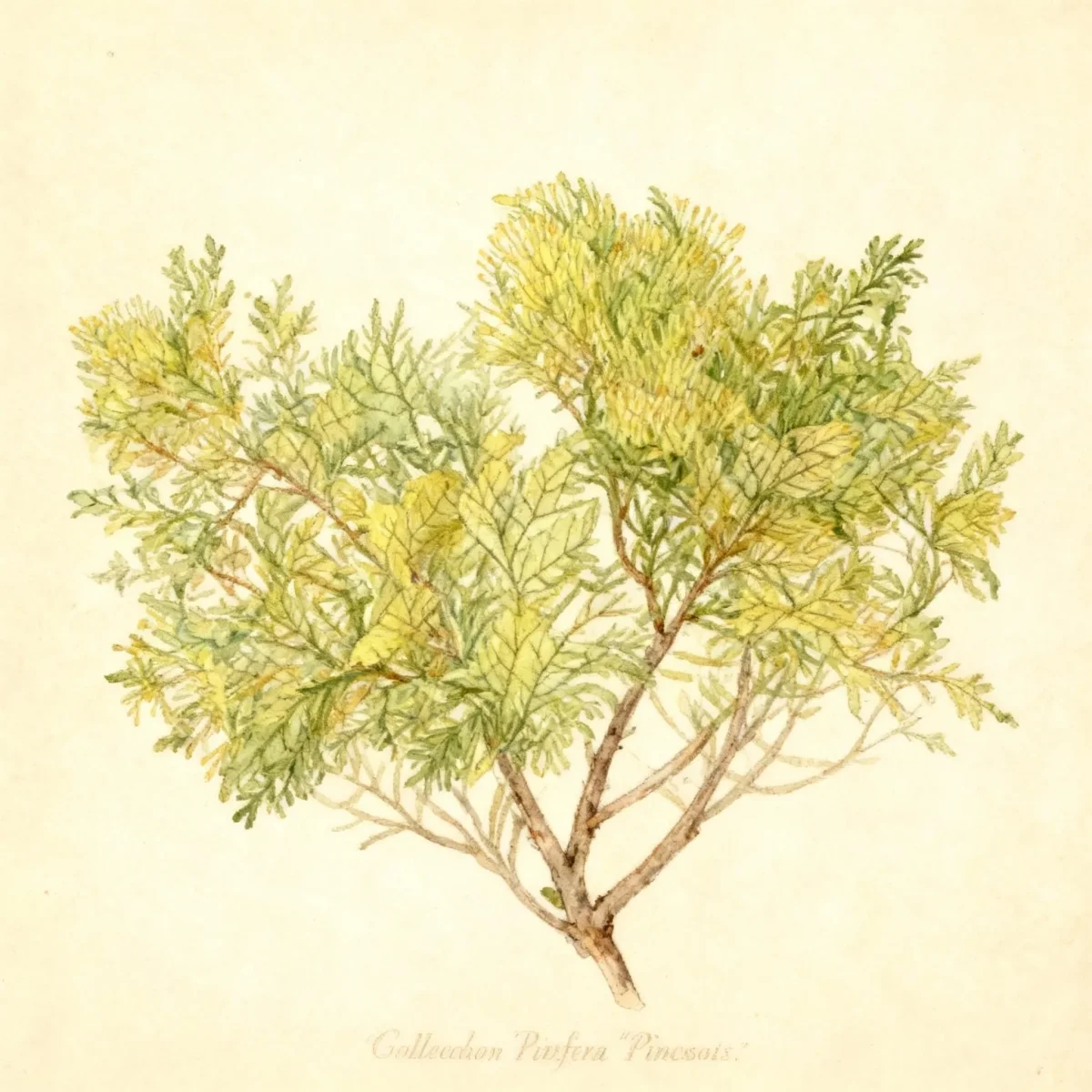
$Thuja koraiensis$, commonly called Korean arborvitae, is a small evergreen tree or large shrub native to valleys, slopes, and mountain ridges in Korea and northeastern China. In its native environment, trees are often conical and slender in habit, but plants found on mountain ridges often appear as sprawling shrubs, growing from 15’ to 30’ tall. Plants display attractive scale-like leaves in flattened sprays, which are mat-green above with contrasting white stomatal bands underneath, providing excellent textural interest.
Tolerances
- No tolerances listed
Potential Problems
The Thuja koraiensis generally exhibits no serious insect or disease problems, contributing to its low maintenance rating. Vigilance should be focused on environmental stressors rather than specific pest outbreaks. The primary threat to the health of the Korean arborvitae is poor soil drainage or extended drought periods.
Ensure the planting site has ample moisture retention but excellent drainage to prevent root rot, which is a common issue for many Cupressaceae family members under overly wet conditions. Regular inspection, especially during dry spells, is the best preventative measure against stress-related decline.
Frequently Asked Questions
What hardiness zones is Korean arborvitae suitable for?
Thuja koraiensis is hardy in USDA Zones 5 through 8. Ensure your planting site falls within this range for optimal establishment.
How large does Thuja koraiensis grow?
When mature, this species typically reaches a height between 15 and 30 feet, with a spread generally spanning 10 to 15 feet wide.
What sun exposure does Korean arborvitae need?
This evergreen prefers full sun but will tolerate part shade. However, planting in deep shade should be avoided as it significantly reduces foliage density.
When does Thuja koraiensis bloom?
This plant is classified as non-flowering, meaning it does not produce conspicuous flowers. It does produce small female cones that mature to reddish brown.
Conclusion
The Thuja koraiensis offers gardeners a unique, low-maintenance evergreen with beautiful two-toned foliage, standing out due to its relative rarity in the trade. Integrating the Korean arborvitae into your design provides lasting structure and year-round visual appeal. Before planting, confirm your soil drains well and your location is suitable for its preferred sun exposure.
Companion Planting
When selecting partners for Thuja koraiensis, prioritize plants that share its preference for medium moisture and well-drained soils, while offering textural or color contrast. Consider pairing the fine texture of the Korean arborvitae with broadleaf evergreens like Ilex species or deciduous shrubs with bold, simple leaves to enhance its unique scale-like foliage.
Plants that appreciate slightly alkaline soil conditions will also thrive nearby. Because Thuja koraiensis is unusual, use vibrant companions nearby, such as dwarf Japanese maples (if shade is provided) or bright flowering perennials, allowing the evergreen form of the arborvitae to ground the planting scheme.
Design Ideas
Given its distinct form and relative scarcity, utilizing Thuja koraiensis as a specimen plant near an entrance or on a focal point lawn provides maximum impact. Its moderate size fits well into contemporary Asian-inspired gardens or woodland-edge borders where structure is needed year-round. Use its moderate height as a mid-layer element, allowing shorter, colorful groundcovers along the base during the growing season.
In settings requiring year-round screening near a patio, a grouping of Korean arborvitae can establish a fine, structured backdrop. Ensure space is left around younger specimens to allow air circulation, which helps maintain foliage health and showcases the attractive, slender habit this tree can develop.