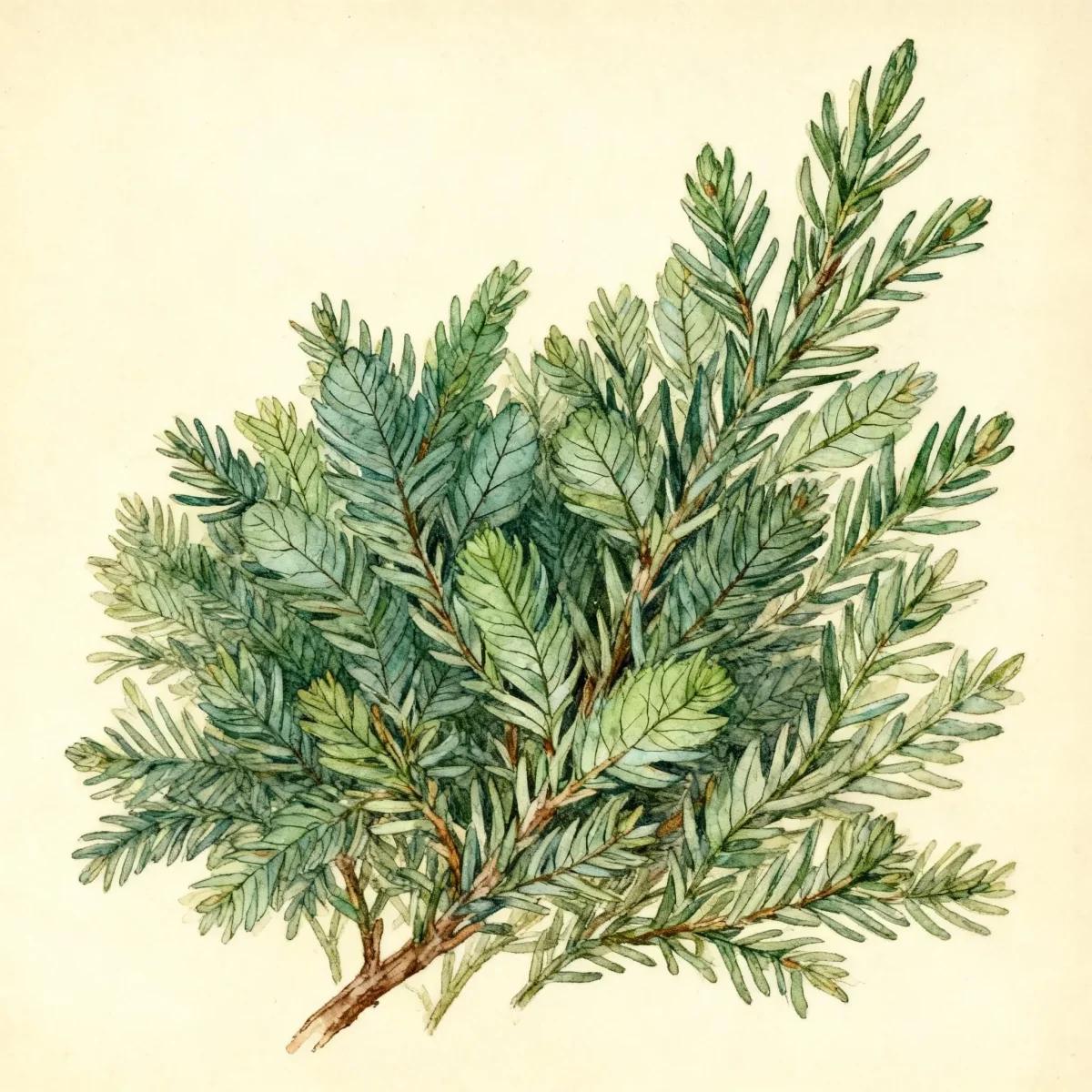
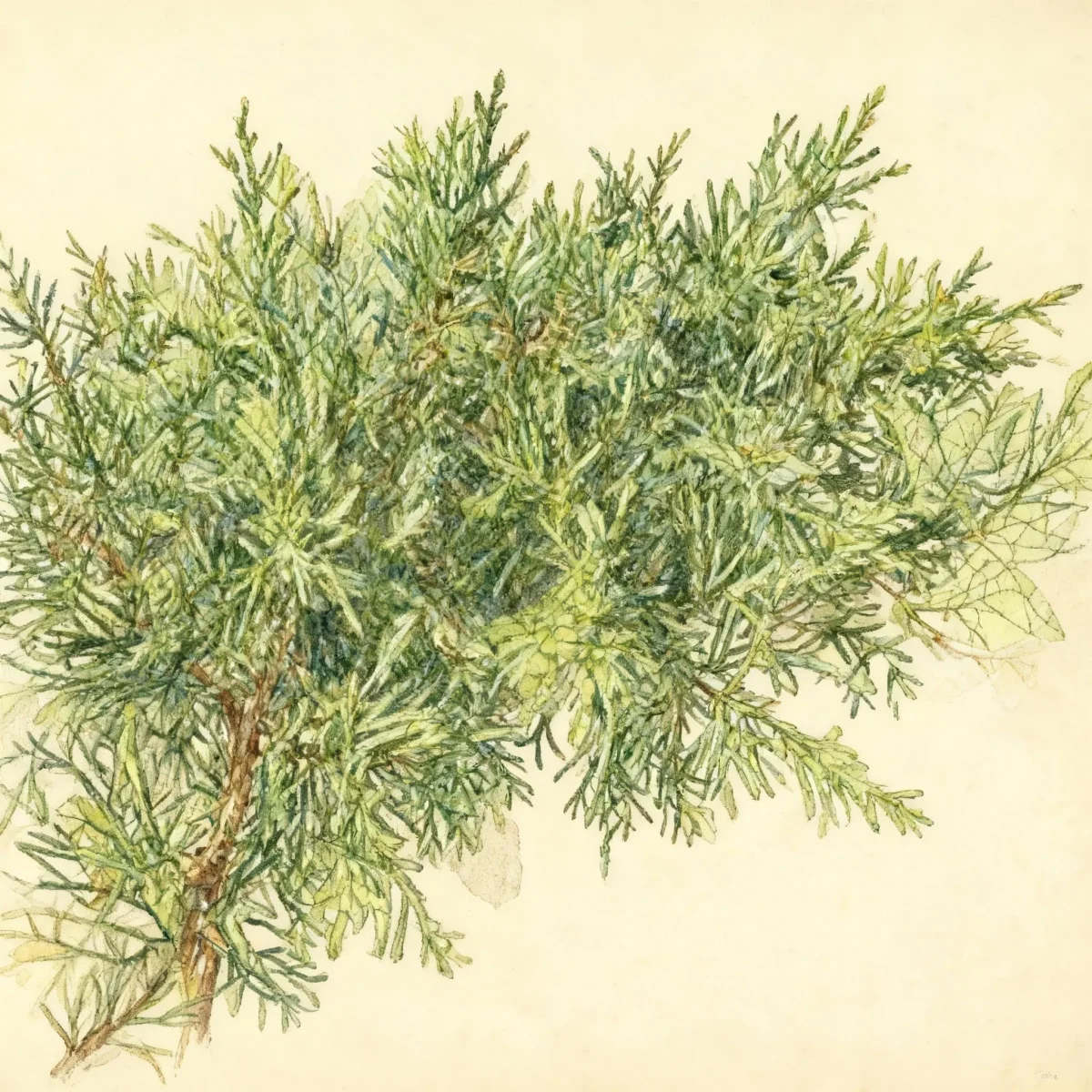
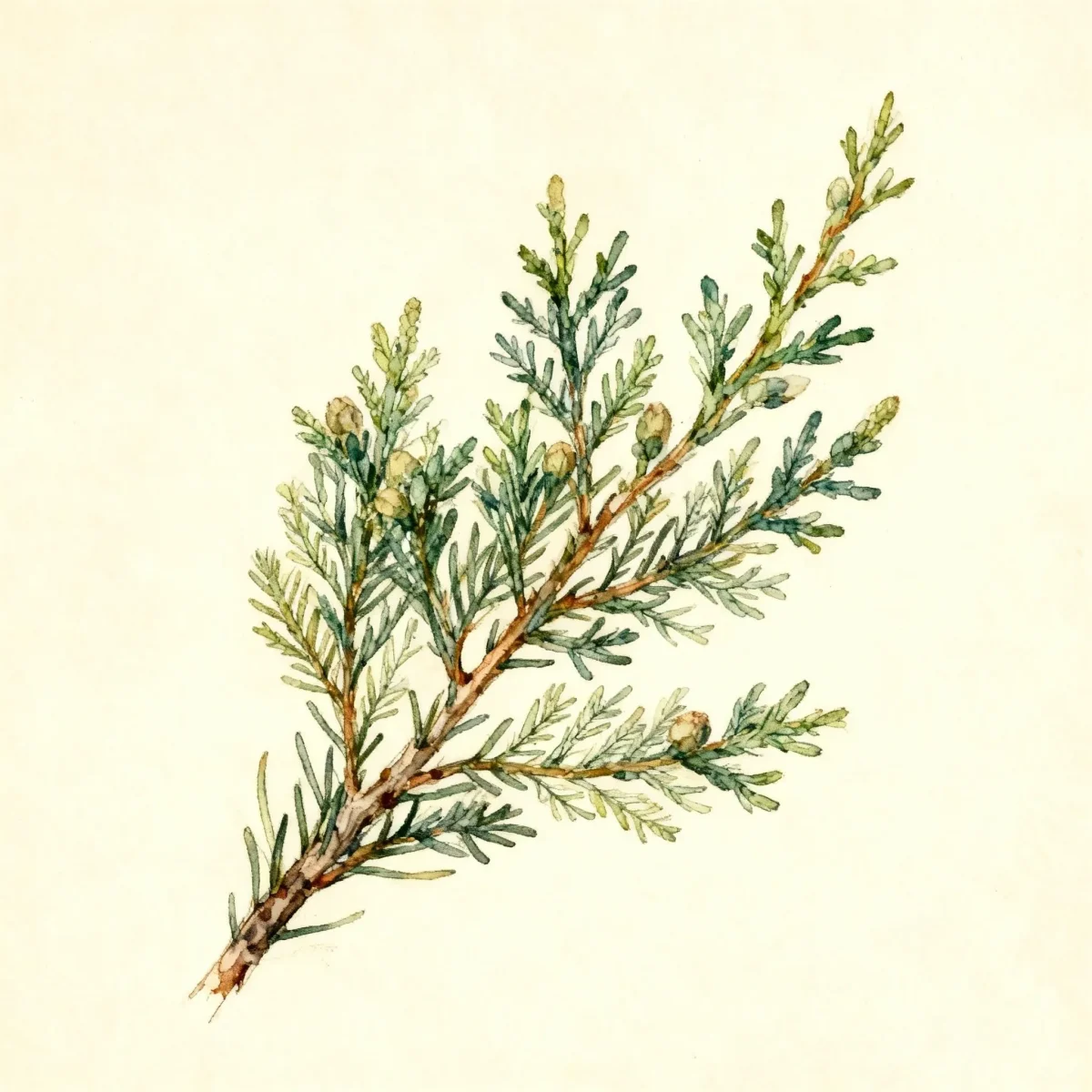
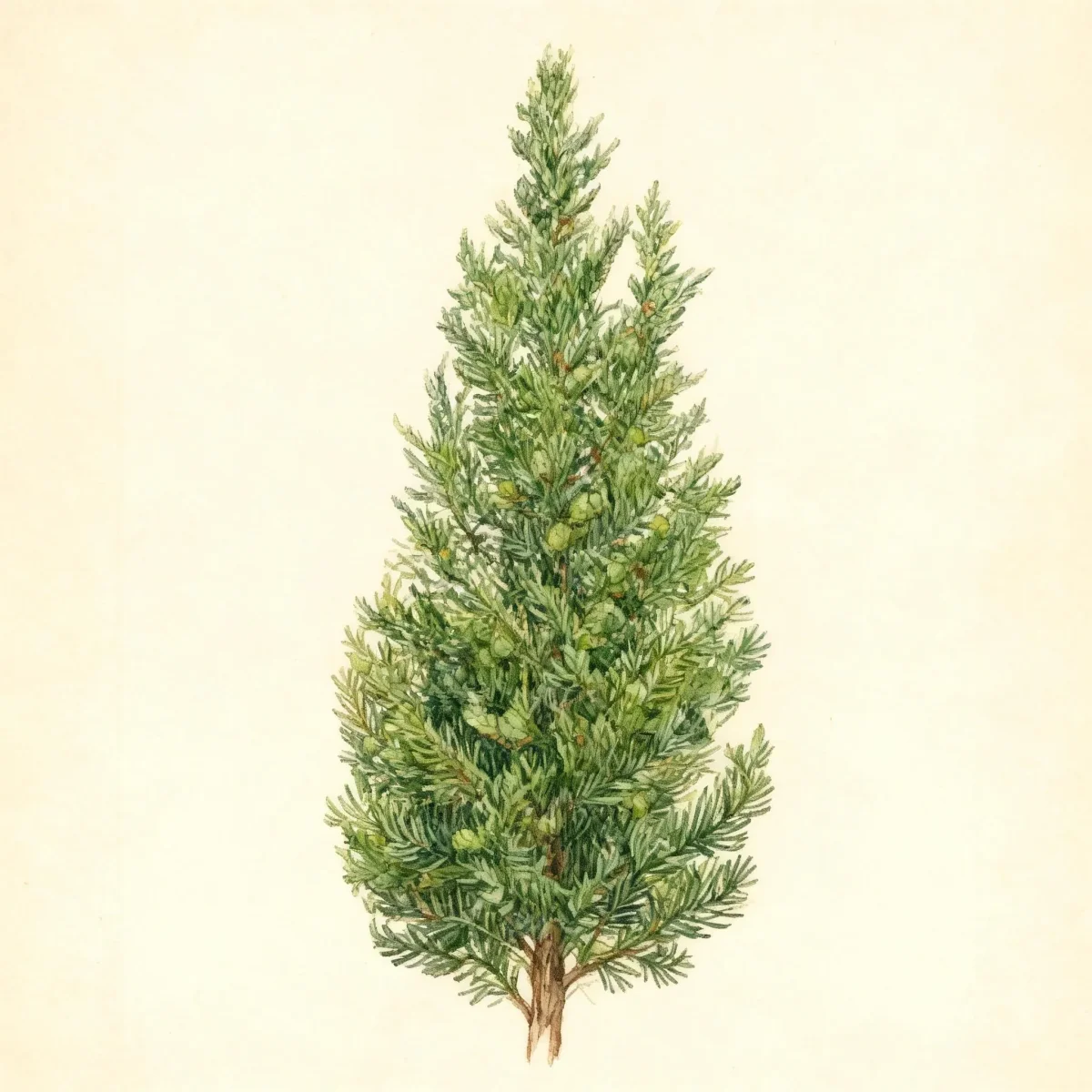
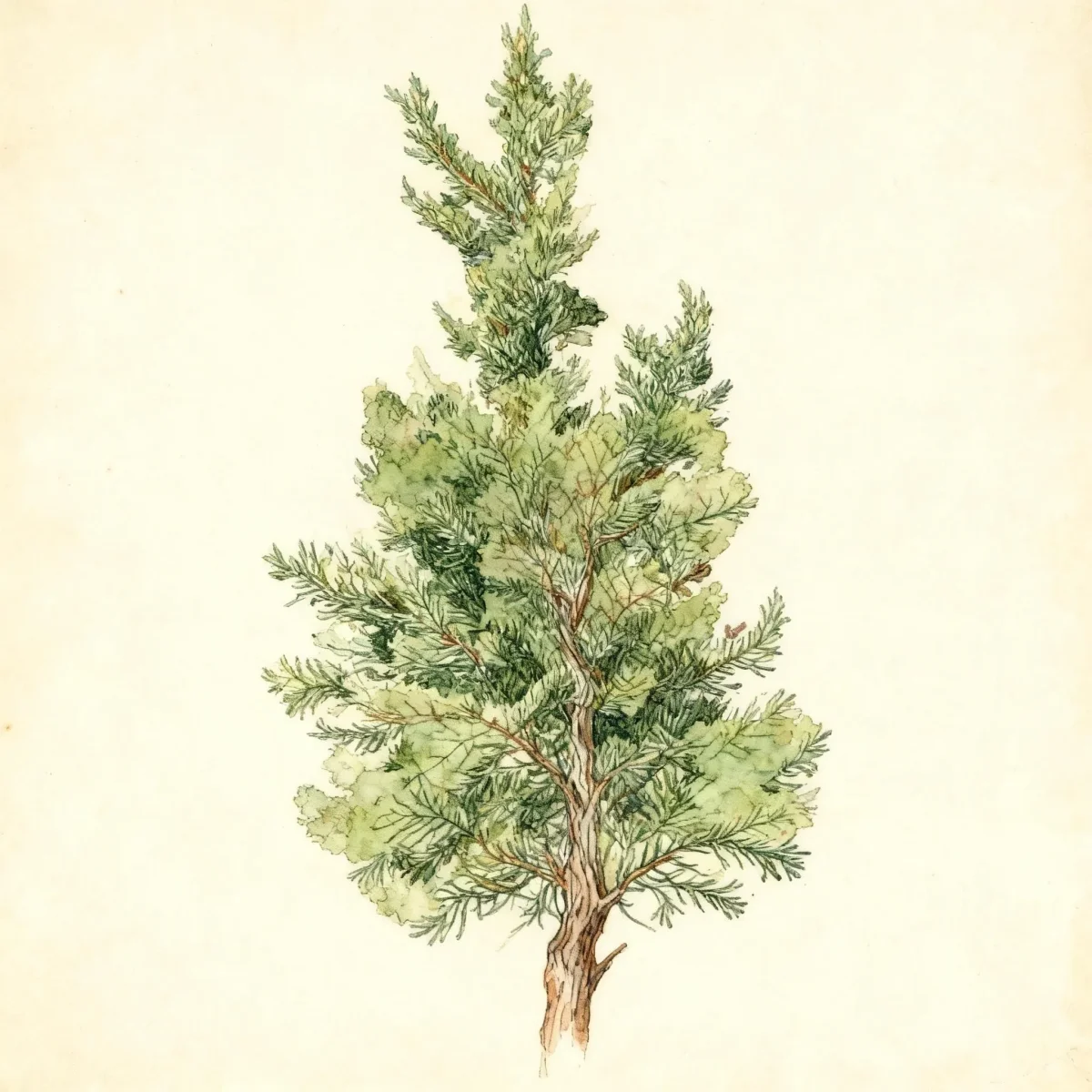
Savin juniper (Juniperus sabina)
The Savin juniper (Juniperus sabina) is a tough, low-maintenance needled evergreen highly valued for erosion control and structure.
Scroll down to discover growing tips, care requirements, companion plants, and more
Complete Plant Information
Overview
The Savin juniper, Juniperus sabina, is a robust, spreading needled evergreen prized for its adaptability in difficult landscape settings. This conifer features attractive dark green foliage that retains color even through harsh winters, distinguishing it as a reliable structural planting. Its spreading habit allows it to create excellent ground cover or low screens where other plants may struggle.
As a hardy specimen, Juniperus sabina thrives in full sun and tolerates a surprisingly wide range of challenging soil conditions. Gardeners appreciate its low maintenance demands once established, making it a practical choice for large areas or slopes requiring reliable coverage against erosion. It forms dense mats that effectively manage runoff and soften harsh architectural lines.
While the species plant itself is unusual in modern nurseries, numerous cultivars offer ornamental appeal. Whether used as a hedge or mass planting on a sunny bank, the Savin juniper provides year-round texture and resilience, requiring minimal input from the gardener for long-term success.
Fast Facts
- Plant Family: Cupressaceae
- Plant Type: Needled evergreen
- Native Range: Northern Africa, Asia, Europe
- Hardiness Zones: USDA Zones 3-7
- Size at Maturity:
- Height: 4-6 ft
- Spread: 5-10 ft
- Bloom Time: Non-flowering
- Bloom Description: Non-flowering
- Sun Exposure: Full sun
- Water Needs: Medium
- Maintenance Level: Low
How to Grow
Planting the Savin juniper is best done in the spring post-frost or in early fall, allowing root establishment before temperature extremes. Ensure the location receives full unobstructed sun, as this species performs poorly in shade. Juniperus sabina prefers well-drained soils but shows remarkable tolerance for clay and limestone conditions; however, it is strongly intolerant of consistently wet or poorly drained sites, which can lead to root rot.
Water regularly during the first growing season to encourage deep rooting. Once established, the Savin juniper demonstrates reliable drought tolerance. Fertilization is rarely necessary; in fact, over-fertilizing can encourage soft, weak growth susceptible to pests and disease. Pruning requirements are typically minimal; limit shearing to maintaining desired size or shape, though heavy pruning should be avoided.
This evergreen is highly tolerant of urban stresses, successfully handling air pollution. When preparing for winter, especially in colder zones (3 and 4), ensure adequate watering before the ground freezes solid, as evergreens continue to lose moisture through their needles. Spring cleanup involves removing any winter debris, though the low maintenance nature of Juniperus sabina necessitates little overhead work.
Landscape Uses
The inherent spreading habit of the Savin juniper makes it an exceptional choice for mass plantings where broad coverage is needed quickly. It excels on slopes, fulfilling the important role of erosion control due to its robust root system and dense foliage cover. For foundational plantings, select shorter cultivars near structures, or use it to create low, informal hedgerows that require little shearing maintenance.
In minimalist designs, such as rock gardens or Japanese-inspired landscapes, the textural contrast of this conifer against stone or coarse gravel is highly effective. Because it is an evergreen, it maintains visual interest year-round, anchoring seasonal displays. Consider pairing Juniperus sabina with deciduous shrubs that offer contrasting fall color, ensuring your design remains dynamic.
Its tolerance for dry, poor soils makes it an excellent utility plant or screen along property lines where soil quality is a known issue. Utilize its low-growing nature to spill over retaining walls, softening hard edges while stabilizing the soil beneath.
Standout Features
Noteworthy Characteristics
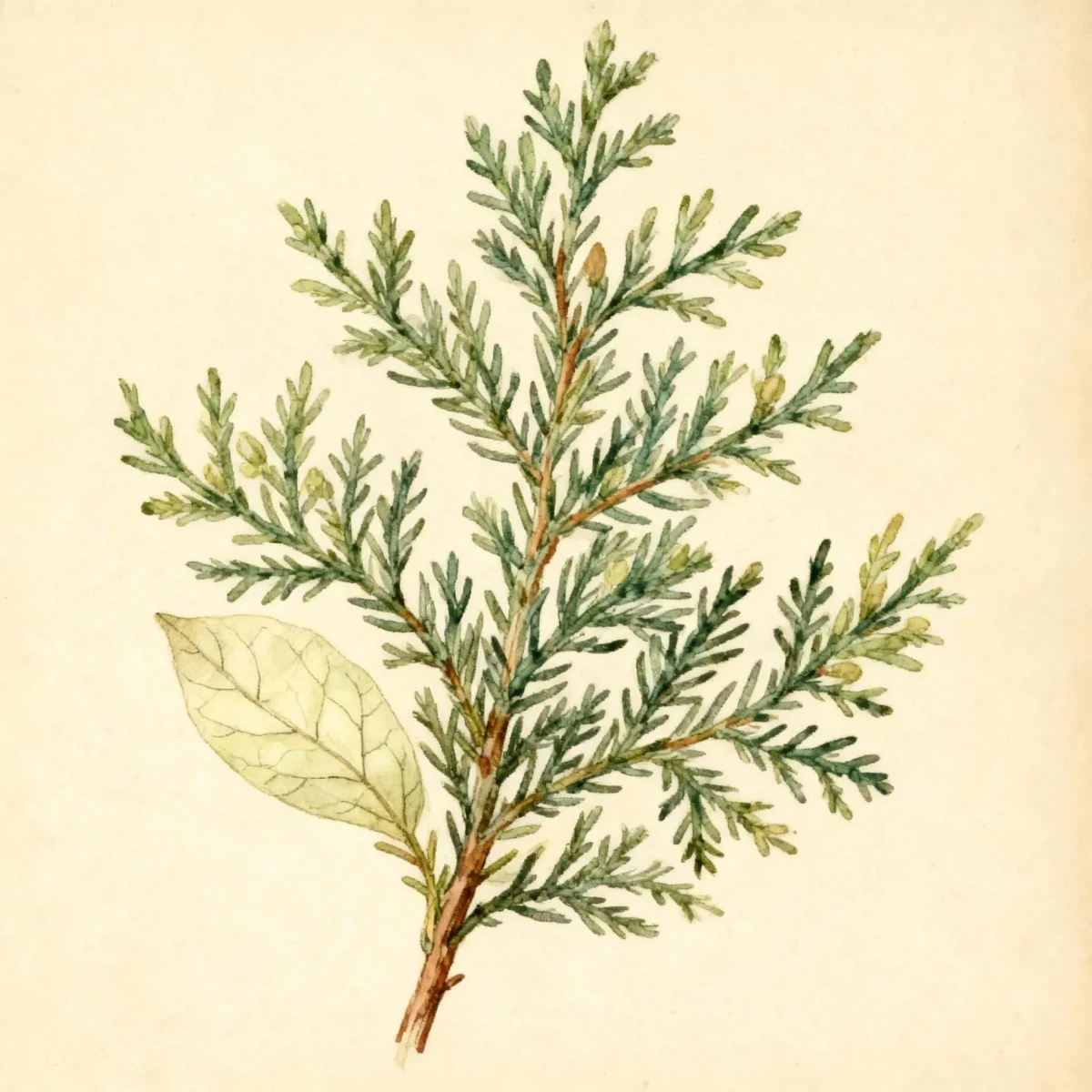
Juniperus sabina, commonly known as savin juniper, is a shrubby evergreen conifer that is native to mountain areas of central and southern Europe to the Caucusus. It is usually seen in the wild as a spreading shrub to 4-6’ tall and to 5-10’ wide. Foliage is dark green with no purplish color in winter. Crushed foliage releases an unpleasant aroma. Brown bark on mature stems peels in strips. Although species plants are rarely sold in commerce (not particularly ornamental), a number of cultivated varieties have become popular ornamental landscape plants.
Tolerances
- Deer
- Drought
- Erosion
- Dry Soil
- Shallow-Rocky Soil
- Air Pollution
Potential Problems
Savin junipers, like many conifers, are susceptible to fungal issues, primarily tip and needle blights which manifest as browning or dieback on the ends of branches. Good air circulation, achieved by avoiding overly dense planting, is the best preventative measure. Cedar-apple rust and related rust diseases are also common, requiring management if serviceberry or apple trees are nearby, as junipers serve as an alternate host.
Poor drainage is a significant threat, leading directly to root rot in wet soils. Always amend heavy clay soils for better drainage or site the Juniperus sabina on slightly elevated ground. Cankers can sometimes appear on bark or main stems, usually signaling stress from drought or injury; infected areas should be cleanly pruned out immediately. Occasional insect pests include aphids, scale, bagworms, and borers; inspect foliage regularly, especially undersides, and treat minor infestations promptly with horticultural oil or insecticidal soap.
Frequently Asked Questions
What hardiness zones is Savin juniper suitable for?
The Savin juniper (Juniperus sabina) is suitable for USDA Hardiness Zones 3 through 7.
How large does Juniperus sabina grow?
Typically, Juniperus sabina reaches a mature height between 4 and 6 feet, with a spread ranging from 5 to 10 feet wide.
What sun exposure does Savin juniper need?
This needled evergreen requires full sun exposure to maintain its best form and color.
When does Savin juniper bloom?
It is classified as non-flowering, meaning the Juniperus sabina does not produce ornamental flowers; it develops small, fleshy, bluish-black seed cones on female plants.
Conclusion
The Savin juniper offers unparalleled resilience and year-round structure, making it a practical cornerstone for landscapes facing sunny, relatively dry conditions. Its adaptability across varied soil types solidifies the value of Juniperus sabina as a low-maintenance evergreen workhorse. Before planting, confirm that your site offers the required full sun exposure and excellent drainage compatible with your USDA zone.
Companion Planting
Choosing companions for Juniperus sabina should focus on plants that thrive in full sun and share a preference for well-drained or average soil rather than moist conditions. Since this juniper offers dense, dark green texture, look for companions with contrasting leaf shapes or bright seasonal color. Ornamental grasses work exceptionally well, echoing the low, spreading structure while adding movement.
For flowering accents, consider planting drought-tolerant perennials like Sedum (stonecrop), Coneflowers (Echinacea), or certain varieties of Russian Sage (Perovskia atriplicifolia). These sun-loving companions complement the rugged nature of the Savin juniper without competing aggressively for moisture in dry areas. Avoid moisture-loving plants situated immediately next to mass plantings of this juniper.
Design Ideas for Slopes
Utilizing Juniperus sabina for slope stabilization is one of its most effective uses, acting as dynamic, living mortar. Mass planting ensures that the spreading root balls knit together quickly, preventing topsoil loss during heavy rain events. Plant groups on the contour lines of a slope rather than straight up and down to maximize runoff interception.
When designing these slope plantings, intersperse slow-growing, native, woody shrubs that also tolerate dry, shallow soil. This layering approach builds long-term habitat structure while the faster-spreading juniper provides immediate visual coverage. Ensure access routes remain clear for initial care, allowing the broad spread of the Savin juniper to naturally connect the planting areas over a few seasons.